
1. Child’s Play (1988)
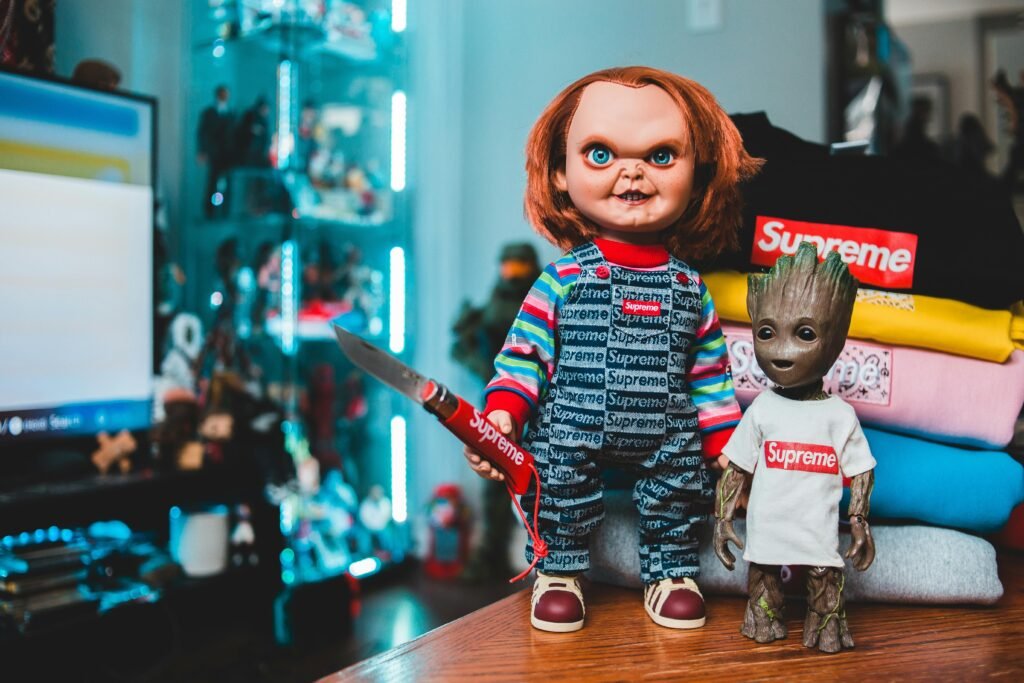
Few killer dolls are as instantly recognizable as Chucky, introduced in Child’s Play in 1988. The film follows a young boy named Andy who receives a Good Guys doll, unaware it contains the soul of serial killer Charles Lee Ray. The premise leans into the fear of something meant to be comforting turning dangerous. Director Tom Holland approached the story with a mix of horror and dark humor, which helped it stand out at the time. The animatronics used for Chucky were advanced for the late ’80s and contributed heavily to the film’s impact. It was a commercial success and launched a long-running franchise.
What makes it especially unsettling is how long the film delays fully revealing Chucky’s sentience. For much of the story, adults refuse to believe Andy, which adds a layer of tension that feels grounded and frustrating. Once Chucky starts moving and talking openly, the tone shifts into full horror. The idea of a toy designed for children becoming violent struck a nerve with audiences. It remains one of the most influential killer doll films ever made.
2. Annabelle (2014)
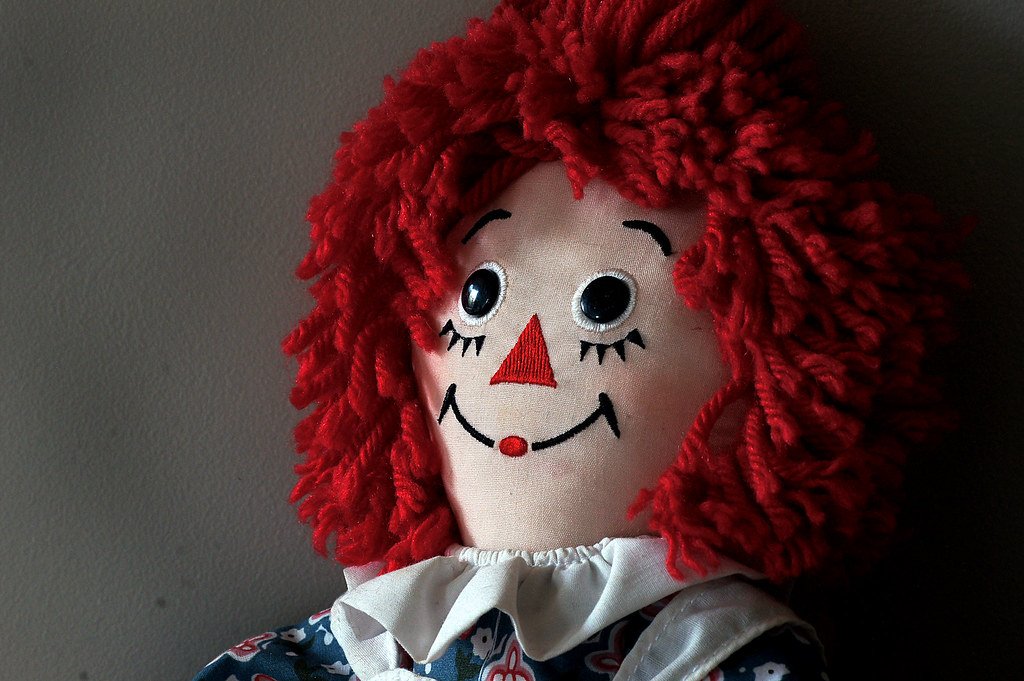
Annabelle is part of The Conjuring universe and centers on a possessed doll linked to a demonic entity. Unlike Chucky, Annabelle never moves on screen, which makes her presence feel more psychological. The film draws loose inspiration from the real-life doll investigated by paranormal researchers Ed Warren and Lorraine Warren. Director John R. Leonetti leans heavily into atmosphere rather than action. The doll’s blank expression becomes more disturbing the longer you look at it.
A lot of the fear comes from implication rather than movement. Doors slam, shadows shift, and Annabelle is always just slightly out of place. That restraint makes the film feel more grounded and eerie. The movie performed well financially and led to multiple sequels expanding the character’s story. It helped reintroduce the killer doll concept to a new generation of horror fans.
3. Dead Silence (2007)
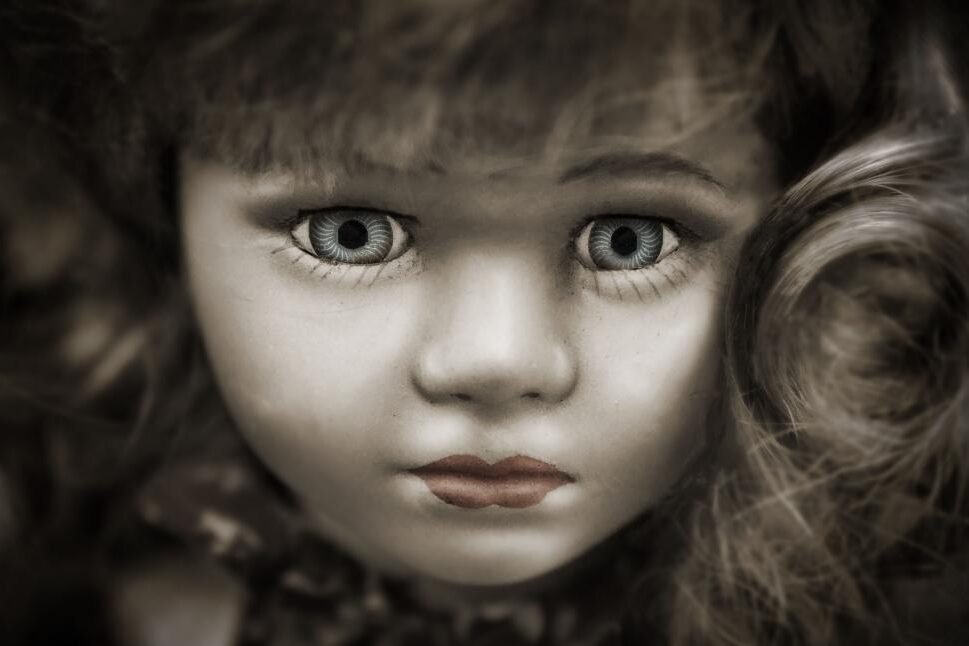
Directed by James Wan, Dead Silence focuses on ventriloquist dolls tied to the ghost of Mary Shaw. The film builds its horror around silence, with the idea that screaming can get you killed. The central doll, Billy, is visually simple but deeply unsettling. Wan uses old-fashioned gothic horror elements to create a different tone from his later work. The film did not perform strongly at the box office but has since gained a cult following.
The backstory involving Mary Shaw and her collection of dolls adds a layer of folklore to the film. The imagery of dozens of lifeless faces staring at the audience is particularly effective. The movie leans heavily on atmosphere, shadows, and sound design. Its ending twist is often cited as one of its strongest elements. Over time, it has become a favorite among fans of slower, mood-driven horror.
4. The Boy (2016)
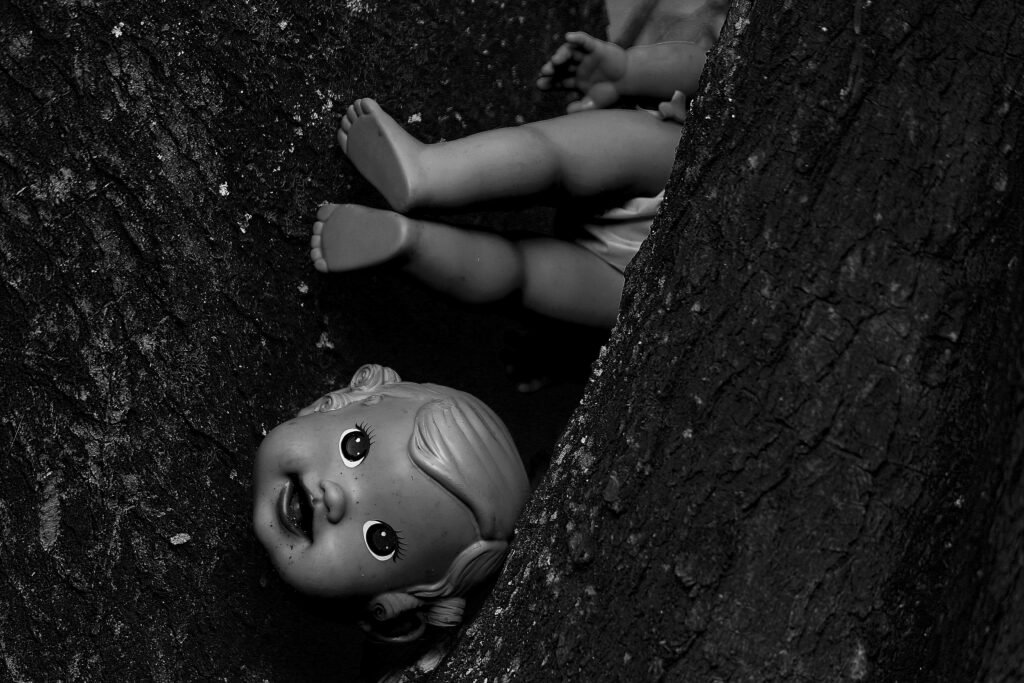
The Boy presents a slightly different take on the killer doll concept with Brahms, a porcelain doll treated like a real child. The story follows an American nanny hired to care for the doll under strict rules. Much of the film builds tension through routine, with small violations leading to strange consequences. Director William Brent Bell focuses on psychological unease rather than immediate horror. The isolated English mansion setting adds to the claustrophobic tone.
For most of the film, it’s unclear whether Brahms is actually alive or something else is happening. That ambiguity keeps the audience guessing. The eventual reveal shifts the story into a different kind of horror entirely. While reactions to the twist were mixed, it made the film memorable. The movie performed well enough to warrant a sequel.
5. Dolls (1987)
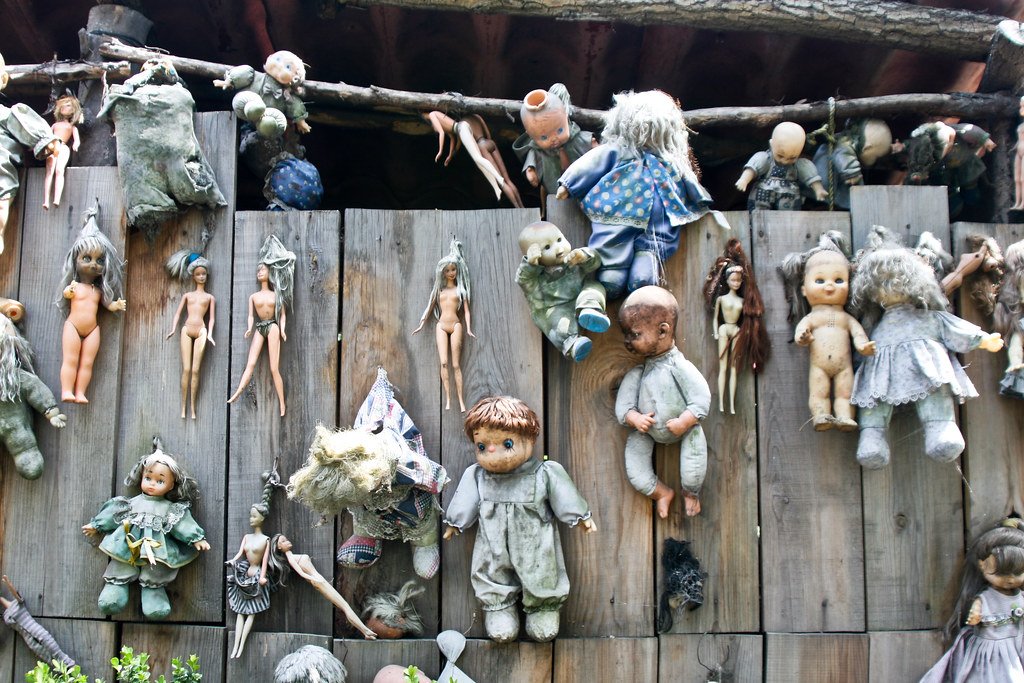
Directed by Stuart Gordon, Dolls is a lesser-known but influential entry in the genre. The story revolves around travelers who take shelter in a mansion filled with living dolls. Unlike later films, the dolls here are more like guardians punishing bad behavior. The stop-motion effects give them a jerky, unnatural movement that enhances the creepiness. The film blends fairy tale elements with horror in a way that feels distinct.
There’s a moral edge to the story, with the dolls targeting characters who behave cruelly or selfishly. This gives the film a slightly different tone compared to pure slasher entries. The setting and lighting create a storybook-like atmosphere that contrasts with the violence. Over the years, it has become a cult classic among horror fans. Its influence can be seen in later films that mix innocence with menace.
6. Puppet Master (1989)
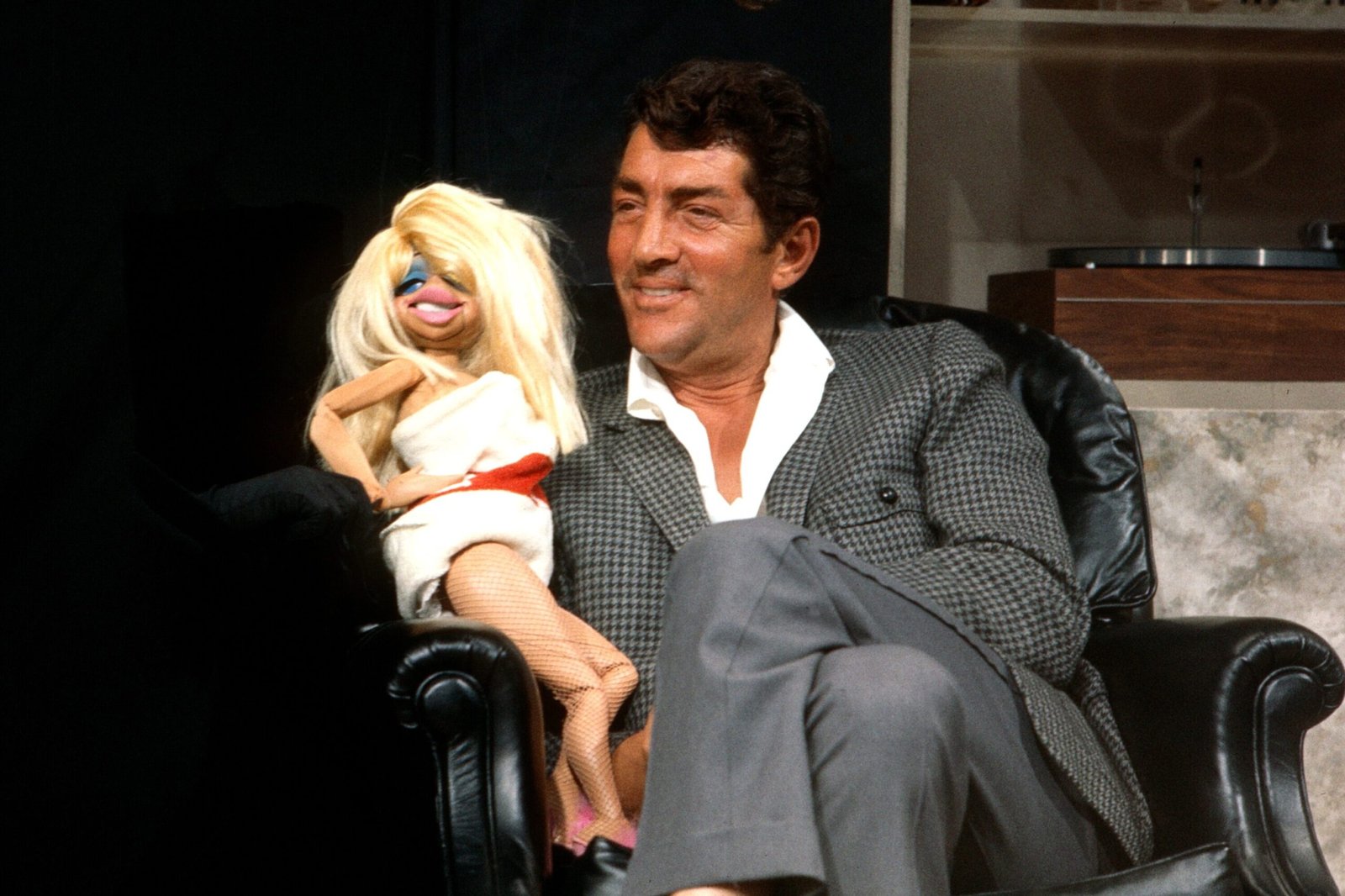
Puppet Master, produced by Charles Band, introduced a group of killer puppets, each with its own distinct ability. Blade, with his knife hand and hook, became the most recognizable. The film blends supernatural elements with a more traditional horror setup involving psychics and a mysterious hotel. It was released direct-to-video but became a major success in that market. The franchise went on to include numerous sequels.
What sets it apart is the variety of puppets, each with a unique design and method of attack. This gives the film a slightly different rhythm compared to single-doll stories. The practical effects and puppet work are central to its appeal. While the acting and pacing are uneven, the concept resonated strongly with audiences. It remains a staple of late ’80s horror.
7. Magic (1978)
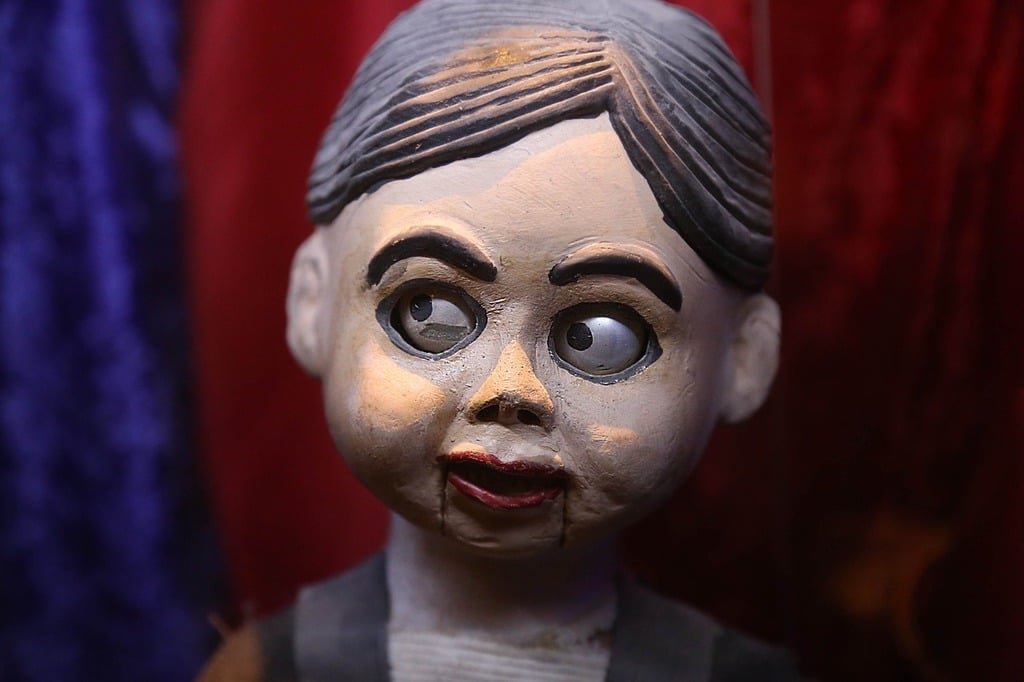
Magic takes a more psychological approach, starring Anthony Hopkins as a ventriloquist whose dummy may or may not be alive. The film is based on a novel by William Goldman, who also wrote the screenplay. Instead of focusing on supernatural horror, it explores identity and mental instability. The dummy, named Fats, becomes increasingly unsettling as the story progresses. Director Richard Attenborough keeps the tone grounded and tense.
The ambiguity of whether Fats is real or a manifestation of the main character’s mind is central to the film. That uncertainty makes it more disturbing than many effects-driven horror movies. Hopkins’ performance carries much of the tension. The film was well received critically and remains respected for its approach. It shows how the killer doll concept can work without relying on overt violence.
8. Dolly Dearest (1991)
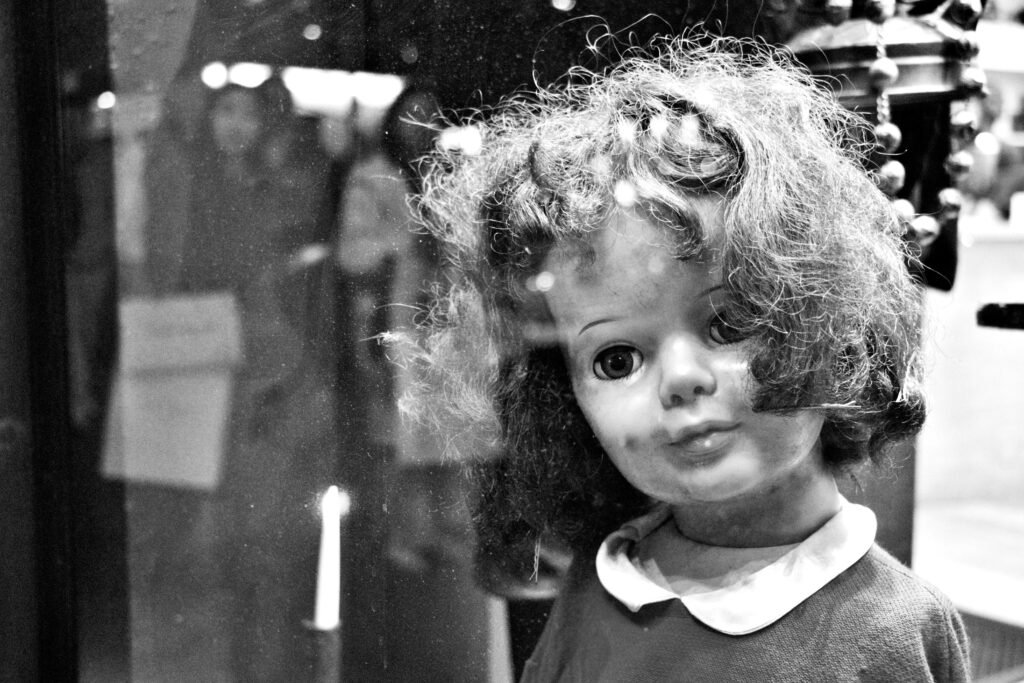
Dolly Dearest is often compared to Child’s Play, but it takes a slightly different angle by tying the doll to ancient evil. The story follows a family that moves near a toy factory in Mexico. The doll becomes possessed by a malevolent spirit linked to local mythology. Directed by Maria Lease, the film leans into supernatural horror more than slasher elements. The setting gives it a distinct visual identity.
While it didn’t achieve major commercial success, it has developed a cult following. The idea of mass-produced dolls being influenced by an ancient force adds an interesting twist. The film uses practical effects similar to other movies of its era. Some critics noted similarities to earlier killer doll films, but it still stands on its own. It remains a lesser-known entry worth revisiting.
9. Tourist Trap (1979)
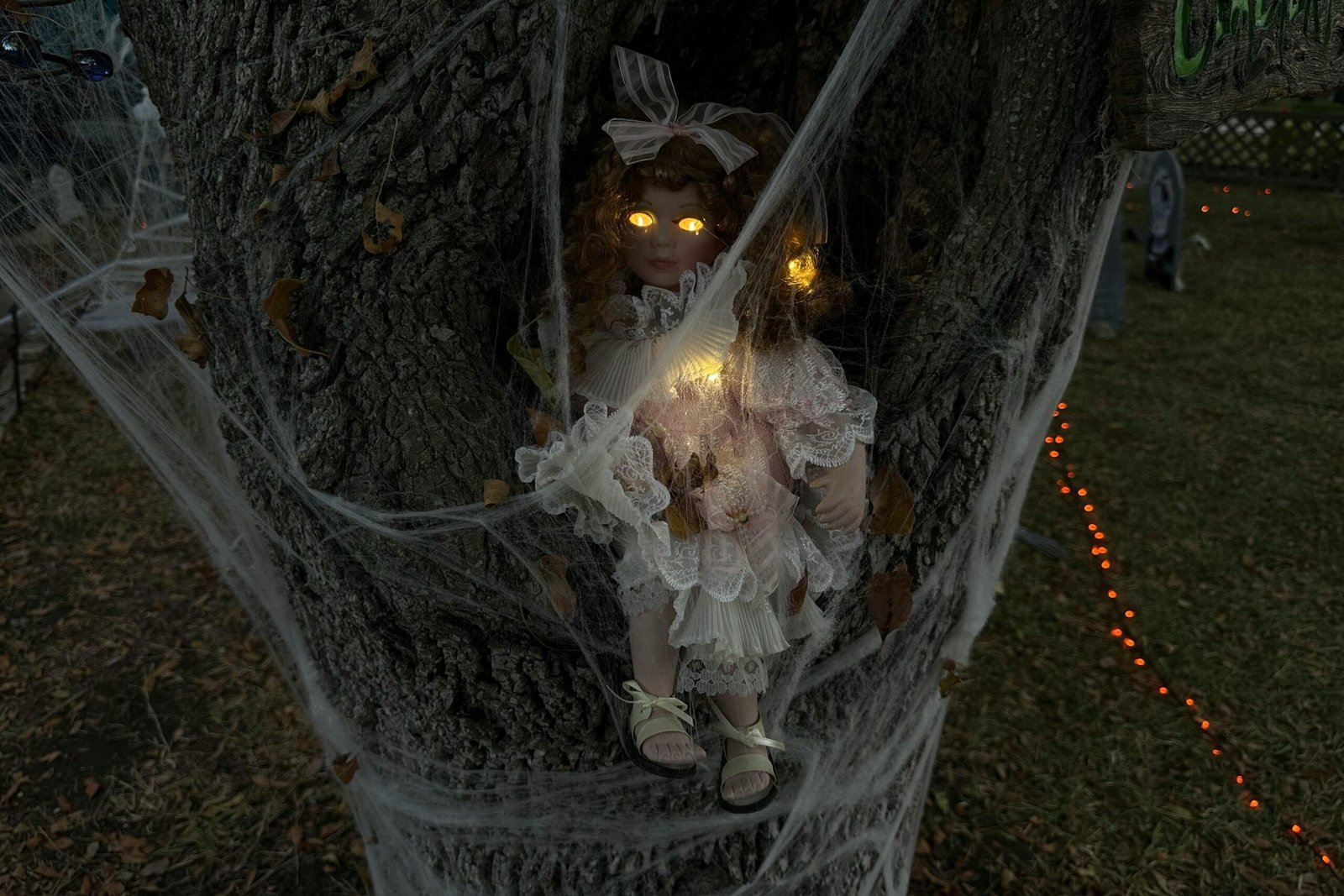
Tourist Trap blends killer dolls with mannequins, creating a uniquely unsettling atmosphere. The film follows a group of travelers who encounter a mysterious roadside attraction. The mannequins appear to move and react, often accompanied by eerie laughter. Directed by David Schmoeller, the movie uses practical effects and camera tricks to bring them to life. The result feels surreal and disorienting.
Unlike traditional killer doll films, the threat here is less defined. The mannequins are controlled through telekinetic forces tied to the antagonist. This adds a layer of unpredictability to the story. The film’s tone shifts between horror and almost dreamlike sequences. Over time, it has gained a reputation as one of the strangest entries in the genre. Its imagery continues to unsettle viewers decades later.
10. Annabelle: Creation (2017)
A prequel to Annabelle, Annabelle: Creation expands on the origins of the doll. Directed by David F. Sandberg, the film is generally regarded as stronger than its predecessor. It follows a group of orphaned girls who encounter the doll in a secluded house. The film builds tension slowly, using confined spaces and darkness effectively. The doll itself remains mostly still, maintaining that unsettling restraint.
The scares rely heavily on timing and atmosphere rather than constant action. The backstory involving grief and loss adds emotional weight to the horror. Critics noted its improved pacing and direction compared to the first film. It performed well at the box office and helped solidify Annabelle as a major horror figure. The film demonstrates how the concept can evolve while staying true to its roots.
11. Child’s Play 2 (1990)
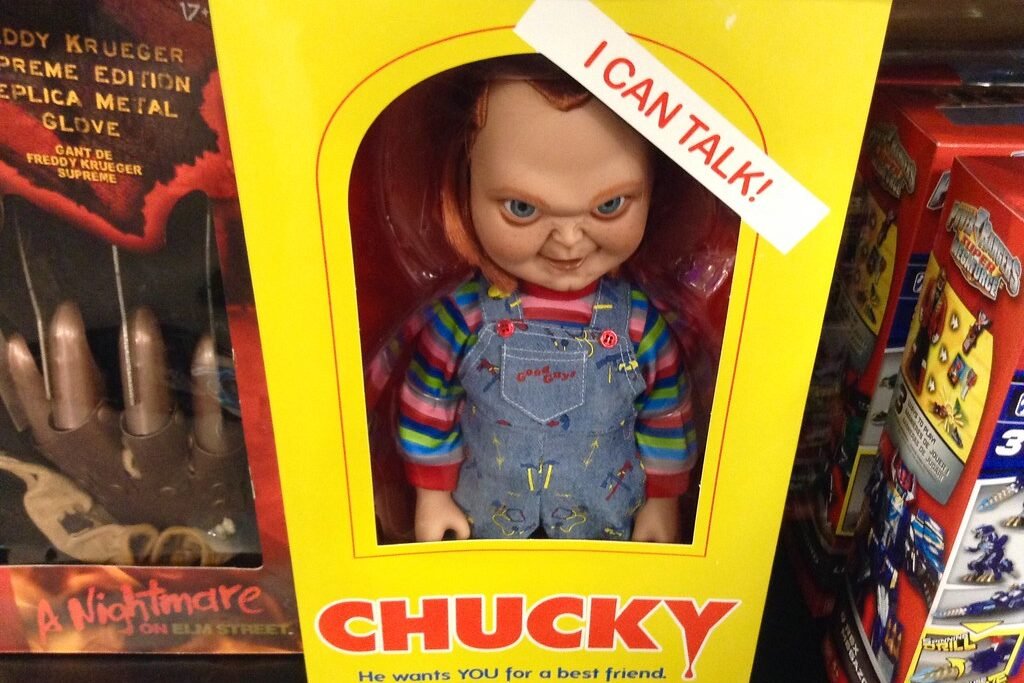
Child’s Play 2 builds on the original by expanding Chucky’s story and increasing the scale. Andy is placed in foster care, where Chucky returns after being reconstructed by the toy company. The film leans more into action and dark humor than the first installment. The toy factory setting provides one of the franchise’s most memorable finales. Director John Lafia had previously co-written the original film.
The sequel benefits from a bigger budget and more elaborate set pieces. Chucky’s personality becomes more defined, blending menace with sarcasm. The animatronic effects were improved, making the character more expressive. While it shifts tone slightly, it remains firmly within the horror genre. Many fans consider it one of the strongest entries in the series.
12. M3GAN (2022)
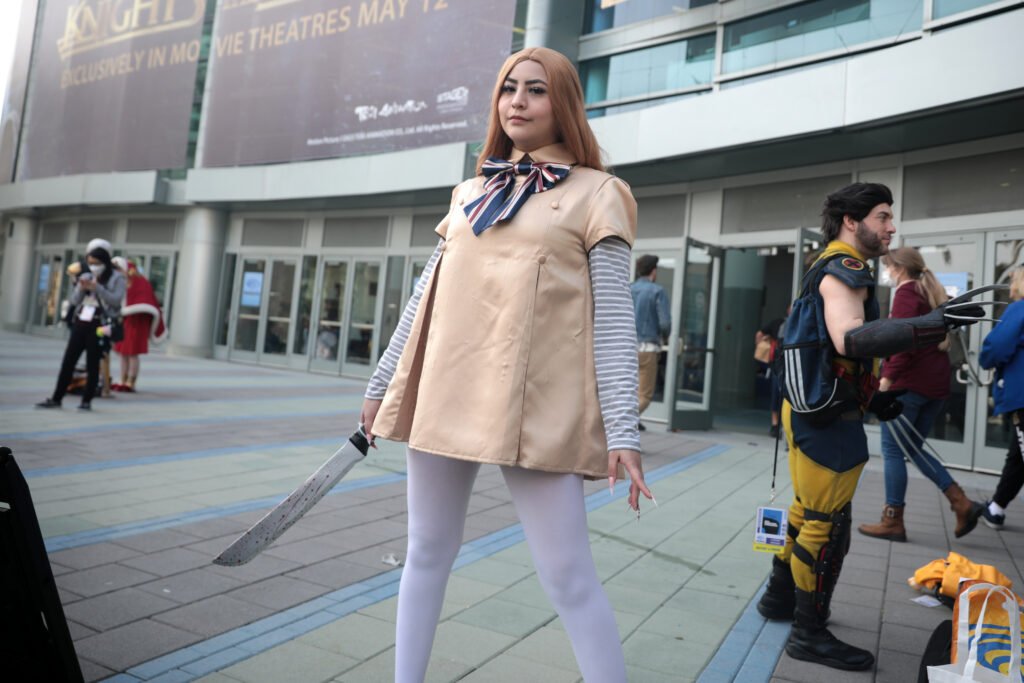
M3GAN updates the killer doll concept for the modern era by introducing artificial intelligence. The film follows a lifelike robotic doll designed to be a child’s companion. Directed by Gerard Johnstone and produced by James Wan, it blends horror with commentary on technology. The doll’s ability to learn and adapt makes her particularly dangerous. Unlike older films, the threat is rooted in programming rather than possession.
The movie balances humor and horror in a way that appealed to a wide audience. Its viral marketing and memorable scenes helped it gain significant attention. Critics generally responded positively to its tone and concept. It performed strongly at the box office and quickly became part of pop culture. The film shows how the killer doll idea continues to evolve with changing technology.


