
1. The Zombies – Odessey and Oracle (1968)
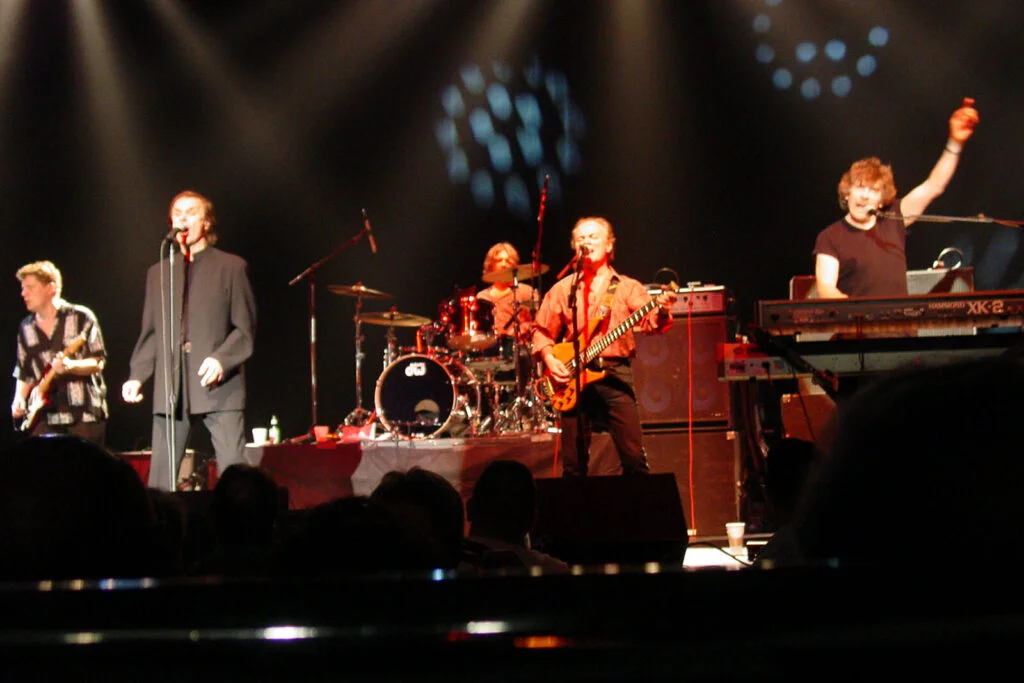
When The Zombies released Odessey and Oracle, it barely made a splash. Recorded at Abbey Road with the same Mellotron used by The Beatles, the album was packed with gorgeous harmonies and inventive arrangements. Critics didn’t pay much attention at the time, and the band broke up soon after its release. It wasn’t until “Time of the Season” became a belated hit that people started noticing just how ahead of its time the album really was.
Today, many point to Odessey and Oracle as a psychedelic pop masterpiece, yet it still doesn’t get the same recognition as other albums of the era. Its blend of haunting melodies and baroque touches influenced future generations quietly, rather than loudly. For many listeners, discovering this album feels like stumbling upon a hidden gem from the ’60s. It’s proof that sometimes great art doesn’t get its due right away.
2. Love – Forever Changes (1967)
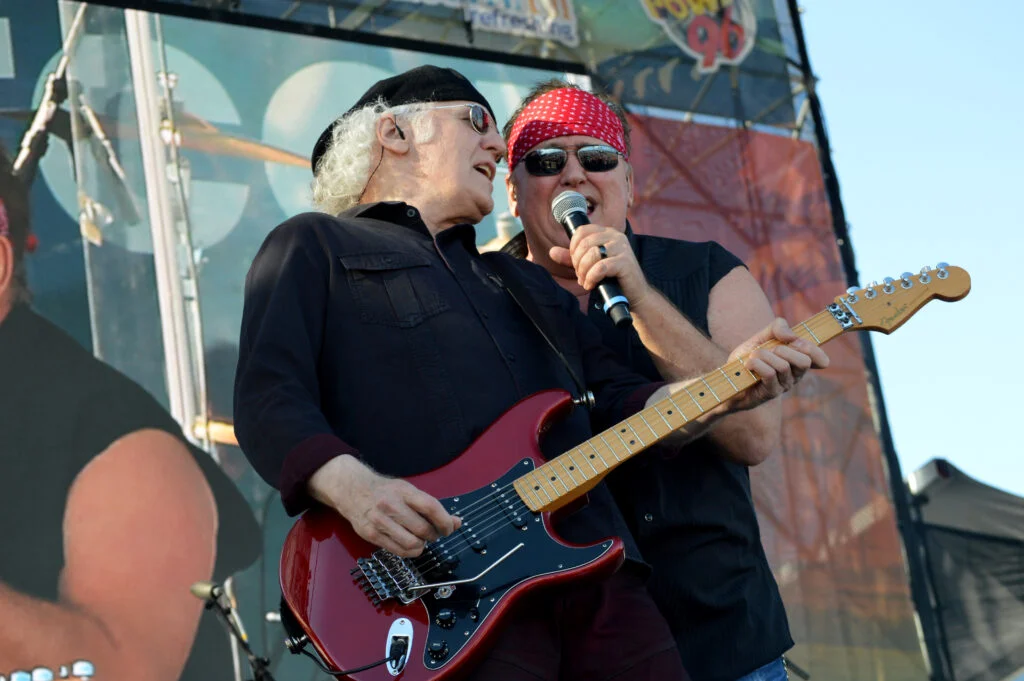
Love never hit the mainstream the way they should have, and Forever Changes shows why that’s such a shame. The album is a strange, beautiful mix of folk-rock, orchestration, and eerie lyrics that captured the uncertainty of the late ’60s. Arthur Lee’s vision gave the record a dark, almost apocalyptic mood that contrasted with the peace-and-love vibes of the time. It didn’t chart well in the U.S., though it did slightly better in the U.K.
Over the years, Forever Changes has gained cult status among critics and musicians. Bands like The Stone Roses and Echo & the Bunnymen have cited it as inspiration, but it still remains underappreciated in the general public’s memory. Listening today, it feels both dated and timeless, like an audio time capsule of California’s golden era fading into disillusionment. For those who give it a spin, it’s unforgettable.
3. The Pretty Things – S.F. Sorrow (1968)
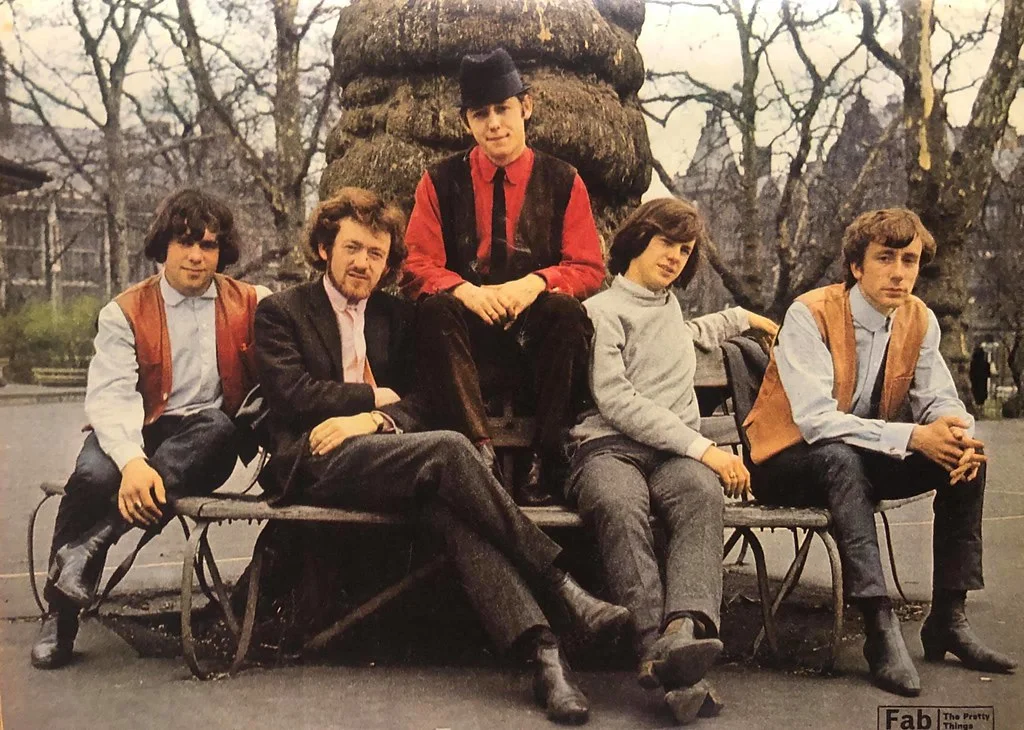
Long before Tommy, there was S.F. Sorrow. This album by The Pretty Things is often called the first true rock opera, telling the life story of a character named Sebastian F. Sorrow. With fuzzy guitars, surreal lyrics, and experimental production, it was a bold leap into storytelling through rock. Unfortunately, poor promotion and limited distribution kept it from reaching the masses.
While Pete Townshend would later get credit for pioneering the concept album with The Who, S.F. Sorrow was already pushing the boundaries. It influenced Pink Floyd and David Bowie, even if it never sold in big numbers. Today, it’s a fascinating listen for anyone curious about the roots of progressive and psychedelic rock. It’s one of those albums that quietly changed music while being overlooked.
4. The United States of America – The United States of America (1968)
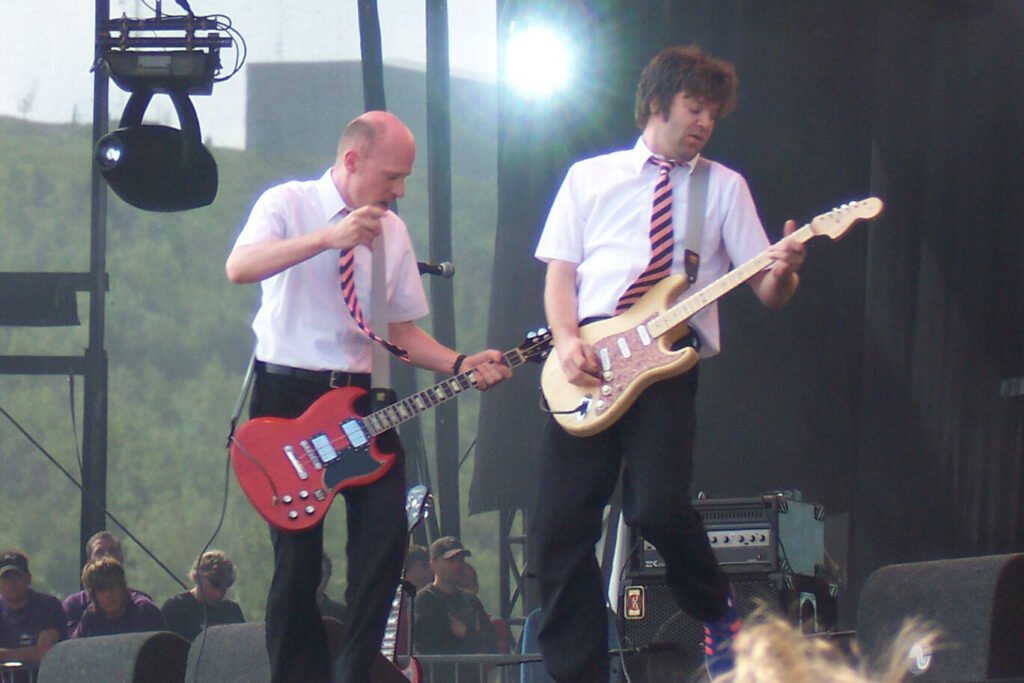
With a name like that, you’d expect big ambitions, and this band delivered. Their only album blended electronic sounds, experimental rock, and political lyrics in ways that were groundbreaking for 1968. Using early synthesizers and tape effects, the record predicted sounds that wouldn’t become popular until the ’70s and ’80s. It confused listeners at the time, and commercial success never came.
But this album’s influence on electronic and experimental music is undeniable. Bands like Stereolab and Broadcast owe much to its adventurous spirit. It’s one of those records that didn’t fit neatly into any category, which is probably why it slipped under the radar. Listening now, it feels surprisingly modern, like a lost blueprint for alternative music.
5. The Byrds – Younger Than Yesterday (1967)
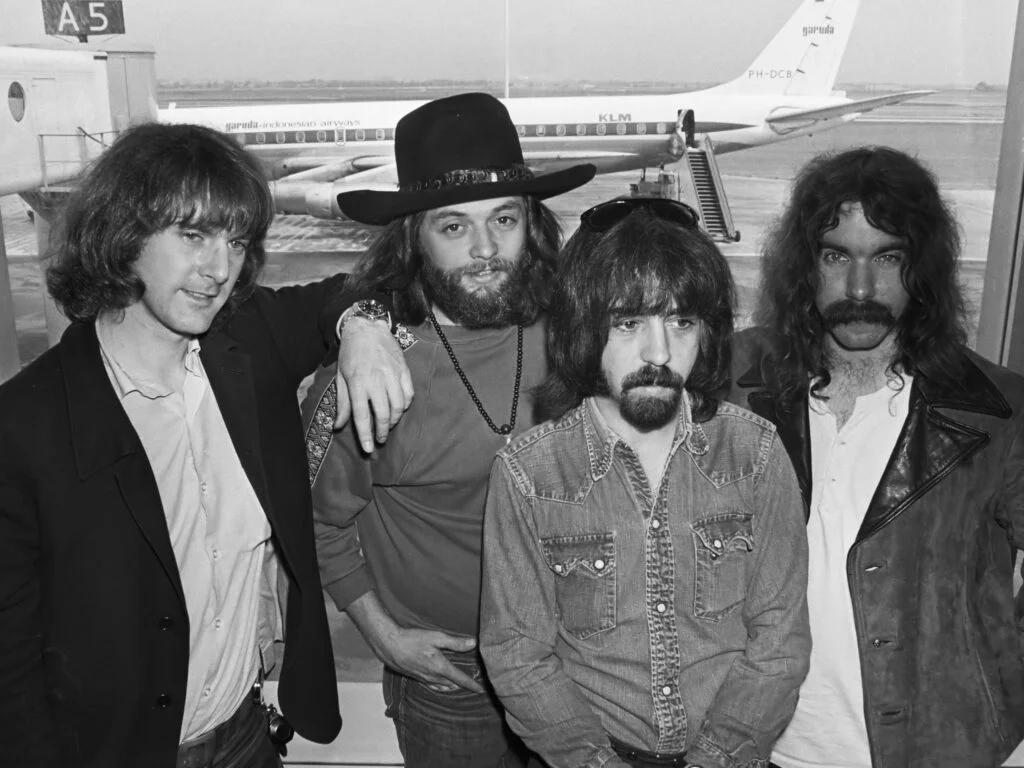
Everyone remembers Mr. Tambourine Man, but Younger Than Yesterday often gets forgotten. This was the album where The Byrds started to branch out, blending folk-rock with jazz and psychedelic elements. It includes “So You Want to Be a Rock ’n’ Roll Star,” which cheekily skewered fame, and “My Back Pages,” a stunning Dylan cover. Despite its creativity, it didn’t sell as well as their earlier work.
Over time, the album’s inventiveness has been reevaluated. It pointed toward country rock and experimental sounds that would later shape music in the ’70s. But for casual fans, it tends to get lost among the band’s bigger hits. For those who dive in, it’s clear that Younger Than Yesterday was a pivotal moment for The Byrds and for rock music as a whole.
6. The Velvet Underground – White Light/White Heat (1968)
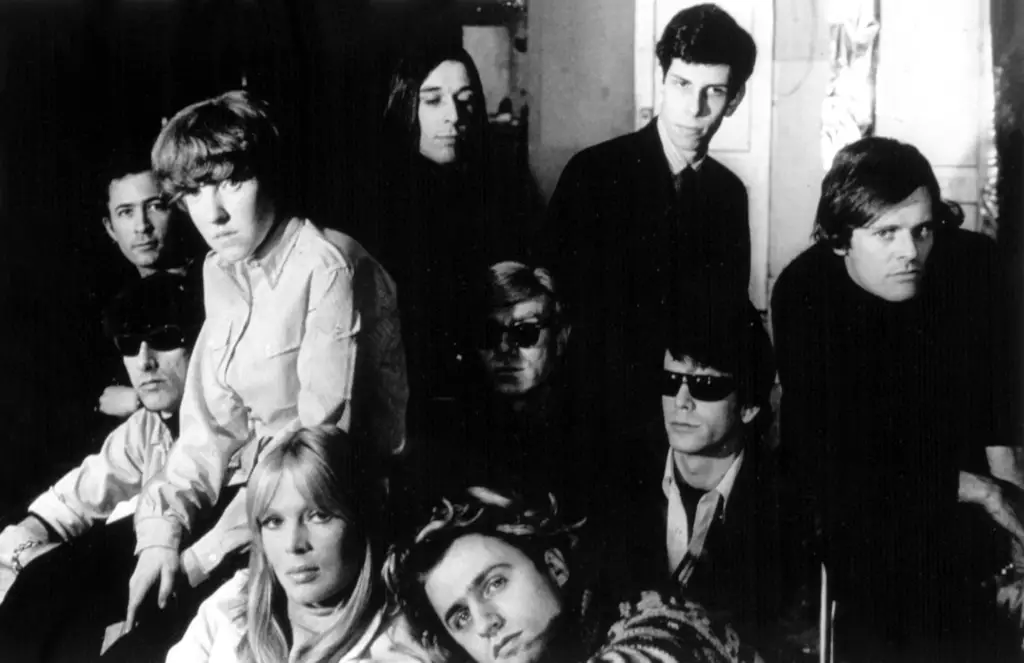
While The Velvet Underground’s debut has earned its place in history, their follow-up, White Light/White Heat, often gets overshadowed. It was raw, noisy, and almost aggressively anti-commercial. With tracks like “Sister Ray,” a 17-minute jam about debauchery, the album pushed rock into uncomfortable but revolutionary territory. At the time, it baffled critics and sold poorly.
Yet, this album laid the groundwork for punk, noise rock, and experimental genres. Its harsh sound was years ahead of its time, influencing everyone from Sonic Youth to Joy Division. For many listeners, it’s still too abrasive, which explains why it remains forgotten compared to other ’60s records. But for those who appreciate its daring nature, it’s a wild ride.
7. The Electric Prunes – Mass in F Minor (1968)
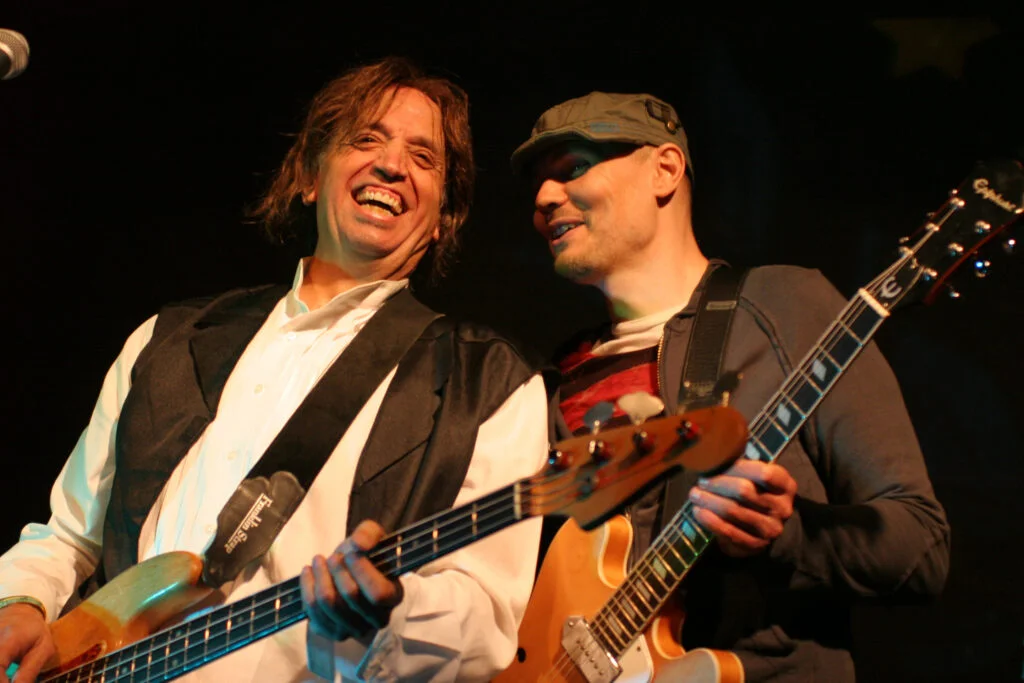
This album might be one of the strangest experiments of the ’60s. The Electric Prunes, known for “I Had Too Much to Dream (Last Night),” teamed up with composer David Axelrod to create a psychedelic rock mass. Sung partly in Latin and mixing fuzz guitars with orchestration, it was unlike anything else at the time. Not surprisingly, it left audiences confused.
While it wasn’t a hit, the album has had a curious afterlife. Portions of it were used in the film Easy Rider, and it’s become a cult favorite among collectors. It represents a time when musicians were willing to take massive risks, even if they didn’t pay off. Today, it feels like a fascinating experiment that pointed to new possibilities for rock music.
8. The Monks – Black Monk Time (1966)

The Monks were American GIs stationed in Germany who decided to make music unlike anyone else. Their lone album, Black Monk Time, was abrasive, rhythmic, and proto-punk before punk existed. With its pounding drums, minimalist riffs, and confrontational lyrics, it was far too strange for mainstream audiences in 1966. The band broke up without much notice.
Decades later, bands like The Fall and The Dead Kennedys would acknowledge its influence. What seemed too weird in the ’60s became visionary in hindsight. Listening now, it’s easy to hear echoes of punk, garage rock, and even krautrock in their sound. It’s one of those records that quietly shaped the future while being overlooked in its own time.
9. The Small Faces – Ogden’s Nut Gone Flake (1968)
The Small Faces had success with singles, but their album Ogden’s Nut Gone Flake is often forgotten outside diehard fans. Its psychedelic sound, whimsical storytelling, and even a concept side narrated in Cockney slang made it stand out. The album actually topped the U.K. charts but didn’t break through in the U.S.
Over time, the record became a cult favorite, influencing later Britpop bands. But it never achieved the international recognition of albums by The Beatles or The Rolling Stones. Today, it feels like a charming, playful document of late ’60s experimentation. It shows just how adventurous even mainstream bands were willing to be.
10. Silver Apples – Silver Apples (1968)

If you’ve ever listened to electronic music, you’ve probably heard echoes of Silver Apples without knowing it. Their debut album relied heavily on homemade oscillators and repetitive rhythms, making it one of the first true electronic rock albums. In 1968, it sounded like it came from the future. Unfortunately, the mainstream wasn’t ready.
The band remained underground, but their influence grew quietly over time. Groups like Kraftwerk and modern electronic artists have cited them as an inspiration. Even so, the album rarely gets mentioned outside niche music circles. It’s a forgotten cornerstone of electronic music that still feels fresh today.
11. Tim Buckley – Goodbye and Hello (1967)
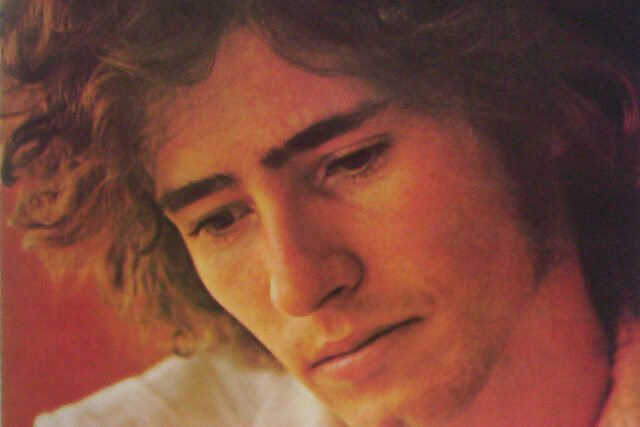
Tim Buckley’s second album, Goodbye and Hello, showcased a young artist pushing the boundaries of folk. With complex song structures, lush arrangements, and Buckley’s otherworldly voice, it was a dramatic leap forward from his debut. While critics praised it, it never gained widespread commercial traction.
Buckley’s adventurous spirit influenced later singer-songwriters, but he never became a household name. Today, his work is often overshadowed by his son, Jeff Buckley. Still, Goodbye and Hello stands as one of the most ambitious folk albums of the decade. It’s a reminder of just how daring the ’60s singer-songwriter scene could be.
12. The Beach Boys – Friends (1968)
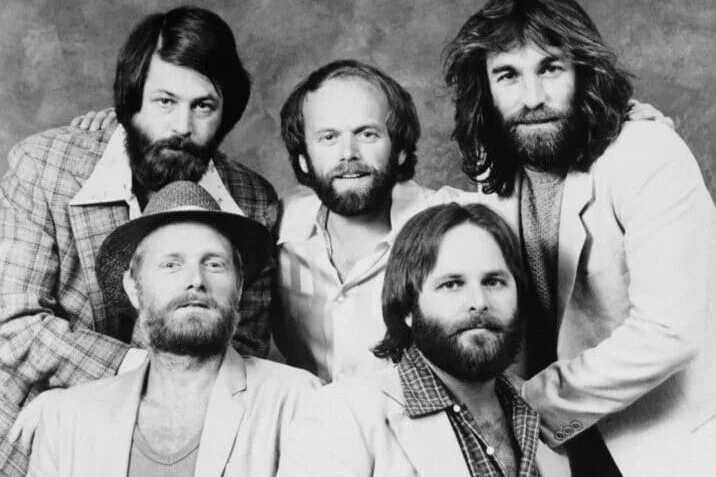
While everyone remembers Pet Sounds, few talk about Friends. This gentle, introspective album marked a shift from the grand ambitions of Smile toward something more personal. With songs like “Busy Doin’ Nothin’,” it offered a laid-back, almost meditative vibe. Commercially, it was a flop, charting poorly compared to their earlier hits.
Yet, the album has gained respect for its simplicity and warmth. It foreshadowed the rise of lo-fi and mellow pop styles decades later. For fans who only know the big Beach Boys singles, Friends is a surprising listen. It may not have changed the charts, but it quietly changed how some artists approached songwriting.
13. Simon & Garfunkel – Bookends (1968)
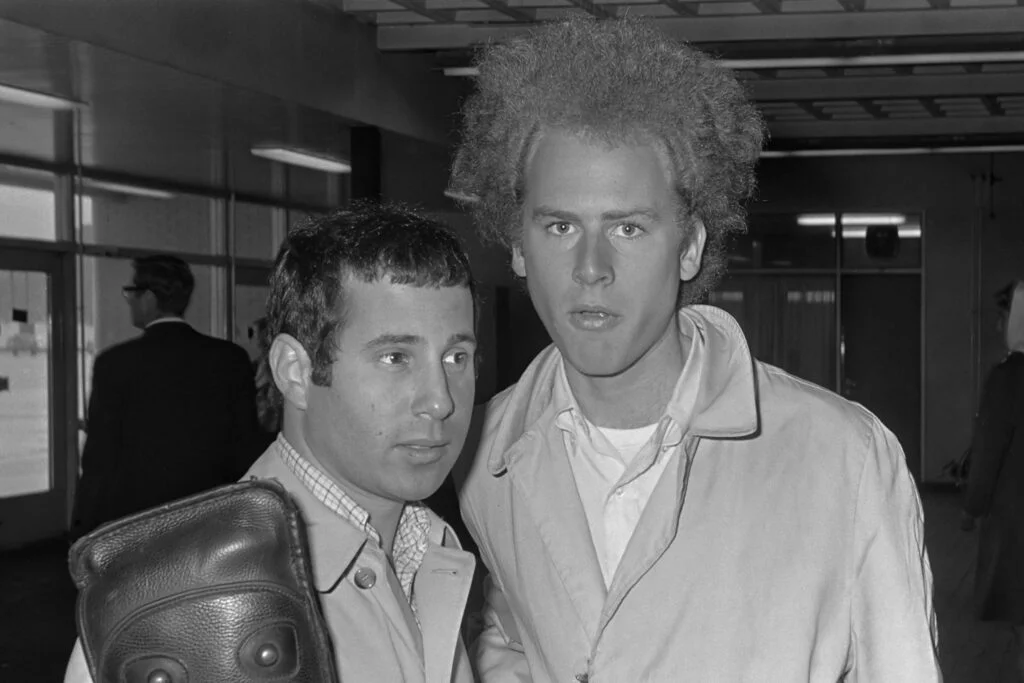
People remember “Mrs. Robinson,” but they often forget just how bold the Bookends album really was. Simon & Garfunkel used it to explore aging, loss, and the passage of time in a way pop music rarely touched back then. The first half plays like a mini concept suite, drifting from nostalgia to loneliness to big questions about what comes next. Even with hit singles, the album itself often gets overshadowed by Bridge Over Troubled Water and the bigger cultural moments that followed.
Listening to it now feels like rediscovering a quieter, more introspective version of the duo. Their harmonies are stunning, but it’s the songwriting that sneaks up on you, especially in tracks like “Overs” and “Old Friends.” It’s an album that rewards you the more you sit with it, revealing layers people missed the first time around. For fans who only know the radio staples, Bookends is an unexpectedly emotional detour.
14. Jefferson Airplane – Crown of Creation (1968)
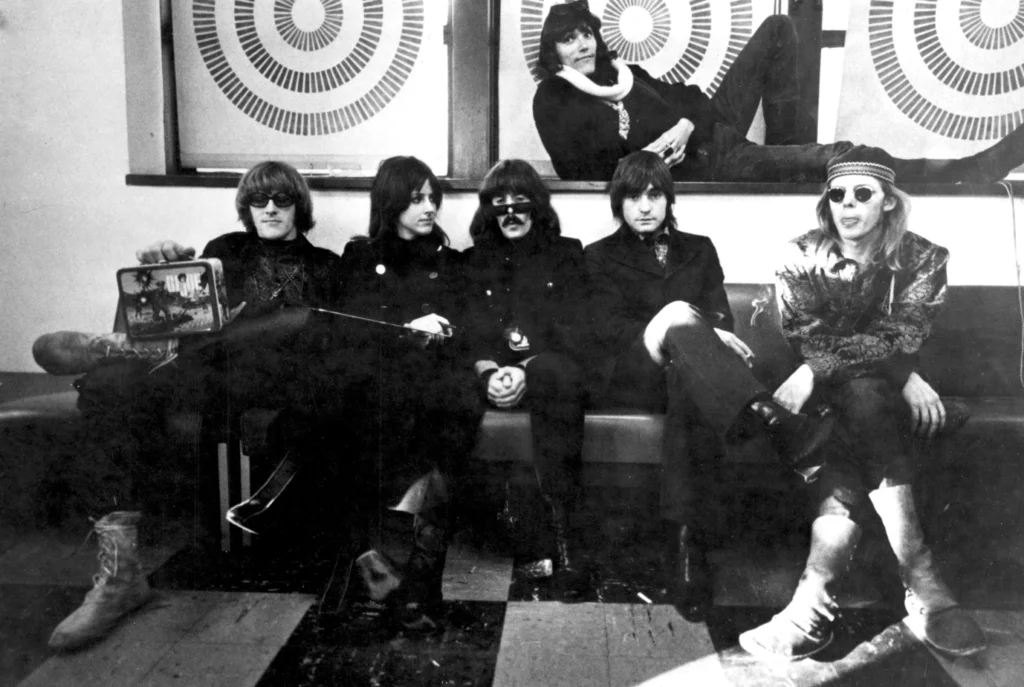
Jefferson Airplane are forever tied to Surrealistic Pillow, but Crown of Creation often fades into the background despite being one of their strongest records. It’s heavier, stranger, and more politically charged than their earlier material, capturing the darker turn of the late ’60s. Grace Slick and Marty Balin’s vocals hit harder, and the band leans into experimental sounds that reflected a shifting counterculture. Still, it didn’t get the same lasting recognition as their more accessible hits.
Fans who revisit the album today often notice how cohesive it is, especially compared to the psychedelic chaos of the era. Tracks like “Lather” and the title song show a band wrestling with the world around them while stretching their musical boundaries. It’s an album that feels tied to its moment in history yet still resonates in surprising ways. For anyone who thinks they already know Jefferson Airplane, this one offers a whole new perspective.
15. The Kinks – Something Else by The Kinks (1967)
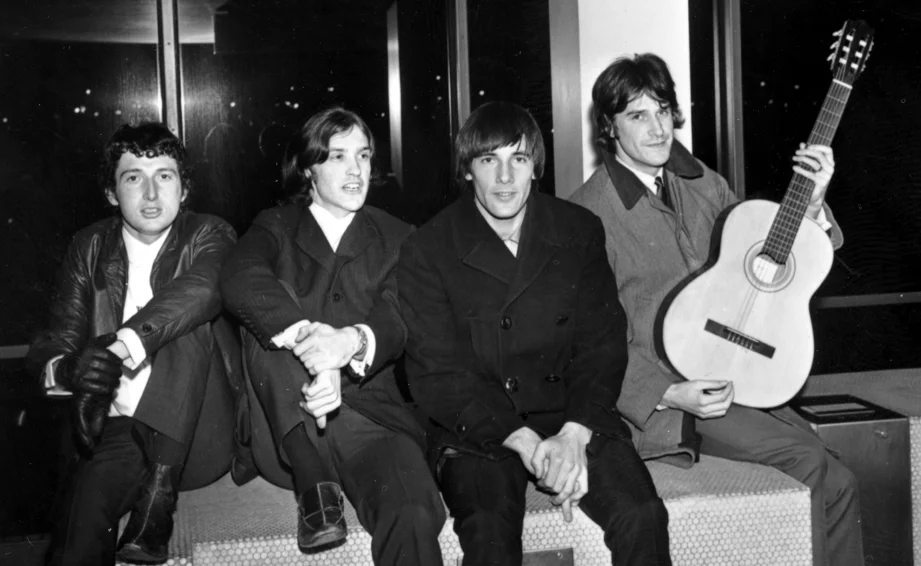
Before Village Green became a cult favorite, The Kinks quietly released Something Else, a gem packed with brilliant songwriting. It included “Waterloo Sunset,” often considered one of the greatest songs ever written, but the album as a whole never reached mainstream success. The band was moving away from loud, riff-driven rock and into something more introspective and distinctly English. In the U.S., their touring ban kept them from gaining momentum.
Today, the album feels like a warm, nostalgic snapshot of everyday life, told through Ray Davies’ sharp and empathetic storytelling. It’s full of memorable characters, small observations, and melodies that linger long after you listen. Because it wasn’t a chart-topping record, many casual fans never explored beyond the big singles. For those who do, it’s a reminder of just how richly detailed The Kinks’ work could be.
16. Creedence Clearwater Revival – Green River (1969)
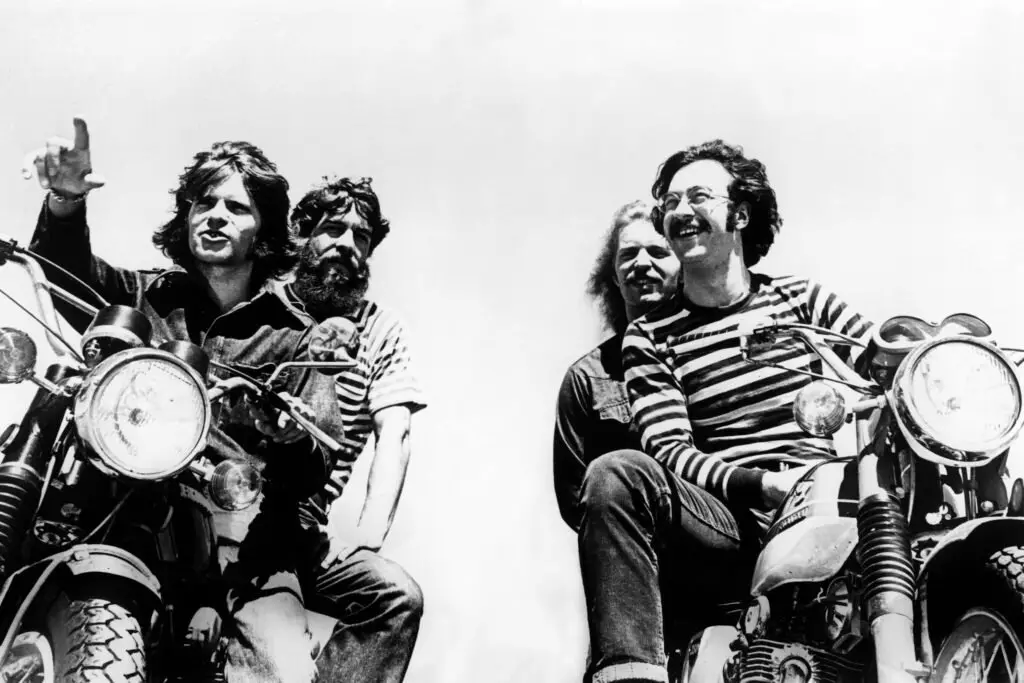
Everyone knows CCR’s biggest hits, but Green River as a full album often gets overlooked. Packed with swamp rock atmosphere and some of John Fogerty’s best writing, it showed a band at the height of its powers. The title track and “Bad Moon Rising” became massive singles, but the album’s deep cuts reveal an even richer picture of the group’s sound. Despite its impact, it rarely gets mentioned alongside other decade-defining albums.
Listening today, you can hear how it helped shape roots rock and Americana long before those labels existed. Tracks like “Lodi” and “Wrote a Song for Everyone” show the band’s emotional range beyond their rowdy radio hits. It’s one of those records that rewards a full, beginning-to-end listen. For fans who know CCR only through classic rock playlists, Green River is a revelation.
17. The Rolling Stones – Between the Buttons (1967)
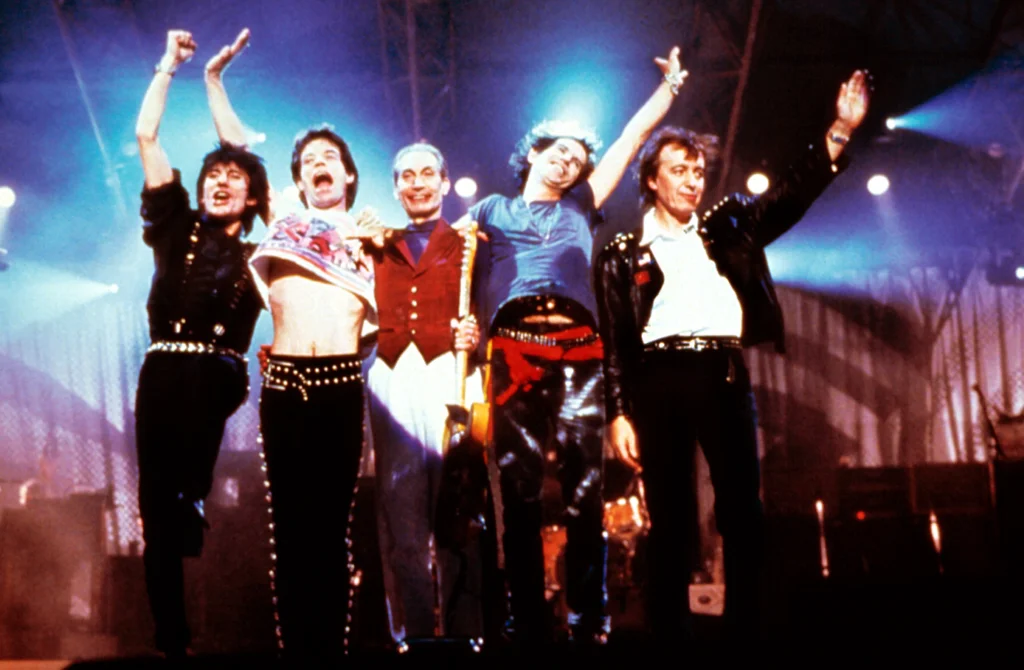
Between the Buttons gets lost between the Stones’ early blues era and their late-’60s classics like Beggars Banquet. Yet it’s a charming, experimental detour where the band leaned into whimsical pop and character-driven songwriting. Songs like “Ruby Tuesday” and “Let’s Spend the Night Together” came from these sessions, but the full album never got the same respect. It was overshadowed by the band’s upcoming shift toward darker, more iconic material.
Revisiting it now highlights a playful, almost British music-hall version of the Stones that fans rarely talk about. There’s a looseness and humor to the album that feels refreshing compared to their heavier records. It captures a fleeting moment before the band reinvented itself yet again. For anyone who wants to hear a different side of the Stones, this album is a delightful surprise.
18. The Supremes – Love Child (1968)
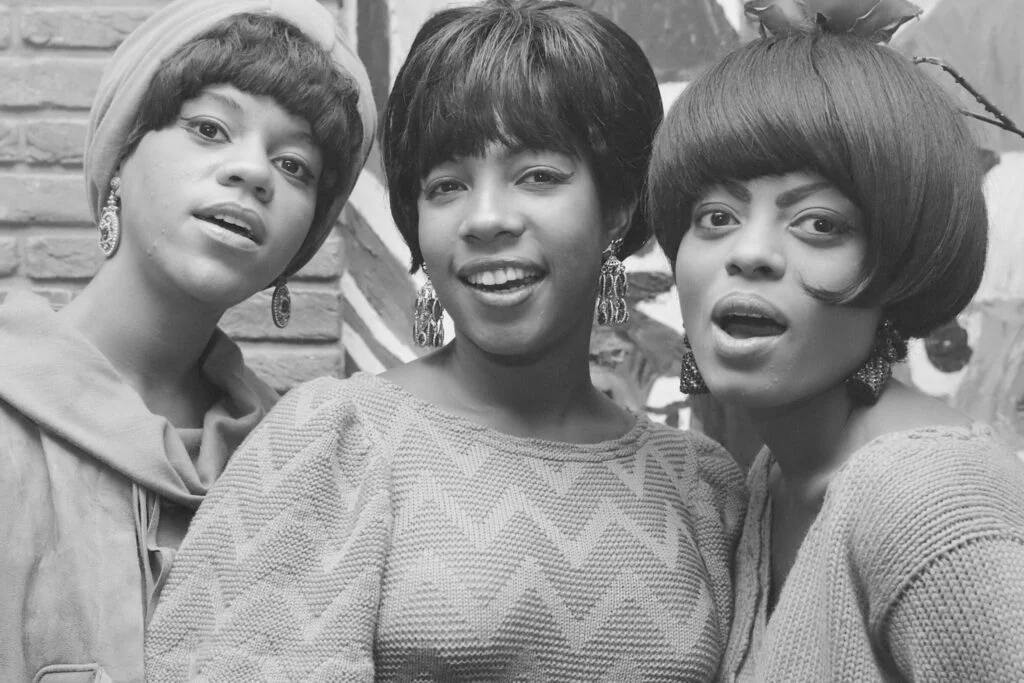
The Supremes had countless hits in the ’60s, which makes it easy for albums like Love Child to get overlooked. Released during a time of major internal changes, it showcased a more socially conscious side of Motown with its title track. The album blended polished pop with themes that were more grounded and emotional than some of their earlier work. Still, it didn’t leave the same long-term mark as their biggest singles or earlier albums.
What stands out today is how confidently the group navigated shifting musical trends. The harmonies remain flawless, and the mix of upbeat tracks with deeper narratives gives it surprising depth. It reflects a moment when Motown artists were expanding their boundaries and speaking to real-life issues. For listeners who think they already know the Supremes’ catalog, Love Child offers something refreshingly different.