
1. The Velvet Underground & Nico (1967)
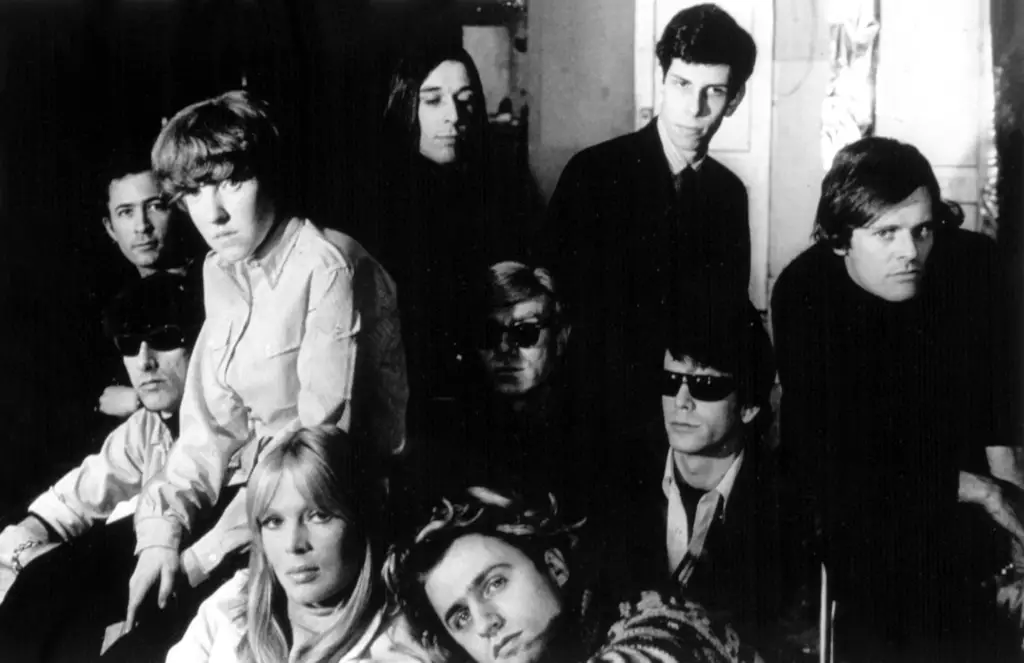
When this album landed in record stores with Andy Warhol’s banana on the cover, almost nobody knew what to make of it. The songs were raw, confrontational, and obsessed with topics that pop radio avoided completely at the time. Lou Reed’s detached delivery and John Cale’s droning arrangements felt closer to underground art than mainstream rock. It barely charted at all during its original release, quietly slipping past most casual listeners.
Yet its long-term influence is enormous, shaping punk, alternative, and indie music for decades to come. Musicians from David Bowie to R.E.M. have credited it as a blueprint for doing things differently. The famous line that “everyone who bought it started a band” may be exaggerated, but the spirit behind it is true. It changed what rock could sound like without ever needing a hit single or a top chart position.
2. Pet Sounds by The Beach Boys (1966)
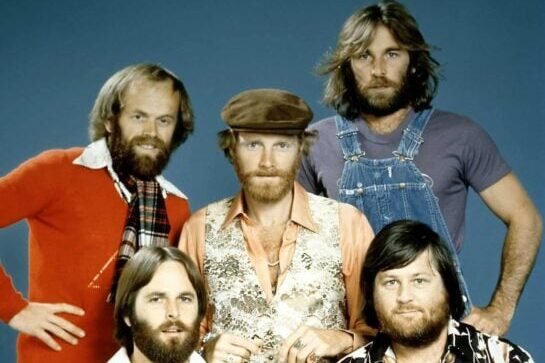
At the time, this album confused some fans who expected more surf songs and sunny harmonies. Brian Wilson instead delivered deeply emotional arrangements filled with unusual instruments, layered vocals, and introspective lyrics. It peaked well below the top spot in the U.S., even though critics would later crown it one of the greatest albums ever made. The record felt more like a personal diary than a collection of radio singles.
Its impact on songwriting and studio experimentation cannot be overstated. Paul McCartney has repeatedly cited it as a major inspiration for the Beatles’ later work. The idea that a pop album could function as a unified artistic statement gained real traction here. Even without a number one ranking, it permanently raised expectations for what a rock album could accomplish.
3. Are You Experienced by The Jimi Hendrix Experience (1967)
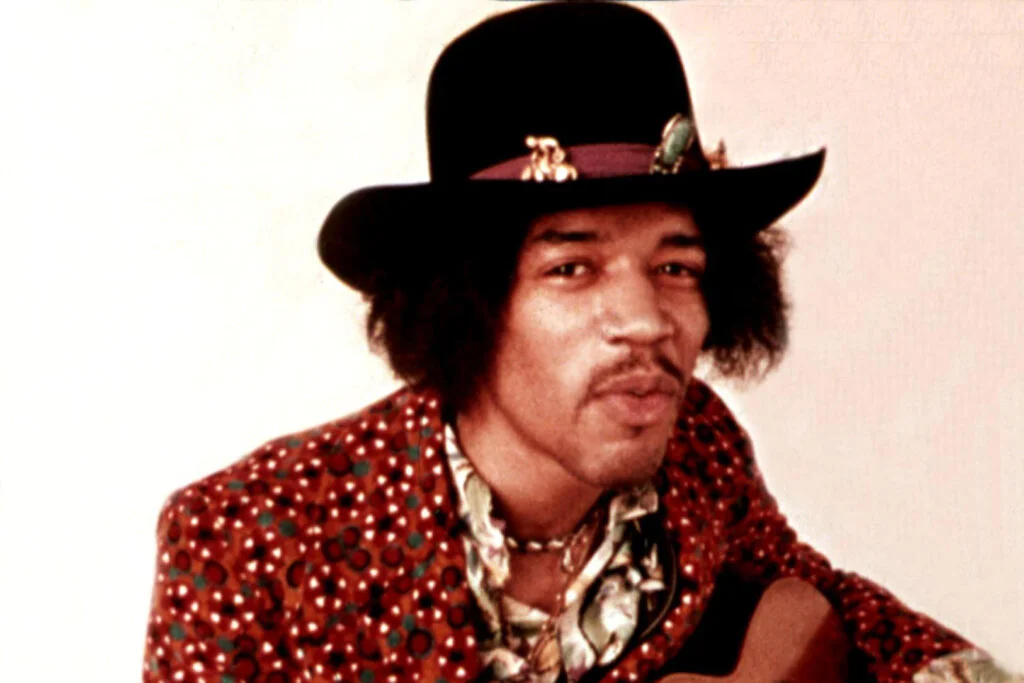
Jimi Hendrix arrived sounding like he had dropped in from another planet, bending notes, feeding guitars back into amplifiers, and reshaping the role of lead guitar overnight. The album performed well commercially but stopped short of the top spot on U.S. charts. Songs like “Purple Haze” and “Foxy Lady” felt dangerous and thrilling compared to much of what dominated radio. Hendrix’s blend of blues, psychedelia, and sheer sonic chaos felt completely new.
Guitar players immediately began chasing his tone, phrasing, and stage presence. Recording techniques like distortion, wah pedals, and studio effects suddenly felt essential rather than optional. Rock concerts became louder, wilder, and more theatrical because of him. The album’s legacy far outgrew its chart position, becoming a cornerstone of modern electric guitar culture.
4. Highway 61 Revisited by Bob Dylan (1965)
This was the moment Dylan fully leaned into electric rock and left folk purists behind. “Like a Rolling Stone” stretched pop song length, structure, and lyrical ambition in ways that startled listeners. The album climbed the charts but never reached number one. Its blend of poetic storytelling and biting social commentary felt like a new form of popular songwriting.
Countless artists began treating lyrics as serious literary expression rather than filler between hooks. Rock music suddenly felt capable of carrying complex ideas and emotional nuance. Dylan’s fearless reinvention encouraged other artists to evolve rather than repeat themselves. The album’s cultural impact remains far bigger than its peak chart number.
5. Forever Changes by Love (1967)
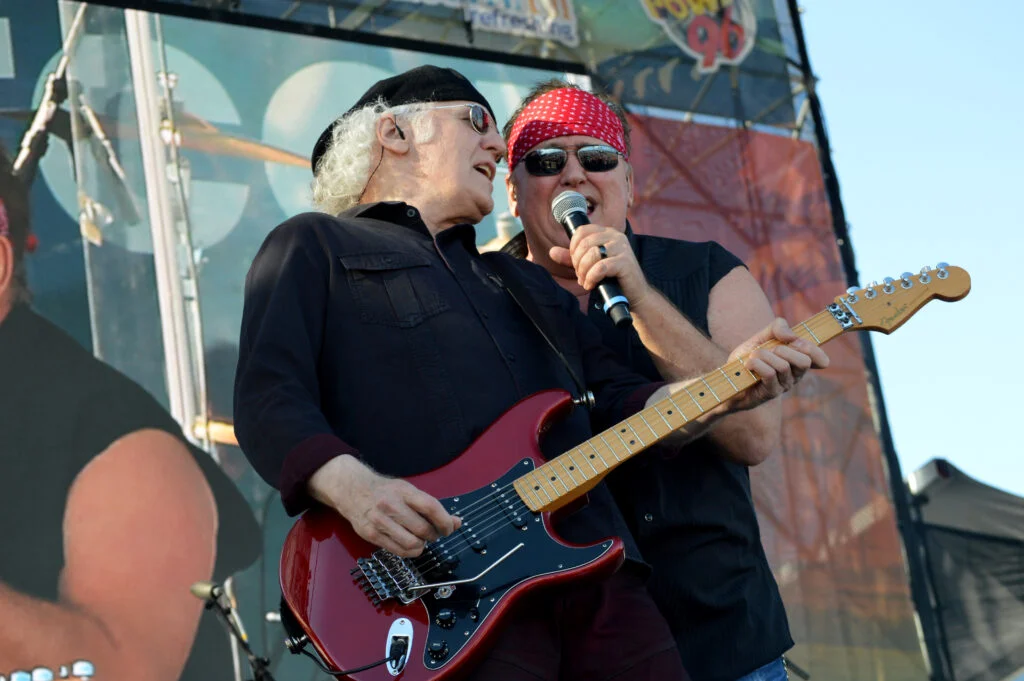
This album arrived quietly and initially struggled to find a wide audience. Arthur Lee’s lush arrangements mixed folk rock, orchestration, and darkly romantic lyrics in ways that didn’t fit neatly into radio formats. It performed modestly on the charts and quickly faded from mainstream visibility. For years, it felt like a secret masterpiece known mainly by devoted fans.
Over time, critics and musicians rediscovered its emotional depth and musical ambition. Its influence shows up in chamber pop, indie rock, and psychedelic revival movements. The album’s haunting atmosphere feels timeless rather than tied to any one era. It stands as proof that artistic breakthroughs do not always come with immediate commercial rewards.
6. The Kinks Are the Village Green Preservation Society by The Kinks (1968)
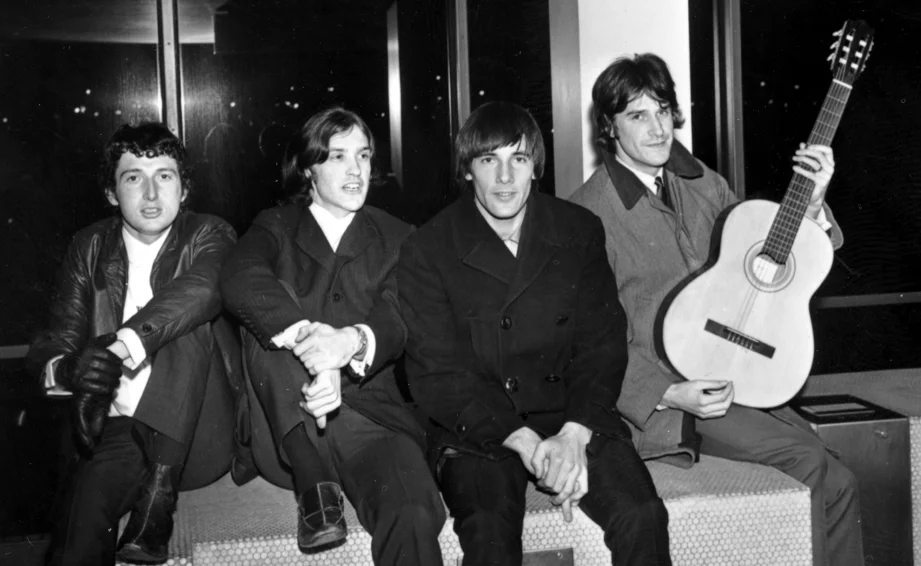
Instead of chasing trends, Ray Davies leaned into nostalgia, British character studies, and gentle humor. The album barely made a dent commercially, especially in the U.S., where it was largely overlooked. Its understated charm didn’t match the louder psychedelic sounds dominating the late ’60s. At the time, it felt almost quaint compared to flashier releases.
Today, it’s praised for its songwriting craftsmanship and emotional warmth. Indie and Britpop artists have frequently cited it as a major influence. Its focus on everyday life and personal memory helped expand what rock albums could emotionally explore. The record’s quiet legacy has only grown stronger with time.
7. Beggars Banquet by The Rolling Stones (1968)
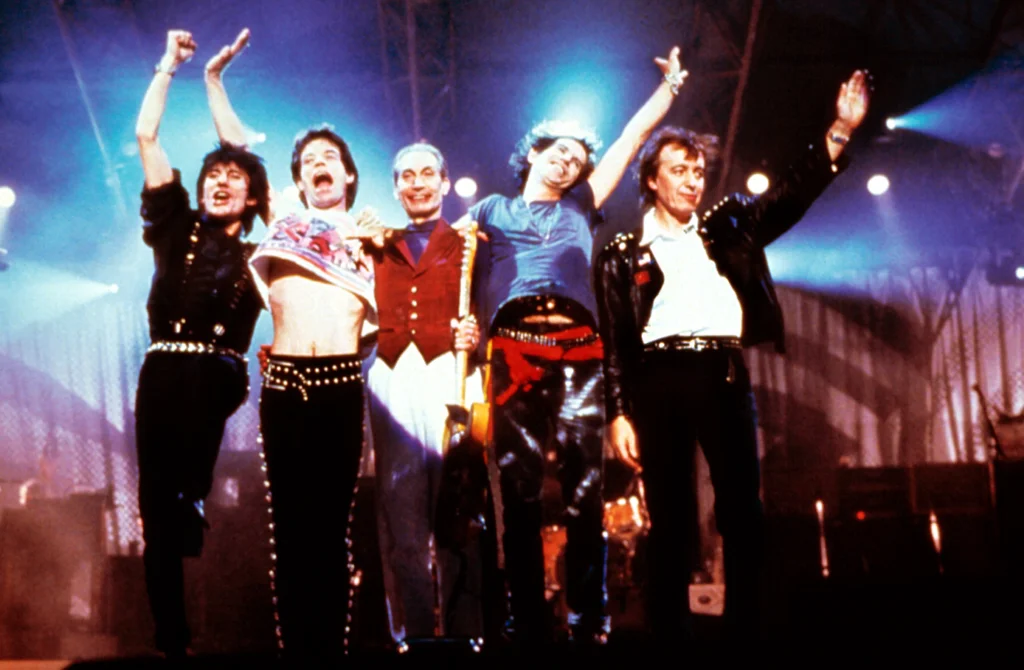
After experimenting with psychedelia, the Stones returned to gritty blues and roots-driven rock. The album delivered classics like “Sympathy for the Devil” and “Street Fighting Man” but still fell short of the top chart position in the U.S. Its stripped-down sound felt bold and confrontational. The band sounded dangerous again, which thrilled fans and unsettled critics.
It helped cement the Stones’ image as rock’s rebellious counterweight to the Beatles’ polish. The raw production influenced countless garage and hard rock bands. Its themes of chaos, politics, and human darkness felt especially relevant during a turbulent era. The album’s long-term cultural footprint easily outpaces its chart performance.
8. Otis Blue by Otis Redding (1965)
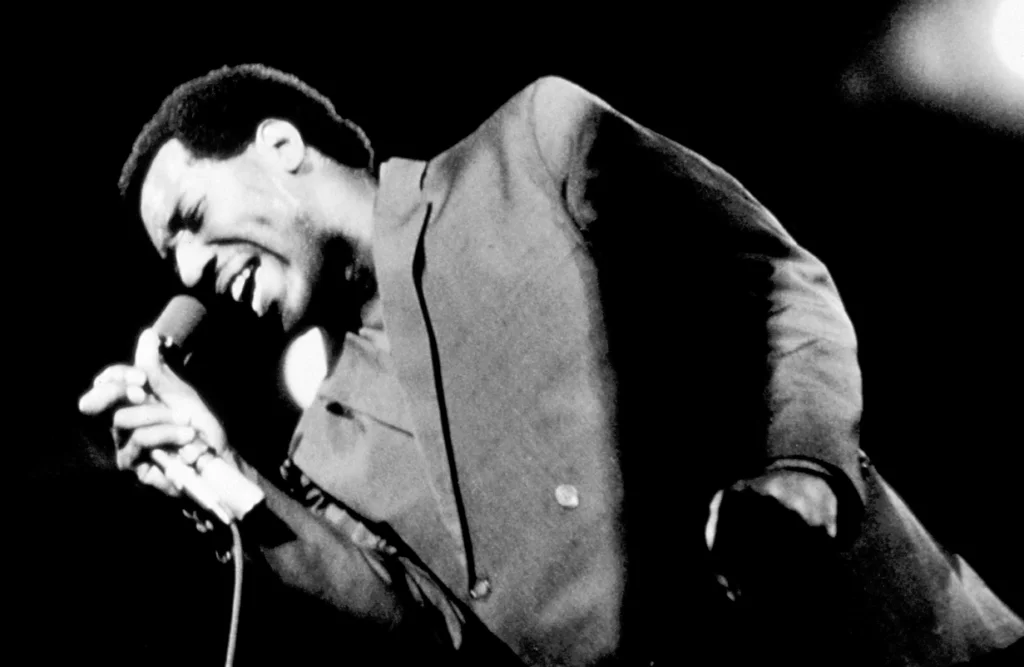
Otis Redding poured pure emotion into every vocal line on this album. The record blended original songs with soulful reinterpretations of contemporary hits, showcasing his expressive range. It charted well but never reached the top spot on the main album charts. At the time, soul albums often received less mainstream visibility than pop or rock releases.
Its influence on vocal performance is enormous, shaping generations of R&B and rock singers alike. Artists continue to study Redding’s phrasing, intensity, and vulnerability. The album helped bridge the gap between soul music and the broader rock audience. Its emotional honesty still feels fresh decades later.
9. The Who Sell Out by The Who (1967)
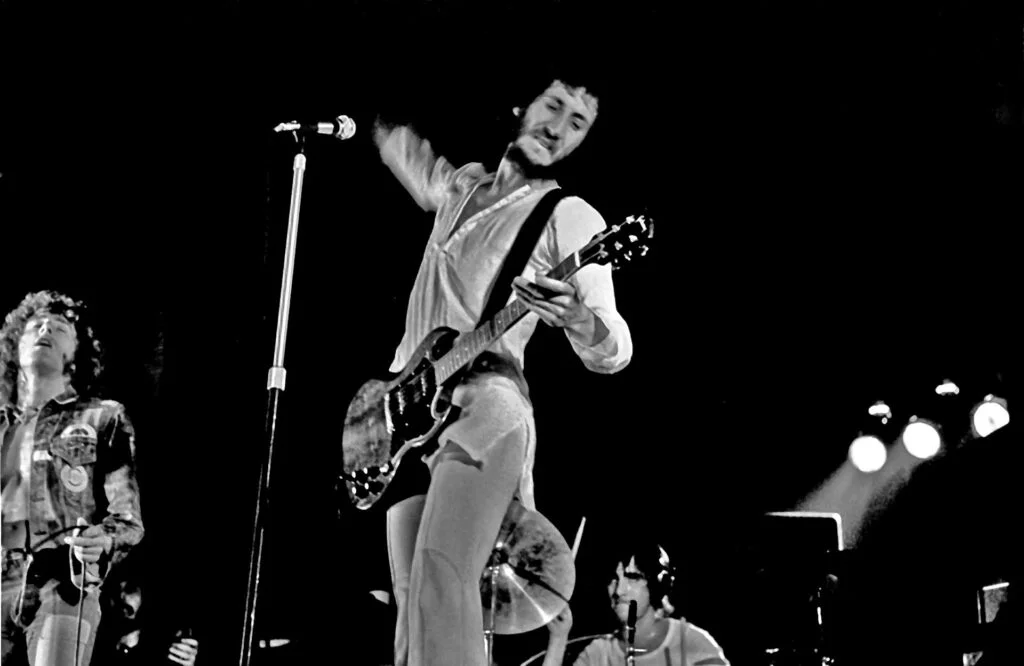
This concept album cleverly mimicked a pirate radio broadcast, complete with fake commercials and jingles. It confused some listeners who expected straightforward rock songs. The album charted modestly but didn’t come close to number one. Its playful structure felt ahead of its time.
The record pushed the idea that albums could tell stories and create immersive worlds. Pete Townshend’s ambition would later explode into full rock operas like Tommy. Bands increasingly experimented with thematic cohesion and narrative flow after this release. What once felt quirky became an important creative stepping stone.
10. Music from Big Pink by The Band (1968)
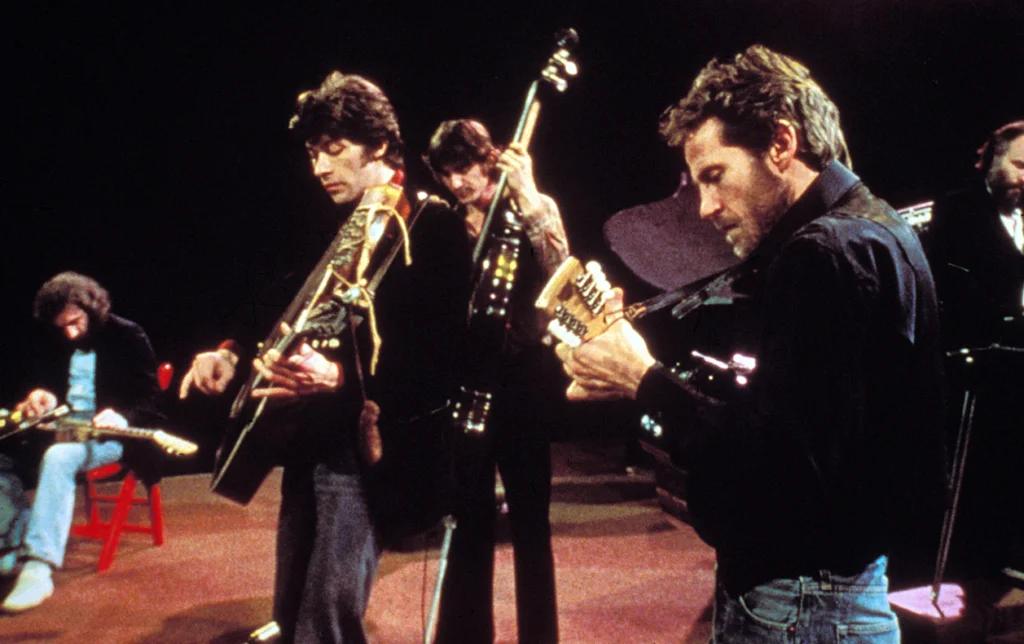
This album helped steer rock music away from psychedelia and back toward roots, Americana, and ensemble playing. It performed respectably but never topped the charts. The Band’s earthy harmonies and story-driven lyrics felt grounded and timeless. It sounded like music that had always existed, even though it was entirely new.
Its influence reshaped singer-songwriter culture and Americana music. Eric Clapton famously reconsidered the direction of Cream after hearing it. The album helped usher in a more organic, collaborative approach to rock arrangements. Its quiet authority continues to resonate with musicians today.
11. Odessey and Oracle by The Zombies (1968)
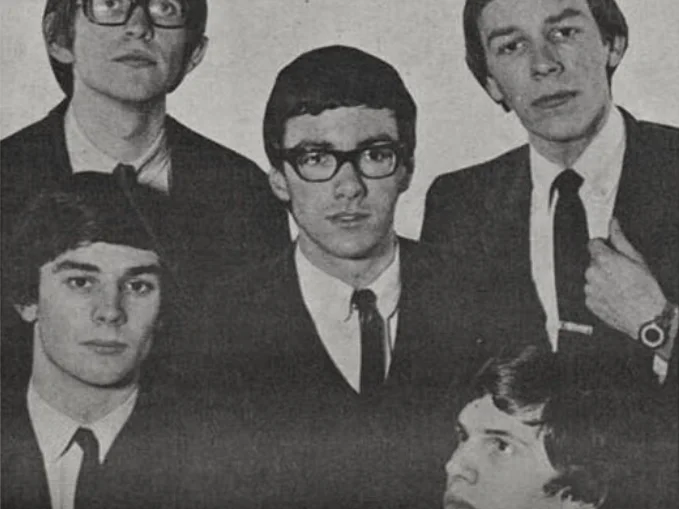
Released just as the band was breaking up, this album initially struggled commercially. Its lush harmonies, baroque arrangements, and bittersweet songwriting felt refined and elegant. It barely cracked the charts when it first appeared. Only later did songs like “Time of the Season” gain widespread recognition.
The album gradually earned classic status as listeners rediscovered its craftsmanship. It influenced power pop and melodic rock for decades. Musicians admired its balance of sophistication and emotional accessibility. Its delayed success makes it one of the great slow-burn classics of the era.
12. Sweetheart of the Rodeo by The Byrds (1968)
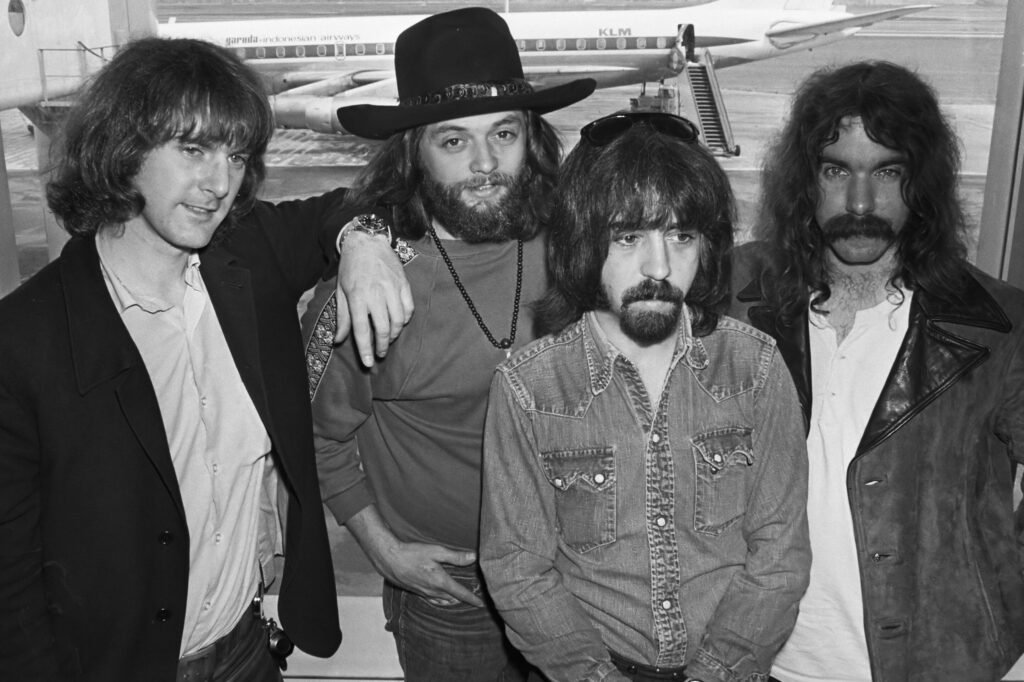
This album boldly embraced country music at a time when many rock fans were skeptical of the genre. It confused portions of the Byrds’ existing audience and performed modestly on the charts. Featuring early appearances by Gram Parsons, it leaned heavily into pedal steel guitars and traditional songwriting. The shift felt risky and unconventional.
In hindsight, it helped launch the entire country-rock movement. Bands like the Eagles and Poco followed paths it helped define. The album broadened the boundaries between genres and encouraged experimentation across musical traditions. Its influence far outweighs its original commercial reception.