
1. The Velvet Underground & Nico, The Velvet Underground
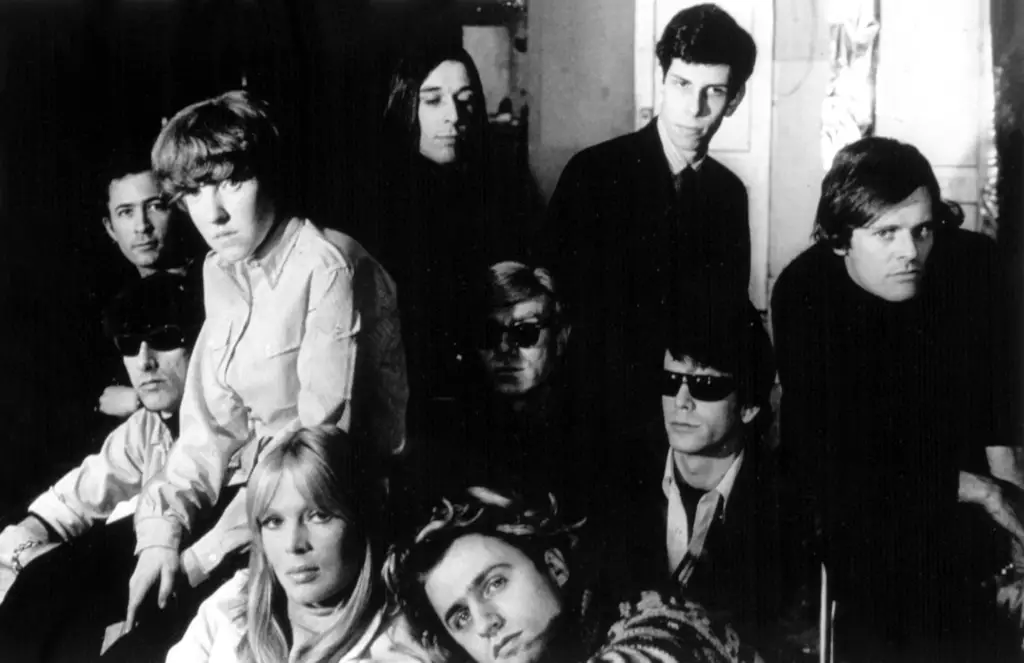
This album barely registered on the charts when it was released, but it quietly rewired what people thought rock music could be. It talked openly about drugs, sex, and alienation in a way that felt blunt rather than poetic. The sound was raw, repetitive, and intentionally uncomfortable, which was shocking in an era dominated by polish. Many listeners didn’t love it at first, but the ones who did took it very seriously.
Over time, it became a blueprint for underground credibility rather than commercial success. Punk, indie rock, and alternative music all trace their attitude back to this record. It influenced taste by suggesting that honesty mattered more than hooks. Liking this album became a kind of cultural signal rather than a casual preference.
2. Pet Sounds, The Beach Boys
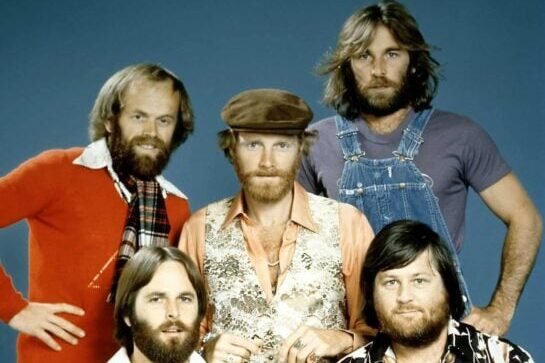
At the time, this album confused fans who expected sunny surf songs and easy harmonies. Instead, it delivered introspection, vulnerability, and emotional complexity that felt unusually grown up. Brian Wilson treated the studio like an instrument, layering sounds in ways few pop records had attempted. It wasn’t built for singles dominance, even though it produced a few.
What it really changed was how listeners evaluated ambition in pop music. Albums could now be judged as complete emotional statements rather than collections of hits. Musicians began listening more closely, not just casually. Taste shifted toward appreciating subtlety, structure, and mood.
3. Bringing It All Back Home, Bob Dylan
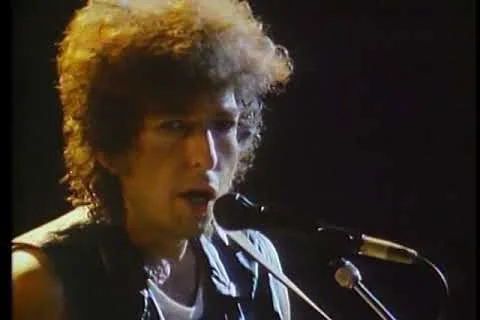
This album marked Dylan’s controversial move toward electric instrumentation, which unsettled folk purists at the time. The lyrics were dense, surreal, and demanding, asking listeners to pay attention rather than sing along. It wasn’t immediately comforting or accessible in the way earlier folk records had been. Instead, it felt confrontational and restless.
Listeners who embraced it started valuing lyrical complexity over simplicity. It encouraged people to think of songs as ideas, not just entertainment. This album helped redefine what “serious” music meant in popular culture. Taste shifted toward intellectual engagement rather than familiarity.
4. In the Court of the Crimson King, King Crimson
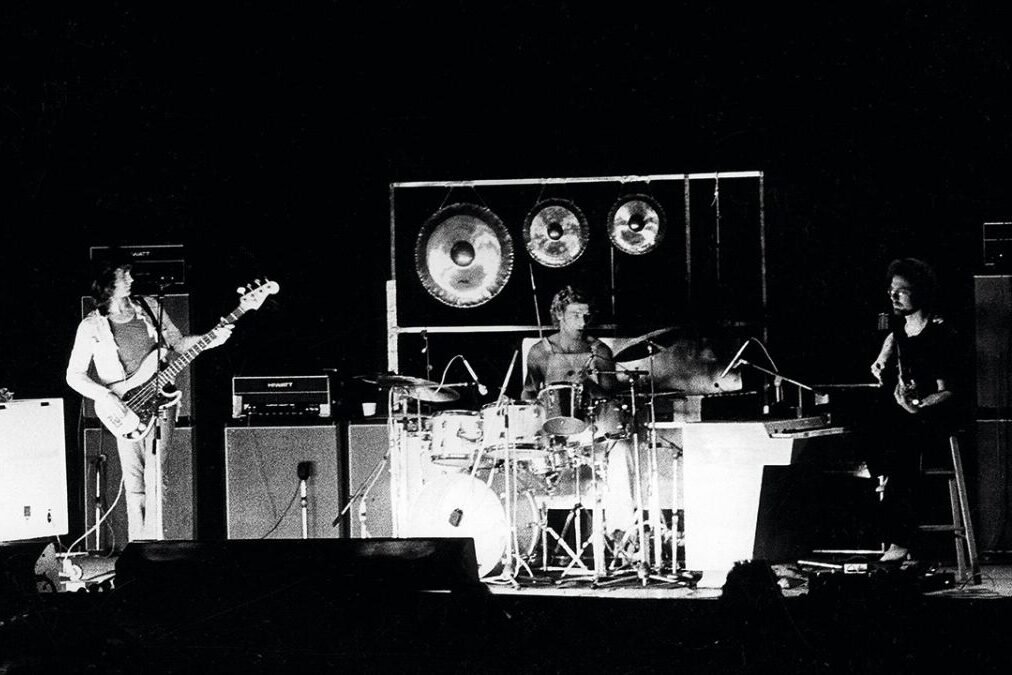
This album arrived at the very end of the decade and sounded like nothing else on the radio. It mixed rock with classical structures, jazz elements, and unsettling imagery. The songs were long, dramatic, and unapologetically intense. It was not designed for casual listening or background play.
For listeners, it expanded the idea of what rock albums were allowed to be. Complexity became something to admire instead of avoid. Fans who loved this record often sought out music that challenged them rather than comforted them. It quietly helped elevate progressive rock from curiosity to serious art form.
5. Astral Weeks, Van Morrison

This album didn’t chase radio success or clear storytelling. Instead, it floated through moods, impressions, and emotional fragments. Morrison’s voice felt intimate and spiritual, even when the lyrics were hard to pin down. It sounded more like a private experience than a performance.
Listeners who connected with it began valuing atmosphere over clarity. The album encouraged repeated listens rather than instant understanding. It influenced taste by rewarding patience and emotional intuition. Loving this record often meant embracing ambiguity as a feature, not a flaw.
6. Odessey and Oracle, The Zombies
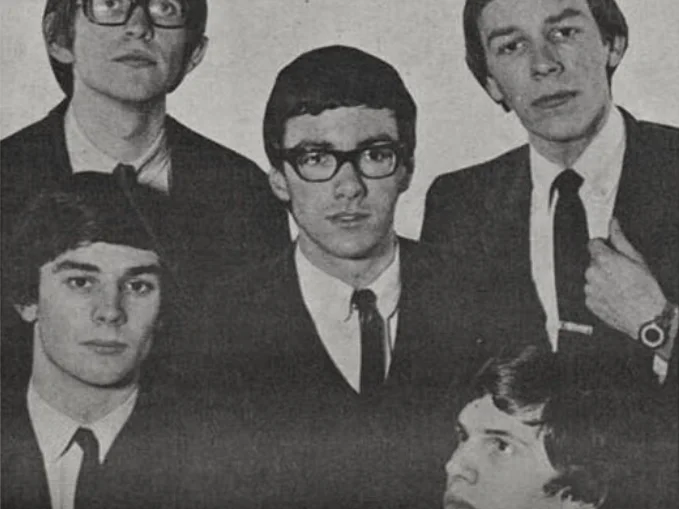
When it was released, this album barely made a dent commercially and the band had already broken up. Its melodies were gentle, layered, and quietly inventive rather than flashy. There was a wistful quality that didn’t fit the louder trends of the moment. Over time, listeners began to notice how carefully it was crafted.
The album became a favorite among musicians and devoted fans rather than mass audiences. It helped shape an appreciation for baroque pop and subtle songwriting. Taste shifted toward valuing cohesion and restraint. Its influence spread slowly but deeply.
7. Forever Changes, Love

This album paired lush orchestration with lyrics that felt anxious and strangely ominous. It didn’t sound like a typical rock record, even in an experimental era. The mood was reflective and uneasy rather than rebellious. At the time, it was overshadowed by louder cultural moments.
Later listeners recognized how emotionally ahead of its time it was. It influenced taste by normalizing vulnerability and introspection in rock music. Fans of this album often gravitated toward music that balanced beauty with unease. Its legacy grew as listeners aged into its themes.
8. The Piper at the Gates of Dawn, Pink Floyd
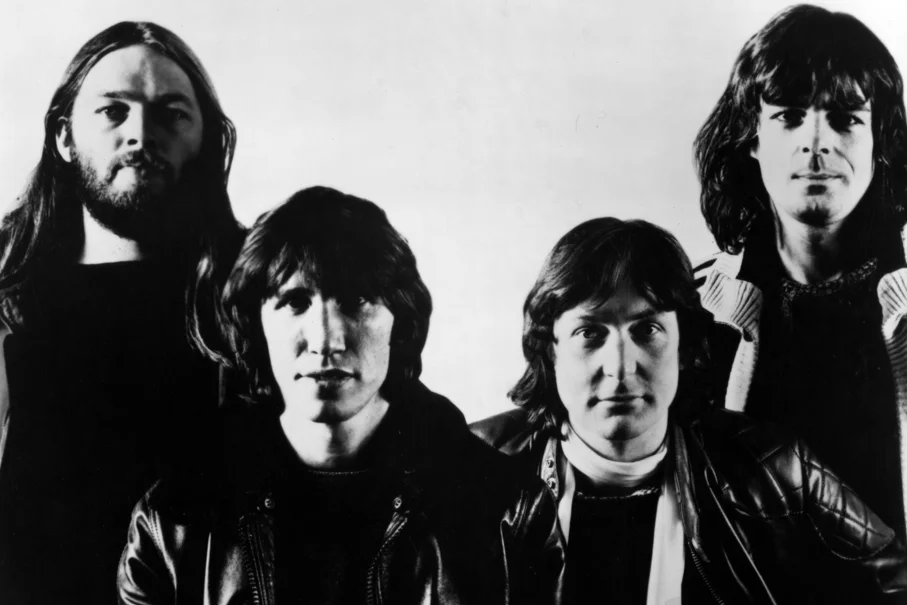
This album captured psychedelia in a playful, strange, and distinctly British way. Syd Barrett’s songwriting felt whimsical but also deeply odd. It wasn’t polished or conventional, and it didn’t try to explain itself. The record rewarded curiosity rather than familiarity.
For listeners, it opened the door to embracing eccentricity in music. Taste shifted toward accepting weirdness as a virtue. It suggested that imagination could matter more than technical perfection. That idea would echo through decades of alternative and experimental music.
9. Songs of Leonard Cohen, Leonard Cohen
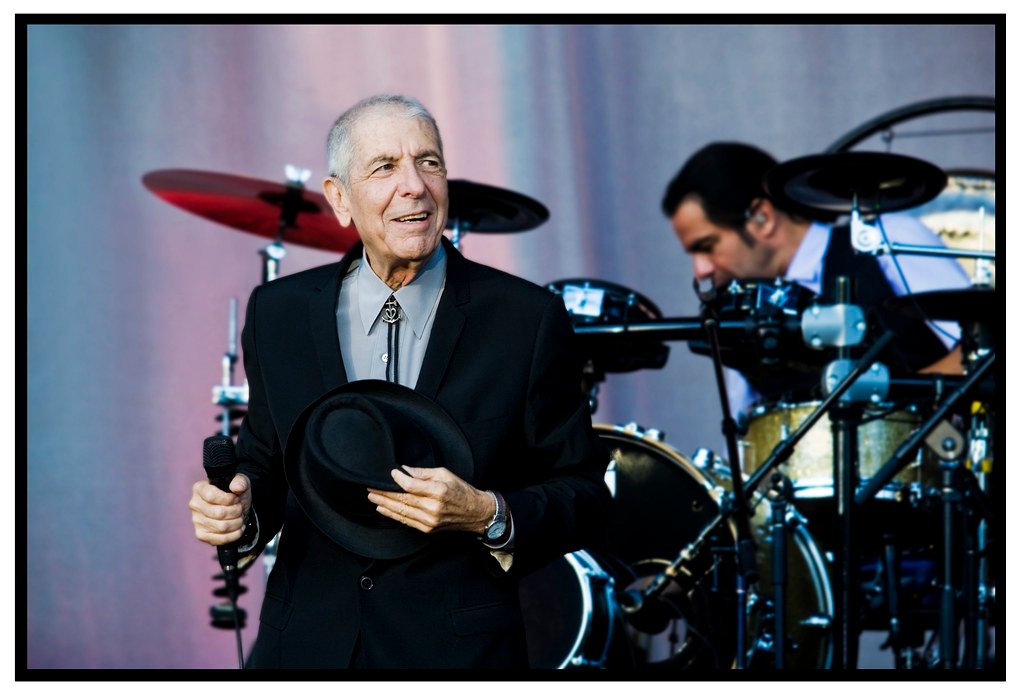
This album sounded quiet and restrained compared to the psychedelic explosion around it. Cohen’s voice was understated, and the arrangements were sparse. The focus was entirely on words, emotion, and subtle delivery. It demanded close listening rather than casual enjoyment.
Fans who embraced it began valuing lyrical depth over production trends. It influenced taste by making seriousness and melancholy acceptable in popular music. Cohen showed that emotional honesty didn’t need volume. This album became a touchstone for singer songwriters who followed.
10. The United States of America, The United States of America

This album leaned heavily into electronics and political commentary at a time when both felt risky. The sound was abrasive, experimental, and often unsettling. It wasn’t built to be liked easily or quickly. Instead, it challenged listeners at every turn.
Those who appreciated it developed a taste for experimentation over comfort. The album helped legitimize electronics in rock contexts. It quietly influenced future genres that prioritized innovation over accessibility. Liking this record often meant rejecting mainstream expectations entirely.
11. Five Leaves Left, Nick Drake
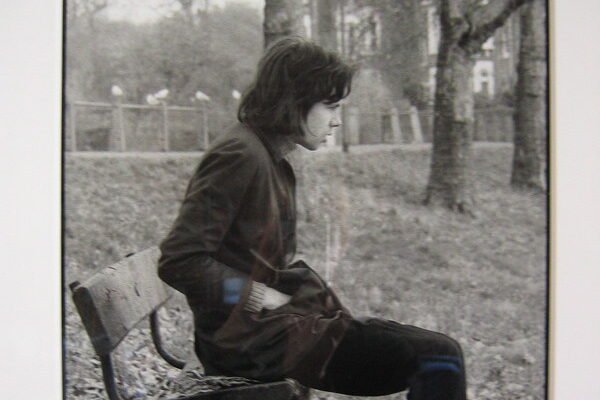
This album arrived with almost no fanfare and faded quickly from public attention. Its gentle acoustic sound and introspective lyrics felt intensely private. There was no attempt to chase trends or radio play. It sounded like a personal journal set to music.
Over time, listeners discovered it and held onto it closely. It influenced taste by elevating softness and vulnerability. Fans of this album often sought music that felt personal rather than performative. Its impact grew quietly through word of mouth.
12. Truth, Jeff Beck
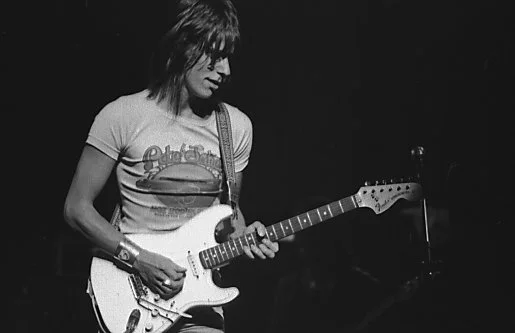
This album blended blues, hard rock, and experimentation without fully committing to any single style. It didn’t dominate the charts, but it caught the attention of musicians. The playing was aggressive and expressive rather than refined. It hinted at heavier sounds that were still forming.
Listeners who embraced it developed a taste for raw guitar driven music. The album helped shape the foundations of hard rock and early metal. Its influence was felt more among players than casual fans. Taste shifted toward valuing feel and power over polish.
13. Spirit, Spirit
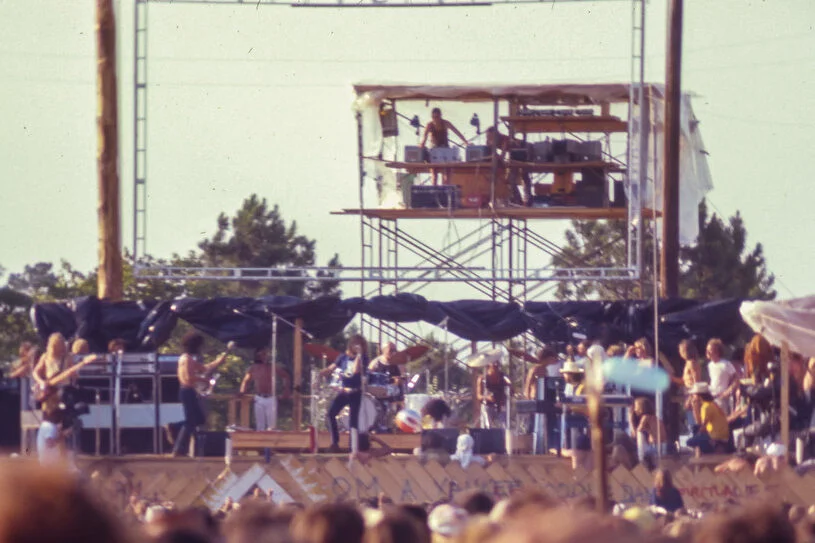
This album resisted easy categorization, blending folk, jazz, rock, and experimental textures. It felt loose and exploratory rather than structured for hits. The band prioritized mood and musicianship over commercial appeal. At the time, it flew under the radar.
Listeners who connected with it began valuing genre blending as a strength. The album encouraged open minded listening habits. It helped normalize eclecticism in album oriented rock. Taste expanded toward appreciating musical curiosity.
14. The Notorious Byrd Brothers, The Byrds
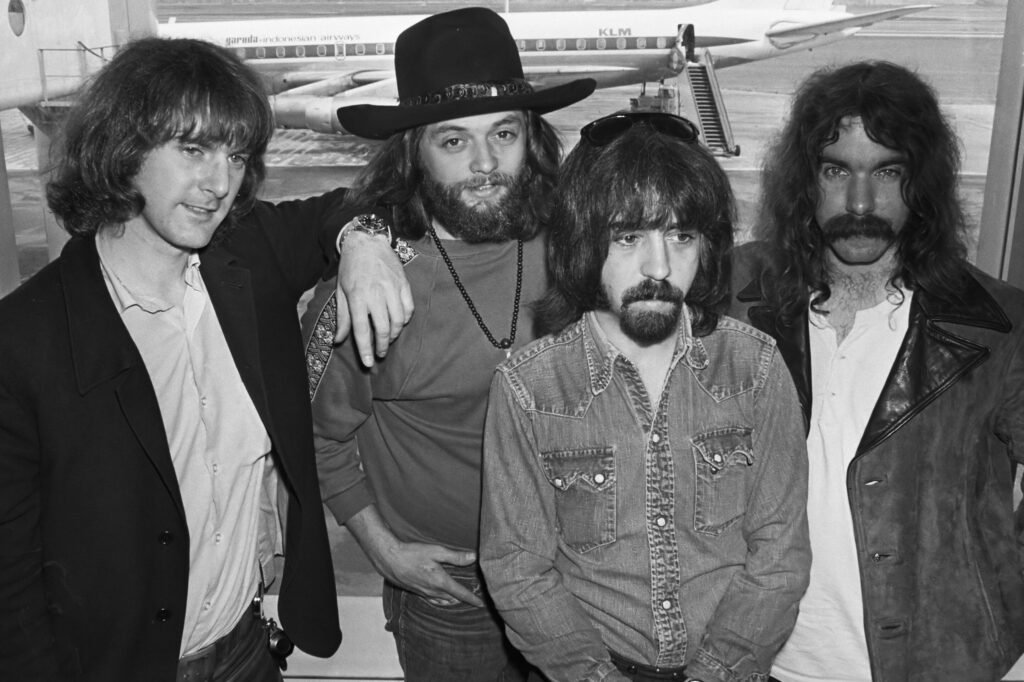
This album emerged during a period of internal band turmoil, and it sounds fragmented yet purposeful. It experimented with studio effects and shifting moods rather than chasing consistency. The songs felt reflective and slightly disoriented. It wasn’t built for chart domination.
Over time, it became a favorite among listeners who valued texture and atmosphere. The album influenced taste by rewarding close, intentional listening. It showed that instability could produce compelling art. Fans learned to value nuance over immediacy.