
1. The Velvet Underground & Nico
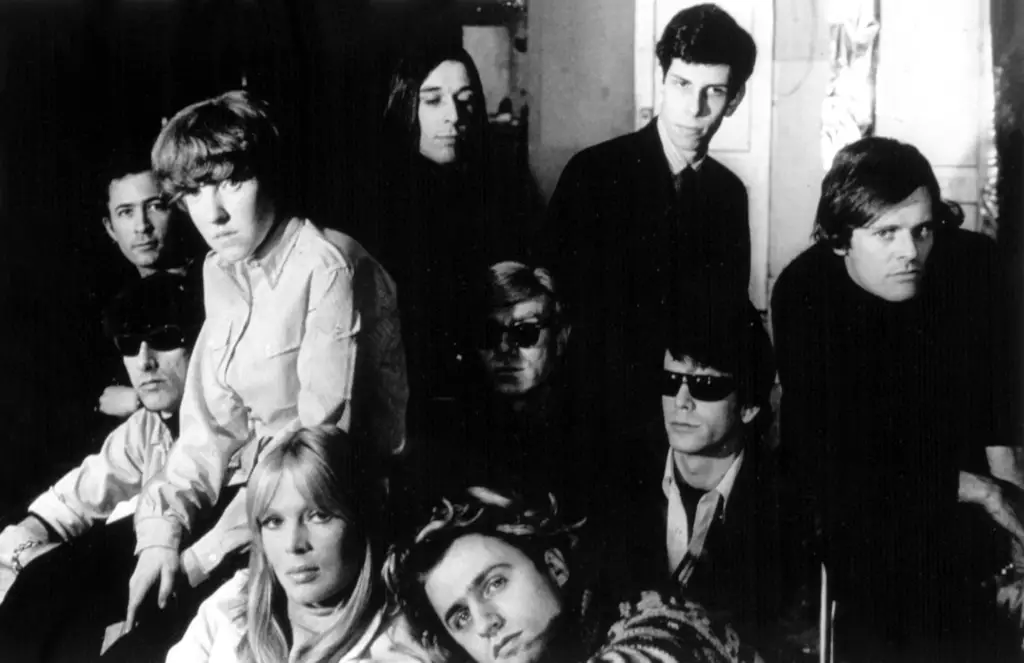
When this album arrived in 1967, it barely registered on the charts and confused a lot of listeners. The songs felt raw, uncomfortable, and emotionally blunt compared to the sunny psychedelia filling the airwaves. Lou Reed wrote about subjects most pop records avoided, and the droning instrumentation felt closer to underground art than radio rock. It was the kind of record people either turned off quickly or obsessed over in private.
Over time, its influence quietly spread into punk, alternative, and indie music. Artists from David Bowie to R.E.M. have cited it as a major inspiration. Even if casual listeners don’t know every track, they’ve heard its impact echoed in decades of guitar-driven music. It became famous for shaping other musicians rather than for selling records.
2. Pet Sounds by The Beach Boys
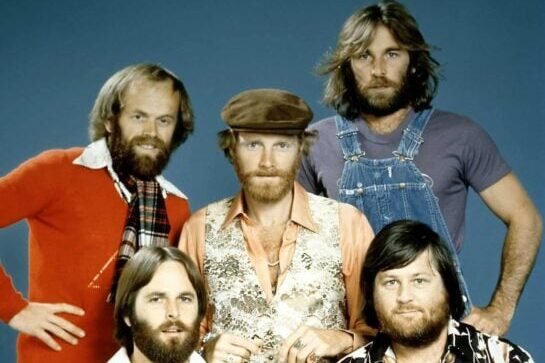
Pet Sounds is now widely respected, but at the time of its 1966 release, it didn’t dominate American charts the way earlier Beach Boys hits had. Some fans missed the carefree surf sound and didn’t immediately connect with its emotional depth and complex arrangements. Brian Wilson pushed studio experimentation far beyond what most pop acts were attempting. The album felt more introspective than anything the band had released before.
Its layered production, unconventional instruments, and emotional vulnerability reshaped how artists approached studio recording. The Beatles openly acknowledged its influence while working on Sgt. Pepper’s Lonely Hearts Club Band. Countless producers and musicians later adopted its ambitious mindset. Its real impact unfolded gradually rather than overnight.
3. Bringing It All Back Home by Bob Dylan
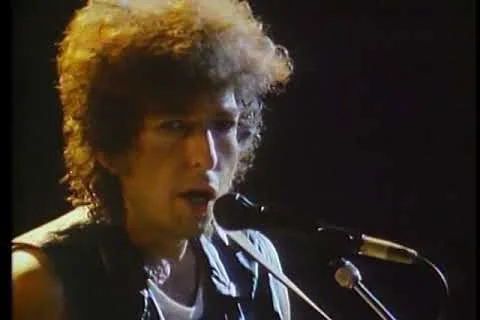
Released in 1965, this album marked Dylan’s controversial shift toward electric instrumentation. Folk purists were unsettled by the change, and some fans felt betrayed by the louder sound. Half the record still leaned acoustic, which made it feel like a bridge between eras rather than a full reinvention. At the time, the cultural shock overshadowed its deeper influence.
The album quietly helped legitimize electric folk-rock and blurred genre boundaries. Bands began experimenting more freely with blending poetic lyrics and amplified sound. Many later singer-songwriters trace their creative freedom back to this moment. Its influence became clearer as rock songwriting matured.
4. Aftermath by The Rolling Stones
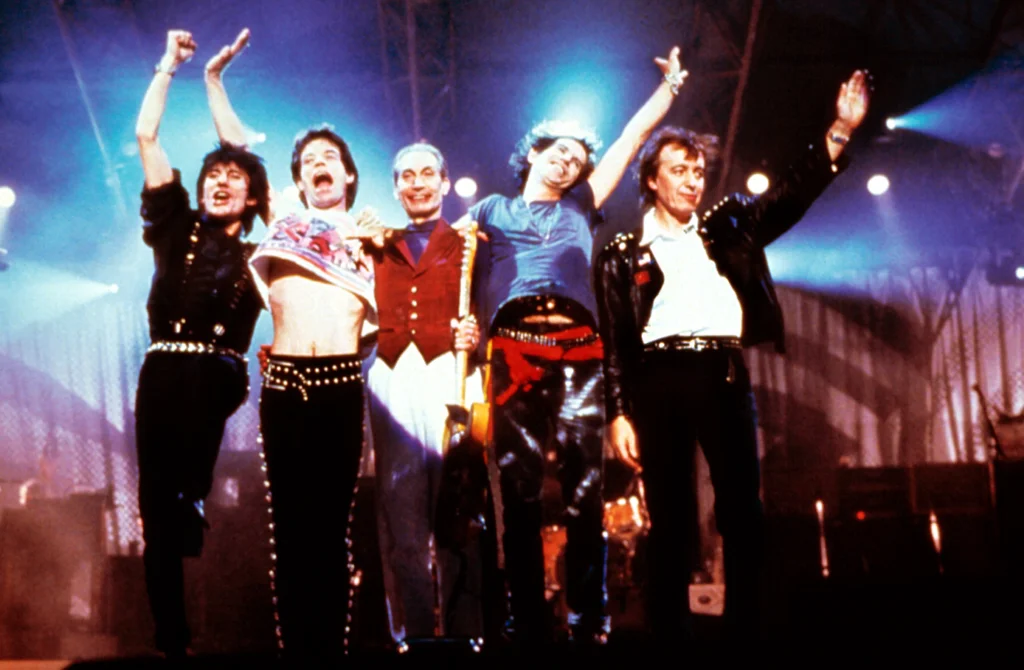
This 1966 release marked the first Rolling Stones album made entirely of original material written by Mick Jagger and Keith Richards. It showed the band stepping beyond blues covers and developing their own songwriting voice. While successful, it often gets overshadowed by the band’s later blockbuster albums. Its quieter creative leap tends to get overlooked in hindsight.
The album demonstrated how a rock band could evolve into self-contained songwriters rather than interpreters. It influenced the industry shift toward original material as a standard expectation. Many British Invasion groups followed this model soon after. Its importance is foundational even if it rarely gets headline attention today.
5. Rubber Soul by The Beatles
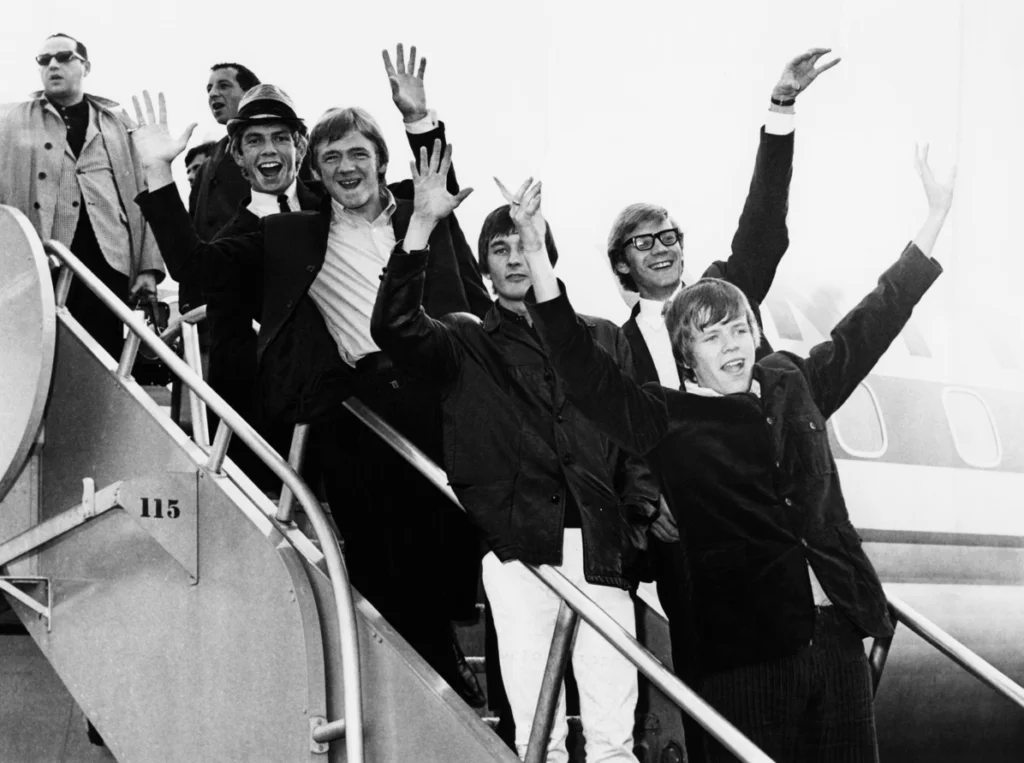
When Rubber Soul appeared in 1965, it marked a turning point from straightforward pop toward more thoughtful songwriting. The band experimented with new instruments and deeper lyrical themes. At the time, it was hugely popular, but its structural influence often gets overshadowed by later Beatles milestones. It quietly changed expectations for what a pop album could be.
Artists began treating albums as cohesive artistic statements rather than collections of singles. Folk-rock and introspective pop both gained momentum from its example. Many musicians credit it as the album that made them think differently about songwriting. Its long-term influence is sometimes taken for granted.
6. Are You Experienced by Jimi Hendrix Experience
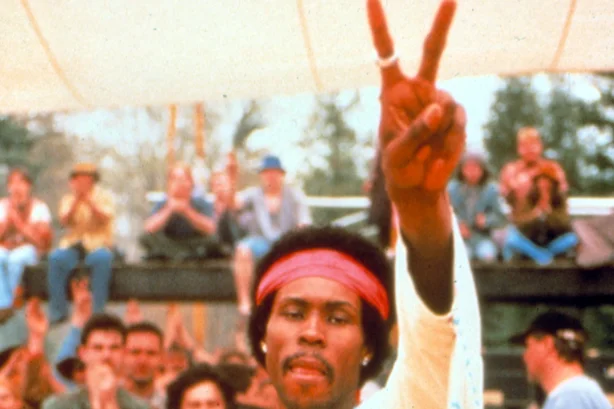
Hendrix’s 1967 debut stunned listeners with its guitar innovation and studio effects. While Hendrix quickly became famous, the album’s deeper influence on production techniques and sonic experimentation often gets simplified into just “great guitar playing.” The layered soundscapes were far ahead of many contemporaries. It pushed the boundaries of what electric instruments could express.
Producers and musicians absorbed its creative use of distortion, feedback, and stereo imaging. Rock production became more adventurous as a result. Even genres outside rock borrowed its experimental attitude. Its technical legacy is sometimes overshadowed by Hendrix’s iconic image.
7. Songs of Leonard Cohen by Leonard Cohen
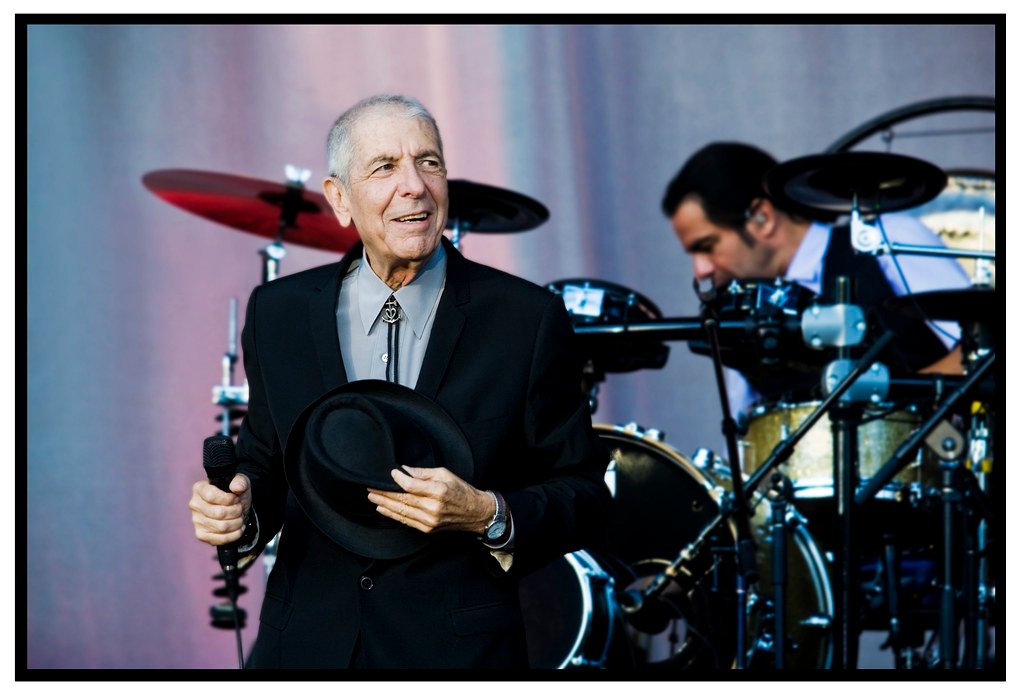
Cohen’s debut in 1967 stood apart for its poetic restraint and emotional vulnerability. The quiet arrangements and hushed delivery didn’t align with mainstream radio trends. It earned respect but not blockbuster attention. Many listeners needed time to grow into its reflective tone.
Its influence shows up in generations of introspective singer-songwriters. Artists learned that subtlety and lyrical depth could sustain long careers. Cohen’s conversational writing style became a template for emotionally honest songwriting. The album’s importance grew slowly and steadily.
8. Forever Changes by Love

Released in 1967, this album blended rock with orchestral arrangements and sophisticated songwriting. It didn’t initially achieve massive commercial success despite strong critical attention. The band lacked consistent promotion and touring support. As a result, the album quietly slipped past many mainstream listeners.
Over time, musicians embraced its ambitious arrangements and emotional complexity. It influenced baroque pop, indie rock, and chamber-style production approaches. Many modern artists cite it as a hidden gem that shaped their creative thinking. Its reputation continues to grow decades later.
9. The Times They Are a-Changin’ by Bob Dylan
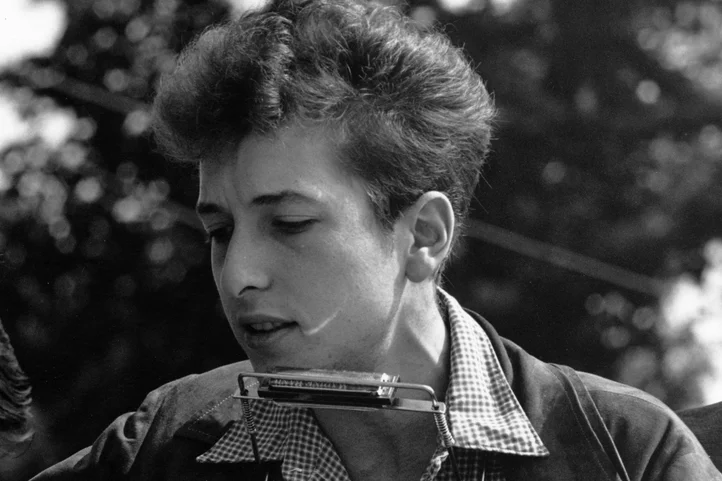
This 1964 album cemented Dylan’s role as a generational voice, but its influence on political songwriting often gets absorbed into the broader myth of Dylan himself. The songs became cultural touchstones rather than chart sensations. Its stark acoustic simplicity made the messages feel direct and urgent. It set a template for socially conscious songwriting.
Countless protest and folk artists borrowed its directness and lyrical courage. The idea that popular music could meaningfully engage with political themes became normalized. Its influence extended well beyond the folk scene. The album reshaped expectations for lyrical substance.
10. Stand! by Sly and the Family Stone
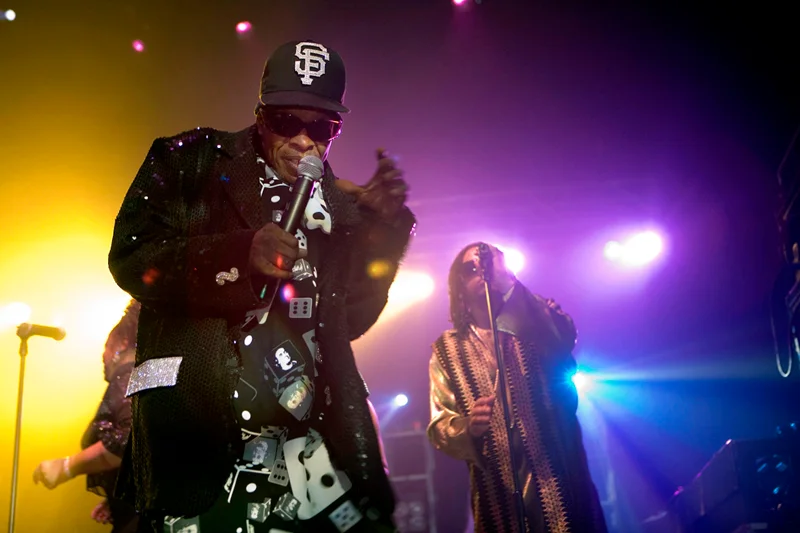
Released in 1969, this album blended funk, soul, rock, and social commentary into a cohesive statement. While it produced recognizable hits, its deeper influence on genre-blending sometimes gets overshadowed by later funk movements. The band’s integrated lineup also made a cultural statement during a turbulent era. The music carried optimism alongside activism.
Later artists drew inspiration from its rhythmic experimentation and inclusive spirit. Funk, R&B, and pop crossover styles borrowed heavily from its groove-driven structure. It helped pave the way for more socially conscious dance music. Its influence continues quietly across multiple genres.
11. The Byrds’ Fifth Dimension
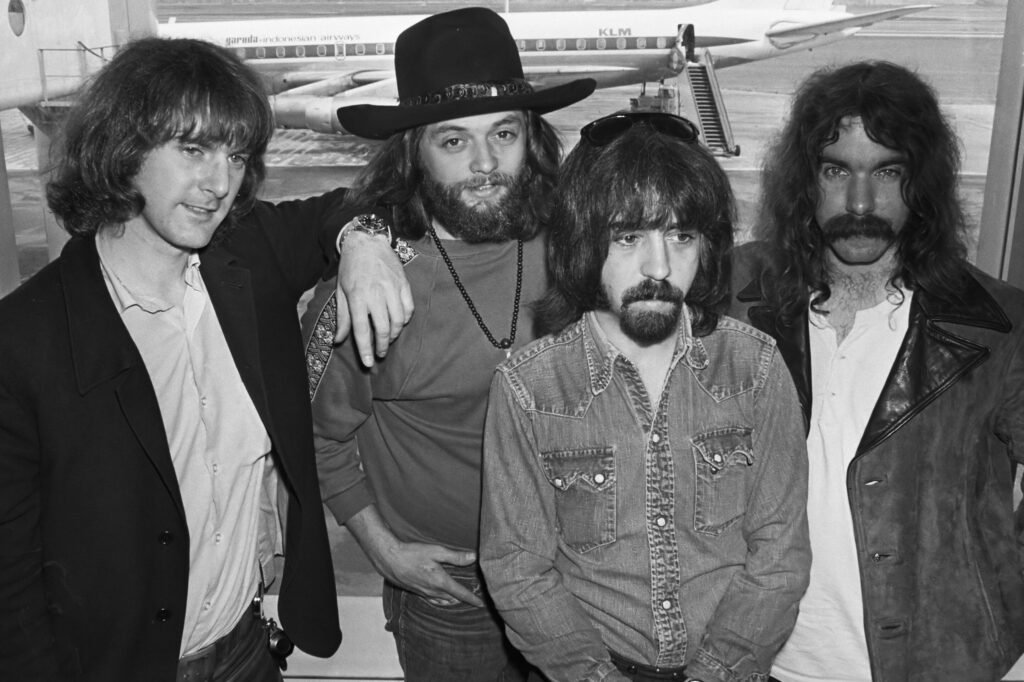
This 1966 album pushed folk-rock into psychedelic territory with experimental production and abstract lyrics. It didn’t achieve the same commercial dominance as the band’s earlier singles. Some listeners found it strange or disorienting at the time. It marked a bold creative shift.
The album influenced the development of psychedelic rock and studio experimentation. Artists became more open to abstract storytelling and sonic exploration. It quietly expanded the vocabulary of mainstream rock. Its impact often gets overlooked in favor of flashier psychedelic releases.
12. Music from Big Pink by The Band
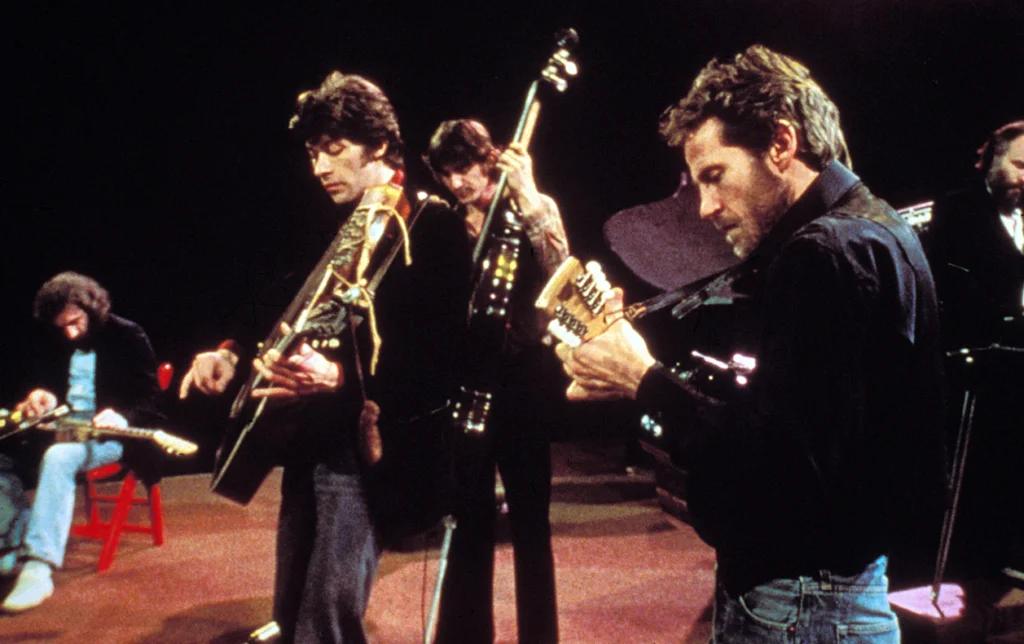
Released in 1968, this album emphasized roots-driven songwriting and communal storytelling. It arrived quietly compared to the louder psychedelic trends dominating the charts. The warm, grounded sound felt almost old-fashioned at first. It didn’t chase singles or spectacle.
Its influence reshaped Americana, roots rock, and singer-songwriter traditions. Many artists embraced its authenticity and narrative focus. It encouraged musicians to reconnect with simpler musical foundations. Its cultural impact grew steadily rather than explosively.