
1. Pet Sounds – The Beach Boys
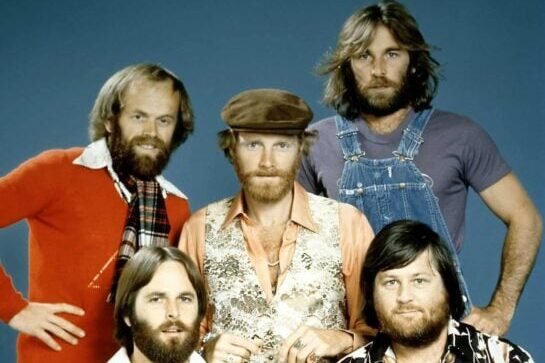
When Pet Sounds arrived in 1966, it didn’t sound like anything else on the radio. Instead of surfing and cars, Brian Wilson leaned into vulnerability, self doubt, and emotional uncertainty. The production was lush and layered in a way pop albums rarely were at the time. It quietly suggested that pop music could be deeply personal without losing its appeal.
Listeners may not have fully understood it right away, but musicians certainly did. The album helped push rock away from singles and toward the idea of the album as a complete statement. It also blurred the line between pop and art music. Over time, it reshaped expectations of what a mainstream band could attempt.
2. The Velvet Underground & Nico – The Velvet Underground
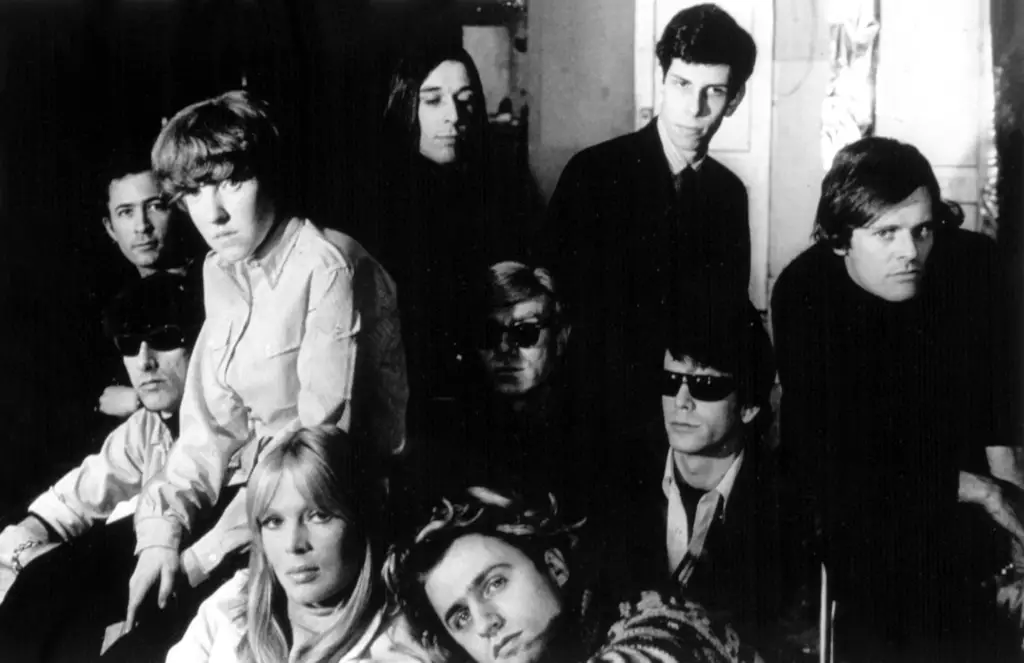
This album didn’t sell much when it came out in 1967, and that was part of the point. Its songs explored topics that polite pop music avoided entirely, including addiction, alienation, and urban life. The sound was raw, minimal, and often confrontational. It felt like an underground broadcast rather than a commercial product.
People who discovered it later realized how radical it actually was. It opened the door for alternative, punk, and indie music long before those terms were common. The album suggested that honesty mattered more than polish. That idea slowly seeped into popular music over the following decades.
3. Highway 61 Revisited – Bob Dylan
By 1965, Bob Dylan was already changing folk music, but this album pushed him fully into rock. Electric guitars replaced acoustic restraint, and the lyrics became more surreal and expansive. Songs stretched longer and felt less concerned with radio structure. It sounded like someone breaking rules in real time.
For listeners, it reframed what songwriting could accomplish. Lyrics didn’t need to be tidy or literal to feel meaningful. The album also helped legitimize rock as a serious artistic form. It quietly encouraged listeners to expect more depth from popular music.
4. Are You Experienced – The Jimi Hendrix Experience
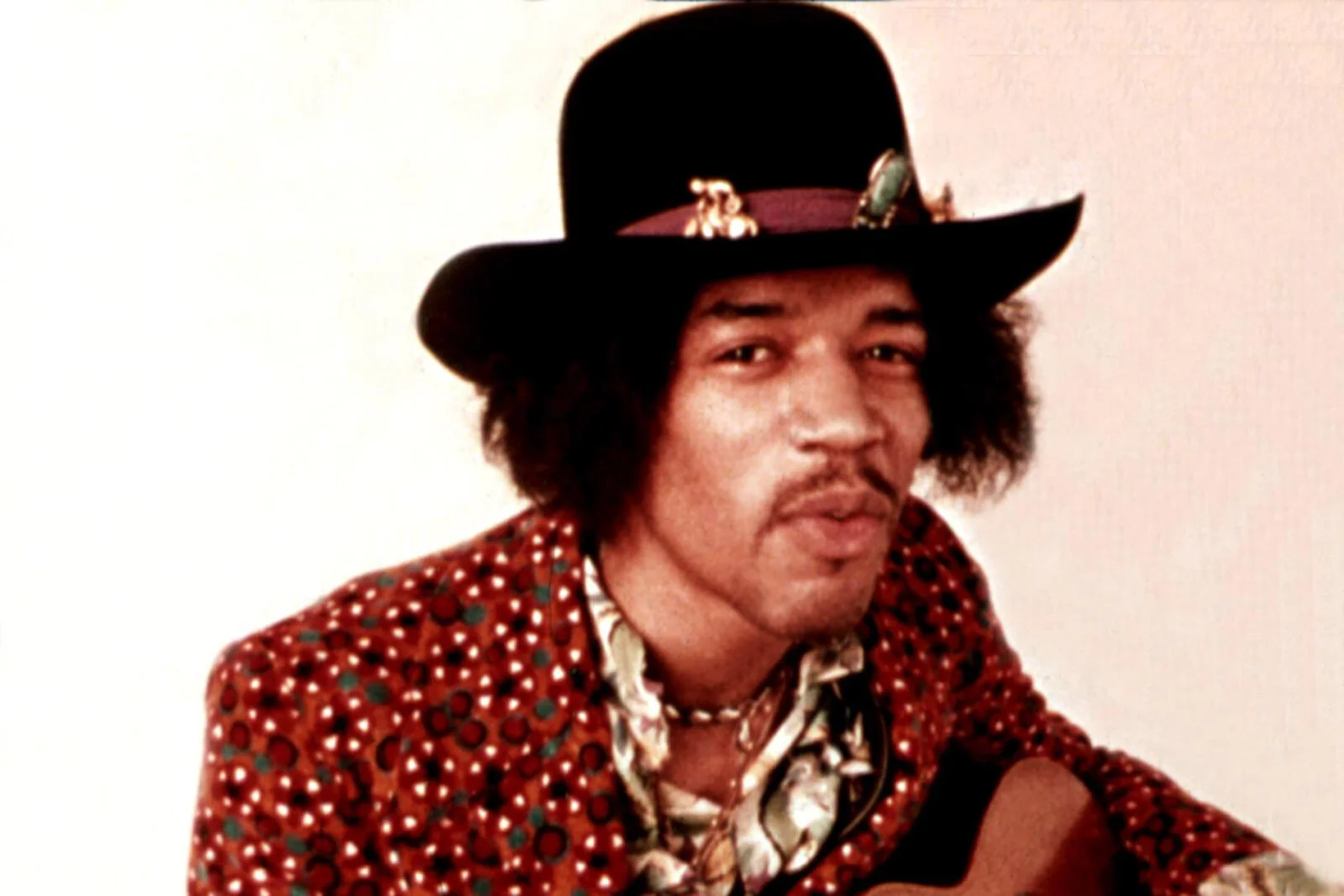
This album announced Jimi Hendrix as something entirely new. His guitar work didn’t just support songs, it transformed them. Effects, distortion, and feedback became expressive tools rather than mistakes. The music felt explosive but also controlled.
Listeners suddenly heard rock music as something elastic and experimental. The album shifted attention toward sound itself, not just melody or lyrics. It influenced how musicians thought about recording and performance. Rock guitar would never sound the same again.
5. Revolver – The Beatles
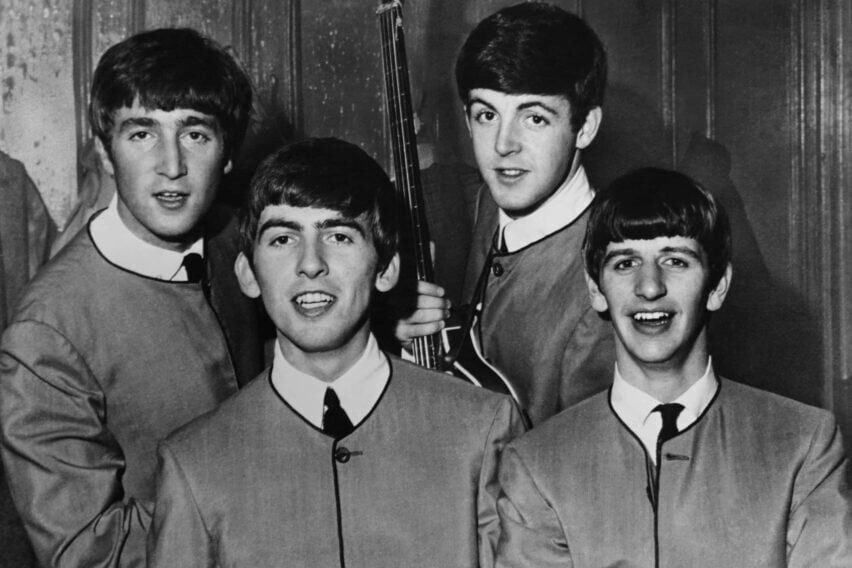
Revolver arrived during a period when the Beatles were already wildly popular, but it quietly changed the rules. The songs experimented with tape loops, unusual instruments, and nontraditional structures. It felt less like a collection of singles and more like a sonic laboratory. Pop music suddenly sounded curious.
Listeners were exposed to ideas drawn from classical music, Indian music, and avant garde techniques. The album helped normalize experimentation on mainstream records. It suggested that growth and risk were not only allowed but expected. That mindset spread quickly through the industry.
6. Astral Weeks – Van Morrison

When Astral Weeks was released in 1968, it confused many listeners. The songs felt loose and poetic, drifting rather than driving forward. Jazz, folk, and classical influences blended quietly beneath the surface. It sounded intimate, almost private.
Over time, listeners realized it offered a different way to engage with music. Albums didn’t need clear hooks to be absorbing. Mood and atmosphere could be enough. It helped carve out space for introspective, slow burning records in popular music.
7. Otis Blue – Otis Redding
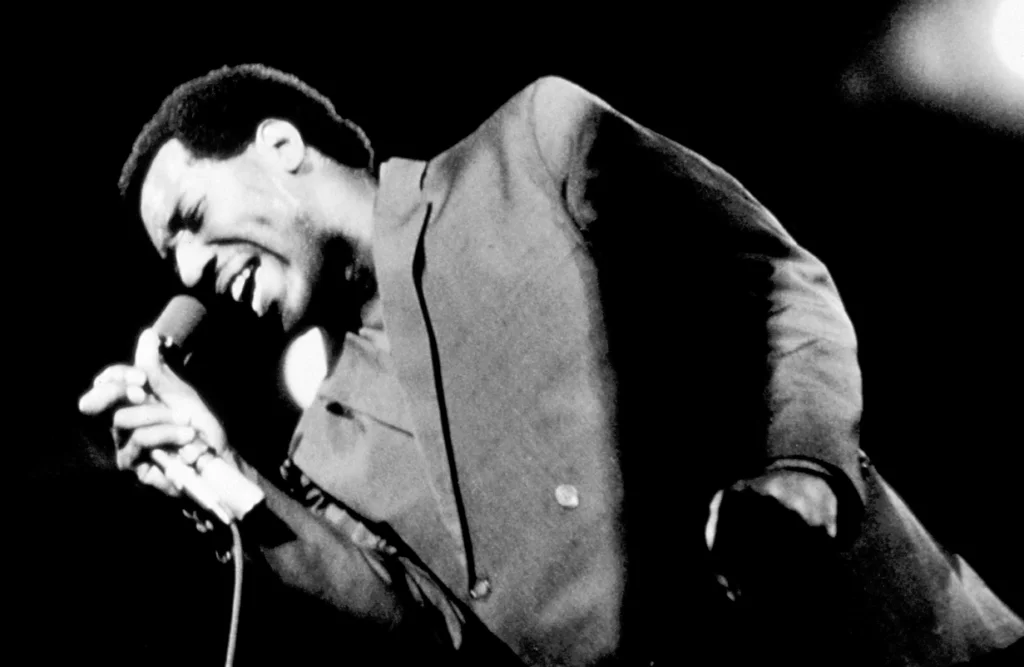
This album captured Otis Redding at his most confident and emotionally direct. It blended original songs with covers that felt fully his own. The performances were raw but deeply controlled. Soul music sounded urgent and human.
For many listeners, it reframed soul as album worthy rather than singles driven. It showed that emotional intensity could carry a full record. The album influenced how singers approached vulnerability and power. Its impact quietly stretched beyond the R&B charts.
8. Forever Changes – Love

At first glance, this album sounds gentle and melodic. Underneath, its lyrics carry anxiety, disillusionment, and unease. Orchestral arrangements sit alongside folk rock foundations. The result feels both beautiful and unsettled.
Listeners slowly realized how much it reflected its era’s emotional undercurrents. It showed that sunny sounds could hide darker truths. The album influenced later artists who embraced contrast and complexity. Its reputation grew gradually rather than instantly.
9. The Freewheelin’ Bob Dylan – Bob Dylan
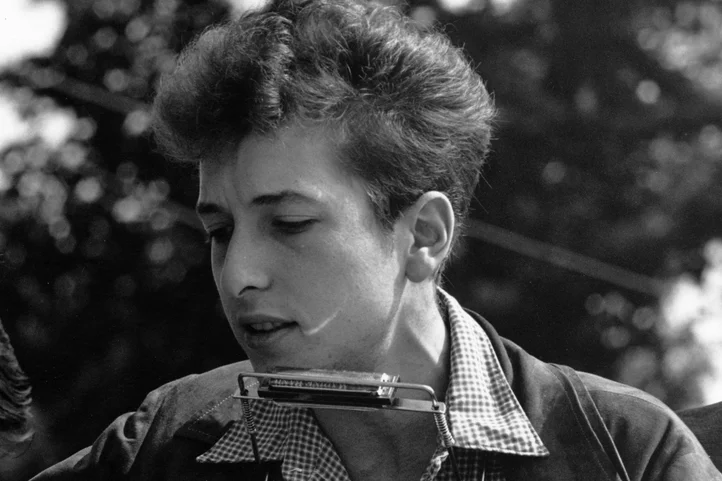
This album helped redefine what a singer songwriter could be. The songs addressed social issues without sounding preachy. Dylan’s voice was unconventional, but the conviction carried everything. Folk music suddenly felt contemporary.
Listeners began to expect commentary and personality from artists. Songs could challenge listeners rather than comfort them. The album quietly shifted attention toward lyrics as central listening points. That change rippled outward through many genres.
10. Bookends – Simon & Garfunkel
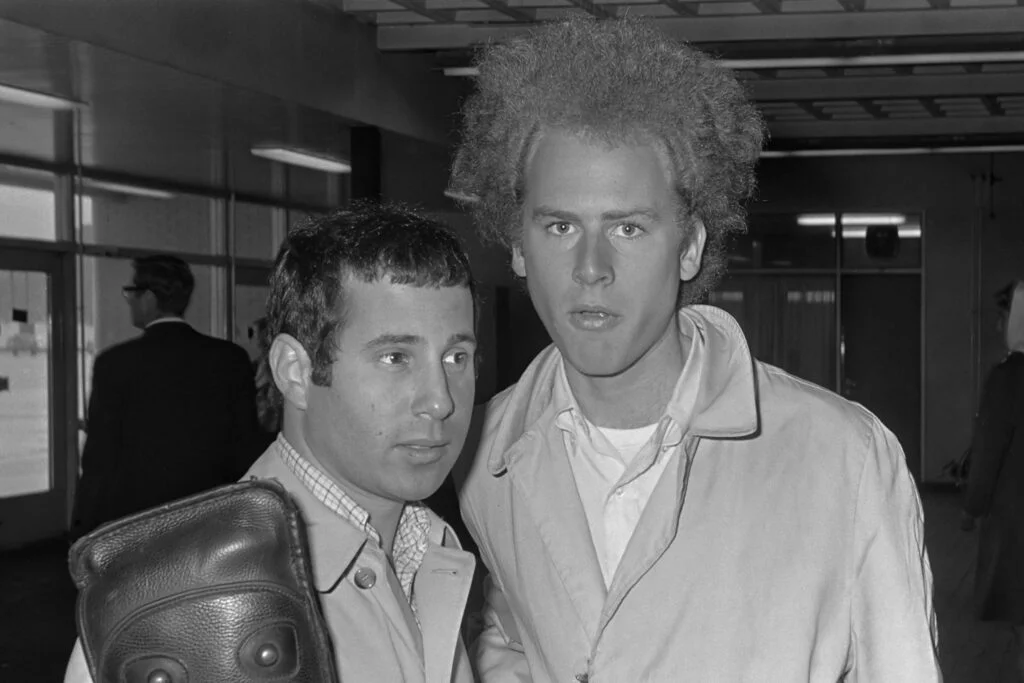
Bookends arrived as a reflection on aging, memory, and loss. Its songs were arranged thoughtfully, with silence and space playing key roles. It felt cohesive without being rigid. The album sounded mature in a way pop music often avoided.
Listeners encountered themes usually reserved for later stages of life. It suggested pop albums could explore time and reflection. The record influenced how artists approached concept albums. It made emotional subtlety feel acceptable.
11. In the Court of the Crimson King – King Crimson
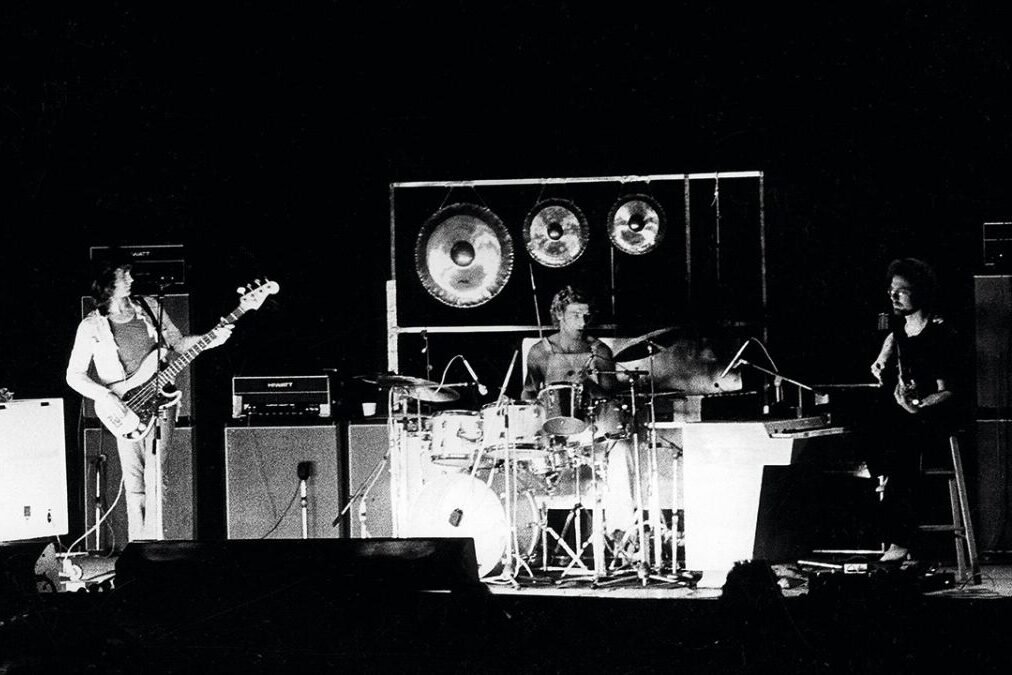
Released in 1969, this album sounded nothing like typical rock. Long compositions, shifting time signatures, and eerie textures dominated the record. It felt closer to classical music than pop. The sound was heavy but intricate.
Listeners were introduced to progressive rock without realizing it had a name. The album expanded ideas about complexity in rock music. It suggested that ambition didn’t need to be hidden. Many bands followed this path quietly afterward.
12. Stand! – Sly and the Family Stone
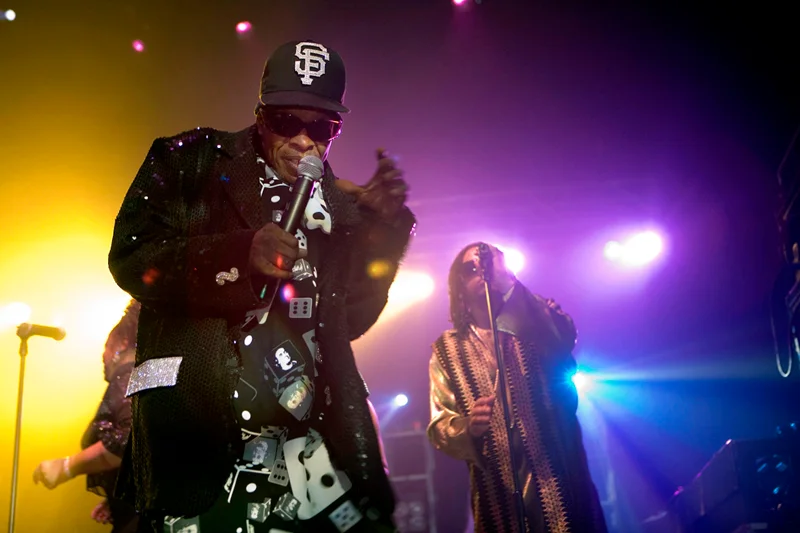
This album blended funk, soul, rock, and pop into something inclusive and energetic. The band’s racial and gender diversity was part of its message. The songs felt joyful but carried social weight. It sounded like community.
Listeners heard music that celebrated difference rather than smoothing it over. The album helped redefine funk as forward looking and political. It encouraged dance music to say something meaningful. That balance became influential across genres.
13. The Kinks Are the Village Green Preservation Society – The Kinks
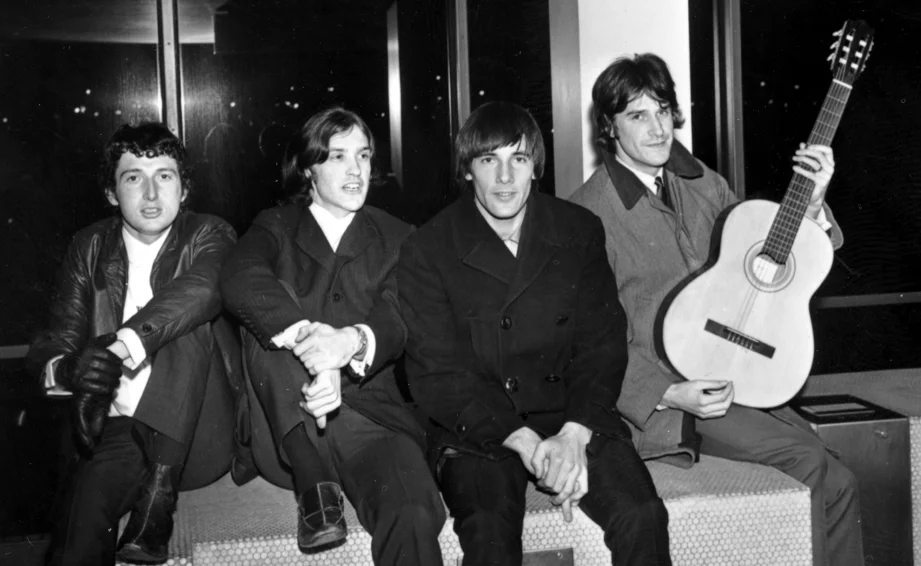
This album looked backward while everyone else rushed forward. Its songs focused on memory, tradition, and everyday English life. The sound was gentle and nostalgic rather than flashy. It felt oddly timeless.
Listeners eventually connected with its quiet resistance to trends. The album suggested that personal perspective mattered more than popularity. It influenced later artists drawn to storytelling and place. Its impact grew slowly but steadily.
14. Cheap Thrills – Big Brother and the Holding Company
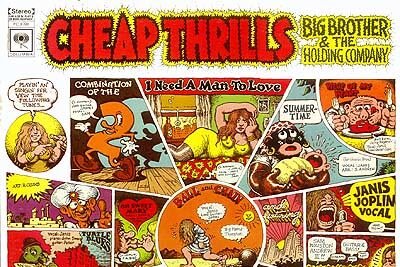
When Cheap Thrills came out in 1968, it didn’t sound polished or carefully constructed, and that was its strength. The album captured the feeling of a band playing loudly in a crowded room rather than performing for perfection. Janis Joplin’s voice was raw, unguarded, and impossible to ignore. It made emotional honesty feel more important than technical control.
Listeners heard something closer to chaos than craft, and it resonated. The album helped normalize rough edges in rock and blues based music. It suggested that feeling mattered more than finesse. That idea quietly shifted what audiences were willing to embrace in popular album