
1. The Velvet Underground & Nico by The Velvet Underground (1967)
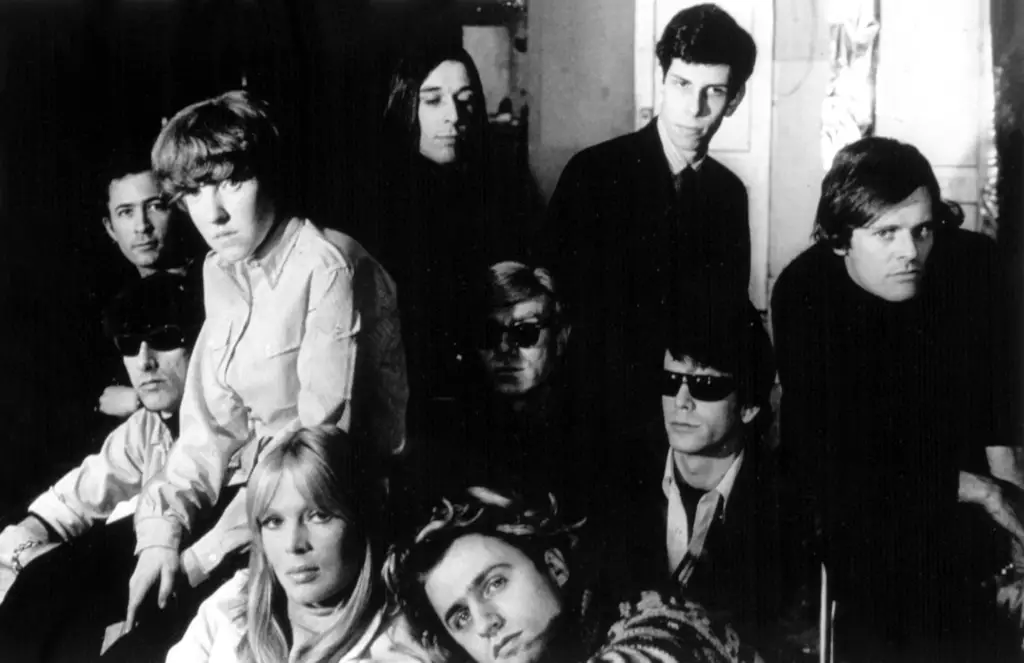
When The Velvet Underground & Nico first came out in 1967, it barely made a commercial dent. But that banana-covered cover and those stark, often uncomfortable songs would go on to shape alternative music for decades. Lou Reed’s detached vocals and John Cale’s droning experimentation were miles away from the sunshine pop dominating radio. Songs like “Heroin” and “I’m Waiting for the Man” felt raw and unfiltered, almost confrontational. At the time, that made people uneasy.
Later generations heard something different. Punk bands in the ’70s and indie artists in the ’80s and ’90s treated it like a blueprint. Its stripped-down aesthetic influenced everyone from underground New York scenes to college radio staples. Even artists who never sounded like The Velvet Underground absorbed its permission to be strange. Sometimes the albums that change everything are the ones that barely sell at first.
2. Pet Sounds by The Beach Boys (1966)
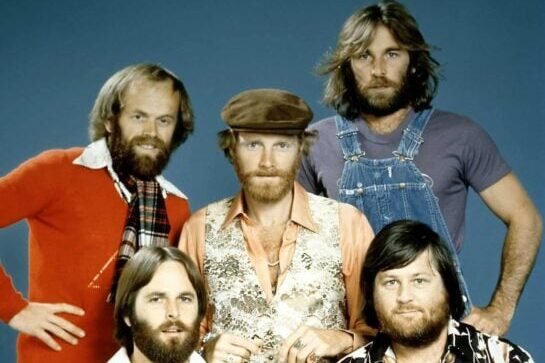
By 1966, The Beach Boys were known for surf songs and harmonies, but Pet Sounds shifted the ground under pop music. Brian Wilson layered orchestral instruments, bicycle bells, and unconventional textures into songs that felt deeply personal. “God Only Knows” still sounds intimate and intricate today. The album didn’t top the U.S. charts the way earlier hits did, which surprised the band’s label. It was a quieter revolution than many realized.
Musicians were listening carefully, though. Paul McCartney has openly credited it as an influence on Sgt. Pepper’s Lonely Hearts Club Band. The album proved that pop could be as emotionally complex as classical music. Its studio craftsmanship paved the way for concept albums and lush production styles. Decades later, you can still hear its fingerprints on chamber pop and indie rock.
3. Astral Weeks by Van Morrison (1968)
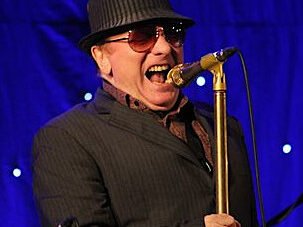
Van Morrison’s Astral Weeks was a commercial disappointment in 1968, but artists never stopped studying it. Blending folk, jazz, and poetic stream-of-consciousness lyrics, it felt almost improvised. Songs drifted rather than marched, which confused some listeners expecting tighter structures. Morrison’s voice sounded vulnerable and searching. It was not built for radio singles.
In time, it became a touchstone for singer-songwriters. Musicians admired its emotional honesty and loose, organic arrangements. You can hear its influence in artists who prioritize mood over hooks. It helped validate introspective songwriting that didn’t chase chart trends. Quietly, it expanded what a rock album could feel like.
4. The Piper at the Gates of Dawn by Pink Floyd (1967)
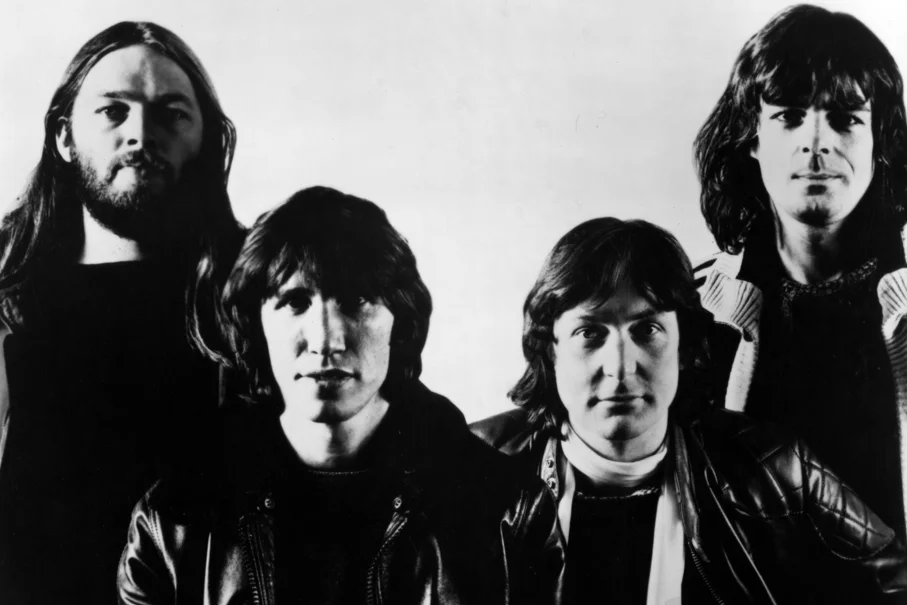
Before Pink Floyd became arena icons, they released this surreal, Syd Barrett-led debut. The Piper at the Gates of Dawn was whimsical, eerie, and unpredictable. Tracks like “Interstellar Overdrive” hinted at long-form experimentation. At the time, it stood apart from blues-based British rock. Its psychedelic textures felt like stepping into another dimension.
Future progressive rock bands paid close attention. The album’s willingness to stretch songs and embrace abstraction became foundational. Even outside prog, its atmospheric approach influenced electronic and experimental artists. It showed that studio effects could be part of the storytelling. That idea only grew stronger in the decades that followed.
5. The Freewheelin’ Bob Dylan by Bob Dylan (1963)
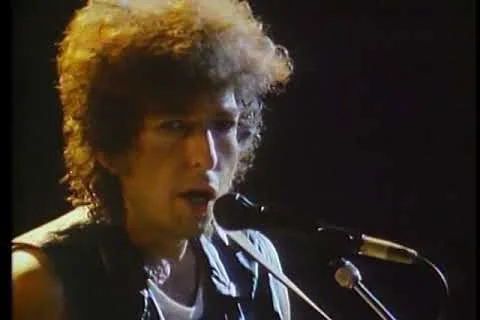
When Bob Dylan released The Freewheelin’ Bob Dylan, he was still a young folk singer with a harmonica. But songs like “Blowin’ in the Wind” and “A Hard Rain’s A-Gonna Fall” reshaped lyrical expectations. He proved that pop music could tackle social issues head-on. The melodies were simple, almost traditional. The words were anything but.
Songwriters across genres took notice. Folk-rock, protest music, and later alternative scenes all borrowed from his narrative style. Dylan normalized dense, literary lyrics in mainstream music. Artists learned they could write about politics, heartbreak, or existential dread without simplifying it. That shift still echoes in contemporary songwriting.
6. Odessey and Oracle by The Zombies (1968)
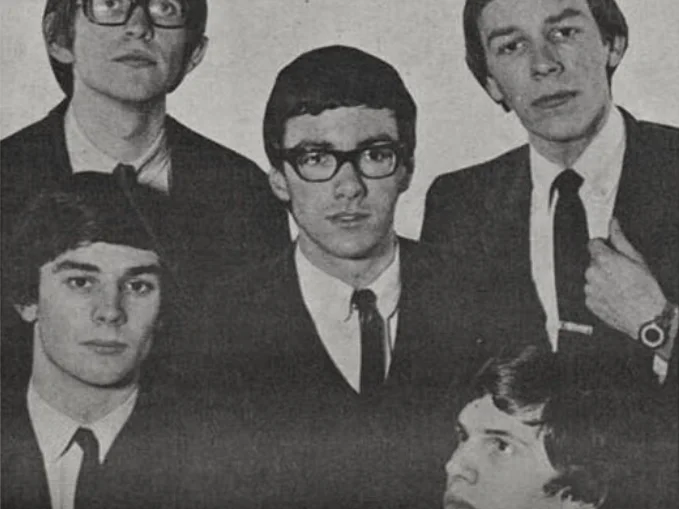
This British pop gem was released just as The Zombies were breaking up. Odessey and Oracle featured lush harmonies and baroque arrangements that felt elegant rather than flashy. “Time of the Season” became a hit, but the album itself flew under the radar initially. Its spelling error in the title only added to its mystique. It was easy to miss in a crowded musical year.
Over time, it became a cult favorite. Indie pop bands have long admired its melodic sophistication. The layered vocals and gentle psychedelia influenced generations of jangly guitar groups. It demonstrated that subtlety could be powerful. Many later artists cited it as a secret favorite.
7. Trout Mask Replica by Captain Beefheart and His Magic Band (1969)
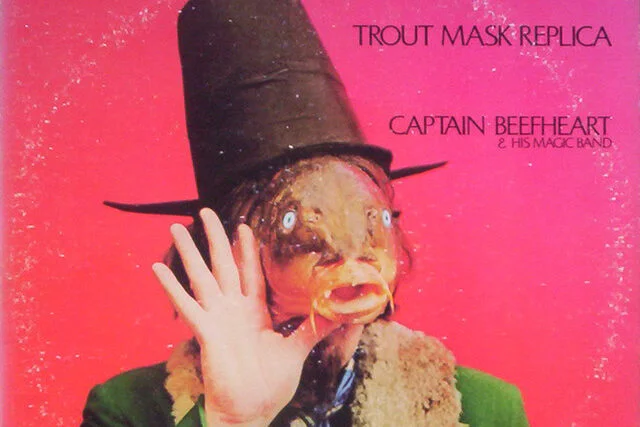
Trout Mask Replica confused almost everyone when it arrived. Produced by Frank Zappa, it sounded chaotic, disjointed, and deliberately abrasive. Conventional song structures were practically abandoned. Captain Beefheart’s vocals veered from blues growls to surreal spoken passages. It was not an easy listen.
Yet experimental musicians treated it like a manifesto. Punk, no wave, and avant-garde artists found freedom in its disregard for rules. It challenged the idea that music had to be polished to matter. Decades later, its influence appears in art rock and experimental jazz. Sometimes disruption is the point.
8. Music from Big Pink by The Band (1968)
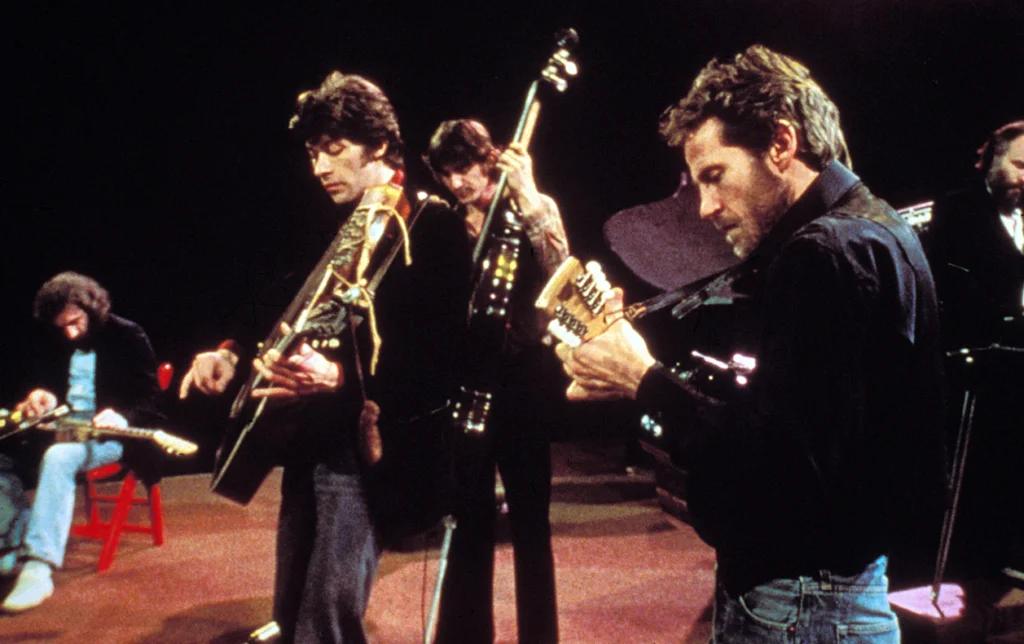
When The Band released Music from Big Pink, it felt almost old-fashioned. Rooted in Americana and communal storytelling, it rejected psychedelic excess. Songs like “The Weight” carried a sense of lived-in authenticity. The harmonies felt organic, not studio-manufactured. It quietly contrasted the flashier trends of the time.
Its back-to-basics approach influenced roots rock and Americana movements. Artists seeking authenticity looked to it as a model. The album helped spark a return to traditional sounds in the late ’60s and ’70s. Even modern folk revivalists trace inspiration back to it. Its impact was steady rather than explosive.
9. Forever Changes by Love (1967)
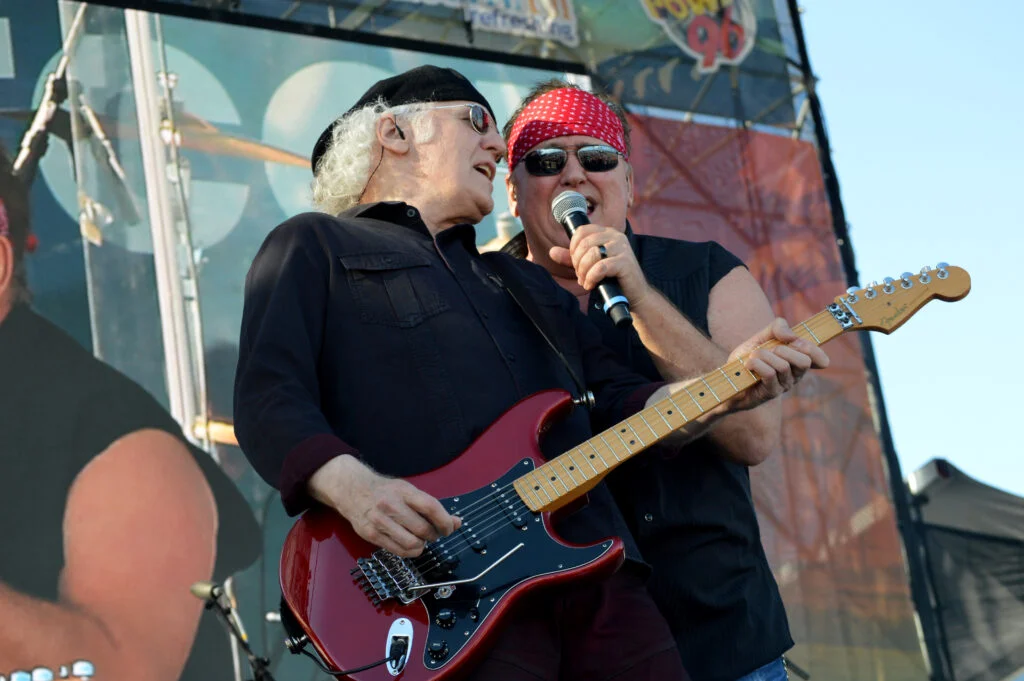
Arthur Lee and Love created something intricate and introspective with Forever Changes. The orchestration blended rock with mariachi horns and strings. Lyrically, it carried a sense of unease beneath its beauty. It did not dominate charts upon release. Many listeners only discovered it years later.
Future alternative bands embraced its emotional depth. Its combination of acoustic guitars and orchestral flourishes influenced chamber pop acts. The album proved that vulnerability could coexist with ambition. Its cult status grew slowly but steadily. Today, it is often cited as one of the era’s hidden masterpieces.
10. Five Leaves Left by Nick Drake (1969)
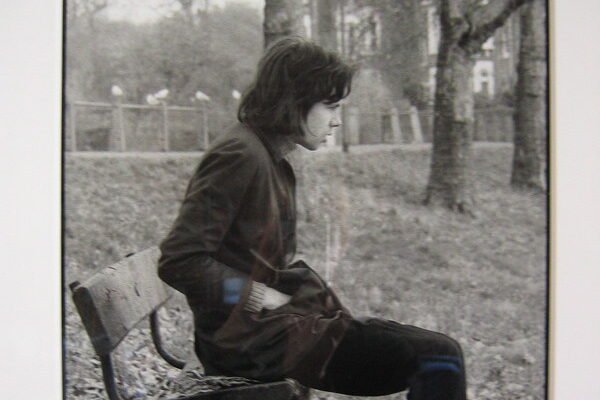
Nick Drake’s debut was almost invisible commercially. Five Leaves Left featured delicate acoustic arrangements and Drake’s hushed vocals. There was no grand marketing push. The songs felt intimate, like private confessions. It was easy to overlook at the time.
In later decades, singer-songwriters rediscovered it. Its fragile beauty influenced indie folk and acoustic artists worldwide. Drake’s understated style became a model for quiet intensity. The album’s legacy grew long after his lifetime. Influence does not always require immediate recognition.
11. Freak Out! by The Mothers of Invention (1966)
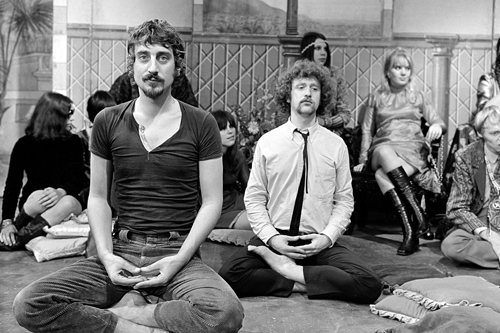
Frank Zappa’s Freak Out! was ambitious from the start. It blended satire, doo-wop, orchestration, and avant-garde experimentation. As one of the first double albums in rock, it pushed format boundaries. The humor was sharp and often biting. It did not fit neatly into any genre.
Later experimental and progressive artists drew from its eclecticism. It showed that albums could function as conceptual statements rather than collections of singles. Zappa’s irreverence influenced alternative and art rock movements. Musicians learned that complexity and humor could coexist. Its ripple effects spread widely.
12. Stand! by Sly and the Family Stone (1969)
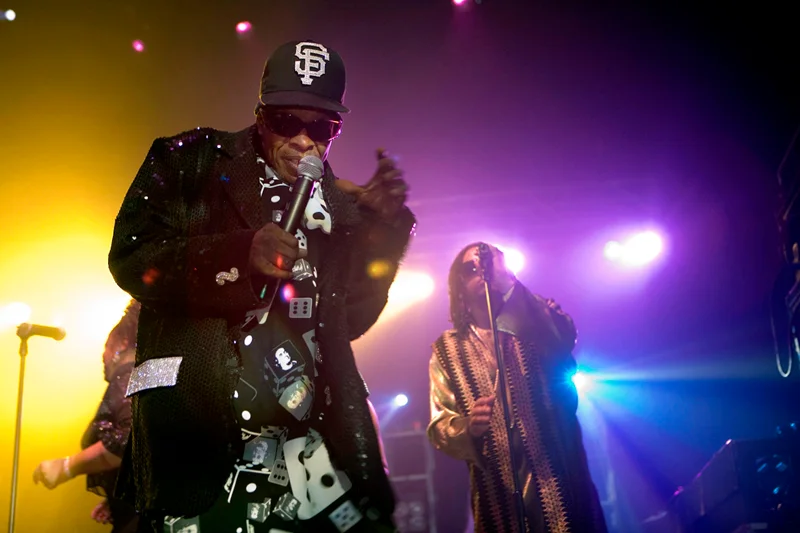
With Stand!, Sly and the Family Stone fused funk, soul, and rock in a way that felt seamless. The grooves were infectious, but the messages were socially aware. “Everyday People” carried a call for unity. The album did well, but its broader influence unfolded over time. Its genre-blending approach was ahead of its era.
Future funk, R&B, and even hip-hop artists borrowed from its rhythmic foundation. The integrated lineup itself made a cultural statement. It expanded what popular music could look and sound like. The blend of optimism and grit resonated long after the ’60s. Its DNA runs through modern pop and funk.
13. The Gilded Palace of Sin by The Flying Burrito Brothers (1969)
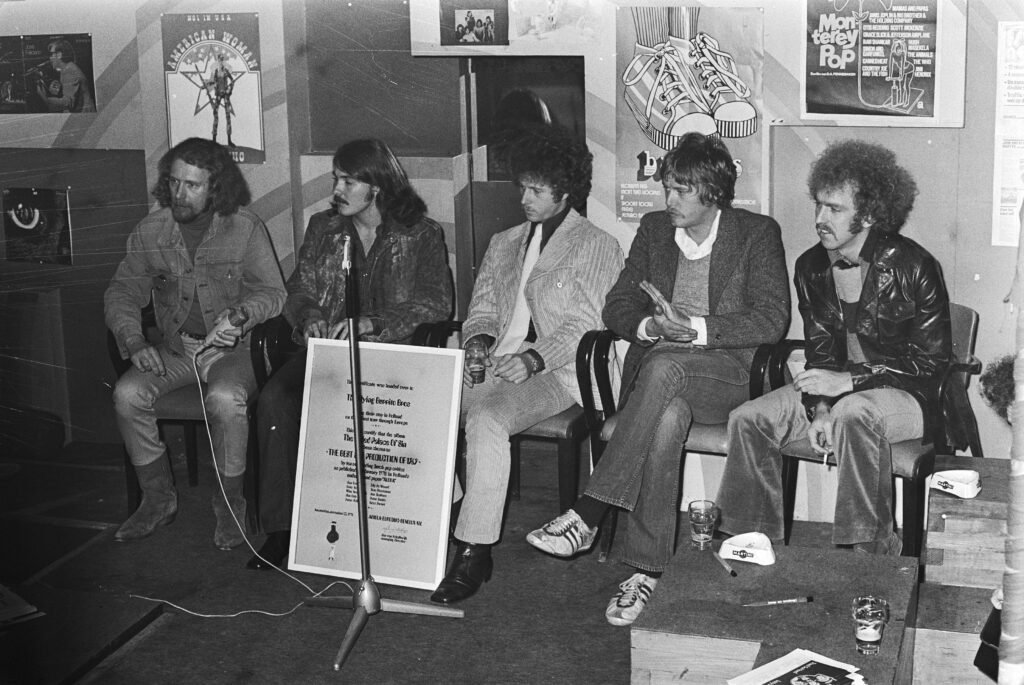
Country and rock had crossed paths before, but The Gilded Palace of Sin refined the mix. Gram Parsons and Chris Hillman leaned into pedal steel and honky-tonk traditions. At the time, it was not a massive seller. The blend confused some rock audiences. It felt too country for rock and too rock for country.
Later, country rock exploded in popularity. Bands in the ’70s and beyond adopted its template. Alternative country artists still cite it as foundational. It proved that genre lines could blur without losing authenticity. Quietly, it changed the direction of American roots music.
14. A Saucerful of Secrets by Pink Floyd (1968)
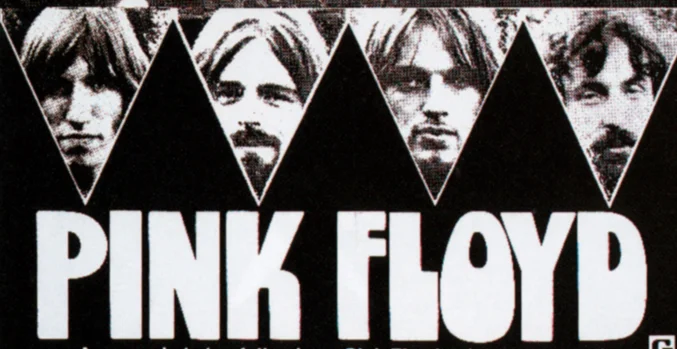
Pink Floyd’s second album marked a transitional moment after Syd Barrett’s departure. A Saucerful of Secrets leaned further into atmospheric instrumentals. The title track sprawled across movements rather than sticking to verse-chorus patterns. It was less immediate than mainstream hits of the day. Yet it hinted at the band’s future trajectory.
Progressive and ambient musicians absorbed its mood-driven structure. The emphasis on texture over hooks became central to later art rock. It showed that an album could prioritize atmosphere as much as melody. That philosophy carried into the ’70s and beyond. Its influence was subtle but enduring.