
1. Fabian Forte
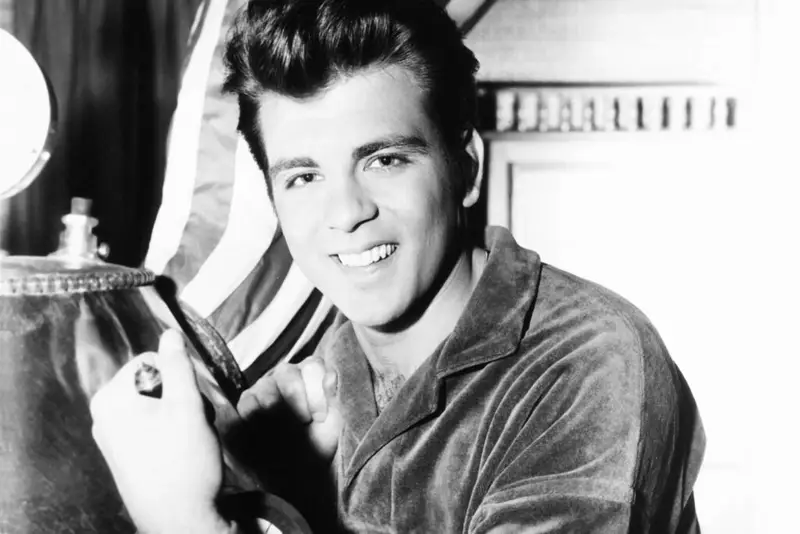
In the late ’50s and early ’60s, Fabian Forte looked like the very definition of a permanent teen idol. He had the perfect hair, the perfect smile, and a string of pop hits that made him a regular on magazine covers. Girls screamed for him everywhere he went, and movie studios quickly scooped him up for beach party films and lighthearted comedies. At the time, it felt impossible to imagine a world where his name would not be instantly recognizable. He was marketed as the next Elvis and many people truly believed it.
But teen idols have an expiration date, and tastes changed faster than anyone expected. By the end of the decade, new musical styles pushed Fabian out of the spotlight. He continued to work in show business, but the hysteria never returned. Younger audiences moved on to new faces and new sounds. What once seemed like lifelong superstardom turned out to be a bright but brief moment in pop culture.
2. Bobby Sherman
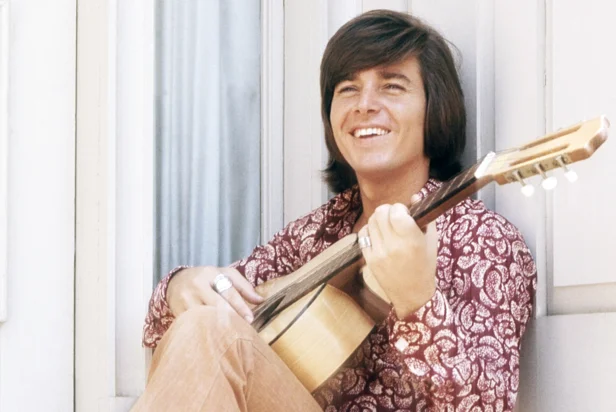
For a few shining years, Bobby Sherman was everywhere. His records sold by the millions, his face was plastered on lunchboxes, and his fan mail reportedly arrived by the truckload. Teenage girls decorated their bedroom walls with his posters and dreamed about meeting him. With his boyish charm and wholesome image, he looked like a star who would dominate entertainment for decades. In the early ’70s, it still felt like he was only getting started.
Then, almost as quickly as he rose, he stepped away from the frenzy. Sherman eventually chose a quieter life and pursued work outside Hollywood. The screaming crowds faded, and so did the nonstop media attention. He remained beloved by loyal fans, but the massive fame cooled. It is a classic example of how intense popularity can burn out instead of burning on.
3. Troy Donahue
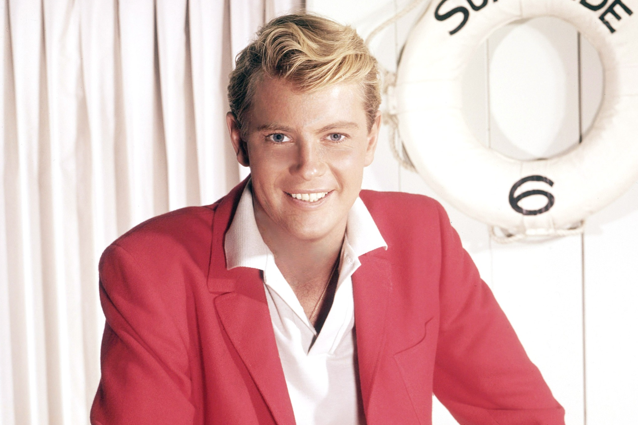
Troy Donahue was one of the ultimate heartthrobs of the early ’60s. With his blond hair and California good looks, he became a major movie star almost overnight. Films like A Summer Place turned him into a symbol of youthful romance. Studios treated him like their next guaranteed leading man for years to come. Everything about his career suggested long-term movie stardom.
Unfortunately, Hollywood changed directions as the decade moved forward. Grittier films and new types of actors replaced the clean-cut image Donahue represented. His roles became smaller and less frequent. By the ’70s, his name no longer carried the same power at the box office. What seemed like an endless run at the top turned out to be tied tightly to one brief era.
4. Connie Francis
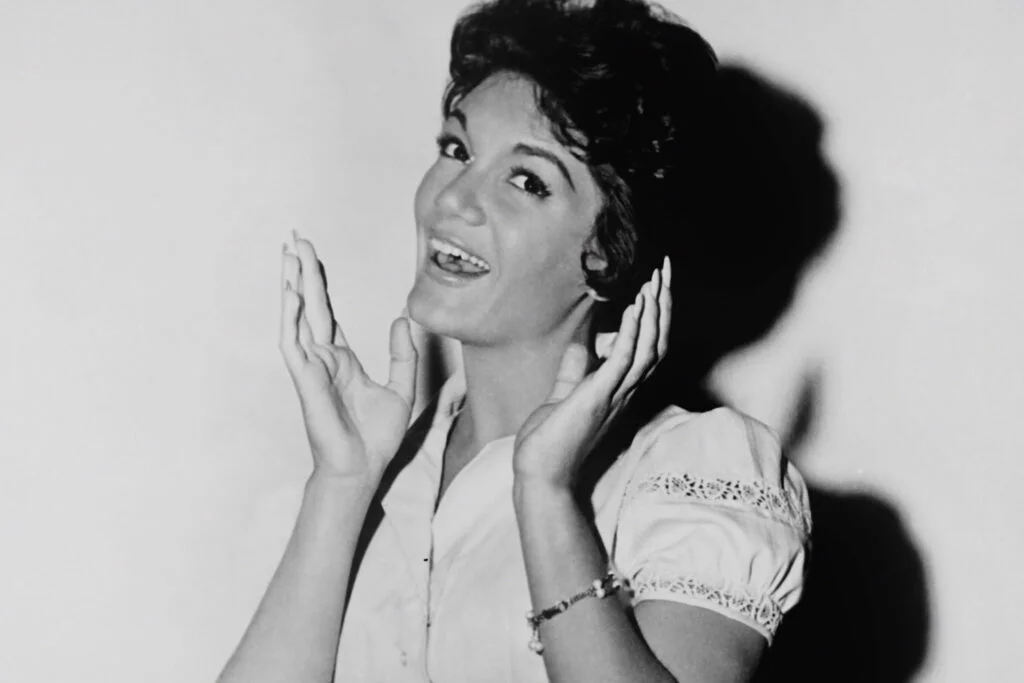
Connie Francis was once one of the biggest female singers in the world. Her heartfelt voice dominated radio in the early ’60s with songs that everyone seemed to know by heart. She appeared on television constantly and toured to sold-out crowds. At the height of her success, it felt like she would always be part of the musical landscape. Few performers looked more secure in their fame.
But the British Invasion and changing pop trends altered everything. New rock bands captured the attention of younger listeners. Francis continued to perform, but her style no longer fit the moment the way it once had. Personal struggles also pulled her away from the nonstop spotlight. A career that looked unshakable slowly became a cherished memory instead.
5. Lesley Gore
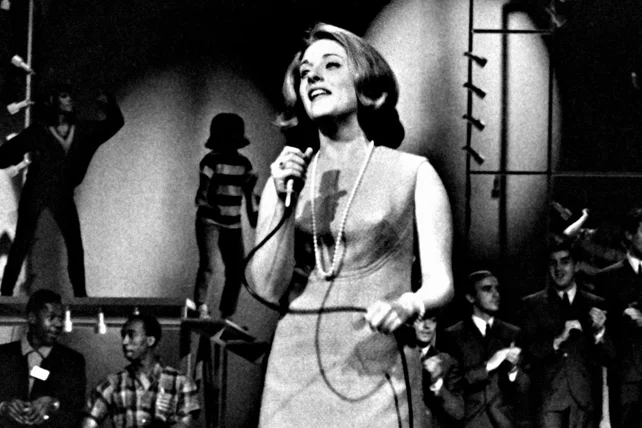
Lesley Gore exploded onto the scene as a teenager with the anthem “It’s My Party.” She had a string of hits that perfectly captured the emotions of young listeners. With her polished image and powerful voice, she seemed destined for a lifetime at the top of the charts. Television appearances and magazine features made her a household name. In 1963, it would have been hard to picture pop music without her.
Yet pop music evolves quickly, and Gore’s girl group style eventually gave way to harder-edged rock. The songs kept coming, but the cultural moment shifted around her. By the early ’70s, she was no longer a regular presence on the radio. She remained respected and admired, but the level of fame changed dramatically. Her story shows how even major stars can be tied to a specific time.
6. Tab Hunter
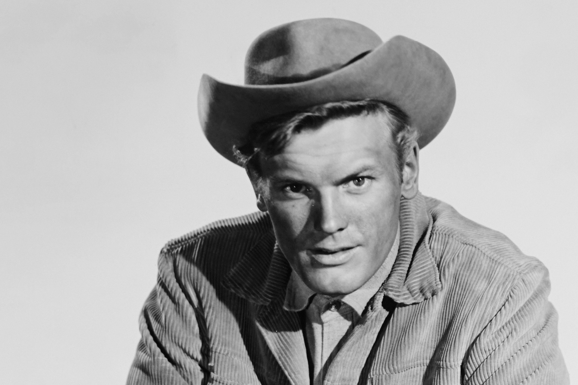
Tab Hunter was one of the most famous young actors in America at the dawn of the ’60s. He starred in hit movies, recorded popular songs, and appeared endlessly in fan magazines. His clean-cut image made him seem like the ideal Hollywood leading man for years to come. Studios built projects around him, convinced he would be a fixture forever. For a while, that prediction looked completely accurate.
As the decade went on, tastes in film shifted toward edgier material. Hunter found fewer roles that fit his established persona. New actors with different styles took over the spotlight. He continued to work, but the era that created his fame had passed. What looked like guaranteed permanence turned out to be a very specific kind of stardom.
7. Shelley Fabares
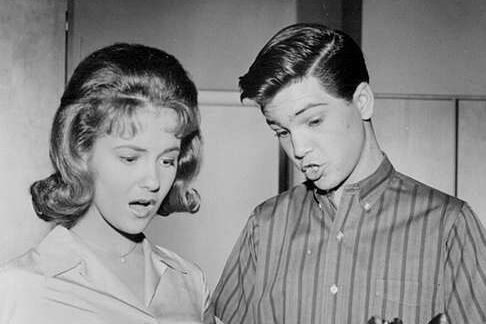
Shelley Fabares grew up on television and became America’s sweetheart on The Donna Reed Show. Her singing career also took off with the surprise hit “Johnny Angel.” She seemed to have the perfect combination of acting and musical talent. In the early ’60s, she appeared poised for decades of leading roles and hit records. Everything pointed toward a lifetime of major celebrity.
But child stars often face tough transitions into adult careers. Fabares continued acting steadily, yet the feverish attention faded. She worked successfully in later series, but not with the same level of cultural impact. Younger performers replaced the familiar faces of the early ’60s. Her fame remained, just in a quieter and more modest form.
8. Gary Lewis
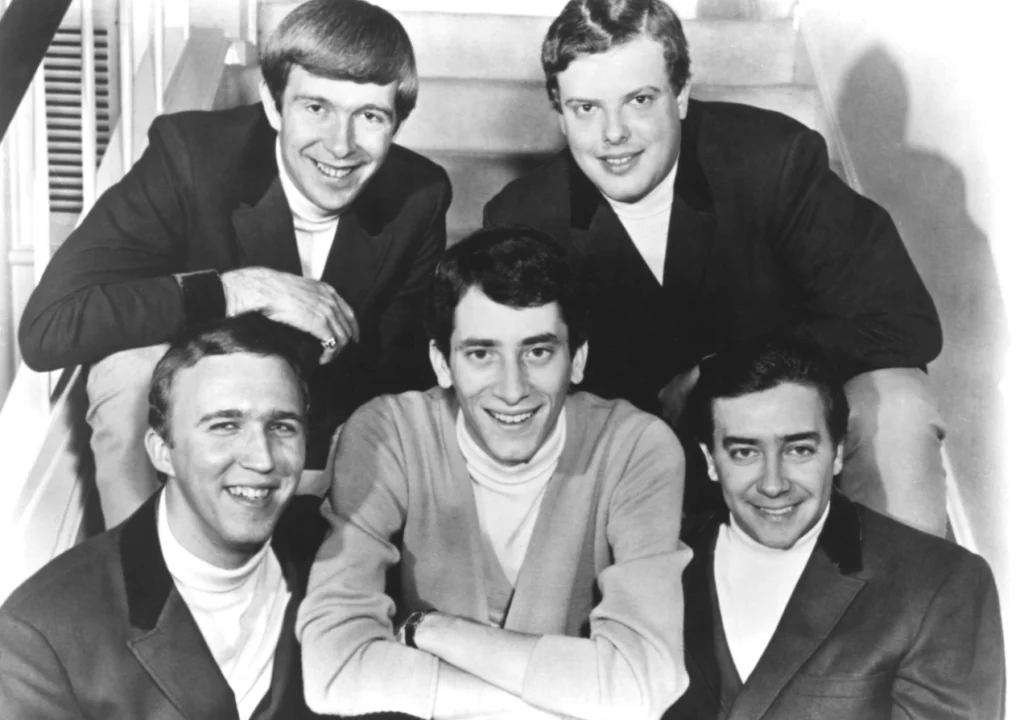
Gary Lewis and the Playboys were one of the hottest bands of the mid-’60s. With catchy hits like “This Diamond Ring,” Lewis seemed like a permanent fixture on the radio. He had the added glow of being Jerry Lewis’s son, which only increased the media fascination. Concerts were packed and the future looked wide open. Many fans assumed his success would roll on indefinitely.
Then the musical world shifted almost overnight. Psychedelic rock and heavier sounds took over the charts. Lewis’s clean pop style suddenly felt old-fashioned to new audiences. After a few short years, the hits stopped coming. What had seemed like an unstoppable career ended up belonging to one brief chapter in music history.
9. Frankie Avalon
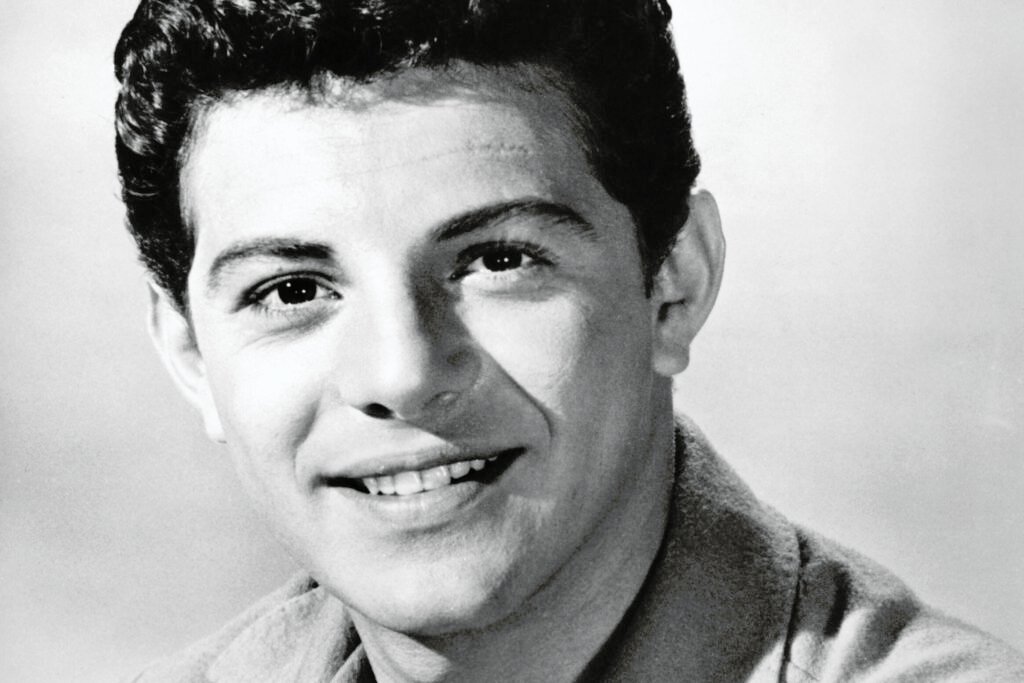
Frankie Avalon helped define the early ’60s with his smooth voice and beach movie charm. He scored pop hits and became a familiar face in lighthearted films. Teen magazines treated him like royalty, and his fan base was enormous. At the time, he looked like someone who would always have a place at the center of entertainment. Few people imagined him ever stepping out of the limelight.
But the arrival of new musical movements changed the entire industry. Avalon’s wholesome image felt out of step with the rebellious tone of the later ’60s. He continued performing, yet the cultural moment had moved on. The level of stardom he once enjoyed simply could not last. His career became more nostalgic than current.
10. James Darren
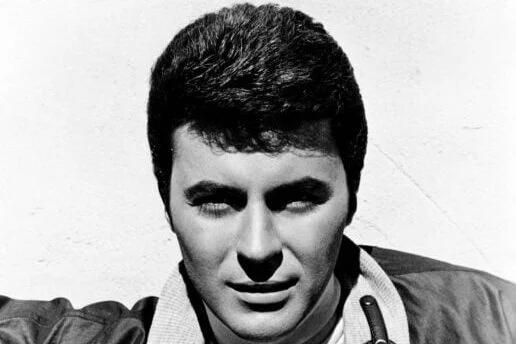
James Darren seemed to have everything going for him in the early ’60s. He was a successful singer, a popular actor, and a major teen idol. Films like Gidget made him a symbol of youthful fun and romance. With his easy charisma, he appeared built for decades of headline fame. Fans expected him to remain a major star well into the future.
Instead, his career gradually shifted into smaller roles and television work. The kind of clean-cut teen movies he specialized in fell out of fashion. New faces crowded the screens and record charts. Darren kept working steadily, but the superstar glow dimmed. What looked like forever fame turned out to be era-specific appeal.
11. Yvette Mimieux
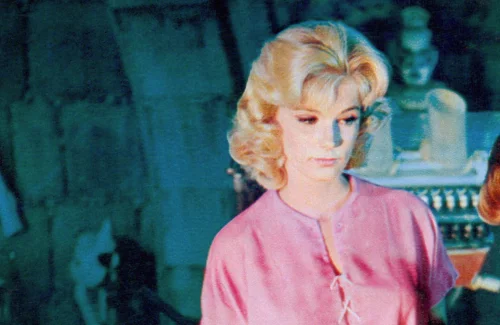
Yvette Mimieux became famous almost instantly with her role in The Time Machine. Her delicate beauty and strong screen presence made her one of the most promising actresses of the decade. Hollywood promoted her as a major new leading lady with unlimited potential. For a while, it seemed like she would be a fixture in big films for years. Everything about her career suggested staying power.
But the film industry changed rapidly in the late ’60s and early ’70s. Different types of movies called for different kinds of stars. Mimieux chose to step back from the Hollywood machine on her own terms. As new actresses took center stage, her once constant visibility faded. A career that looked destined for endless fame quietly wound down.
12. Paul Petersen
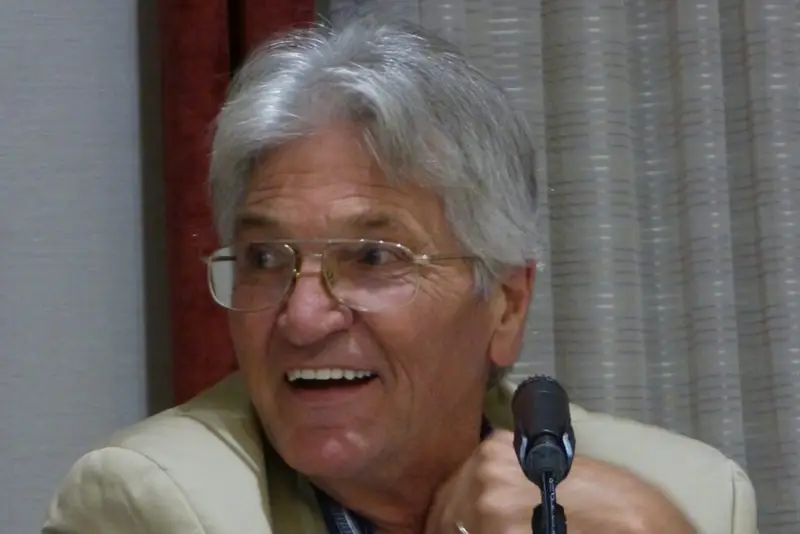
Paul Petersen was already famous as a child star on The Donna Reed Show. He launched a singing career on top of his television success and became a teen idol. Fan clubs formed, records sold well, and he seemed positioned for lifelong celebrity. Growing up in front of America made him feel like a permanent part of pop culture. It was easy to imagine him staying famous forever.
But transitioning from child star to adult star is rarely simple. As the show ended and the decade changed, his opportunities became more limited. Petersen eventually focused on advocacy work and other interests. The spotlight that once shone so brightly slowly moved on to new young performers. His story mirrors that of many early television favorites.
13. Mark Lindsay
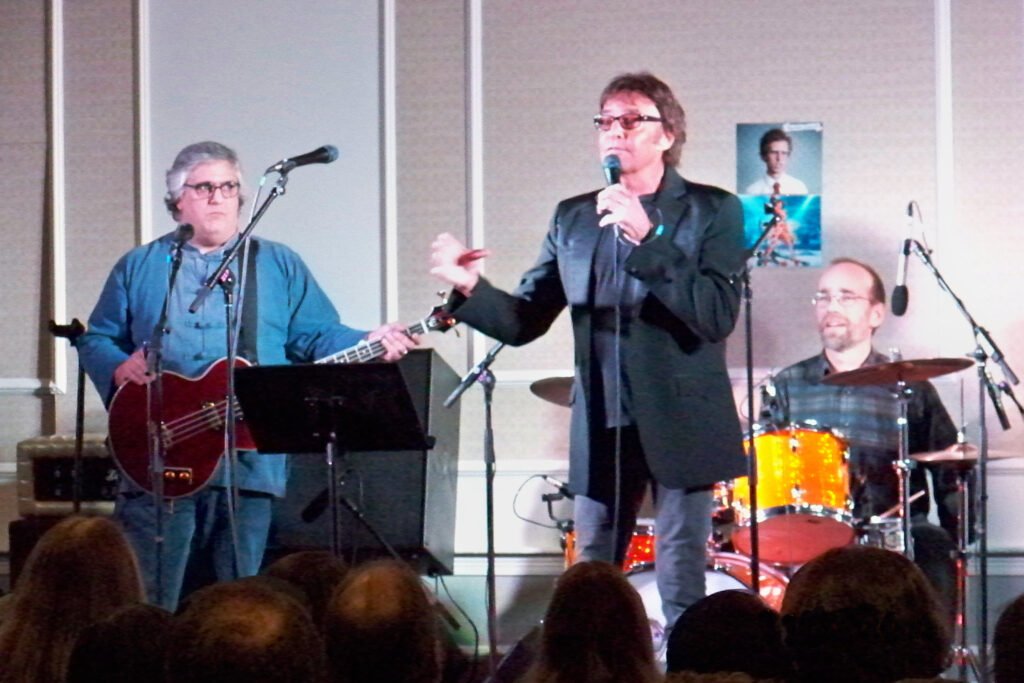
As the lead singer of Paul Revere and the Raiders, Mark Lindsay was a huge figure in ’60s music. The band appeared constantly on television and produced hit after hit. Lindsay’s distinctive look and voice made him a star in his own right. At the peak of their popularity, it seemed like they would dominate the charts forever. Fans could not imagine the music world without them.
But the late ’60s brought a completely new sound and attitude to rock music. Flashy matching outfits and upbeat pop songs suddenly felt outdated. Lindsay continued to perform and record, yet the massive mainstream fame faded. What had looked like an endless career at the top became a beloved memory of a very specific time. Even the biggest stars can belong to just one unforgettable decade.
14. Annette Funicello
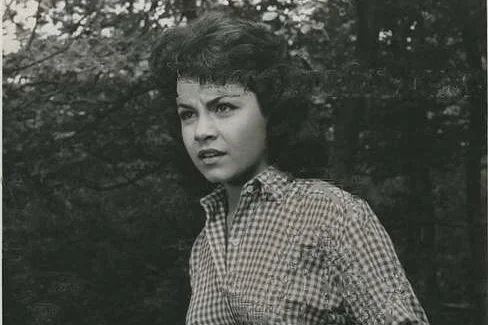
Annette Funicello felt like she had been famous forever even while she was still very young. She grew up on The Mickey Mouse Club and then smoothly transitioned into movies and pop music. Her beach films with Frankie Avalon turned her into one of the most recognizable faces of the decade. By the mid ’60s, she seemed woven into American entertainment culture. Fans assumed she would always be a cheerful, constant presence on screens big and small.
But the image that made her famous was tightly linked to a very specific era. As Hollywood tastes changed, the innocent beach movie craze faded away. Funicello chose to focus more on her personal life than on chasing new trends. Later health struggles also limited her public appearances. A star who once looked permanent gradually became a warm memory of a simpler time.
15. Ricky Nelson
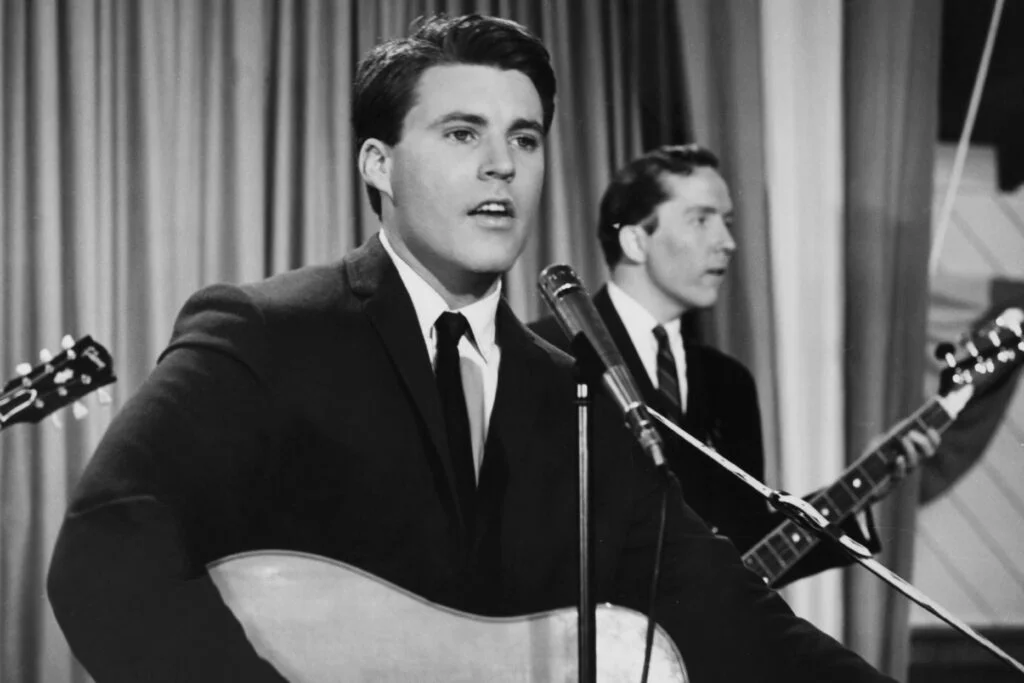
Ricky Nelson practically invented the idea of the television teen idol. He grew up in front of America on The Adventures of Ozzie and Harriet and then launched a wildly successful music career. Hit records like “Travelin’ Man” made him one of the biggest young stars in the country. With acting, singing, and a built-in audience, his future looked completely secure. Many people assumed he would stay on top for decades.
Then the music scene exploded in new directions during the later ’60s. The wholesome rock style Nelson represented suddenly felt old-fashioned. He kept recording and touring, but the screaming crowds moved on to newer acts. The television show ended and the spotlight slowly dimmed. What once seemed like guaranteed lifelong fame became more complicated and unpredictable.
16. Petula Clark
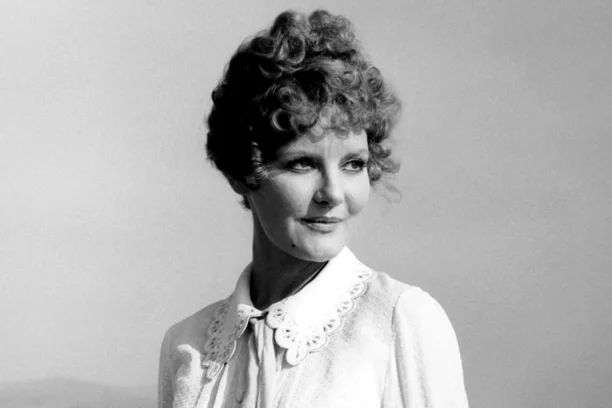
Petula Clark conquered the charts in the ’60s with bright, unforgettable songs like “Downtown.” Her sophisticated style and international appeal made her a global superstar. She appeared constantly on television specials and talk shows, charming audiences everywhere. At her peak, she looked like one of those performers who would never fall out of favor. The idea of pop music without her seemed impossible.
Yet pop culture rarely stays still for very long. By the end of the decade, rock groups and new singer songwriters dominated the airwaves. Clark continued to perform successfully, especially on stage, but the hit parade moved on. Younger listeners attached themselves to different sounds. Her enormous fame settled into respected legend status instead of everyday stardom.
17. Davy Jones
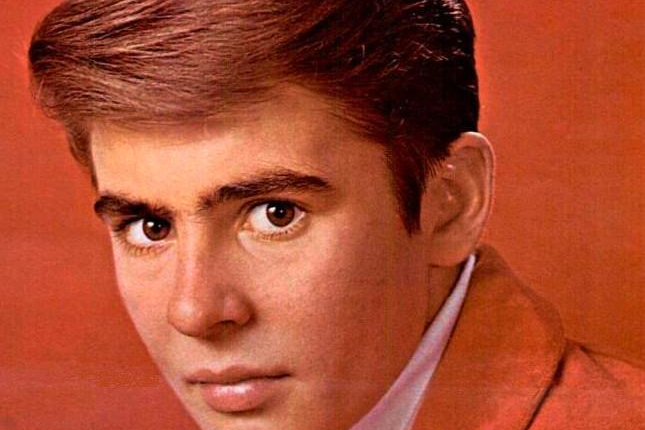
Davy Jones burst into the ’60s as the charming frontman of The Monkees. The television series and band made him an instant household name almost overnight. Teenage fans treated him like royalty, and his face appeared on every imaginable product. With that level of popularity, it felt like he would be a permanent pop culture figure. For a few years, he truly seemed unstoppable.
But The Monkees were tied closely to the short-lived world of teen television pop. When the show ended and musical tastes shifted, the frenzy cooled quickly. Jones worked steadily in entertainment, yet never again reached that explosive level of fame. New teen idols took his place in the magazines and on the charts. His superstardom turned out to be intense but temporary.
18. Adam West
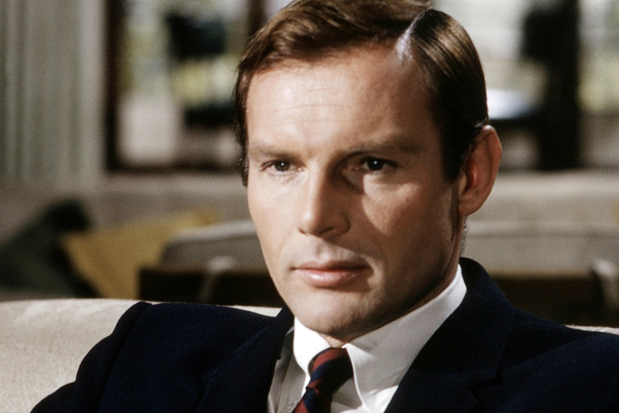
When Adam West put on the cape as Batman in 1966, he became one of the most famous men on television. The colorful, campy series was an enormous hit and made him instantly recognizable around the world. Kids and adults alike knew his name, his voice, and his exaggerated heroic style. At the time, it looked like he had found a role that would carry him through a long, glamorous career. Few actors seemed more securely planted in the public eye.
Then the show was canceled after only a few seasons, and West found himself typecast. Hollywood struggled to see him as anything other than Batman. Big leading roles became hard to come by, and the momentum slowed dramatically. He later enjoyed a revival in voice acting, but the early promise faded fast. What appeared to be endless fame turned out to be closely tied to one bright, quirky moment.
19. Nancy Sinatra
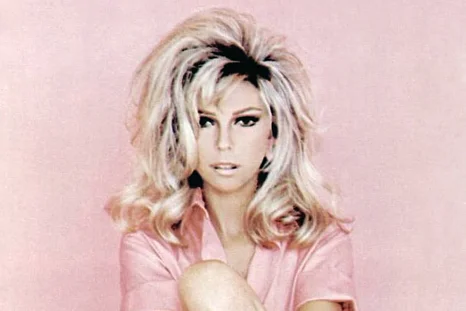
Nancy Sinatra seemed destined for permanent stardom the moment “These Boots Are Made for Walkin’” hit the radio. With her famous last name and bold new image, she became a defining voice of the mid ’60s. Duets with Lee Hazlewood and appearances in stylish films kept her constantly in the spotlight. She looked like a performer who would dominate pop culture for years without slowing down. Everything about her career suggested lasting power.
But musical trends changed quickly as the decade closed. Harder rock sounds replaced the swingin’ pop style she perfected. Sinatra stepped back to focus on family life and other interests. Although she remained admired and influential, the era of massive chart hits ended. A career that once felt limitless gradually eased into fond nostalgia.