
1. Bobby Sherman
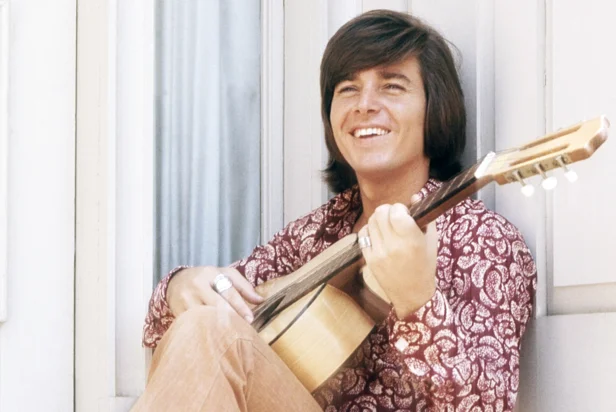
For a few bright years in the late ’60s, Bobby Sherman was everywhere. He had hit records, screaming fans, and a starring role on the TV series Here Come the Brides. Teen magazines treated him like royalty, and his concerts drew Beatles level enthusiasm. Then, almost quietly, Sherman decided fame was not the life he wanted forever. In the mid ’70s he began to step away from show business and eventually pursued a very different path. He trained as an emergency medical technician and later worked with police departments as a first responder. The change surprised many fans who assumed he would stay a lifelong entertainer. Instead, he chose a calmer, more private existence.
Sherman never vanished completely, but he intentionally removed himself from the pop culture spotlight. He made occasional appearances for nostalgia events and charity causes, yet the constant television exposure faded. Unlike many former teen idols, he did not chase a comeback or reinvent himself for new audiences. His decision to leave at the height of popularity made him something of a mystery figure. Fans still remember the posters on their bedroom walls, but the man in them preferred a normal life. It remains one of the more deliberate exits in ’60s pop history. For Sherman, slipping out of view was exactly the plan.
2. George Lazenby
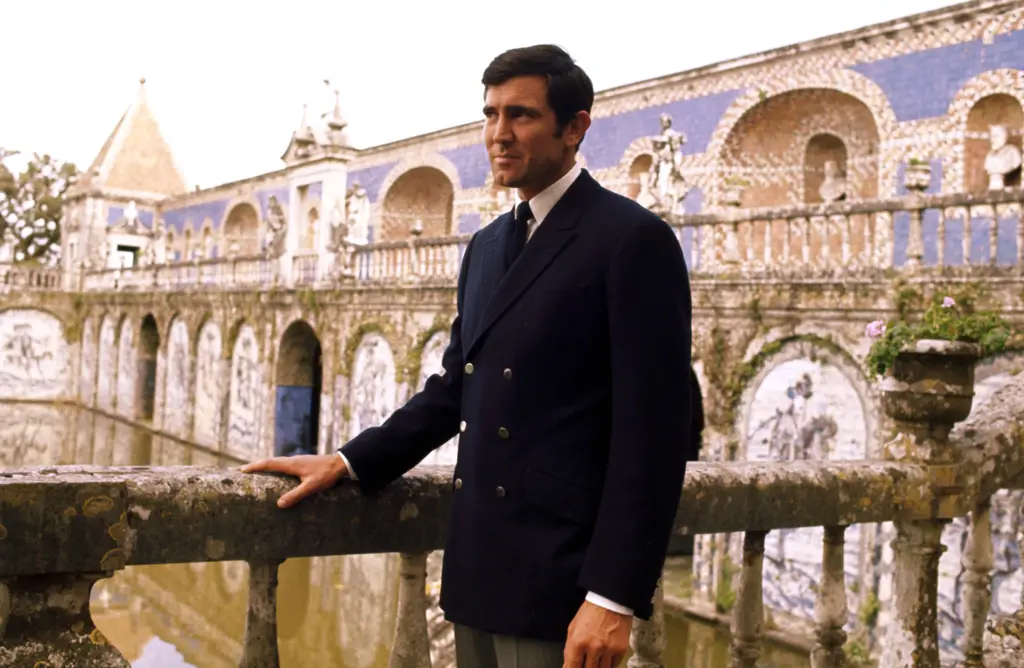
In 1969, George Lazenby was handed one of the biggest roles in the world, James Bond. He starred in On Her Majesty’s Secret Service and instantly became internationally famous. Most actors would have held on to that opportunity with both hands. Instead, Lazenby walked away after only one film as 007. He believed the character would soon feel outdated in the changing culture of the early ’70s. That decision dramatically altered the course of his career. Major stardom never quite found him again.
After leaving Bond behind, Lazenby worked steadily but never regained that level of attention. He appeared in smaller films and television projects, often outside the Hollywood system. Over time he chose a quieter lifestyle away from the relentless press machine. Fans of the franchise continued to debate his performance, keeping his name alive mostly within Bond circles. To the general public, however, he slowly became a distant memory. His brief blaze of fame faded into one of the more curious what if stories of the decade.
3. Yvette Mimieux
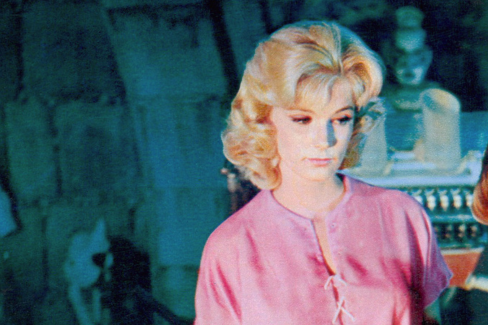
Yvette Mimieux became a star at the dawn of the ’60s with films like The Time Machine. Her striking looks and gentle screen presence made her a popular leading lady. Throughout the decade she worked consistently in movies and television, building a solid career. Yet she never seemed comfortable with the Hollywood machine surrounding her. By the late ’70s she had begun turning down roles more frequently. Mimieux grew increasingly selective about the projects she accepted. Eventually, she decided to step away almost entirely.
Rather than fight for continued fame, she focused on writing, business interests, and personal passions. Public appearances became rare, and interviews even rarer. Unlike many of her contemporaries, she did not chase nostalgia tours or reunion specials. Fans occasionally wondered what had happened to the graceful actress they remembered. The truth was simpler than any scandal. She had simply chosen privacy over publicity. Her slow retreat remains one of the gentler goodbyes from classic Hollywood.
4. Troy Donahue
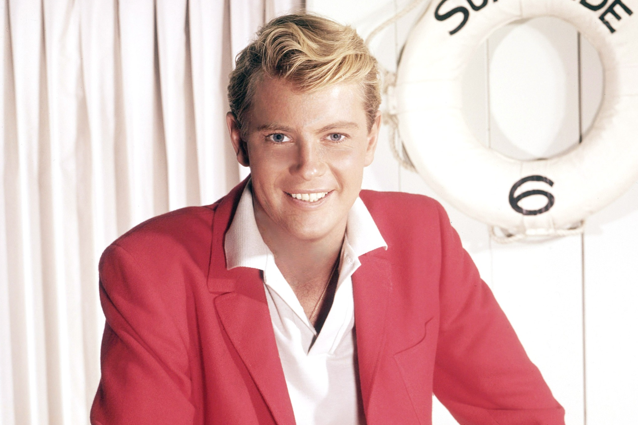
Few actors symbolized early ’60s heartthrob culture more than Troy Donahue. With his blond hair and clean cut image, he became a fixture in teen oriented films. Movies like A Summer Place made him a romantic fantasy figure for an entire generation. Studios promoted him relentlessly, and for a time his face was unavoidable. But tastes changed quickly as the decade moved on. The rebellious, grittier stars of the late ’60s replaced the polished idols. Donahue found himself out of step with the new Hollywood.
Work became harder to find, and the roles grew smaller. By the ’70s he was appearing mostly in low budget films and guest spots. The massive fame he once enjoyed quietly slipped away. Donahue never officially retired, but the public largely moved on. Later generations discovered him mainly through reruns and old movie channels. His story reflects how fast celebrity could rise and fall in that era. One day he was on every magazine cover, and the next he was yesterday’s news.
5. Tuesday Weld
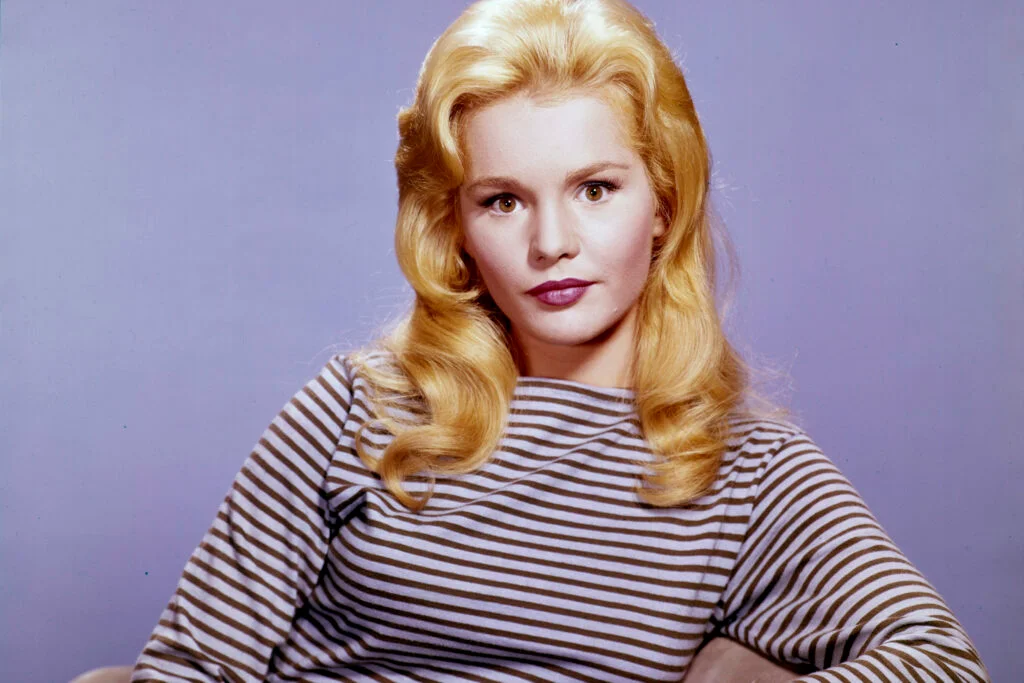
Tuesday Weld started acting as a child and became a genuine sensation in the early ’60s. She was talented, complicated, and often unpredictable, which only added to her mystique. Films like The Cincinnati Kid showed she had real dramatic ability. Critics admired her, and Hollywood expected her to become a major lifelong star. Yet Weld never seemed interested in playing the fame game. She frequently turned down high profile roles offered to her. The spotlight appeared to make her uncomfortable.
As the years went on, she worked less and less by choice. Weld preferred living quietly rather than maintaining a public image. By the ’80s and ’90s her appearances were few and far between. Younger audiences barely recognized the name that once dominated gossip columns. Unlike many performers, she never attempted a grand comeback. Her withdrawal was gradual and deliberate. In many ways, she simply decided that celebrity was not worth the cost.
6. Linda Harrison
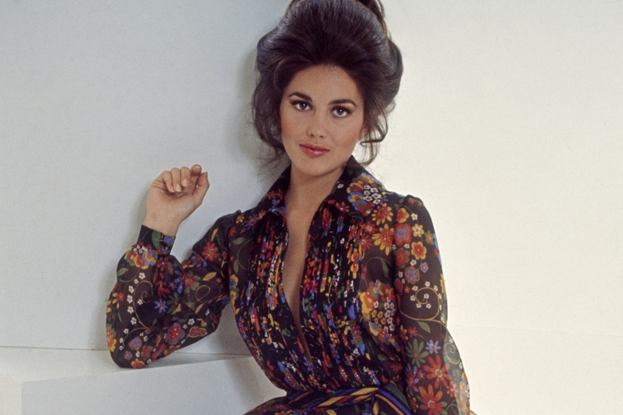
Linda Harrison became famous almost overnight in 1968 as Nova in Planet of the Apes. With very little dialogue, she still made a huge impression on moviegoers. The role turned her into a pop culture figure and a frequent magazine subject. She appeared in the film’s sequel and seemed poised for a long career. Instead, Harrison stepped away from acting in the early ’70s. Marriage and family life became her main focus. The Hollywood grind no longer held much appeal.
Occasional small roles popped up years later, but nothing like her initial burst of fame. To many fans she remained frozen in time as the silent, mysterious character from the classic film. Conventions and anniversary events kept her connected to admirers, yet she lived largely out of public view. Her decision to prioritize a private life mirrored the choices of several ’60s actresses. The industry moved on quickly, and she was content to let it happen. For Harrison, fame was a chapter, not a lifelong commitment.
7. Barry McGuire
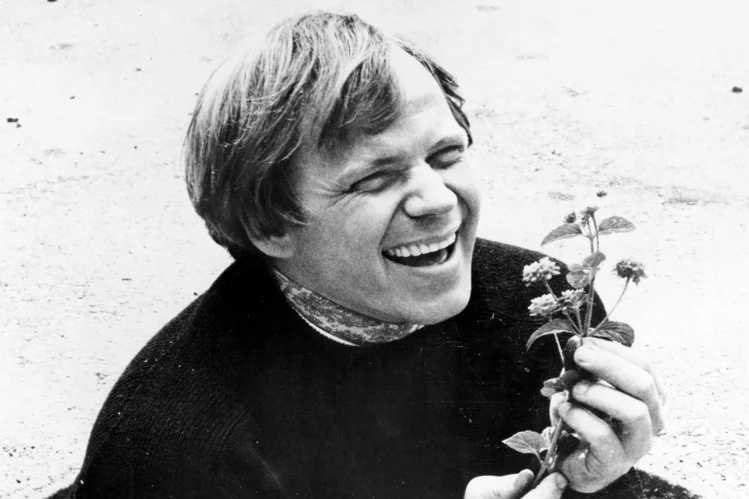
Barry McGuire shook the music world in 1965 with the protest anthem “Eve of Destruction.” The song became a massive hit and a defining track of the era. Suddenly McGuire was a well known voice of social unrest and youthful frustration. Many expected him to continue as a major pop star for years. Instead, his time in the mainstream spotlight proved brief. Musical trends shifted rapidly, and follow up hits never matched the original success. By the end of the decade he had largely stepped away from pop charts.
McGuire later devoted himself to different kinds of music and personal interests. He moved toward faith based projects and performed outside the commercial music industry. For casual listeners, his name slowly faded into ’60s trivia. The singer who once seemed to speak for a generation became a quieter figure. His story illustrates how a single enormous hit could define and also limit a career. Fame arrived fast and left almost as quickly. Today he is remembered mainly for one unforgettable moment in time.
8. Astrud Gilberto
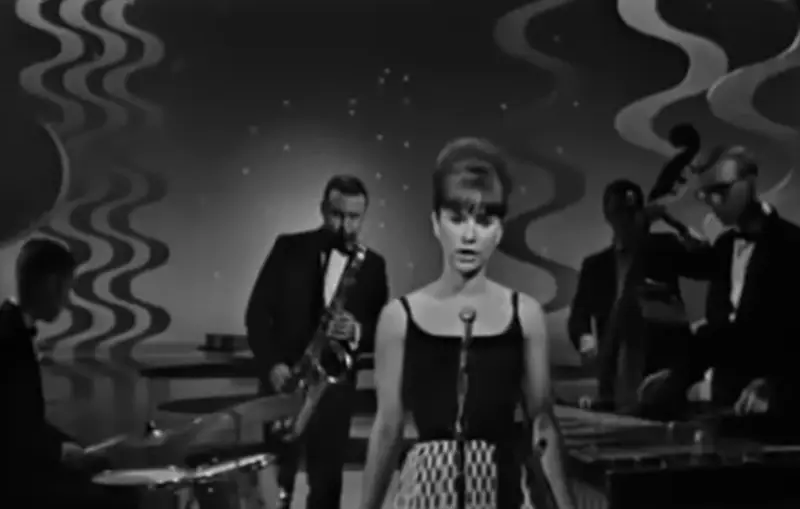
Astrud Gilberto became an international sensation thanks to “The Girl from Ipanema.” Her soft, effortless vocal style helped introduce bossa nova to the world. During the mid ’60s she recorded popular albums and toured extensively. To many listeners she represented sophistication and modern cool. Yet Gilberto was never comfortable with the machinery of stardom. She preferred music to publicity and often avoided interviews. As musical tastes changed in the ’70s, her mainstream presence began to shrink.
Rather than fight to stay on the charts, she gradually stepped back. Performances became less frequent, and new releases slowed. By the ’80s she was largely out of the public eye. Fans continued to cherish her recordings, but the singer herself lived a very private life. Her voice remained famous even as her personal profile disappeared. Gilberto showed that cultural impact does not always require constant visibility. Sometimes an artist simply chooses peace over fame.
9. Gary Lewis
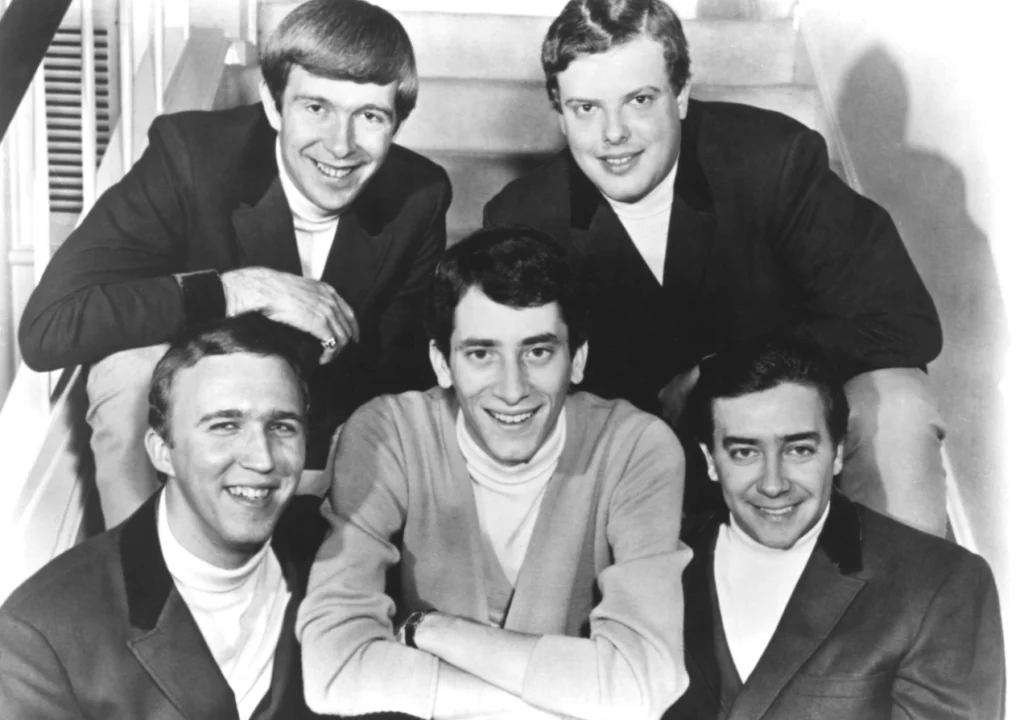
As the leader of Gary Lewis and the Playboys, Gary Lewis enjoyed a string of cheerful pop hits in the mid ’60s. Songs like “This Diamond Ring” made him a familiar face on radio and television. Being the son of comedian Jerry Lewis added extra attention to his career. For a few years the band seemed unstoppable. Then the British Invasion and changing musical styles pushed their clean cut sound aside. Chart success faded faster than anyone expected. By the end of the decade, the teen idol era was essentially over.
Lewis continued to perform, but the intense spotlight never returned. He chose to keep making music on a smaller, more comfortable scale. Nostalgia tours kept him connected to loyal fans without demanding constant media attention. To the wider public, however, he slowly became a memory from an earlier time. His career followed the classic path of many ’60s pop acts. Huge fame arrived in a rush and quietly slipped away just as fast. For Lewis, the change seemed to bring more relief than regret.
10. Paul Petersen
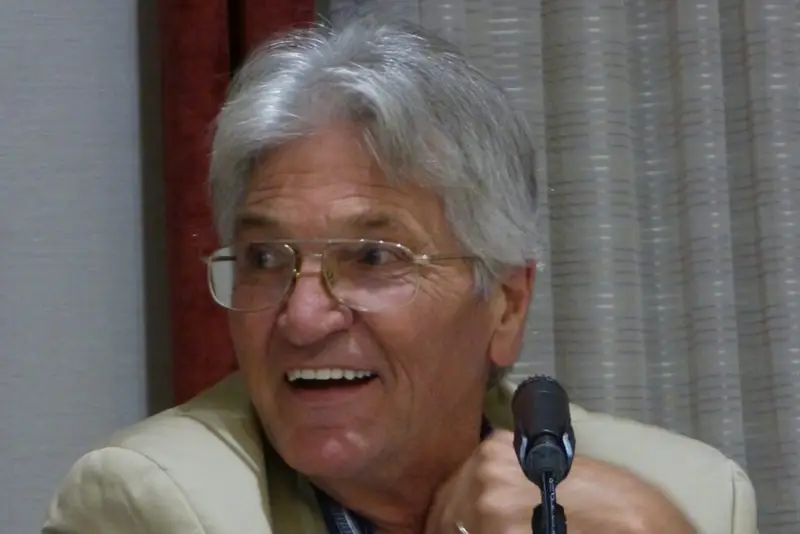
Paul Petersen was a familiar face to millions as Jeff Stone on The Donna Reed Show. Throughout the ’60s he embodied the wholesome American teenager on television. He even launched a brief singing career and appeared in several films. As the decade ended and the show finished its run, Petersen faced the same challenge as many child stars. Hollywood no longer had a clear place for him. Instead of struggling for roles, he chose a different direction. Petersen turned his attention to writing and advocacy work.
He later became an outspoken supporter of former child actors and their rights. While he never completely disappeared, he left the acting spotlight behind. Public appearances became tied more to activism than entertainment. Many viewers who grew up with him wondered where he had gone. The answer was that he had built a new life away from cameras. His gradual exit reflected maturity rather than scandal. Fame simply was not his main goal anymore.
11. Mark Lindsay
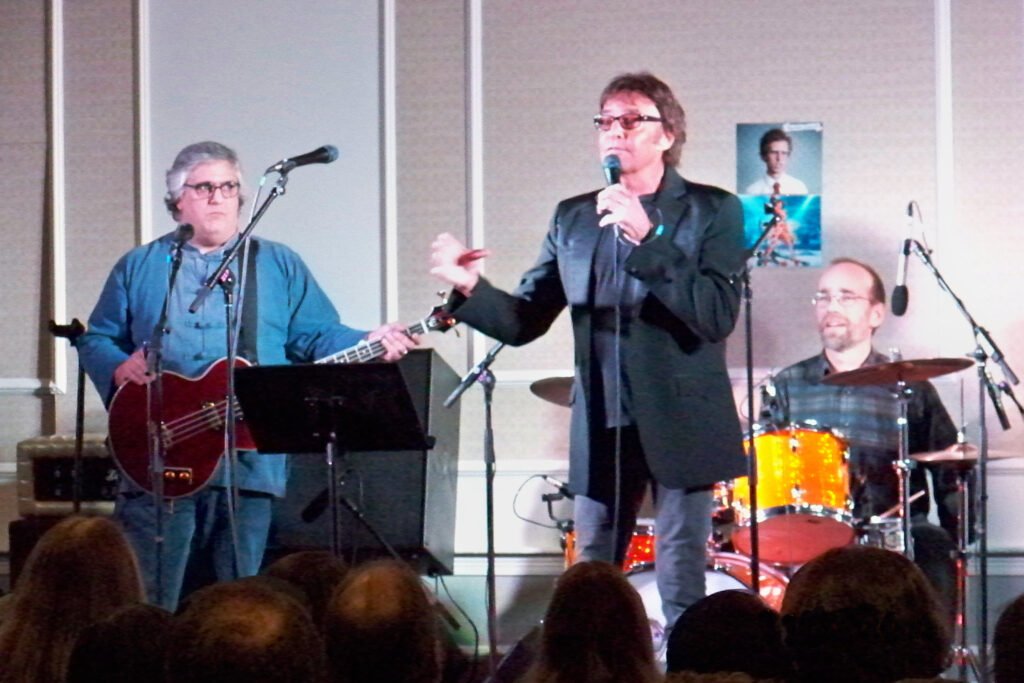
As the lead singer of Paul Revere and the Raiders, Mark Lindsay was a major figure of ’60s pop rock. With his ponytail and Revolutionary War stage outfits, he was impossible to miss. The band scored numerous hits and appeared constantly on television. Lindsay even enjoyed solo success near the end of the decade. But as the ’70s arrived, musical tastes shifted dramatically. The colorful image that once felt fresh began to seem dated. Hit records became harder to come by.
Lindsay continued working in music, but the massive visibility of the Raiders era faded. He moved into radio hosting and behind the scenes projects rather than chasing chart glory. To longtime fans he remained beloved, yet mainstream attention drifted elsewhere. His story mirrors many performers who defined the ’60s sound. They never stopped creating, but the cultural moment passed them by. Over time Lindsay became more of a nostalgic figure than a current star. The public view slowly narrowed to fond memories.
12. Bobby Goldsboro
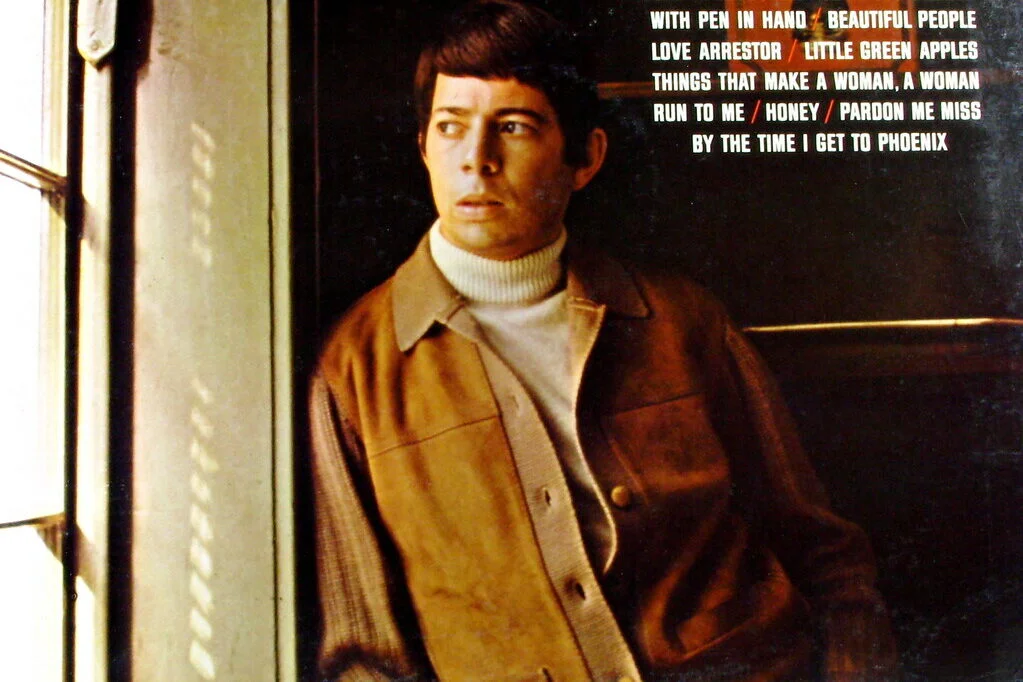
Bobby Goldsboro enjoyed major success in the ’60s with gentle pop songs like “Honey.” His sentimental style connected deeply with audiences of the time. He appeared on television variety shows and seemed destined for long term stardom. Yet the musical landscape changed quickly as rock grew louder and edgier. Goldsboro’s soft ballads felt increasingly out of step with the new era. By the early ’70s his presence on the charts had dwindled. The singer turned his attention to other creative interests.
He eventually focused on television production and even hosted his own syndicated program. While he never stopped working, he gradually left the center of pop culture. New generations recognized the songs more than the man behind them. Goldsboro chose stability over chasing fleeting trends. The decision allowed him a quieter, more controlled career. His retreat from constant fame was gentle and largely unnoticed. For many listeners, he simply became a familiar voice from the past.
13. Claudine Longet
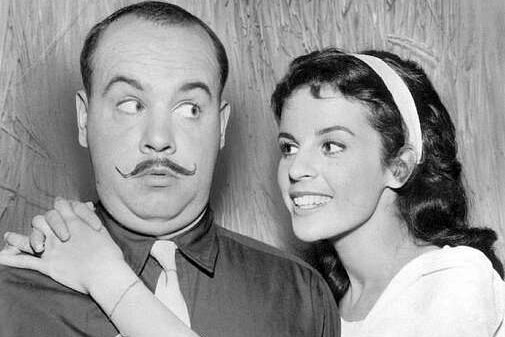
Claudine Longet was a French born singer and actress who became a stylish figure in 1960s entertainment. She appeared on television specials, recorded soft pop albums, and was married to singer Andy Williams. For years she seemed to live a glamorous, picture perfect celebrity life. Her airy voice and elegant image fit the mood of the era perfectly. As the decade ended, her career began to cool naturally. Then a highly publicized personal scandal in the mid ’70s changed everything. Public attention turned uncomfortable and intense.
After that period, Longet largely withdrew from show business. She avoided interviews and rarely performed again. The woman who once graced magazine covers chose almost complete privacy. Over time her name faded from everyday conversation. Fans who remembered her music were left with only old records and television clips. Unlike many stars, she made no attempt to rebuild a public persona. Her disappearance from view was slow but final. In the end, she preferred a life beyond the spotlight.