1. Doris Day
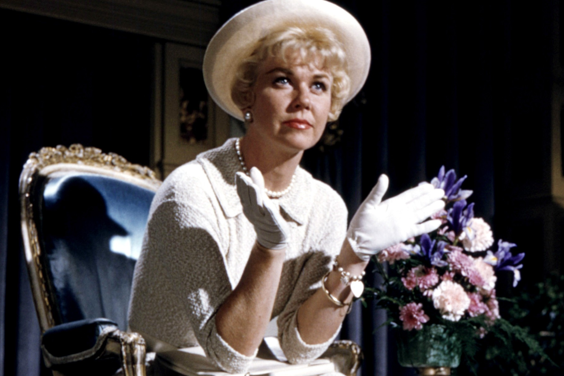
At the height of her ’60s popularity, Doris Day was one of the most recognizable faces in American entertainment, moving easily between film, television, and music. As the decade closed, she began turning down roles and narrowing her focus, especially after the end of her sitcom in the early ’70s. The pace of Hollywood had never fully suited her private nature. Over time, she chose distance over constant visibility.
By the late ’80s, Day had stepped away from acting altogether and lived quietly in California. She devoted her energy to animal welfare and rarely made public appearances. When she did resurface, it was usually to support charitable causes rather than promote herself. Her retreat felt gradual and intentional rather than abrupt.
2. Shirley Temple Black
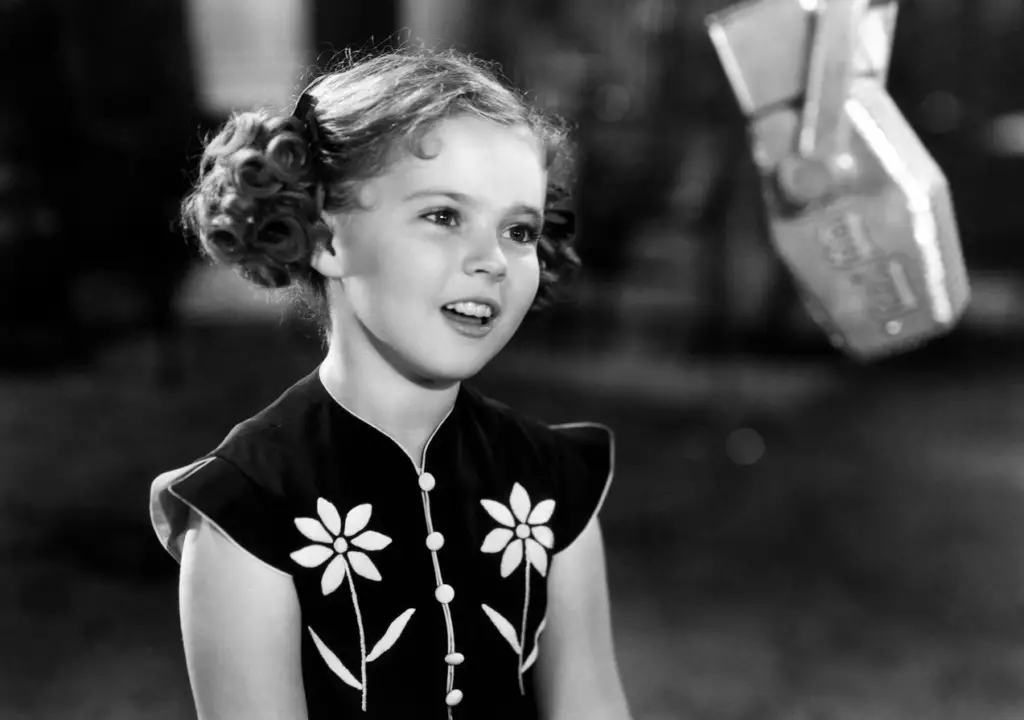
Shirley Temple was already a legend by the time the ’60s arrived, even though her biggest fame came much earlier. During the decade, she made a conscious choice to leave acting behind and pursue a different life. She shifted her focus toward public service and diplomacy. The transition was steady rather than dramatic.
Temple Black later served as a U.S. ambassador and diplomat, roles that reflected her seriousness and discipline. She rarely revisited her Hollywood past in public. When she did, it was with clear boundaries. Fame became something she had lived through, not something she chased.
3. Annette Funicello
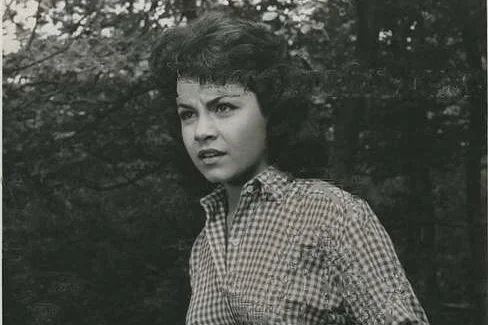
Annette Funicello entered the ’60s as one of America’s most beloved young stars. After years in films and music, she gradually reduced her public workload as the decade ended. Marriage and family life became priorities. Her appearances grew less frequent as she stepped away from the spotlight.
In later years, health challenges further limited her visibility. Funicello remained admired, but she no longer sought public attention. Fans often remembered her fondly without expecting new projects. Her withdrawal felt gentle and deeply personal.
4. Peggy Lipton
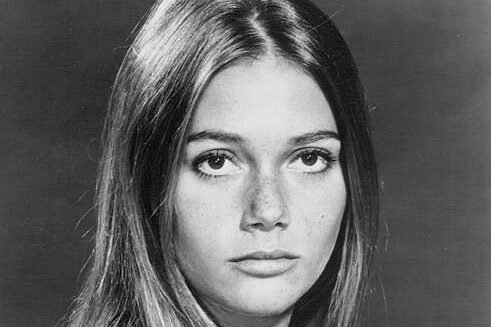
Peggy Lipton became a defining face of late ’60s television, especially among younger audiences. At the peak of her fame, she made the decision to slow down professionally. Family life and personal priorities took center stage. The choice surprised many at the time.
Lipton spent much of the ’70s away from acting before returning years later on her own terms. Her absence was never framed as an exit announcement. Instead, she simply stepped back and lived her life. When she did return, it was without chasing her former level of exposure.
5. George Maharis
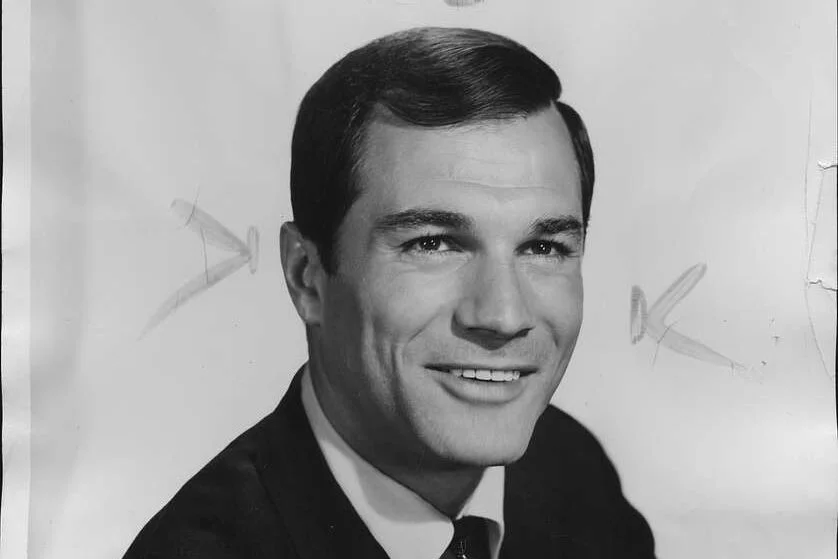
George Maharis rose to prominence in early ’60s television and quickly became a household name. As the decade progressed, he began to pull back from high-profile roles. Personal struggles and health issues contributed to his retreat. The constant demands of fame took a toll.
Rather than disappear entirely, Maharis chose selective work and long stretches of privacy. He later focused on writing and painting. His career slowed naturally rather than ending suddenly. For many fans, he remained a familiar name even as he stepped out of view.
6. Yvette Mimieux
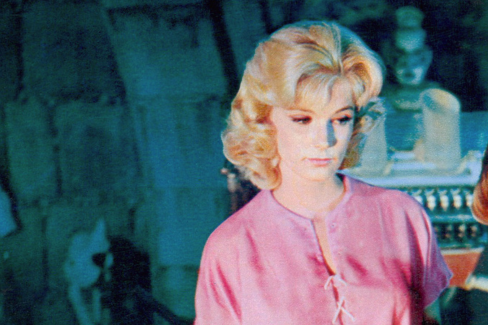
Yvette Mimieux was a striking presence in several notable ’60s films. Despite early success, she never fully embraced Hollywood’s long-term grind. By the early ’70s, she began turning down roles and appearing less frequently. Her career quieted while she was still widely recognized.
Mimieux later focused on personal pursuits outside acting. She did not seek reinvention or publicity-driven comebacks. Her absence felt calm and deliberate. Fans often remembered her for a handful of memorable performances rather than a long résumé.
7. Tuesday Weld
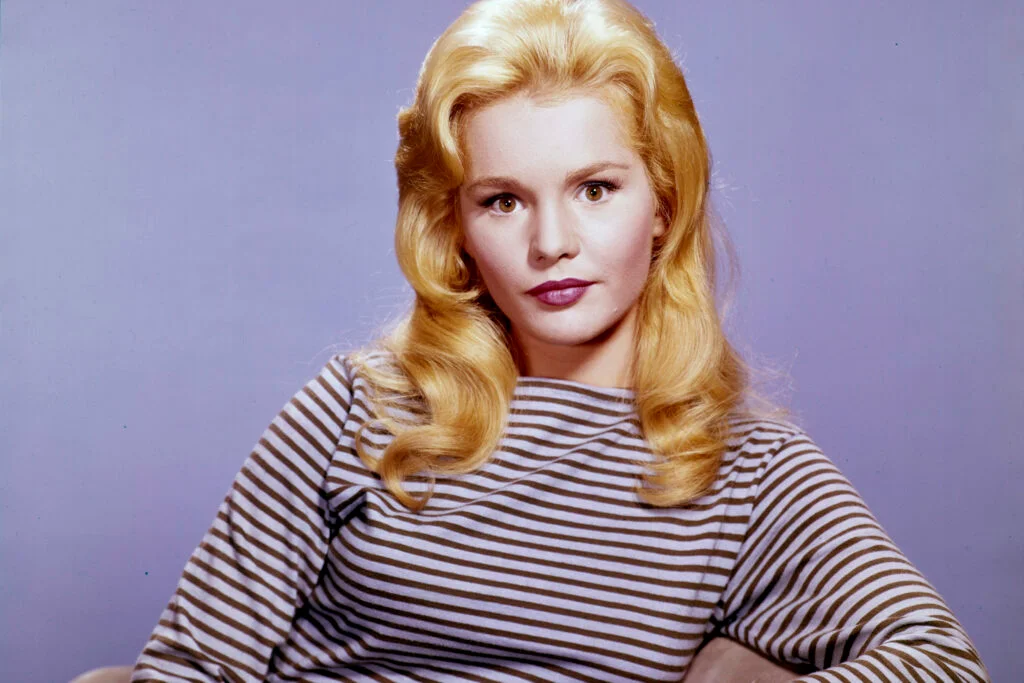
Tuesday Weld entered the ’60s as a major young star with a complicated relationship to fame. Throughout the decade and beyond, she increasingly chose privacy over visibility. Acting became something she did selectively, not continuously. Her appearances grew spaced out over time.
Weld avoided interviews and celebrity culture whenever possible. She never formally announced retirement, but her presence steadily faded. The decision felt protective rather than career-driven. Fame was something she managed carefully, not something she pursued.
8. Bobby Sherman
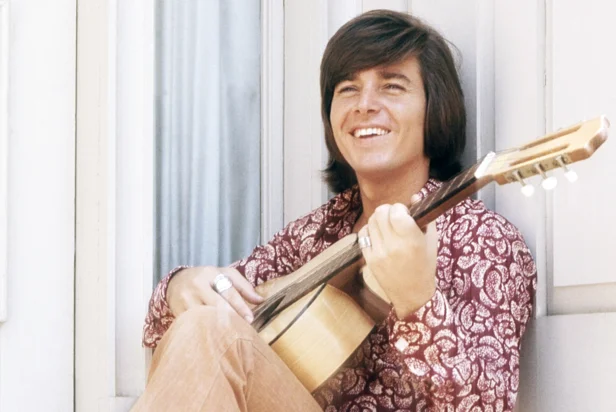
Bobby Sherman became a teen idol in the late ’60s, with music and television fame arriving almost overnight. As the years passed, he grew uncomfortable with celebrity life. By the mid ’70s, he had begun stepping away from entertainment entirely. The shift surprised fans who expected longevity.
Sherman later trained as an emergency medical technician and worked in public service. His new path reflected a clear change in priorities. He rarely returned to the spotlight except for occasional nostalgia appearances. His exit from fame felt purposeful and grounded.
9. Peter Tork
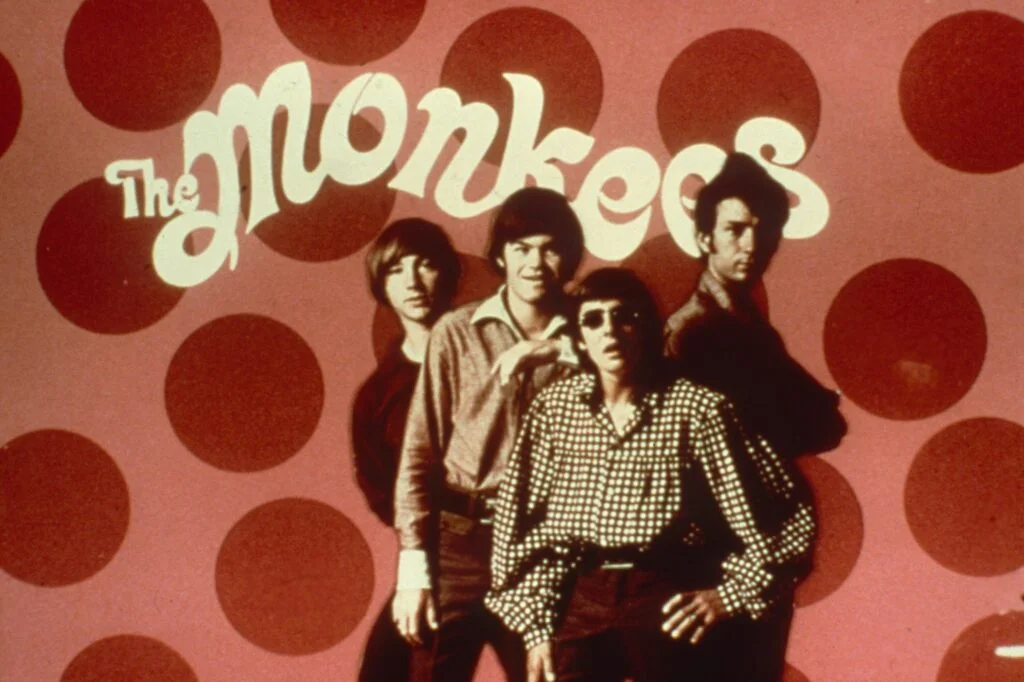
Peter Tork found instant fame in the late ’60s as part of a massively popular band. When that chapter ended, he did not chase another wave of stardom. Instead, he stepped back and focused on music in smaller, more personal settings. Large-scale celebrity no longer appealed to him.
Tork spent years performing quietly and pursuing creative fulfillment without mainstream attention. His later appearances were modest and sincere. Fame became secondary to artistic satisfaction. His gradual retreat felt like a reclaiming of normalcy.
10. Tina Louise
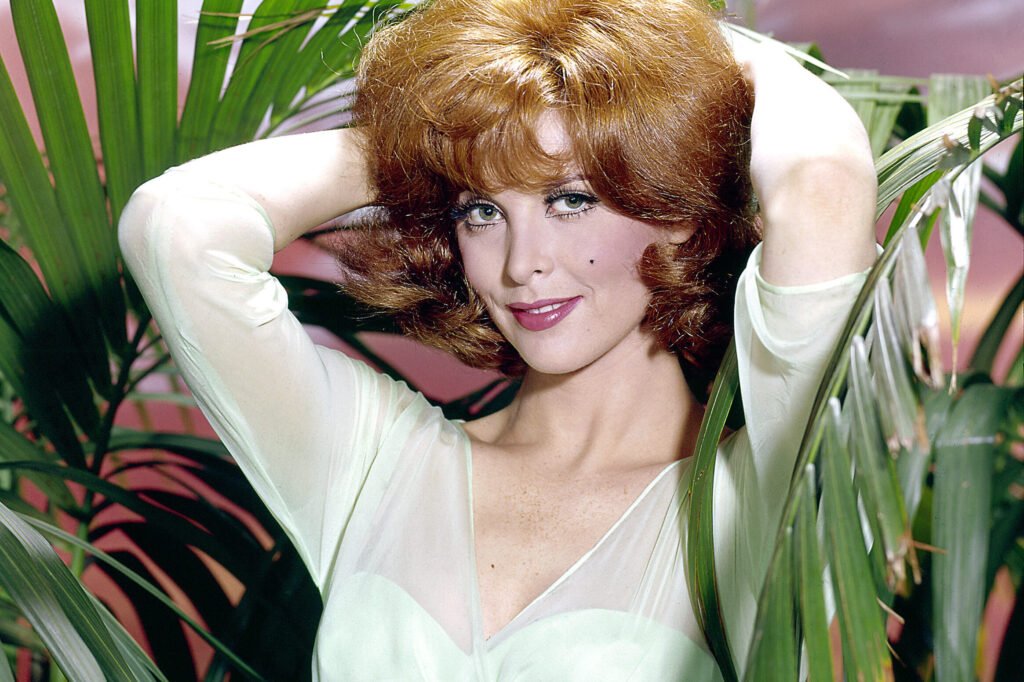
Tina Louise was one of the most recognizable faces of ’60s television. After her iconic role ended, she continued acting but gradually reduced her public profile. She avoided being tied solely to her most famous character. Over time, she chose projects sparingly.
Louise also focused on writing and personal interests outside acting. Her visibility declined without a formal farewell. She remained active but not constantly present. The shift felt intentional and measured.
11. Eva Marie Saint
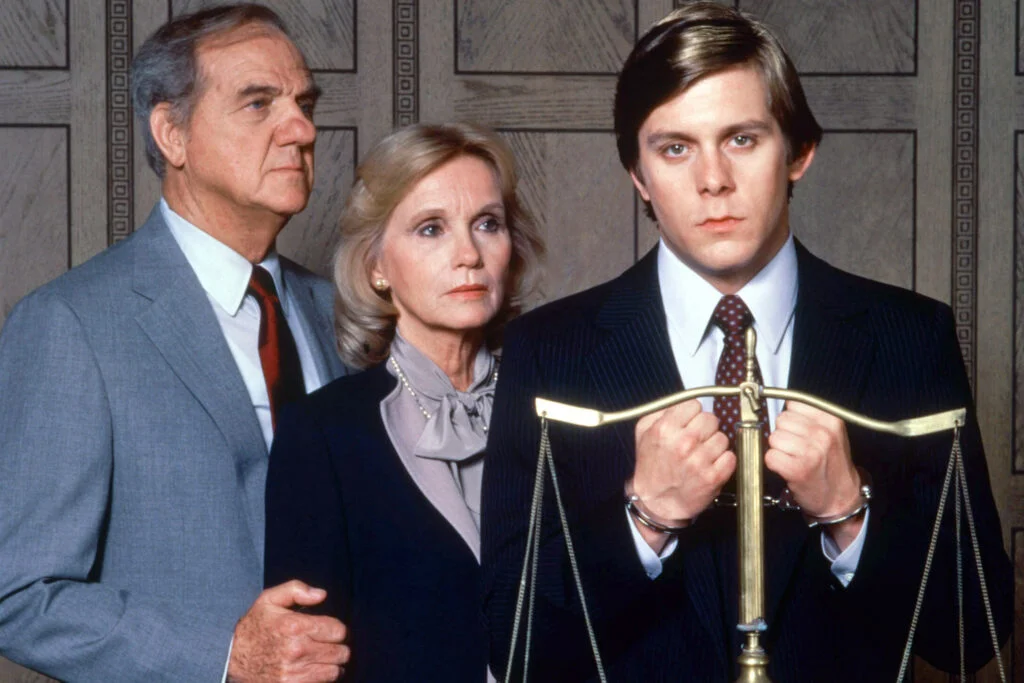
Eva Marie Saint was already an accomplished performer by the time the ’60s arrived. As the years went on, she slowed her pace and became more selective. She balanced career, family, and personal life carefully. Fame was never her primary motivator.
Her appearances became less frequent, but her reputation remained strong. Saint chose longevity over saturation. When she did appear, it felt meaningful rather than obligatory. Her quiet step back reflected confidence, not retreat.
12. James Darren
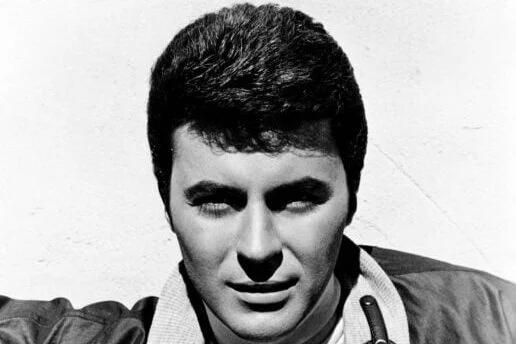
James Darren was a familiar face in ’60s film and television, especially with younger audiences. As trends shifted, he gradually moved behind the camera. Acting became just one part of his professional life. Directing and producing offered more control and less exposure.
Darren’s public profile softened as his focus changed. He remained respected but less visible. The transition was smooth rather than sudden. His career evolved away from constant celebrity.
13. Connie Stevens
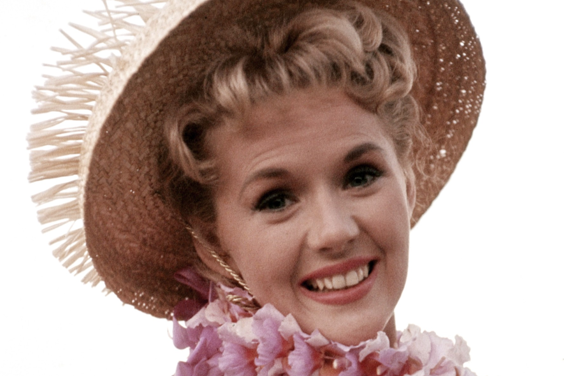
Connie Stevens enjoyed success in music, film, and television during the ’60s. Over time, she reduced her acting commitments and focused on family and business ventures. Fame was no longer the central focus of her life. Her appearances became occasional rather than constant.
Stevens remained active in creative ways without chasing attention. She balanced public and private life carefully. The spotlight faded gradually, not abruptly. Her career shift felt self-directed and steady.
14. Suzanne Pleshette
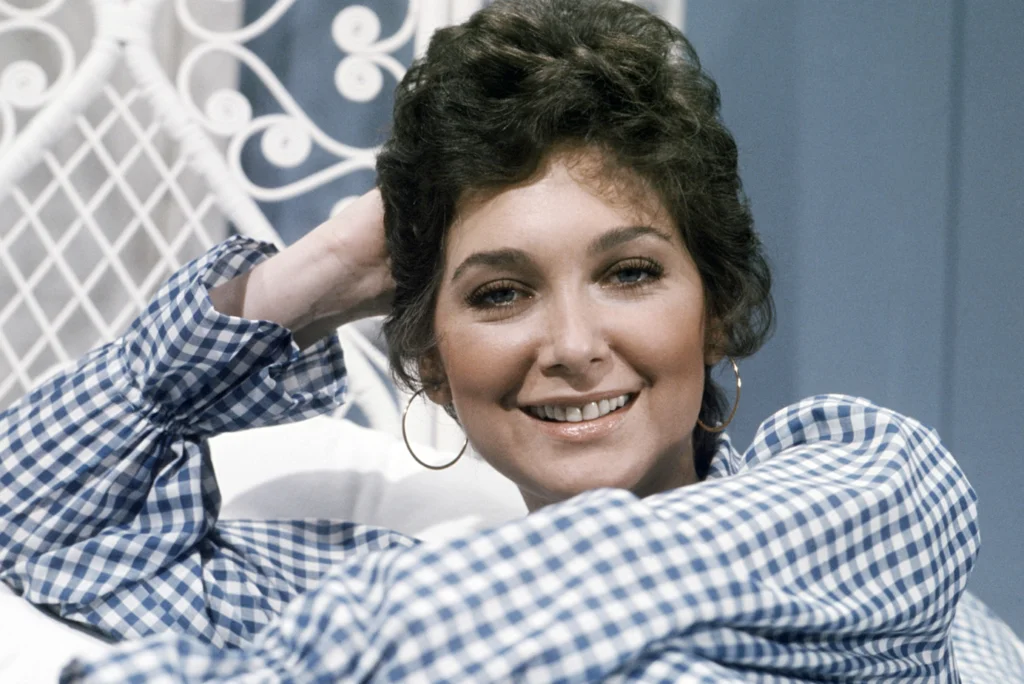
Suzanne Pleshette was everywhere in the early and mid ’60s, appearing in major films and popular television roles. As the decade gave way to the ’70s, she began scaling back the volume of her work. Instead of staying constantly visible, she chose fewer, more deliberate projects. The nonstop pace of Hollywood no longer held the same appeal.
Pleshette continued acting for decades but without chasing the spotlight. She became selective, often choosing character-driven roles over leading ones. Long stretches passed between appearances, which only added to her mystique. Her career didn’t end, it simply quieted.
15. Carol Lynley
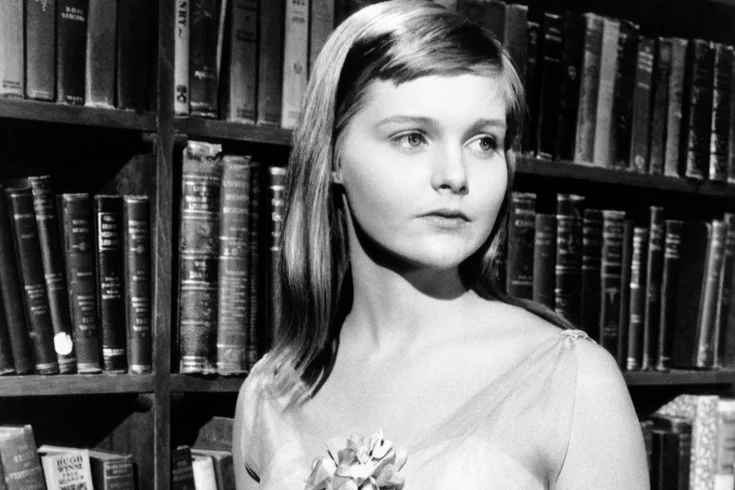
Carol Lynley entered the ’60s as a rising star with both film and television success. As the years passed, she slowly reduced her screen presence. Personal challenges and changing priorities shaped her decision to step back. Hollywood’s intensity was not something she wanted long-term.
Lynley continued working intermittently, but her public profile steadily softened. She avoided the celebrity circuit and lived largely outside public view. When she did appear, it was often unexpected. Her withdrawal felt gradual and deeply human.
16. Troy Donahue
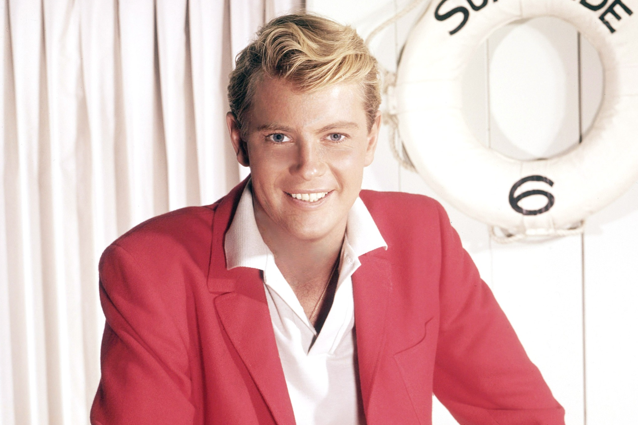
Troy Donahue was a quintessential ’60s heartthrob, especially in youth-oriented films. As the decade ended, his star power began to fade, and he stepped away from leading roles. The pressures of fame had taken a toll. Hollywood moved on, and he did too.
Donahue later appeared occasionally in smaller projects, but never returned to his former level of visibility. He lived for long periods outside the public eye. His retreat wasn’t announced or dramatic. It simply unfolded over time.
17. Sandra Dee
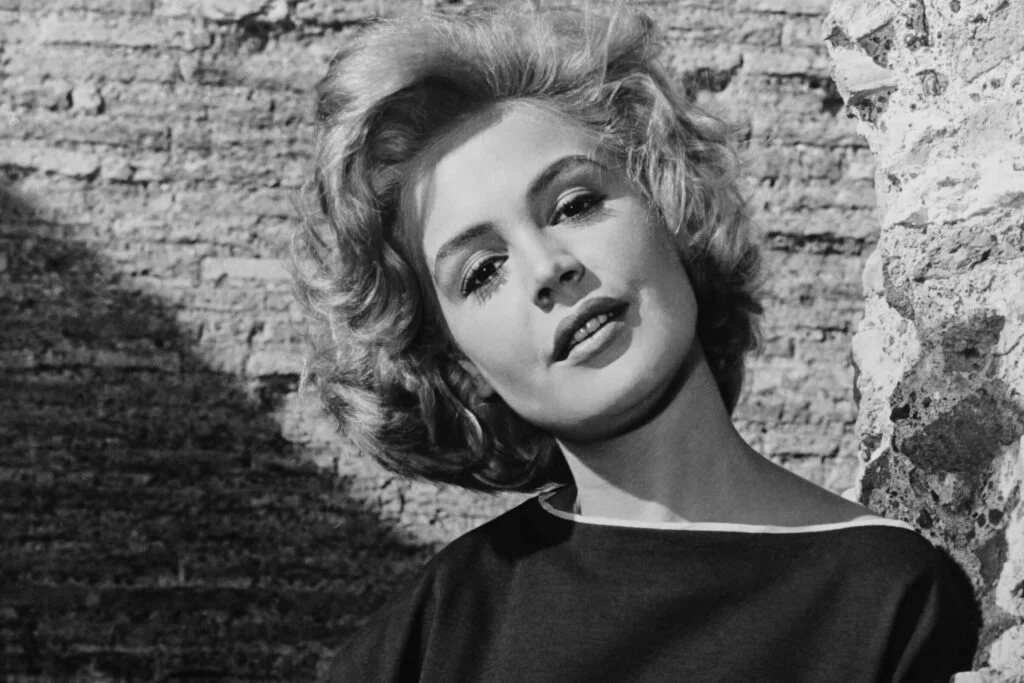
Sandra Dee was one of the most recognizable faces of early ’60s cinema. By the end of the decade, she was appearing far less frequently. The demands of fame conflicted with her personal struggles. Acting became increasingly difficult.
Dee’s presence faded quietly rather than through a formal retirement. She lived privately and avoided public appearances. Fans often noticed her absence more than her exit. Her step away from fame felt unplanned but inevitable.
18. Richard Chamberlain
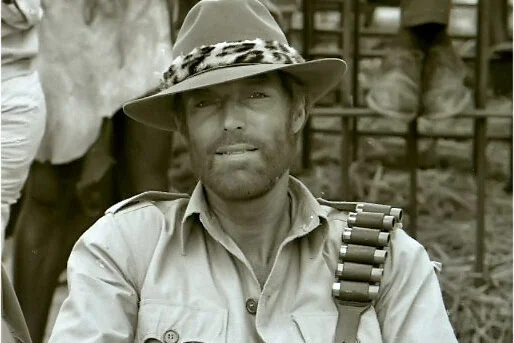
Richard Chamberlain became a household name in the early ’60s through television success. As his career evolved, he became more intentional about privacy. While he continued acting, he avoided constant exposure. Fame was something he learned to manage carefully.
Chamberlain spent long stretches focusing on stage work and personal life. His public appearances became more controlled and infrequent. He remained respected without being omnipresent. The spotlight dimmed by choice, not circumstance.
19. Diane Baker
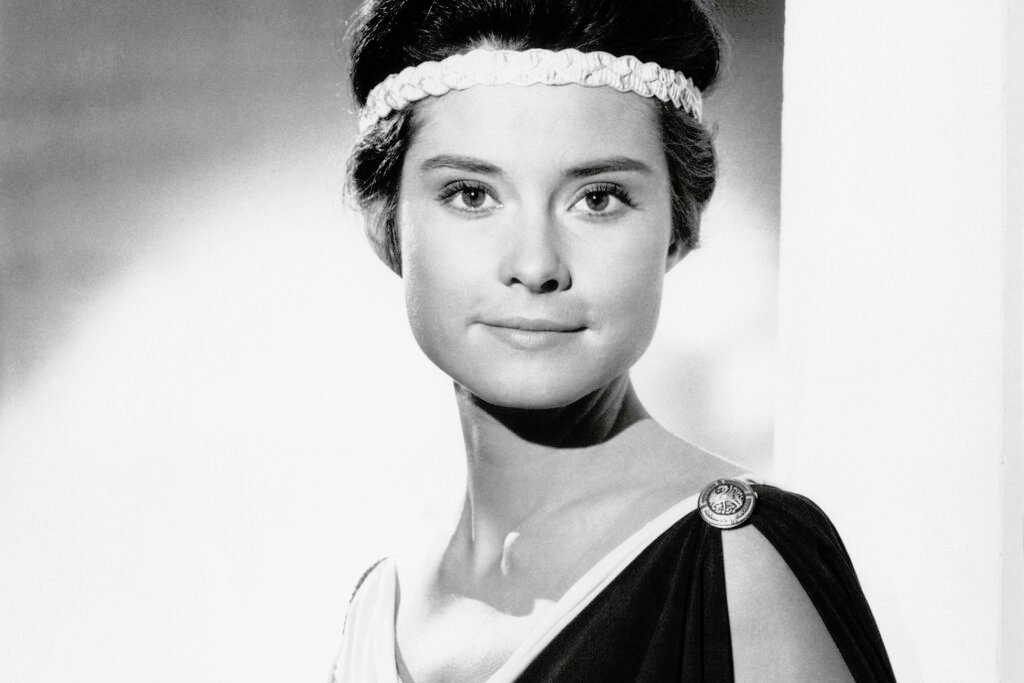
Diane Baker built a strong résumé during the ’60s with film and television roles. Rather than pushing for stardom, she gradually shifted toward steady but quieter work. Teaching and mentoring became important parts of her life. Visibility was no longer the goal.
Baker continued acting selectively while focusing on education and craft. Her name remained familiar, even as her face appeared less often. The transition felt natural and self-directed. She chose substance over celebrity.
20. Peter Lawford
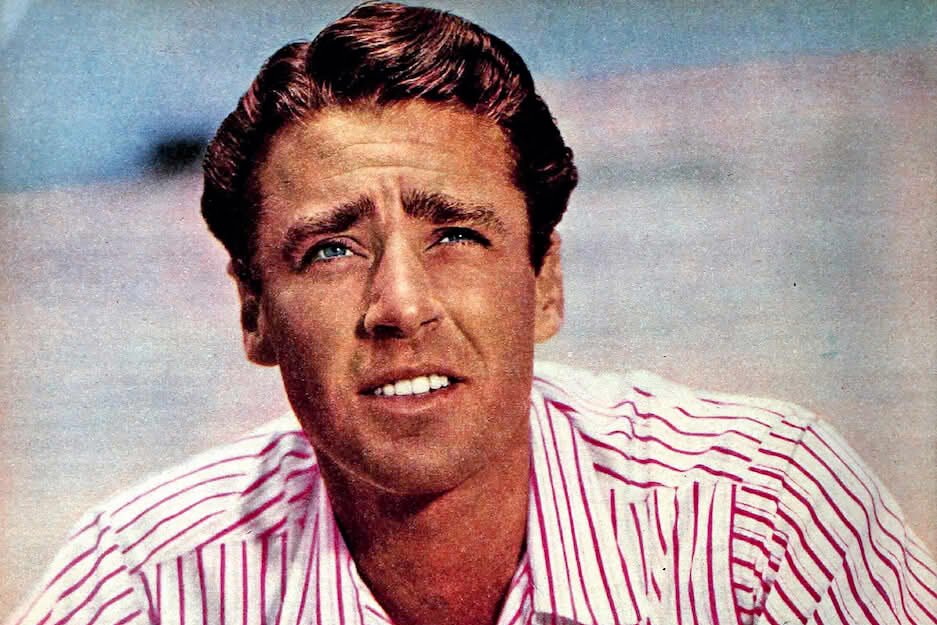
Peter Lawford entered the ’60s with fame already well established. As the decade progressed, his influence and visibility slowly declined. Changing industry dynamics and personal struggles played a role. The spotlight gradually moved elsewhere.
Lawford continued appearing occasionally but never regained his earlier prominence. Public interest faded without a defining exit moment. His withdrawal was quiet and cumulative. By the time he was gone from view, it felt almost complete.