1. George Lazenby
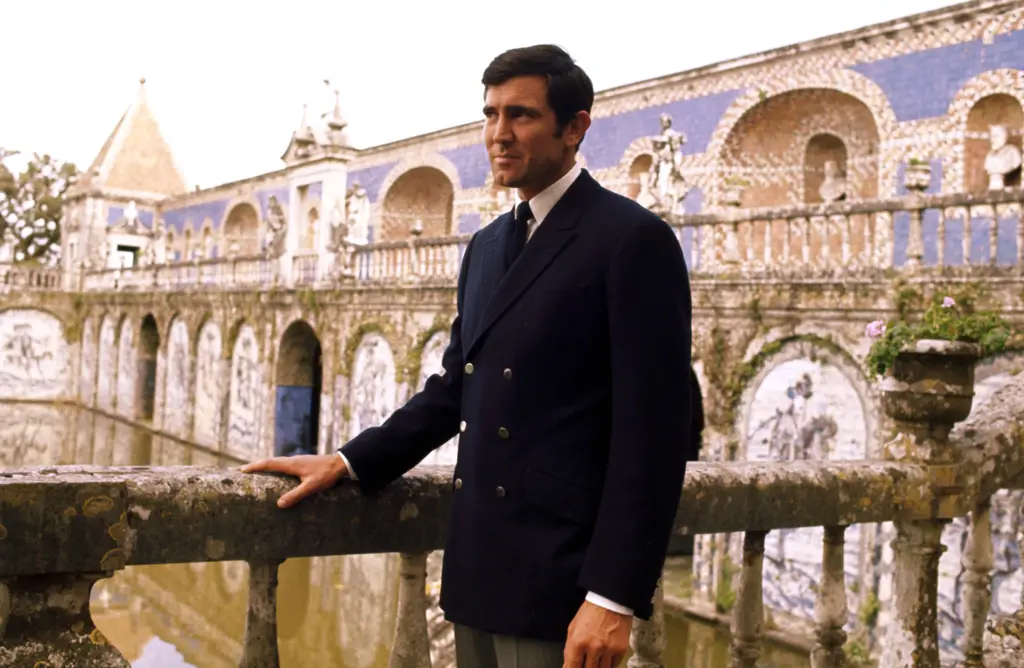
When George Lazenby stepped into James Bond’s tuxedo for On Her Majesty’s Secret Service in 1969, most actors would have happily locked in a long franchise career. Instead, Lazenby famously walked away after just one film, believing the Bond image was becoming outdated as the counterculture era took hold. His decision shocked Hollywood and puzzled fans who assumed instant superstardom would be impossible to resist. At the time, he was a relative newcomer who had suddenly landed one of the most coveted roles in film. The gamble didn’t pay off financially in the short term, but it did give him full control over his career choices. Lazenby later said he wanted freedom rather than being boxed into a single persona. In hindsight, the move feels bold, even reckless, but undeniably self-directed.
Over the years, Lazenby has taken on smaller acting roles and made convention appearances without ever chasing blockbuster fame again. He seems comfortable being remembered for one iconic performance rather than a sprawling filmography. Fans still debate what his career might have looked like had he stayed with the franchise. Yet there’s something refreshing about an actor who knew when to step off the treadmill early. His story remains one of the clearest examples of someone choosing autonomy over guaranteed stardom.
2. Cary Grant
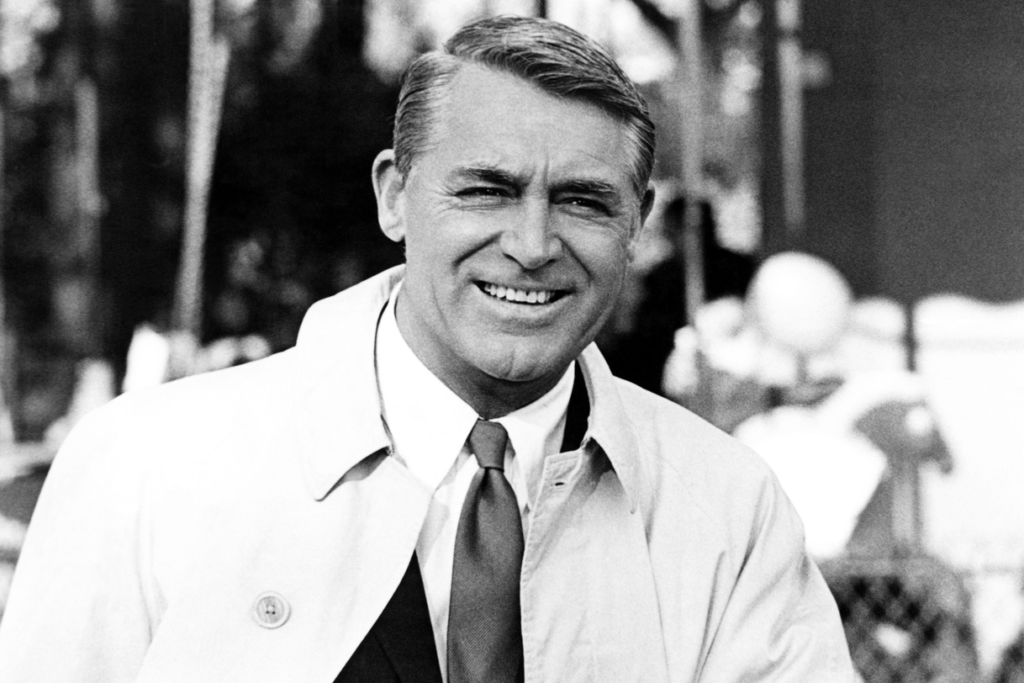
By the mid ’60s, Cary Grant had already become one of Hollywood’s most recognizable leading men, known for his effortless charm and impeccable timing. Instead of riding that reputation into old age roles, Grant chose to retire from acting in 1966. He wanted a quieter life and a chance to focus on being a father after the birth of his daughter. For someone who had spent decades under studio pressure and public scrutiny, the decision felt deeply personal. Grant wasn’t pushed out by declining offers or fading popularity. He simply felt finished with the chapter.
After stepping away, Grant remained a cultural figure through interviews and public appearances, but he never returned to film. He often spoke about how content he felt leaving the spotlight behind. Fans respected that he exited on a high note, rather than overstaying his welcome. His legacy feels cleaner and more intentional because of that choice. Grant’s retirement became a model for how a major star can close the curtain gracefully.
3. Grace Kelly
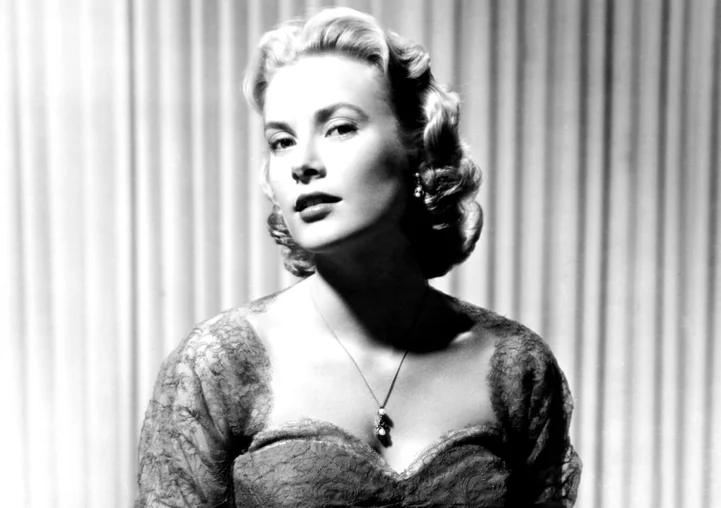
Grace Kelly’s exit from Hollywood remains one of the most famous walkaways in entertainment history. At the height of her film career, she left acting to marry Prince Rainier III and become Princess of Monaco. Though her biggest roles were in the ’50s, her royal transformation made her an enduring public figure throughout the ’60s and beyond. Kelly traded film sets for royal duties, philanthropy, and diplomacy almost overnight. It wasn’t a quiet retirement, but it was entirely on her terms. She understood the cultural weight of the choice and accepted the permanent change it would bring.
Kelly never returned to acting despite receiving offers later in life. Instead, she embraced her role as a global symbol of elegance and responsibility. The decision reshaped how people think about celebrity and sacrifice. Her story still feels cinematic in its own right, blending fairy tale romance with real-world commitment. Few stars have ever stepped away so completely or so decisively.
4. Brian Wilson
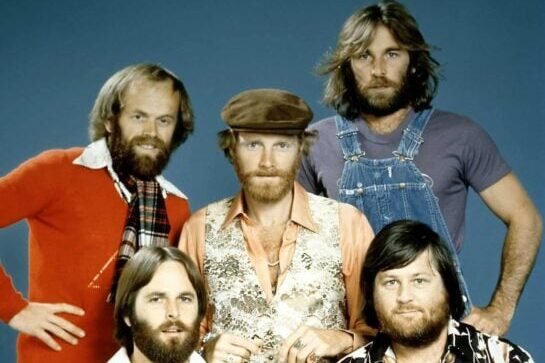
Brian Wilson helped redefine pop music in the ’60s as the creative engine behind The Beach Boys. At the peak of the band’s success, Wilson made the unusual decision to stop touring in 1964 so he could focus on songwriting and studio experimentation. The constant travel and pressure were taking a toll on his mental health, and he chose to protect his well-being rather than push forward relentlessly. While he remained musically active, his withdrawal from the spotlight was significant for a young rock star in his prime. It changed the way the band functioned and reshaped his public presence.
Over time, Wilson’s relationship with fame became complicated, marked by long periods away from public life. Even when he returned to performing years later, he approached fame with caution rather than hunger. Fans came to understand that his creative brilliance required boundaries. His partial walkaway helped normalize conversations about mental health in the music industry, even if it took decades for the message to fully land.
5. Peter Green
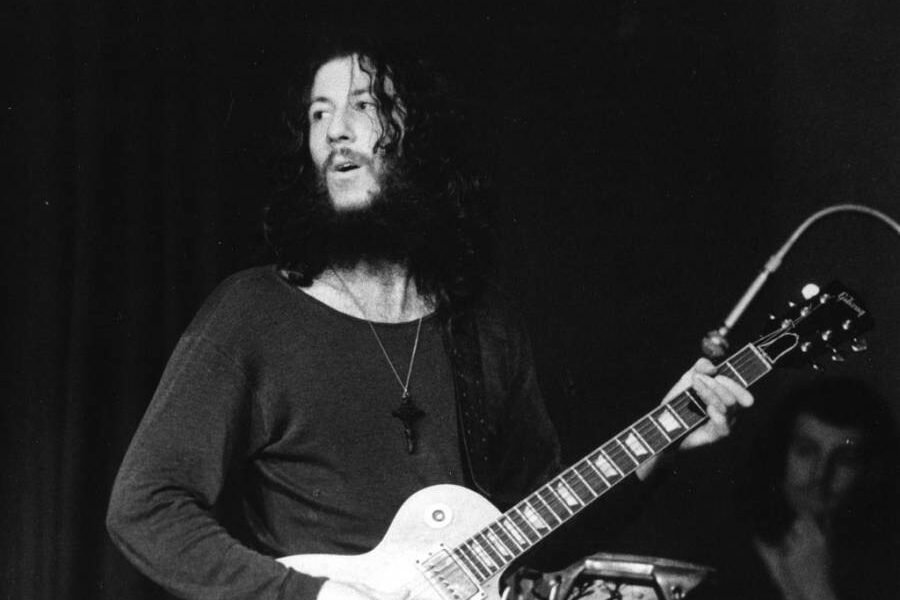
Peter Green was a founding member of Fleetwood Mac and one of the most respected blues guitarists of the late ’60s. Just as the band was gaining international momentum, Green stepped away in 1970, choosing to leave fame behind rather than continue on a path that felt overwhelming. The pressures of success and personal struggles made the lifestyle unsustainable for him. Unlike many exits driven by contracts or creative disputes, Green’s departure was deeply personal and intentional. He didn’t chase replacement fame or try to rebrand himself immediately.
For many years, Green lived quietly and avoided the spotlight altogether. When he eventually returned to music in a limited way, it was on his own terms and at his own pace. Fans view his career with a mix of admiration and melancholy, knowing how much talent he walked away from. Still, his choice prioritized personal peace over commercial success. That clarity gives his story a quiet dignity.
6. Bill Wyman
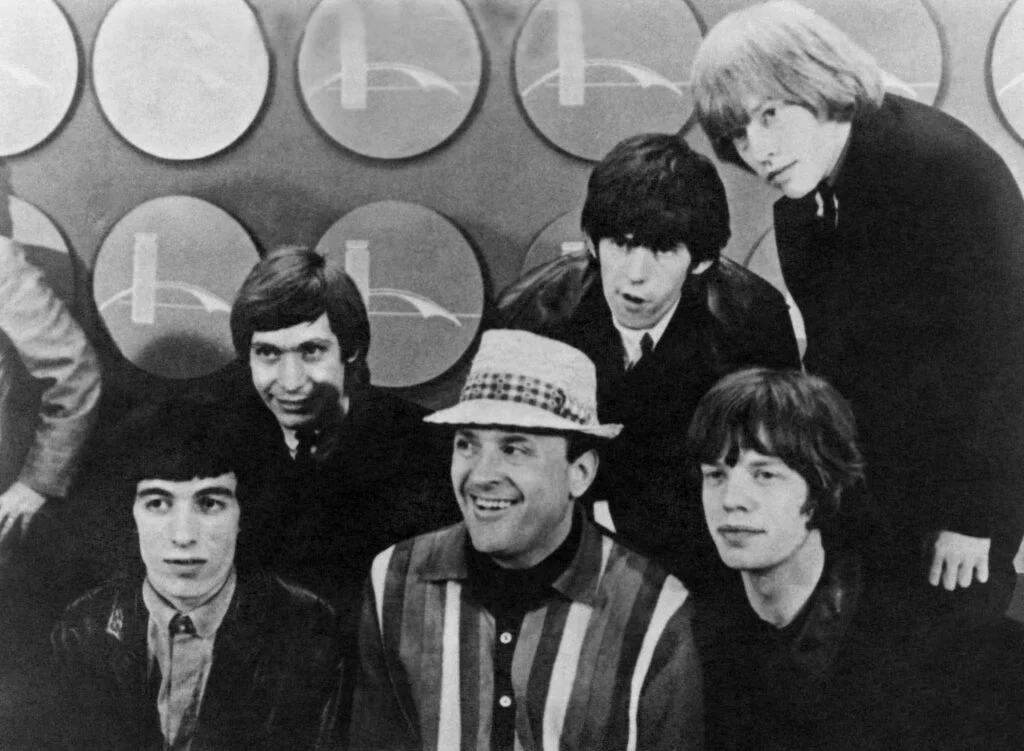
As the original bassist for The Rolling Stones, Bill Wyman helped shape one of the most influential bands to emerge from the ’60s. After decades of touring and recording, Wyman made the decision to leave the group in 1993. He wasn’t forced out and didn’t leave amid controversy. Instead, he wanted a slower pace and more control over how he spent his time. The nonstop momentum of the Stones no longer matched his priorities.
Wyman went on to pursue smaller music projects, writing, and historical interests rather than chasing arena tours. His departure showed that even members of legendary bands can choose personal balance over perpetual fame. Fans respected his honesty and lack of drama. It reinforced the idea that longevity in music doesn’t require endless exposure. Sometimes stepping back is the healthiest form of success.
7. Brigitte Bardot
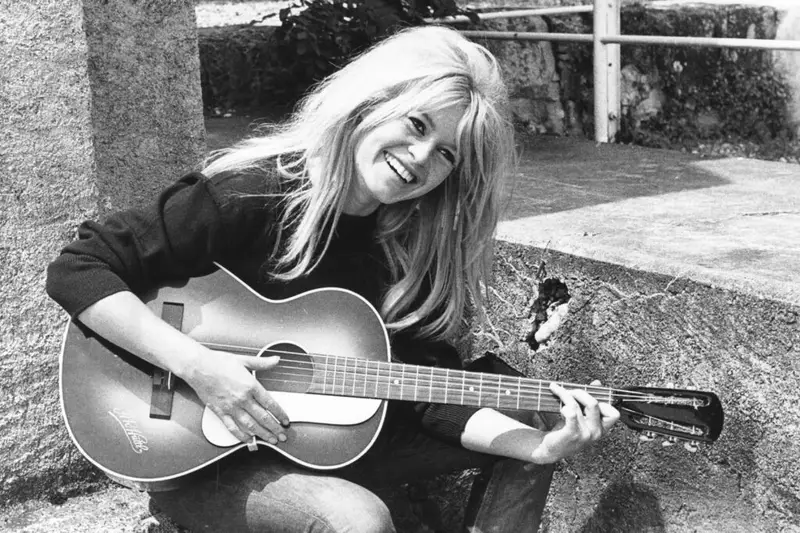
Brigitte Bardot was one of the defining sex symbols of the ’60s, dominating European cinema and pop culture. At just thirty-nine years old, she retired from acting in 1973, choosing to devote her life to animal rights activism. Bardot openly expressed discomfort with fame and the pressures of being constantly observed. Her decision wasn’t driven by declining roles or fading popularity. She simply wanted a life that aligned more closely with her personal values.
After leaving film, Bardot became deeply involved in advocacy work, founding organizations and using her visibility for causes she believed in. While she remained a public figure, she deliberately stepped away from the entertainment machine. Fans still associate her with glamour and beauty, but her second life tells a different story. It’s a reminder that celebrity identity doesn’t have to define a person forever.
8. Doris Day
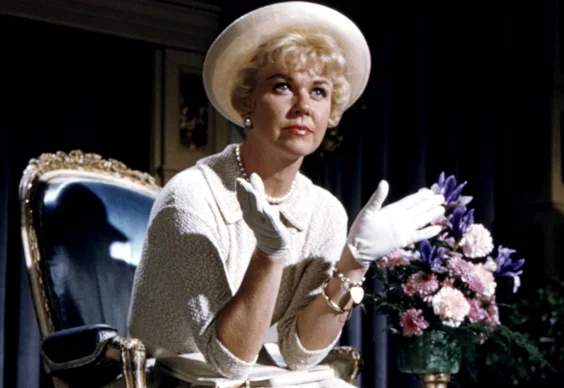
Doris Day spent decades as one of Hollywood’s most dependable box office stars, with a career spanning film, television, and music. In the early ’70s, she quietly retired from acting after completing her television commitments. Day had grown tired of the industry’s demands and preferred a more private, grounded life. She wasn’t chasing comebacks or reinventions. The spotlight simply no longer appealed to her.
In retirement, Day focused on animal welfare and personal interests rather than public appearances. Fans admired her for choosing peace over publicity. Her absence from Hollywood only strengthened her legacy, as audiences continued to rediscover her work through classic film programming. Day’s walkaway felt gentle, consistent with the warmth she projected onscreen.
9. Gene Hackman
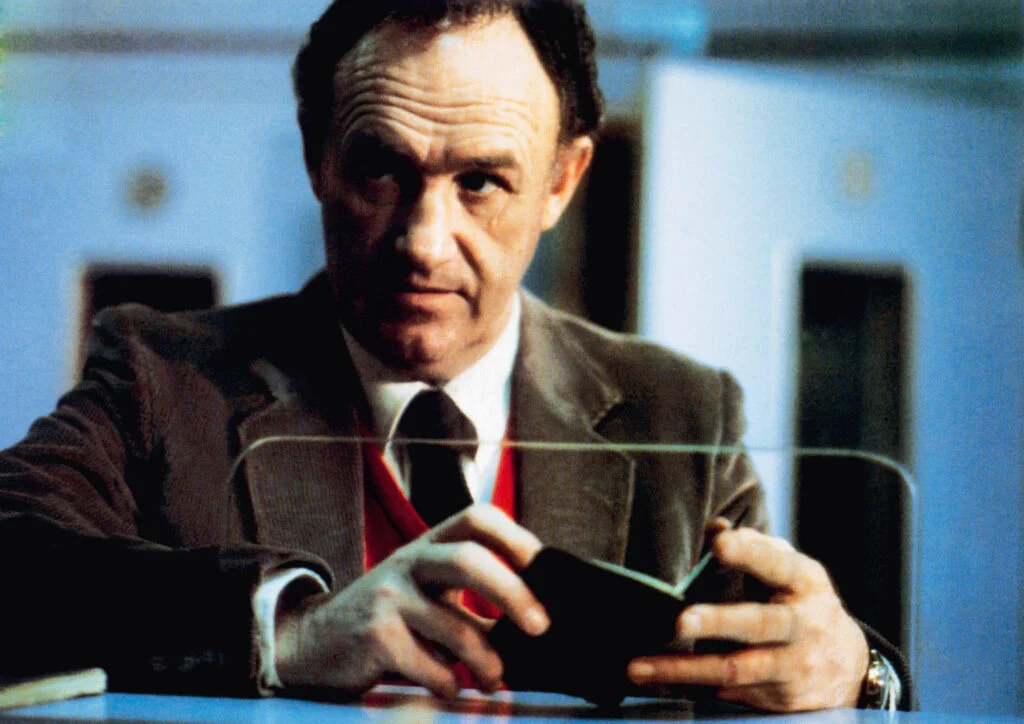
Gene Hackman built a formidable acting career beginning in the late ’60s and extending for decades. After completing a handful of films in the early 2000s, Hackman decided to retire from acting altogether. He later explained that the physical demands and stress of filmmaking were no longer enjoyable. Rather than linger in diminishing roles, he chose to step away while still respected and in demand.
Hackman shifted his energy toward writing novels and living quietly outside Hollywood. His withdrawal reinforced his reputation as someone who valued craft more than celebrity. Fans occasionally hope for a surprise return, but Hackman has remained firm in his decision. His exit underscores that fulfillment doesn’t always come from staying visible.
10. Jack Nicholson
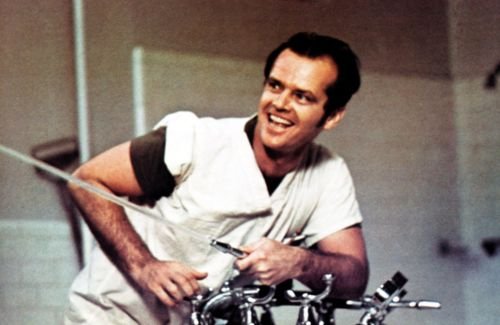
Jack Nicholson became one of the defining screen personalities of the late ’60s and ’70s, known for his fearless performances and unmistakable presence. In the 2010s, Nicholson gradually stepped away from acting, effectively retiring without a formal announcement. He expressed concern about memory issues and the difficulty of memorizing lines, choosing honesty over ego. Rather than risk diminished performances, he opted to protect his legacy.
Nicholson continues to appear occasionally at public events, especially sporting games, but has not returned to film. Fans largely respect the quiet dignity of his departure. His body of work remains so influential that his absence feels earned rather than disappointing. Sometimes knowing when to stop is its own form of artistry.
11. Sean Connery
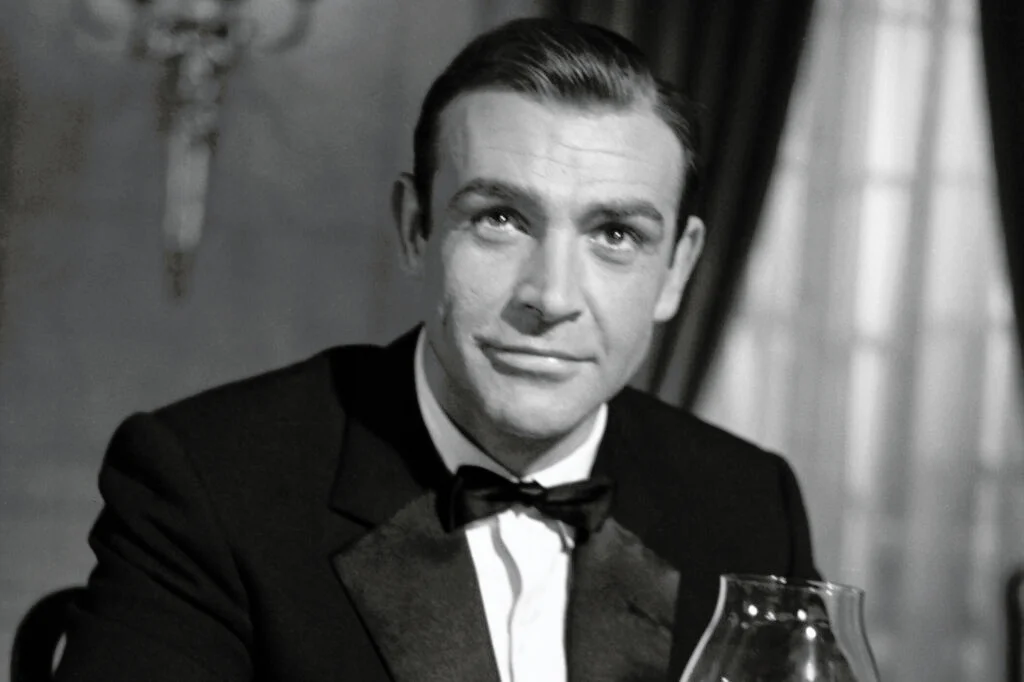
Sean Connery rose to international fame in the ’60s as the original James Bond, redefining the modern action hero. After a long and varied career, Connery retired from acting in the early 2000s. He cited fatigue with the industry and dissatisfaction with modern filmmaking processes. The decision was deliberate and final, even turning down potential roles afterward.
Connery spent his retirement enjoying privacy, travel, and personal interests. Fans continue to associate him with timeless charisma and authority. His departure reinforced the idea that legends don’t need constant reinvention to remain relevant. Sometimes legacy speaks loudly enough on its own.
12. Julie Christie
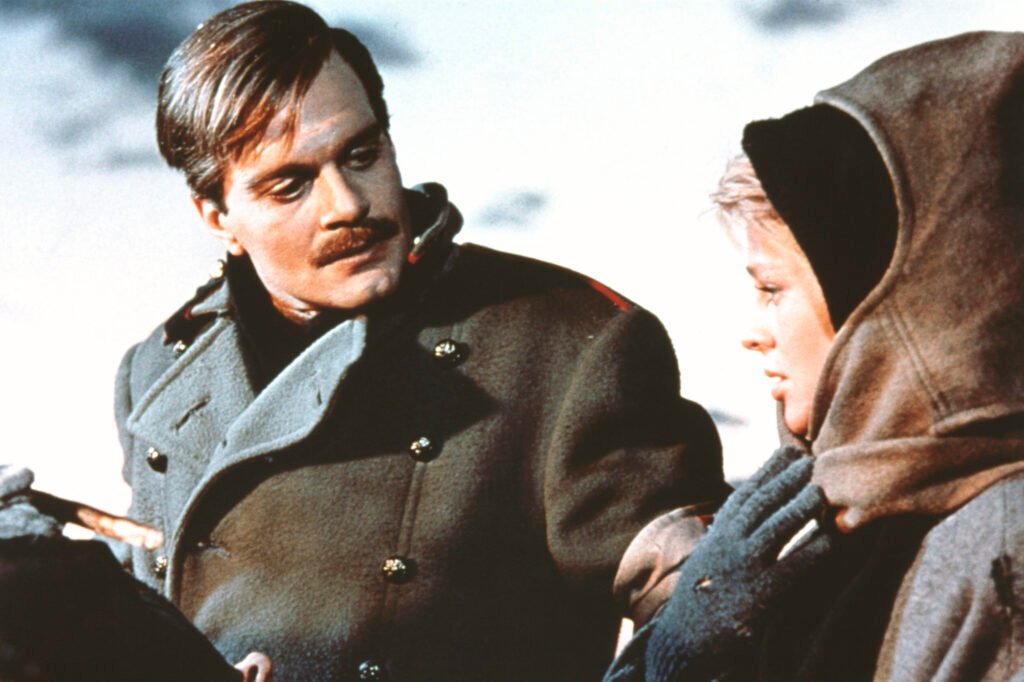
Julie Christie became a defining face of sophisticated ’60s cinema through films like Doctor Zhivago and Darling. While she continued acting sporadically, Christie deliberately reduced her workload and avoided Hollywood’s publicity machine. She preferred a quieter life centered around environmental activism and personal privacy. Fame, for her, was never the end goal.
Christie’s selective approach allowed her to maintain artistic integrity without the constant glare of celebrity. Fans often describe her as elusive rather than retired, which only adds to her mystique. Her career reflects intentional restraint rather than ambition for visibility. It’s a subtle but powerful form of walking away.
13. Tuesday Weld
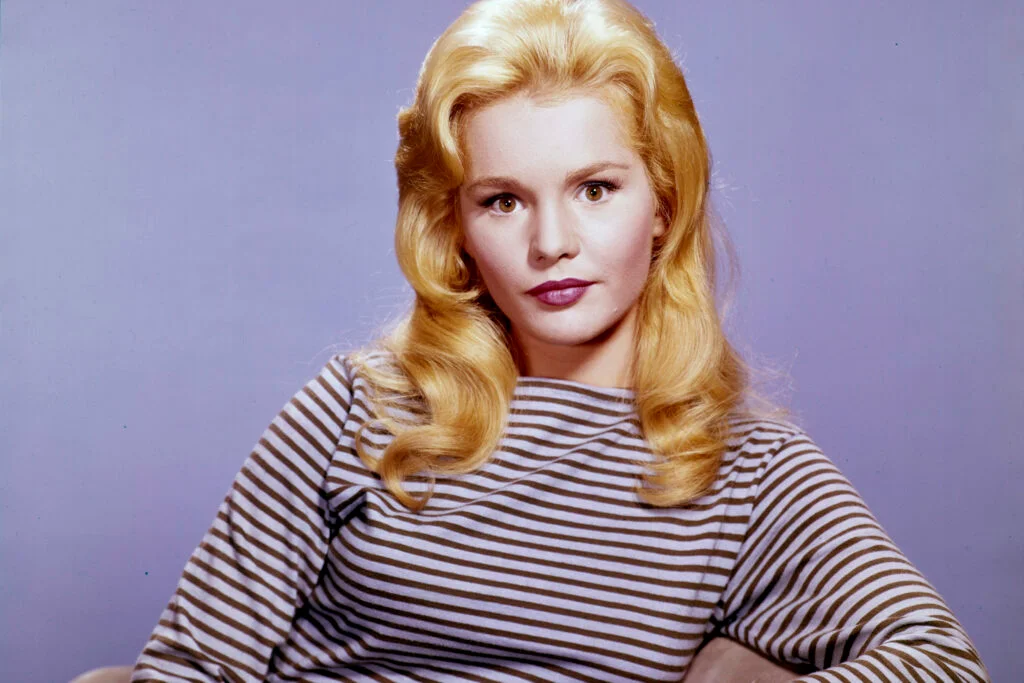
Tuesday Weld was a prominent figure in ’60s and ’70s film and television, known for her emotional depth and unconventional screen presence. In the late ’90s and early 2000s, she gradually stepped away from acting by choice. Weld had long expressed discomfort with fame and the pressures of the industry. Rather than seeking continuous reinvention, she opted for a quieter personal life.
Her limited appearances since then have been rare and carefully chosen. Fans often revisit her earlier work with renewed appreciation, recognizing how distinctive her performances were. Weld’s decision highlights that not every talented performer wants lifelong visibility. Sometimes stepping back allows the work itself to speak more clearly.