
1. Jay North (Dennis the Menace)

Jay North became one of the most recognizable child faces of the early ’60s thanks to his role as mischievous Dennis Mitchell on Dennis the Menace. The show made him famous almost overnight, but the workload and pressures of child stardom took a toll behind the scenes. North has spoken openly in later years about difficult working conditions and feeling controlled by adults during production. After the series ended in 1963, he appeared in a handful of TV projects, including Maya and a few guest roles. By the late ’70s and early ’80s, he had largely stepped away from acting altogether. He eventually pursued work in corrections and other non-entertainment fields. For North, leaving Hollywood was about reclaiming a sense of normalcy and privacy.
In interviews and fan appearances decades later, North has emphasized that he does not miss the industry. He occasionally participates in nostalgia events but has no interest in returning to acting professionally. His story often comes up in conversations about the emotional cost of child stardom. What audiences remember as carefree comedy looked very different from the inside. North’s choice to walk away permanently reflects a desire for stability rather than fame. It also highlights how success at a young age does not always translate into a lifelong passion for performing.
2. Phillip Alford (To Kill a Mockingbird)

Phillip Alford delivered a quietly powerful performance as Jem Finch in the 1962 film adaptation of To Kill a Mockingbird. The role earned him international recognition and placed him alongside legends like Gregory Peck. Despite that early acclaim, Alford never seriously pursued a long-term acting career. He appeared in only a few additional projects before stepping away from Hollywood while still young. Instead of chasing more roles, he chose a path outside the entertainment industry entirely. Alford eventually worked in business and later ran a computer company. His decision reflected a preference for stability over the unpredictable nature of acting work.
Unlike many former child stars, Alford maintained a relatively low public profile for decades. He rarely gave interviews and seemed comfortable letting the film speak for itself. When he did occasionally appear at anniversary screenings or retrospectives, it was more about honoring the movie than reviving a career. His life serves as an example of someone who experienced early fame and then deliberately opted for a quieter adulthood. Fans still associate him strongly with Jem, even though his time in Hollywood was brief. For Alford, walking away was not about burnout, but simply choosing a different life direction.
3. Debbie Turner (The Sound of Music)
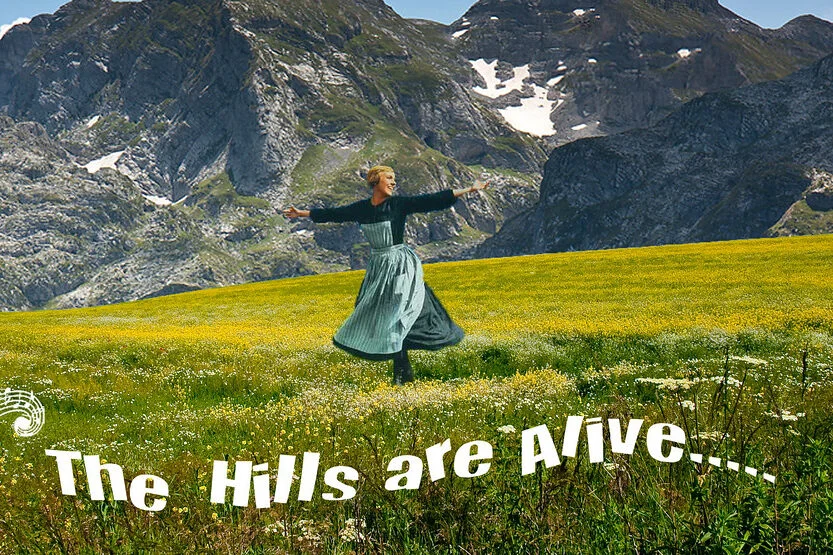
Debbie Turner played Marta von Trapp in the 1965 classic The Sound of Music, instantly becoming part of one of the most beloved films in cinema history. The movie’s massive success gave all of the child actors a permanent place in pop culture. Turner, however, did not continue acting once the film’s promotional period ended. She returned to school and pursued a normal upbringing away from film sets and publicity tours. As an adult, she became a floral designer and later ran a successful flower business. Unlike some of her co-stars, she never returned to acting professionally.
Turner has occasionally participated in anniversary events and cast reunions, but always as a former performer rather than someone seeking a comeback. She has spoken about valuing privacy and a grounded personal life. Her choice underscores how not every child actor views Hollywood as a lifelong destination. For Turner, the experience was meaningful but complete in itself. The role remains a cherished memory rather than a launching pad. Walking away allowed her to build an identity separate from fame.
4. Duane Chase (The Sound of Music)
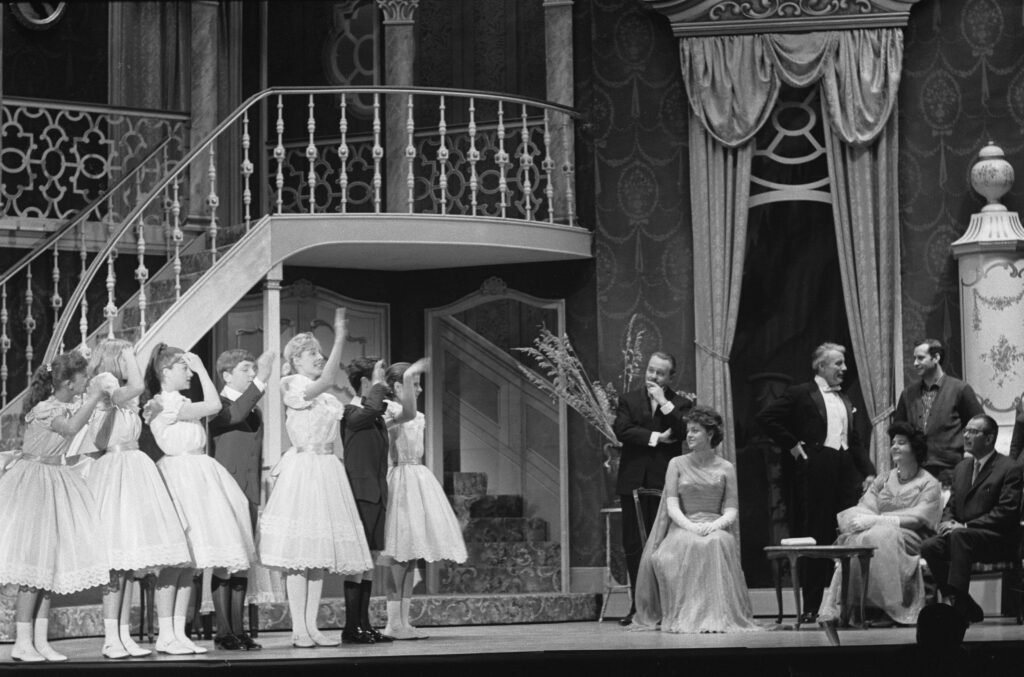
Duane Chase portrayed Kurt von Trapp, the musically gifted older brother in The Sound of Music. Like his fellow young cast members, Chase experienced global attention at a very young age. After the film, he briefly explored acting and theater, but his interests shifted toward science and academics. He ultimately left entertainment to pursue a career in geology and later worked in the energy sector. Chase earned advanced degrees and built a professional life far removed from film sets and auditions. His transition reflects a deliberate pivot toward long-term intellectual and technical work.
Although Chase occasionally attends fan conventions or commemorative events, he has not pursued acting again. He has described the film as a positive childhood experience rather than a defining career ambition. For him, the appeal of discovery and research outweighed the appeal of performance. His path shows how early fame does not necessarily shape adult identity. Many fans are surprised to learn how completely he moved into a scientific field. It is a quiet but striking example of walking away from Hollywood on purpose.
5. Karen Dotrice (Mary Poppins)
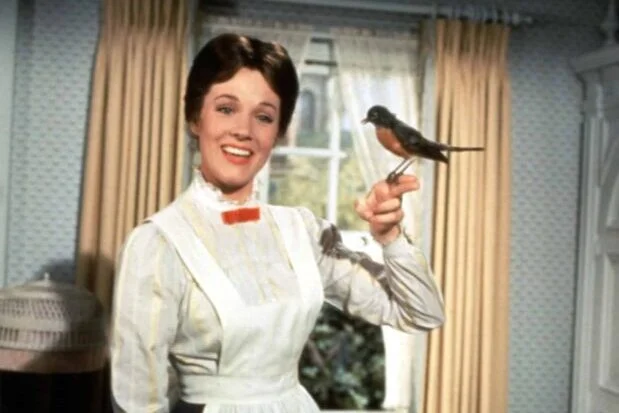
Karen Dotrice starred as Jane Banks in Disney’s Mary Poppins in 1964, sharing the screen with Julie Andrews and Dick Van Dyke. The film became a cultural touchstone, and Dotrice’s performance remains familiar to generations of viewers. She continued acting for a number of years, appearing in British television and stage productions. By the late ’70s, however, she chose to retire from acting to focus on family life and personal priorities. Dotrice has spoken about wanting a more private and stable lifestyle than the entertainment industry could offer. Her withdrawal from acting was gradual rather than abrupt.
In later years, Dotrice occasionally returned for special events tied to Mary Poppins, but not as a working actress. She remained largely out of the public eye until her passing in 2021. Her career illustrates how childhood fame can be fulfilling without needing to evolve into lifelong celebrity. Many fans remember her vividly, even though her active years in film were relatively short. Choosing to step away allowed her to define adulthood on her own terms. It is a reminder that stepping back does not diminish the cultural impact of early work.
6. Mark Lester (Oliver!)
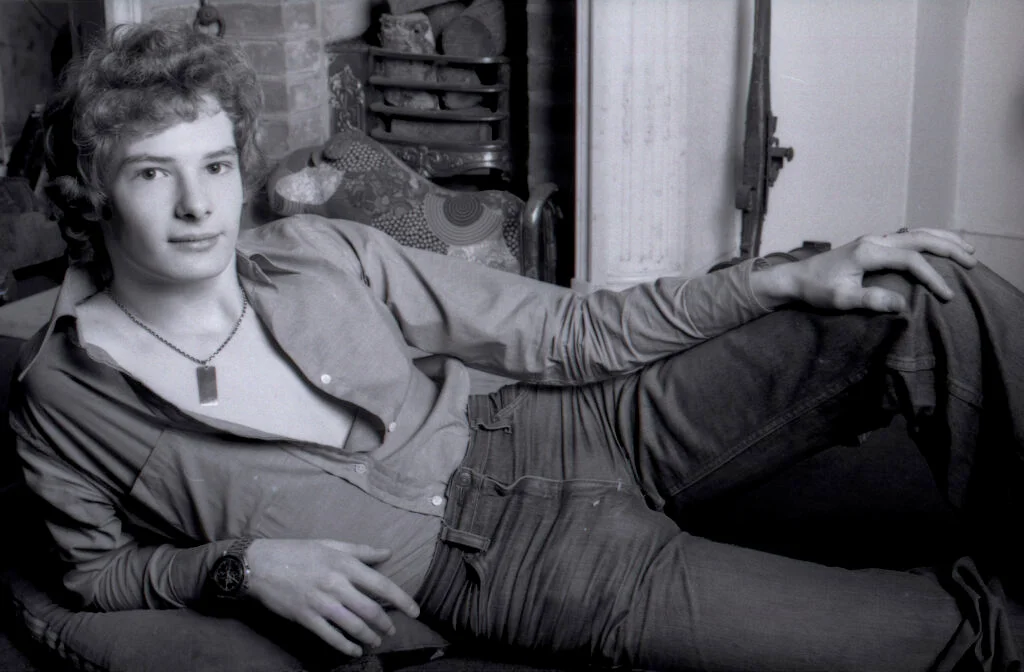
Mark Lester became an international sensation after starring as Oliver Twist in the 1968 musical film Oliver!. The role earned him major awards attention and established him as one of the most recognizable child actors of the late ’60s. He continued acting into his teens and early adulthood, appearing in several European films. By the 1980s, however, Lester gradually exited the entertainment industry. He retrained as an osteopath and later established a successful medical practice. The career shift reflected a desire for long-term stability and professional autonomy.
Lester has occasionally resurfaced in interviews connected to Oliver!, but he has not returned to acting. His life after fame has been rooted in healthcare rather than performance. The contrast between childhood stardom and adult profession often surprises fans. He has spoken about valuing the discipline and purpose of his medical career. Walking away from Hollywood gave him a sense of normalcy and control. His trajectory demonstrates how early celebrity does not always dictate future ambition.
7. Peter Ostrum (Willy Wonka & the Chocolate Factory)
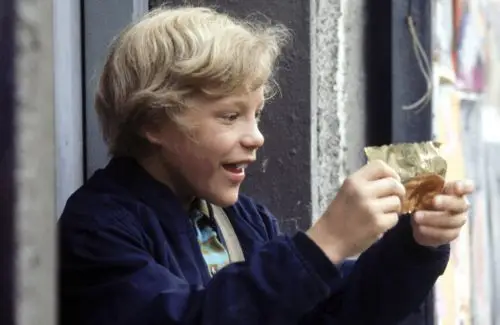
Peter Ostrum played Charlie Bucket in Willy Wonka & the Chocolate Factory, released in 1971 but filmed at the tail end of the late ’60s cultural era that shaped many child performers of the time. Despite the film’s enduring popularity, Ostrum never pursued another acting role. He turned down a three-picture contract and instead focused on education. Ostrum became a veterinarian specializing in large animals and livestock. His decision was rooted in a genuine passion for animal care rather than entertainment. He has described acting as an enjoyable one-time experience rather than a calling.
For decades, Ostrum avoided public appearances connected to the film. Only in recent years has he occasionally participated in fan conventions and anniversary events. Even then, he consistently emphasizes that he has no interest in returning to acting. His story is often cited as one of the clearest examples of a child star who truly walked away. The role remains iconic, yet completely separate from his adult identity. It highlights how personal fulfillment does not always align with fame.
8. Brandon Cruz (The Courtship of Eddie’s Father)
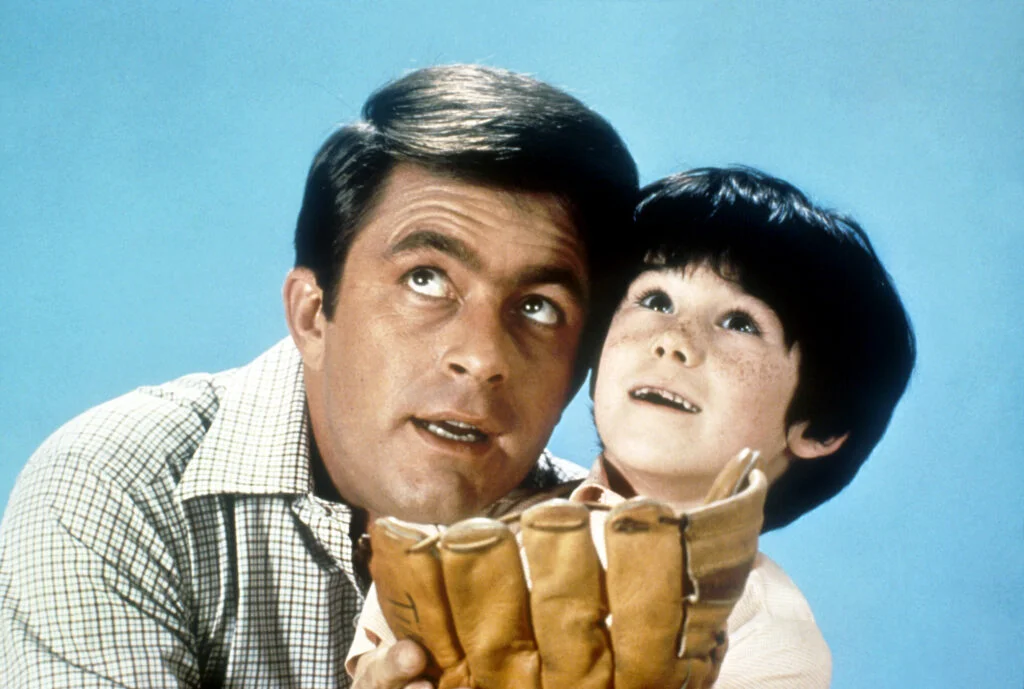
Brandon Cruz starred as Eddie Corbett on the late ’60s television series The Courtship of Eddie’s Father. The show brought him steady work and national recognition at a young age. After the series ended, Cruz struggled to transition into adult acting roles and gradually drifted away from Hollywood. He later pursued music and worked in various creative fields outside mainstream television. Cruz has been open about the challenges of growing up in the public eye and redefining himself afterward. Acting was no longer the central focus of his life.
Although Cruz has occasionally appeared in reunions or interviews reflecting on his childhood career, he did not return to full-time acting. His adult life has been shaped more by personal reinvention than celebrity. The shift reflects a broader pattern among child stars whose fame peaks early. Cruz’s experience underscores how difficult it can be to sustain momentum in the entertainment industry. Walking away allowed him to explore other creative outlets without the pressure of constant visibility. His story resonates with many former child performers who sought balance.
9. Kym Karath (The Sound of Music)
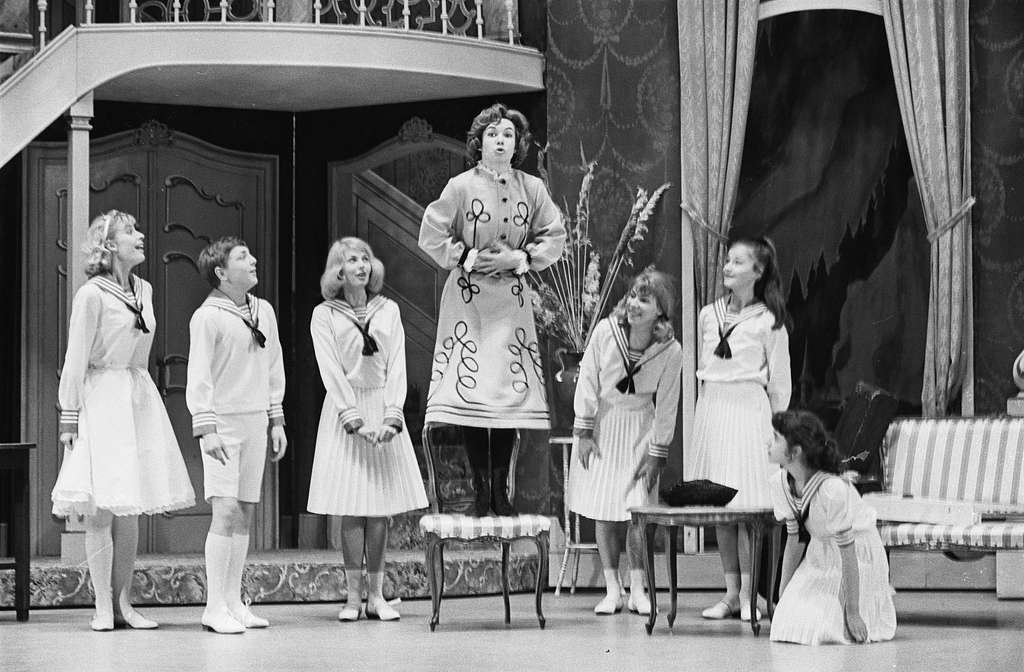
Kym Karath played the youngest von Trapp child, Gretl, in The Sound of Music. The role made her instantly recognizable around the world. She continued acting sporadically into adulthood, including appearances in television series and stage productions. Over time, however, Karath shifted her focus toward education, advocacy, and nonprofit work. She became heavily involved in autism awareness and community initiatives. Acting gradually became secondary rather than central to her professional life.
While Karath remains visible in public speaking and charitable efforts, she has not pursued a sustained acting career in many years. Her identity today is more closely tied to activism than entertainment. Fans still associate her strongly with Gretl, even though that chapter represents only a small portion of her life. Her transition reflects a conscious redirection rather than a forced exit. Walking away allowed her to align work with personal values. It also illustrates how childhood fame can evolve into meaningful off-screen impact.
10. Stanley Livingston (My Three Sons)
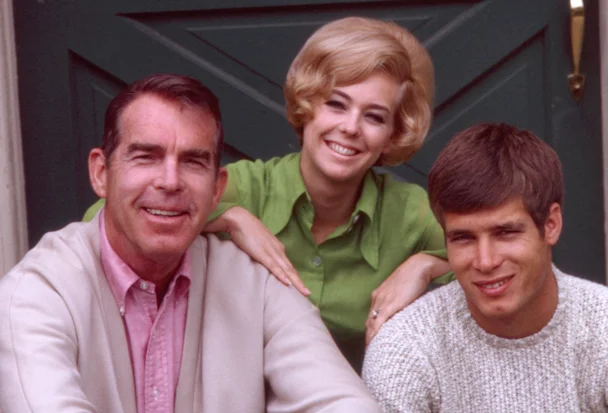
Stanley Livingston played Chip Douglas on the long-running series My Three Sons, beginning in the early ’60s. The show gave him consistent visibility throughout his childhood and teenage years. As the series concluded, Livingston found fewer acting opportunities and gradually moved away from the industry. He later worked behind the scenes in production and business roles rather than performing on camera. Acting was no longer his primary professional focus. His career quietly transitioned into more private, stable work.
Although Livingston occasionally appears at fan conventions or retrospectives, he has not returned to acting in any significant way. His public presence today centers more on nostalgia events than new projects. The shift reflects a common pattern for child actors whose identities evolve beyond performance. Livingston’s experience shows how long-term television exposure does not always translate into lifelong acting careers. Stepping back allowed him to maintain a connection to the industry without the pressures of fame. It represents a softer version of walking away.
11. Barry Livingston (My Three Sons)
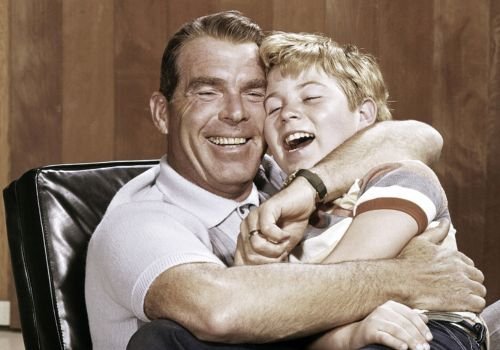
Barry Livingston joined My Three Sons as Ernie Thompson in the late ’60s, becoming part of the show’s extended family dynamic. He gained steady recognition as a young performer during the series’ later seasons. After the show ended, Livingston continued acting sporadically but eventually transitioned toward writing and producing. He authored memoirs and worked in creative development rather than on-screen roles. Acting gradually became a smaller part of his professional life. His interests shifted toward storytelling from behind the scenes.
While Livingston remains connected to the entertainment world, he no longer identifies primarily as an actor. His appearances today often revolve around book events and fan conventions. The evolution reflects a conscious reshaping of career identity rather than a pursuit of continued fame. Livingston’s path demonstrates how child stars sometimes redefine success away from acting. Walking away from the spotlight does not mean abandoning creativity. It simply changes the form that creativity takes.
12. Johnny Crawford (The Rifleman)
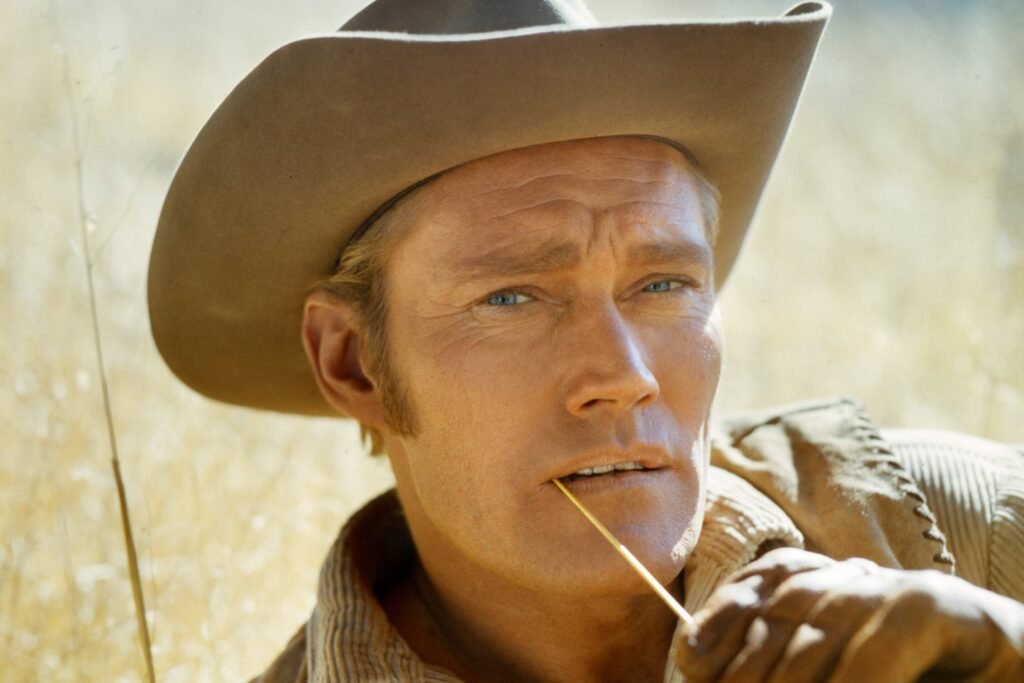
Johnny Crawford became famous as Mark McCain on The Rifleman in the early ’60s. The role made him a household name during the golden age of television westerns. Crawford continued acting and also built a parallel career in music. Over time, he shifted his focus more heavily toward live performance and later stepped back from mainstream Hollywood projects. His professional life evolved into band leadership and historical music preservation. Acting was no longer his central pursuit.
Although Crawford remained publicly visible until his passing in 2021, his later years were defined less by acting and more by music and preservation work. His transition illustrates how early fame can branch into different artistic directions. While not a total disappearance, his departure from regular screen acting was definitive. Fans often remember him primarily for his childhood role. The shift allowed him to maintain creative fulfillment outside the pressures of television production. It reflects a broader theme of reinvention among child stars.
13. Kathy Garver (Family Affair)
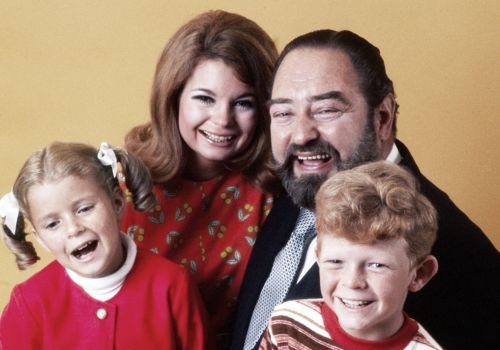
Kathy Garver played Cissy Davis on Family Affair, which debuted in 1966 and became a major hit. The role brought her widespread recognition as a teenage star. Garver continued acting in voice work and guest appearances but eventually expanded into writing, public speaking, and advocacy. Acting became only one part of a broader professional portfolio. Her later career focused more on personal projects and community engagement than constant screen work. The pace of Hollywood life no longer defined her schedule.
Although Garver has remained active in public life, her shift away from full-time acting represents a meaningful departure from child stardom. She has used her platform to address health awareness and personal development topics. The transition reflects a desire for autonomy rather than industry validation. Fans still associate her strongly with Family Affair. Her experience demonstrates how early fame can evolve into multidimensional careers. Walking away from constant acting can open other meaningful avenues.
14. Anissa Jones (Family Affair)
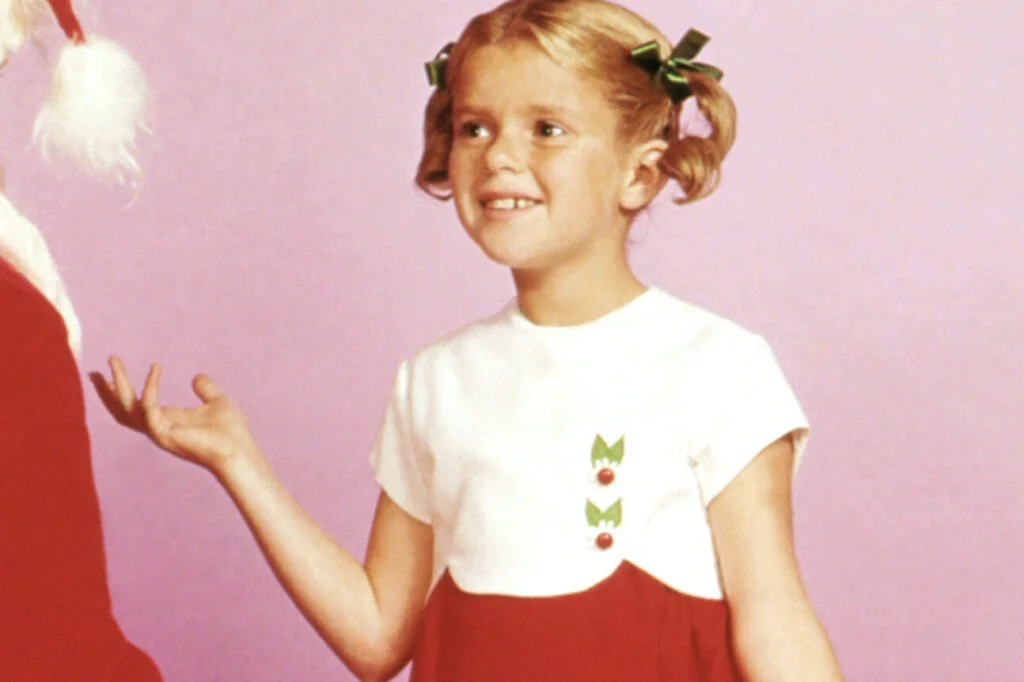
Anissa Jones portrayed Buffy Davis on Family Affair, becoming one of the most recognizable child stars of the late ’60s. The role brought intense public attention at a very young age. After the show ended, Jones struggled with the sudden loss of structure and identity that fame had provided. She did not continue acting and faced significant personal challenges in adulthood. Tragically, she died in 1976 at the age of eighteen. Her life serves as a cautionary example of how difficult the transition away from child stardom can be.
Jones never returned to Hollywood in any professional capacity after the series ended. Her story is often discussed in conversations about the need for better support systems for young performers. The abrupt shift from fame to anonymity proved deeply destabilizing. While her career was brief, her impact remains culturally significant. Audiences still remember Buffy with affection and nostalgia. Her experience underscores the high emotional stakes of early celebrity and the consequences of walking away without adequate guidance.