
1. Tony the Tiger
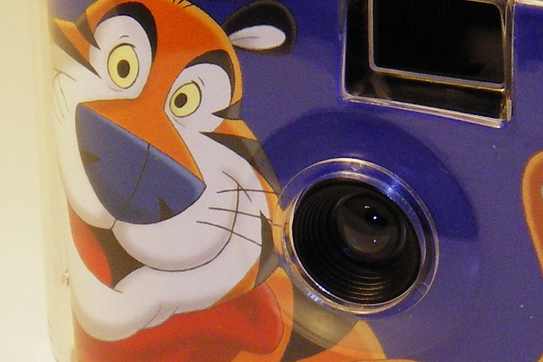
When Tony the Tiger first started appearing in ads for Frosted Flakes in the early ’60s, it did not take long for him to become one of the most recognizable mascots in television history. With his bright orange stripes, red bandana and booming enthusiasm, Tony practically jumped off the screen. His famous catchphrase, “They’re Grrreat!” quickly became something kids repeated at the breakfast table. Parents might have been pouring the cereal, but it was Tony who made it feel exciting.
The commercials often showed Tony encouraging kids to stay active and have fun, whether they were playing sports or just running around outside. That energetic tone fit perfectly with the optimistic spirit of the decade. By the end of the ’60s, Tony had become more than a mascot. He was practically a celebrity who helped define what a cereal commercial looked like.
2. The Jolly Green Giant

The towering green figure selling canned vegetables had actually been around since the ’30s, but television in the ’60s turned the Jolly Green Giant into a household name. Walking through lush fields while the famous “Ho ho ho, Green Giant!” chant played in the background, he brought a sense of storybook charm to something as ordinary as canned peas. The character was huge, friendly and strangely calming.
Kids loved the magical look of the commercials, while parents appreciated the promise of fresh tasting vegetables. The Giant often appeared alongside his smaller companion, Sprout, which made the ads feel almost like a little fantasy world. By the middle of the decade, the Green Giant was one of the most recognizable figures on television.
3. Snap, Crackle and Pop
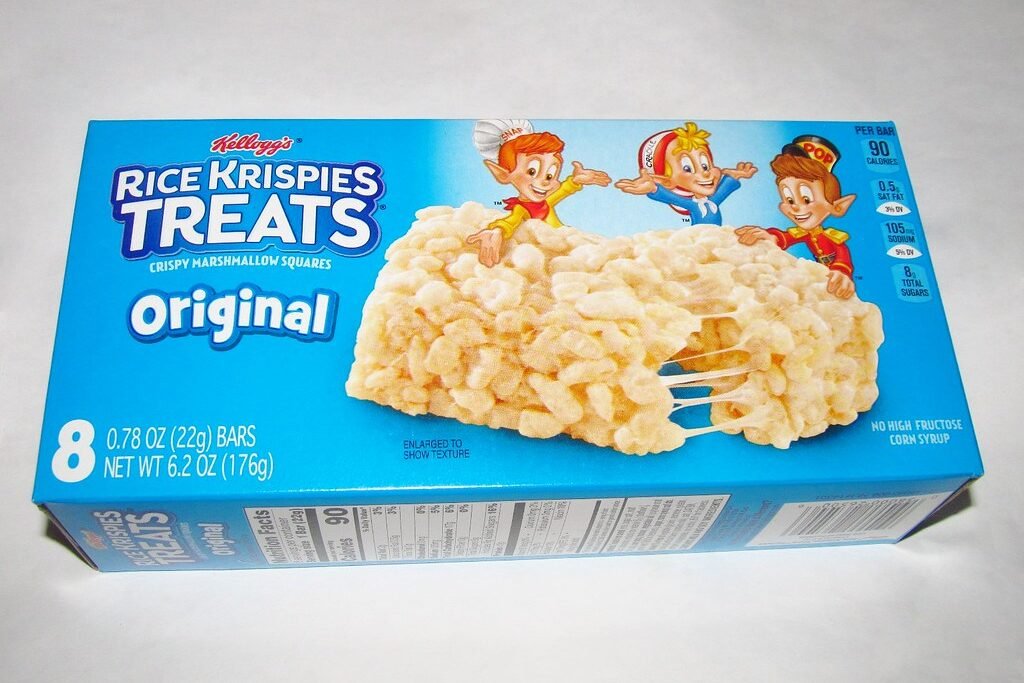
The Rice Krispies trio had been around for years, but in the ’60s they really became television regulars. Snap, Crackle and Pop were the cheerful little elves responsible for the cereal’s famous sound effects when milk hit the bowl. Their colorful hats and playful personalities made them feel like cartoon characters who had stepped straight out of a children’s storybook.
Commercials often showed the three characters getting into harmless mischief while promoting the cereal’s signature “snap, crackle, pop” sound. Kids could easily remember which elf was which, even though they looked fairly similar at first glance. Their playful chemistry helped make Rice Krispies commercials some of the most memorable breakfast ads of the decade.
4. Speedy Alka-Seltzer
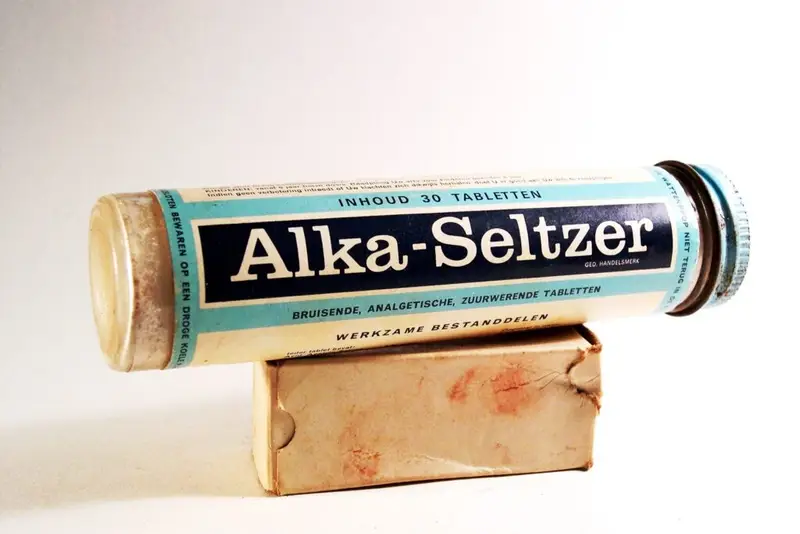
Speedy was a tiny character with a tablet shaped body and a big smile who appeared in Alka-Seltzer commercials throughout the ’60s. He represented the fizzy tablets that dissolved in water to relieve headaches and upset stomachs. While most medicine ads were fairly serious, Speedy made the product feel lighthearted and approachable.
The commercials often featured the famous line “Plop, plop, fizz, fizz,” which quickly became one of the most quoted advertising jingles of the era. Speedy would pop up to remind viewers how fast relief could come. Even people who never bought the product could recognize that little tablet mascot immediately.
5. Morris the Cat
Morris the Cat first appeared in 1969 as the famously finicky face of 9Lives cat food. Unlike the cheerful mascots of many other commercials, Morris had a slightly grumpy personality that made him stand out. His unimpressed expressions suggested he had very high standards for what went in his food bowl.
The humor in the ads came from the idea that Morris would only approve the best cat food available. That dry, almost sarcastic tone was unusual for pet food advertising at the time. Within a short time, Morris became one of the most beloved animal mascots in television commercials.
6. Charlie the Tuna

StarKist introduced Charlie the Tuna in the early ’60s, and the character quickly became famous for being eager but slightly clueless. Charlie desperately wanted to be chosen for StarKist tuna, proudly believing he had “good taste.” Unfortunately for him, the brand insisted they only wanted tuna that tasted good.
The joke became a running gag in commercial after commercial. Charlie would present himself proudly, only to be rejected once again. His hopeful attitude and repeated disappointment made him strangely lovable, and viewers began recognizing him instantly.
7. The Pillsbury Doughboy
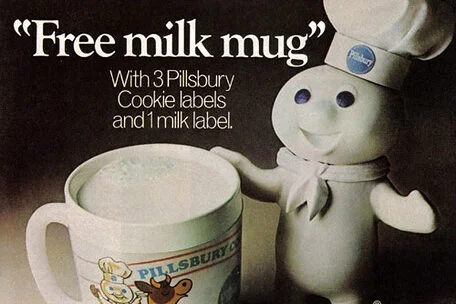
The Pillsbury Doughboy, officially named Poppin’ Fresh, debuted in 1965 and quickly became one of the most charming mascots on television. The soft little dough figure with the chef’s hat and scarf had a distinctive giggle whenever someone poked his belly. That simple gag made the character unforgettable.
The commercials often showed him helping bake fresh rolls or pastries in a warm kitchen setting. The playful poke and giggle became a running joke families expected to see every time the ad aired. Even decades later, the Doughboy remains one of the most recognizable mascots to come out of the ’60s.
8. The Frito Bandito
One of the more controversial mascots of the era was the Frito Bandito, introduced in 1967 to promote Fritos corn chips. The animated character wore a sombrero and had a thick mustache while singing about stealing corn chips. At the time, the ads were meant to be humorous and catchy.
However, many viewers eventually criticized the character for relying on stereotypes. Complaints grew throughout the late ’60s, and the company eventually retired the mascot in the early ’70s. Despite the controversy, the character was widely recognized during the years the commercials aired.
9. Captain Crunch

The cheerful naval mascot for Cap’n Crunch cereal began appearing in commercials during the early ’60s. Dressed in a bright blue uniform with a large captain’s hat, the character sailed the “S.S. Guppy” through imaginary seas of cereal. His booming voice and exaggerated personality made him hard to forget.
The commercials leaned heavily into cartoon style storytelling, with Cap’n Crunch defending his cereal from villains or sharing it with excited kids. The whimsical adventures helped turn the character into a familiar face on Saturday morning television. For many kids, Cap’n Crunch felt like a cartoon hero who just happened to sell breakfast.
10. The Keebler Elves
The Keebler Elves began appearing in television ads during the late ’60s, baking cookies inside a magical hollow tree. Led by the friendly baker Ernie Keebler, the elves created a whimsical little world that made cookie making feel like a fairy tale. The tiny bakers in green outfits were instantly charming.
The idea that the cookies were made in a secret forest bakery gave the brand a sense of fun and imagination. Kids often pictured the elves working away late at night preparing treats. The characters became so recognizable that they remained the company’s mascots for decades afterward.
11. Mr. Clean
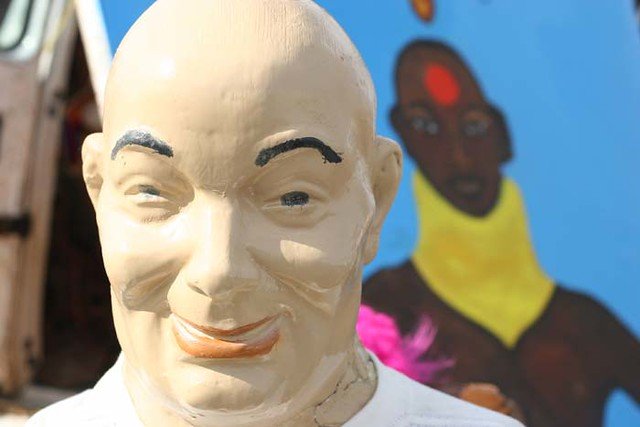
Mr. Clean first appeared in television commercials in the late ’50s, but the ’60s were when the character really became famous. With his bald head, muscular arms and sparkling white T-shirt, he looked more like a superhero than a cleaning product mascot. The ads promised he could make surfaces shine with very little effort.
The character’s confident grin and powerful image helped him stand out among typical household product ads. Viewers quickly associated his face with spotless kitchens and bathrooms. Even people who never used the product could recognize Mr. Clean instantly.
12. Toucan Sam

Toucan Sam began appearing in Fruit Loops commercials in 1963, using his colorful beak to “follow his nose” to the cereal. The brightly colored bird felt perfectly suited for a cereal that looked like a bowl of rainbow rings. His playful personality made the commercials feel almost like mini cartoons.
In the ads, Sam often chased the scent of Fruit Loops through forests, cities or imaginary lands. Mischievous kids sometimes tried to trick him out of the cereal, creating little comedic adventures. The simple idea of following his nose made the character easy to remember.
13. Aunt Jemima

Aunt Jemima had been part of pancake mix advertising since the late 19th century, but television in the ’60s brought the character into living rooms across America. Commercials often portrayed her as a warm, welcoming cook serving stacks of pancakes to happy families. Her image appeared on boxes, syrup bottles and television ads.
Over time, historians and cultural critics pointed out that the character was rooted in racial stereotypes from earlier advertising traditions. The brand eventually changed its name and imagery decades later. Still, during the ’60s, Aunt Jemima was one of the most widely recognized figures in food advertising.