
1. Letting Kids Roam the Neighborhood All Day

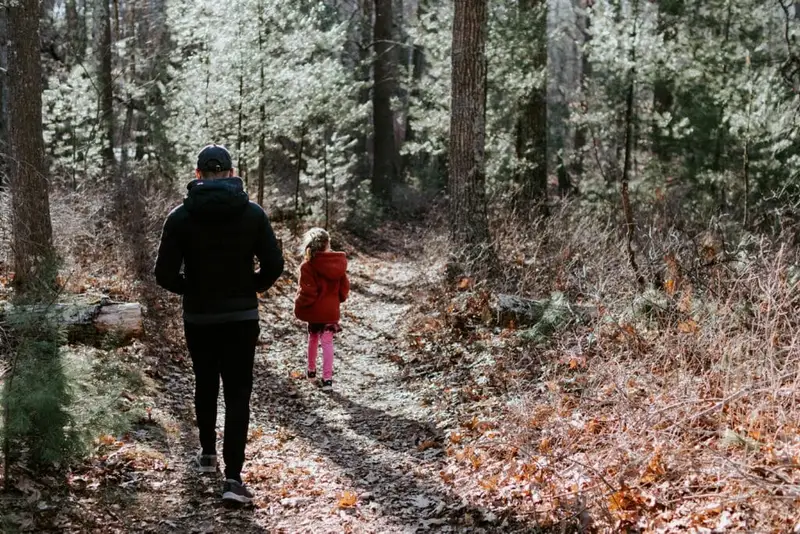
In the ’60s, it was completely normal for kids to leave the house in the morning and not come back until dinner. Parents often had only a vague idea of where their children were, and nobody seemed too worried about it. Kids rode bikes across town, played in empty lots, and wandered through nearby woods without adult supervision. If you needed to reach them, you usually couldn’t. The expectation was simple: be home before the streetlights came on.
Today, that level of freedom feels almost impossible to imagine. Many parents now keep close tabs on their children through phones, apps, and constant communication. The idea of an eight year old disappearing for an entire afternoon would probably trigger panic. But in the ’60s, it was just part of childhood. Independence started early, and neighborhoods functioned like giant shared playgrounds.
2. Smoking Pretty Much Everywhere

Smoking was woven into daily life in a way that’s difficult to picture now. People smoked in restaurants, airplanes, offices, and even hospitals. Ashtrays sat on coffee tables, desks, and sometimes right next to hospital beds. It wasn’t unusual for teachers to smoke in the teachers’ lounge or even during work breaks inside school buildings.
Looking back, the sheer amount of cigarette smoke in public spaces seems unbelievable. Today, strict laws regulate where people can light up, and many places ban it entirely. In the ’60s, it was simply part of the atmosphere. A smoky restaurant dining room was considered normal. The health risks were not widely understood, so few people questioned it.
3. Drinking From the Garden Hose

If kids got thirsty while playing outside, they didn’t run inside for bottled water. They grabbed the nearest garden hose and took a few long gulps. The water often tasted like rubber and metal, but nobody seemed to mind. It was quick, convenient, and always available during backyard adventures.
Now the idea sounds a little questionable from a health perspective. Modern parents worry about hose materials, water quality, and sanitation. In the ’60s, those concerns rarely crossed anyone’s mind. The hose was just another outdoor utility, like a sprinkler or rake. For many kids, that slightly metallic taste still brings back summer memories.
4. Riding in Cars Without Seat Belts
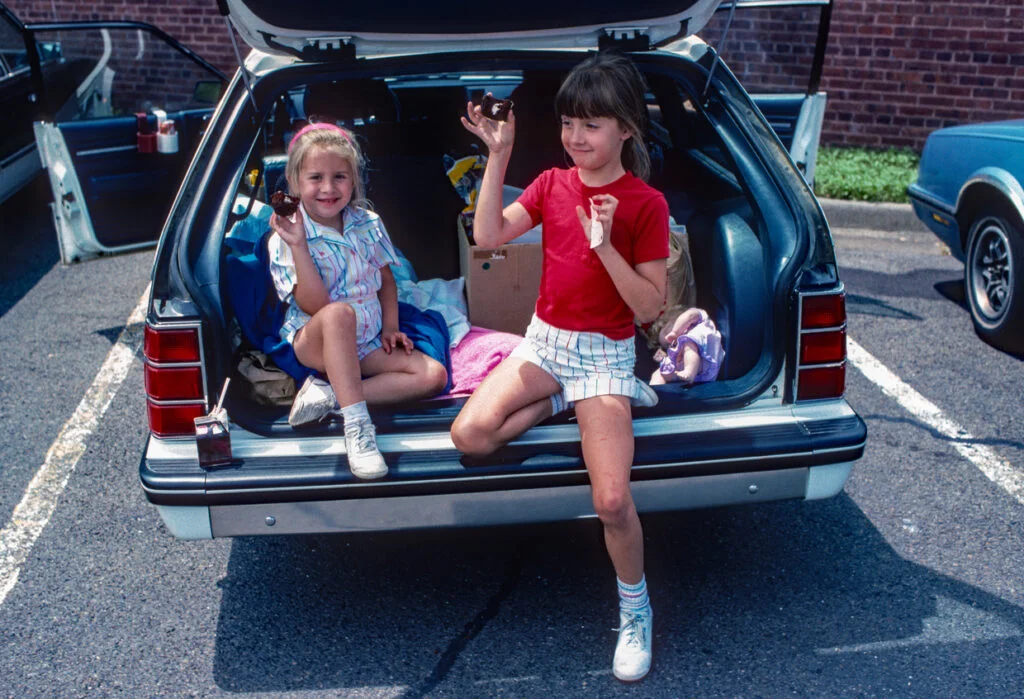
Seat belts were not standard in many cars during the early ’60s, and even when they were available, people often ignored them. Families piled into station wagons with kids sitting on laps or bouncing around the back seat. Some children even rode in the cargo area facing backward through the rear window. Safety regulations simply weren’t the priority they are today.
Modern car culture is built around strict safety standards. Seat belts, car seats, and airbags are now considered essential. The idea of driving around with unrestrained passengers feels reckless by today’s standards. But at the time, it barely raised eyebrows. It was just how people traveled.
5. Answering the Phone Without Knowing Who Was Calling

When the phone rang in the ’60s, you had absolutely no idea who was on the other end. There was no caller ID, no texting first, and definitely no screening apps. You simply picked up the receiver and said hello. Sometimes it was a friend, sometimes a telemarketer, and sometimes a wrong number.
That small moment of mystery was just part of everyday communication. Today, most people know exactly who is calling before they answer. Many calls go straight to voicemail if the number looks unfamiliar. In the ’60s, you had no choice but to pick up and find out. It made every phone call a tiny surprise.
6. Letting the TV Run All Evening
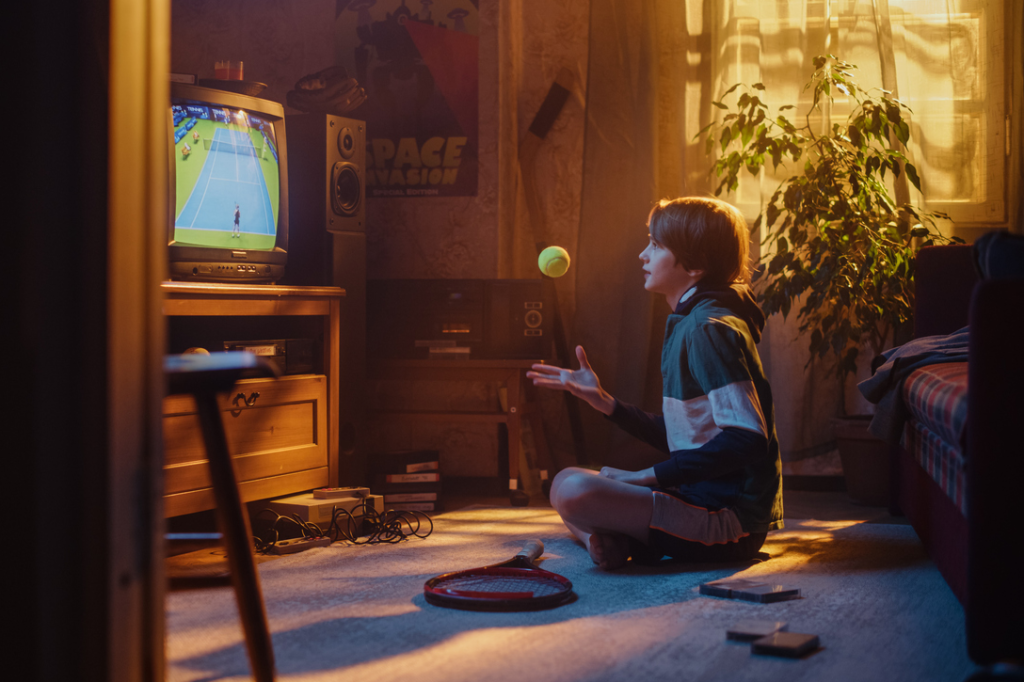
Television wasn’t an endless stream of channels and on demand shows. But when the TV was on, families often left it running for hours. The evening schedule became part of the household routine. People gathered around the set and watched whatever happened to be airing.
Unlike today, there was little control over what came next. If a show ended, another one simply followed. You either watched it or turned the TV off. Channel surfing barely existed because there were so few options. That nightly rhythm created shared cultural moments that entire neighborhoods experienced at the same time.
7. Hitchhiking Without Much Concern
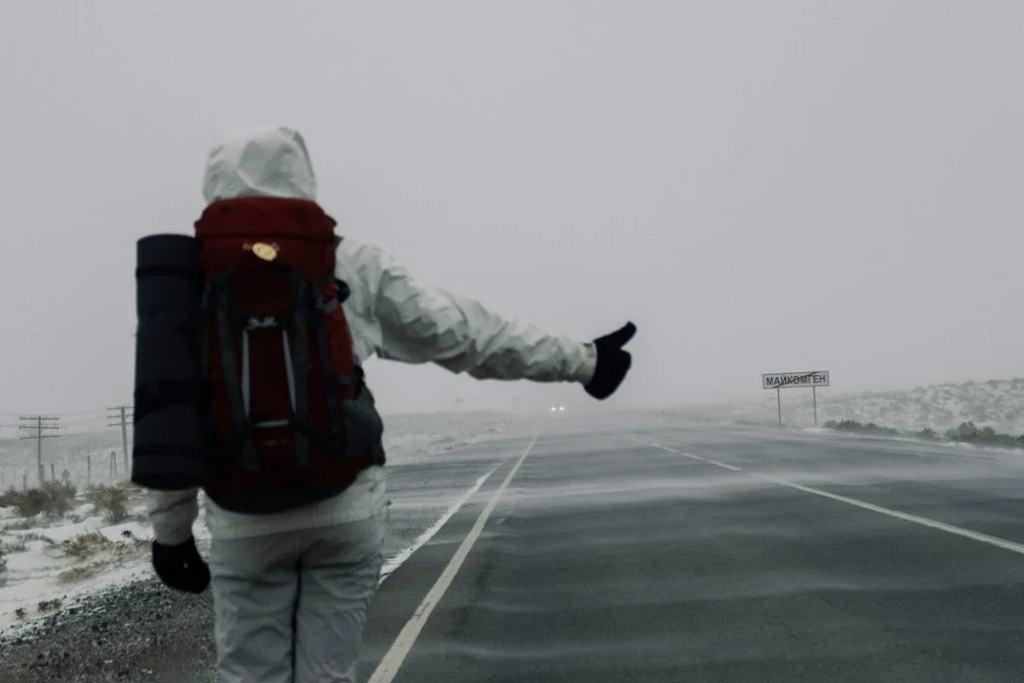
Hitchhiking was far more common in the ’60s than it is now. Travelers, students, and even teenagers sometimes stuck out their thumbs along the side of the road. Drivers often stopped without thinking twice about it. It was viewed as a normal way to get from place to place.
Today, hitchhiking carries a reputation for danger. Most people would hesitate to pick up a stranger, and many travelers would avoid the practice entirely. But during the ’60s, it still had an air of casual adventure. People trusted each other more on the open road. At least, that was the general perception.
8. Kids Sitting in the Front Seat at Any Age
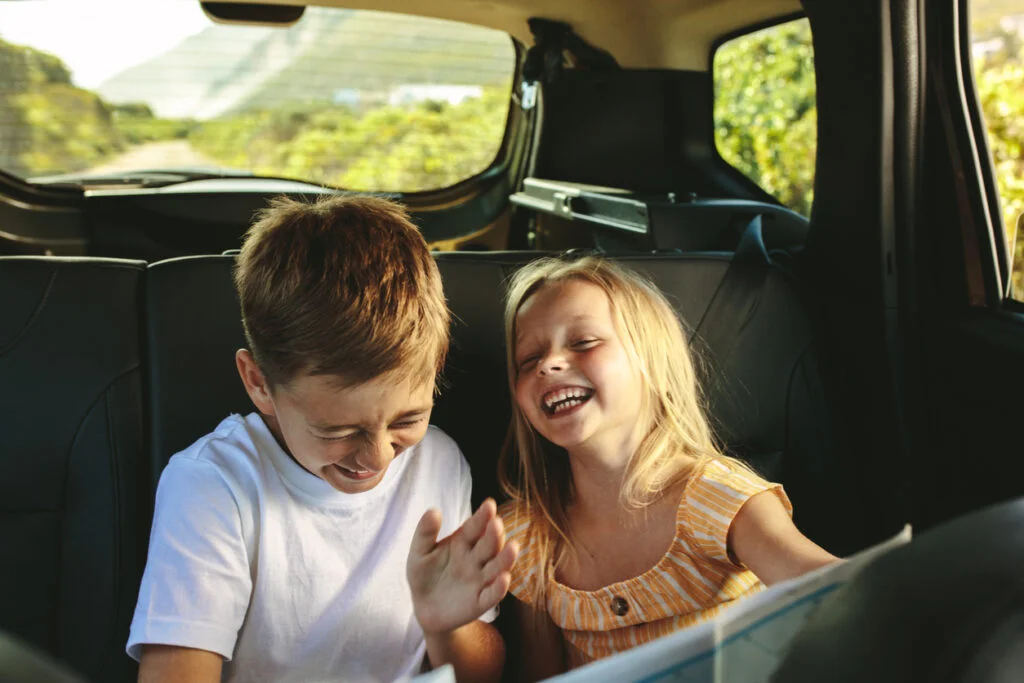
Children in the ’60s frequently rode in the front passenger seat of the family car. There were no booster seats, and age guidelines were rarely discussed. Kids often perched right next to the driver, watching the road like a tiny co pilot. It felt exciting and grown up.
Modern safety advice strongly discourages that practice. Airbags and crash safety studies changed the rules dramatically. Today, children are expected to sit in the back seat for many years. In the ’60s, however, nobody thought twice about a small child riding up front. It was simply part of everyday family travel.
9. Leaving Doors Unlocked
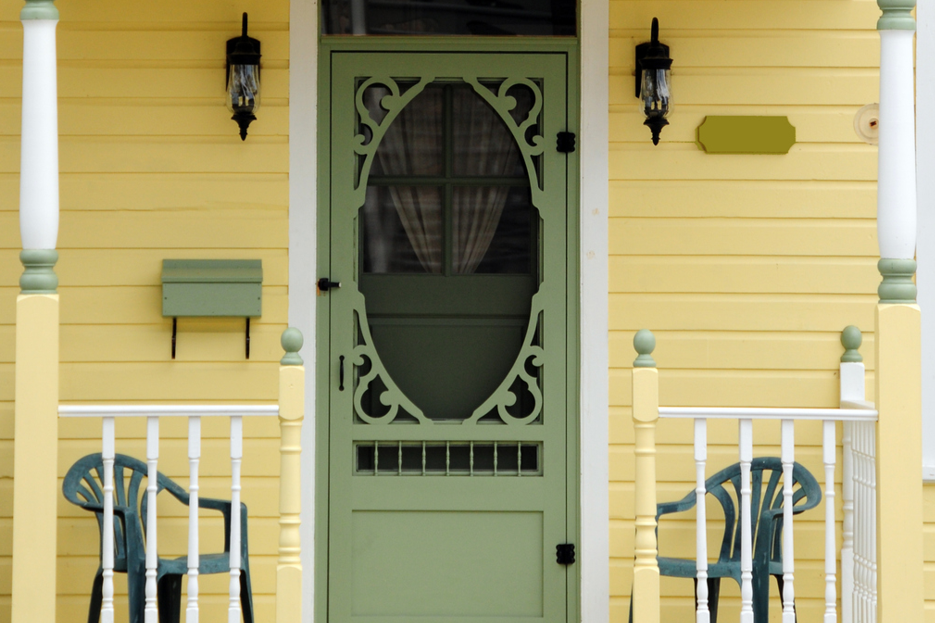
In many neighborhoods during the ’60s, locking the front door wasn’t always necessary. People often left their homes open during the day, especially if someone was nearby. Neighbors stopped by unannounced and sometimes walked right in after knocking. The atmosphere felt more relaxed and trusting.
Today, security systems, cameras, and locked doors are the norm. Leaving a house open all day would make many people uneasy. The world has changed, or at least our perception of safety has. Back then, communities often felt smaller and more familiar. That sense of trust shaped daily habits.
10. Writing Letters for Everyday Communication
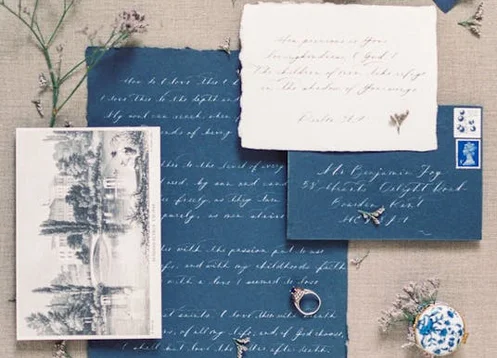
Before email, texting, and social media, handwritten letters were a regular way to stay in touch. Friends, relatives, and couples often exchanged letters for everyday updates. People carefully chose stationery and spent time crafting their messages. Waiting for the reply became part of the experience.
Now communication happens almost instantly. Messages travel across the world in seconds. The slower pace of letter writing feels almost foreign today. In the ’60s, however, it was routine. The mailbox was a major part of personal connection.
11. Memorizing Phone Numbers
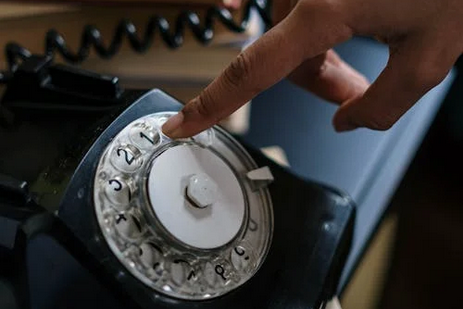
People in the ’60s memorized dozens of phone numbers without thinking about it. Family numbers, friends’ homes, workplaces, and local businesses were all stored in memory. Many households kept a small phone book or handwritten list near the telephone. But most regular contacts were simply remembered.
Today, smartphones store nearly every number we need. Many people cannot recall even their closest friends’ phone numbers. Digital contact lists have replaced mental ones. In the ’60s, memory was the contact list. Forgetting a number meant flipping through a paper directory.
12. Kids Doing Household Errands Alone

Children were often sent on errands by themselves in the ’60s. A kid might walk to the corner store to buy bread, milk, or a newspaper. Sometimes they carried a few coins and a short shopping list written on scrap paper. The store clerks usually knew the families and didn’t think twice about helping.
Modern parents tend to accompany their children more closely. Safety concerns and busy roads have changed those habits. But in the ’60s, running errands was part of learning responsibility. Kids handled small tasks that helped the household. It was a quiet way of teaching independence.
13. Watching TV Sign Off at Night
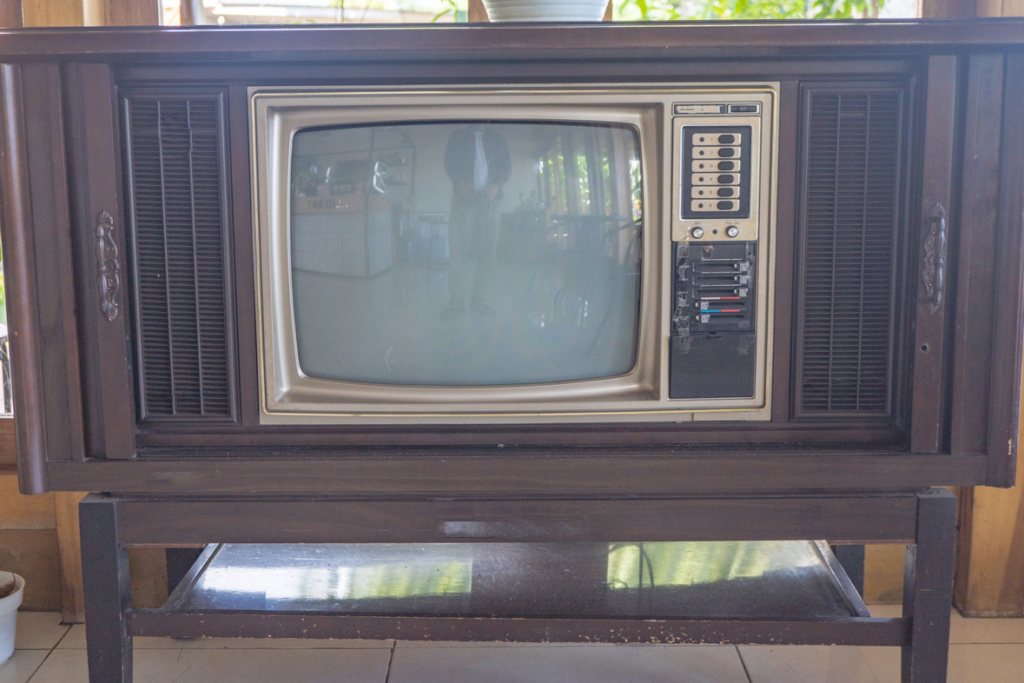
Television didn’t run twenty four hours a day in the ’60s. Late at night, stations actually signed off the air. The screen might show the national anthem followed by static. That moment signaled that the broadcast day was officially over.
Today television never really stops. Cable, streaming, and digital channels run continuously. The idea of TV simply ending for the night feels strange now. But for many families in the ’60s, it was a familiar ritual. When the station signed off, it was time to go to bed.
14. Using Pay Phones Regularly
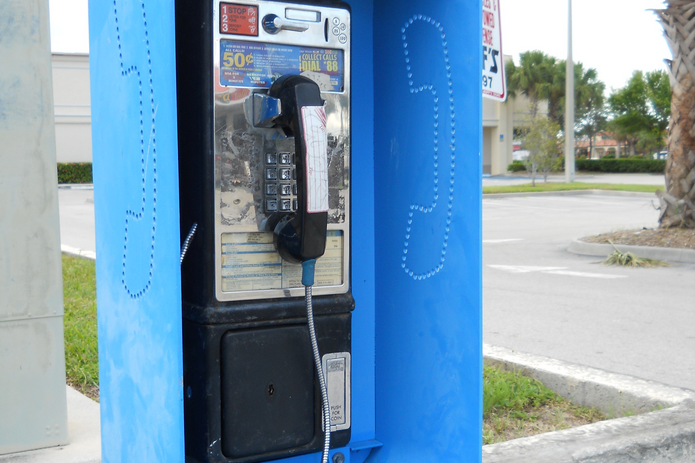
Before mobile phones existed, pay phones were essential parts of public life. You could find them in gas stations, airports, restaurants, and on street corners. People carried coins specifically so they could make a quick call if needed. Dropping a dime into the slot was a common sound.
Today pay phones are almost extinct. Nearly everyone carries a smartphone, making public phones unnecessary. For someone who grew up in the ’60s, though, they were everywhere. If you needed to reach someone, the nearest pay phone was the solution. It was a simple system that worked surprisingly well for decades.