
1. Dressing Up Just to Board a Flight

Back in the sixties, catching a flight was treated with the same level of reverence as attending a wedding or a gala. Men wouldn’t dream of boarding without a crisp suit and tie, while women often wore their finest dresses, complete with white gloves and perhaps a pillbox hat. It was a sophisticated era where air travel was a luxury reserved for the few, and the cabin was a stage for high fashion. People didn’t just “hop” on a plane; they made an entrance.
Today, the idea of wearing a three-piece suit to sit in economy for six hours sounds like a self-imposed form of torture. Modern travelers prioritize comfort above all else, often opting for leggings, hoodies, and slip-on shoes to navigate TSA lines. The glamour of the “Jet Age” has been replaced by the practicality of the “Sweatpants Age.” Younger generations view the plane as a bus with wings, making the formal attire of the past seem like an unbelievable commitment to aesthetics over ease.
2. Smoking Everywhere and Anywhere

If you walked into a hospital, a movie theater, or even a grocery store in the 1960s, you’d likely be met with a thick haze of tobacco smoke. Ash trays were ubiquitous accessories found on office desks, restaurant tables, and even built into the armrests of airplanes. It wasn’t considered rude to light up a cigarette in a crowded room; in fact, it was the social norm. Doctors might even be seen puffing away while discussing a patient’s health.
For younger people raised in a world of strict indoor smoking bans, this sounds like a scene from a dystopian film. The thought of eating a meal while the person at the next table blows smoke in your face is enough to ruin an appetite. We now view public spaces as areas for clean air, making the constant cloud of the sixties feel hazardous and bizarre. It’s hard to imagine a time when “no smoking” sections were the exception rather than the universal rule.
3. Using a Phone That Stayed in One Spot
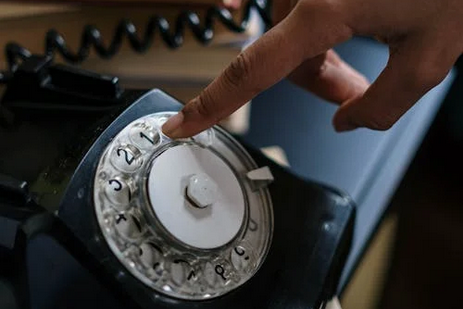
In the 1960s, if the phone rang, you had to physically go to where it lived—usually a hallway or the kitchen. Most homes had a single rotary phone that was literally tethered to the wall by a coiled cord. If you wanted privacy, you’d have to stretch that cord as far as it would go, perhaps ducking into a nearby closet or crouched behind a door. You couldn’t take your conversation to the backyard or keep it in your pocket.
The concept of a “stationary” phone is practically an oxymoron to the smartphone generation. We are used to carrying the entire world in our pockets, making the idea of waiting by a wall for a call feel incredibly restrictive. There was no caller ID, so every ring was a mystery and a potential surprise. If you weren’t home to answer, the phone just rang and rang until the caller gave up, leaving no digital trace behind.
4. Navigating the World with Giant Paper Maps
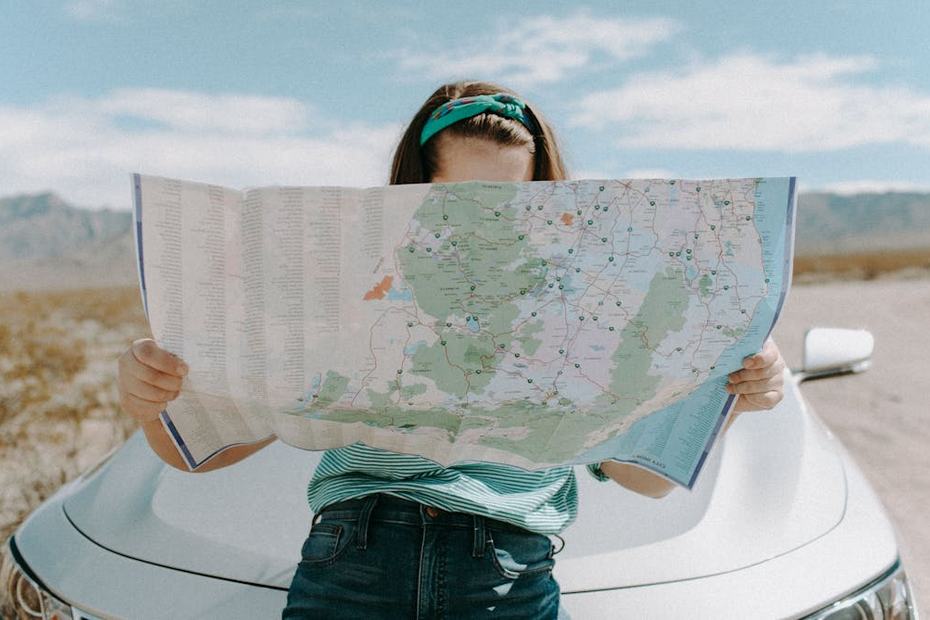
Going on a road trip in the sixties required a specific set of physical skills, primarily the ability to read and fold a massive paper map. Drivers had to plan their routes in advance, squinting at tiny lines and trying to figure out which highway exit led to their destination. If you took a wrong turn, there was no pleasant voice to tell you it was “recalculating.” You had to pull over, spread the map across the dashboard, and hope you could find your current location.
The struggle of folding those maps back into their original shape was a universal frustration that has been totally erased by GPS. Younger generations rely on real-time traffic updates and turn-by-turn directions that adjust automatically. The idea of navigating a cross-country journey using nothing but a printed grid and a sense of direction sounds like a recipe for getting lost forever. It required a level of spatial awareness and patience that modern technology has made largely obsolete.
5. Waiting a Week to See Your Own Photos
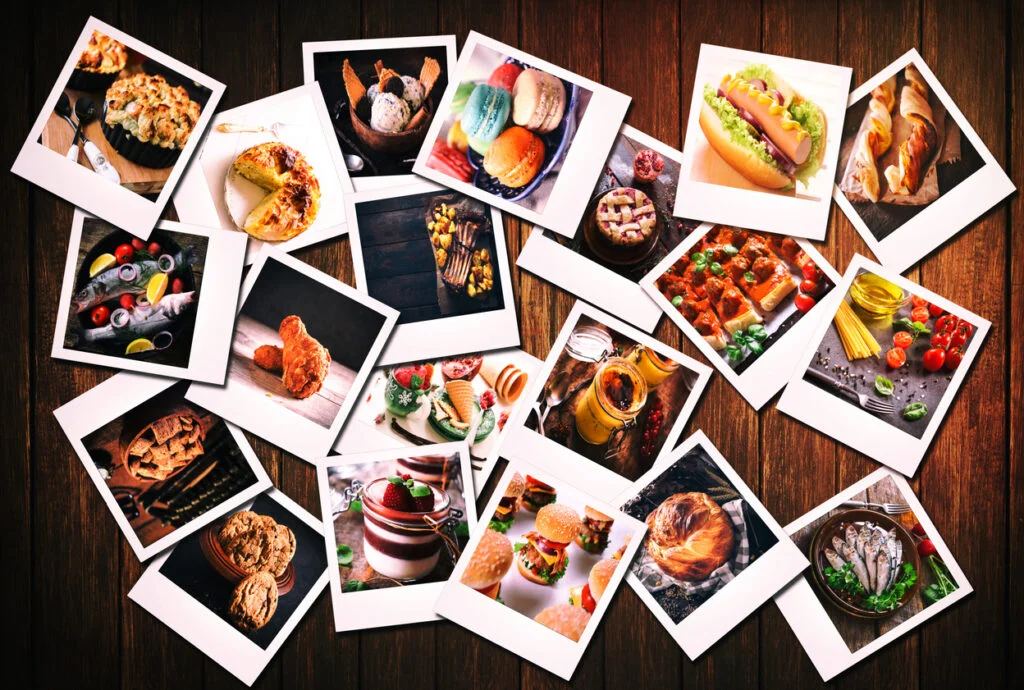
Photography in the sixties was an exercise in extreme delayed gratification. After you finished a roll of film—usually containing only 12, 24, or 36 exposures—you had to take it to a pharmacy or a specialized lab. You would drop off the canister and wait several days, or even a full week, to see how the pictures turned out. There was no way to preview the shot, so you often discovered days later that someone had their eyes closed or the lighting was terrible.
To a generation that can take 50 burst shots in a second and see them instantly, this process feels agonizingly slow. We live in an era of instant digital feedback where “bad” photos are deleted immediately. In the sixties, every click of the shutter cost money for the film and the developing, making every shot feel precious. You didn’t know if you had captured the perfect moment until the moment was long gone, turning the pickup of developed prints into a high-stakes event.
6. Kids Roaming the Neighborhood Until Sunset

During the 1960s, childhood was defined by a level of freedom that would shock many modern parents. Kids would disappear after breakfast, hopping on bikes to explore woods, creeks, and distant parks without any adult supervision. The only rule was usually to be back home when the streetlights came on or when a parent blew a whistle from the porch. There were no tracking apps, no cell phones, and no way for parents to check in on their whereabouts for hours at a time.
Nowadays, “free-range” parenting is often met with skepticism or even legal concern in some areas. The idea of an eight-year-old wandering miles from home alone feels unsafe to many younger adults who grew up with scheduled playdates and constant digital contact. The sixties relied on a neighborhood “village” mentality where neighbors looked out for each other’s kids. It was an era of radical independence that fostered a different kind of street-smart resilience in children.
7. Having Your Milk Delivered to the Front Door

Long before grocery delivery apps became a staple of modern life, the milkman was a daily fixture in the 1960s. Every morning, a delivery driver would swap out empty glass bottles for fresh ones filled with milk and cream. You didn’t have to go to the store for your dairy; it simply appeared in a metal box on your porch. It was a personalized service that relied on a simple standing order and a high level of community trust.
Younger generations find the logistics of this—and the environmental friendliness of reusable glass—quite fascinating. Today, we buy milk in plastic jugs or cartons that sit in a fridge for weeks, whereas the milkman provided a much fresher, shorter-cycle product. The clinking of glass bottles in the early morning hours was a rhythmic part of the neighborhood soundtrack. It represents a slower, more localized way of living that has been replaced by massive supermarkets and long-distance supply chains.
8. Dealing with Only Three Television Channels
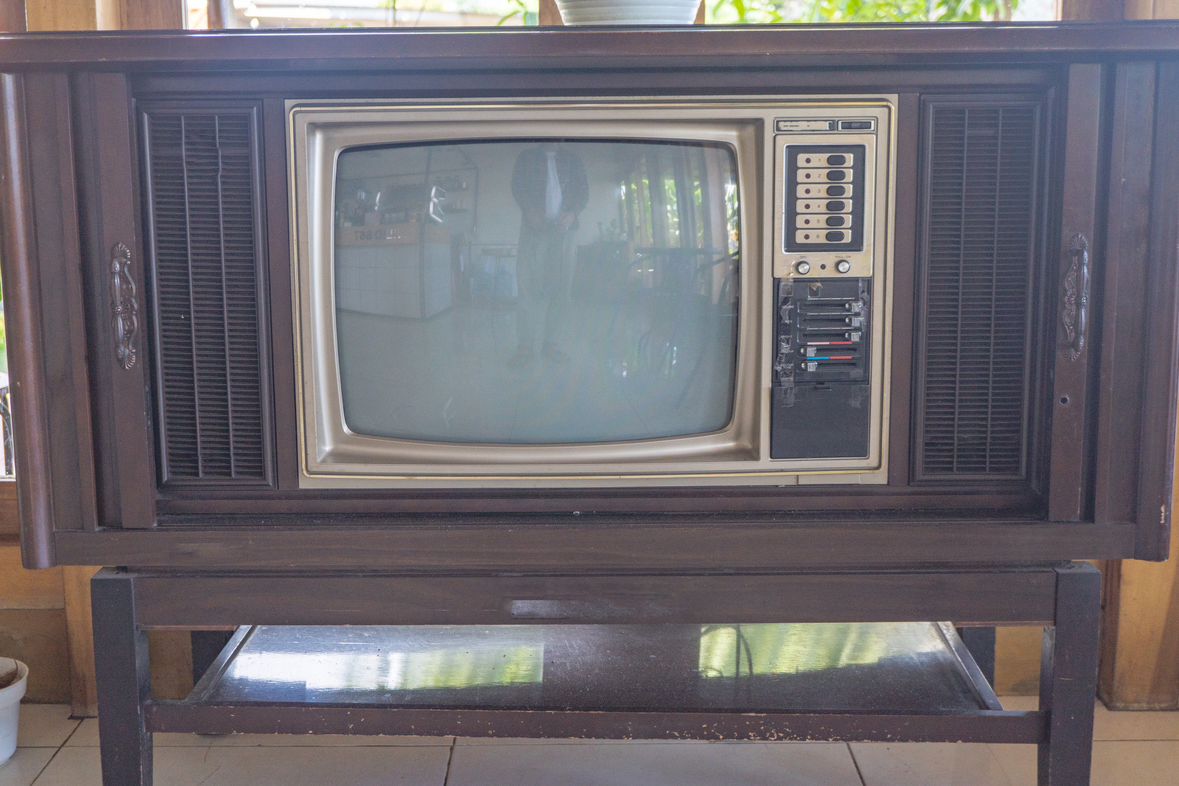
In the sixties, “channel surfing” wasn’t really a thing because there were only three major networks to choose from: ABC, CBS, and NBC. If nothing good was on those three channels, your only other option was to turn the TV off or watch static. There were no streaming services, no DVRs, and certainly no “on-demand” content to satisfy a specific craving. You watched what was scheduled, at the time it was scheduled, or you missed it entirely.
The concept of “appointment viewing” is a foreign language to younger generations who are used to infinite libraries of content. The idea that a whole nation would sit down at the exact same time to watch The Ed Sullivan Show creates a shared cultural experience that is hard to replicate today. We now live in fragmented media bubbles where everyone watches something different on their own schedule. Back then, if you missed the big show on Tuesday night, you were completely out of the loop at the water cooler the next morning.
9. Hitchhiking as a Standard Way to Get Around
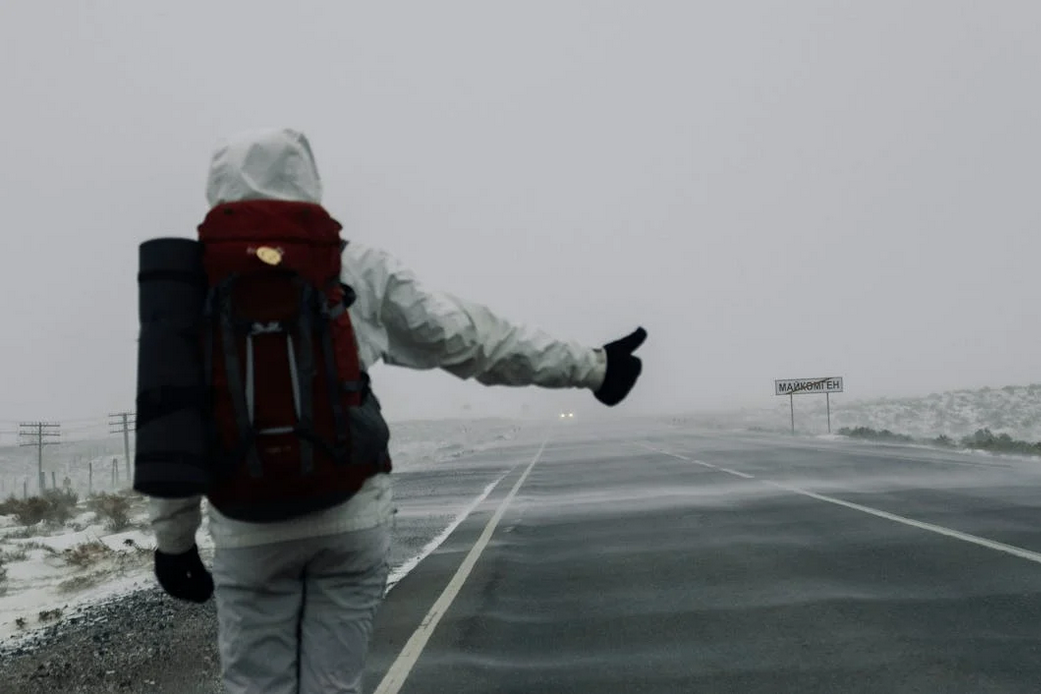
While hitchhiking is now viewed as a dangerous gamble, it was a remarkably common and socially acceptable way to travel in the 1960s. Students, soldiers, and travelers would stand by the side of the road with a thumb out, expecting a friendly stranger to pull over. It was seen as a way to meet new people and save a few bucks on gas or bus fare. There was a general sense of communal trust that made the practice feel more adventurous than life-threatening.
For younger people who have been taught “stranger danger” from birth, the thought of getting into a random car is terrifying. We have Uber and Lyft now, which provide digital footprints and driver ratings to ensure safety. The lawless nature of 1960s hitchhiking seems like a relic from a different planet where people were less cynical. It speaks to a time when the world felt a little smaller and perhaps a bit more connected, for better or worse.
10. Manual Typewriters and Carbon Paper
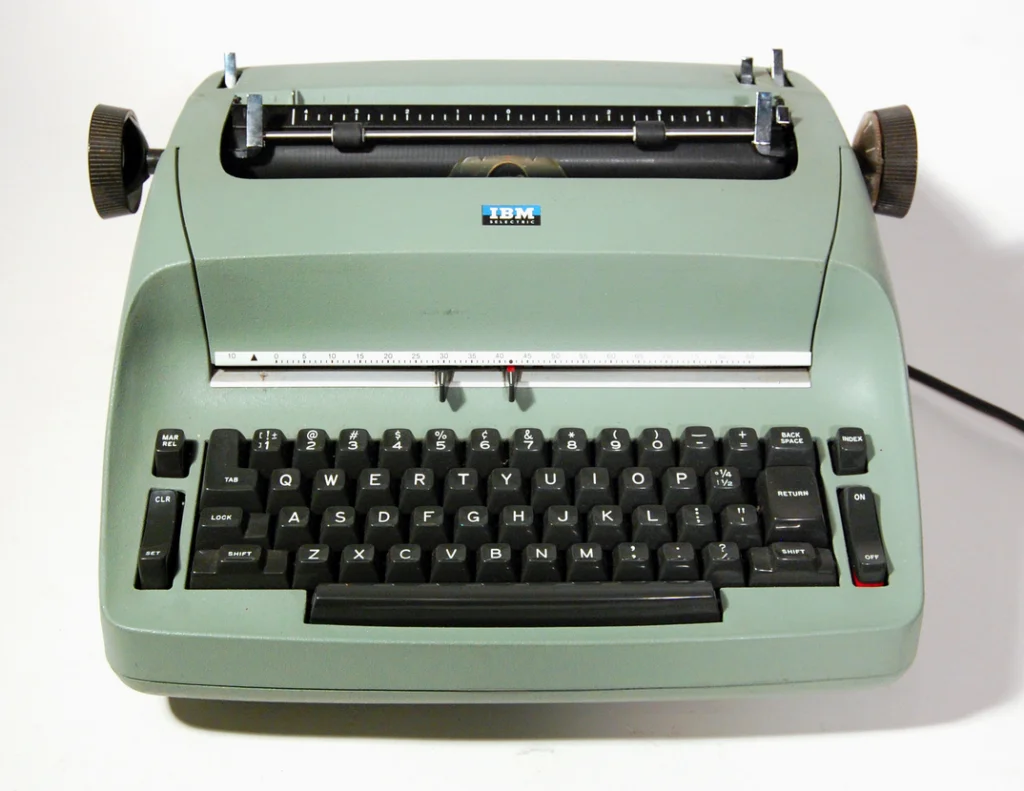
Writing a professional document or a term paper in the 1960s was a physical workout and a test of precision. If you made a typo on a manual typewriter, you couldn’t just hit backspace; you had to use messy correction fluid or start the whole page over. To make a copy of a letter, you had to sandwich a sheet of “carbon paper” between two pieces of stationery. This left blue or black smudges on your fingers and required you to press the keys with significant force to ensure the ink transferred.
The convenience of a modern word processor makes the typewriter feel like a medieval torture device. Younger generations are used to infinite edits, spell-check, and the ability to “undo” any mistake with a quick keystroke. The permanence of the typed word in the sixties meant that writers had to think much more carefully before they ever touched a key. It was a loud, tactile, and unforgiving process that turned every letter into a labor-intensive project.
11. Lead Paint and Asbestos Everywhere

The 1960s were a golden age for materials that we now know are incredibly toxic. Lead-based paint was the standard for homes because of its durability and vibrant colors, despite the risk it posed to children. Asbestos was hailed as a miracle mineral for its fire-resistant properties and was packed into ceilings, flooring, and insulation. People lived, worked, and played in environments that were essentially chemical time bombs, unaware of the long-term health consequences.
Today, the discovery of lead or asbestos in a building triggers a massive, expensive hazmat cleanup. Younger generations find it unbelievable that these substances were once marketed as high-quality home improvements. We have much stricter safety regulations and a deeper understanding of environmental health than our sixties counterparts. Looking back, it seems like a miracle that people survived an era where their very walls were made of hazardous materials.
12. Using Phone Books and Information Operators
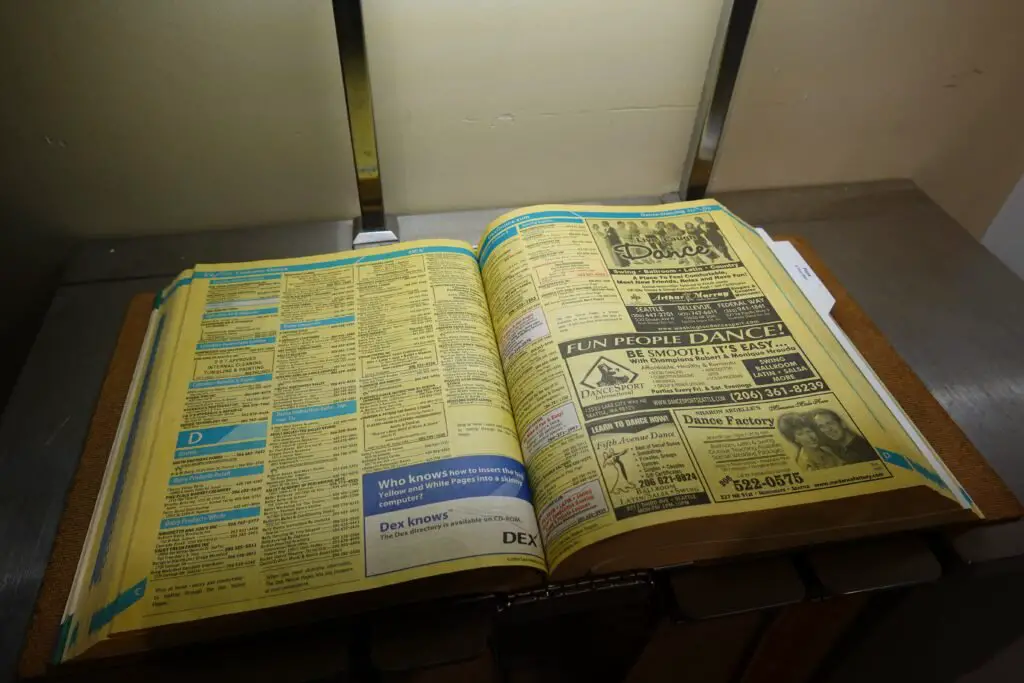
If you needed to find a person’s phone number or a business’s address in the sixties, you reached for a massive, yellow-paged book. Every household received these heavy directories annually, and they were the only “search engine” available. If the number wasn’t in the book, you would dial “411” to speak to a live operator who would look it up for you. There was no “Googling” a restaurant to see if it was open; you had to call and ask.
The idea of a physical book containing everyone’s private contact information feels like a massive privacy breach to people today. We are used to digital privacy settings and the ability to find any information in seconds via a smartphone. The phone book has become a relic of the past, often used as a doorstop or a booster seat before being recycled. It’s hard to imagine the patience required to flip through thousands of tiny-print names just to find a pizza place.
13. Drinking Water Directly from the Garden Hose

On a hot summer day in the 1960s, nobody was running inside for a BPA-free filtered water bottle. Instead, kids would just grab the green rubber garden hose, turn on the spigot, and drink directly from the nozzle. The water usually tasted a bit like rubber and sun-warmed plastic, but it was the ultimate convenience for a kid on the move. It was a gritty, unfiltered rite of passage that defined summer afternoons for millions.
Modern sensibilities regarding bacteria and chemical leaching make this habit sound quite unappealing to younger generations. We are conditioned to drink filtered, bottled, or tap water from clean glasses, making the “hose method” seem unsanitary. There is a certain nostalgia for that metallic taste, but most people today wouldn’t dream of letting their kids hydrate from the same tool used to water the petunias. It’s a small detail that highlights how much our standards for hygiene and safety have shifted.
14. Seat Belts Being Purely Optional
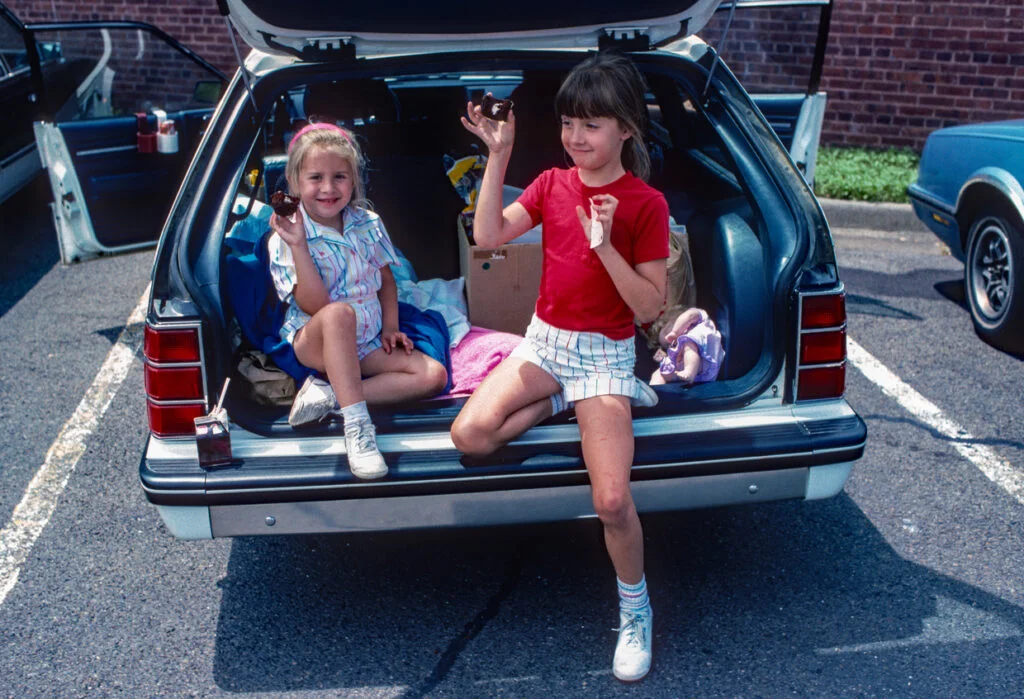
In the 1960s, many cars didn’t even come equipped with shoulder belts, and lap belts were often tucked deep into the creases of the seats, never to be used. Kids would pile into the back of a station wagon, often rolling around in the “way back” area without any restraints at all. There were no car seats for infants; babies were often held in their mothers’ arms or placed in flimsy bassinets on the seat. Safety was an afterthought compared to the style and horsepower of the vehicle.
To a generation that has grown up with “Click It or Ticket” laws and high-tech airbags, this sounds like a death wish. We view seat belts as a non-negotiable part of entering a vehicle, and the engineering of modern car seats is a science in itself. The casual attitude toward road safety in the sixties is one of the most jarring differences between then and now. It was a “wild west” era of driving where the thrill of the open road came with a much higher level of physical risk.