
1. Sending Children Outside All Day With No Way to Check In

In many families, kids were told to go outside after breakfast and not come back until dinner. There were no phones, no tracking, and no way for parents to check where anyone was. As long as you showed up by sunset, everything was considered fine. Scraped knees and dirty clothes were expected parts of the day.
To younger generations, this sounds less like freedom and more like abandonment. Parents trusted neighborhoods, other adults, and a loose sense of order that feels impossible now. The idea that no one panicked if a child disappeared for hours is hard to grasp. It relied on a level of social trust that simply does not exist in the same way today.
2. Letting Doctors Smoke During Appointments

It was not unusual for doctors to smoke while talking to patients in the ’60s. Ashtrays sat on desks, and cigarettes were treated as normal, even in exam rooms. Smoking was still widely promoted and rarely questioned. Medical authority and tobacco culture overlapped in ways that now seem absurd.
Younger generations struggle to imagine this without disbelief. The idea of receiving health advice from someone actively smoking feels almost satirical. At the time, the risks were downplayed or ignored entirely. It is a stark reminder of how recently medical consensus shifted.
3. Drinking From the Garden Hose Regularly

Kids in the ’60s did not carry water bottles or stop for hydration breaks. If you were thirsty, you turned on the nearest hose and drank straight from it. The taste of rubber and metal was just part of the experience. No one questioned whether it was safe.
Today, this habit sounds borderline dangerous. Concerns about chemicals, bacteria, and water quality make it feel reckless. Back then, it was simple and convenient. The fact that it was universal makes it even harder for younger people to believe.
4. Answering the Phone Without Knowing Who Was Calling

When the phone rang, someone picked it up without any idea who was on the other end. There was no caller ID and no screening. Kids often answered, and it was normal to speak to complete strangers. Hanging up on someone felt rude.
Younger generations are used to control and filtering. Unknown numbers are ignored, silenced, or blocked. The idea of automatically answering every call feels stressful and unnecessary. It reflects a time when communication was slower and more personal.
5. Smoking on Airplanes, Buses, and Trains

Public transportation in the ’60s was filled with cigarette smoke. Smoking sections were common, even though smoke drifted everywhere. Flights, buses, and trains all allowed it without much debate. It was treated as a personal choice rather than a shared problem.
Today, this habit sounds unbearable. Younger travelers are used to strict bans and clean air. The thought of being trapped in a metal tube filled with smoke is shocking. It highlights how public health standards have changed.
6. Riding in Cars Without Seatbelts

Seatbelts existed, but many people did not use them in the ’60s. Kids stood on seats, leaned out windows, or rode in the back of trucks. Safety rules were minimal, and enforcement was rare. Accidents were seen as bad luck rather than preventable.
To younger generations, this feels reckless. Car safety is now drilled into people from childhood. The casual attitude toward risk is hard to understand. It shows how much safety culture has evolved.
7. Leaving Doors Unlocked All the Time

Many families in the ’60s did not lock their doors during the day, or even at night. Neighborhoods were assumed to be safe, and crime felt distant. Keys were often left inside or hidden in obvious places. Trust was built into daily life.
Younger generations are raised on caution and security systems. Locking doors is automatic, not optional. The idea of constant unlocked access feels naive. It reflects a different relationship with fear and risk.
8. Accepting Corporal Punishment at School
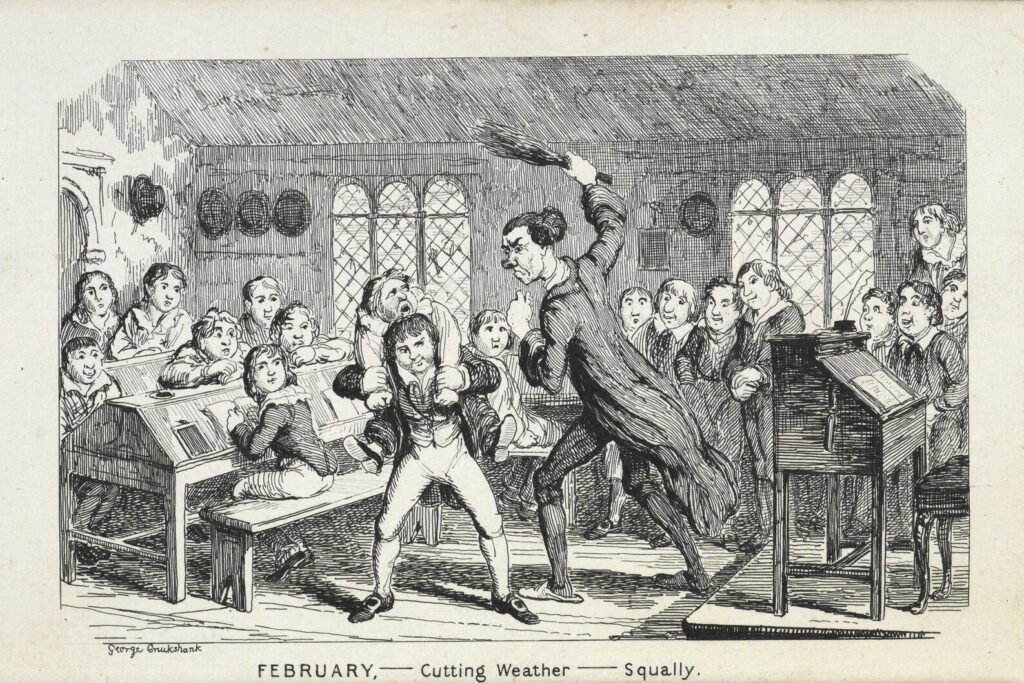
Physical punishment in schools was still common in the ’60s. Teachers could paddle or hit students, often with parental approval. Discipline was public and sometimes humiliating. It was seen as character building.
Today, this practice sounds shocking and abusive. Younger generations associate school with protection, not physical harm. The shift in attitudes toward child psychology is dramatic. What was once normal is now unacceptable.
9. Following Rigid Gender Roles Without Question

Daily habits in the ’60s were deeply shaped by gender expectations. Men worked, women managed the home, and deviation was discouraged. These roles were reinforced socially, legally, and culturally. Questioning them was rare and risky.
Younger generations are used to flexibility and choice. The idea of an entire life path being predetermined feels unreal. It shows how social norms once dictated behavior. Change came slowly and unevenly.
10. Trusting Advertisements Almost Completely

Advertisements in the ’60s were often taken at face value. If a product claimed to be healthy, modern, or essential, people believed it. Regulation was limited, and skepticism was low. Commercials carried authority.
Today, younger consumers are trained to doubt marketing. Claims are researched, compared, and questioned. The idea of blind trust feels outdated. It reflects a time when media was less fragmented.
11. Allowing Kids to Handle Fireworks Freely

Fireworks were often handed directly to children with little supervision. Sparklers, firecrackers, and small explosives were treated like toys. Injuries were common but accepted. Safety warnings were minimal.
Younger generations are surprised by how casual this was. Fireworks are now tightly regulated and supervised. The earlier attitude feels dangerously relaxed. It underscores how risk was normalized.
12. Living Without Air Conditioning as a Default

Many homes in the ’60s did not have air conditioning. Summers were endured with fans, open windows, and cold drinks. Heat was uncomfortable but expected. Complaining did not change much.
Younger generations are used to climate control everywhere. The idea of just tolerating extreme heat feels foreign. Comfort expectations have shifted significantly. Technology reshaped daily life.
13. Memorizing Phone Numbers Instead of Writing Them Down
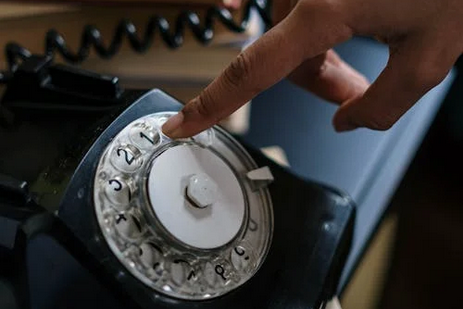
People in the ’60s memorized important phone numbers. Friends, family, and workplaces were stored in your head. Losing a small address book could be a real problem. Memory was essential.
Today, phones store everything automatically. Younger generations rarely memorize numbers at all. The habit feels unnecessary and difficult. It reflects how technology changed cognitive habits.
14. Accepting Authority Without Much Pushback

Authority figures in the ’60s were rarely challenged in everyday life. Teachers, bosses, doctors, and officials were trusted by default. Questioning them was seen as disrespectful. Compliance was expected.
Younger generations are encouraged to ask questions and advocate for themselves. Blind trust feels unsafe or unwise. The cultural shift toward skepticism is clear. It marks a major change in how power is viewed.