1. Janet Leigh’s Shower Scene in Psycho (1960)
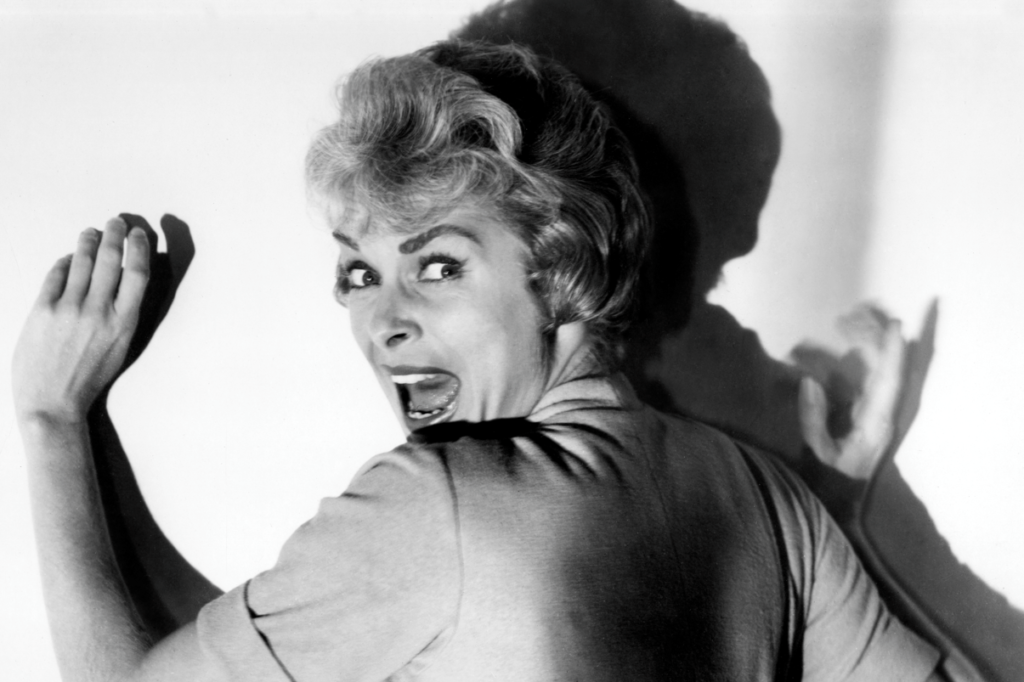
Few movie moments have ever shocked audiences the way the shower scene in Psycho did in 1960. Viewers had settled into what seemed like a typical suspense film when suddenly Janet Leigh’s Marion Crane was attacked in the most vulnerable moment imaginable. The rapid editing, screeching violins from Bernard Herrmann’s score, and flashes of the knife created a sense of chaos that felt terrifyingly real. Alfred Hitchcock never actually shows the blade entering the body, yet the scene feels brutally graphic.
Audiences reportedly screamed in theaters and some even avoided showers afterward. It also broke an unwritten rule of Hollywood storytelling by killing off the apparent lead character early in the film. That narrative shock helped make the moment unforgettable. Even people who have never seen the full movie instantly recognize the imagery of the shower curtain being ripped open. More than sixty years later, it remains one of the most analyzed scenes in film history.
2. The Skeleton Army Battle in Jason and the Argonauts (1963)
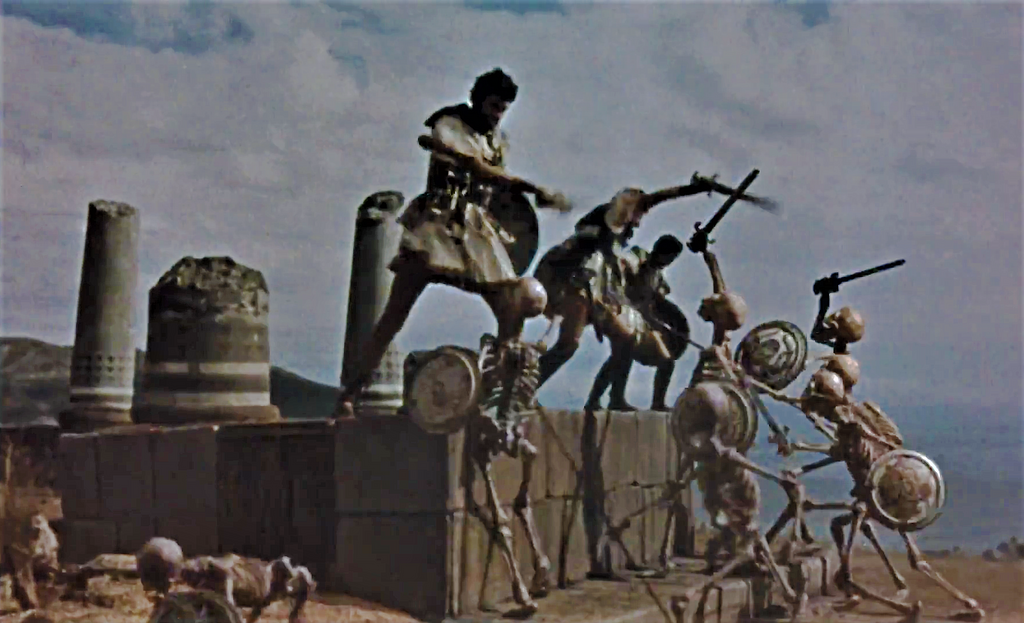
One of the most unforgettable fantasy sequences of the 1960s comes from Jason and the Argonauts. Toward the end of the film, Jason and his companions face an army of skeleton warriors that suddenly rise from the ground. The moment is both eerie and exciting, especially for audiences who had never seen creatures move like that on screen before. The skeletons clatter together with swords and shields, surrounding the heroes in a tense battle.
The sequence was created by legendary stop motion animator Ray Harryhausen. It took months of painstaking work to blend the animated skeletons with the live actors. The choreography of the fight makes the skeletons feel strangely alive despite being animated. Audiences were amazed by the technical achievement when the film premiered. Even today, the skeleton battle is widely considered one of the greatest visual effects scenes of classic adventure cinema.
3. The Chariot Race in Ben-Hur (1959)
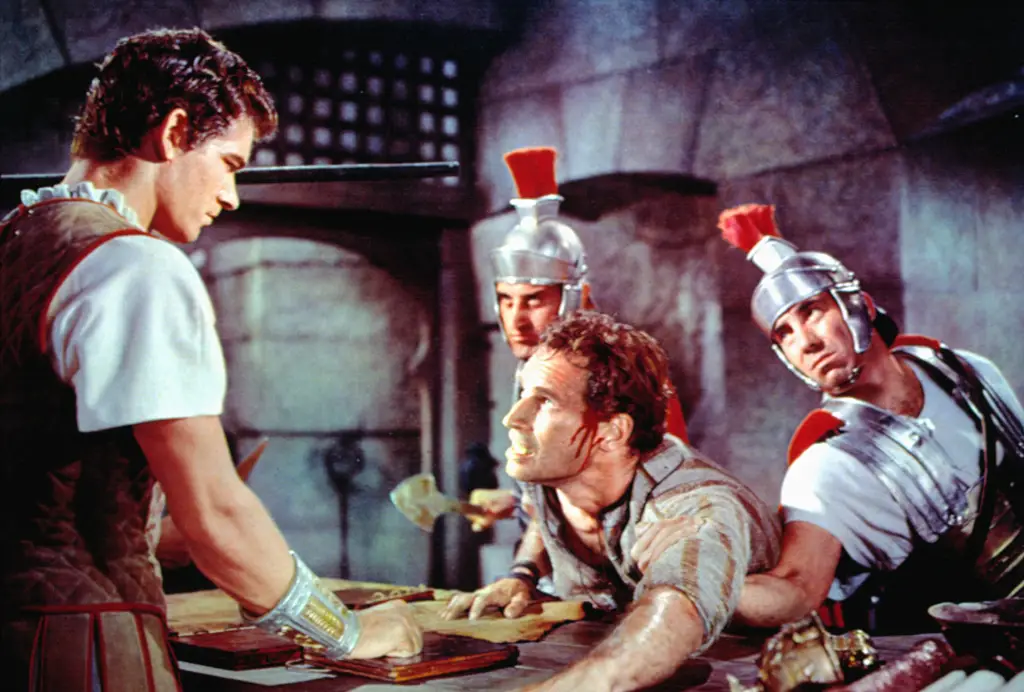
The chariot race in Ben-Hur is one of the most spectacular sequences ever put on film. Charlton Heston’s Judah Ben-Hur faces his rival Messala in a brutal race inside a packed Roman arena. The scale of the scene was staggering, with massive sets, thousands of extras, and real chariots racing at dangerous speeds. Viewers in 1959 had never seen anything quite like it.
The sequence runs for nearly ten minutes and never loses its intensity. Horses thunder across the sand while the chariots crash and splinter around the track. Stephen Boyd’s Messala is eventually thrown beneath the wheels in a shocking moment. The scene won praise for its realism and practical stunt work. Even today, many filmmakers still consider it the gold standard for action spectacle.
4. The Statue of Liberty Reveal in Planet of the Apes (1968)
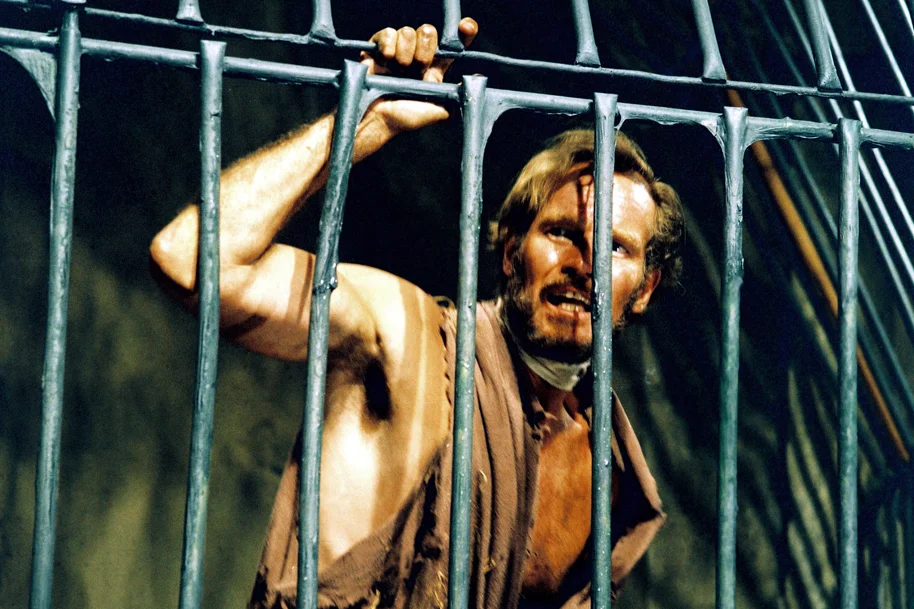
The final moments of Planet of the Apes delivered one of the most famous twists in science fiction. Charlton Heston’s astronaut Taylor believes he has landed on a distant alien world ruled by intelligent apes. After escaping captivity, he rides along the beach searching for answers about the strange planet. What he finds changes everything.
Half-buried in the sand is the ruined Statue of Liberty. The shocking reveal means he was on Earth all along, long after civilization destroyed itself. Heston falls to his knees in despair as the truth sinks in. The moment transformed the film from a simple adventure into a haunting warning about humanity’s future. That final image has stayed with audiences ever since.
5. The Motorcycle Jump in The Great Escape (1963)
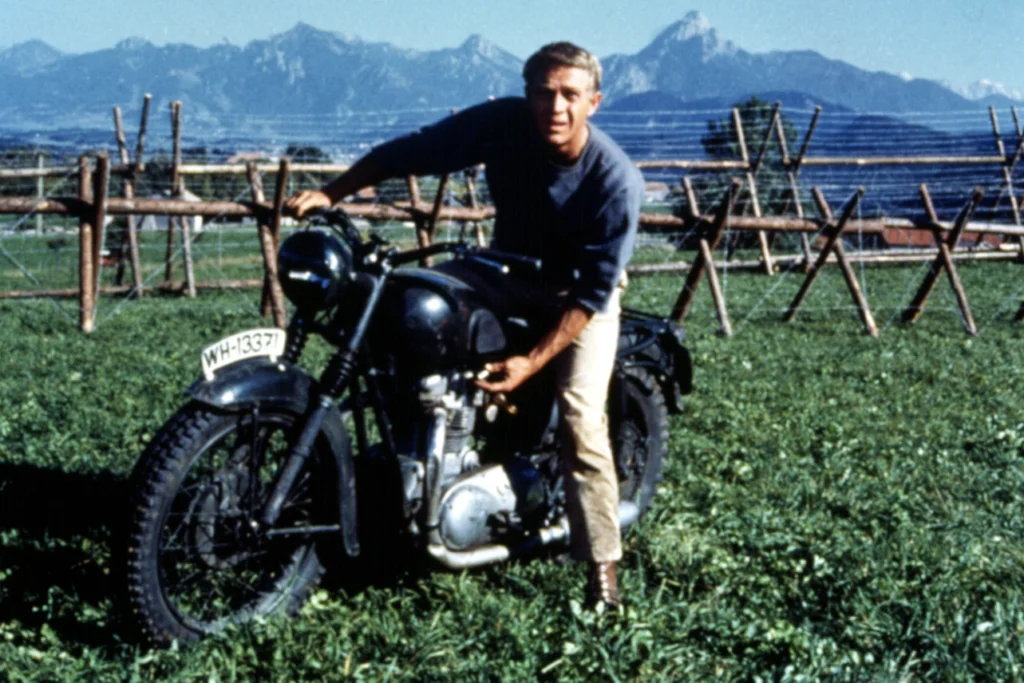
Steve McQueen’s motorcycle chase in The Great Escape became one of the defining action scenes of the decade. After escaping a German prison camp during World War II, McQueen’s character attempts to outrun pursuing soldiers. The chase leads across open countryside and toward the Swiss border. The tension builds as he approaches a barbed-wire fence.
The dramatic leap over the fence has become legendary among movie fans. McQueen performed many of his own riding stunts, though the final jump itself was completed by stuntman Bud Ekins. The scene captured McQueen’s cool, rebellious screen persona perfectly. Even people who have not seen the film often recognize the moment. It remains one of the most famous motorcycle scenes ever filmed.
6. Dustin Hoffman on the Pool Float in The Graduate (1967)
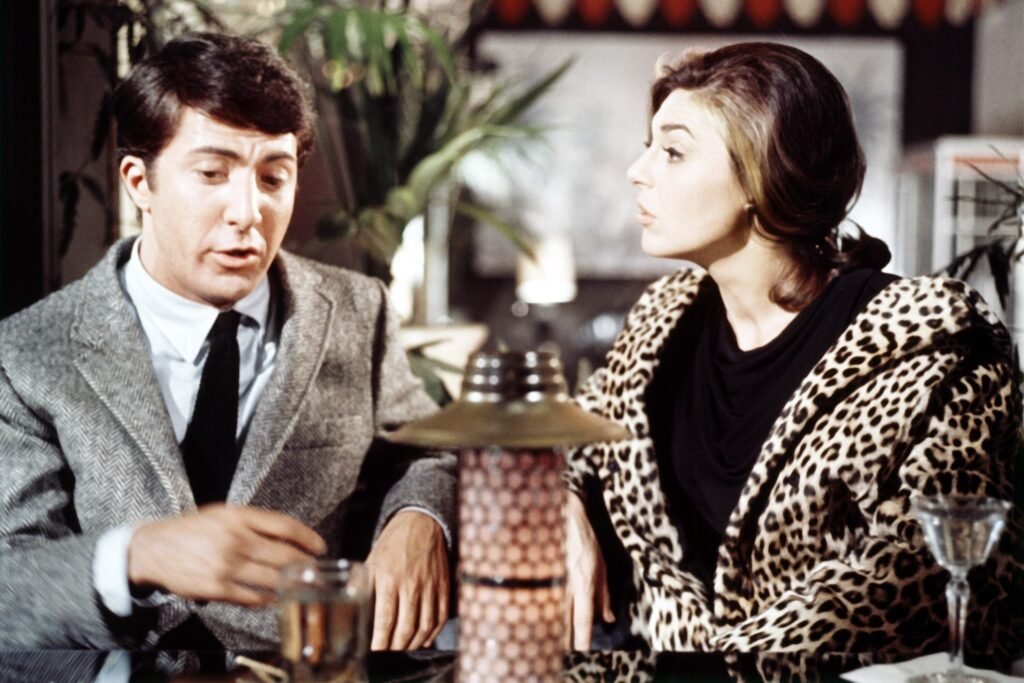
One quiet scene in The Graduate perfectly captured the confusion of young adulthood in the late ’60s. Benjamin Braddock, played by Dustin Hoffman, lies floating on an inflatable raft in his parents’ swimming pool. The camera lingers as he drifts aimlessly, staring up at the sky. Nothing dramatic happens, yet the scene says a lot.
Director Mike Nichols used the moment to show Benjamin’s growing sense of isolation. After graduating college, he feels completely lost about what comes next. The stillness of the pool contrasts with the chaos in his mind. Many viewers saw their own uncertainty reflected in the character. That simple image of Hoffman floating quietly became one of the film’s most recognizable moments.
7. The Party Scene in Breakfast at Tiffany’s (1961)
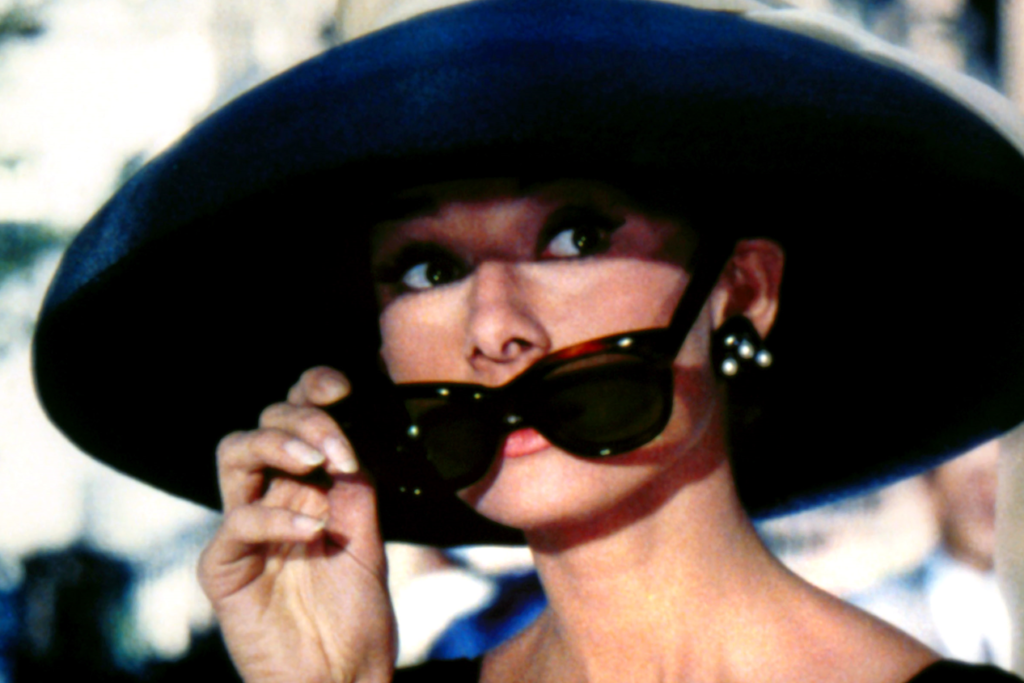
The wild apartment party in Breakfast at Tiffany’s captures the carefree energy of early ’60s Manhattan. Holly Golightly, played by Audrey Hepburn, throws a gathering that quickly spirals into chaos. Guests squeeze into the small apartment, music blares, and drinks are flowing everywhere. The scene feels lively, messy, and spontaneous.
Strange characters wander through the room while Holly tries to keep the party under control. At one point a guest even begins singing while standing on a chair. The moment shows Holly’s glamorous but unstable lifestyle. It also helped cement Hepburn’s image as one of the most stylish stars of the era. Many viewers still associate the film with this energetic party sequence.
8. The Title Sequence in Goldfinger (1964)
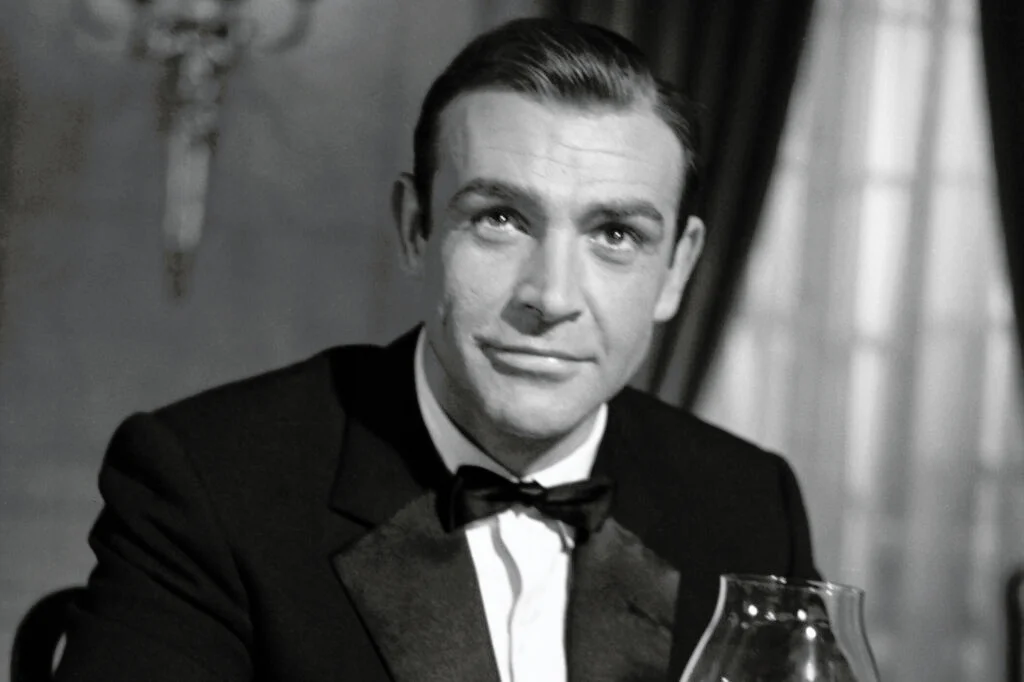
The opening of Goldfinger helped define what audiences expected from a James Bond film. After a brief action sequence, the movie launches into a striking title montage. Images are projected onto a gold-painted woman’s body while Shirley Bassey belts out the theme song. The combination of music and visuals instantly grabs attention.
Designer Robert Brownjohn created a style that would influence Bond movies for decades. The shimmering gold imagery perfectly matches the film’s theme of wealth and obsession. For audiences in the mid ’60s, it felt sleek and modern. The sequence also set the standard for elaborate Bond title songs. Even today, it remains one of the most recognizable openings in the franchise.
9. The Balcony Fight in West Side Story (1961)
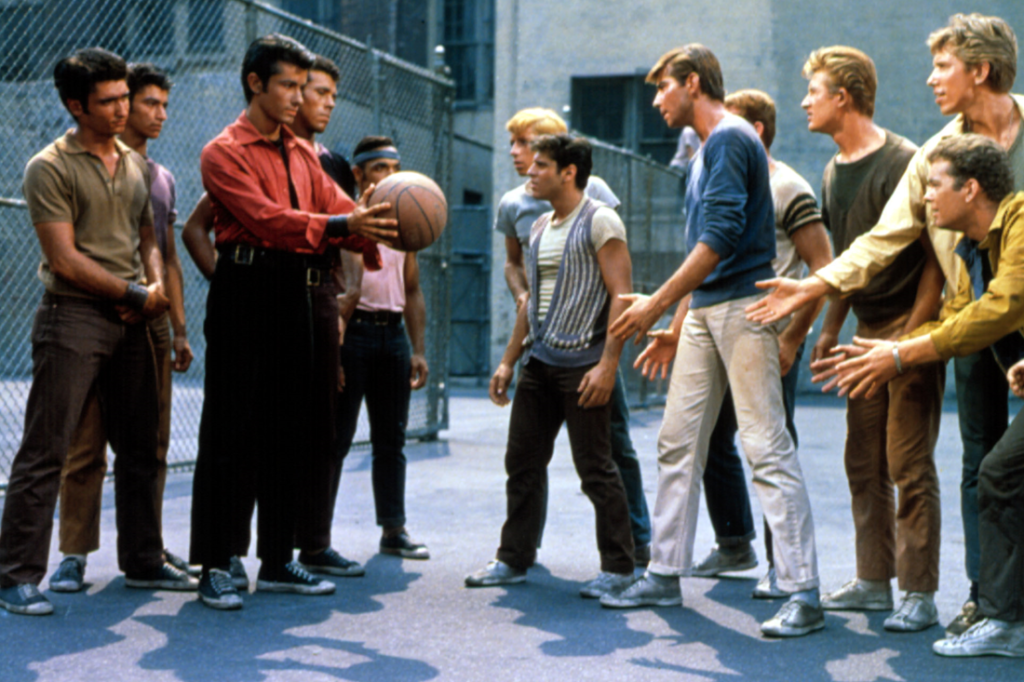
West Side Story blended romance and tragedy, and one of its most powerful scenes unfolds after a violent street confrontation. The Jets and Sharks clash during a tense rumble that spirals out of control. When the fight ends, two characters lie dead. The shock of the moment hits both gangs immediately.
The emotional fallout changes everything for Tony and Maria. Their love story suddenly feels far more fragile and dangerous. The scene mixes music, choreography, and raw emotion in a way that few films had attempted before. Audiences were stunned by how quickly the tone shifted from romance to tragedy. It remains one of the musical’s most unforgettable moments.
10. The “You Can’t Handle the Truth” Courtroom Style Speech in To Kill a Mockingbird (1962)

One of the most powerful scenes in To Kill a Mockingbird comes during Atticus Finch’s closing argument in court. Gregory Peck delivers a calm but deeply emotional speech while defending Tom Robinson. The courtroom grows quiet as Finch appeals to the jury’s sense of justice. His words expose the racial prejudice at the heart of the case.
Peck’s performance helped turn Atticus Finch into one of cinema’s most respected characters. The scene is remembered for its dignity and moral clarity. Audiences in the early ’60s found the message especially powerful during the Civil Rights era. Many viewers still recall the way the courtroom balcony rises in silent respect afterward. It remains one of the most moving courtroom moments in film history.
11. The “Plastics” Advice in The Graduate (1967)
Early in The Graduate, Benjamin attends a party thrown by his parents to celebrate his college graduation. During the gathering, a family friend pulls him aside for some serious career advice. The man leans in and quietly delivers a single word: “Plastics.” The suggestion is meant to represent the future of American industry.
The moment became an instant cultural reference point. It perfectly captures the generational gap between Benjamin and the adults around him. To them, success is simple and predictable. To Benjamin, the advice feels hollow and meaningless. The line has been quoted for decades as a symbol of conventional expectations. It remains one of the most memorable lines of the era.
12. The Finale Bus Ride in The Graduate (1967)
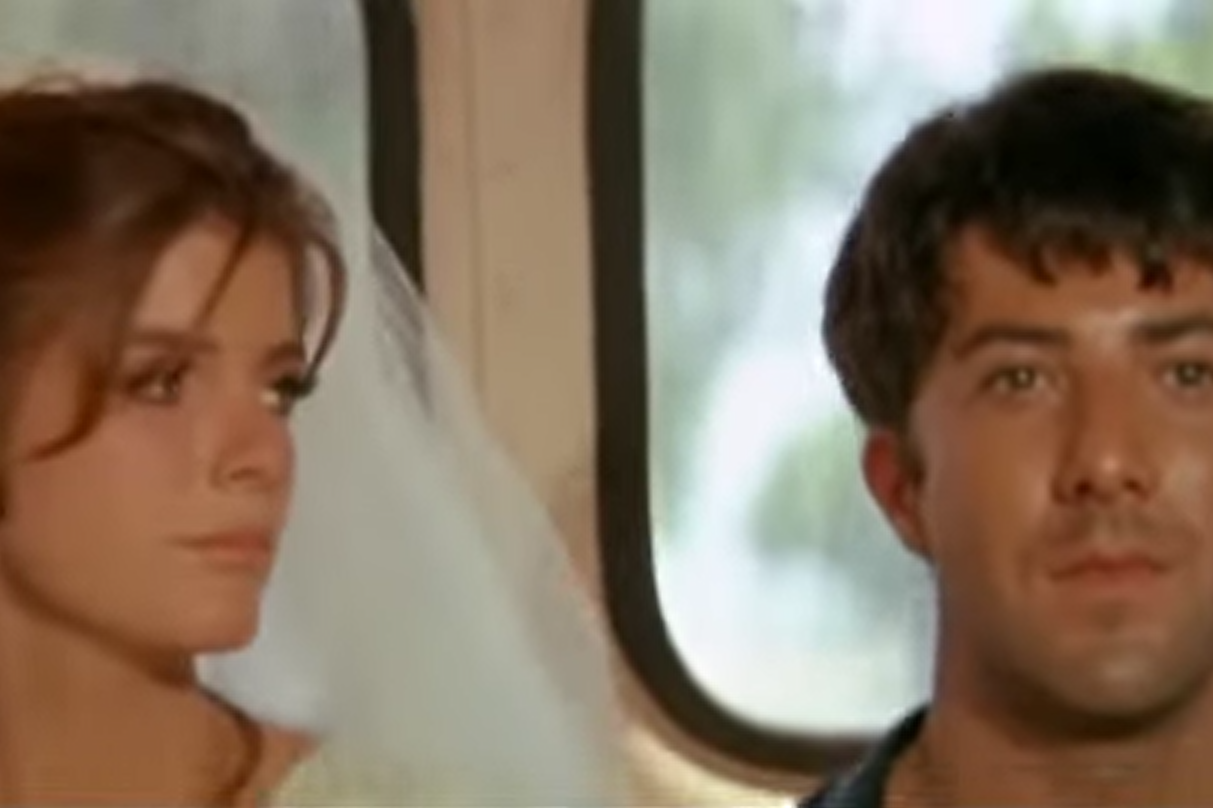
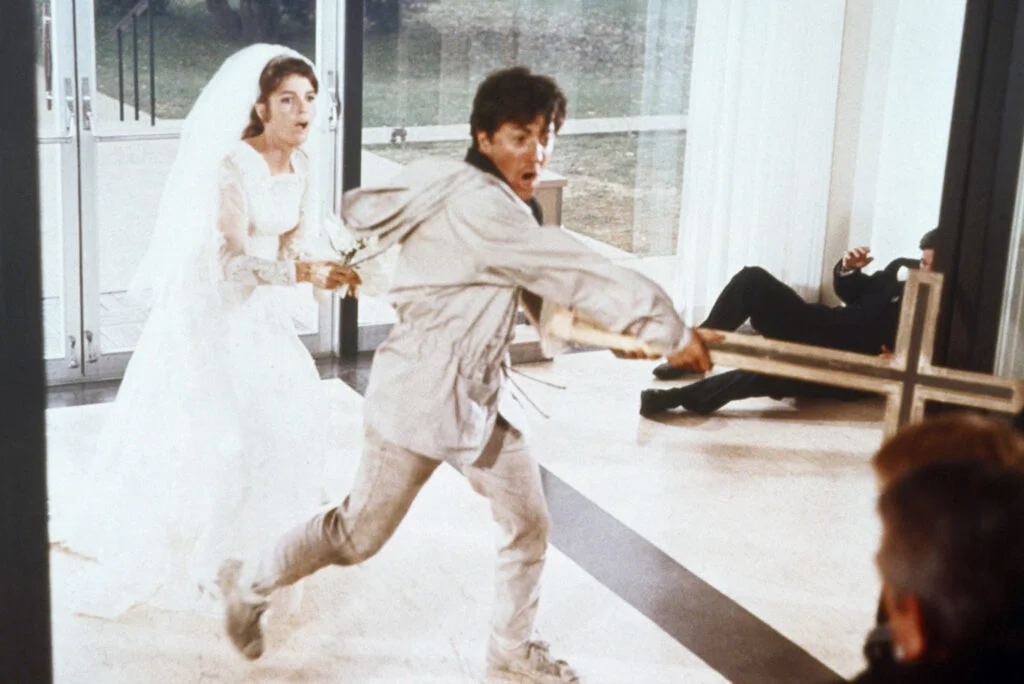
The ending of The Graduate leaves audiences with a moment that feels both triumphant and uncertain. After interrupting Elaine’s wedding, Benjamin convinces her to run away with him. The two jump onto a city bus, laughing and breathless from the escape. At first the moment feels like a classic romantic victory.
Then something changes as the bus continues down the road. Their smiles slowly fade and the excitement drains from their faces. The silence becomes uncomfortable and reflective. Director Mike Nichols lets the camera linger on the uncertainty of what they have done. That ambiguous final shot became one of the most discussed endings of the decade.
13. The Mirror Scene in Midnight Cowboy (1969)
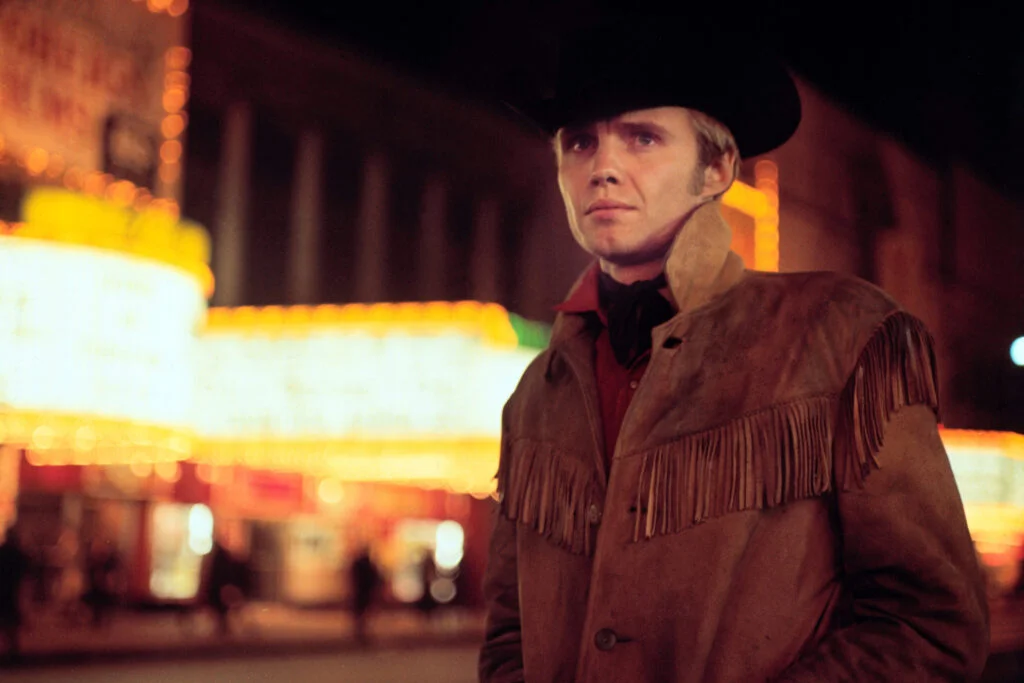
One of the most quoted scenes in Midnight Cowboy happens during a heated argument between Joe Buck and Ratso Rizzo. The two men are frustrated and exhausted while trying to survive in New York City. Ratso suddenly slams his fist against a car hood during a street confrontation. He shouts a line that instantly stuck with audiences.
“I’m walkin’ here!” became one of the most famous improvised moments in movie history. Actor Dustin Hoffman reportedly reacted to a real taxi that nearly hit them during filming. The raw energy of the scene adds to the film’s gritty realism. It perfectly captures the rough, unpredictable feel of New York in the late ’60s. The line is still quoted today whenever someone steps into traffic.
14. The Finale of Butch Cassidy and the Sundance Kid (1969)
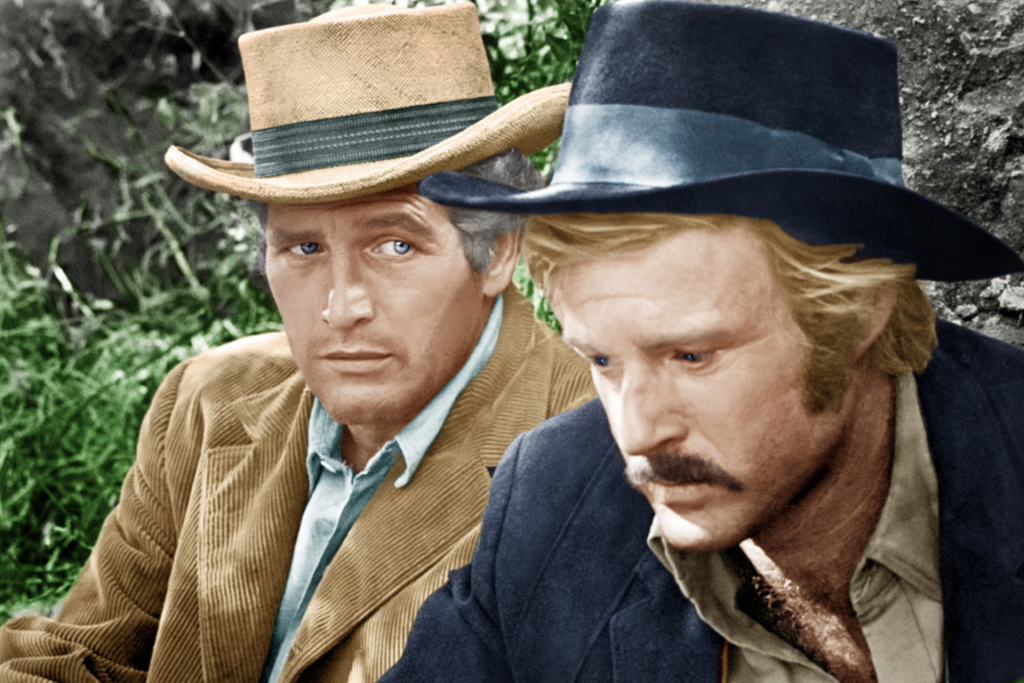
The ending of Butch Cassidy and the Sundance Kid leaves a lasting impression with its unusual storytelling choice. Paul Newman and Robert Redford play the famous outlaws cornered by a large group of soldiers in Bolivia. After a long chase, they realize escape may be impossible. Instead of surrendering, they decide to make one final charge.
As they run out of the building with guns drawn, the image suddenly freezes. The film cuts to a sepia-toned still frame just before the gunfire begins. The audience never sees the actual outcome, but the implication is clear. The artistic choice made the finale both haunting and memorable. Decades later, it remains one of the most distinctive endings in classic Hollywood cinema.