
1. George Chakiris

George Chakiris seemed poised for a long, glittering career after winning an Academy Award for playing Bernardo in West Side Story. His athletic dancing, striking looks, and confident screen presence made him feel like a ready-made leading man for the rest of the decade. He followed that success with films like Diamond Head and Kings of the Sun, but none captured the same cultural lightning. Hollywood quickly shifted its attention to newer faces and changing trends in the late ’60s.
Chakiris continued acting on stage and television, often earning praise for his craft even when the projects were smaller. For many fans, though, he remains forever linked to that one towering performance that defined an era. It’s one of those careers that makes you wonder how differently things might have gone with the right follow-up role. His talent was never in question, only the timing and the industry’s fickle attention.
2. Sue Lyon

Sue Lyon became an overnight sensation after her controversial, unforgettable performance in Lolita. She had a haunting screen presence that suggested a long dramatic career ahead. Throughout the early ’60s, she appeared in films like The Night of the Iguana and Seven Women, holding her own alongside seasoned actors. Yet the intense attention and typecasting proved difficult to escape.
By the 1970s, Lyon had largely stepped away from major studio roles, and her career slowly faded from public view. Her early fame came with heavy expectations that few young actors could realistically sustain. Looking back, it feels like Hollywood never quite figured out how to use her range beyond that initial shockwave. She remains a fascinating example of early stardom arriving faster than stability.
3. Pamela Tiffin
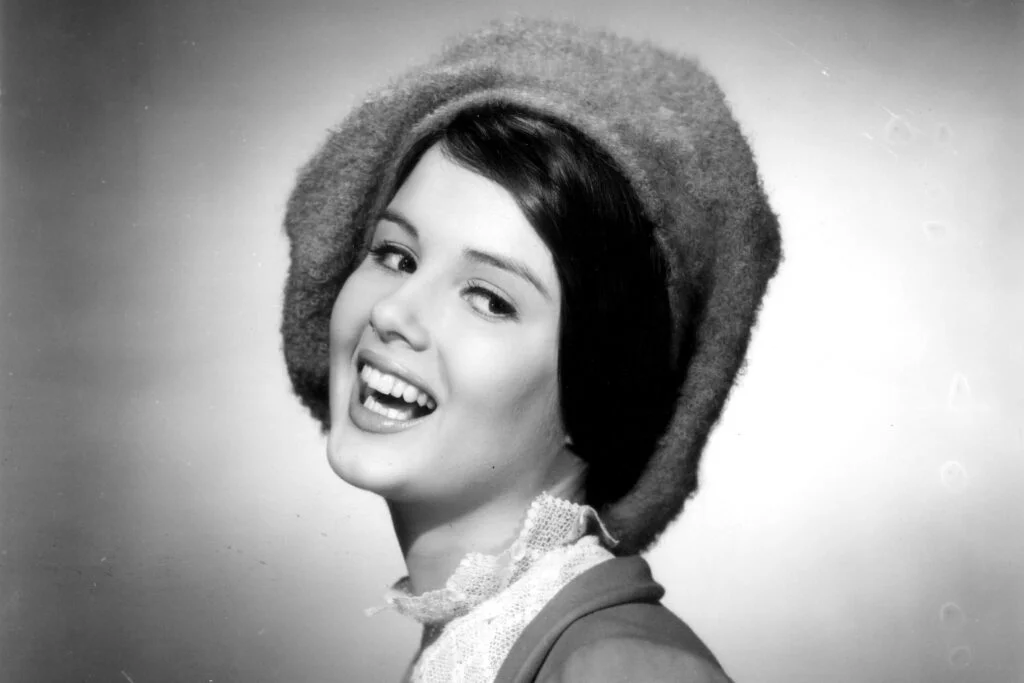
Pamela Tiffin had a bright, breezy charm that made her a natural fit for romantic comedies like One, Two, Three and State Fair. She represented the wholesome, approachable side of early ’60s movie stardom, and audiences responded warmly. Studios clearly saw her as a potential long-term leading lady. For a while, her career momentum seemed steady and promising.
Then, somewhat unexpectedly, Tiffin stepped away from Hollywood and moved to Europe, eventually shifting her focus to art and personal pursuits. She left acting while she was still widely recognizable, which added to the sense of what might have been. Fans who revisit her films often remark on how effortlessly she carried the screen. Her disappearance from movies feels less like a failure and more like a quiet, intentional exit.
4. Carol Lynley
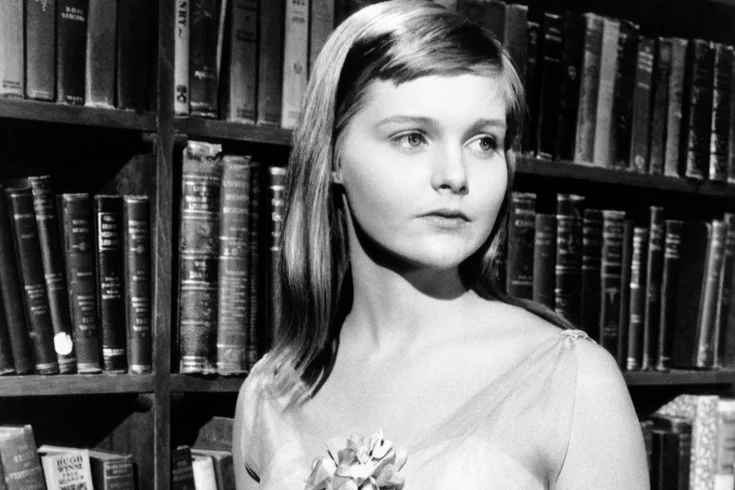
Carol Lynley made a powerful impression in films such as Blue Denim and The Poseidon Adventure, balancing vulnerability with quiet strength. In the early ’60s, she was frequently cast in emotionally complex roles that hinted at serious dramatic potential. Her performances suggested she could easily grow into heavyweight leading roles as the decade progressed. Audiences recognized her face even if her name wasn’t always front and center.
As the industry changed, Lynley shifted more toward television work and gradually stepped back from major film projects. She remained respected but never quite reached the superstar status many expected. Revisiting her performances today highlights how naturally compelling she was on screen. It’s another case of a strong talent slightly outpaced by shifting Hollywood priorities.
5. Michael Sarrazin

Michael Sarrazin broke through with the romantic drama They Shoot Horses, Don’t They?, delivering an intense, emotionally layered performance. He had the brooding, modern look that studios were increasingly drawn to as the ’60s turned darker and more experimental. For a moment, it seemed like he might become one of the decade’s defining dramatic leads. His work suggested depth and long-term potential rather than fleeting teen-idol appeal.
However, his career became increasingly selective and less visible in major releases. Sarrazin continued acting, particularly in television and international projects, but the mainstream spotlight faded. Many film fans still discover his work and wonder why his name isn’t more widely remembered today. His career feels like a slow fade rather than a sudden collapse.
6. Robert Walker Jr.
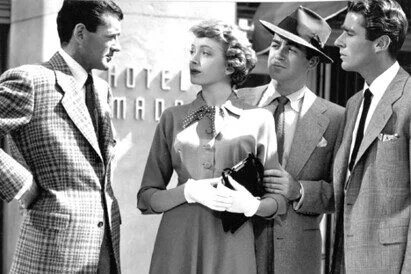
As the son of Hollywood stars Robert Walker and Jennifer Jones, Robert Walker Jr. entered the industry with both pedigree and pressure. He appeared in notable films like The War Wagon and Easy Rider, showing an ability to fit into both traditional Westerns and counterculture cinema. His presence carried a quiet intensity that hinted at significant range. On paper, his path seemed lined with opportunity.
Despite those early credits, Walker never fully broke into consistent leading roles. Personal struggles and an uneven project slate limited his momentum. His performances remain compelling when revisited, especially within the context of late ’60s experimentation. He’s remembered more as a promising presence than a fully realized star.
7. Keir Dullea
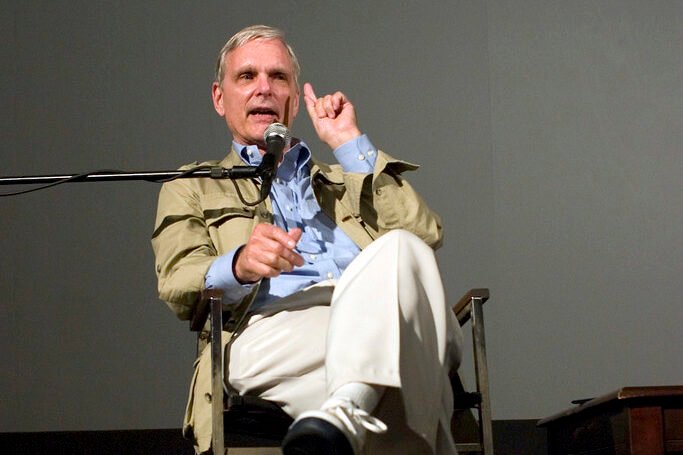
Keir Dullea became instantly iconic as astronaut Dave Bowman in 2001: A Space Odyssey. The film’s lasting influence cemented his image in cinematic history, even though his role was famously understated and cerebral. Many assumed that kind of exposure would lead to a long run of major film leads. He also appeared in projects like Bunny Lake Is Missing, reinforcing his serious dramatic credentials.
Rather than staying centered in Hollywood, Dullea focused heavily on stage work and selective screen roles. He built a respected career outside the blockbuster spotlight. While his face remains forever tied to one of the most important films ever made, his broader filmography quietly slipped from mainstream conversation. It’s a unique form of fame that feels both massive and strangely limited.
8. Bradford Dillman
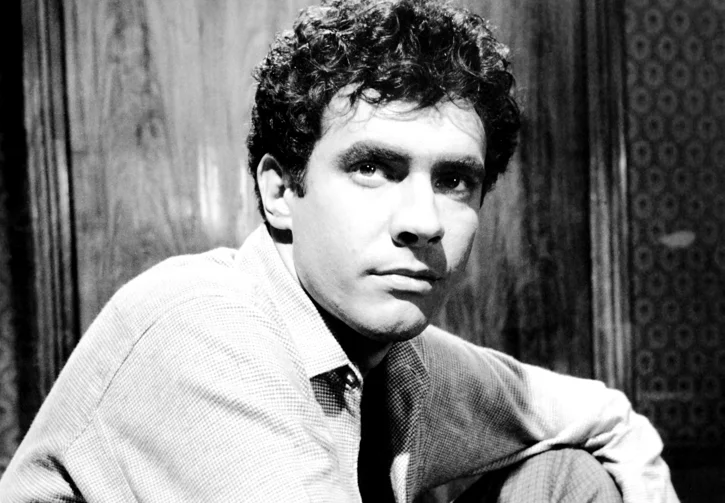
Bradford Dillman brought intelligence and intensity to films such as Compulsion and Escape from the Planet of the Apes. Early in the ’60s, he often played complex, psychologically driven characters that stood out from lighter studio fare. Critics respected his seriousness and commitment to craft. He seemed well-positioned for long-term dramatic success.
Over time, Dillman shifted increasingly toward television and character roles. While he remained steadily employed, the sense of major stardom never quite materialized. Many viewers recognize his face instantly but struggle to name him, which says a lot about how fame can quietly erode. His career reflects consistency rather than celebrity.
9. Yvette Mimieux
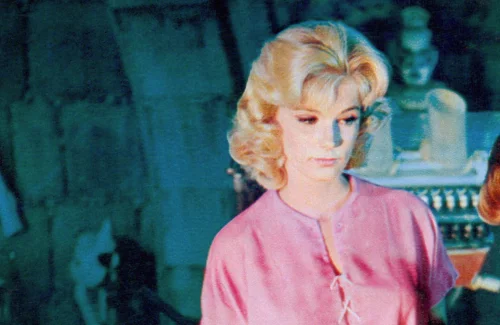
Yvette Mimieux gained lasting visibility through films like The Time Machine and Where the Boys Are. She embodied the glamorous, polished look that defined early ’60s Hollywood. Audiences responded to her elegance and approachable charm. For a while, she seemed firmly planted among the era’s rising stars.
As the decade shifted and film styles evolved, Mimieux gradually stepped back from high-profile roles. She continued working, but the cultural spotlight moved elsewhere. Her early performances still circulate widely on classic movie channels and streaming platforms. In retrospect, her career feels like a snapshot of a very specific Hollywood moment.
10. George Lazenby
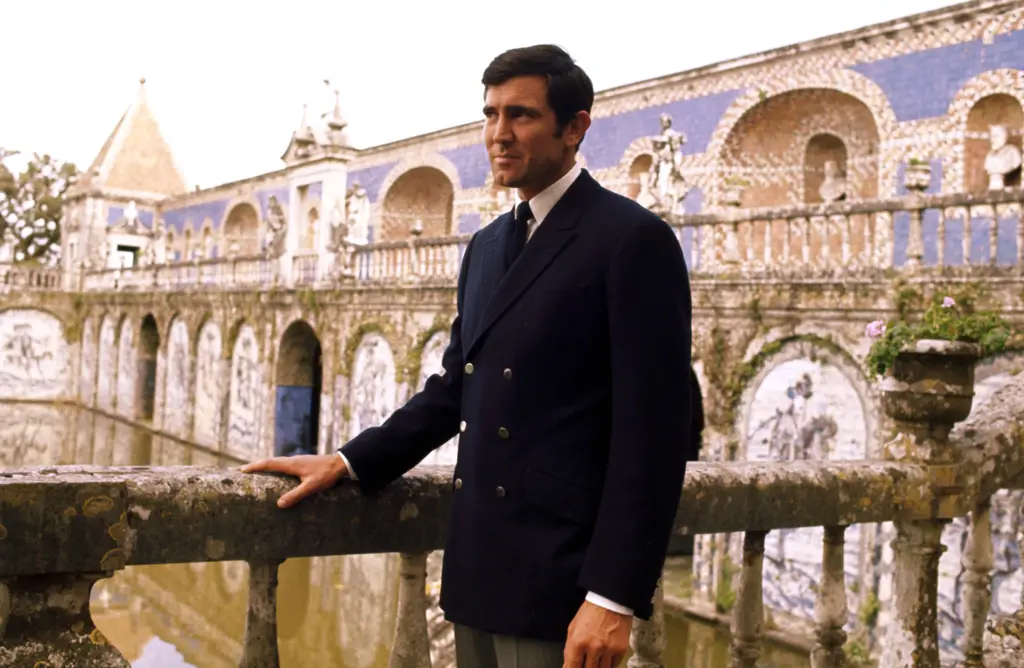
George Lazenby made one of the boldest debuts in film history by stepping directly into the role of James Bond in On Her Majesty’s Secret Service. His performance was well-received over time, even if the film initially divided audiences. At the time, he appeared positioned to become a long-running franchise star. Few actors ever get that kind of launchpad.
After choosing not to continue as Bond, Lazenby’s career took a far quieter path. He appeared in various international projects but never regained comparable visibility. His story remains one of Hollywood’s great what-ifs. One decision reshaped an entire career trajectory.
11. Richard Beymer
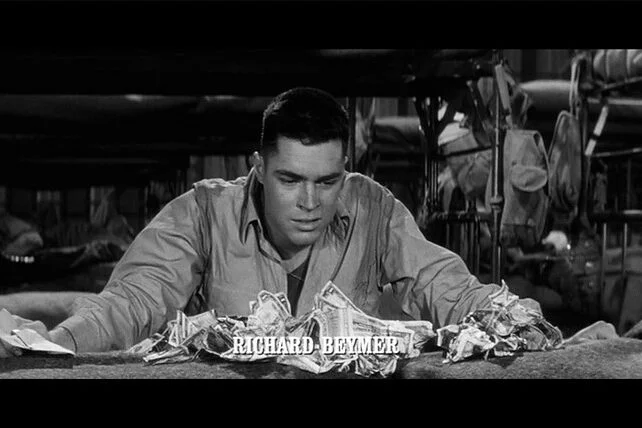
Richard Beymer became instantly recognizable as Tony in West Side Story, opposite Natalie Wood. His earnest, romantic presence made him a natural heartthrob for early ’60s audiences. The film’s massive success suggested he could easily transition into leading-man territory. For a brief window, the future looked wide open.
Instead, Beymer stepped away from mainstream stardom, later focusing on independent projects, photography, and occasional acting roles. He returned to wider visibility decades later in Twin Peaks, which introduced him to a new generation. His career path feels intentional rather than accidental. Still, many fans remain curious about what might have happened had he stayed in the studio system.
12. Daliah Lavi
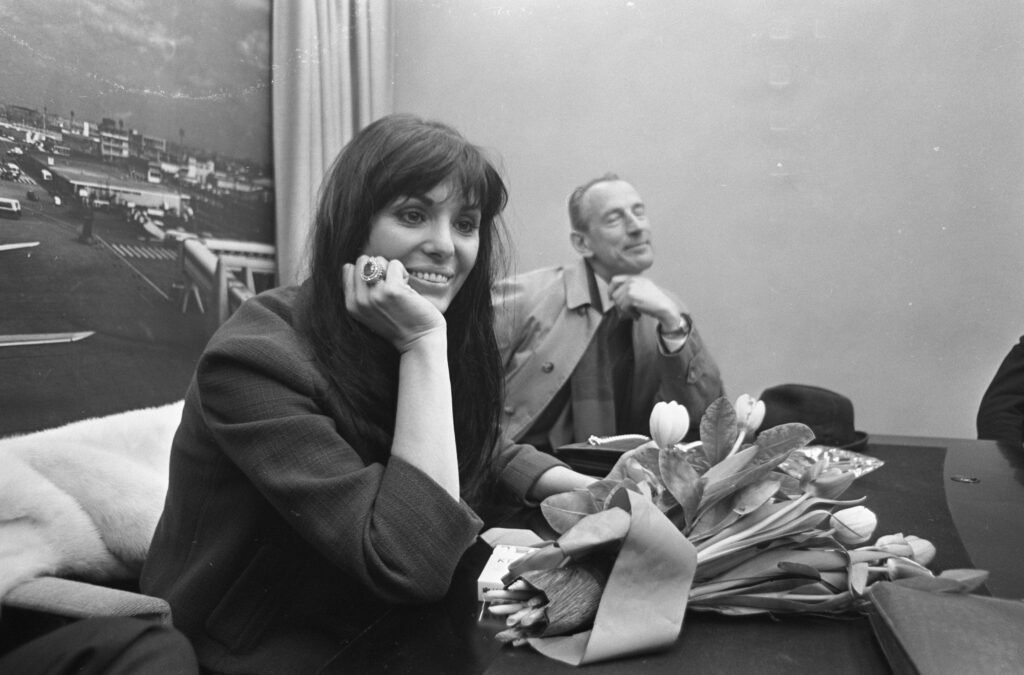
Daliah Lavi built international attention through films like The Silencers and Casino Royale, blending glamour with cosmopolitan appeal. She worked across multiple countries and languages, which gave her a unique global profile during the ’60s. Studios seemed eager to position her as a sophisticated leading lady. Her screen presence was polished and confident.
Rather than continuing aggressively in film, Lavi transitioned toward music and eventually stepped away from acting altogether. Her shift away from Hollywood happened quietly, leaving her film legacy somewhat frozen in time. Many classic film fans rediscover her work and are surprised by how brief her screen career was. She remains a stylish footnote of the decade’s international cinema wave.
13. Troy Donahue
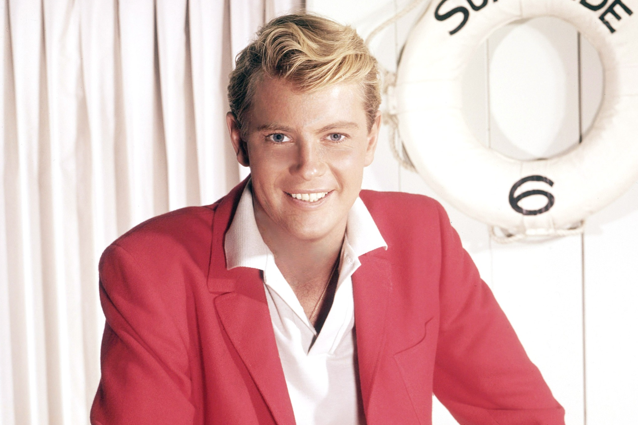
Troy Donahue entered the ’60s as a highly visible romantic lead in films like A Summer Place and Rome Adventure. His clean-cut image and matinee-idol looks made him enormously popular with young audiences. Studios marketed him heavily as the next major star. For a few years, he was nearly impossible to avoid in teen magazines and movie marquees.
As tastes shifted toward grittier realism, Donahue’s polished image fell out of favor. Personal struggles also complicated his career stability. He continued acting sporadically, including later cult appearances, but the massive fame never returned. His rise and fall perfectly mirrors how quickly Hollywood trends can turn.


