
1. It’s a Mad, Mad, Mad, Mad World (1963)
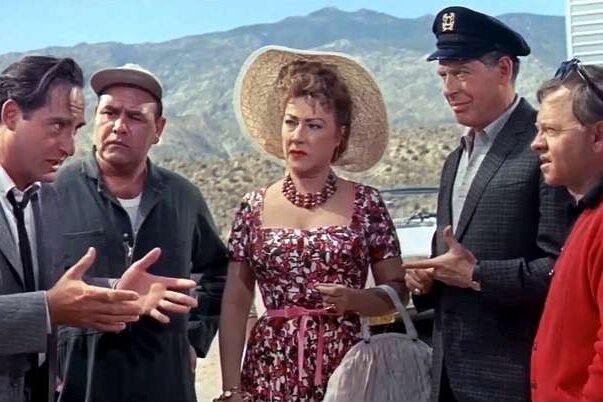
Audiences showed up in droves for this sprawling, star packed comedy, eager to spot every surprise cameo and outrageous gag. The movie’s anything goes energy and nonstop slapstick made it a communal event, especially in theaters equipped for its epic roadshow presentation. Many viewers embraced the chaos as part of the fun, quoting lines and rewatching favorite scenes for years. It became the kind of movie families passed down, even if it ran long by modern standards.
Some critics at the time found it overstuffed, noisy, and indulgent, arguing that the jokes wore thin before the finish line. Reviews often focused on the excessive runtime and the sheer overload of characters and plot threads. What reviewers saw as bloat, audiences experienced as abundance. The film’s enduring popularity suggests that excess was exactly what moviegoers wanted.
2. The Love Bug (1968)
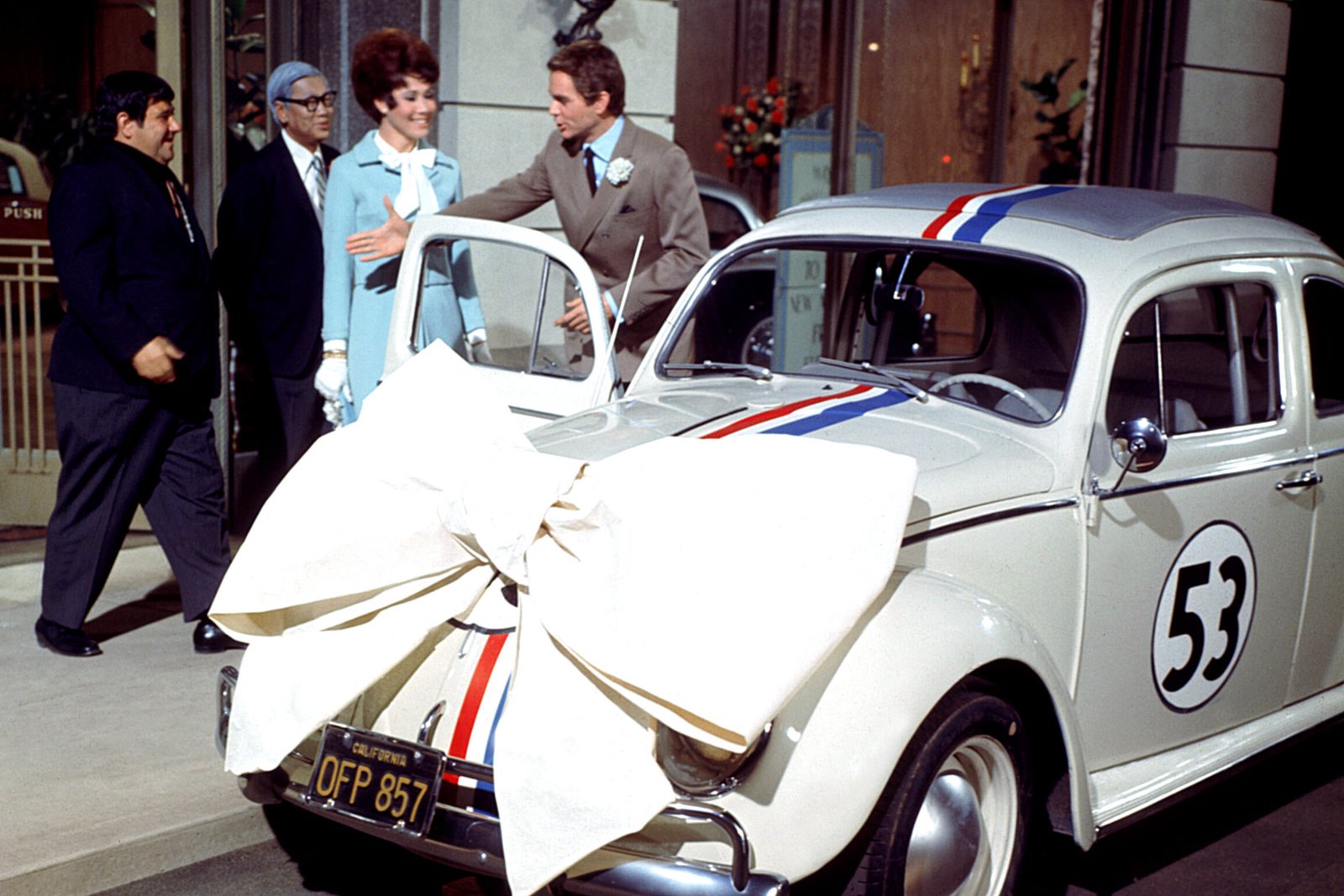
Herbie quickly became one of Disney’s most beloved characters, charming audiences with his mischievous personality and underdog spirit. Kids and parents alike latched onto the idea of a lovable car with a mind of its own, turning the film into a repeat rental favorite for years. The racing sequences were lively, and the humor felt approachable and warm. It delivered exactly what families hoped for from a Disney outing.
Critics, however, tended to dismiss the film as lightweight and formula driven. Some felt the story leaned too heavily on gimmicks rather than substance. That critique rarely mattered to audiences who simply enjoyed the heart and humor. Herbie’s lasting cultural presence speaks louder than any early review.
3. Valley of the Dolls (1967)

Despite being savaged by many reviewers, this melodrama became a massive box office hit and a long running guilty pleasure. Audiences were drawn to its glossy look, scandalous themes, and larger than life performances. The film captured a certain late ’60s fascination with fame, excess, and emotional collapse. Viewers embraced its campy appeal long before “camp” became a mainstream label.
Critics largely criticized the acting, dialogue, and melodramatic tone. Some felt it trivialized serious subject matter or leaned too heavily into sensationalism. Over time, those same qualities became part of its cult appeal. The movie’s staying power proves that audience connection does not always align with critical standards.
4. Barbarella (1968)
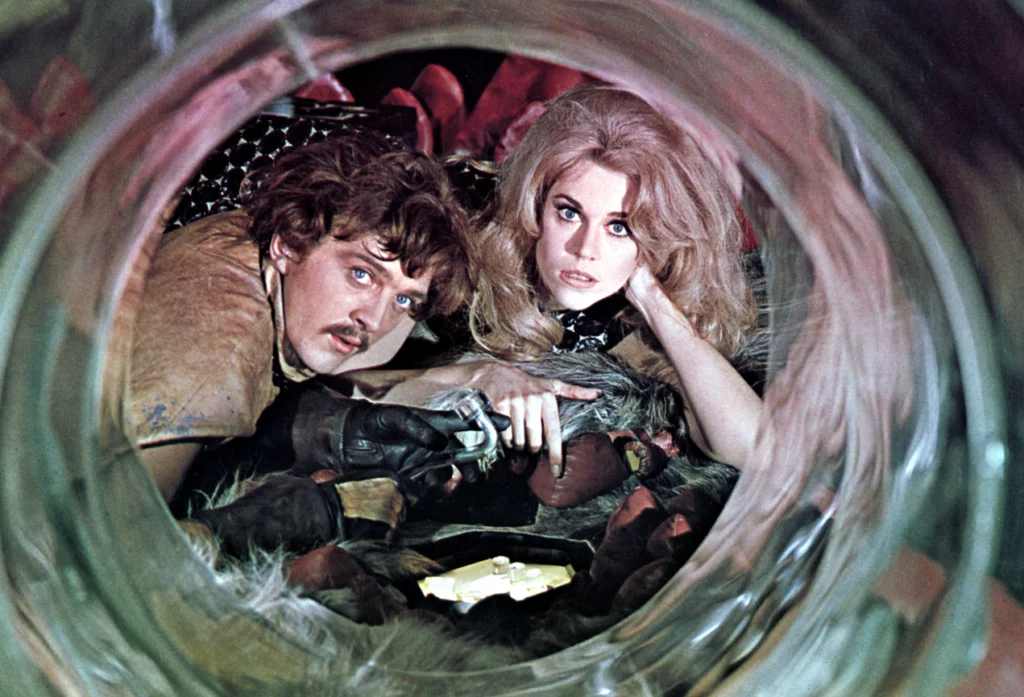
Jane Fonda’s space adventurer became an instant pop culture icon, especially among younger audiences intrigued by the film’s bold visuals and playful tone. The costumes, set design, and psychedelic style made it feel unlike anything else on screen at the time. Many viewers appreciated its tongue in cheek humor and futuristic fantasy. It remains a staple of late night movie nostalgia.
Initial reviews often found the film silly, shallow, or visually overwhelming. Some critics struggled with its blend of science fiction, comedy, and sensuality. What felt disjointed to reviewers felt inventive to audiences. Its cult status today reflects how well it resonated beyond the review pages.
5. Chitty Chitty Bang Bang (1968)
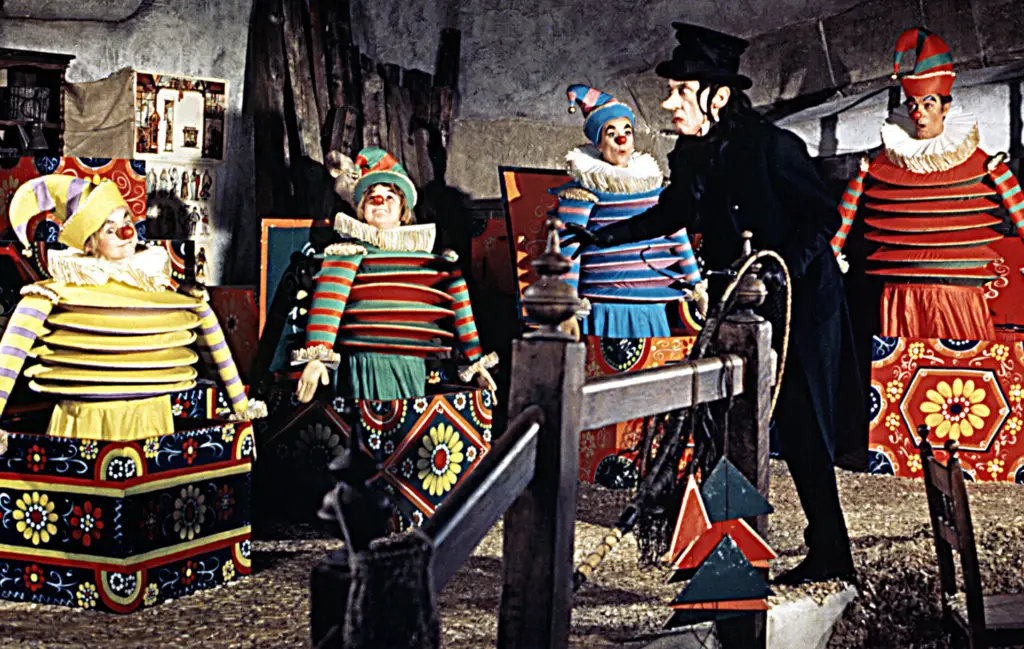
Families embraced this musical for its colorful fantasy, catchy songs, and whimsical flying car premise. Children especially connected with the playful adventure and memorable characters. It became a staple of home viewing and holiday programming over the years. Many people still associate it with childhood comfort viewing.
Critics at the time were divided, often comparing it unfavorably to earlier musical successes. Some felt the pacing dragged and the story wandered. Those concerns rarely diminished its appeal for younger audiences. Nostalgia has only strengthened its reputation with viewers.
6. Casino Royale (1967)
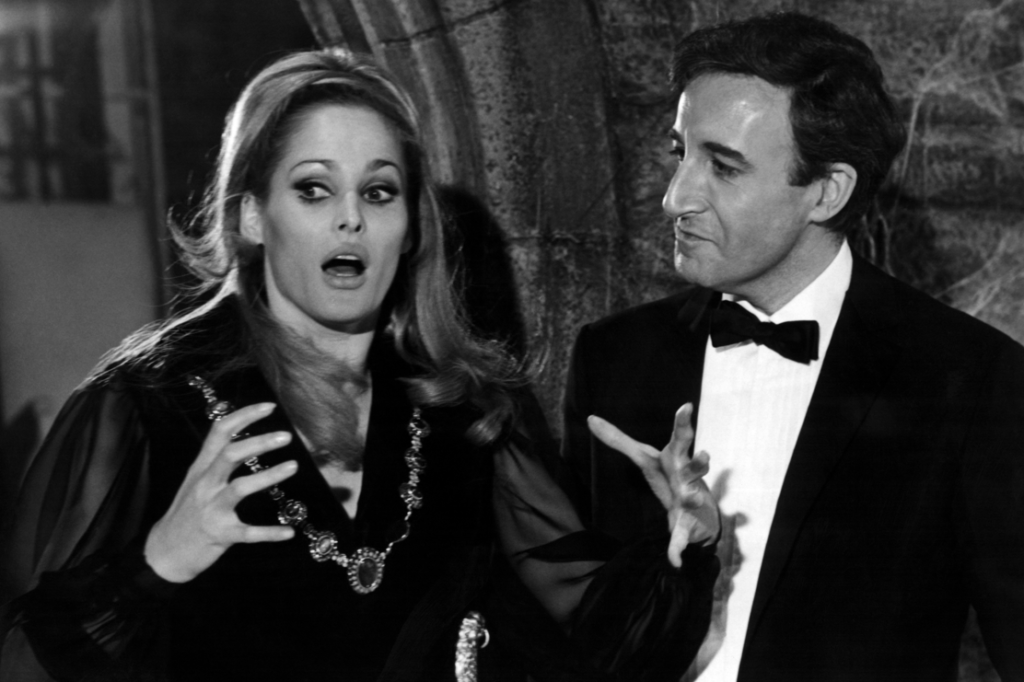
This offbeat spoof of the James Bond franchise attracted curious audiences who enjoyed its chaotic humor and celebrity packed cast. The film’s surreal tone and nonstop visual jokes made it feel like a product of the swinging ’60s. Many viewers appreciated its playful rejection of traditional spy formulas. It became a curiosity piece that audiences revisited for its sheer oddity.
Critics were often confused by its fragmented structure and shifting directors. Reviews frequently described it as messy or incoherent. While that criticism may be fair structurally, it did not prevent the film from finding its audience. Its cult following thrives on the very weirdness critics disliked.
7. Where Eagles Dare (1968)
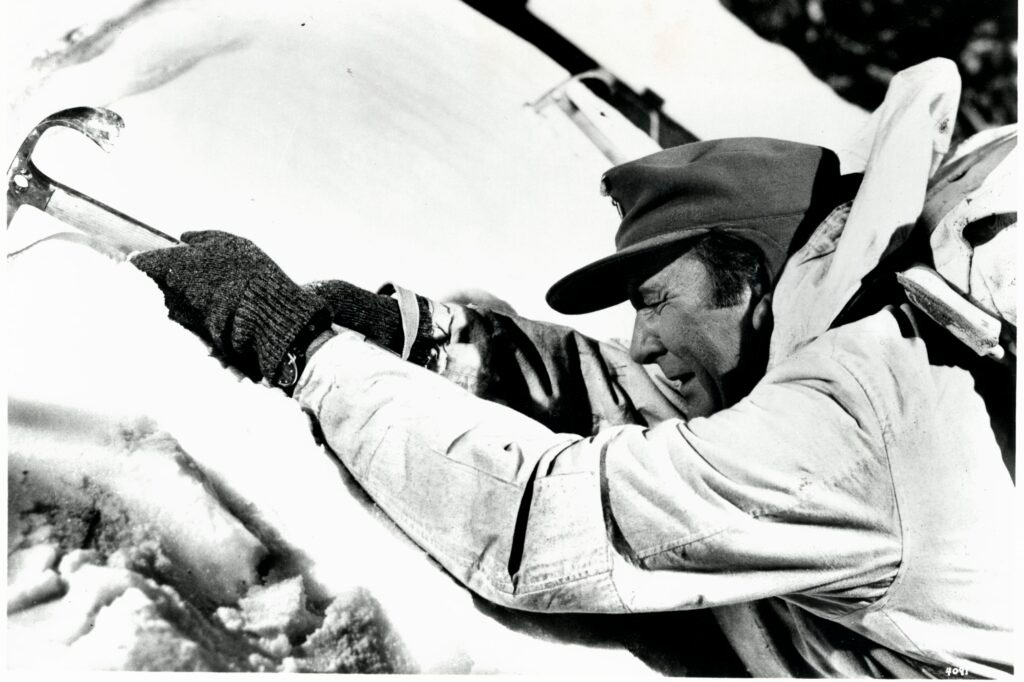
Action fans embraced this World War II adventure for its relentless pace and larger than life heroics. Clint Eastwood and Richard Burton gave the movie undeniable star power, while the snowy alpine setting added visual excitement. Audiences loved the twists, explosions, and daring stunts. It became a favorite among fans of classic action cinema.
Some critics felt the plot stretched plausibility and leaned too heavily on spectacle. The film was sometimes labeled as overlong or excessively violent. For many viewers, that excess was part of the appeal. Its popularity on television reruns cemented its reputation with audiences.
8. The Dirty Dozen (1967)
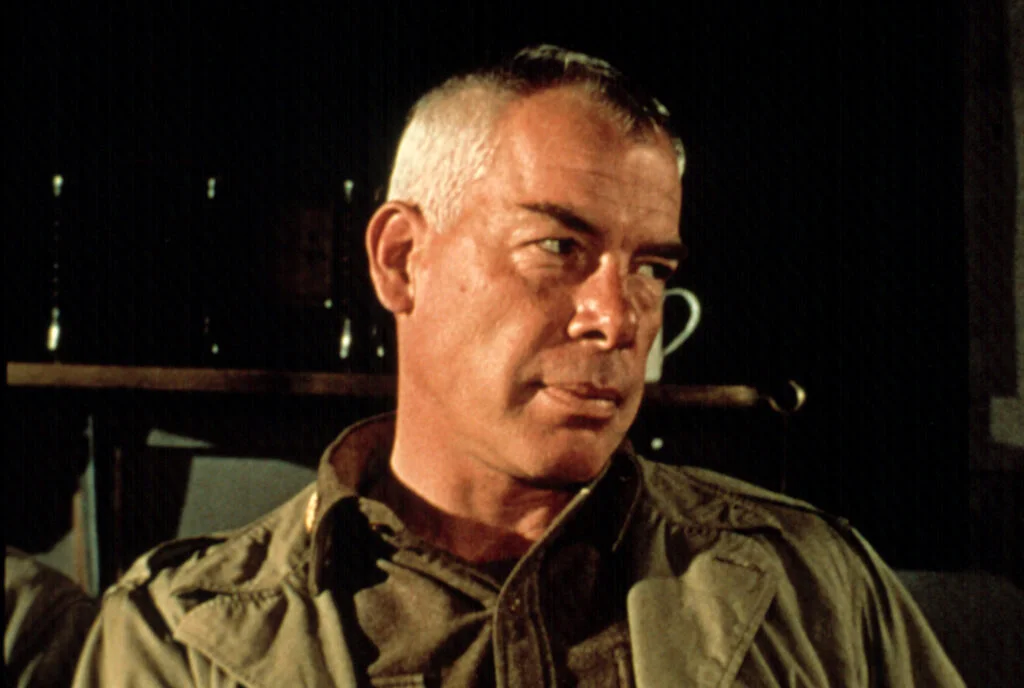
Moviegoers responded strongly to this gritty, ensemble driven war film with its rebellious tone and antihero characters. The mix of action, dark humor, and moral ambiguity felt fresh compared to more traditional war movies. Audiences connected with the unlikely team dynamic and explosive finale. It became a staple of late night and weekend programming.
Critical reactions were mixed, with some reviewers questioning the violence and cynical attitude. Others felt the story glamorized brutality. Audiences tended to focus more on the entertainment value than the moral debates. Its enduring popularity reflects that disconnect.
9. Hello, Dolly! (1969)
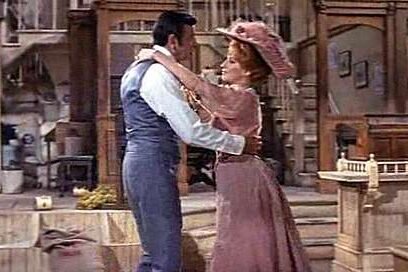
Big, colorful musical numbers and Barbra Streisand’s star power drew audiences into theaters. Many viewers enjoyed the lavish production design and old fashioned Broadway charm. It delivered spectacle on a grand scale, which was still a major draw for moviegoers at the time. For fans of classic musicals, it offered comfort and familiarity.
Critics were more reserved, often pointing to its high budget and uneven pacing. Some felt the film arrived after the golden age of movie musicals had already peaked. That assessment did little to dampen audience affection. The film remains a beloved showcase for Streisand’s early screen presence.
10. Paint Your Wagon (1969)
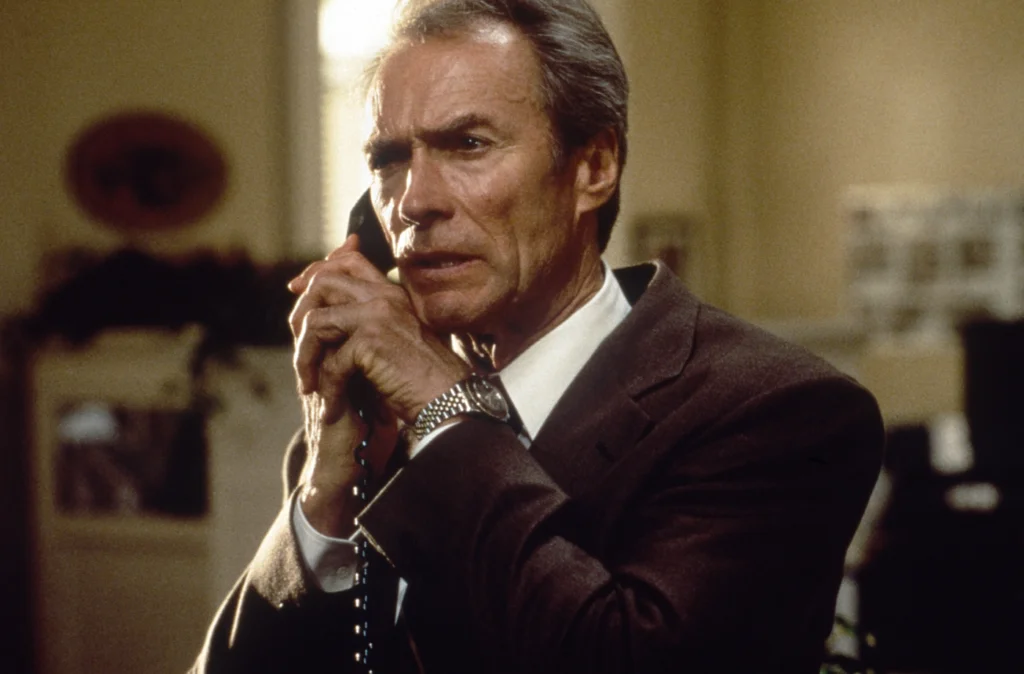
This unusual western musical intrigued audiences with its unlikely pairing of Lee Marvin and Clint Eastwood in singing roles. Viewers enjoyed its rugged humor, frontier setting, and unexpected musical numbers. It stood out as something different during a transitional era in Hollywood. Curiosity alone brought many people into theaters.
Critics were skeptical about the tonal mix and length, questioning whether the genres truly blended successfully. Some reviews described it as awkward or indulgent. Audiences were more forgiving and open to its experimentation. Its reputation has improved over time as a fascinating late ’60s oddity.
11. The Green Berets (1968)
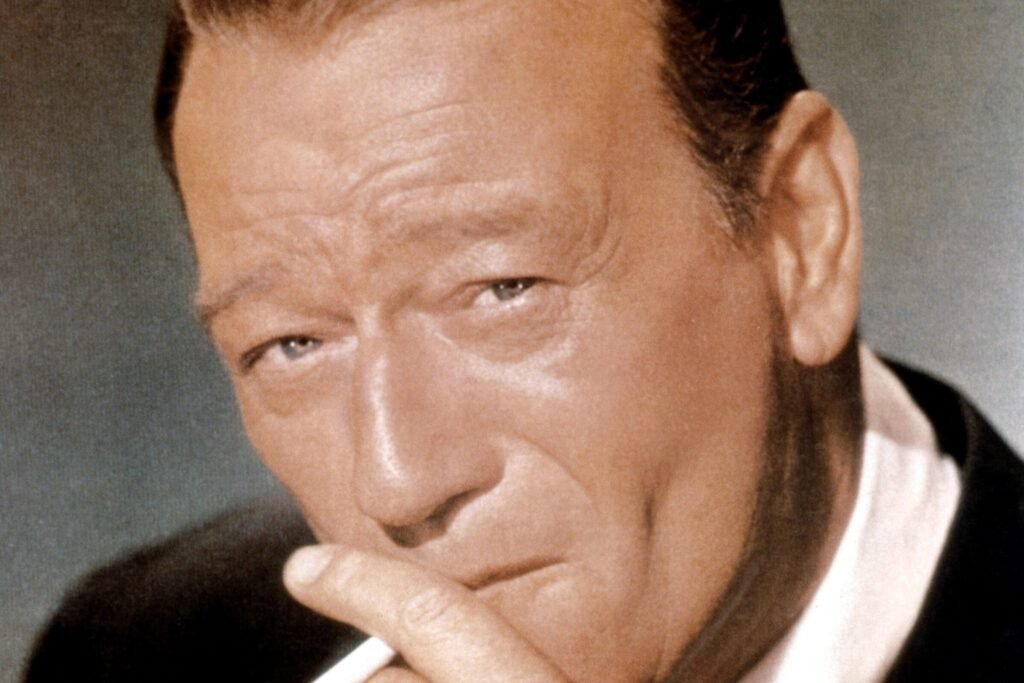
Patriotic audiences flocked to this Vietnam War film, drawn by John Wayne’s commanding presence and straightforward heroism. Many viewers appreciated its clear moral stance and traditional war movie structure. It resonated strongly with certain segments of the public during a politically tense period. Box office performance reflected that support.
Critics were far more critical, often citing political bias and oversimplification of the conflict. Some reviews challenged its realism and messaging. Despite that pushback, audience enthusiasm remained strong. The divide between critics and viewers was especially pronounced for this film.
12. The Sound of Music (1965)
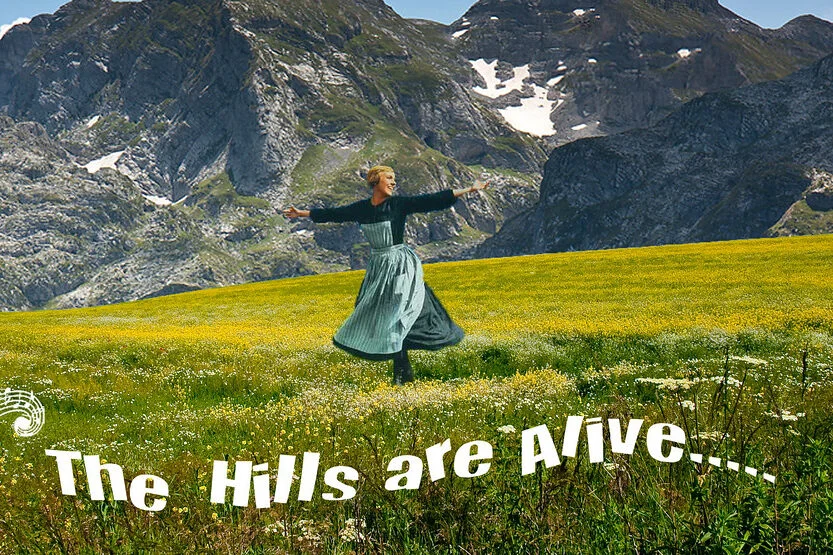
Audiences embraced this musical as an emotional, family friendly event filled with unforgettable songs and sweeping scenery. It became a massive box office success and a tradition for repeated home viewing. Many viewers connected deeply with its warmth, romance, and inspirational tone. For generations, it has remained a comfort classic.
Some early critics felt it leaned toward sentimentality and traditional storytelling. A few reviews suggested it was overly wholesome or old fashioned. Those concerns did not slow its popularity in the slightest. Audience affection ultimately defined its legacy far more than critical hesitation.