
1. Breathless (1960)
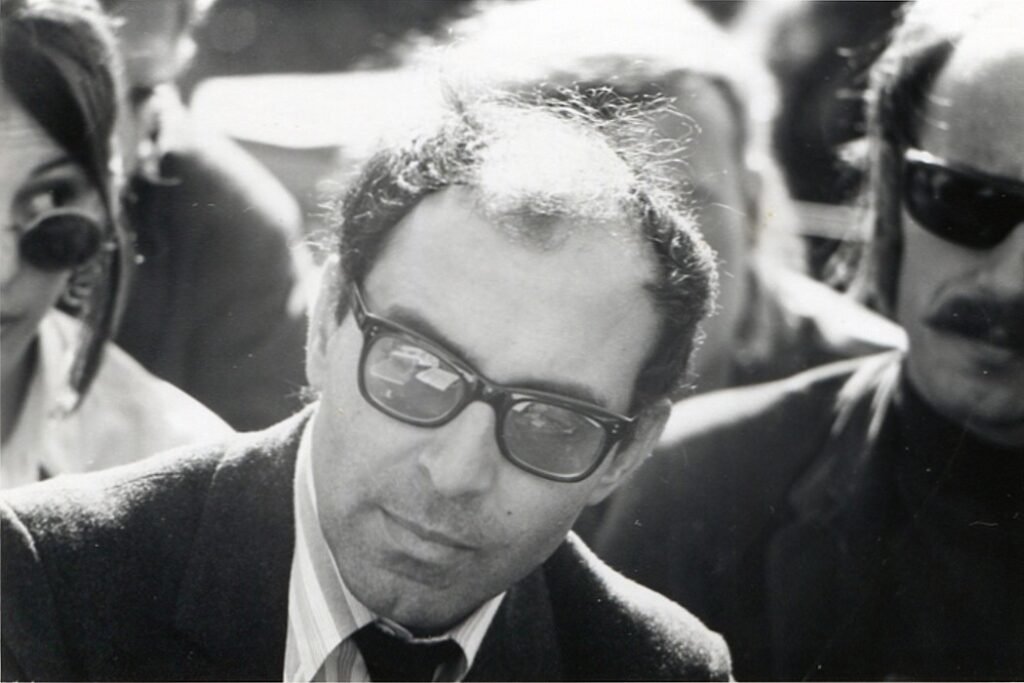
When Breathless arrived in 1960, it felt less like a polished movie and more like someone inventing a new language on the fly. Directed by Jean-Luc Godard, it broke just about every filmmaking rule audiences were used to. The jump cuts alone were shocking at the time, giving the movie a restless, improvisational energy. It felt loose, rebellious and modern in a way that many studio films did not.
Filmmakers across the world paid attention. The French New Wave style that Godard helped popularize eventually influenced directors from Martin Scorsese to Quentin Tarantino. You can see traces of Breathless in countless crime movies that favor attitude and style over rigid storytelling. It quietly taught a generation that rules in filmmaking were optional.
2. Psycho (1960)
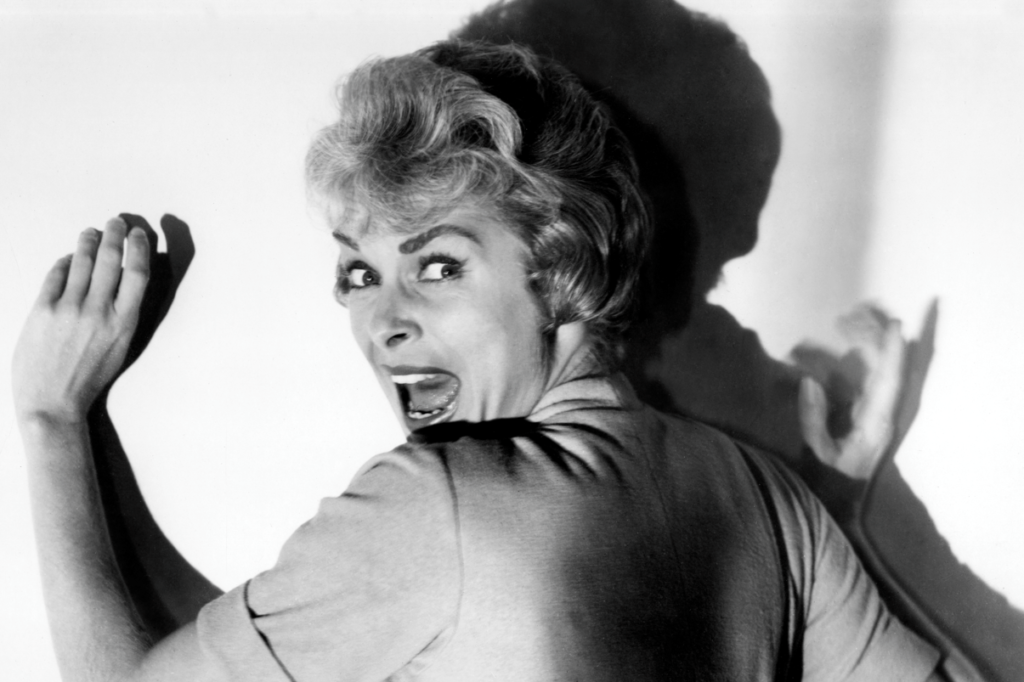
When audiences first watched Psycho, many thought they were seeing a straightforward thriller. Then the famous shower scene arrived and completely changed what a horror film could do. Alfred Hitchcock used editing, music and suggestion to make something terrifying without showing much at all. The film’s structure also shocked viewers when its apparent lead character disappeared halfway through.
That bold storytelling approach left a deep mark on future filmmakers. Directors learned that horror could rely on psychological tension instead of monsters or spectacle. The movie’s pacing and visual storytelling became a blueprint for modern suspense films. Even decades later, echoes of Psycho still show up whenever filmmakers play with audience expectations.
3. The Apartment (1960)
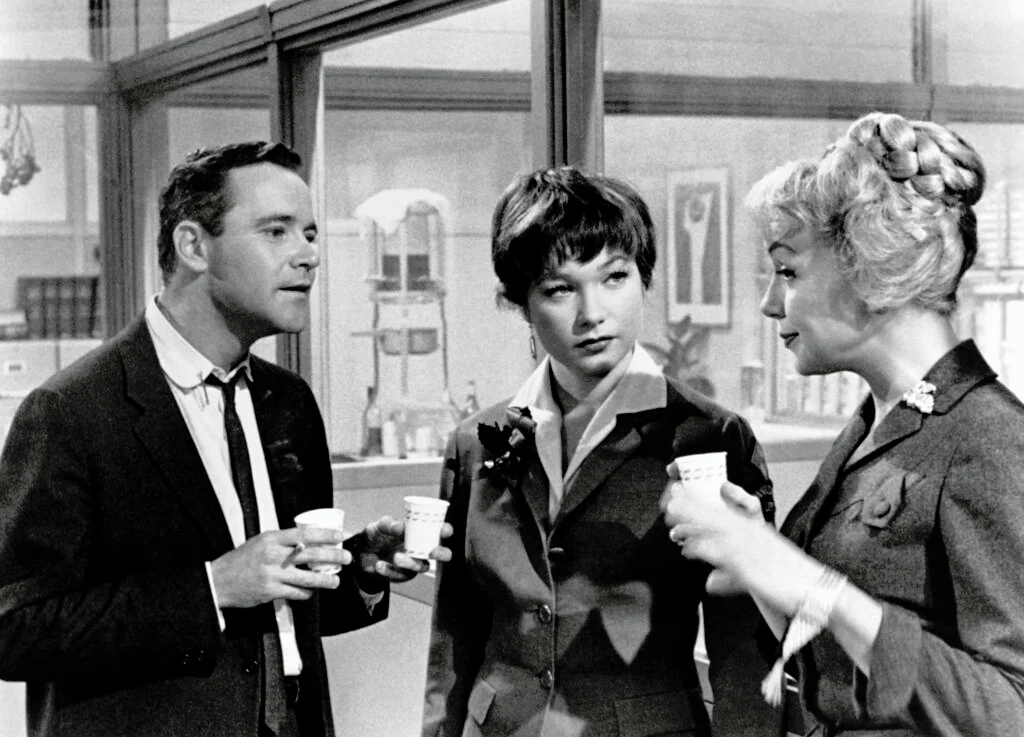
Billy Wilder’s The Apartment looks like a simple romantic comedy on the surface. But underneath the humor is a surprisingly sharp story about loneliness, ambition and moral compromise in corporate America. Jack Lemmon’s quietly sad performance made the film feel relatable in a way many comedies of the era were not.
Filmmakers studying character-driven storytelling often point to The Apartment. Wilder proved that a movie could be funny and heartbreaking at the same time without losing its audience. Many later romantic dramas borrowed its bittersweet tone. Its influence can still be felt in modern films that balance humor with emotional honesty.
4. Lawrence of Arabia (1962)
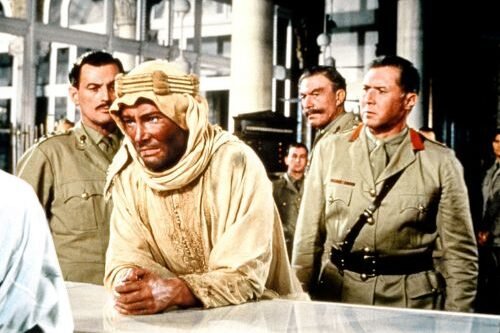
David Lean’s Lawrence of Arabia remains one of the most visually stunning films ever made. Shot across massive desert landscapes, it turned widescreen cinematography into an art form. The film’s pacing was patient, allowing viewers to soak in the environment and the complexity of its central character.
Directors who love epic filmmaking often cite this movie as a major influence. Its use of scale showed that landscapes could become characters in their own right. Filmmakers such as Steven Spielberg and Christopher Nolan have openly admired its craftsmanship. Even today, it remains a masterclass in visual storytelling.
5. Dr. Strangelove (1964)
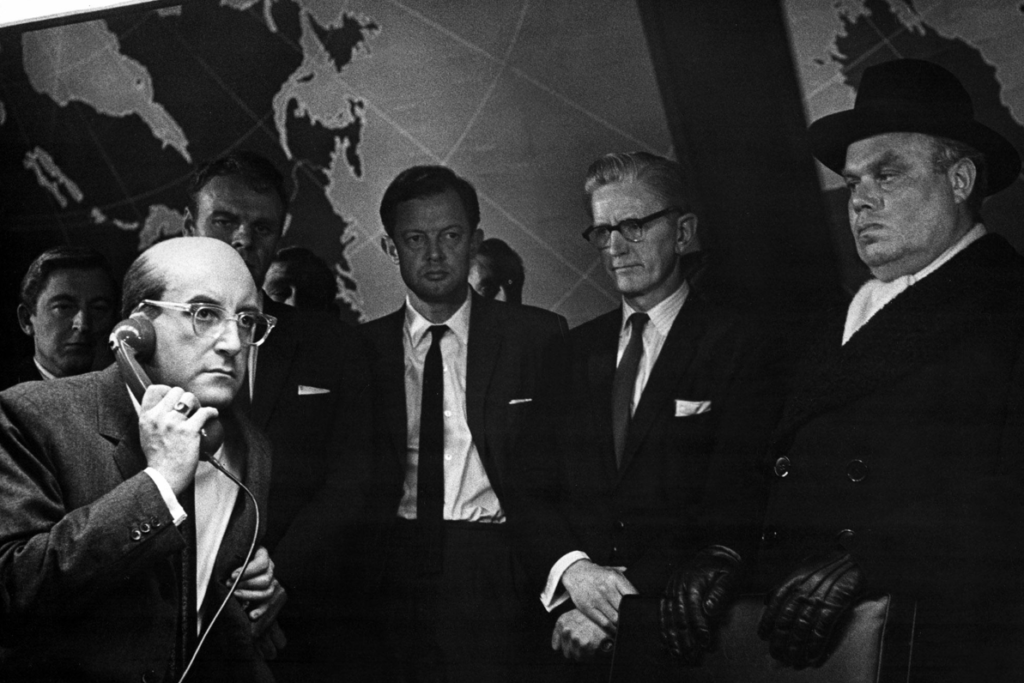
Stanley Kubrick’s Dr. Strangelove did something daring by turning nuclear war into a dark comedy. At the height of Cold War tension, that approach felt almost shocking. The film’s absurd tone highlighted the frightening logic behind global military systems. It made audiences laugh while also making them uneasy.
Future filmmakers learned that satire could tackle serious political topics. The film’s blend of humor and dread became a model for later political comedies. Kubrick’s visual style and tightly controlled performances also influenced countless directors. Many modern satirical films owe a quiet debt to Dr. Strangelove.
6. 8½ (1963)
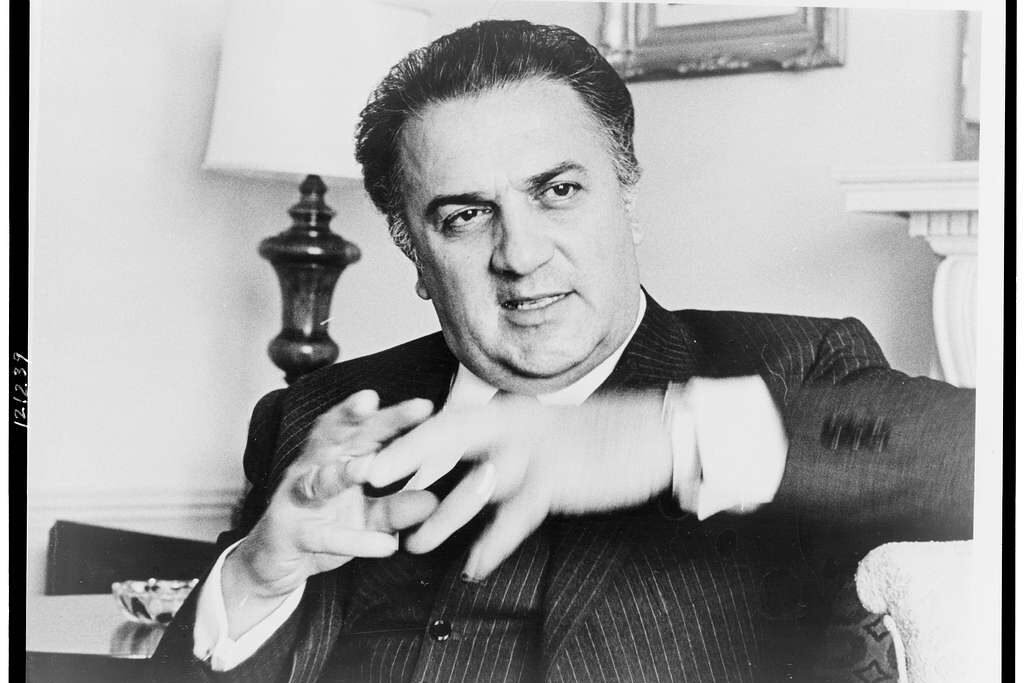
Federico Fellini’s 8½ is often described as one of the most personal films ever made. The story follows a filmmaker struggling with creative block, blending dreams, memories and reality. Instead of explaining everything clearly, Fellini lets the audience drift through the main character’s imagination.
That approach helped open the door to more experimental storytelling in cinema. Directors learned that films could explore ideas and emotions instead of simply following a plot. Many modern auteurs cite 8½ as a turning point in how movies could be structured. Its influence is especially strong in films that blur fantasy and autobiography.
7. The Graduate (1967)
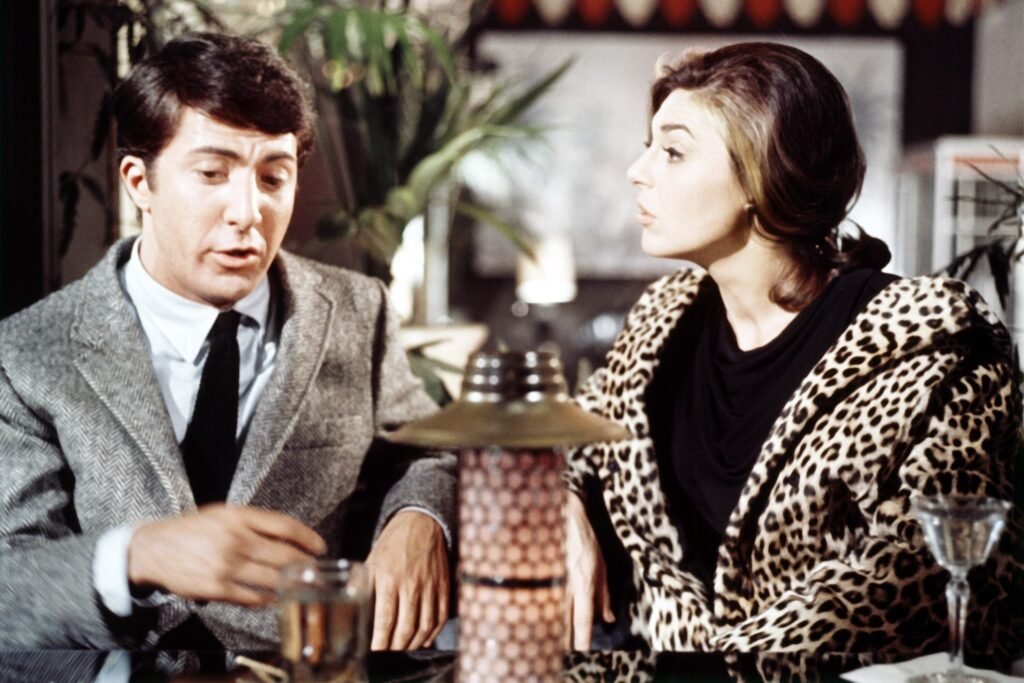
When The Graduate premiered, it captured something unmistakably modern about the late ’60s. Dustin Hoffman’s awkward, uncertain Benjamin Braddock felt like a character pulled directly from real life. The film’s use of music, especially songs by Simon and Garfunkel, also helped redefine how soundtracks could shape mood.
Filmmakers took notice of the movie’s style and tone. Its mix of humor, melancholy and social commentary became a model for later coming of age films. Directors also saw how effective pop music could be when integrated into storytelling. In many ways, The Graduate helped reshape youth oriented cinema.
8. Night of the Living Dead (1968)
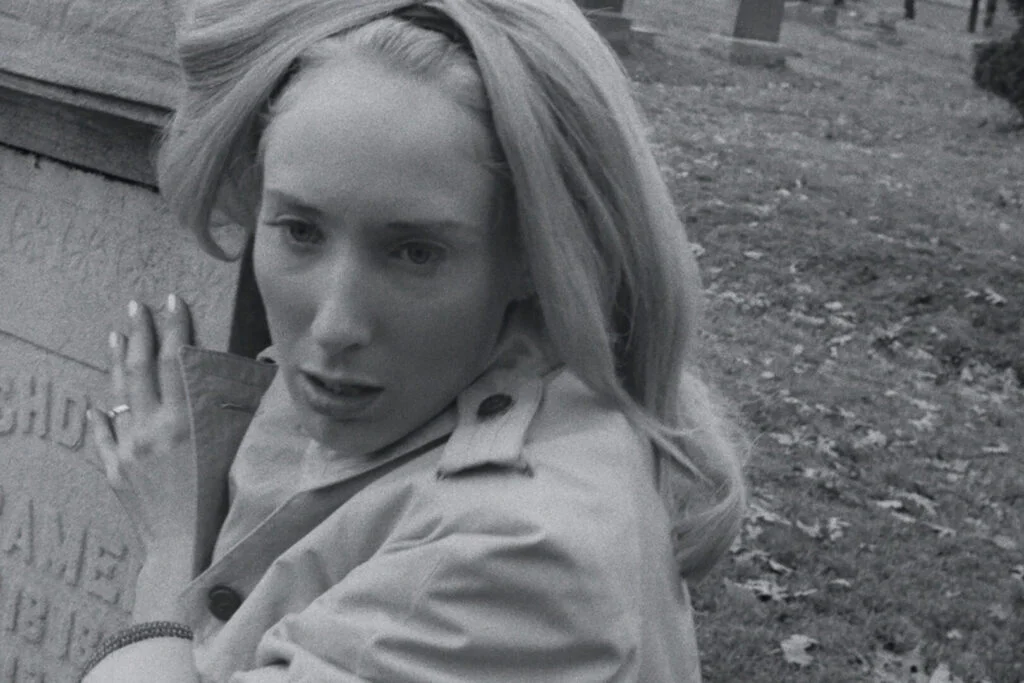
George A. Romero’s Night of the Living Dead started as a low budget independent horror film. What it delivered instead was a new vision of the zombie story. The film’s bleak tone and documentary style realism made it feel disturbingly believable.
Future horror filmmakers borrowed heavily from Romero’s approach. The idea of zombies as social commentary became a major theme in later movies and television. The film also proved that independent productions could have a huge cultural impact. Its influence can still be felt in modern horror franchises.
9. Bonnie and Clyde (1967)
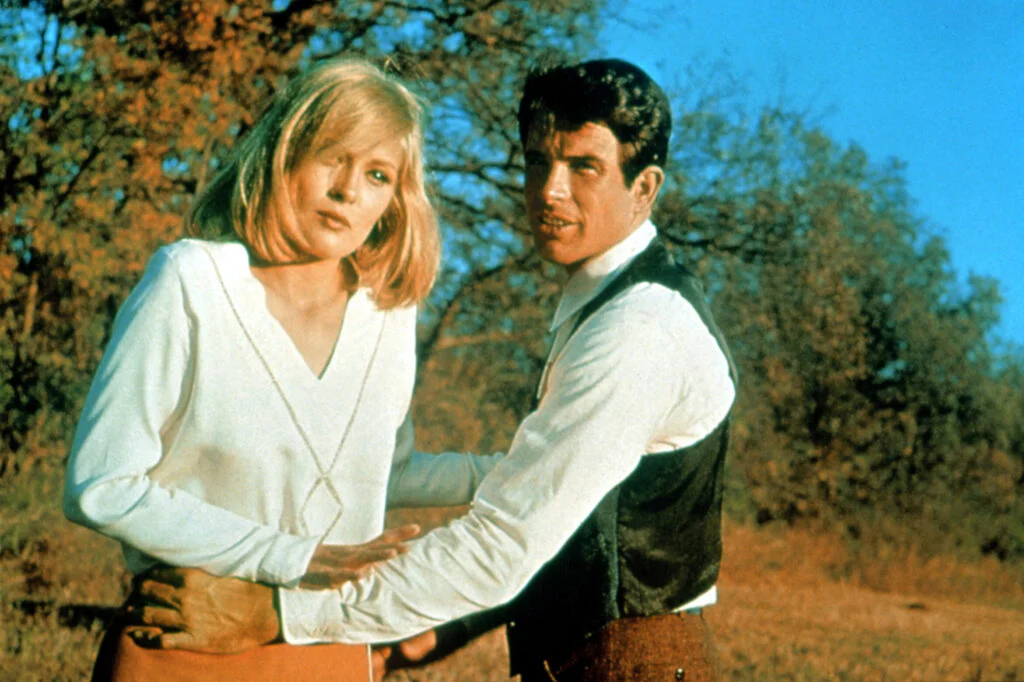
When Bonnie and Clyde arrived, its mix of romance and sudden violence shocked many viewers. Arthur Penn’s film portrayed its outlaws with energy and charisma while still showing the consequences of their choices. The editing and pacing gave the movie a modern rhythm that stood apart from traditional crime dramas.
Younger filmmakers were especially inspired by the film’s bold style. Its willingness to blend genres helped pave the way for the New Hollywood movement of the late ’60s and ’70s. Directors began exploring darker, more complicated characters. In many ways, Bonnie and Clyde helped change what mainstream American movies looked like.
10. Rosemary’s Baby (1968)
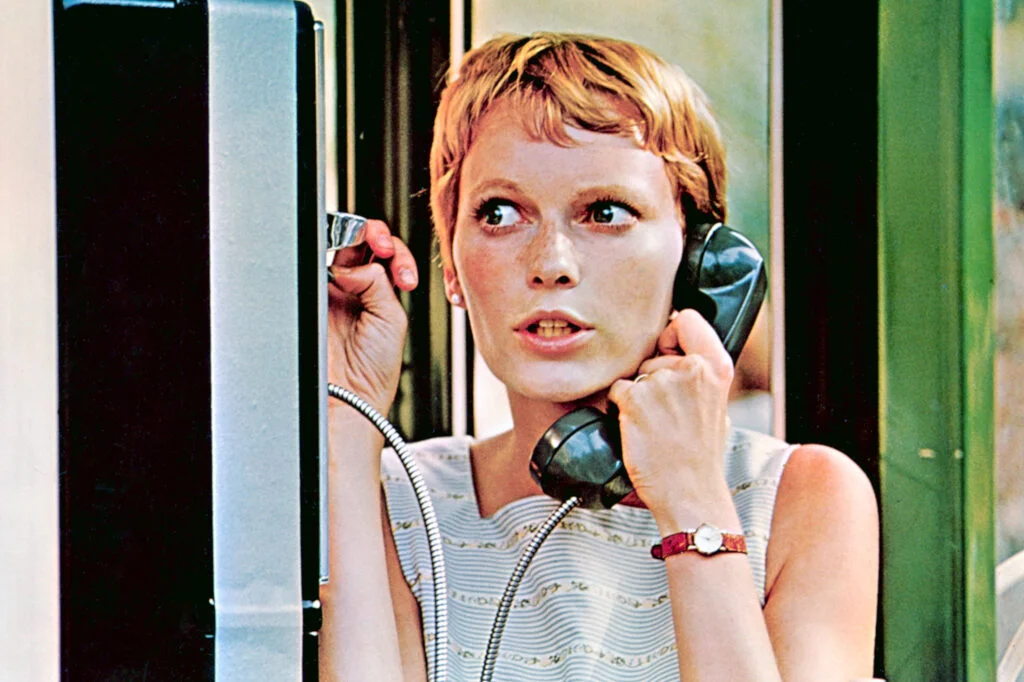
Roman Polanski’s Rosemary’s Baby took horror out of haunted houses and placed it inside a perfectly normal apartment building. The terror comes slowly, almost quietly, as paranoia builds around Mia Farrow’s character. Much of the fear comes from atmosphere and suggestion rather than graphic imagery.
Filmmakers studying psychological horror often point to this film. It demonstrated how everyday settings could become deeply unsettling. Later movies about paranoia and hidden conspiracies borrowed heavily from its tone. The film helped shape a more subtle form of horror storytelling.
11. The Good, the Bad and the Ugly (1966)
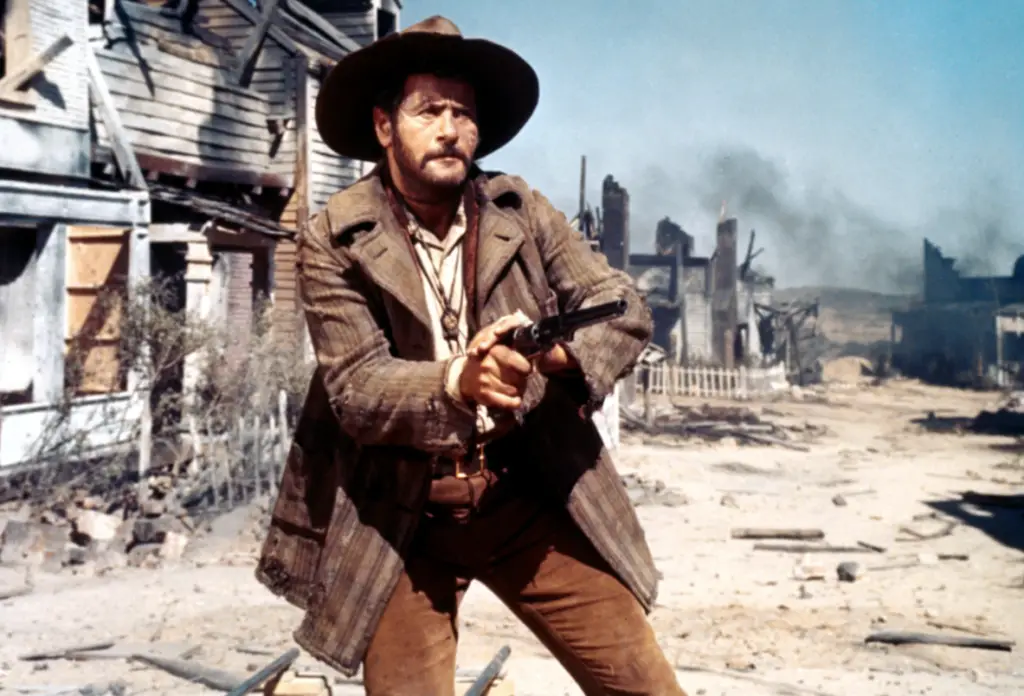
Sergio Leone’s The Good, the Bad and the Ugly transformed the Western genre. Instead of clean cut heroes and villains, the film presented morally ambiguous characters navigating a brutal landscape. Its long close ups, dramatic pauses and unforgettable music gave it a style all its own.
Directors around the world studied Leone’s visual language. His use of tension and silence became a powerful storytelling tool. The film’s influence stretches beyond Westerns into action and crime films. Many modern directors still borrow elements of Leone’s cinematic rhythm.
12. Easy Rider (1969)
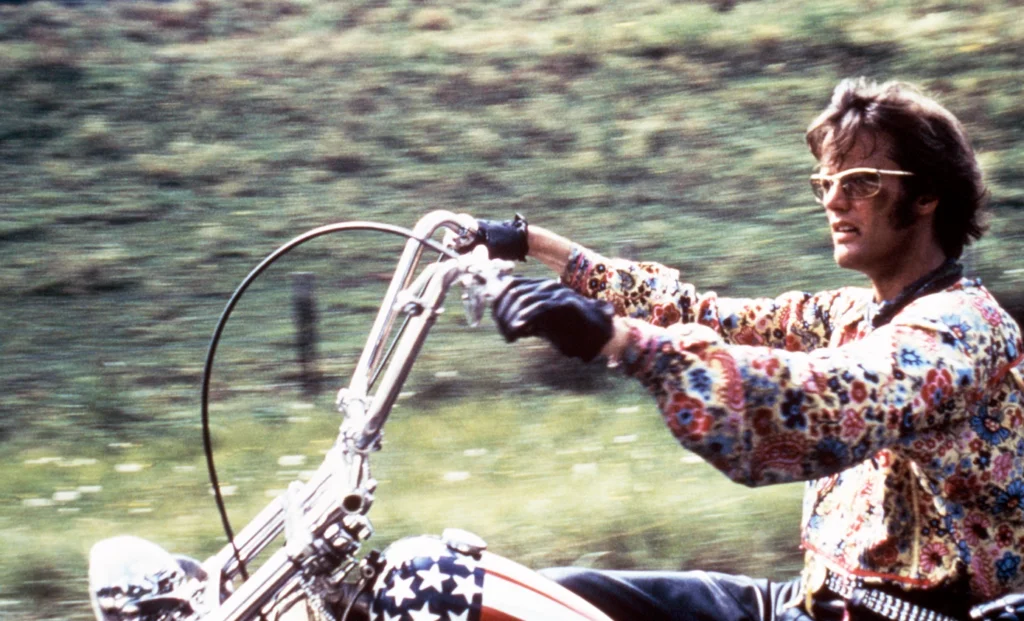
Easy Rider felt radically different from most Hollywood films of its time. Shot partly on location with a loose, almost documentary style, it captured the mood of late ’60s counterculture. The story followed two bikers traveling across America, encountering a country divided by changing values.
The film became a landmark for independent filmmaking. It showed studios that younger audiences wanted more personal, unconventional stories. Directors learned that smaller budgets could still produce culturally powerful films. That lesson helped launch the New Hollywood era of the ’70s.
13. 2001: A Space Odyssey (1968)
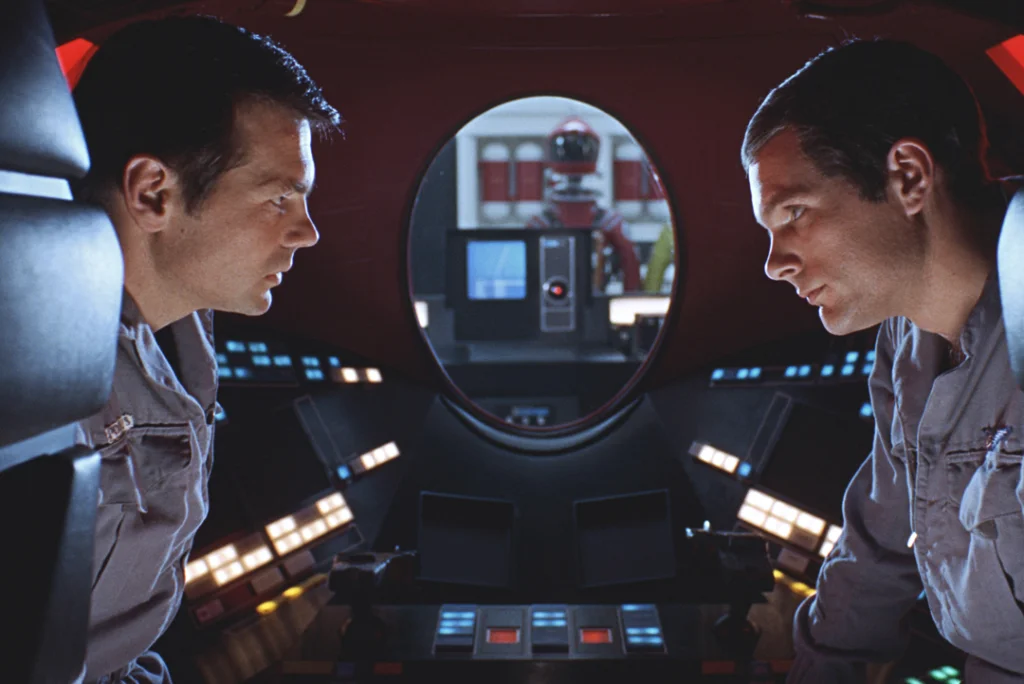
Stanley Kubrick’s 2001: A Space Odyssey redefined what science fiction could look like on screen. Instead of focusing on action, the film emphasized atmosphere, mystery and visual spectacle. Its deliberate pacing and minimal dialogue were unusual for such a large production.
Filmmakers studying science fiction often start here. The film demonstrated how ambitious visual effects and philosophical ideas could exist in the same movie. Directors like George Lucas and Ridley Scott later acknowledged its influence. Even today, many science fiction films still reflect the visual language Kubrick introduced.


