
1. The Ed Sullivan Show, The Beatles (1964)
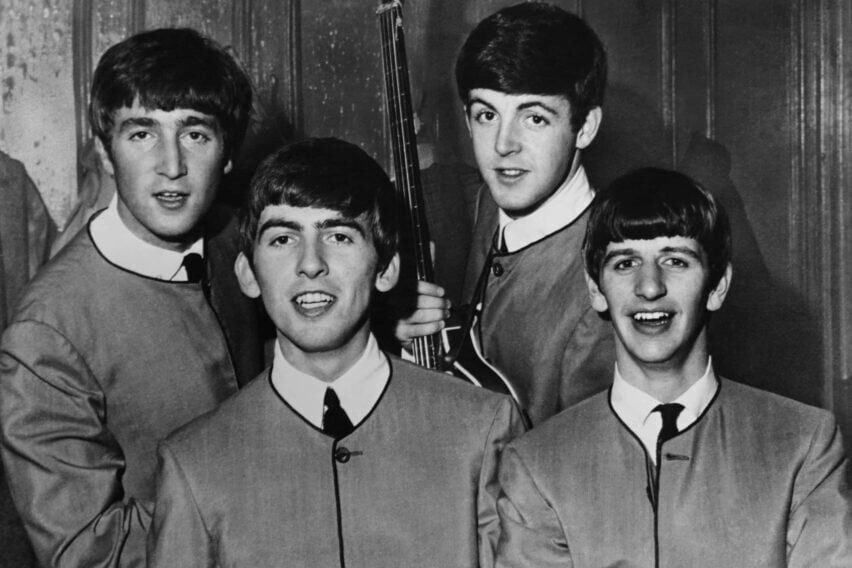
When The Beatles appeared on The Ed Sullivan Show in February 1964, it felt like the country collectively leaned closer to the television. Their matching suits, shaking hair, and playful confidence were unlike anything most American audiences had seen on a mainstream stage. Parents were stunned, teenagers were electrified, and the generational divide suddenly had a soundtrack. Rock music stopped being a niche youth interest and became the center of pop culture almost overnight.
The performance did not just introduce a band, it rewired expectations of what pop stars could look and sound like. Music suddenly felt louder, looser, and more personal. Network television, which had long favored polish and restraint, cracked the door open to something rawer. From that moment on, caution in pop performance felt outdated.
2. The Ed Sullivan Show, Elvis Presley (1956)
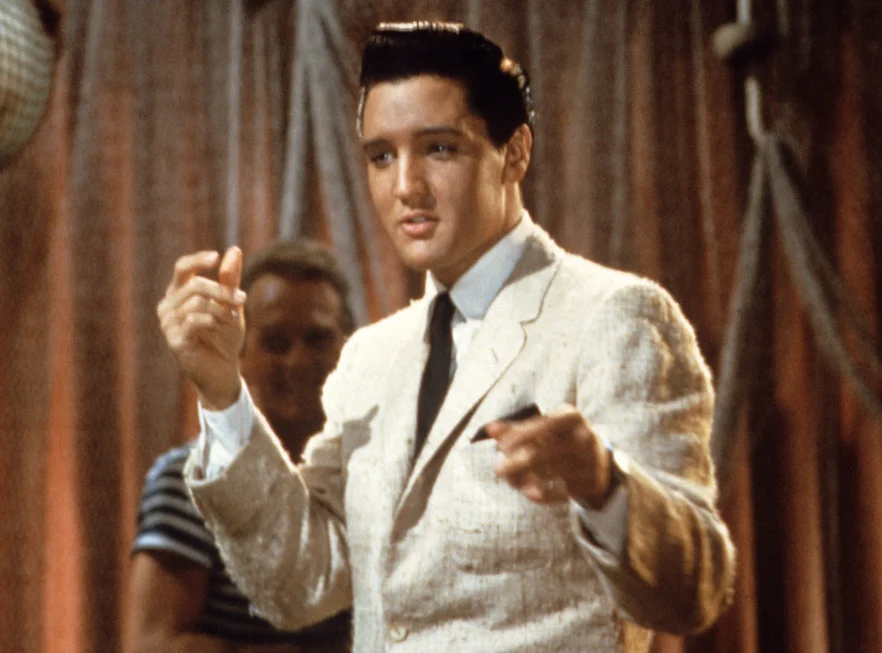
Elvis Presley’s appearances on The Ed Sullivan Show were already legendary by the time cameras famously avoided his hips. His movements, energy, and physical confidence caused national outrage and fascination at the same time. Viewers were unused to seeing sexuality presented so openly on family television. It felt disruptive in a way music performances rarely had before.
What Elvis changed was not just style, but expectation. Performance was no longer limited to standing still and singing well. Charisma, movement, and provocation suddenly mattered. After Elvis, the idea of a “safe” performance began to feel old-fashioned.
3. The Ed Sullivan Show, Bob Dylan (1965)
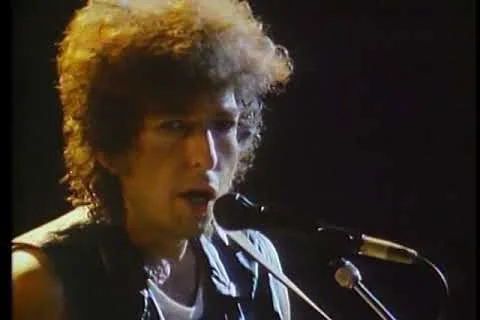
When Bob Dylan appeared on The Ed Sullivan Show after going electric, audiences were caught off guard. This was not the acoustic protest singer many expected. The sound was louder, sharper, and more confrontational. It felt like a deliberate challenge rather than a gentle evolution.
Dylan shifted the idea of what artistic integrity looked like. Consistency stopped being a requirement. Artists no longer had to protect their audience’s comfort. Growth, even when it upset people, became its own form of authenticity.
4. The Tonight Show Starring Johnny Carson, James Brown (1964)
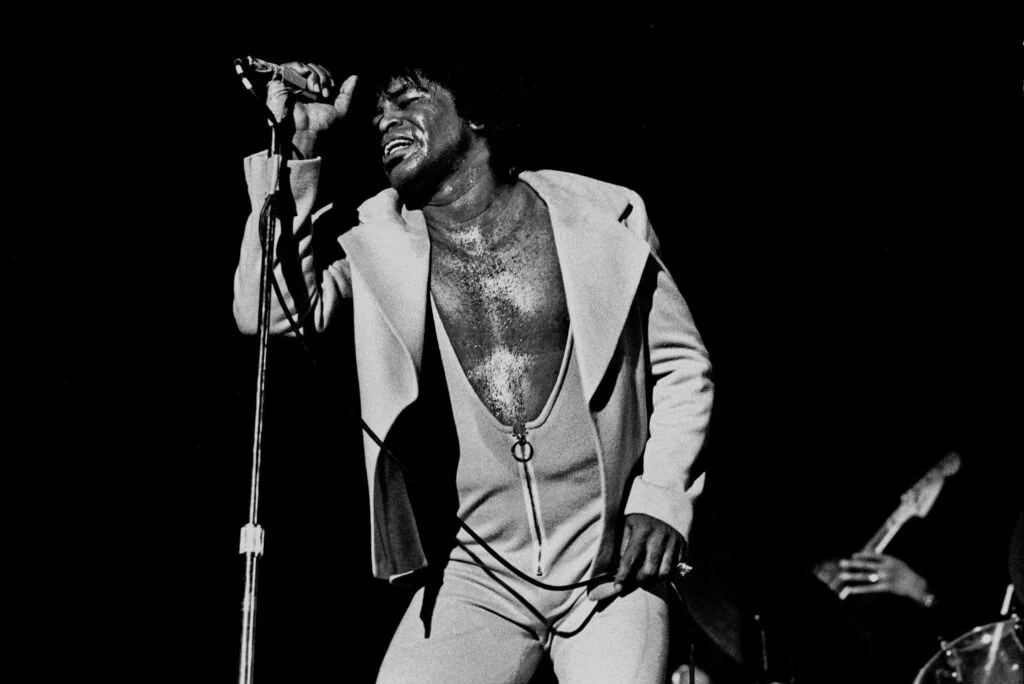
James Brown’s performances on The Tonight Show Starring Johnny Carson were unlike anything else on late-night television. His dramatic collapse, the cape, and his triumphant return turned emotion into spectacle. Audiences were not used to seeing that level of intensity played out live. It felt almost overwhelming.
Brown redefined soul music as something physical and theatrical. Passion became something to display, not hide. His influence reshaped how performers used their bodies on stage. Energy itself became proof of authenticity.
5. The Smothers Brothers Comedy Hour, Jimi Hendrix (1969)
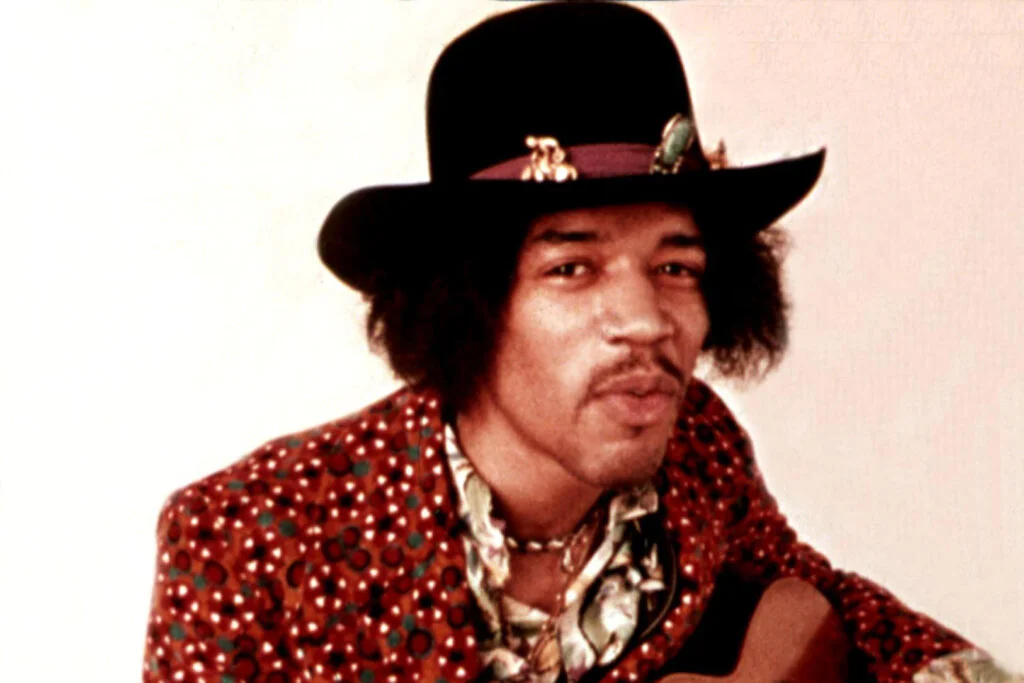
Jimi Hendrix’s performance of “The Star Spangled Banner” on The Smothers Brothers Comedy Hour stunned viewers. He transformed a familiar anthem into something fractured and confrontational. The distortion and feedback felt intentional and unsettling. It demanded interpretation instead of passive listening.
Hendrix expanded what instrumental performance could communicate. Music no longer needed lyrics to make a statement. Sound itself became political and emotional. After this, instrumental music was rarely seen as neutral again.
6. The Ed Sullivan Show, The Rolling Stones (1967)
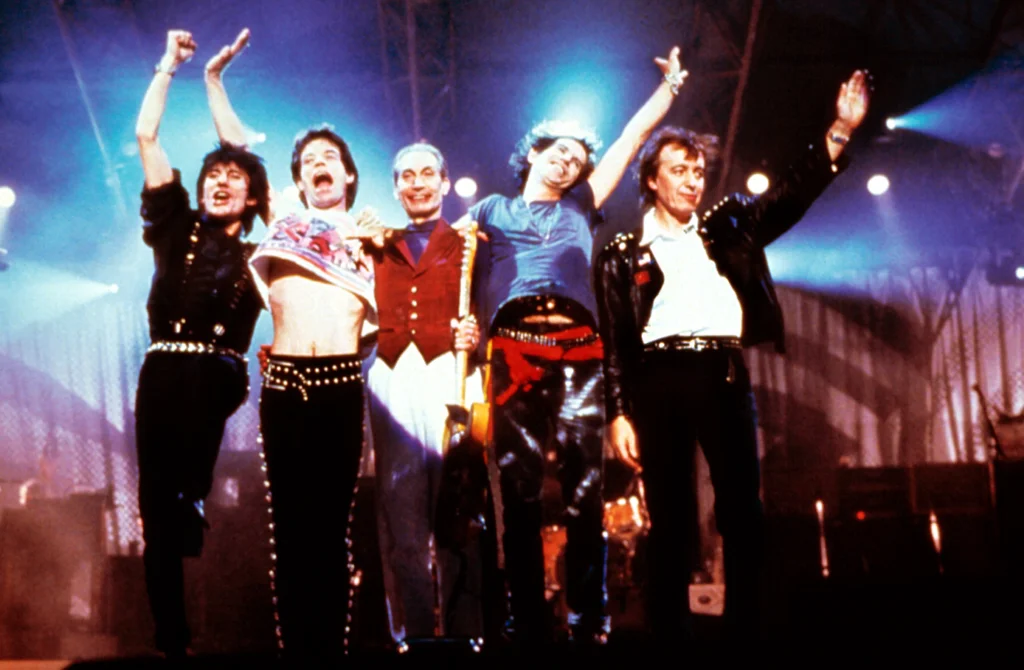
The Rolling Stones’ appearance on The Ed Sullivan Show tested the limits of broadcast decorum. Mick Jagger’s delivery of “Let’s Spend the Night Together” was unmistakably suggestive, even after lyric changes were forced. The tension between the band and the network was visible. It felt like rebellion happening in real time.
Rock performance no longer needed approval to succeed. Controversy became part of the appeal rather than something to avoid. The Stones made it clear that confrontation could attract audiences. Polite compliance suddenly felt creatively weak.
7. The Ed Sullivan Show, The Supremes (1964)
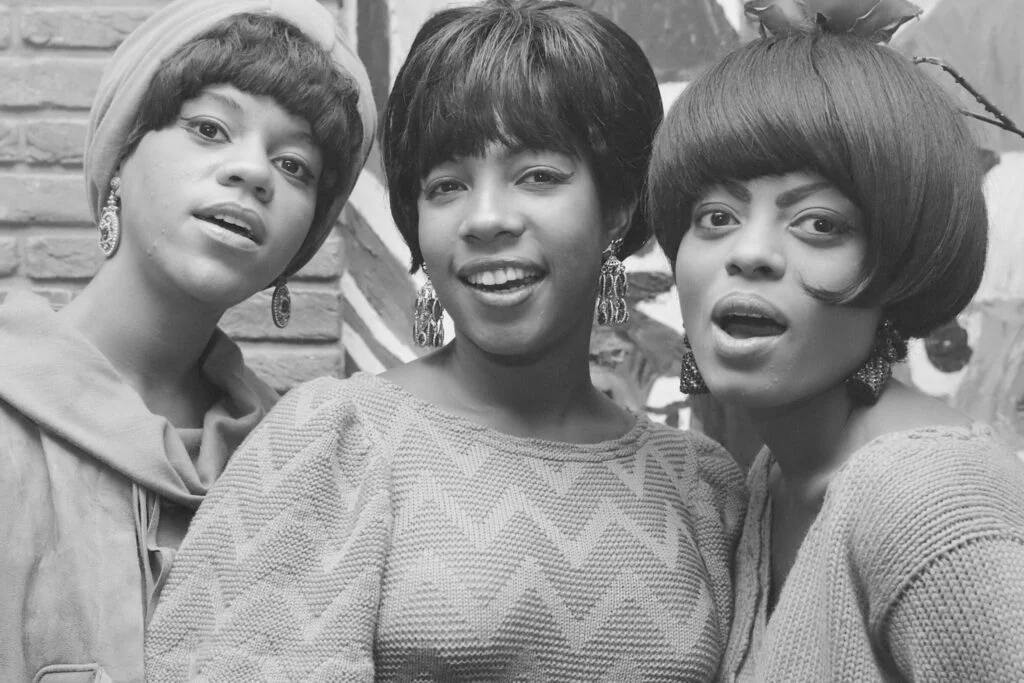
The Supremes’ performances on The Ed Sullivan Show quietly changed public expectations. Their elegance, precision, and crossover appeal challenged narrow ideas of who pop stars could be. They did not rely on confrontation to make an impact. Their presence alone did the work.
Motown suddenly represented sophistication as well as popularity. Black artists were no longer confined to genre-specific expectations on mainstream television. Style and mass appeal became inseparable. The industry adjusted quickly.
8. The Ed Sullivan Show, The Doors (1967)
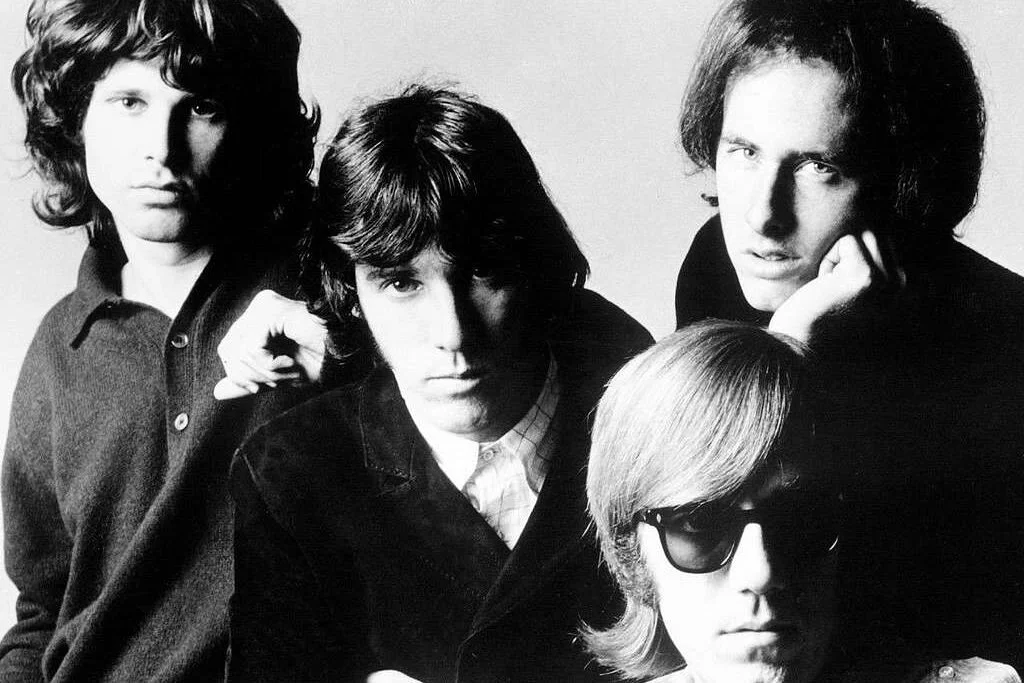
The Doors’ appearance on The Ed Sullivan Show became infamous when Jim Morrison refused to censor a lyric. His calm defiance made the moment even more striking. It did not feel reckless, it felt intentional. Control had clearly shifted.
Artists began pushing back against television authority in public. Networks were no longer unquestioned gatekeepers. The balance of power changed in that moment. Live performance became a negotiation rather than a submission.
9. The Smothers Brothers Comedy Hour, The Who (1967)
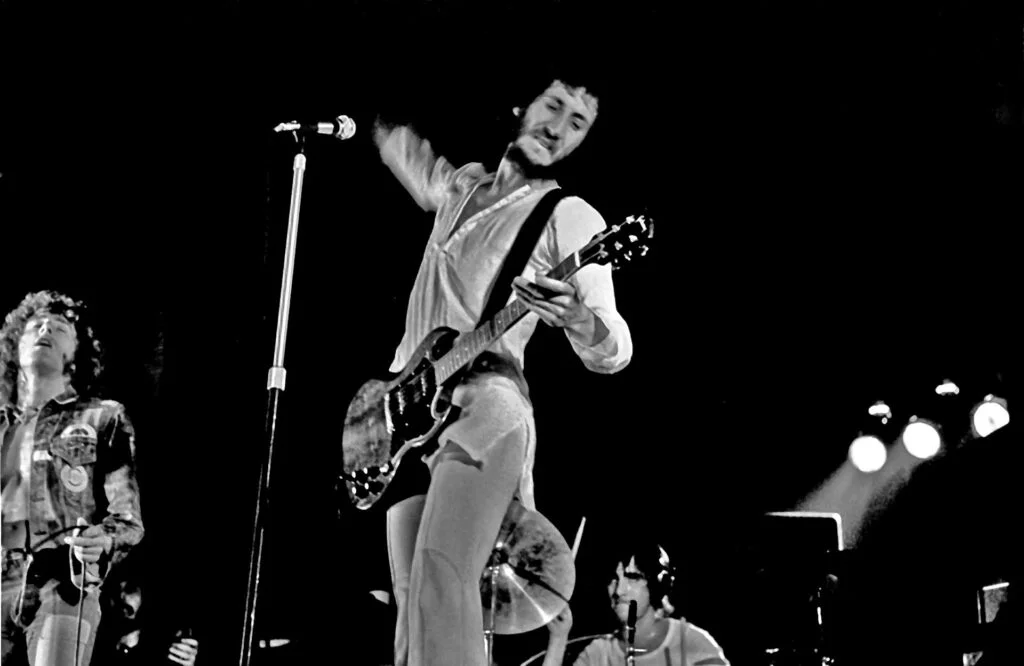
When The Who destroyed their instruments on The Smothers Brothers Comedy Hour, it shocked even seasoned rock fans. The chaos felt real, loud, and final. Nothing about it seemed symbolic or controlled. It looked like music turning into pure release.
Performance was no longer just about sound. It became about experience and impact. Destruction itself became a form of expression. Predictability instantly felt dull by comparison.
10. Easy Rider, Jack Nicholson (1969)
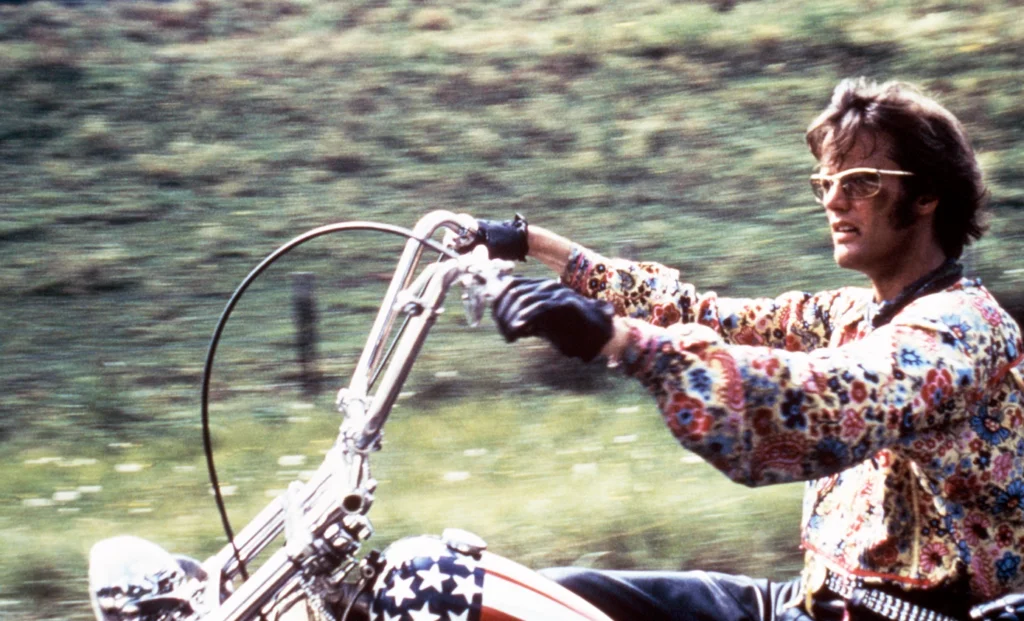
Jack Nicholson’s performance in Easy Rider felt startlingly modern to audiences at the time. His delivery was loose, unpredictable, and natural. He sounded like someone you might actually meet, not a polished movie character. That realism stood out immediately.
The performance helped usher in a more natural acting style. Audiences began craving authenticity over formality. Perfect diction and rigid blocking started to feel artificial. Hollywood followed that shift quickly.
11. Rowan & Martin’s Laugh-In, Lily Tomlin (1969)
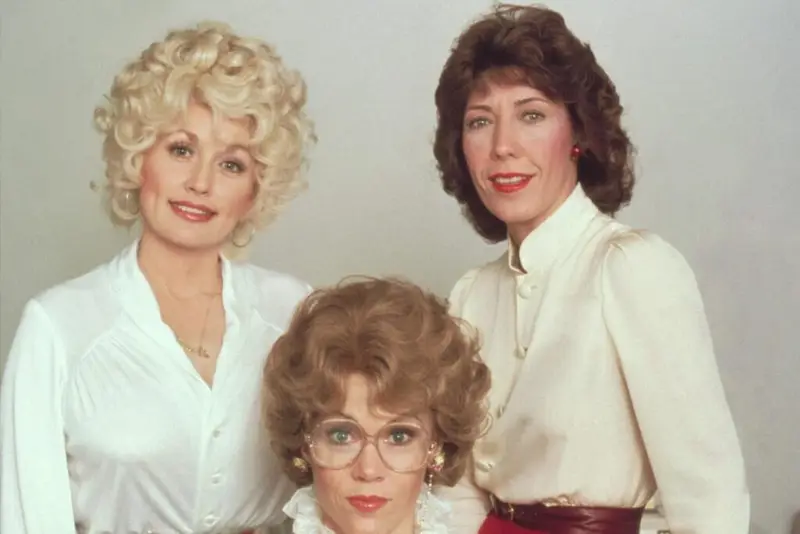
Lily Tomlin’s characters on Rowan & Martin’s Laugh-In felt entirely different from traditional TV comedy. She did not rely on punchlines alone. Her humor came from fully realized personalities. Viewers leaned in rather than waiting for the joke.
Tomlin expanded the idea of comedic performance. Comedy became character-driven instead of rapid-fire. Subtlety regained importance in a loud format. Audiences responded immediately.
12. The Smothers Brothers Comedy Hour, Janis Joplin (1969)
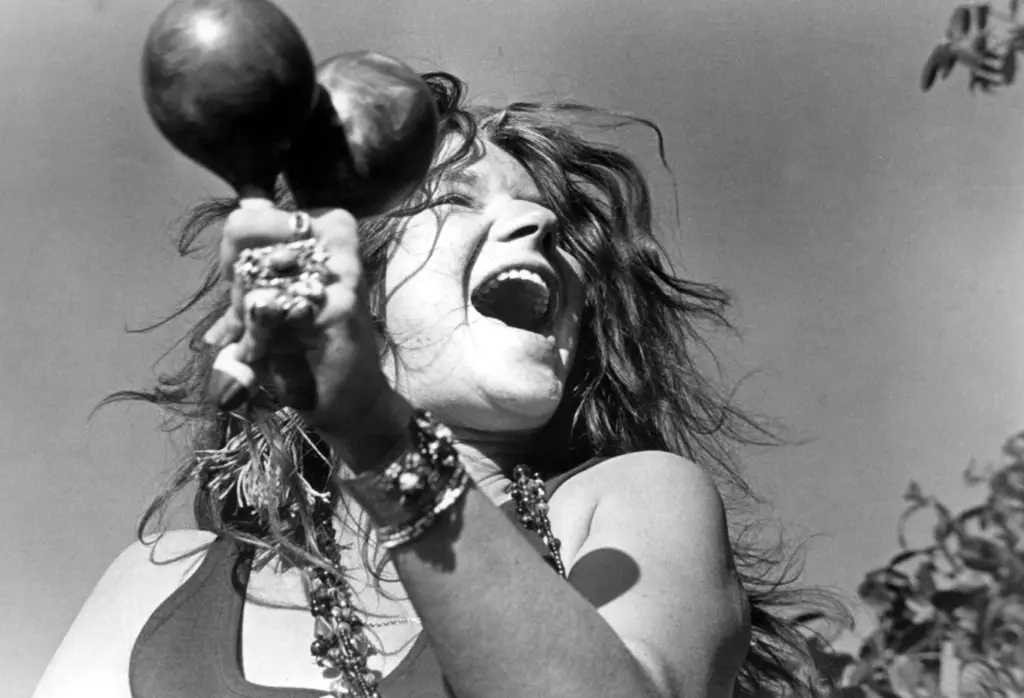
Janis Joplin’s appearances on The Smothers Brothers Comedy Hour were emotionally raw and unguarded. She sang as if holding nothing back. Television audiences were not used to that level of vulnerability. It felt almost too personal to watch.
Joplin redefined what power looked like in performance. Control was replaced by release. Emotional truth mattered more than technical perfection. That shift echoed across popular music almost immediately.
13. The Ed Sullivan Show, The Jackson 5 (1969)
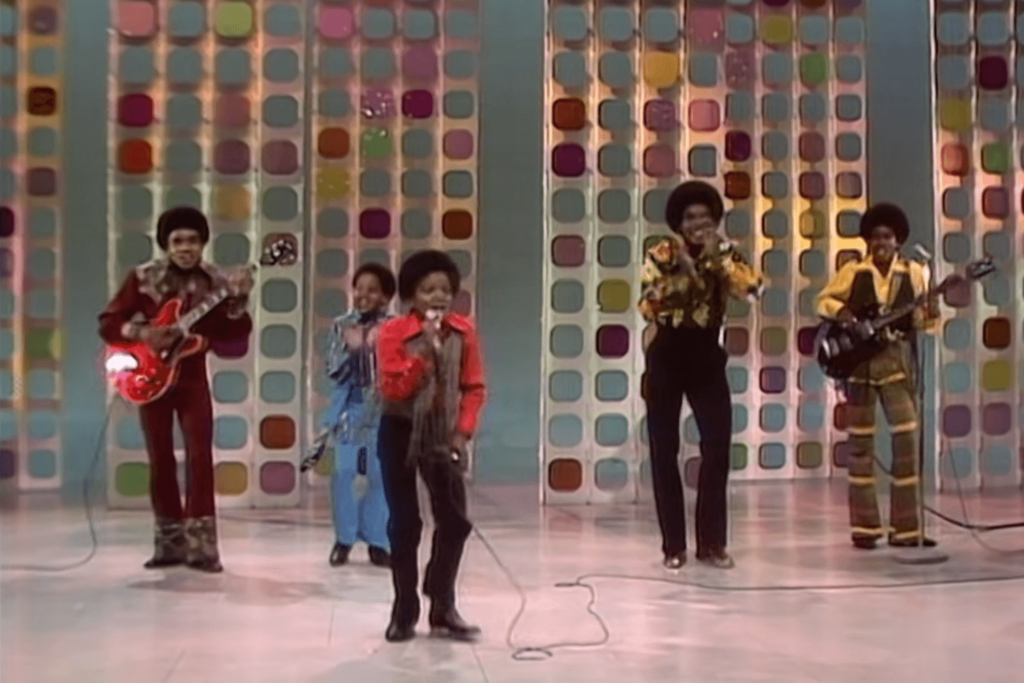
The Jackson 5’s debut on The Ed Sullivan Show introduced a new standard for youth performance. Michael Jackson’s confidence and precision were impossible to ignore. The group blended discipline with joy. It felt both rehearsed and spontaneous.
Audiences recalibrated what young performers could deliver. Family acts no longer felt quaint or novelty-driven. Precision and spectacle became the expectation. Pop performance shifted in a single night.