1. Jimi Hendrix at the Monterey Pop Festival (1967)
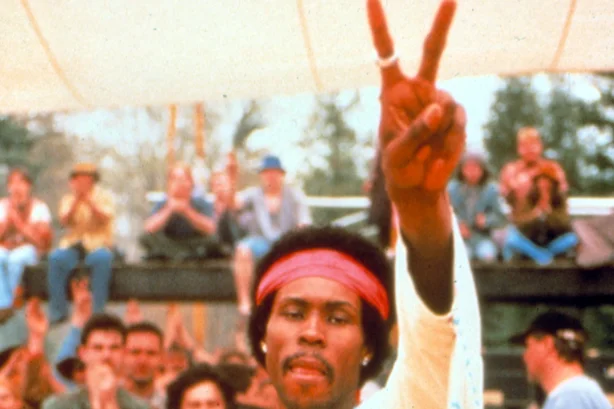
Jimi Hendrix didn’t just play the guitar at Monterey; he conducted a ritual that changed rock music forever. By the time he reached the end of “Wild Thing,” the audience was already shell-shocked by his sheer technical virtuosity and feedback-heavy sound. Then, in a moment of pure theatrical genius, he knelt before his Stratocaster, doused it in lighter fluid, and set it ablaze. The sight of flames licking the instrument while Hendrix beckoned them upward with his hands was haunting and beautiful.
It wasn’t just about the fire, though that certainly grabbed everyone’s attention. It was the way he transitioned from a soft, melodic player to a sonic whirlwind in a matter of seconds. People in the front rows were literally frozen, unsure if they were witnessing a musical performance or a literal exorcism. This was the moment Hendrix transitioned from a London underground sensation to a global icon. No one who saw that set ever looked at an electric guitar the same way again.
2. The Beatles on The Ed Sullivan Show (1964)
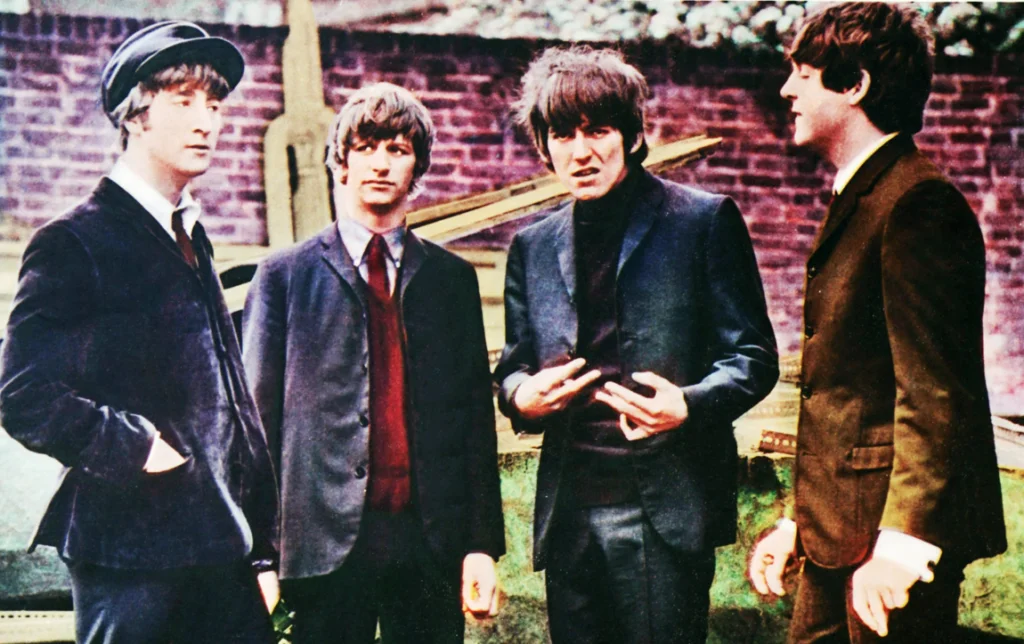
On February 9, 1964, approximately 73 million people stopped whatever they were doing to tune into a single variety show. When the curtains opened to reveal four mop-topped lads from Liverpool, the world experienced a collective shift in culture. The sheer volume of the screaming fans in the studio was enough to drown out the music, but the energy translated perfectly through the television screen. Families sat huddled together, mesmerized by the infectious joy of “I Want to Hold Your Hand.”
This performance is often credited with ending the national gloom that had persisted since the Kennedy assassination. It wasn’t just a concert; it was the arrival of a new era where youth culture took center stage. The Beatles looked happy, professional, and incredibly charismatic, making every teenager in America want to start a band. For those few minutes, the entire country was united by a simple, catchy melody. It remains the gold standard for a “stop-everything” television event.
3. Janis Joplin at the Monterey Pop Festival (1967)
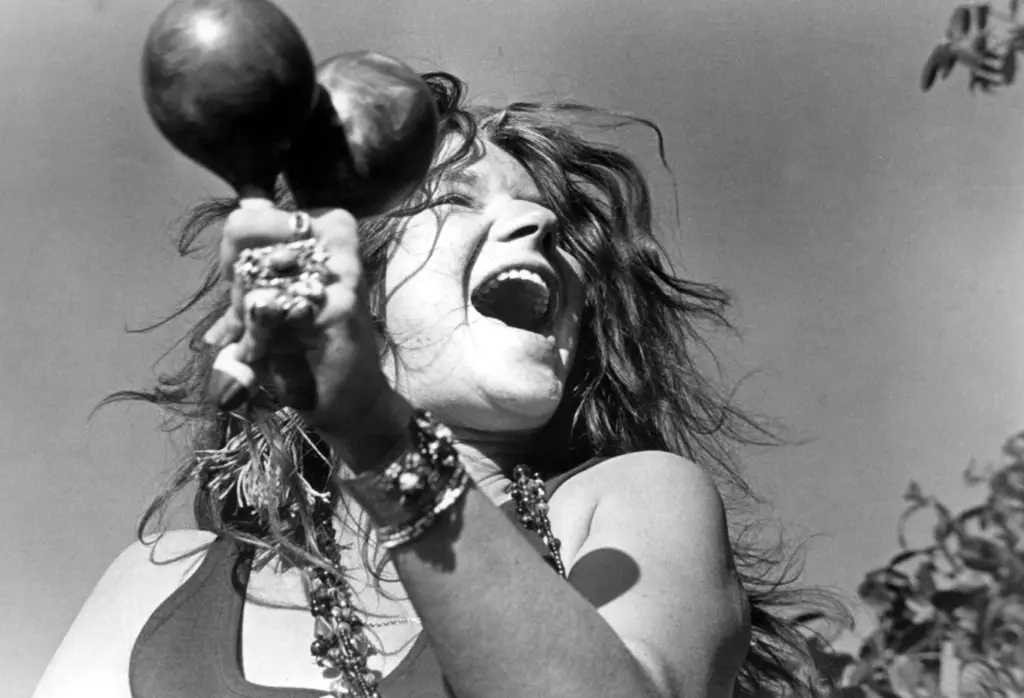
Janis Joplin walked onto the Monterey stage as a relatively unknown singer with Big Brother and the Holding Company and left as a legend. When she launched into “Ball and Chain,” the raw, guttural power of her voice caught the crowd completely off guard. You can actually see Mama Cass Elliot in the audience footage, her mouth literally hanging open in disbelief as Janis wailed. It was a vocal performance that felt dangerously honest, stripping away the polish of typical 1960s pop.
She poured every ounce of her soul into that performance, sweat beads flying as she stomped her feet and gripped the microphone. There was a sense that Janis wasn’t just singing the blues; she was living them right there in front of thousands. The audience was so stunned by her intensity that there was a brief, heavy silence before the applause erupted. She proved that a woman could be just as loud, gritty, and commanding as any male rock star. It was a transformative moment for female artists in the industry.
4. James Brown at the T.A.M.I. Show (1964)
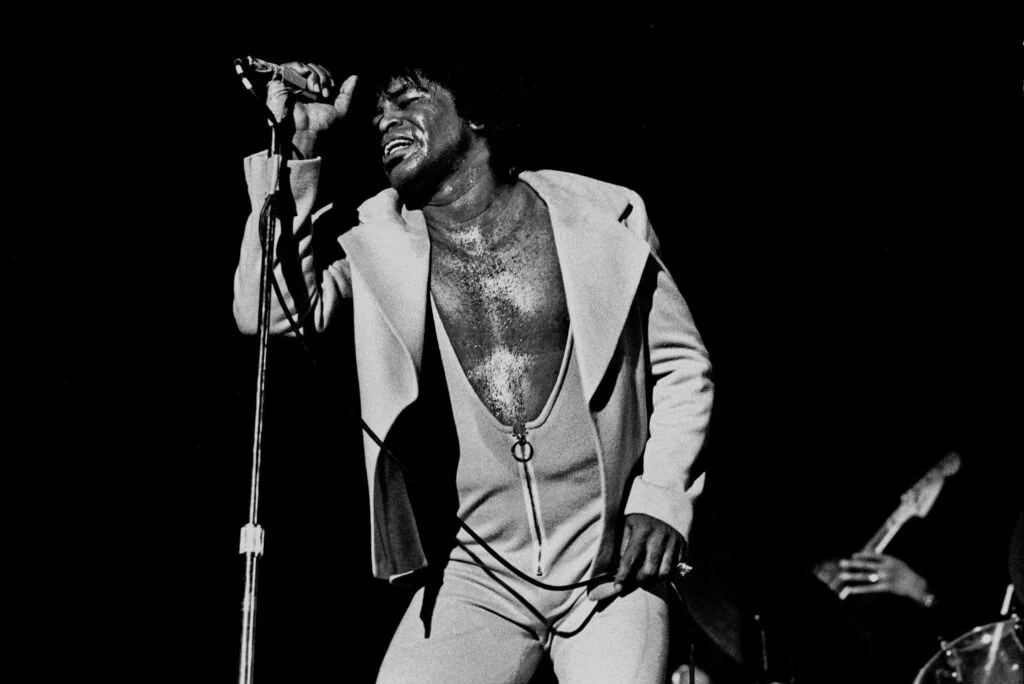
Coming on after The Rolling Stones might seem like a daunting task, but James Brown famously showed them why he was the Hardest Working Man in Show Business. During the T.A.M.I. Show, he delivered a performance of “Please, Please, Please” that featured his legendary cape routine. He would collapse in feigned exhaustion, only to be draped in a cape and led away, before throwing it off and rushing back to the mic. The precision of his dancing and the tightness of his band were unlike anything the pop world had seen.
The audience, which consisted mostly of teenagers, sat in stunned silence before breaking into a frenzy. Brown’s athleticism was so high-level that it looked almost superhuman as he executed flawless splits and slides. Even the other performers backstage were reportedly glued to the monitors, watching in awe as he commanded the room. He didn’t just sing a song; he put on an entire masterclass in showmanship. By the time he finished, he had effectively stolen the entire show from the headliners.
5. Otis Redding at the Monterey Pop Festival (1967)
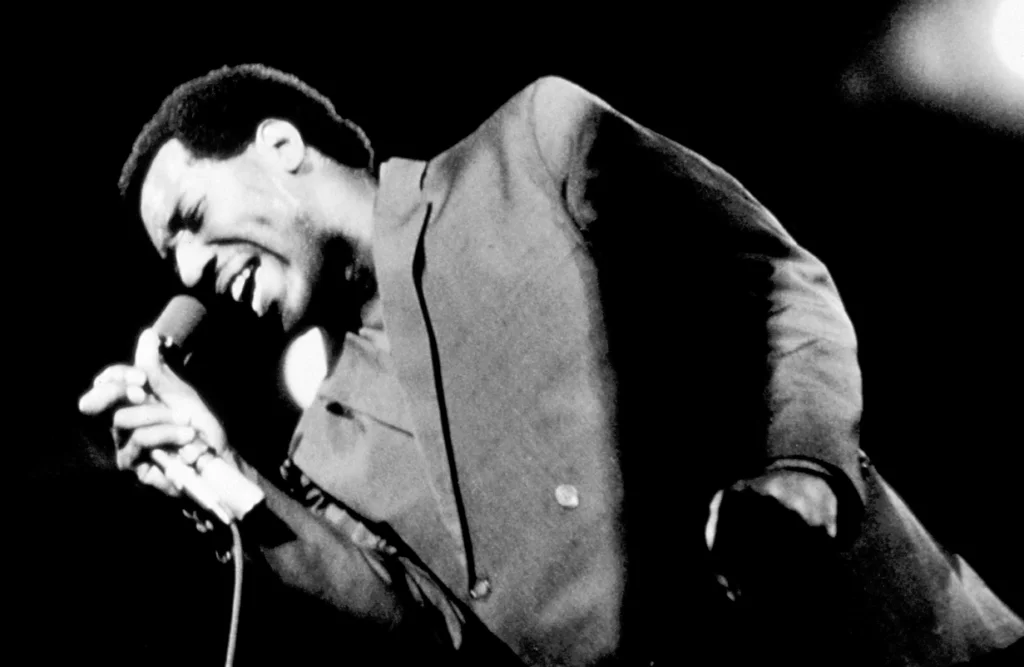
Otis Redding was primarily known to R&B audiences before he stepped onto the stage at Monterey, but he won over the “love crowd” in an instant. Despite the drizzling rain, his energy was infectious as he backed his way through high-octane versions of “Shake” and “Satisfaction.” He possessed a unique ability to make a massive festival feel like a small, intimate church service. His calls of “Lord, have mercy” and his constant engagement with the crowd kept everyone locked in.
When he slowed things down for “I’ve Been Loving You Too Long,” the entire festival grounds seemed to hold its breath. The vulnerability in his voice was palpable, creating a stark contrast to the psychedelic rock acts that had preceded him. It was a masterclass in soul music that transcended racial and cultural barriers in a single night. Sadly, it would be one of his final major performances before his passing later that year. He left the audience not just entertained, but deeply moved by his spirit.
6. Bob Dylan at the Newport Folk Festival (1965)
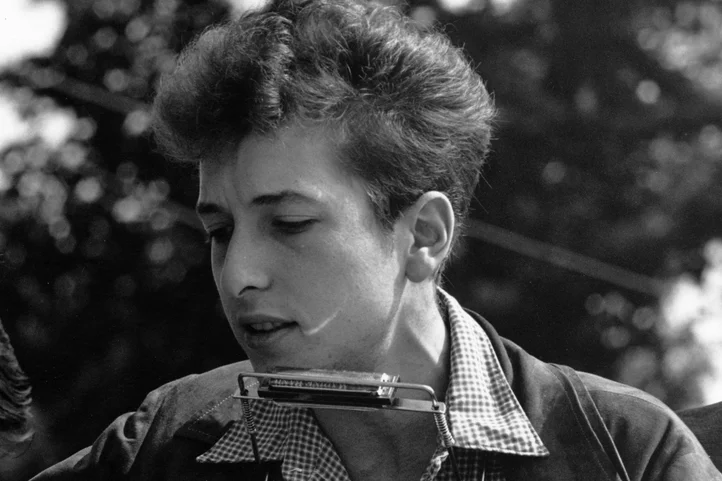
Bob Dylan caused a literal riot in the folk community when he walked onto the Newport stage and plugged in an electric guitar. To the folk purists in the crowd, this was seen as a betrayal of the acoustic tradition he had helped champion. As he launched into “Maggie’s Farm,” a wave of boos competed with the loud, distorted sound of his Fender Stratocaster. People were standing up and shouting, unable to believe that their folk hero had gone “electric.”
Despite the hostile reception from some, the performance changed the trajectory of rock and roll forever. It was the birth of folk-rock, merging poetic lyrics with the raw power of a full band. Dylan stood his ground, appearing cool and detached while the chaos unfolded around him. This wasn’t a performance for the faint of heart; it was an act of artistic rebellion. It forced the entire music world to reconsider what folk music could be.
7. Aretha Franklin on The Cliff Richard Show (1968)
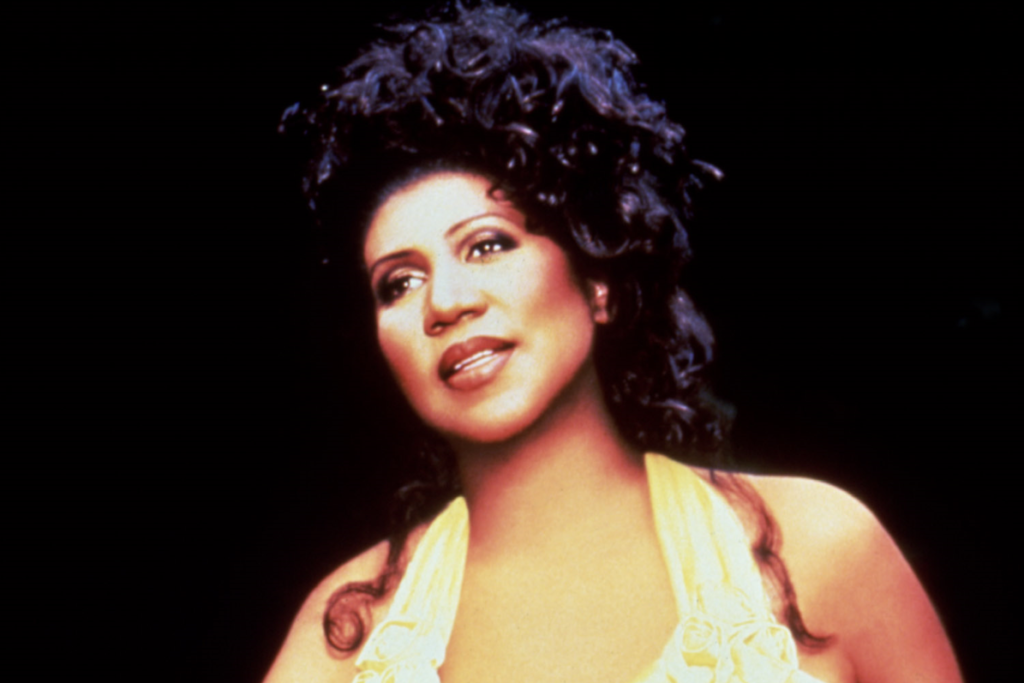
While she was already the Queen of Soul, Aretha Franklin’s televised performance of “(You Make Me Feel Like) A Natural Woman” in 1968 was a moment of pure grace. Sitting at the piano, she commanded the room with a vocal range that seemed to have no upper limit. The way she controlled the dynamics of the song, from a whisper to a roar, kept the studio audience in a trance. Every run and riff she executed felt intentional and deeply emotional.
There was a regal quality to her presence that made it impossible to look away from the screen. She didn’t need pyrotechnics or backup dancers; her voice and the piano were more than enough. Viewers at home felt the weight of her talent, recognizing that they were watching a once-in-a-generation artist. This performance solidified her status as a global superstar who could move any audience. It remains one of the most elegant displays of vocal talent ever captured on film.
8. The Who at the Monterey Pop Festival (1967)
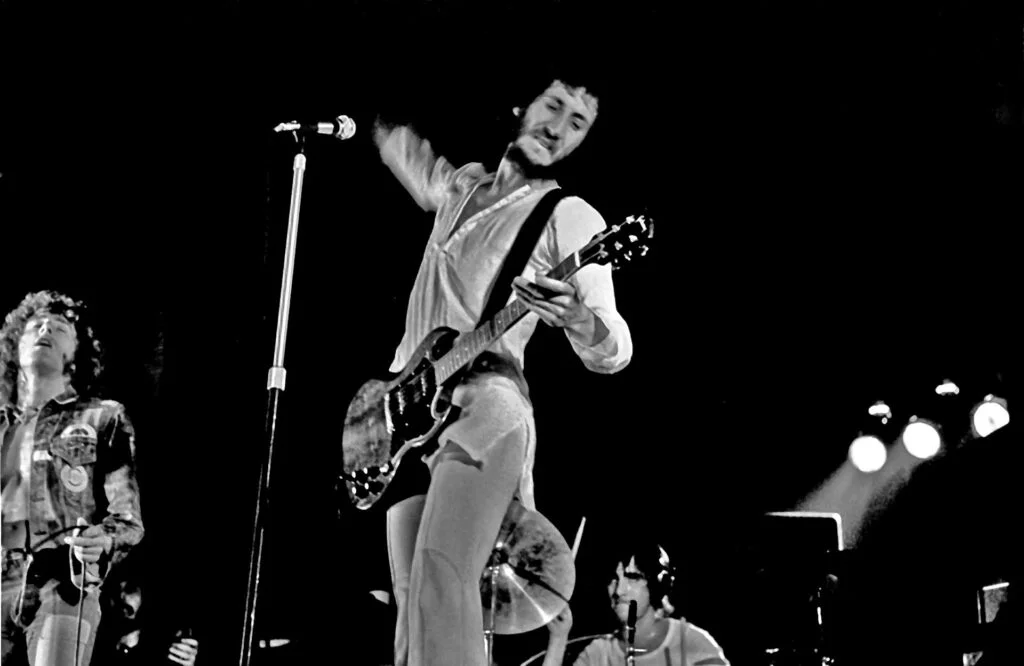
The Who were determined to make an impression during their first major U.S. appearance, and they did so by destroying their equipment. At the conclusion of “My Generation,” Pete Townshend began smashing his guitar against the floor while Keith Moon kicked his drum kit over. Smoke bombs went off, creating a chaotic, hazy scene that looked like a war zone. The audience, largely used to the “peace and love” vibe of the festival, was stunned into silence.
This wasn’t just mindless destruction; it was a visceral expression of the song’s rebellious lyrics. The sheer noise and visual carnage were so intense that people didn’t know whether to cheer or run for cover. It was the ultimate “mic drop” moment before the term even existed. Hendrix actually had to follow this act, which famously led to him setting his own guitar on fire to top them. The Who proved that rock and roll could be dangerous and unpredictable.
9. Simon & Garfunkel at the Monterey Pop Festival (1967)
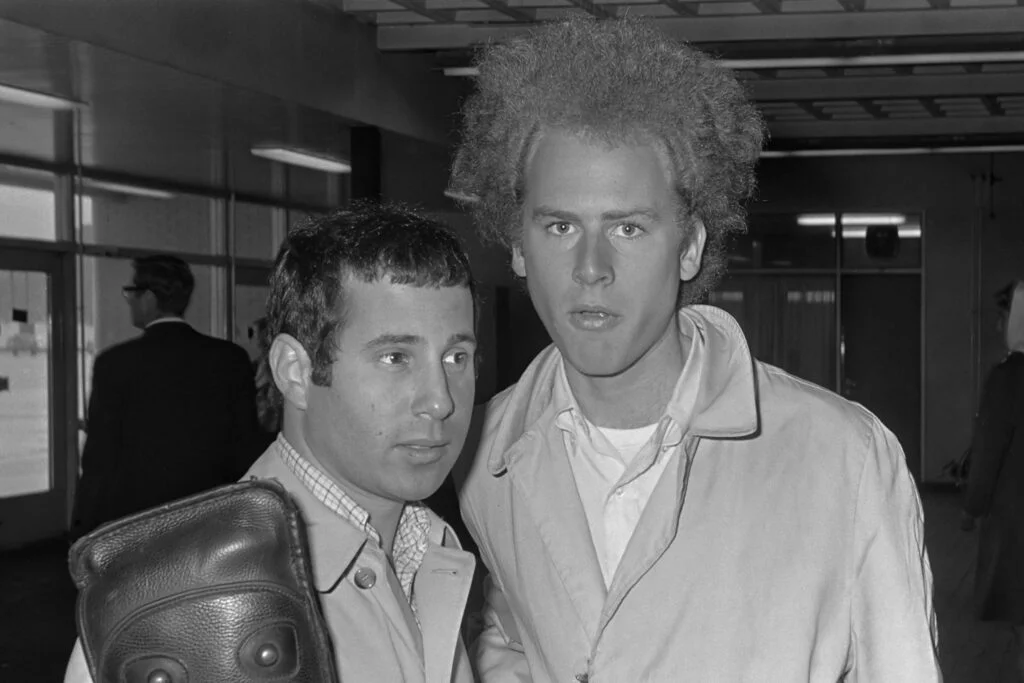
In a festival filled with loud guitars and crashing drums, Simon & Garfunkel managed to stop the world with nothing but two voices and an acoustic guitar. Performing “The Sound of Silence” as the sun began to set, they created a moment of profound stillness. The harmonies were so tight and perfect that they sounded like a single, multi-tonal instrument. Thousands of people who had been dancing moments before suddenly sat down and listened.
The contrast between their quiet folk and the psychedelic rock of the era was jarring in the best way possible. It was a reminder that lyrics and melody could be just as powerful as high-volume amplification. You could hear a pin drop in the crowd as they finished their set. It was a spiritual experience for many, grounding the festival in a moment of quiet reflection. Their performance proved that true artistry doesn’t always need to shout to be heard.
10. The Rolling Stones at the Altamont Free Concert (1969)
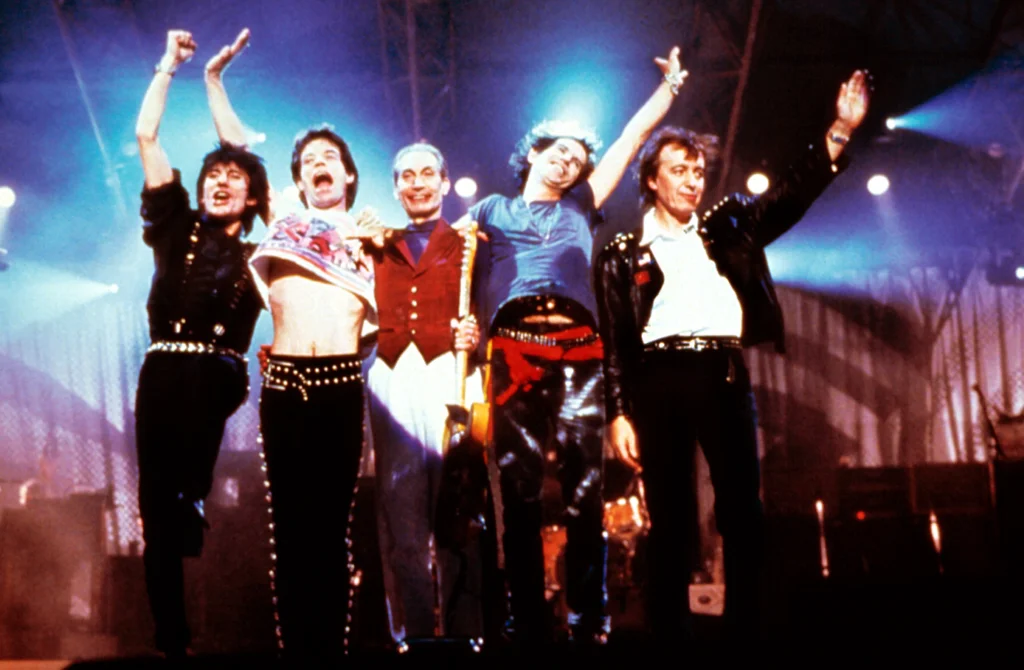
The Rolling Stones’ performance at Altamont is remembered for all the wrong reasons, but it undeniably made the world stop and watch in horror. Captured in the documentary Gimme Shelter, the band played “Under My Thumb” while violence broke out in the crowd between fans and the Hells Angels. Mick Jagger looked visibly shaken, stopping the music several times to plead for calm. The tension in the air was thick, and the footage shows a band losing control of their own event.
This performance is often cited as the symbolic end of the 1960s “flower power” era. The darkness of the night and the visible fear on the stage created a haunting atmosphere that was far removed from the joy of Woodstock. Watching Jagger try to keep the peace while chaos erupted at his feet is one of the most sobering moments in rock history. It served as a grim reminder of the volatility inherent in massive, unorganized gatherings. The innocence of the decade seemed to evaporate in real time during that set.
11. Jefferson Airplane at Woodstock (1969)
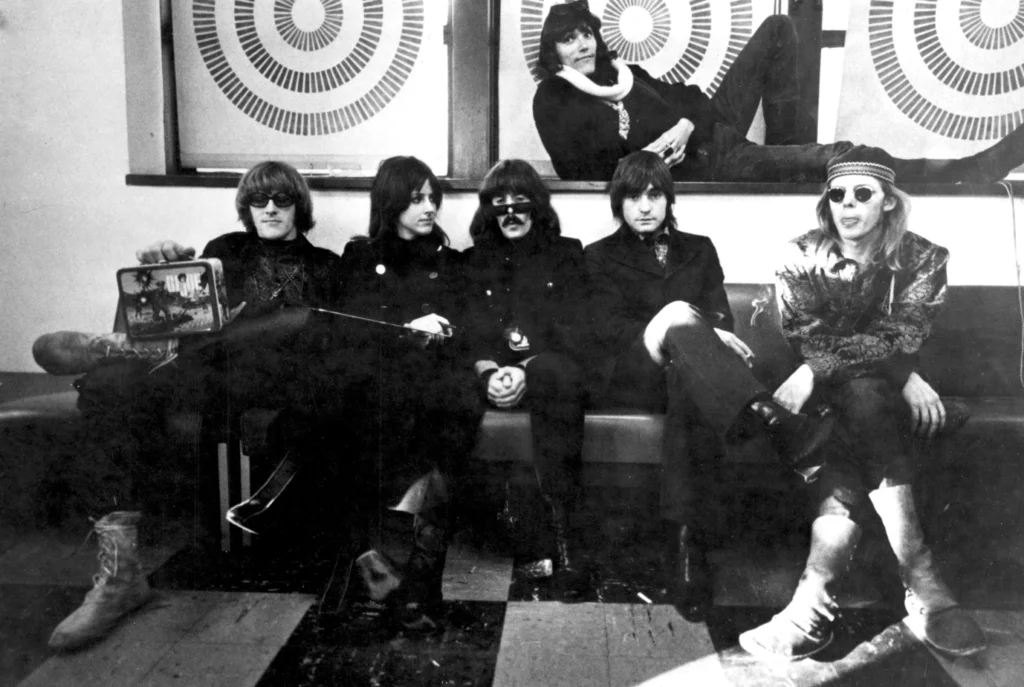
Jefferson Airplane was scheduled to headline Saturday night at Woodstock but didn’t actually take the stage until the sun came up on Sunday morning. Grace Slick famously greeted the exhausted, muddy crowd with the phrase, “Alright, friends, you get the morning maniac music.” Despite the late (or early) hour, their performance of “White Rabbit” was a psychedelic tour de force that woke everyone up. Slick’s commanding vocals cut through the morning mist with surgical precision.
The band managed to capture the trippy, counter-culture spirit of the weekend better than almost anyone else. As the sun rose over the hills, the soaring guitar lines of Jorma Kaukonen provided a soundtrack for the massive sea of humanity. It was a moment of pure communal energy that defined the “Summer of Love” legacy. Even those who were half-asleep felt the gravity of the performance. They proved that the magic of Woodstock could survive even the most grueling schedules and conditions.
12. Sly and the Family Stone at Woodstock (1969)
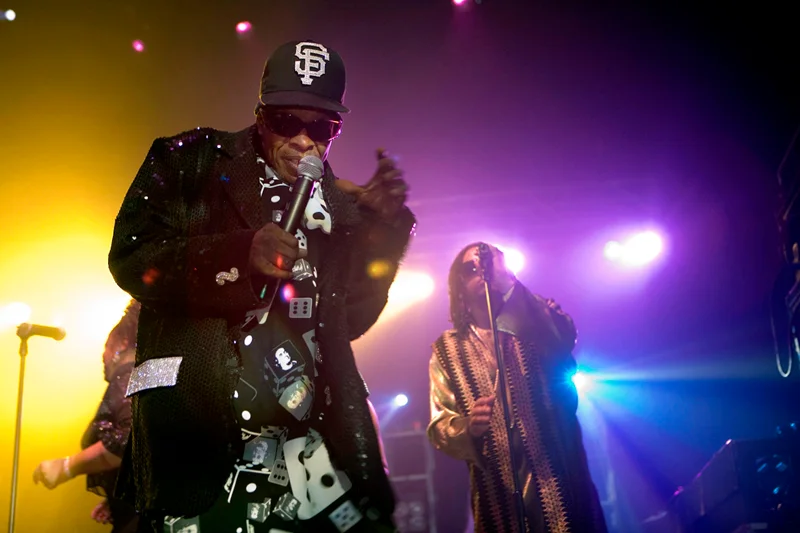
While many acts at Woodstock were laid-back or folk-oriented, Sly and the Family Stone brought a level of funk that blew the roof off the open-air festival. Taking the stage at 3:30 AM, they turned a tired, rain-soaked crowd into a massive dance party with “I Want to Take You Higher.” Sly Stone’s energy was infectious, and the band’s diverse lineup was a powerful visual statement in itself. They forced everyone to get on their feet and participate in the music.
The call-and-response sections of their set created a sense of unity that was palpable even through later film recordings. It was a relentless, high-energy assault on the senses that refused to let the audience rest. Many consider it the highlight of the entire festival because of how it transformed the mood of the weary attendees. They didn’t just play a set; they conducted a massive, soulful celebration. It remains one of the most vibrant and life-affirming performances of the late sixties.
13. Tiny Tim on The Tonight Show Starring Johnny Carson (1968)
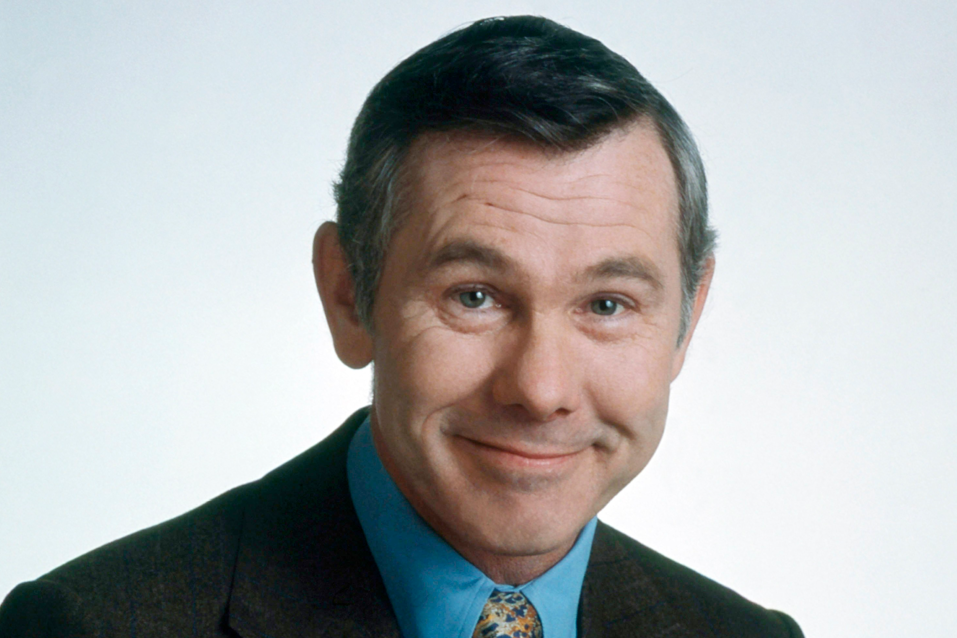
In one of the most surreal moments in television history, Tiny Tim appeared on The Tonight Show and performed “Tiptoe Through the Tulips.” With his long curly hair, high-pitched falsetto, and tiny ukulele, he was unlike anything mainstream America had ever seen. The audience didn’t know whether to laugh or be mesmerized, but they definitely couldn’t look away. It was a moment of pure, unadulterated “weirdness” that somehow became a national sensation.
Tiny Tim’s sincerity was what really caught people off guard; he wasn’t playing a character so much as living his own truth. Johnny Carson’s reaction of amused bewilderment mirrored that of the millions watching at home. For a brief window, this eccentric performer was the most talked-about man in the country. He broke all the rules of what a “pop star” was supposed to look and sound like. This performance opened the door for more avant-garde and unusual acts to find a place in the mainstream.
14. Judy Garland at Carnegie Hall (1961)
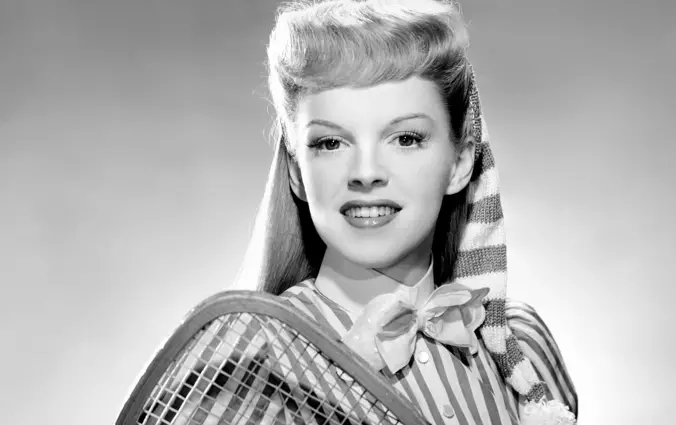
Often called “the greatest night in show business history,” Judy Garland’s 1961 comeback at Carnegie Hall was a masterclass in vocal power and resilience. Although she had struggled with personal demons for years, that night she was in peak form, delivering 26 songs with unmatched intensity. The audience included some of the biggest stars in Hollywood, all of whom stood and cheered for minutes on end. When she sang “Over the Rainbow,” there wasn’t a dry eye in the legendary venue.
The atmosphere was electric, with the crowd reportedly rushing the stage to be closer to her during the encores. It was more than a concert; it was a triumphant return for a beloved icon who many thought had been lost. The recording of the night, Judy at Carnegie Hall, went on to win five Grammy Awards and stayed on the charts for nearly two years. She proved that true talent is timeless and can overcome even the darkest of personal struggles. It remains a benchmark for live vocal performances to this day.