
1. Bonnie and Clyde (1967), Faye Dunaway
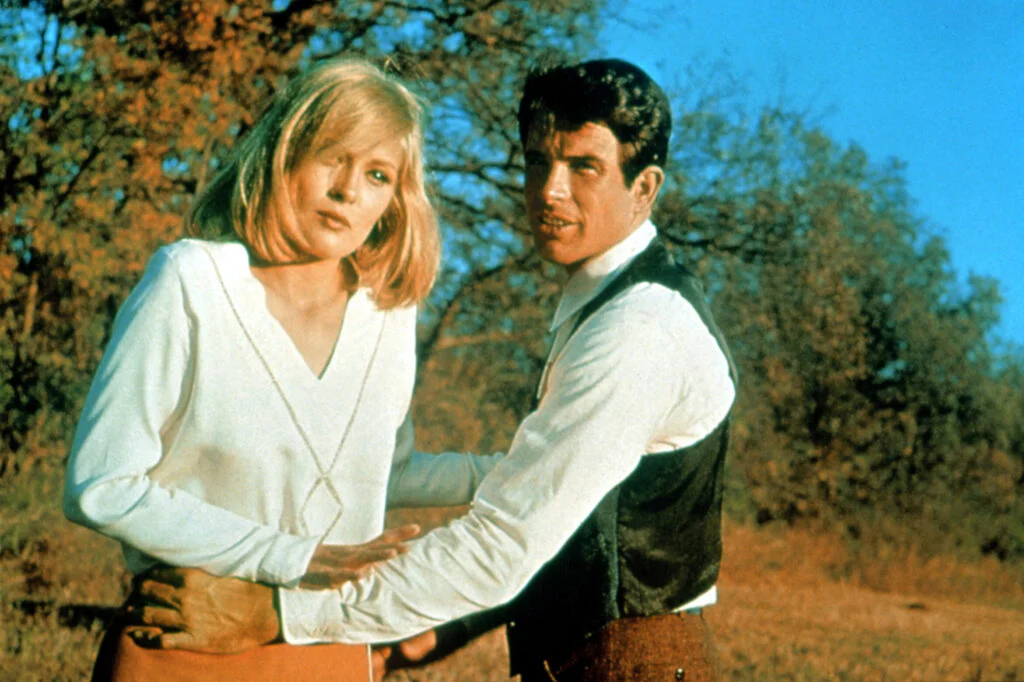
Before Bonnie and Clyde, Dunaway was still largely unknown outside of theater circles. Her turn as Bonnie Parker instantly changed that, making her one of the most talked about actresses of the late ’60s. The mix of glamour, danger, and emotional depth felt unlike anything audiences were used to seeing. Viewers did not just notice her, they fixated on her.
The film itself became a cultural lightning rod, but Dunaway’s presence was central to its impact. She projected confidence while still showing vulnerability, which helped redefine what a leading woman could look like. Hollywood quickly took notice, and offers followed almost immediately. It was the kind of debut that felt both sudden and inevitable.
2. The Graduate (1967), Dustin Hoffman
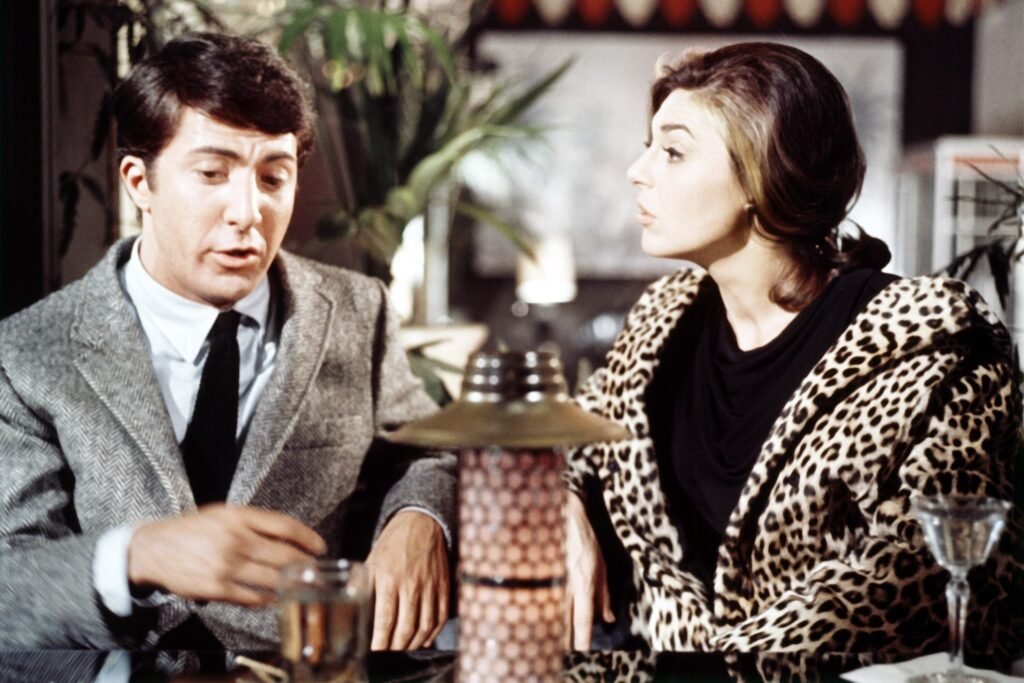
Hoffman was an unconventional choice for a romantic lead in the ’60s, which is exactly why his performance landed so hard. As Benjamin Braddock, he captured a restless, awkward energy that felt deeply familiar to younger audiences. He did not look like a movie star, which made him feel more real. That authenticity was his secret weapon.
The success of The Graduate turned Hoffman into a symbol of a new Hollywood era. Overnight, he became a name audiences recognized and debated. Studios began rethinking what leading men could be. Hoffman’s career trajectory shifted instantly, and there was no going back.
3. In the Heat of the Night (1967), Sidney Poitier
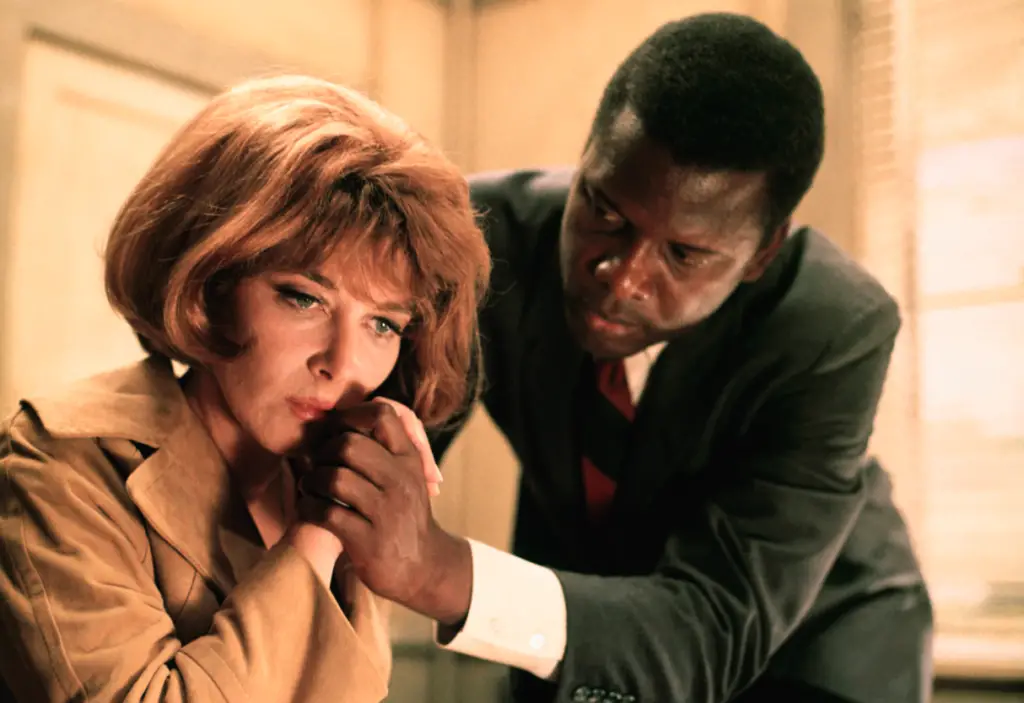
Poitier had been working steadily before this role, but In the Heat of the Night pushed him into true household-name territory. His portrayal of Virgil Tibbs was sharp, controlled, and quietly powerful. The character demanded respect in a way few roles of the era allowed. Audiences could not ignore him.
The film’s success cemented Poitier as a major cultural figure, not just a talented actor. His performance carried both dramatic weight and social significance. It reshaped how Black leading men were seen on screen. From that point forward, Poitier was a central figure in American cinema.
4. Easy Rider (1969), Jack Nicholson
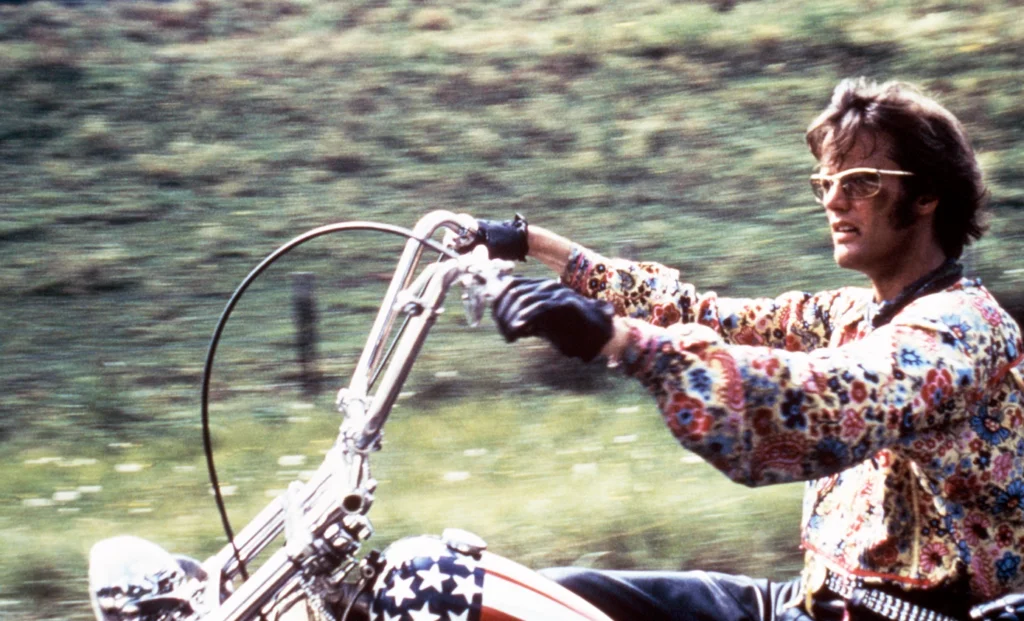
Nicholson had appeared in films before Easy Rider, but this role changed everything. As the boozy, fast-talking lawyer George Hanson, he stole nearly every scene he appeared in. His performance was unpredictable, funny, and strangely moving. Viewers immediately wanted more of him.
The film’s success made Nicholson an overnight sensation. Hollywood finally recognized his raw charisma and unique screen presence. Roles that once felt out of reach suddenly opened up. Easy Rider marked the moment Nicholson stopped being a supporting player and became a star.
5. Rosemary’s Baby (1968), Mia Farrow
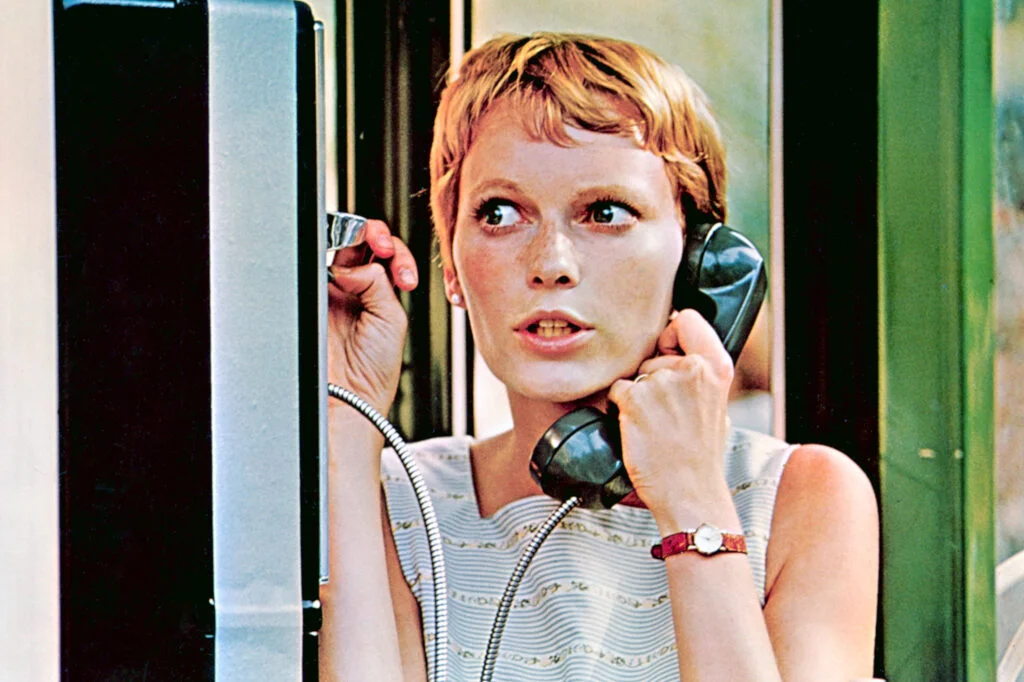
Farrow was known to some television viewers, but Rosemary’s Baby brought her to a much wider audience. Her fragile, increasingly unhinged performance felt painfully intimate. She made fear look quiet and believable rather than theatrical. That subtlety stayed with viewers long after the film ended.
The role positioned Farrow as a serious dramatic actress almost overnight. Audiences sympathized with her character in a deeply personal way. Hollywood took note of her ability to carry a complex psychological story. From then on, her name carried real weight.
6. Midnight Cowboy (1969), Jon Voight
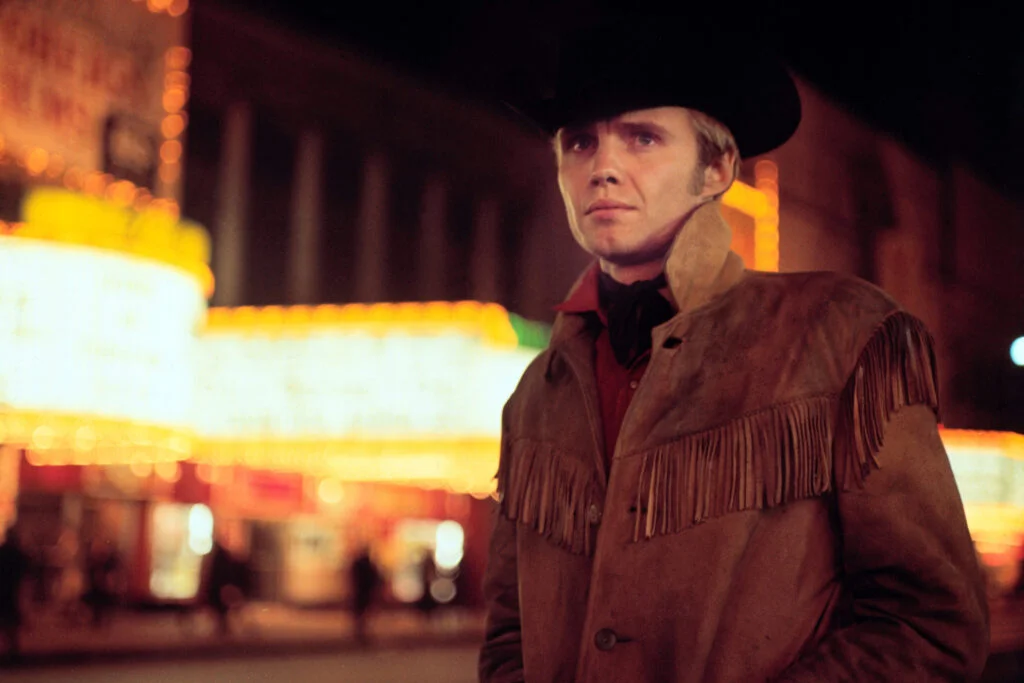
Voight’s portrayal of Joe Buck was raw and emotionally exposed. He brought vulnerability to a character that could have easily felt shallow or caricatured. Instead, audiences saw loneliness, hope, and desperation all at once. It was impossible not to notice him.
The film’s controversial success helped push Voight into the spotlight. Critics praised his willingness to go emotionally bare. He suddenly found himself associated with bold, challenging material. Midnight Cowboy turned him into a serious leading man.
7. They Shoot Horses, Don’t They? (1969), Jane Fonda
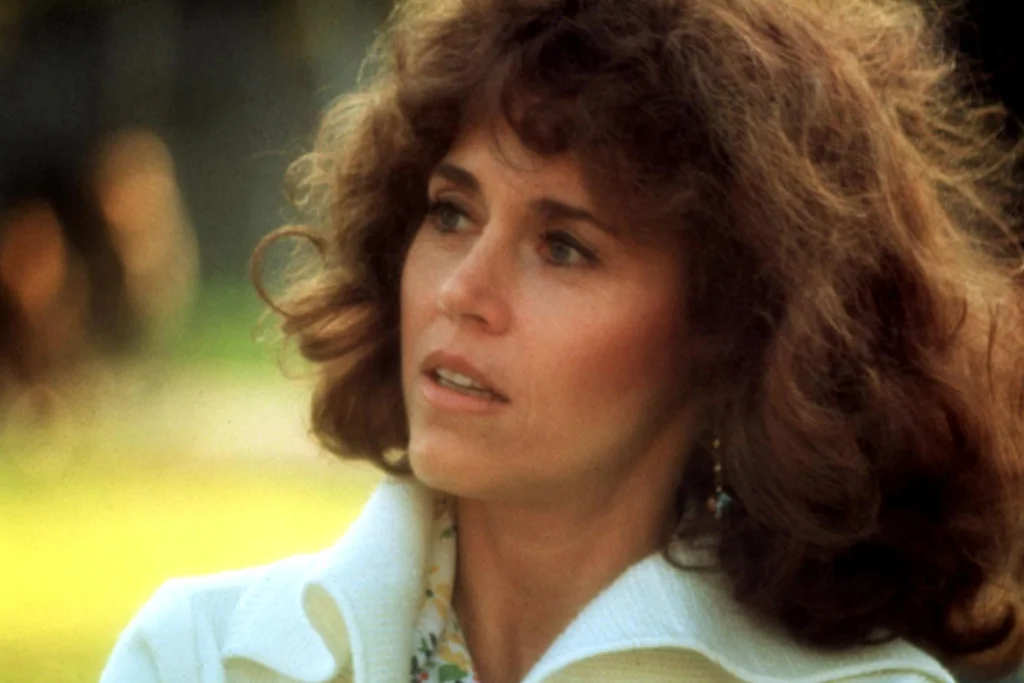
Fonda had worked in lighter roles earlier in the decade, but this performance marked a dramatic shift. Her character’s exhaustion and despair felt brutally honest. She stripped away glamour and leaned fully into emotional realism. Audiences saw her differently almost immediately.
The role reframed Fonda’s public image. She was no longer just a familiar face, but a fearless actress willing to take risks. Industry respect followed quickly. This performance laid the groundwork for her later dominance in ’70s cinema.
8. Night of the Living Dead (1968), Duane Jones
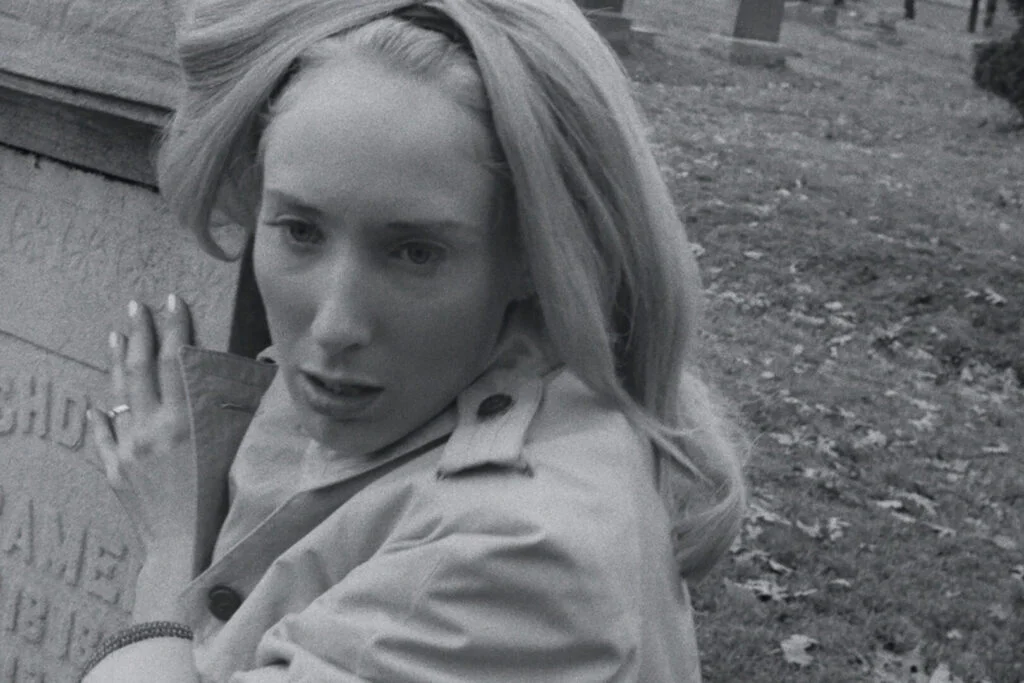
Jones was virtually unknown when he took on the role of Ben. His calm, authoritative performance grounded the film in realism. He played the character without stereotype or exaggeration, which was quietly revolutionary. Audiences responded to that strength.
Although the film was made on a small budget, its impact was enormous. Jones became an unexpected cultural figure. His performance helped redefine the horror genre. Even without traditional stardom, he became instantly recognizable.
9. Romeo and Juliet (1968), Olivia Hussey
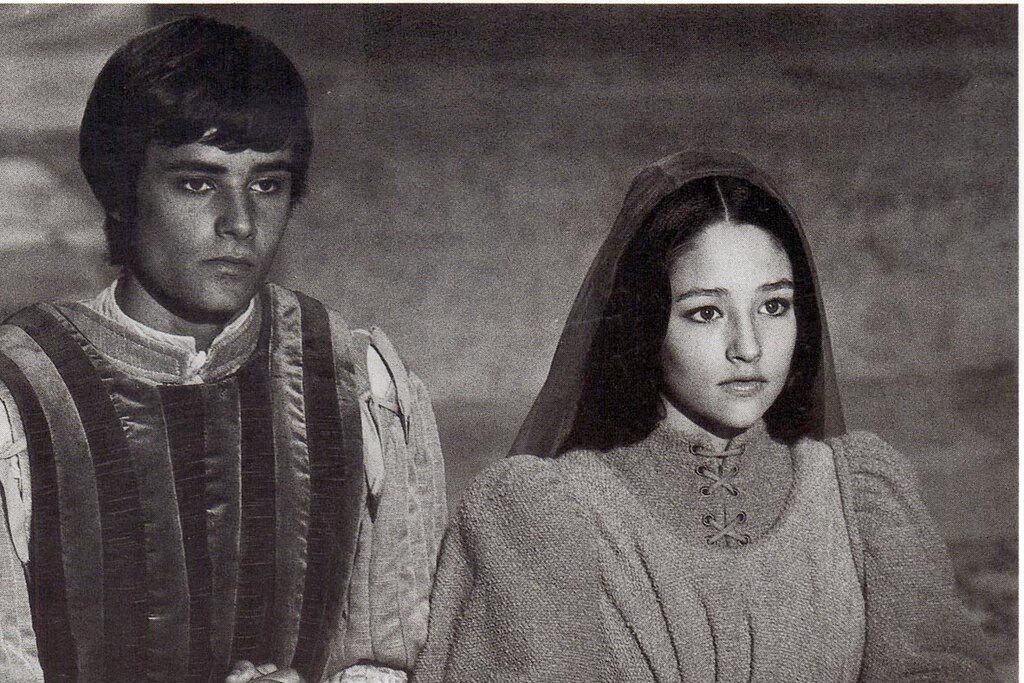
Hussey was just a teenager when she was cast as Juliet. Her performance balanced innocence with emotional maturity. She made Shakespeare feel accessible rather than distant. Viewers were captivated by her sincerity.
The film’s global success made Hussey an international name. Audiences associated her face with youthful romance and tragedy. She became instantly recognizable across generations. It was a debut few actors ever experience.
10. A Hard Day’s Night (1964), The Beatles
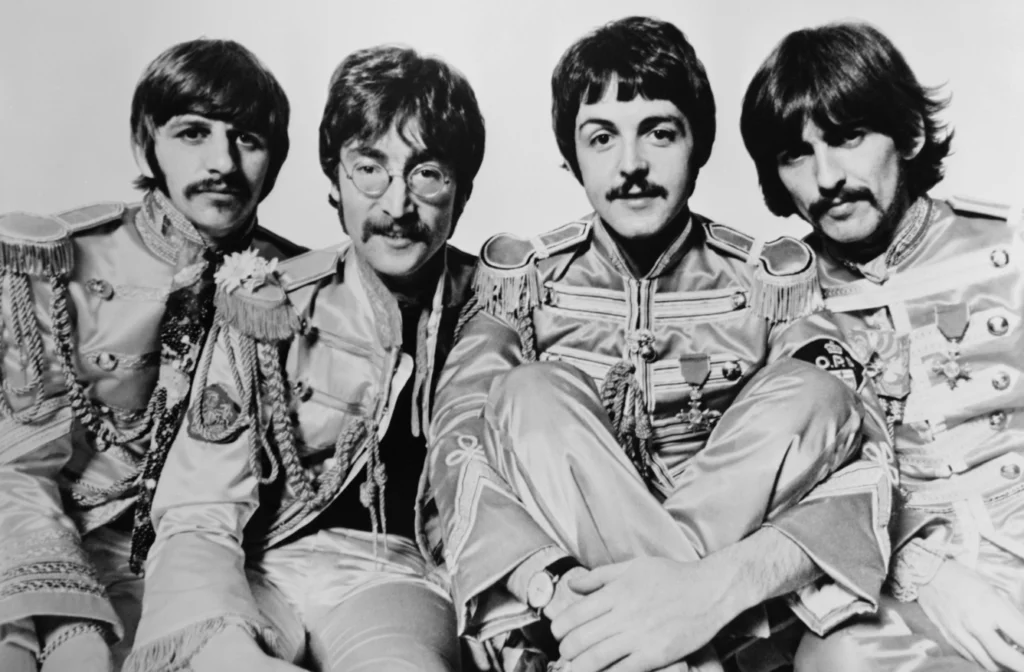
The Beatles were already successful musicians, but this film expanded their reach dramatically. Their natural charm and humor translated effortlessly to the screen. Audiences felt like they were seeing the real personalities behind the music. That connection mattered.
The movie turned them into cultural fixtures beyond radio and records. Even casual viewers now knew their faces and mannerisms. Their fame crossed into every corner of popular culture. After this film, they were unavoidable.
11. Mary Poppins (1964), Julie Andrews
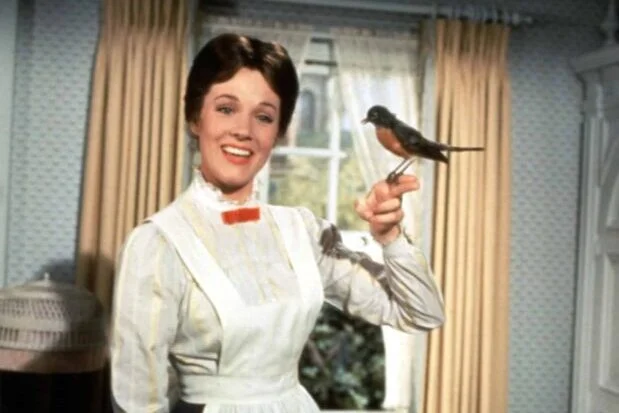
Andrews was not yet a film star when she stepped into the role of Mary Poppins. Her warmth and vocal confidence immediately won over audiences. She felt both magical and grounded, which made the character unforgettable. Families embraced her instantly.
The film’s success launched Andrews into Hollywood superstardom. She quickly became associated with intelligence, kindness, and authority. Studios recognized her rare appeal. This performance defined the start of her film career.
12. Funny Girl (1968), Barbra Streisand
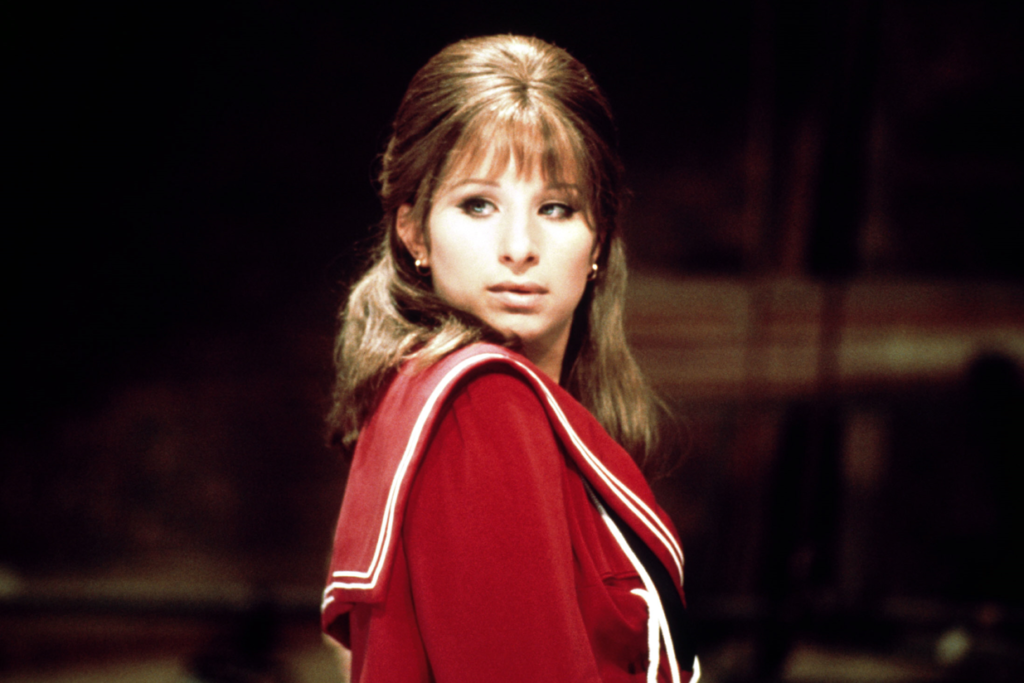
Before Funny Girl, Streisand was best known for her powerful voice and Broadway success, not as a movie star. Her film debut as Fanny Brice was a bold, scene-stealing introduction to Hollywood audiences. She leaned fully into the character’s humor, insecurity, and ambition without softening any edges. That confidence made the performance feel electric.
Audiences immediately recognized that she was doing something different from the typical musical lead. Streisand did not fit the traditional Hollywood mold, and she never tried to. The role earned her an Academy Award and instant name recognition. By the end of 1968, she was no longer a newcomer but a full-fledged cultural force.
13. The Dirty Dozen (1967), Donald Sutherland
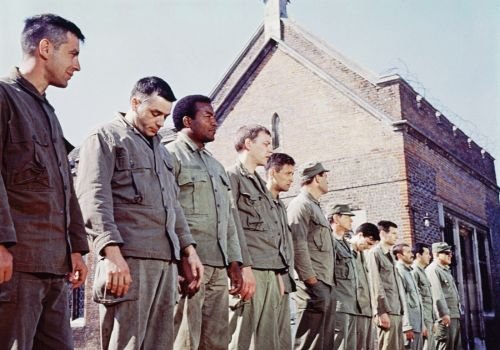
Sutherland’s offbeat energy stood out in an ensemble cast. His performance was playful, strange, and impossible to ignore. Even in a crowded film, he drew the eye. Audiences remembered him long after the credits rolled.
The role opened doors almost immediately. Casting directors saw his versatility and unconventional appeal. He quickly transitioned into leading roles. The Dirty Dozen marked the beginning of a long and influential career.