
1. “Eight Miles High” by The Byrds
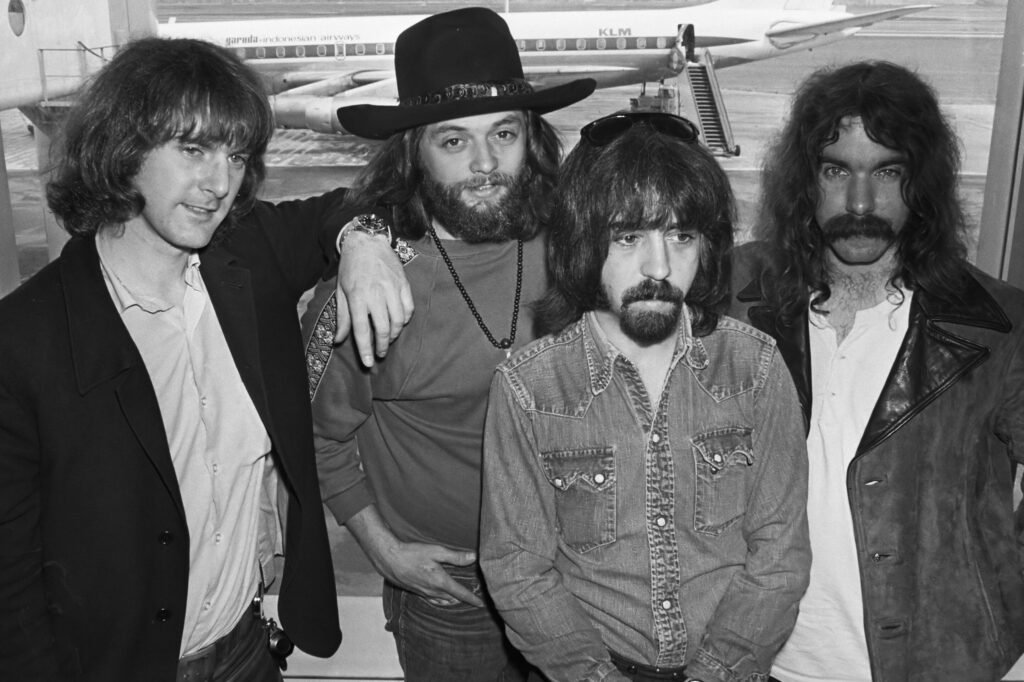
When this song landed in 1966, it sounded like nothing else on American radio, with its droning guitar lines and jazzy, almost hypnotic structure. Roger McGuinn’s soaring twelve string riff was inspired by John Coltrane as much as folk rock, which was a radical blend at the time. Many stations even hesitated to play it because they assumed the lyrics were about drugs rather than flight anxiety and touring fatigue. That controversy only added to its mystique, even if it limited its mainstream exposure.
What makes it revolutionary is how clearly it pointed toward psychedelic rock and jam based experimentation before those ideas fully exploded. You can hear its influence in later bands that stretched songs into long, improvisational journeys. Despite its importance, it rarely shows up on casual oldies playlists today. It’s one of those tracks that quietly reshaped the sound of the late ’60s without ever becoming a constant radio staple.
2. “Time Has Come Today” by The Chambers Brothers
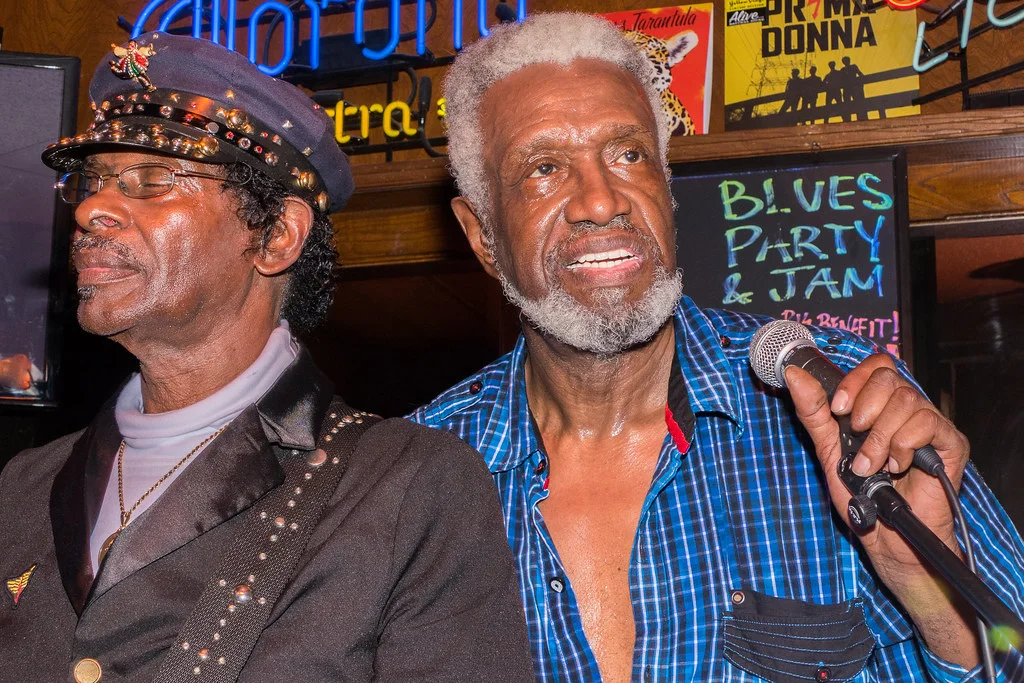
This track blurred the line between rock, soul, and psychedelic experimentation in a way few songs dared in 1967. The extended version stretched past ten minutes and used echo effects, cowbell pulses, and spoken word fragments that felt daring and immersive. It sounded more like a sonic experience than a conventional single. At the time, that kind of structure was bold for commercial radio.
The song also carried a subtle sense of urgency tied to social change and generational unrest, even without overt political lyrics. It influenced later artists who embraced long, layered arrangements and studio experimentation. Today, many people recognize the opening groove but can’t name the song or the group. It’s a reminder of how adventurous mainstream music briefly became during that era.
3. “Psychotic Reaction” by Count Five
This garage rock classic delivered raw fuzz guitar and pounding energy when polished pop still dominated the charts. The distorted solo was inspired by The Yardbirds, but it pushed the aggression even further. In 1966, that kind of heavy tone felt almost dangerous coming through a car radio. It helped lay early groundwork for hard rock and proto punk.
Despite its influence, Count Five never became a lasting household name. The song tends to surface more in documentaries and niche playlists than on mainstream classic rock stations. Its rough edges still feel exciting and slightly unhinged in the best way. It captures the moment when teenage rebellion began shaping the sound of rock itself.
4. “Talk Talk” by The Music Machine
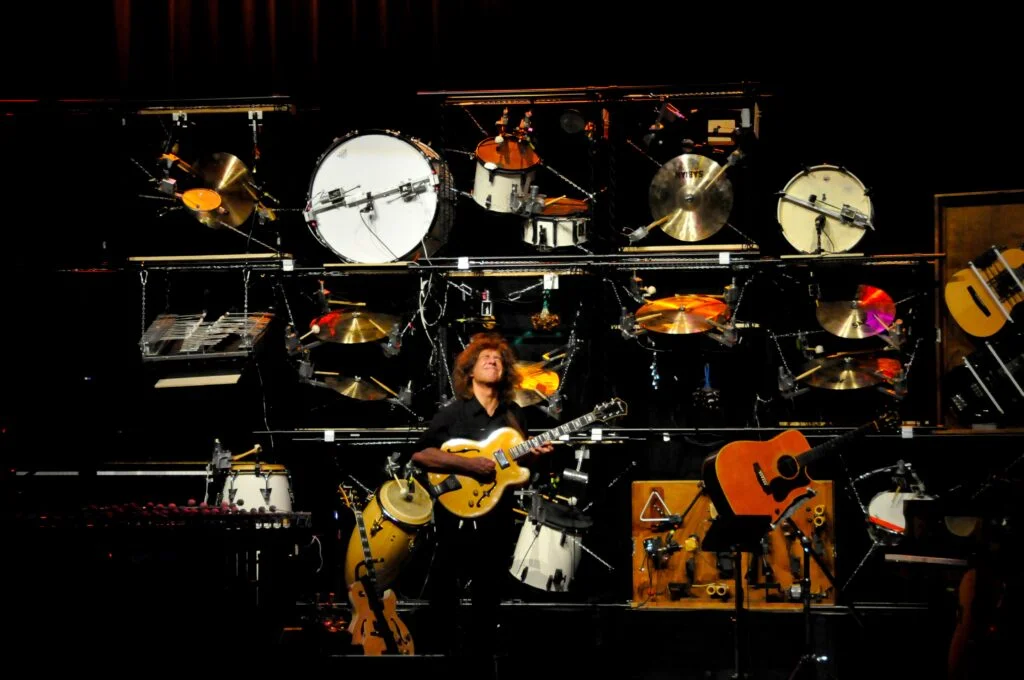
With its sneering vocals and clipped, distorted guitar riff, this track brought a darker attitude into mid ’60s rock. The band even dressed in all black and wore gloves, which added to their confrontational image. Musically, the song leaned into minimalism and menace rather than melody driven sweetness. That was a sharp break from the sunny pop dominating the charts.
You can trace its influence forward into punk and new wave aesthetics decades later. Even though the song cracked the charts in its day, it slowly slipped out of regular rotation. Many listeners recognize the vibe more than the title. It still feels lean, tense, and surprisingly modern.
5. “Seven and Seven Is” by Love
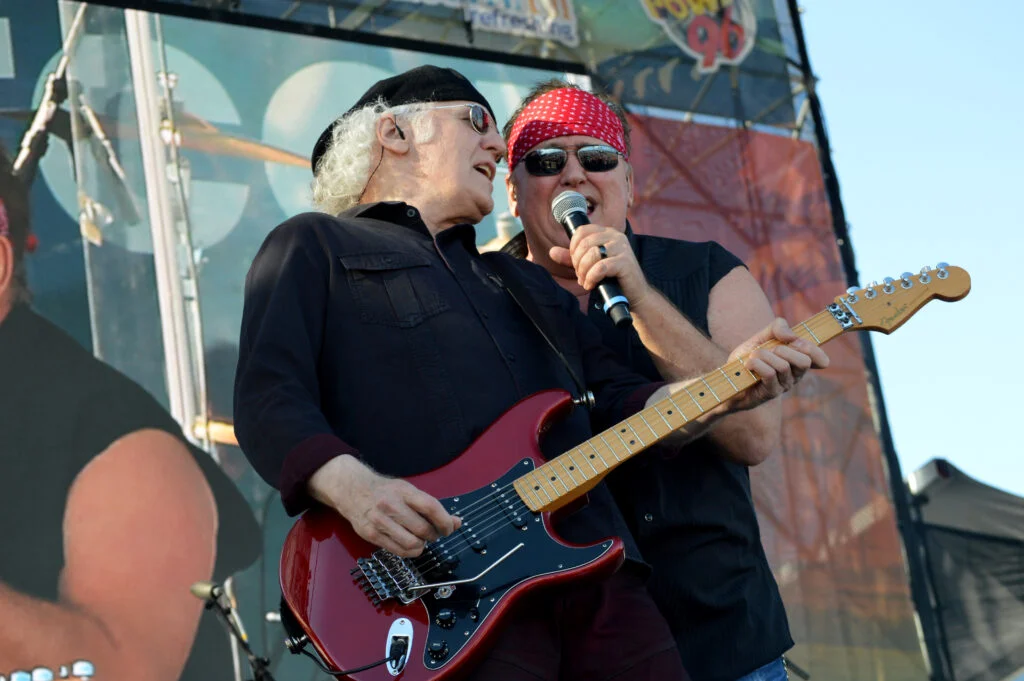
This song detonates with frantic pacing, jagged guitar lines, and a chaotic breakdown that feels barely contained. In 1966, that kind of intensity was startling for a band associated with folk rock roots. The explosive ending, complete with sound effects and studio chaos, pushed the idea that a song could intentionally unravel. It sounded like emotional overload captured on tape.
Arthur Lee and Love were always ahead of the curve, but that also made them harder to categorize and market. The track influenced garage and psychedelic bands that followed, even if it didn’t become a long term radio staple. Today it often surprises first time listeners with how aggressive it feels for its era. It remains a thrilling reminder of how fearless experimentation could be in the ’60s.
6. “Sky Pilot” by Eric Burdon & The Animals
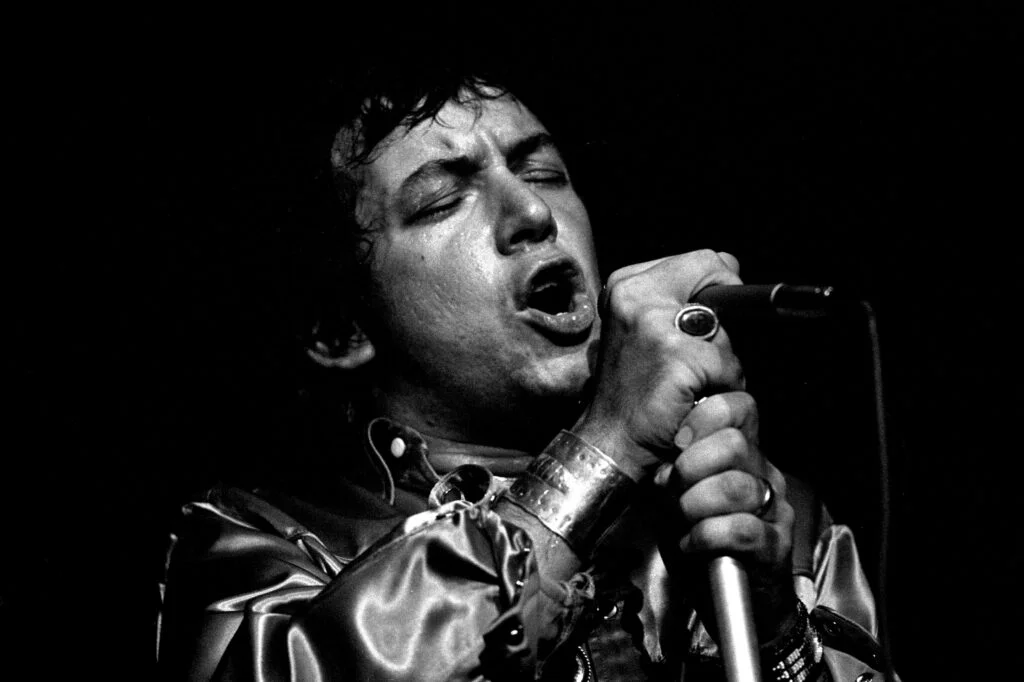
This haunting anti war song blended folk storytelling with psychedelic atmosphere and orchestral elements. It directly confronted the moral tension faced by military chaplains during wartime, which was bold subject matter in 1968. The dramatic mid song transition and sound effects created a cinematic listening experience. It felt more like a short film than a typical rock single.
While it charted well at the time, it’s rarely heard today outside of deep cut playlists. Its message still resonates, even if the production feels very rooted in its era. The ambition behind the arrangement helped open doors for concept driven rock songs. It deserves more recognition for tackling heavy themes with creative bravery.
7. “Incense and Peppermints” by Strawberry Alarm Clock
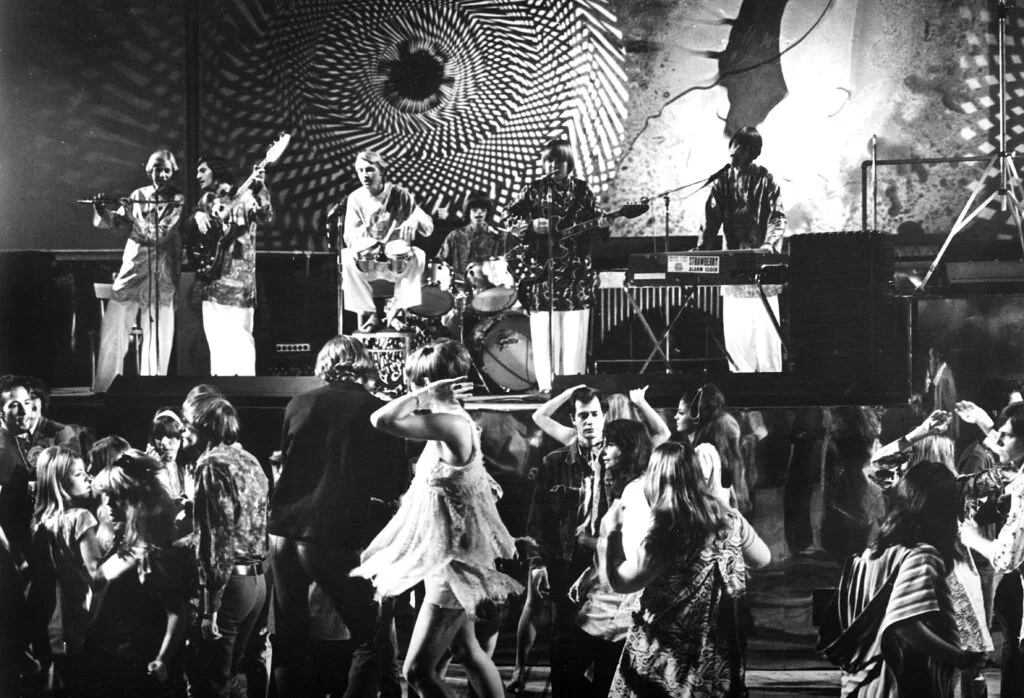
This psychedelic pop hit captured the surreal, dreamlike side of the late ’60s counterculture. The lyrics leaned into abstract imagery rather than clear storytelling, which felt playful and slightly mysterious. Its swirling organ lines and layered harmonies created a hazy, floating atmosphere. It helped bring psychedelic sounds into mainstream pop radio.
Even though it reached number one, it gradually faded from everyday nostalgia rotations. Many people remember the title but not the band behind it. The song represents a moment when experimentation briefly became commercially safe. Listening now feels like stepping into a colorful time capsule of flower power optimism.
8. “Season of the Witch” by Donovan
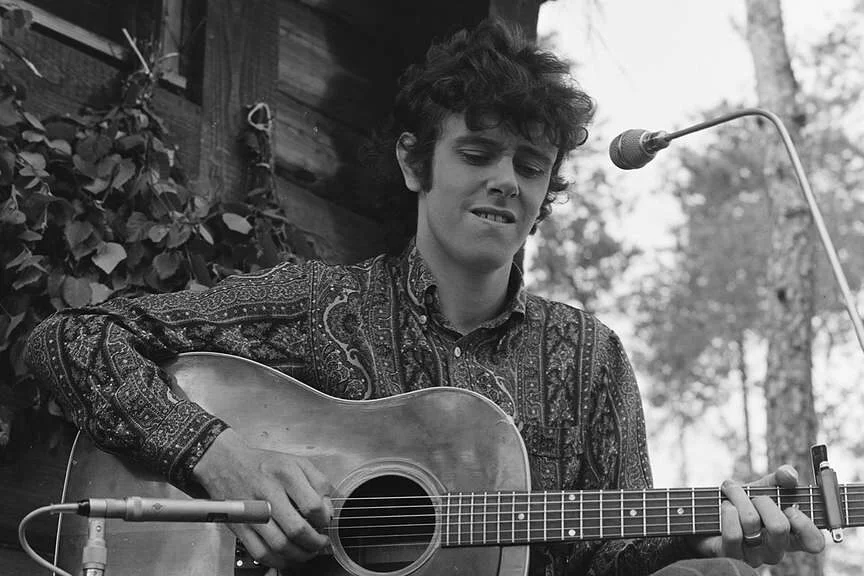
This moody track introduced a darker, more ominous tone into the folk rock world. Its slow groove, minor key feel, and whispered vocals created a sense of creeping unease. In 1966, that atmosphere stood out against brighter, more cheerful hits. It quietly hinted at the emotional complexity rock music was about to embrace.
The song has been covered many times, but the original often gets overlooked. It influenced artists who leaned into brooding textures and psychological tension. While it pops up in films and television occasionally, it’s not a constant radio presence. It remains a subtle but important bridge between folk storytelling and psychedelic moodiness.
9. “Born Under a Bad Sign” by Albert King
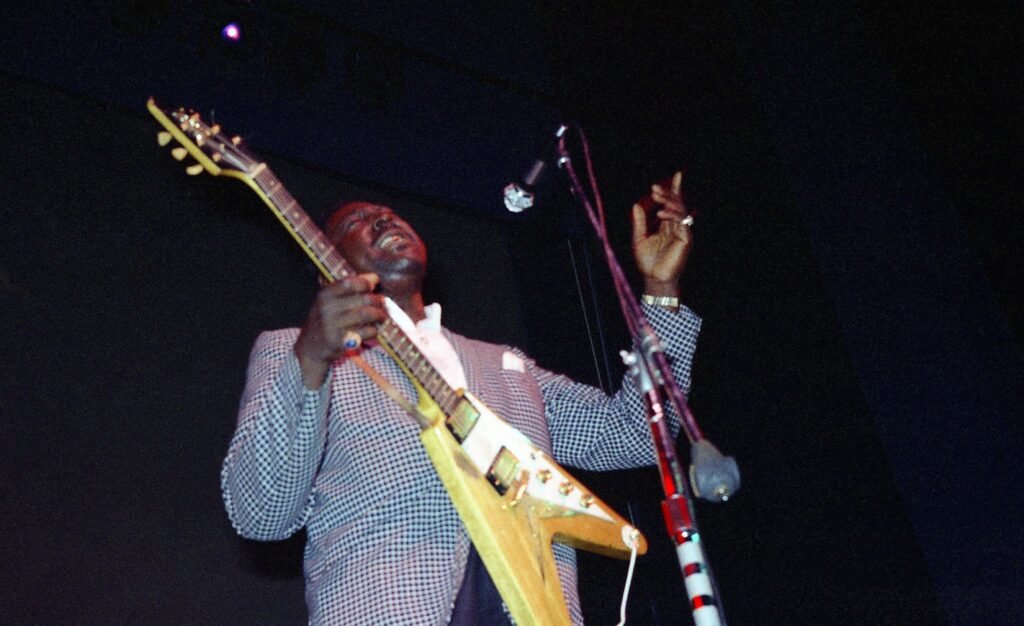
This blues rock landmark delivered a gritty, confident groove that influenced generations of guitar players. The bass line alone became a template for countless blues and rock riffs. Its lyrics captured frustration and resilience in a way that felt honest and grounded. It helped push electric blues into a more mainstream rock consciousness.
Despite its legacy among musicians, casual listeners often overlook it today. Many people know later covers without realizing how impactful the original was. The song’s muscular simplicity still sounds fresh and authoritative. It quietly shaped the DNA of modern blues rock.
10. “Pictures of Matchstick Men” by Status Quo

This track blended British psychedelia with catchy pop hooks and swirling guitar effects. The phased guitar sound gave it a dreamy, slightly warped texture that stood out in 1968. It showed how studio experimentation could enhance straightforward songwriting. The song also helped introduce British psych rock to American audiences.
While Status Quo later became known for straightforward boogie rock, this early psychedelic gem often gets forgotten. It doesn’t appear as frequently on retro playlists compared to flashier hits of the era. Yet its atmosphere still feels playful and inventive. It captures a transitional moment before many bands settled into more predictable styles.
11. “Some Velvet Morning” by Nancy Sinatra & Lee Hazlewood
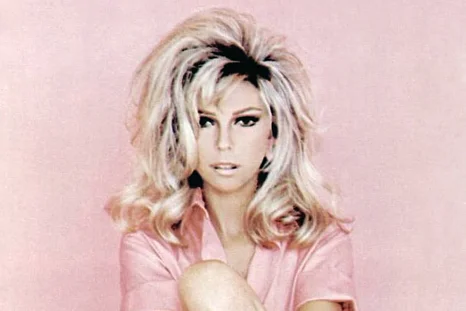
This eerie duet plays like a surreal conversation set to shifting time signatures and haunting orchestration. The alternating vocal sections create tension and mystery rather than romance. In 1967, that unconventional structure was daring for a mainstream pop release. It felt more like art rock than a standard duet.
The song has earned cult status, but it’s rarely part of everyday classic radio programming. Its strange mood continues to intrigue new listeners decades later. Many modern artists cite it as an influence for atmospheric storytelling. It stands as proof that mainstream music once took very creative risks.
12. “Shapes of Things” by The Yardbirds
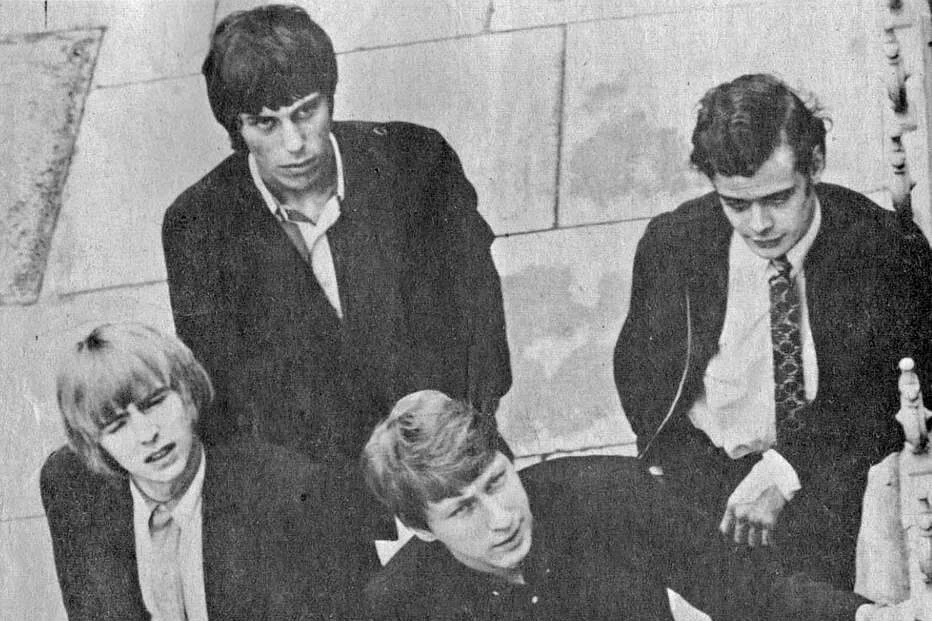
This track introduced one of the earliest uses of guitar distortion and feedback as expressive tools rather than accidents. Jeff Beck’s solo sounded futuristic and aggressive for 1966. The lyrics also hinted at social awareness and changing times, which added depth beyond typical love themes. It helped push rock toward a heavier, more experimental direction.
While The Yardbirds are legendary, this specific song doesn’t always get the attention it deserves. Its influence on hard rock and psychedelic guitar playing is enormous. Many later players borrowed its tone and phrasing without realizing where it originated. It remains a quiet milestone in electric guitar evolution.
13. “She Has Funny Cars” by Jefferson Airplane
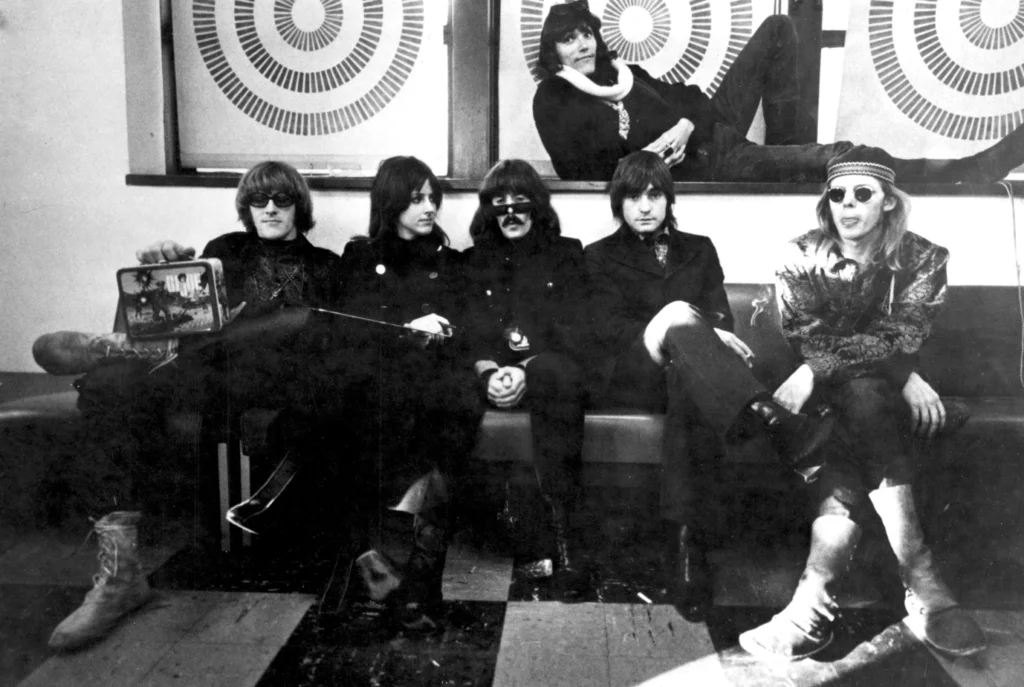
This deep cut opened Surrealistic Pillow with distorted guitars and socially aware lyrics that critiqued materialism. It showed that the band wasn’t only about dreamy psychedelia and romantic imagery. The crunchy riff and layered harmonies gave it a raw, urgent edge. It hinted at the heavier side of San Francisco’s psychedelic scene.
Because it wasn’t a single, the song often gets overshadowed by the band’s bigger hits. Yet it helped set the tone for the album’s adventurous spirit. Fans who revisit it are often surprised by how aggressive and pointed it feels. It’s a reminder that even famous albums still hide overlooked gems.
14. “The Pusher” by Steppenwolf
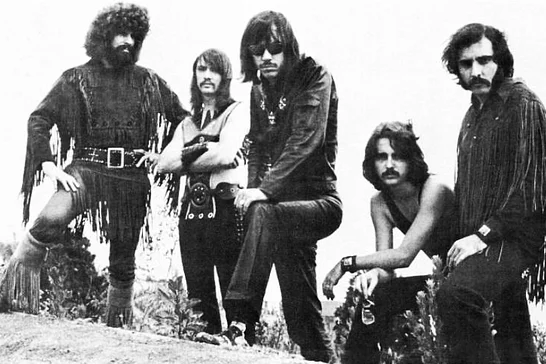
This song stood out in 1968 for its stark moral stance at a time when drug references in rock were often playful or celebratory. Instead of romanticizing the counterculture, it drew a hard line between personal freedom and exploitation. The spoken delivery and slow build gave it a confrontational, almost sermon like tone. That seriousness made it feel heavier than most rock songs of the era.
What made it revolutionary was its refusal to soften the message for radio comfort. It challenged listeners to think critically rather than drift along with the vibe. While Steppenwolf is remembered for louder, more radio friendly hits, this track tends to get overlooked. Yet it remains one of the most ethically direct songs of the late ’60s rock movement.
15. “In-A-Gadda-Da-Vida” by Iron Butterfly
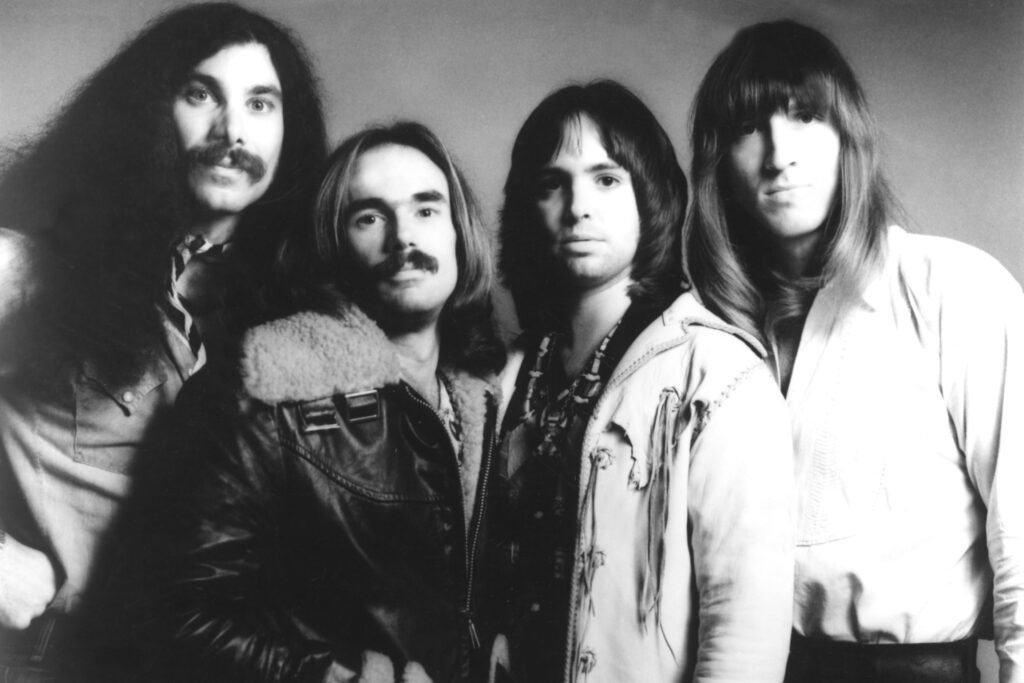
When this song arrived, its sheer length alone was a statement, stretching past seventeen minutes on the album version. Extended organ solos, pounding drums, and hypnotic repetition pushed rock into uncharted territory. It helped normalize the idea that a rock song could function as a long form experience rather than a tidy single. That was a radical concept for mainstream audiences at the time.
While the title and opening riff remain familiar, the full artistic ambition often gets reduced to parody today. Many listeners forget how groundbreaking it was to hear something so indulgent and unapologetic on the radio. It paved the way for progressive rock and jam oriented bands. The song’s influence far outweighs its current reputation.
16. “Hurdy Gurdy Man” by Donovan
This track fused folk roots with an ominous psychedelic edge that felt darker than Donovan’s earlier work. The droning instrumentation and echoing vocals created an almost ritualistic atmosphere. In 1968, that mood hinted at the more mystical and experimental direction rock music was heading. It quietly pushed folk rock into stranger, heavier territory.
Despite its bold sound, the song often gets overshadowed by brighter, more whimsical hits from the same era. It resurfaces occasionally in films, but rarely stays in regular rotation. Its influence can be heard in later psychedelic and hard rock textures. Listening now, it feels far more intense than its reputation suggests.
17. “White Rabbit” by Jefferson Airplane
This song broke ground by openly weaving literary references into a driving, bolero inspired rock structure. Its slow build and explosive climax mirrored the psychological journey described in the lyrics. In 1967, that kind of thematic ambition felt daring and sophisticated. It trusted listeners to follow along without spelling everything out.
Although it’s still recognized, it’s often treated as a novelty rather than a serious artistic statement. The song helped legitimize surreal storytelling in rock music. It also showed that unconventional rhythms and dynamics could succeed commercially. Its lasting impact goes deeper than its frequent use in pop culture montages.