
1. Samantha Stephens – Bewitched
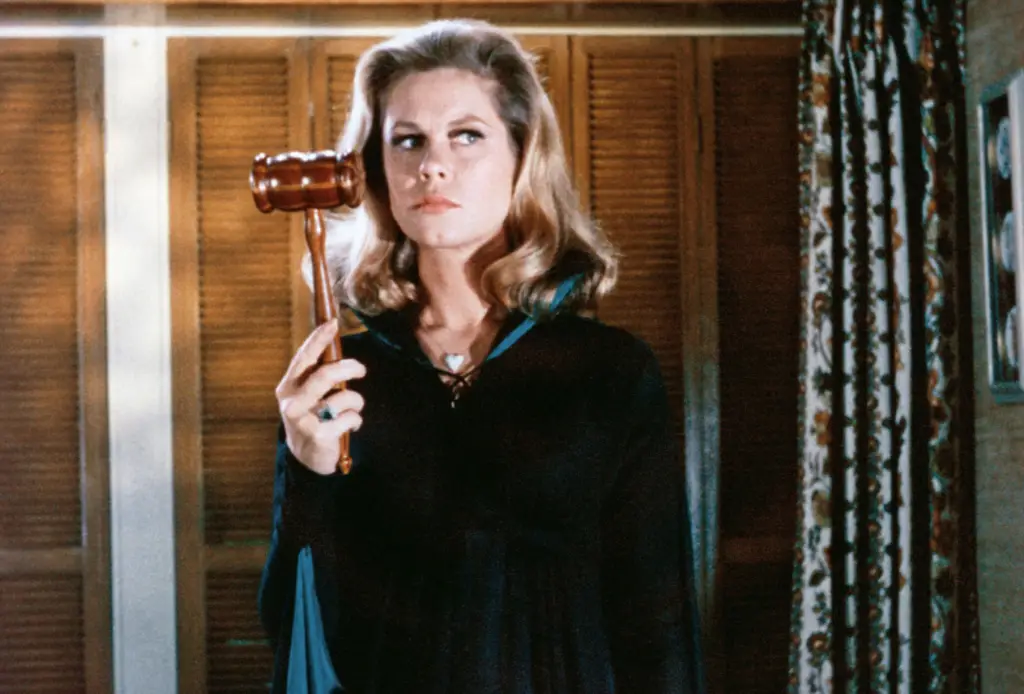
When Bewitched premiered in 1964, Samantha Stephens wasn’t your typical sitcom housewife. She had magical powers, but what really made her bold was how she tried to balance her independence with her husband’s desire for a “normal” life. Instead of hiding in the background, Samantha often took charge of situations and cleverly solved problems with a flick of her nose. She showed that women could be both homemakers and powerful figures in their own right.
At a time when television often portrayed wives as submissive, Samantha wasn’t afraid to question Darrin’s wishes or challenge social norms. Her character carried a subtle feminist message that resonated with women of the decade. She wasn’t perfect, but she showed that compromise in marriage didn’t mean losing your identity. For many fans, she was a charming reminder that women could be more than what society expected.
2. Lily Munster – The Munsters
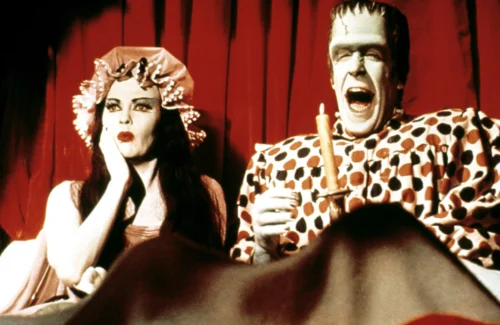
Lily Munster, played by Yvonne De Carlo, stood out in 1960s television as both spooky and sophisticated. While her family leaned into their monstrous quirks, Lily was often the one who kept everyone grounded and functional. She was nurturing, but also strong-willed and practical, qualities not always shown in female characters at the time.
What made her ahead of her time was her confidence in her uniqueness. She embraced her identity without apology, which sent a powerful message about being yourself even when others don’t understand. While much of TV leaned on cookie-cutter suburban families, Lily broke the mold with a mix of gothic glamour and maternal warmth. She showed audiences that different could be beautiful.
3. Andy Taylor – The Andy Griffith Show
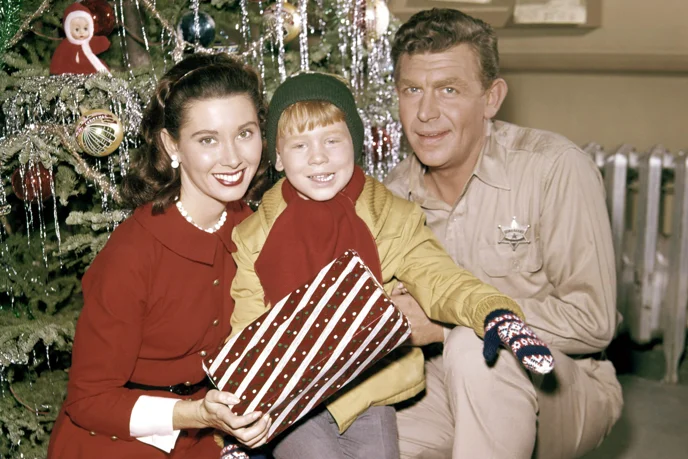
Sheriff Andy Taylor was one of the few male sitcom leads who wasn’t a bumbling fool or a domineering patriarch. Andy raised Opie as a single dad, showing sensitivity and wisdom in how he guided his son through life. He relied more on kindness and common sense than force, even in his role as sheriff.
This portrayal was bold in a decade when masculinity was often tied to toughness and authority. Andy was calm, compassionate, and gentle, which redefined strength on television. He demonstrated that fatherhood could be nurturing, and that leadership didn’t require bluster. His character helped shape a softer, more human idea of what it meant to be a man.
4. Mary Richards – The Dick Van Dyke Show
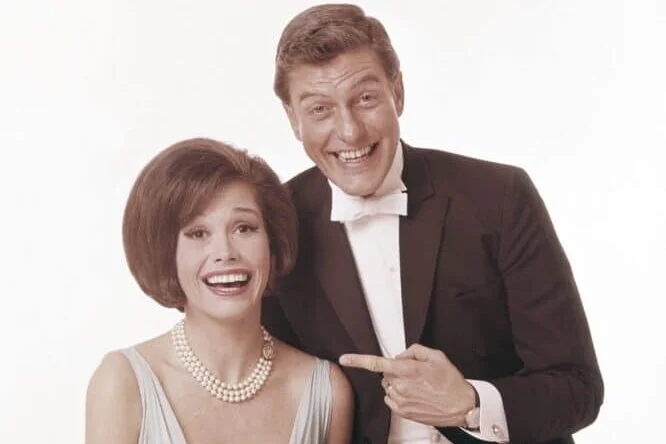
Before she became iconic on her own series, Mary Tyler Moore made waves as Laura Petrie on The Dick Van Dyke Show. Unlike many sitcom wives of the time, Laura had spunk, style, and a sharp sense of humor. She wasn’t afraid to challenge Rob or hold her own in comedic scenes, which gave her more agency than most women on TV.
Her boldest statement came in the form of fashion. Those famous capri pants might seem trivial today, but at the time, they broke the mold of the perfect-dress-and-pearls housewife image. Laura’s mix of wit, warmth, and relatability made her a fresh kind of sitcom character. She set the stage for the independent woman Mary Tyler Moore would later fully embody.
5. Gomez Addams – The Addams Family
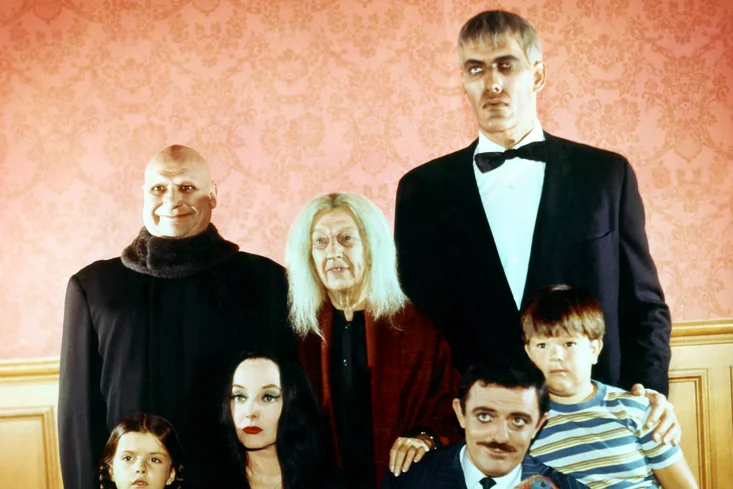
Gomez Addams wasn’t just quirky; he was revolutionary in how he loved his wife and family. Unlike the stiff sitcom dads of the era, Gomez was passionate, affectionate, and openly adored Morticia. Their relationship flipped the script on TV marriages, which usually played up nagging wives and detached husbands.
He also celebrated his family’s weirdness instead of hiding it. Gomez showed that happiness comes from acceptance, love, and playfulness. His humor and zest for life gave viewers permission to think differently about family dynamics. For a decade that prized conformity, Gomez made it clear that the unconventional could be joyful.
6. Julia Baker – Julia
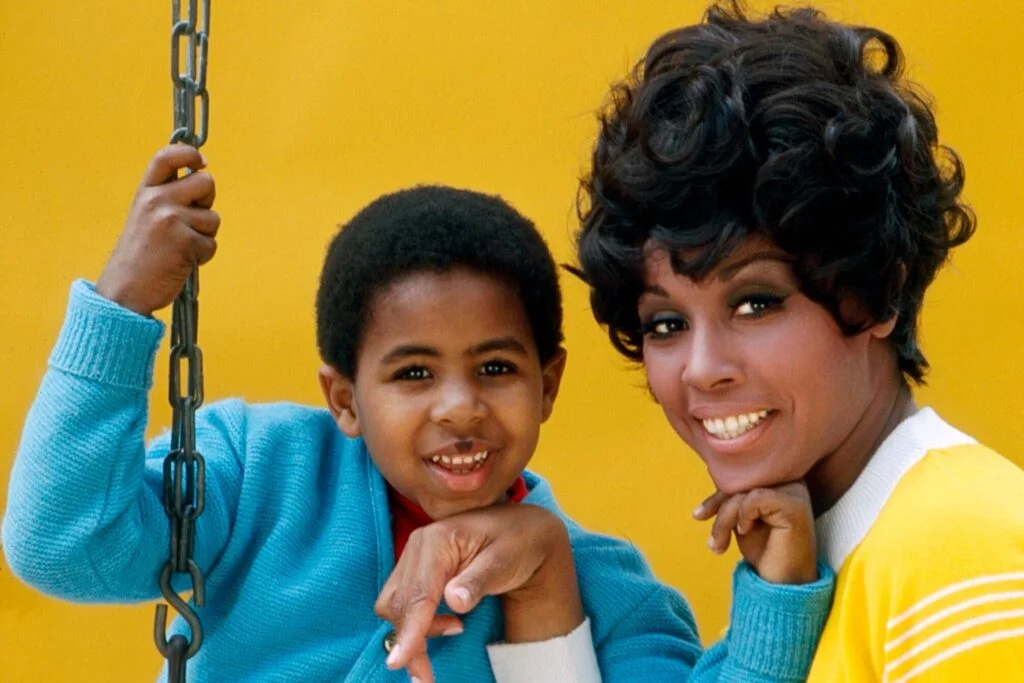
When Julia premiered in 1968, Diahann Carroll broke barriers as one of the first Black women to lead a sitcom. Julia Baker was a widowed nurse raising her son, which was a stark contrast to the stereotypical roles Black women were usually given. She was professional, smart, and compassionate, and her character brought new representation to primetime TV.
Julia wasn’t defined by her race or by being a widow—she was written as a complete person. At a time when television rarely showed diverse families, Julia gave audiences a new perspective. Carroll’s character proved that sitcoms could reflect real social change, even when wrapped in lighthearted comedy. She paved the way for countless future TV roles.
7. Gidget Lawrence – Gidget
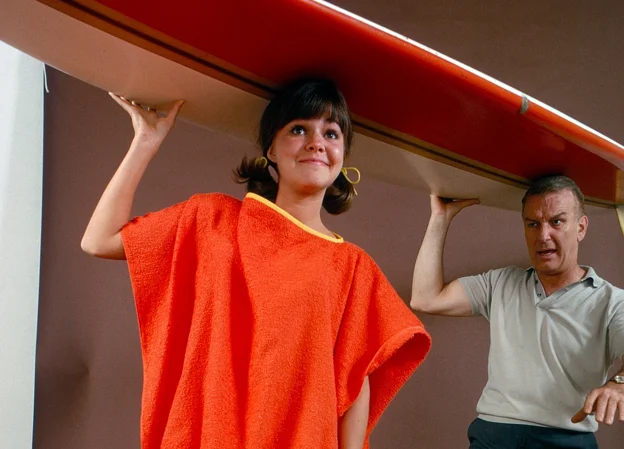
Sally Field’s Gidget was a breath of fresh air when the series aired in 1965. As a teenage girl who surfed, dated, and spoke her mind, she represented a new kind of female character. She was fun-loving, adventurous, and unafraid to take risks, all while staying relatable to audiences.
What made Gidget bold was her independence. She wasn’t waiting around for life to happen—she went out and lived it. At a time when teenage girls on TV were often sidelined or overprotected, Gidget was given her own spotlight. She embodied a spirit of freedom that mirrored the changing youth culture of the 1960s.
8. Herman Munster – The Munsters
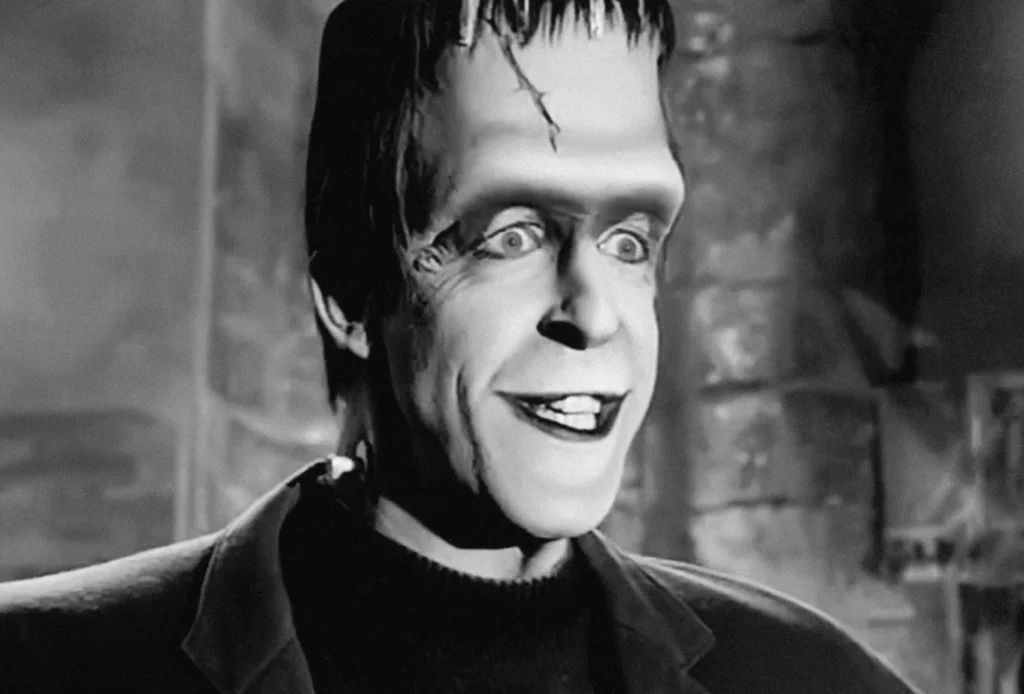
On the surface, Herman Munster looked like a Frankenstein monster, but his personality couldn’t have been more different. He was gentle, loving, and endlessly patient with his family. Herman was also a devoted husband and father, which gave viewers a softer spin on masculinity.
His character challenged the idea that strength had to come with intimidation. Instead, Herman’s humor and kindness made him lovable and relatable. He also highlighted how appearances can be deceiving, showing that real worth lies in who you are inside. In a decade filled with stereotypes, Herman stood out as a reminder that kindness is timeless.
9. Jeannie – I Dream of Jeannie
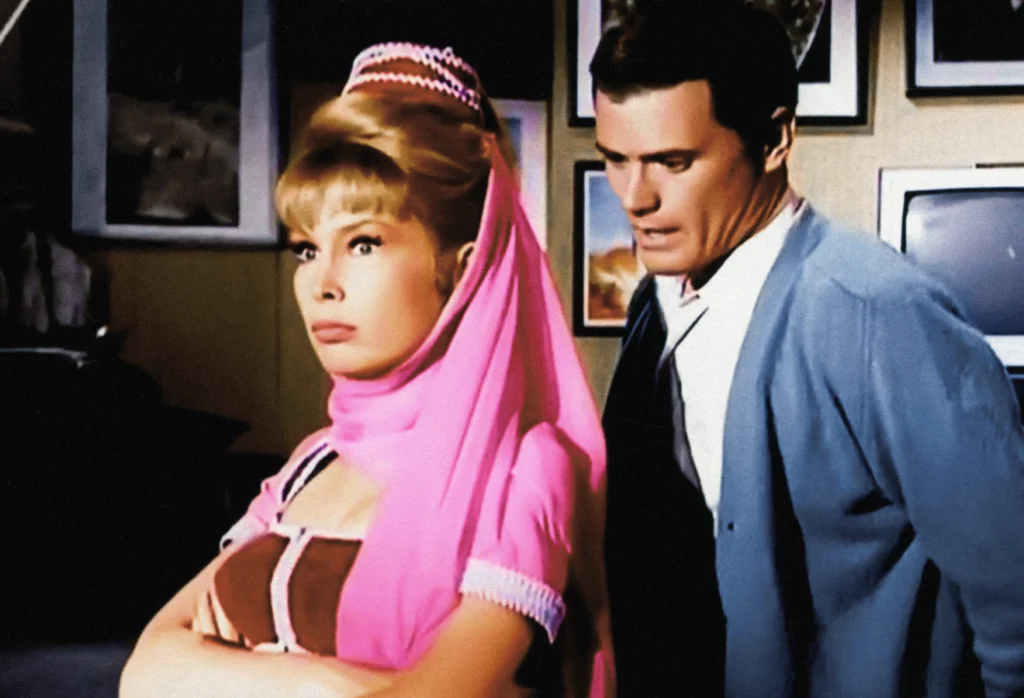
Barbara Eden’s Jeannie was whimsical, funny, and enchanting, but she was also quietly subversive. She wasn’t just a sidekick to Major Nelson; she constantly outsmarted him with her magical abilities. While she played the role of a devoted companion, she often flipped situations to her advantage.
Jeannie’s boldness was in how she used humor and wit to assert herself. Even when told to behave or stay out of sight, she found ways to bend the rules. Her character gave women a playful kind of power, wrapped in comedy and charm. For many viewers, Jeannie was more than just a fantasy—she was a reminder of how women could hold their own.
10. Sergeant Carter – Gomer Pyle, U.S.M.C.
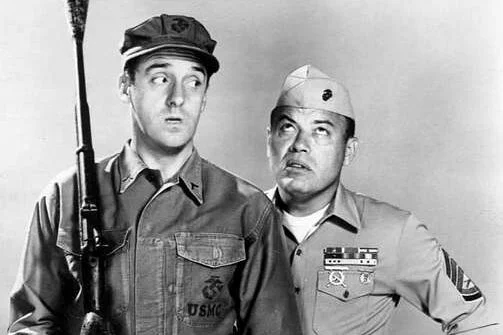
Sergeant Carter, played by Frank Sutton, could have been a one-note drill instructor, but he became something more. Beneath his shouting and bluster was a surprising amount of heart. His complex relationship with Gomer showed that authority figures could learn and grow too.
What made him ahead of his time was that he wasn’t just a stereotype. He revealed vulnerability and genuine care for Gomer, even if he’d never admit it. This gave depth to a character who could have been just comic relief. Carter helped show that even the toughest people had soft spots, which made him unforgettable.
11. Morticia Addams – The Addams Family
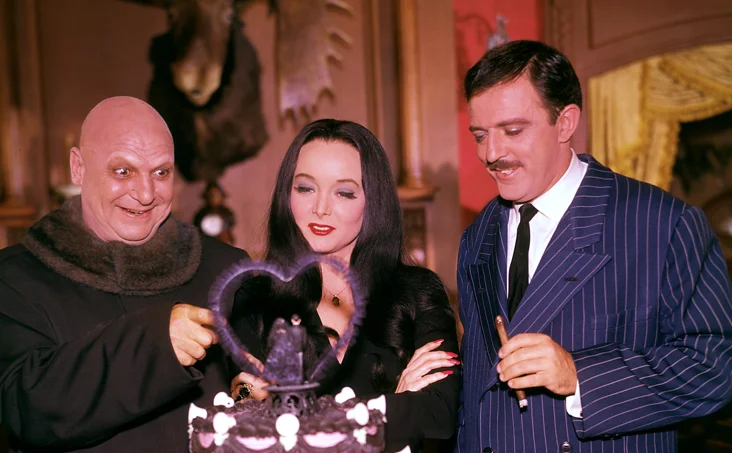
Morticia was everything the typical sitcom mom was not—mysterious, elegant, and fiercely confident. Carolyn Jones played her with quiet power, never needing to raise her voice to command attention. She was more than just Gomez’s partner; she was his equal, and their chemistry was rare for TV at the time.
Her independence and intelligence set her apart from the motherly stereotypes of the era. Morticia showed that women could be alluring, intellectual, and maternal without sacrificing any part of themselves. She was bold simply by existing as a complete, complex character on television. Fans adored her for proving that being different was something to celebrate.
12. Dobie Gillis – The Many Loves of Dobie Gillis
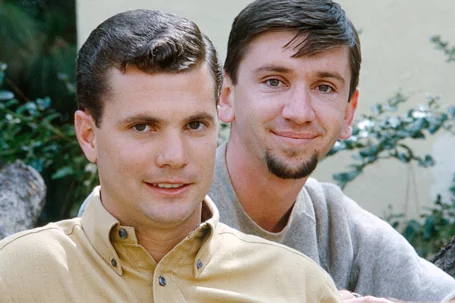
Dobie Gillis, played by Dwayne Hickman, was one of the first sitcom teens to really capture the voice of his generation. He was curious, ambitious, and always chasing love, but he also questioned the world around him. His daydreams and musings broke the fourth wall, making viewers feel like they were inside his head.
This honesty made him bold for the time. Dobie wasn’t just a caricature of youth; he was a thoughtful, relatable teenager. He reflected the restlessness of the 1960s, where young people were beginning to question authority and tradition. His character gave teens a rare voice in primetime comedy.
13. Ann Marie – That Girl
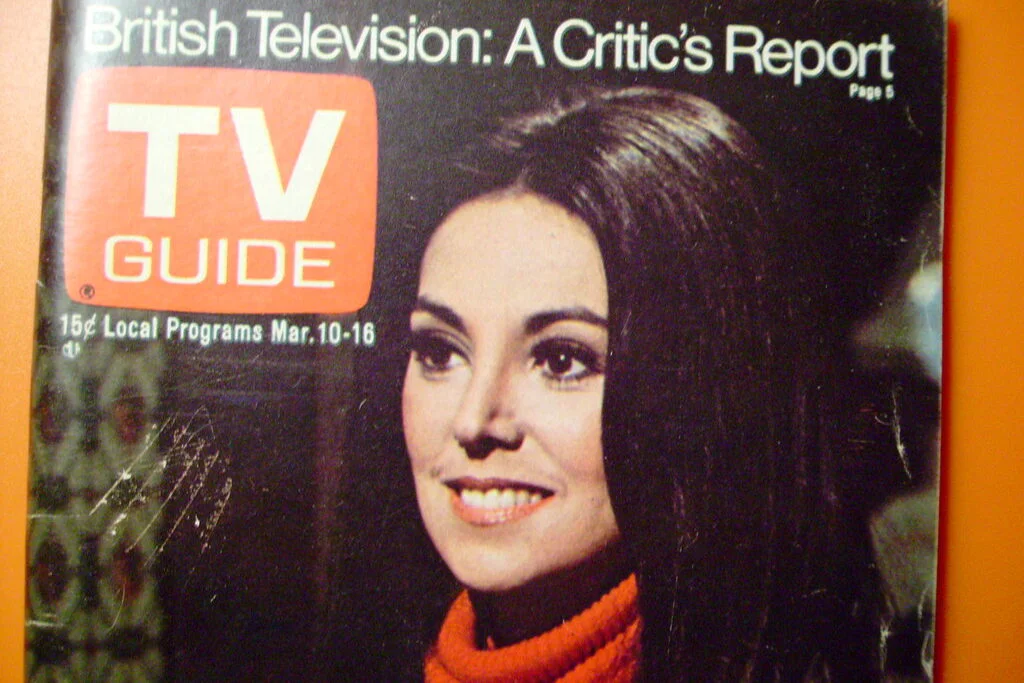
Marlo Thomas made history with Ann Marie, one of the first single women to lead a sitcom. Ann was an aspiring actress living on her own in New York, a storyline that felt brand new in 1966. She wasn’t defined by marriage or family, but by her own goals and ambitions.
Ann’s independence was a bold shift from the typical female roles on TV. She showed that women could chase careers and happiness on their own terms. Her charm and determination inspired many viewers, especially women navigating a changing world. Ann Marie helped open doors for the independent female leads that would follow in the 1970s.
14. Oliver Wendell Douglas – Green Acres
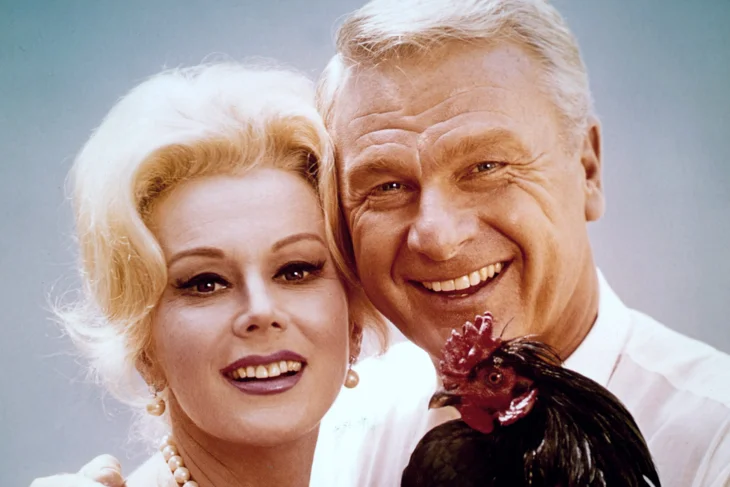
Eddie Albert’s Oliver Wendell Douglas seemed like a fish out of water in Green Acres, but his character carried a deeper message. He left behind a life of wealth and privilege to pursue something simpler and more meaningful in farming. While everyone around him seemed zany, Oliver remained dedicated to his ideals.
In a decade of rapid modernization, Oliver represented a bold return to values of self-sufficiency and authenticity. He challenged the idea that success was only measured by money or status. His character reflected a cultural yearning for something real amid change. In his own quirky way, Oliver was ahead of his time in wanting a simpler life.