
1. “Sugar, Sugar” by The Archies
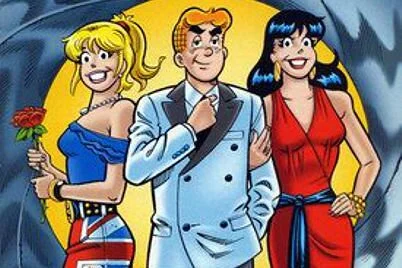
If you were anywhere near a radio in the late summer of ’69, “Sugar, Sugar” was impossible to escape. The cartoon band from The Archie Show somehow delivered one of the decade’s biggest earworms, and people sang along whether they wanted to or not. It spent four weeks at No. 1 on the Billboard Hot 100 and felt like the soundtrack of backyard barbecues and open car windows. The bubblegum sweetness made it instantly catchy, even for listeners who usually rolled their eyes at anything that felt too manufactured. Kids loved it, parents tolerated it, and DJs played it constantly. For a moment, it felt like this song would live forever in the pop conversation.
But novelty has a short shelf life, and once the ’70s rolled in, the song slowly slipped into oldies-only territory. You still hear it in nostalgic commercials or on retro playlists, but it rarely sparks the same cultural excitement it once did. The Archies themselves faded just as quickly, which made the hit feel even more tied to a very specific moment in time. When people talk about defining songs of the late ’60s, heavier artists usually dominate the conversation. “Sugar, Sugar” quietly gets left out, even though it once ruled an entire summer. It’s one of those songs that surprises people when they realize just how massive it actually was.
2. “Spinning Wheel” by Blood, Sweat & Tears
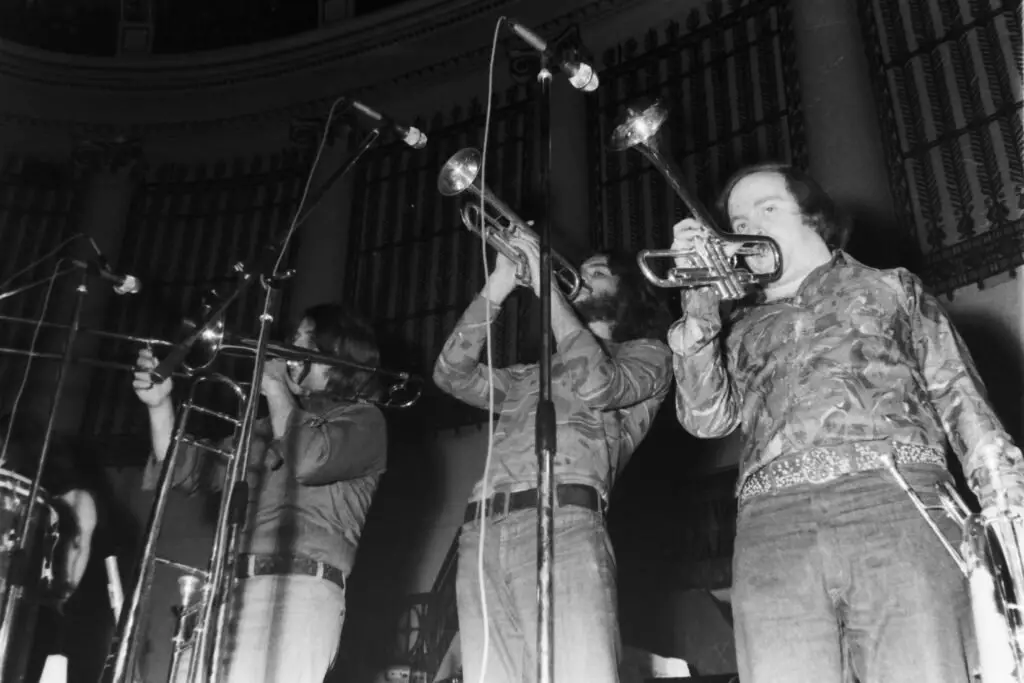
“Spinning Wheel” took over radios in the summer of ’69 and felt like it was everywhere at once. The jazzy brass, the swirling organ lines, and that instantly recognizable chorus gave it a sophisticated edge compared to most pop hits of the time. It climbed into the Top 2 on the Billboard charts and became one of those songs that sounded just as good blasting from a car radio as it did drifting out of an open window. There was something hypnotic about its rhythm that pulled you in even if you couldn’t quite explain why. It felt grown-up without being stuffy, which helped it cross generational lines. For a few months, it seemed like Blood, Sweat & Tears were unstoppable.
Over the years, though, the song has quietly slipped out of everyday rotation. The band’s name still rings a bell for classic rock fans, but this particular hit doesn’t always come up in casual nostalgia conversations. Its jazz-rock blend can feel a little out of step with modern playlists, which may explain why it gets less airplay now. Many people recognize the melody instantly but struggle to name the title or artist. It tends to surface more in deep-cut oldies programming than in mainstream throwback moments. Still, during that summer, “Spinning Wheel” absolutely felt like part of the season’s soundtrack.
3. “In the Year 2525” by Zager and Evans
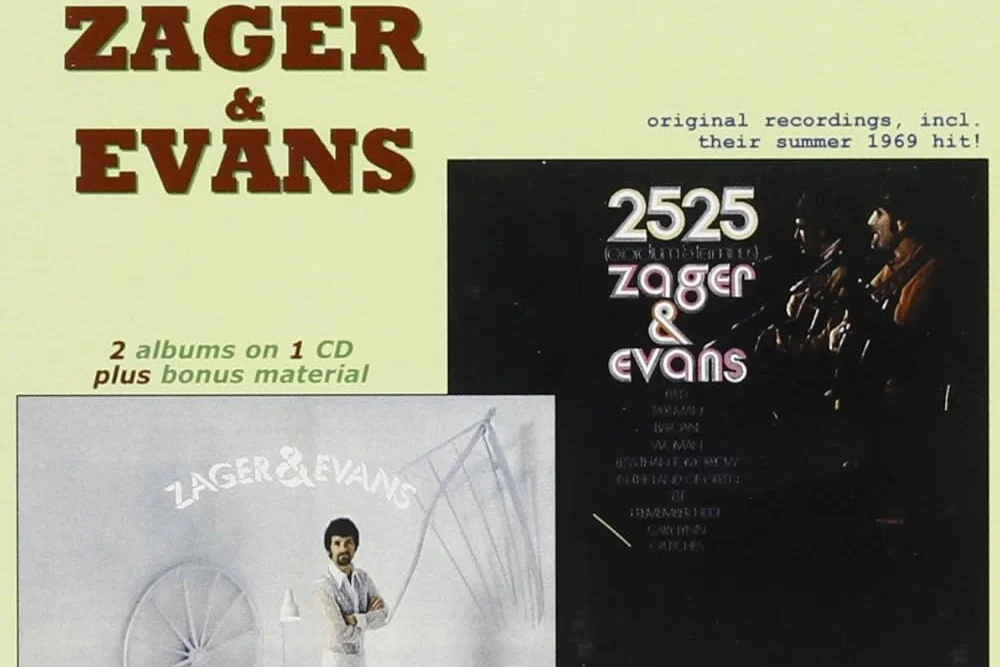
This eerie, futuristic song dominated the summer of ’69 in a way that felt completely unexpected. “In the Year 2525” shot to No. 1 and stayed there for six weeks, capturing the uneasy mood of a world obsessed with space travel and technological change. Its haunting melody and apocalyptic lyrics made it stand out among lighter summer hits. People found it strangely hypnotic, even if it wasn’t exactly a carefree beach anthem. It became a conversation piece as much as a radio hit. You couldn’t help but listen closely every time it came on.
Despite its massive success, the duo never came close to repeating that achievement. As the years passed, the song became more of a trivia answer than a regularly played oldie. It doesn’t fit neatly into party playlists or easy listening rotations, which helped it fade faster than many other No. 1 hits. Younger listeners often have no idea it ever topped the charts. When people think of defining late-’60s music, they usually reach for more iconic bands. “In the Year 2525” quietly slipped into the background, even though it once ruled an entire summer.
4. “Aquarius/Let the Sunshine In” by The 5th Dimension
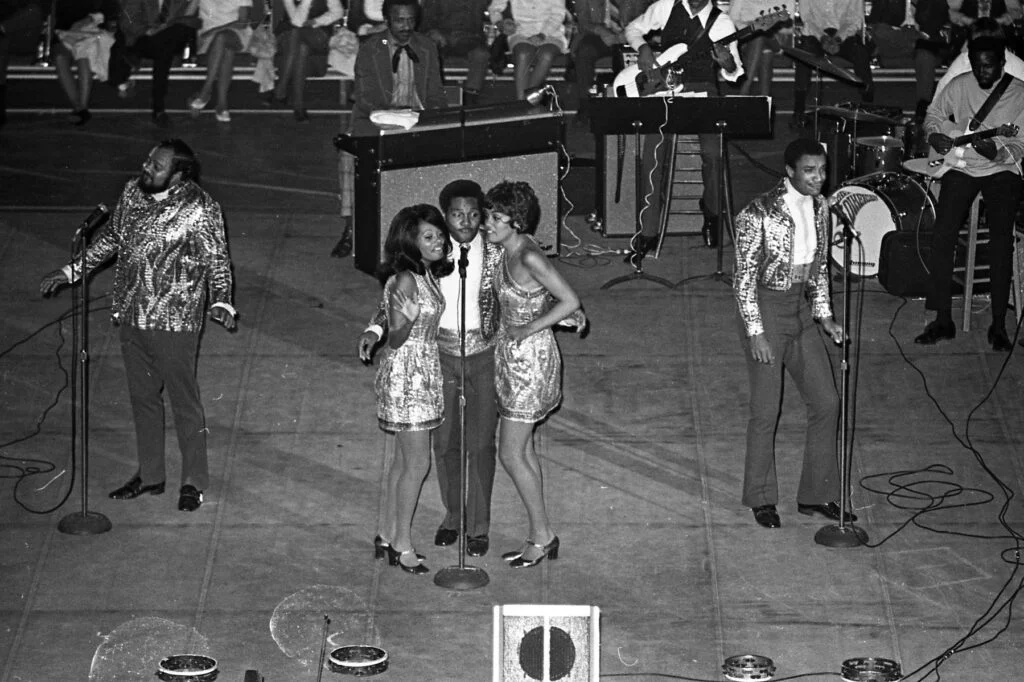
The medley from the musical Hair became an unexpected summer anthem in 1969. Its message of peace, harmony, and optimism felt perfectly timed for a culture hungry for hope. It spent six weeks at No. 1 and seemed to float out of every radio speaker that summer. The soaring harmonies and dramatic build made it feel bigger than a typical pop single. People sang along even if they had never seen the stage show. It felt like a communal moment tied directly to that season.
As decades passed, the song became closely associated with the late ’60s counterculture rather than everyday listening. It still pops up in documentaries or throwback specials, but it’s not something most people casually stream. The theatrical nature of the track can feel dated to modern ears. Other songs from that era tend to overshadow it in nostalgia conversations. The 5th Dimension themselves are often remembered for a handful of hits rather than this specific cultural moment. Yet during that summer, this song genuinely felt like the voice of the season.
5. “Love Child” by Diana Ross & The Supremes

Released in late summer 1968, “Love Child” quickly became one of the most talked-about songs on the radio. Its bold storyline about poverty and stigma marked a shift toward more socially conscious pop music. The song shot to No. 1 and dominated airwaves during those final warm months. It felt dramatic, emotional, and surprisingly serious for a group known for polished love songs. Listeners were drawn in by its urgency and storytelling. It gave the Supremes a fresh edge just as the decade was changing.
Over time, though, the group’s earlier Motown classics tend to get more attention. “Love Child” doesn’t show up as often on nostalgic playlists or radio countdowns. Its heavy subject matter may make it less of a casual listen today. Diana Ross’ solo career also reshaped how people remember her biggest moments. Many casual fans recognize the title but forget how massive it actually was. Still, for one summer, it carried real cultural weight and sparked conversations well beyond the charts.
6. “Hot Fun in the Summertime” by Sly and the Family Stone
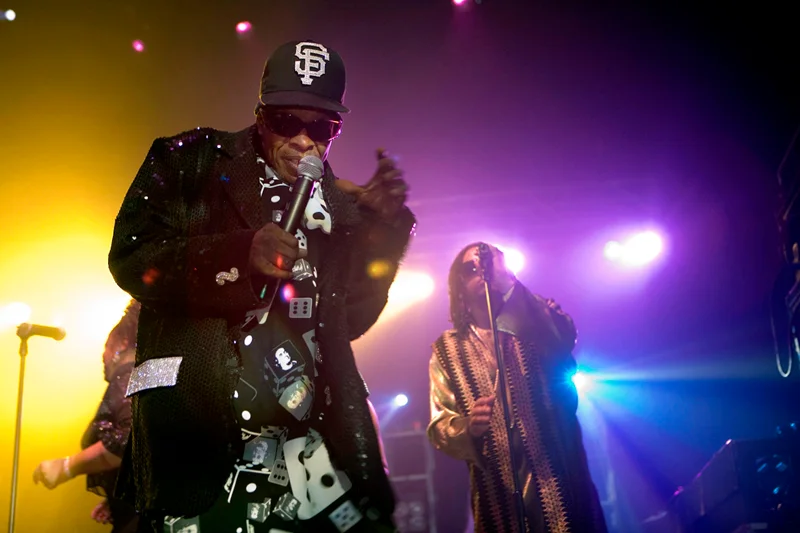
Few songs sound more like summer than “Hot Fun in the Summertime,” released in 1969. It captured the simple joy of school being out, warm nights, and neighborhood gatherings. The groove was laid-back but irresistible, making it perfect for cruising with the windows down. It became a steady radio favorite and felt like a genuine seasonal soundtrack. The lyrics painted everyday moments in a way that felt instantly relatable. People didn’t just hear it, they felt it.
Despite its perfect summer vibe, it often gets overshadowed by Sly and the Family Stone’s bigger funk classics. It doesn’t always make the top lists when people talk about defining hits from the band. The song quietly faded into the background of oldies programming. Many listeners recognize the melody but may not recall the title or artist. It’s one of those tracks that sneaks up on you with nostalgia rather than commanding attention. Yet at the time, it absolutely defined the mood of the season.
7. “Windy” by The Association
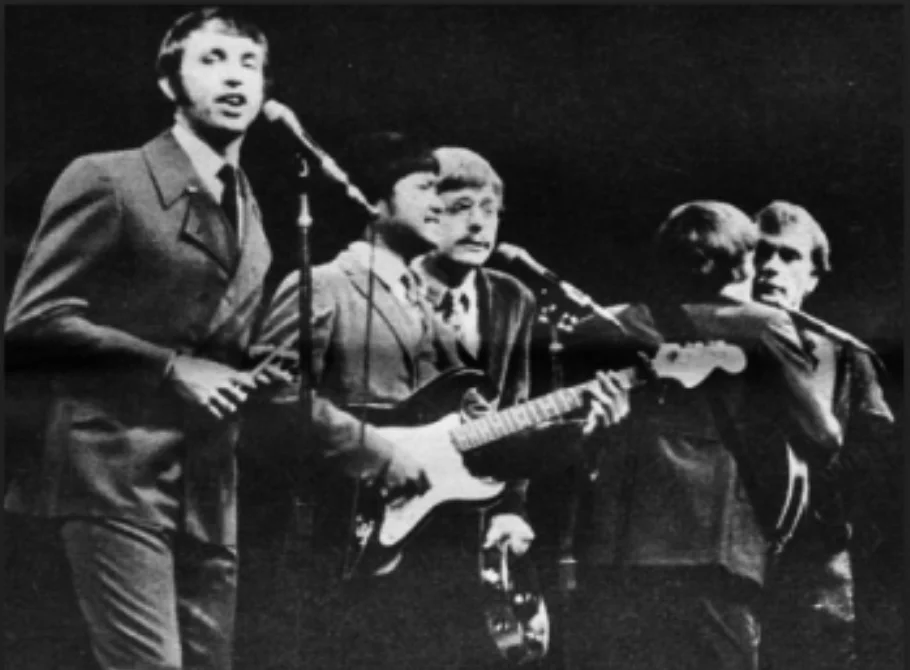
“Windy” floated onto radios in the summer of 1967 and quickly became one of the most cheerful hits of the season. Its breezy melody and playful lyrics made it feel light, carefree, and endlessly replayable. The song reached No. 1 and stayed there for several weeks, becoming an instant crowd-pleaser. People loved its sunny energy and easy harmonies. It felt tailor-made for picnics, pool parties, and lazy afternoons. You couldn’t go far without hearing it somewhere.
As tastes shifted toward heavier rock and more complex songwriting, “Windy” slowly lost its spotlight. It became associated with a softer, more innocent era of pop music. The Association had other hits, but none carried quite the same seasonal identity. Today, the song often pops up in nostalgic montages rather than daily listening. Younger audiences may barely recognize it at all. Yet for one bright summer, it was absolutely everywhere.
8. “Grazing in the Grass” by Hugh Masekela
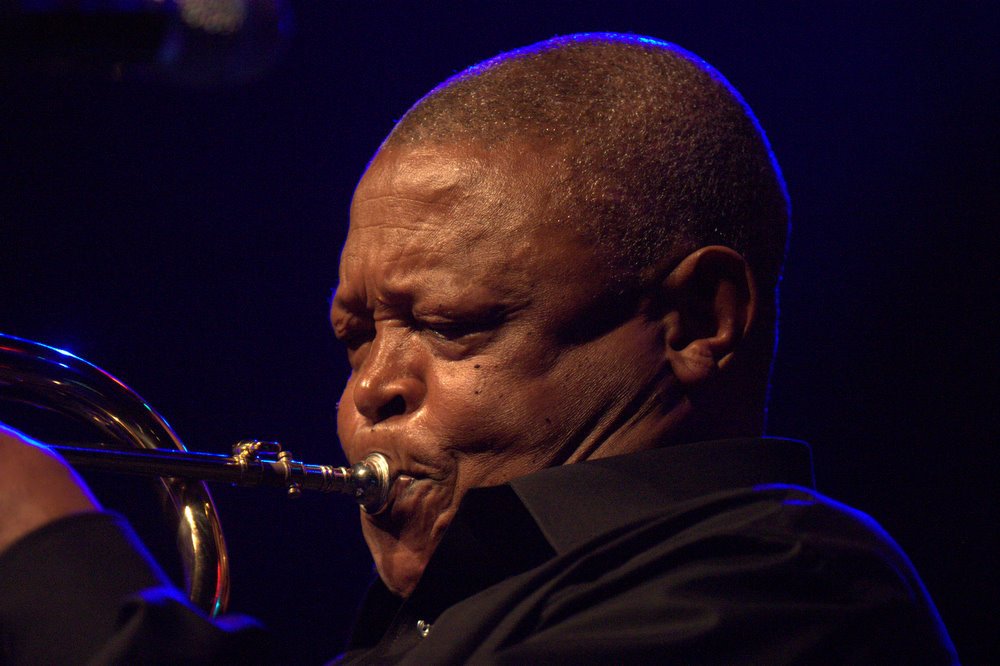
This instrumental hit dominated the summer of 1968 and proved that a wordless track could still own the charts. The joyful horn melody felt sunny, playful, and instantly uplifting. It climbed to No. 1 and became a staple of outdoor gatherings and car radios. People loved how it made them feel happy without needing lyrics to tell a story. It stood out from the vocal-heavy hits of the time. The groove alone carried the entire experience.
Instrumental hits rarely age as loudly as vocal classics, and this one gradually slipped from everyday memory. Hugh Masekela remained respected as a jazz legend, but the pop hit itself isn’t discussed as often now. It tends to surface more in retro compilations than in mainstream playlists. Many listeners recognize the tune but cannot name it. Without lyrics to anchor it in memory, it faded faster than many chart-toppers. Still, it once defined the carefree energy of an entire summer.
9. “Those Were the Days” by Mary Hopkin
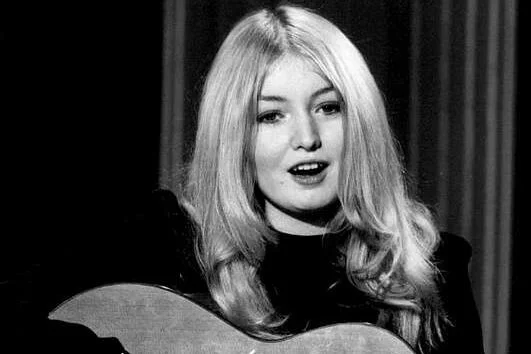
This nostalgic sing-along became a surprise smash in 1968 and carried well into the warm months. Produced by Paul McCartney, it felt timeless even when it was brand new. The melody sounded like an old-world folk tune, which made it emotionally powerful and oddly comforting. It reached No. 1 in multiple countries and dominated radio rotation. People of all ages seemed to connect with its sentimental tone. It felt like a shared moment of reflection wrapped in a catchy hook.
As decades passed, the song became associated more with novelty nostalgia than mainstream pop history. Mary Hopkin didn’t sustain a major chart presence afterward, which limited long-term visibility. The track doesn’t get played as often as other late-’60s staples. It sometimes feels more like a period piece than a living classic. Many listeners recognize it vaguely without realizing how big it once was. For that summer, though, it was emotionally everywhere.
10. “Crystal Blue Persuasion” by Tommy James and the Shondells
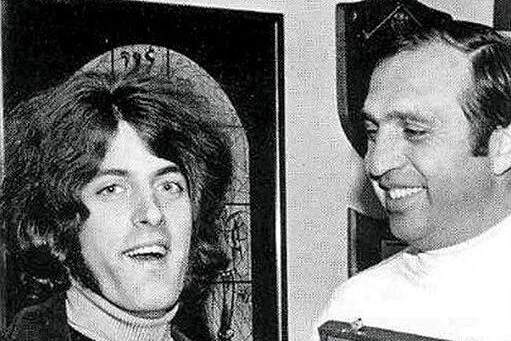
Released in 1969, this dreamy, psychedelic track became one of the summer’s most distinctive sounds. Its shimmering production and hypnotic chorus made it feel slightly surreal on the radio. It climbed to No. 2 on the charts and stayed in heavy rotation throughout the season. The song felt reflective and mellow, perfect for long drives and late-night listening. Fans connected with its peaceful tone during a turbulent era. It had a quiet emotional pull that lingered after each listen.
Today, the song tends to be remembered mainly through film soundtracks and retro playlists. It doesn’t always get grouped with the band’s more upbeat hits. The subtle nature of the track may make it less instantly recognizable for casual listeners. Tommy James’ catalog is often associated with brighter pop songs. This one lives more in atmospheric memory than in active rotation. Still, it once defined the mood of countless summer evenings.
11. “Summer in the City” by The Lovin’ Spoonful
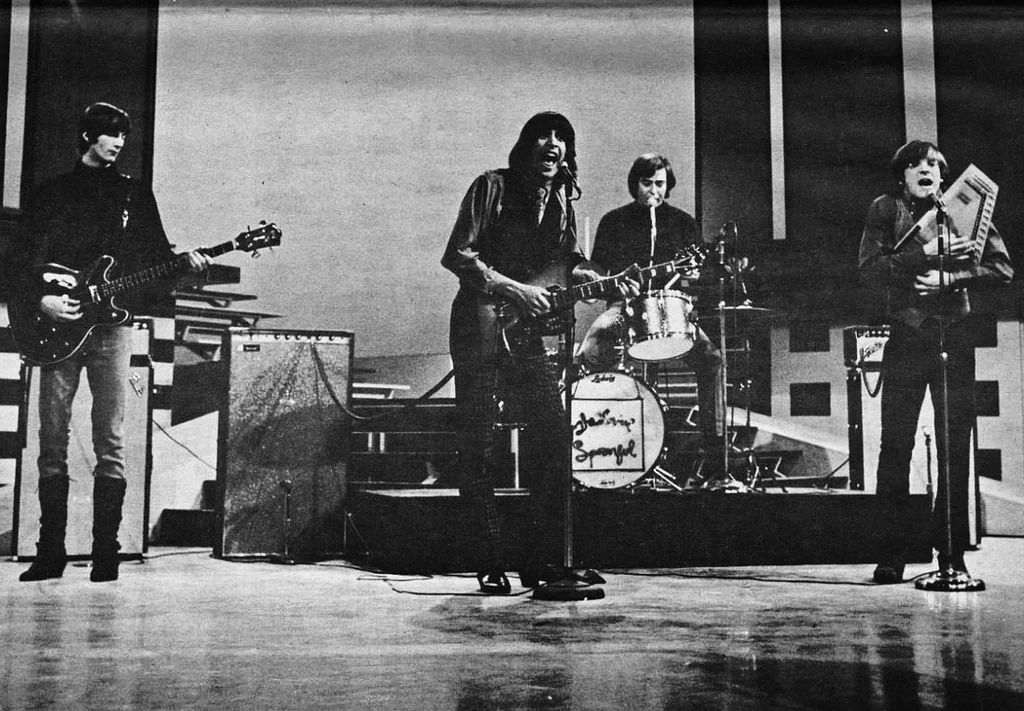
This gritty, energetic song perfectly captured the heat and chaos of urban summers in 1966. The pounding beat, traffic sound effects, and urgent vocals made it feel alive and immediate. It shot to No. 1 and became an anthem for city kids sweating through long days and restless nights. The contrast between the tense verses and joyful nighttime chorus made it memorable. It didn’t romanticize summer, it told the truth about it. That honesty made it stand out on the radio.
Despite its impact, it sometimes gets overshadowed by the band’s softer folk-pop hits. The song still appears in soundtracks, but it’s not always top-of-mind when people list classic summer songs. Younger listeners may recognize the sound without knowing the name. Its urban edge doesn’t fit neatly into nostalgic beach imagery. Over time, it became more of a cultural snapshot than a constantly revisited hit. Yet during that summer, it felt like the pulse of the season.
12. “Dizzy” by Tommy Roe

“Dizzy” spun onto radios in early 1969 and quickly became one of the year’s biggest feel-good hits. The swirling melody and playful lyrics made it irresistible for casual listeners. It reached No. 1 and dominated spring and summer airwaves. The song felt lighthearted and slightly silly in the best way. It was easy to sing along with and hard to forget in the moment. People embraced its carefree charm.
As musical tastes shifted toward heavier rock and deeper songwriting, “Dizzy” gradually lost its cultural presence. Tommy Roe became more of a one-era name than a lasting pop figure. The song still pops up occasionally, but it doesn’t command the same nostalgia as many other No. 1 hits. It can feel like a novelty relic rather than a defining classic. Many people recognize the tune without realizing how massive it once was. For one sunny season, though, it ruled the radio.
13. “Indian Reservation (The Lament of the Cherokee Reservation Indian)” by Paul Revere & the Raiders
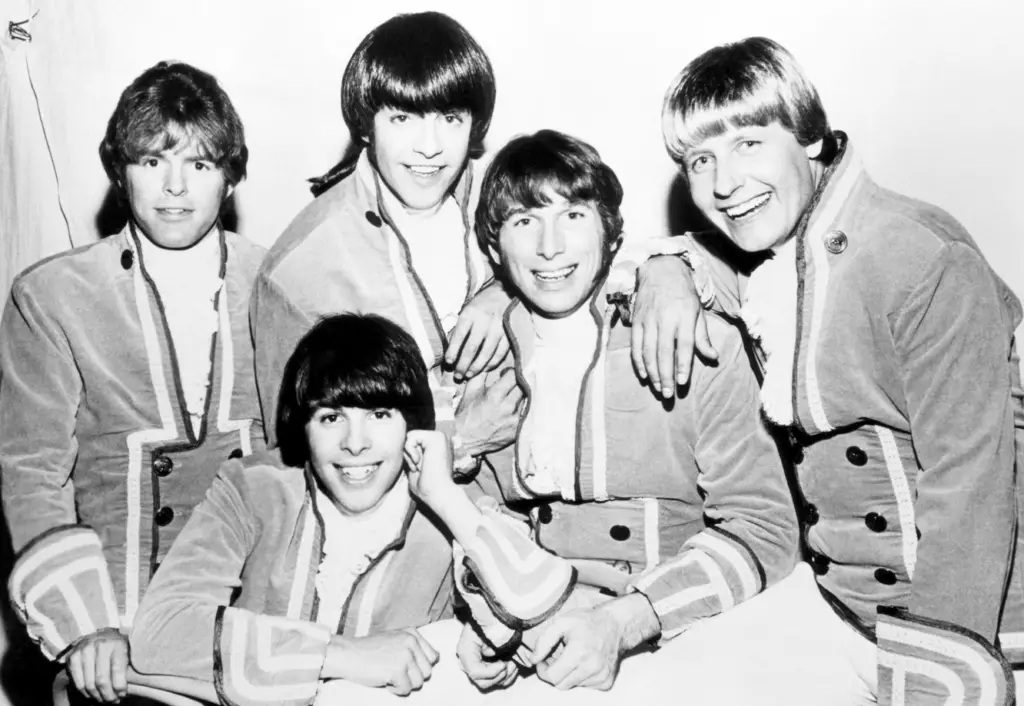
This powerful song topped the charts in the summer of 1971, but its roots and cultural impact were firmly tied to late-’60s radio momentum. Its dramatic storytelling and haunting production made it stand out sharply from lighter pop hits. It spent three weeks at No. 1 and became one of the band’s biggest successes. The emotional weight of the lyrics gave it a serious edge that resonated with listeners. It felt bold, urgent, and memorable at the time. The song sparked strong reactions and conversation.
Over time, it became a less frequently played part of oldies rotations. Its heavy theme and spoken-style delivery make it less casual for background listening. Paul Revere & the Raiders are often remembered for their earlier, more upbeat hits. The track doesn’t always fit neatly into nostalgic summer playlists. Many younger listeners have never heard it at all. Still, for that season, it carried real emotional force and defined a very specific moment in pop culture.