
1. “I Want to Hold Your Hand” by The Beatles
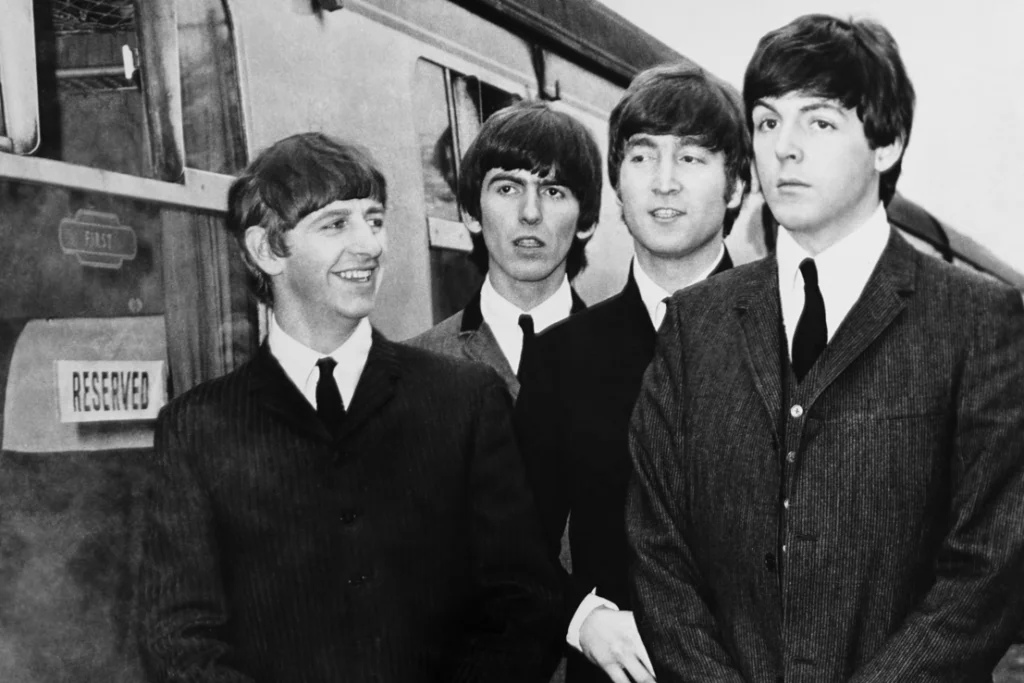
When “I Want to Hold Your Hand” hit American radio in late 1963 and exploded in early 1964, it felt like a cultural lightning strike. Teenagers screamed, parents worried, and suddenly British accents were everywhere. The song’s innocent hand holding felt sweet and rebellious at the same time, especially in a country still fairly buttoned up about pop romance. It helped launch the Beatles’ historic appearance on The Ed Sullivan Show, which drew more than seventy million viewers. For a lot of families, that night became a shared memory passed down like folklore. Even people who didn’t buy the record remember exactly where they were when Beatlemania arrived. It marked the moment when youth culture truly began steering the national conversation.
Beyond the hysteria, the song also changed how Americans thought about pop music itself. Rock and roll suddenly felt global, modern, and unstoppable. Guitar driven bands became the new template for teenage dreams and garage rehearsals. Radio playlists shifted almost overnight, making room for more adventurous sounds and personalities. Fashion, hairstyles, and even slang followed right behind. The song didn’t just top the charts, it rewired the mood of the country. It still sounds like the opening door to a brand new decade.
2. “Blowin’ in the Wind” by Bob Dylan
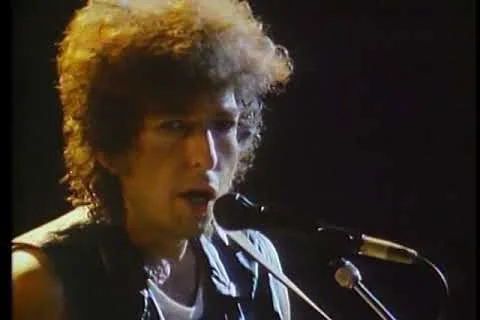
“Blowin’ in the Wind” quietly became one of the most powerful protest songs ever written. Its simple questions about freedom, war, and human dignity landed at exactly the right moment in the early civil rights movement. People sang it at rallies, in coffeehouses, and around kitchen tables. It felt approachable, almost gentle, even as the message carried serious moral weight. Dylan’s lyrics invited listeners to reflect instead of shouting at them. That made the song easy to share across generations and political lines.
The song also helped redefine what a popular song could accomplish. Suddenly folk music wasn’t just storytelling or tradition, it was a tool for national conscience. Many listeners remember hearing it during news broadcasts filled with marches and social change. Teachers played it in classrooms as a way to spark conversation. It became part of the emotional soundtrack of a country questioning itself. Even today, those unanswered questions still feel uncomfortably relevant.
3. “Respect” by Aretha Franklin
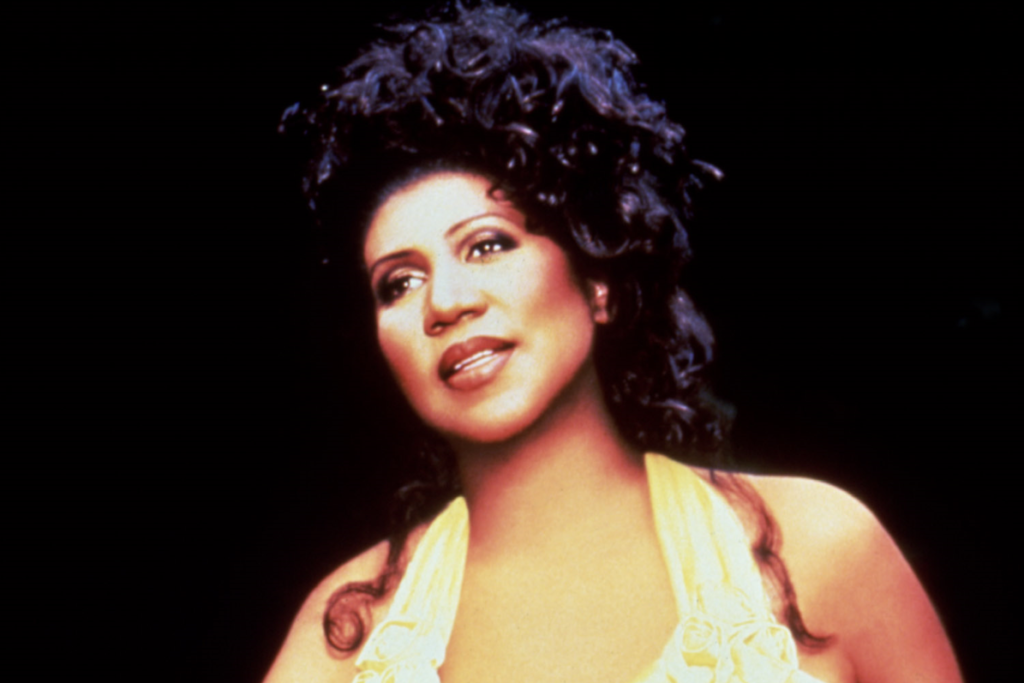
When Aretha Franklin released “Respect” in 1967, it landed like a declaration. Originally written by Otis Redding, Franklin transformed it into a bold demand for dignity and equality. Her commanding voice turned the song into an anthem for women and the civil rights movement. Listeners didn’t just hear confidence, they felt it. The spelling out of R E S P E C T became instantly iconic. Radio stations played it constantly, and crowds sang along with unmistakable pride.
The timing made the song even more meaningful. America was wrestling with shifting gender roles, racial justice, and personal empowerment. Franklin’s performance gave people a voice they didn’t always feel they had in everyday life. It crossed generations and social boundaries with ease. Even people who weren’t actively political felt energized by its attitude. “Respect” didn’t just reflect the era, it helped push it forward.
4. “A Hard Day’s Night” by The Beatles
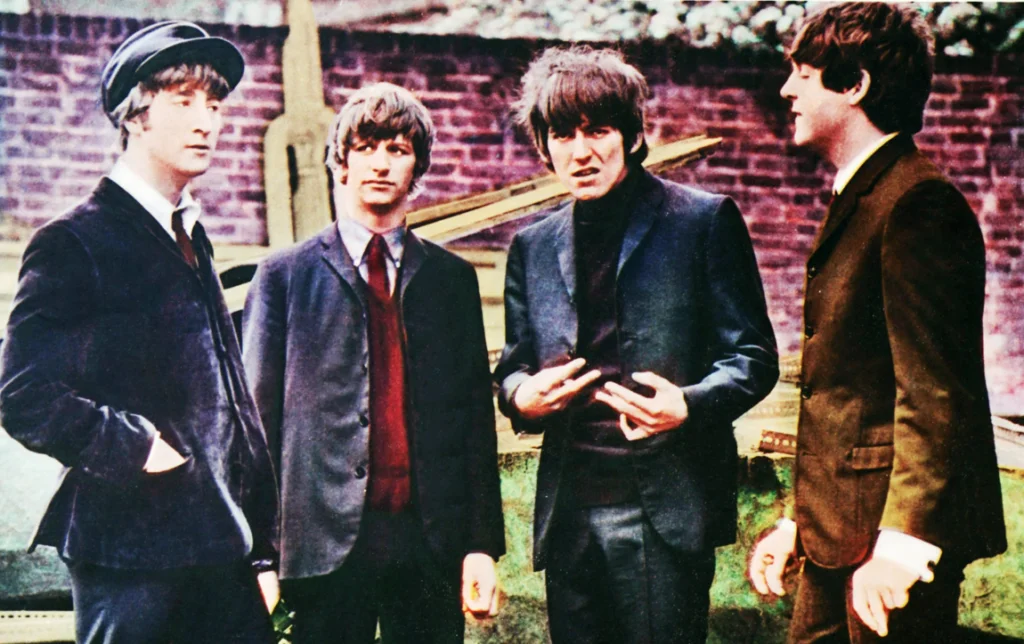
“A Hard Day’s Night” captured the breathless excitement of early 1960s youth culture. Its famous opening chord still feels like a burst of pure energy. The song tied directly into the Beatles’ first feature film, which showed fans what modern celebrity looked like up close. Teenagers lined up for movie tickets just to see their favorite band joking and running through crowded streets. It made stardom feel playful and approachable. The song itself mirrored that joyful rush of young love and restless ambition.
For American audiences, it reinforced how deeply the Beatles had woven themselves into everyday life. Music, film, fashion, and humor suddenly blended together. The band wasn’t just on the radio, they were everywhere. Families went to theaters together to experience the phenomenon firsthand. It helped normalize pop culture as a shared national experience instead of something limited to teens. The song still sounds like a snapshot of carefree momentum.
5. “My Girl” by The Temptations
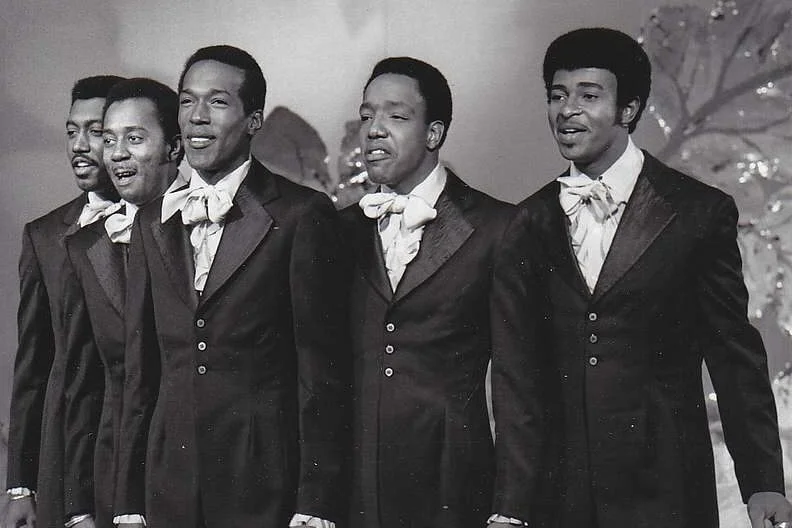
“My Girl” became one of the defining love songs of the decade. Its warm bass line and gentle optimism made it instantly comforting. People played it at weddings, school dances, and family gatherings. The lyrics felt sincere without being overly dramatic. It celebrated simple happiness instead of heartbreak, which made it easy to connect with. Smokey Robinson’s songwriting gave the song timeless charm.
The track also helped bring Motown fully into mainstream American households. Soul music crossed racial and regional lines in a big way during the ’60s. Parents and teenagers could agree on this one, which wasn’t always common. It softened cultural barriers through shared enjoyment. Many listeners still associate it with first crushes and slow dances. “My Girl” became emotional shorthand for uncomplicated joy.
6. “Like a Rolling Stone” by Bob Dylan
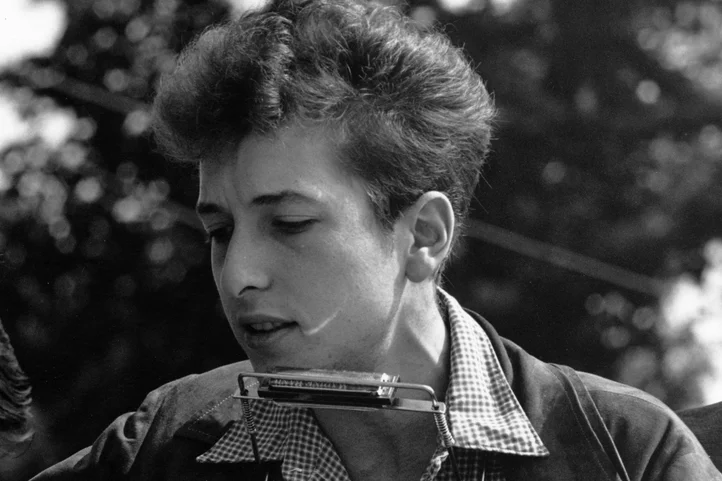
“Like a Rolling Stone” shocked radio audiences with its length, attitude, and poetic bite. At over six minutes, it broke the usual rules of pop programming. Dylan’s lyrics felt sharp, confrontational, and deeply personal. The song sounded like someone tearing down polite expectations in real time. It pushed listeners to think differently about identity, success, and independence. DJs initially hesitated, but demand quickly overpowered tradition.
The song marked a turning point where rock music became more intellectually ambitious. It encouraged other artists to take creative risks. Young listeners felt validated in questioning authority and convention. The cultural mood of the mid ’60s found a strong voice in this track. It didn’t just entertain, it challenged. Many critics still view it as a defining moment in modern songwriting.
7. “Good Vibrations” by The Beach Boys
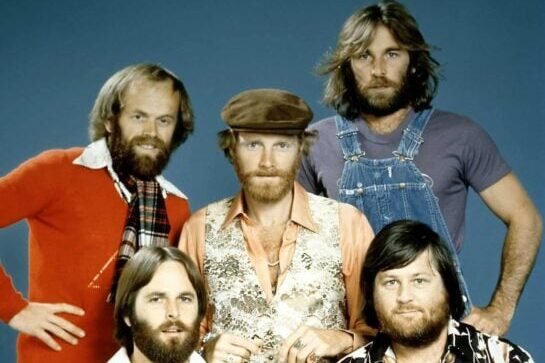
“Good Vibrations” felt like sunshine captured on tape. Its layered production and unusual instruments made it sound futuristic at the time. Brian Wilson’s studio experimentation pushed pop into new territory. Listeners heard something playful yet surprisingly complex. The song radiated optimism and curiosity. It became a sonic symbol of California dreaming.
The track also reflected the growing experimentation of the late ’60s. Music was no longer just about catchy hooks, it was about sonic exploration. Teenagers felt like they were living in a creative golden age. Radio stations embraced its bold sound despite its unconventional structure. It showed that mainstream audiences were ready for innovation. “Good Vibrations” captured a moment when possibility felt endless.
8. “The Sound of Silence” by Simon & Garfunkel
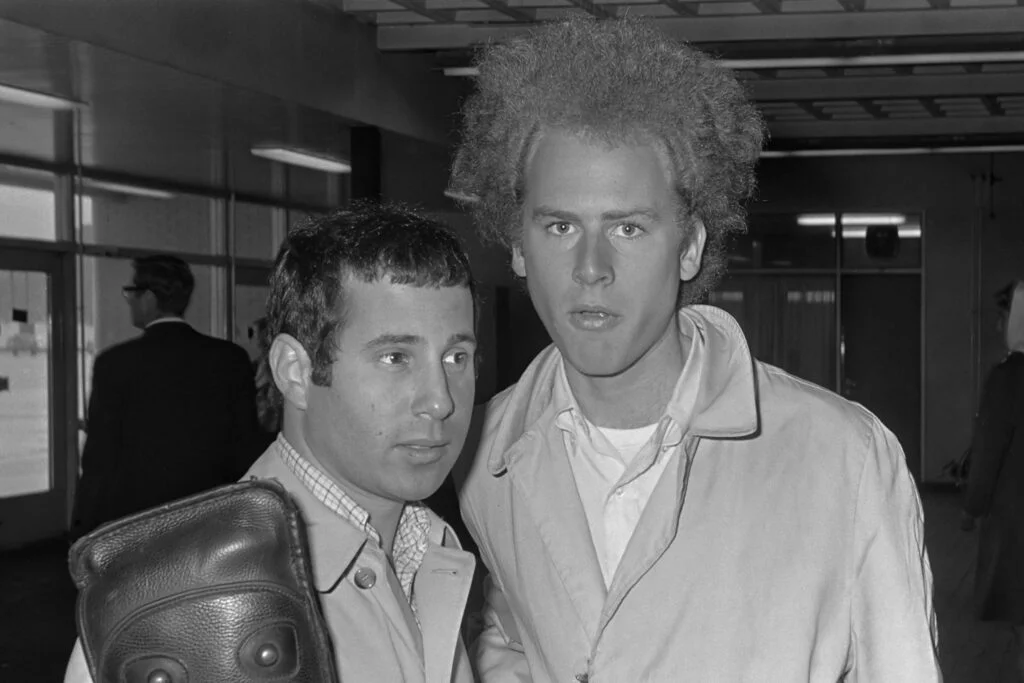
“The Sound of Silence” quietly resonated with a generation feeling disconnected and uneasy. Its haunting melody and reflective lyrics felt different from upbeat pop hits. Many listeners heard their own anxieties mirrored in its words. The song gained momentum through radio play rather than flashy promotion. Its emotional restraint made it powerful in a subtle way. People often remember hearing it late at night or during quiet moments.
The track captured the undercurrent of social tension beneath the decade’s bright surface. Conversations about communication, isolation, and meaning were becoming more common. College campuses embraced its thoughtful tone. It helped make introspective songwriting mainstream. The song still feels relevant whenever society feels noisy but emotionally distant. Its calm seriousness left a lasting imprint.
9. “I Heard It Through the Grapevine” by Marvin Gaye

“I Heard It Through the Grapevine” became a slow burning sensation that eventually dominated the charts. Marvin Gaye’s soulful delivery added tension and emotional depth. The song felt dramatic without being theatrical. Listeners leaned into the story of rumor, suspicion, and heartbreak. It played constantly on radios, jukeboxes, and home stereos. Its groove made it unforgettable.
The track highlighted how Motown artists were shaping mainstream taste. Soul music became a central part of American pop culture rather than a niche genre. The song’s emotional storytelling resonated across generations. It also reflected a growing appetite for mature themes in popular music. People connected to its realism and vulnerability. It helped redefine what chart topping music could emotionally express.
10. “California Dreamin’” by The Mamas & the Papas
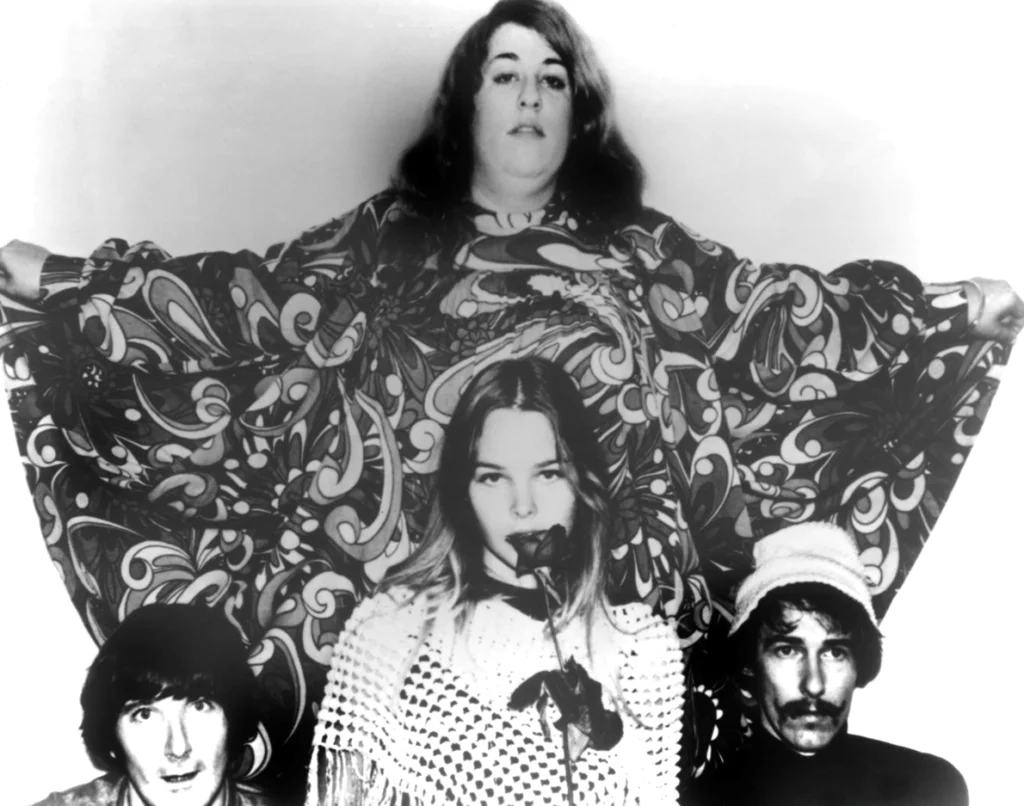
“California Dreamin’” captured a feeling of longing that many Americans recognized instantly. Its imagery of cold winters and sunny escape felt personal to millions. The harmonies created a dreamy, slightly melancholy mood. It became closely associated with the idea of West Coast freedom and reinvention. Listeners imagined palm trees and open highways while stuck in snowbound towns. The song felt like a promise of something better just over the horizon.
It also reflected the growing migration and cultural pull toward California in the ’60s. Music, film, and youth culture increasingly pointed west. The song played during a period of major social shifts and personal experimentation. It blended folk sensibility with pop accessibility. Many people still associate it with road trips and quiet reflection. It remains one of the era’s most evocative mood pieces.
11. “Fortunate Son” by Creedence Clearwater Revival
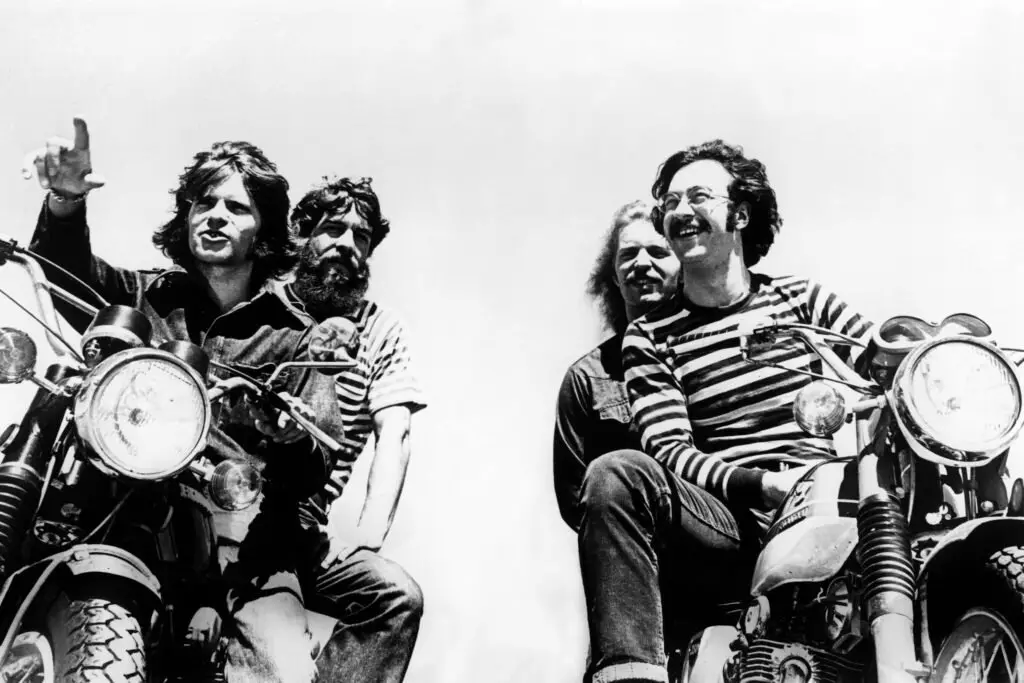
“Fortunate Son” arrived as a sharp critique of class inequality during the Vietnam era. Its driving rhythm and blunt lyrics left little room for ambiguity. The song called out the privilege that shielded some families from the realities of war. It quickly became a protest staple at rallies and demonstrations. Listeners recognized its raw honesty immediately. The energy felt urgent and unfiltered.
The song also reshaped how rock music addressed politics. It showed that popular radio hits could carry serious social commentary. Many Americans still associate it with news footage from the late ’60s and early ’70s. It became part of the cultural memory of protest movements. The message remains relevant whenever discussions of fairness and responsibility resurface. Few songs capture generational frustration as clearly.
12. “Light My Fire” by The Doors
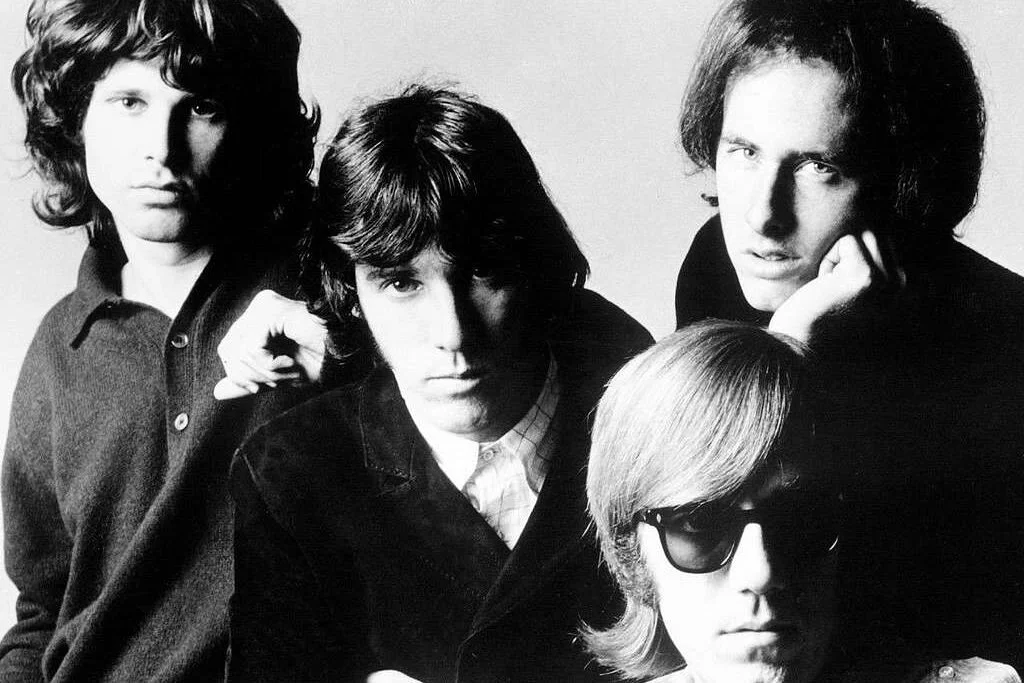
“Light My Fire” helped usher psychedelic rock into the mainstream. Its hypnotic organ line and extended instrumental breaks felt daring for radio at the time. The song carried a sense of mystery and sensuality that stood out sharply. Jim Morrison’s presence added an edge that fascinated young listeners. It quickly climbed the charts and dominated airwaves. The track felt like a doorway into a more experimental world.
The song reflected the expanding boundaries of artistic expression in the late ’60s. Audiences were becoming more open to unconventional structures and themes. Concert culture also grew alongside its popularity. It symbolized a generation testing limits creatively and socially. Many listeners still associate it with the Summer of Love era. It remains a defining example of psychedelic crossover success.
13. “People Got to Be Free” by The Rascals
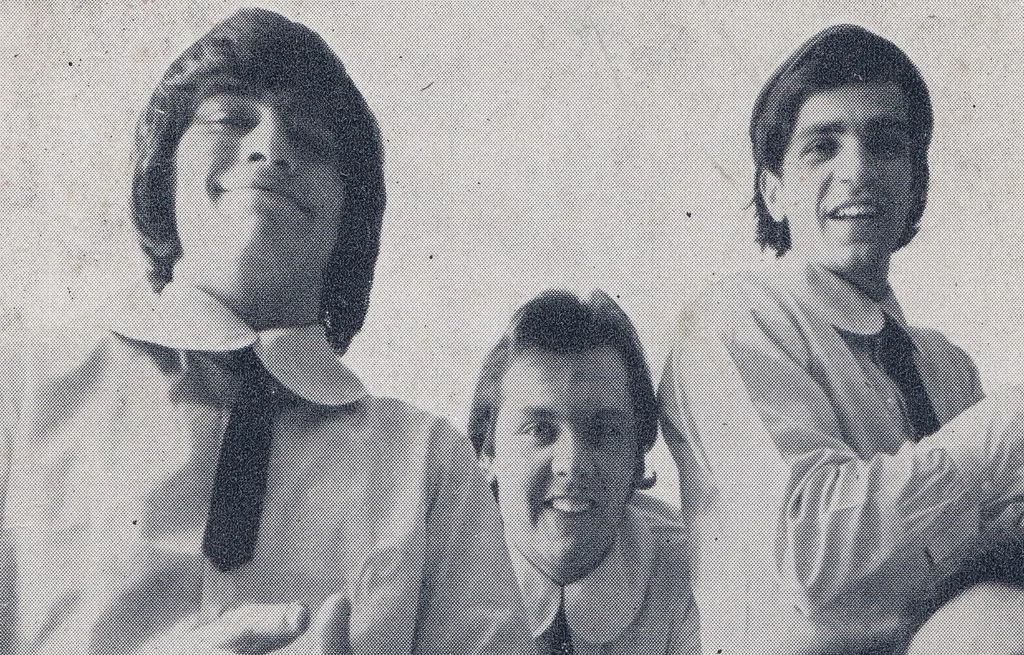
“People Got to Be Free” delivered a hopeful message of unity during a turbulent year. Released in 1968, it arrived shortly after major national tragedies. Its upbeat sound contrasted with its serious call for peace and understanding. The chorus felt like a collective wish rather than a lecture. Radio embraced it quickly because the tone felt uplifting. Listeners found comfort in its optimism.
The song captured a longing for healing during social unrest. It played during a time when Americans were craving reassurance and solidarity. Its message crossed political and generational lines easily. Many people remember hearing it during summer gatherings and outdoor events. It showed how pop music could encourage empathy without losing mass appeal. The song remains a snapshot of hopeful resilience.
14. “Suspicious Minds” by Elvis Presley
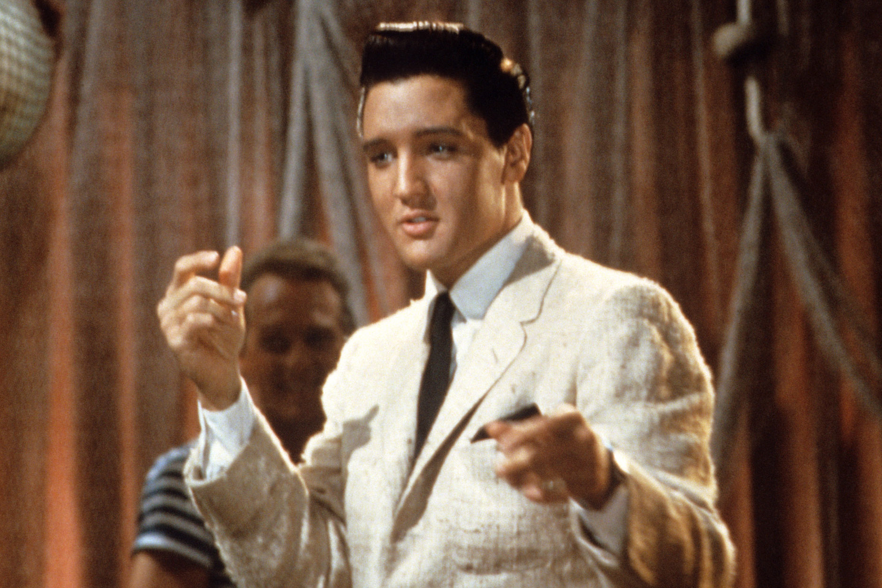
“Suspicious Minds” marked a major comeback moment for Elvis Presley in 1969. The song blended classic Elvis charisma with modern production. Its dramatic build mirrored emotional tension that listeners easily recognized. Fans welcomed his return to the top of the charts enthusiastically. The song quickly became a staple on radio and live performances. It felt both nostalgic and current at the same time.
The track symbolized how American pop culture was reconnecting with its roots while moving forward. Elvis bridged generations who had grown up with him and younger fans discovering him anew. It reinforced his lasting influence on music and celebrity culture. Many associate the song with his Las Vegas era and televised performances. It reminded audiences why he became a cultural icon in the first place. The comeback felt reassuring during a rapidly changing decade.
15. “Mrs. Robinson” by Simon & Garfunkel
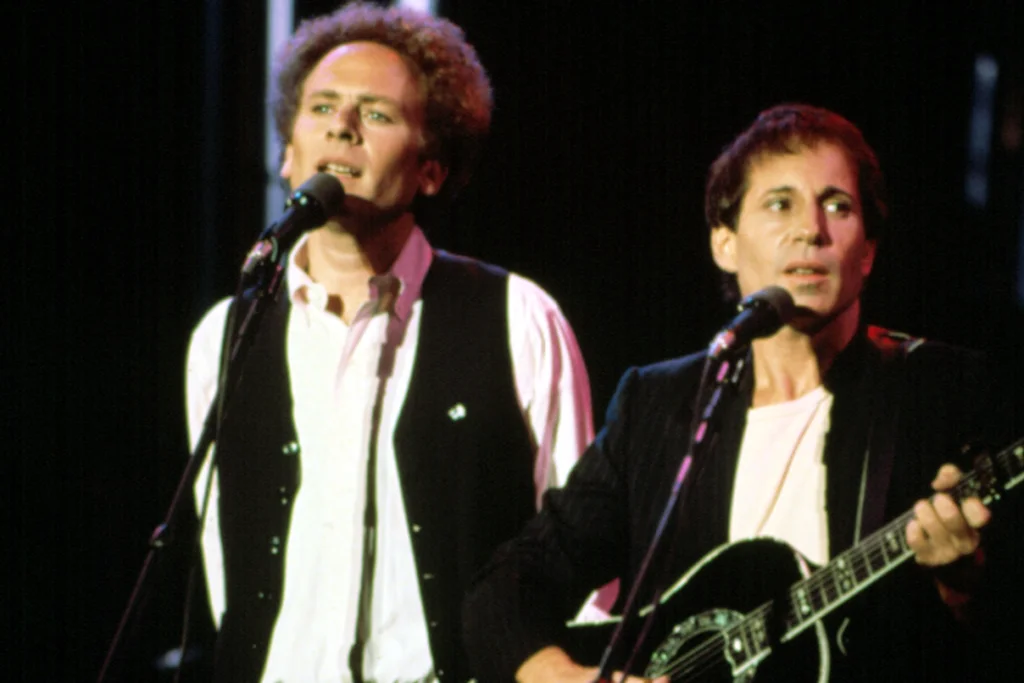
“Mrs. Robinson” became instantly recognizable through its connection to The Graduate. The song captured generational tension and quiet disillusionment with subtle wit. Its catchy chorus masked deeper commentary about changing values. Moviegoers carried the tune out of theaters and into daily life. Radio play kept it firmly embedded in pop culture. It felt modern, clever, and emotionally layered.
The song reflected the growing gap between youth and traditional expectations. Many listeners saw their own uncertainties mirrored in its tone. Film and music blended more closely than ever during this period. It demonstrated how soundtrack hits could shape cultural conversation. The song remains tied to images of late ’60s identity searching. Its influence still echoes in how movies and music intersect today.