1. “In the Year 2525” – Zager and Evans
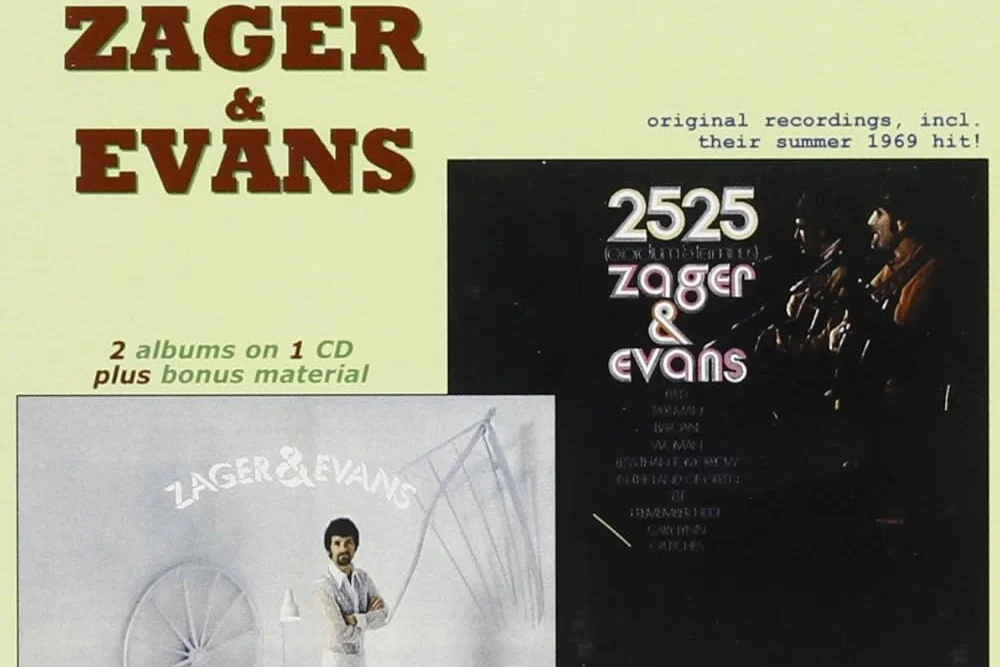
In late ’69, this eerie, futuristic hit suddenly seemed to be everywhere, drifting out of car radios and kitchen transistor sets like a warning from another world. The lyrics imagined a distant future where technology slowly strips away human connection, which felt especially heavy at the tail end of a turbulent decade. It wasn’t exactly a feel good singalong, but people couldn’t stop listening. The song climbed all the way to No. 1 and became an unexpected cultural timestamp for late ’60s anxiety.
What makes it especially fascinating is how completely it overshadowed the duo’s career. Zager and Evans never came close to repeating that level of success, and the song became their defining legacy almost overnight. Decades later, it still pops up in documentaries, playlists, and retro countdowns whenever people revisit the era’s uneasy optimism. You hear it and instantly picture moon landings, social unrest, and a future everyone was still trying to imagine. It’s less about the artists and more about the moment it captured so perfectly.
2. “Sugar, Sugar” – The Archies
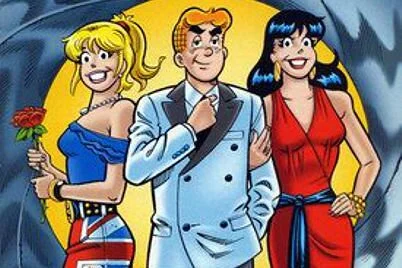
This bubblegum anthem managed to feel joyful, silly, and oddly irresistible all at once. In 1969, it dominated the charts and felt like the ultimate summer song, even though it came from a fictional cartoon band. Kids loved it, adults hummed it despite themselves, and radio stations couldn’t play it enough. It was pure pop escapism during a year that was otherwise emotionally heavy.
The Archies never really existed as a touring group, which made the song even more of a cultural oddity. Its legacy lives on as a snapshot of how playful and strange pop culture could be in the late ’60s. You hear it today and immediately think of bright colors, AM radio, and carefree afternoons. It defined a fleeting slice of pop joy rather than launching a long lasting musical empire. The song’s charm is that it belongs completely to its moment in time.
3. “Wild Thing” – The Troggs
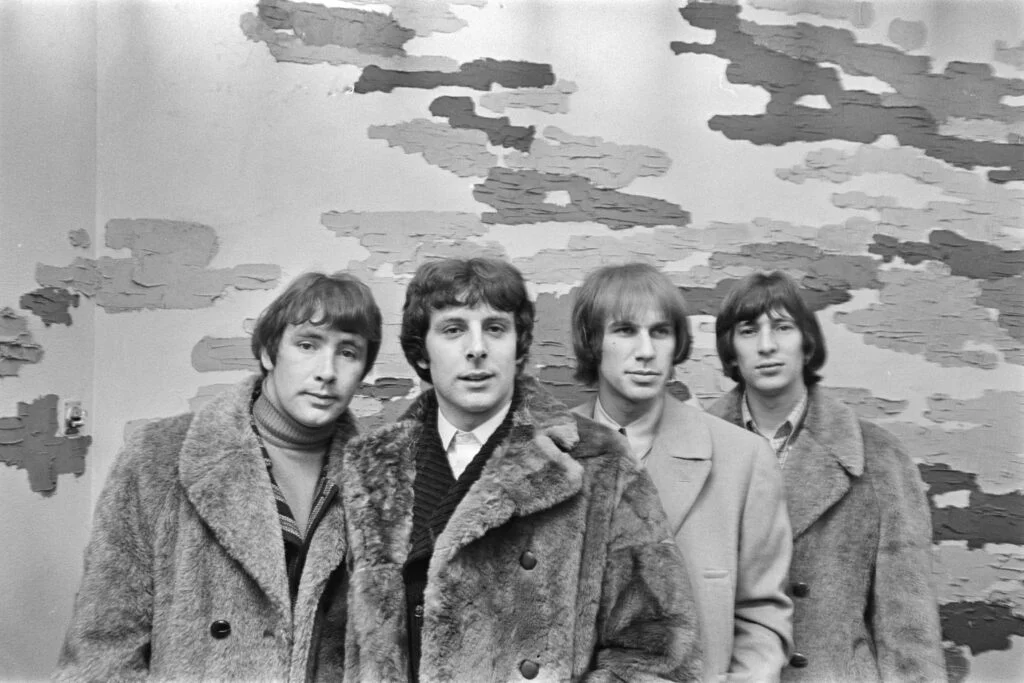
When this raw, stomping hit exploded in 1966, it felt like rock music shedding its polish and getting a little reckless. The fuzzy guitar riff and shouted vocals sounded thrillingly unrefined compared to the clean pop dominating radio at the time. It became an instant anthem for teenage rebellion and garage band energy. You didn’t need to be a musician to imagine yourself pounding this one out in a basement band.
The Troggs had other charting songs, but none ever captured the same cultural lightning. “Wild Thing” became bigger than the band, turning into a shorthand for raw rock attitude in movies, commercials, and sports arenas. It’s one of those songs people recognize within seconds, even if they can’t name the artist. The track represents a brief moment when simplicity and swagger ruled the airwaves. Its legacy belongs more to the feeling it created than to a long lasting career arc.
4. “These Boots Are Made for Walkin’.” – Nancy Sinatra
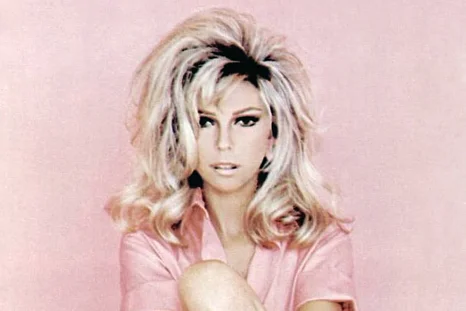
This song hit in 1966 and immediately felt bold, confident, and slightly rebellious. Its strutting rhythm and sharp attitude made it an anthem of independence at a time when pop music was shifting toward stronger female voices. Everyone seemed to recognize that opening bass line within seconds. It became part of the soundtrack of a changing cultural landscape.
Although Nancy Sinatra had other hits, this song stands apart as the one that truly defined a cultural mood. It’s been endlessly referenced, covered, and repurposed across decades of film and television. The track captures a moment when pop music leaned into attitude and empowerment without losing mainstream appeal. You don’t just hear a song, you hear an era asserting itself. It remains a shorthand for ’60s confidence and cool.
5. “Louie Louie” – The Kingsmen
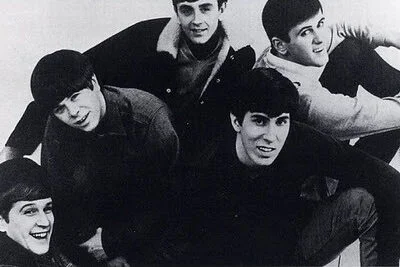
Few songs have caused as much playful controversy as this rough and rowdy garage rock classic. In 1963, its mumbled lyrics sparked wild rumors and even an FBI investigation over supposed hidden meanings. That notoriety only made the song more famous and more irresistible to young listeners. It sounded raw, rebellious, and slightly dangerous compared to polished pop hits of the time.
The Kingsmen never fully escaped the shadow of this one chaotic hit. “Louie Louie” became bigger than the band, morphing into a cultural symbol of youthful rebellion and early rock energy. It’s been covered thousands of times and still turns up at parties and sporting events. The song belongs to the collective memory more than to its creators. It’s a reminder of how a single record can ignite an entire cultural moment.
6. “Time of the Season” – The Zombies
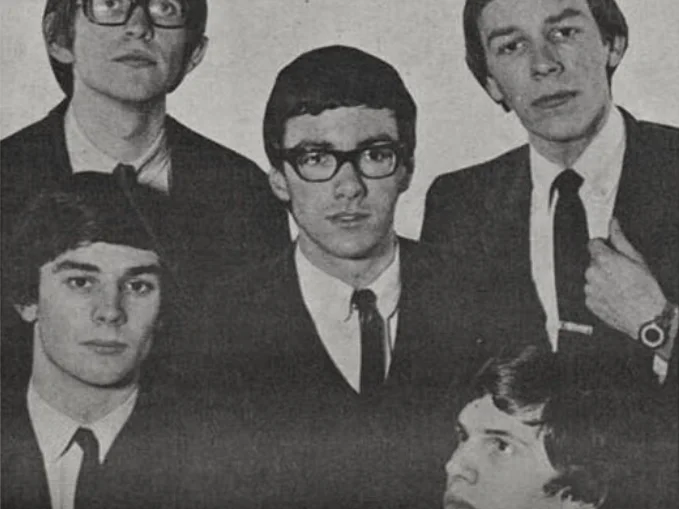
When this dreamy track finally caught fire in 1969, it felt like the sound of late summer drifting into early fall. Its mellow groove and hypnotic vocals perfectly matched the era’s laid back psychedelic mood. The song slowly climbed the charts and lingered in listeners’ heads long after the first play. It felt introspective without being heavy.
Ironically, the band had already broken up by the time the song became a massive hit in the United States. That gave it a slightly bittersweet legacy, as if the moment arrived just a little too late for a sustained career push. Today, the track remains a staple on classic playlists and movie soundtracks. It captures the reflective side of the late ’60s in a way few songs do. One listen instantly evokes candlelit rooms, vinyl records, and a shifting cultural tide.
7. “Spirit in the Sky” – Norman Greenbaum
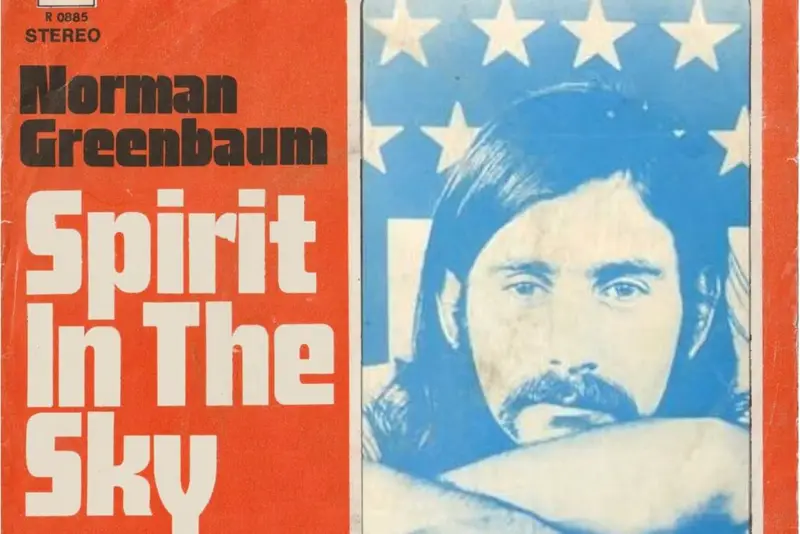
This fuzzed out, gospel tinged rock anthem exploded onto radios in 1969 with a sound that felt completely fresh. Its heavy guitar tone mixed with spiritual lyrics made it stand out from nearly everything else on the charts. The song felt both joyful and mysterious at the same time. It quickly became unforgettable thanks to its distinctive opening riff.
Norman Greenbaum never matched the massive impact of this single, which cemented his place in pop history almost by accident. The song has lived on through countless movie soundtracks, commercials, and retro playlists. It often gets rediscovered by new generations who assume it must belong to a much larger catalog. Instead, it stands alone as a perfectly timed cultural lightning bolt. Few songs capture the end of the decade’s spiritual curiosity quite as well.
8. “96 Tears” – ? and the Mysterians
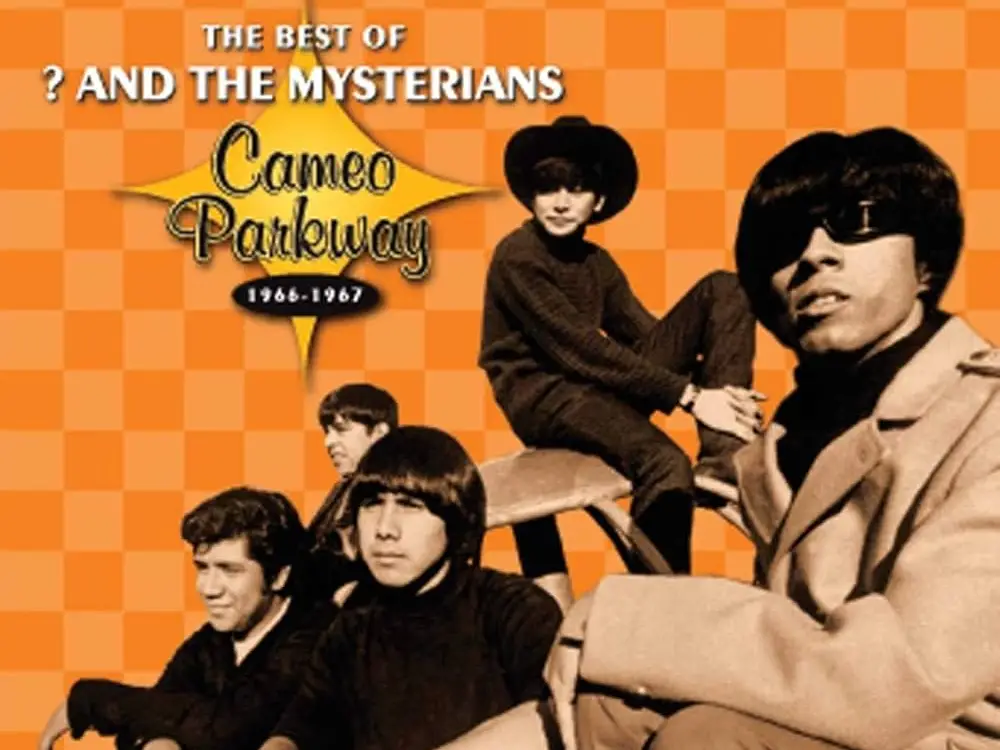
This moody organ driven hit became a surprise smash in 1966, giving garage rock a darker emotional edge. The song’s simple structure and raw delivery made it feel honest and slightly haunting. It didn’t sound polished or overproduced, which only added to its appeal. Listeners connected instantly to its sense of wounded pride and longing.
The band never found another hit that matched its impact, making the song their lasting calling card. “96 Tears” continues to surface in retro radio rotations and film soundtracks whenever a gritty ’60s vibe is needed. It represents the emotional side of early rock before psychedelia fully took over. The song feels like a snapshot of teenage intensity frozen in time. That authenticity is why it still resonates decades later.
9. “Kind of a Drag” – The Buckinghams
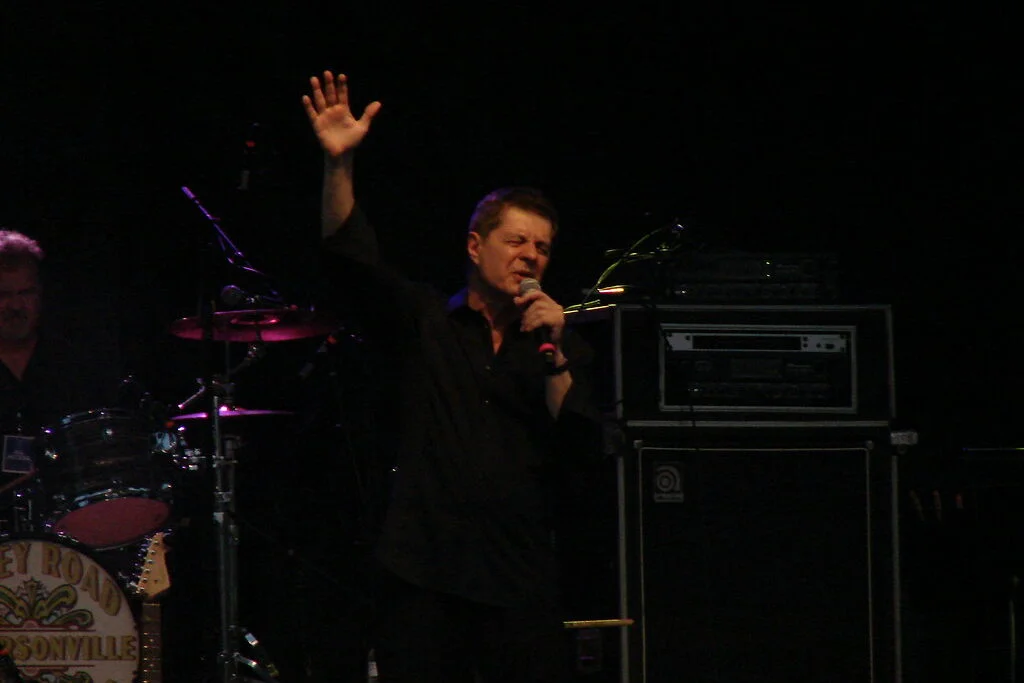
This breezy pop hit captured the lighter side of heartbreak when it climbed the charts in 1967. Its jazzy brass accents and relaxed groove made it sound polished yet approachable. The song felt tailor made for cruising with the windows down and the radio turned up. It balanced melancholy lyrics with an easygoing melody.
Although The Buckinghams had several charting songs, this track remains their most recognizable cultural marker. It often pops up in retrospectives about the sunny side of late ’60s pop. The song reflects a time when radio embraced smooth, melodic experimentation without losing mainstream charm. You hear it and immediately picture bright colors and carefree afternoons. It’s less about the band’s broader catalog and more about the mood it captured so well.
10. “Incense and Peppermints” – Strawberry Alarm Clock
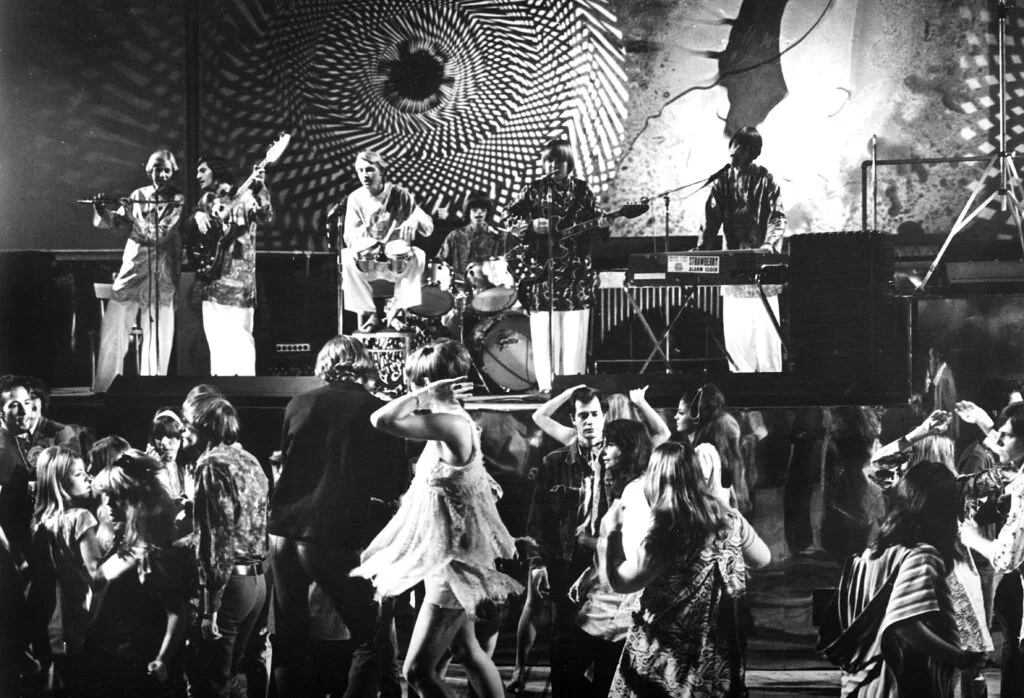
This psychedelic anthem felt like a swirl of colors, scents, and dreamy confusion when it topped the charts in 1967. Its abstract lyrics didn’t always make logical sense, but that was part of its charm. The song matched the era’s fascination with altered perception and artistic freedom. It sounded like the musical equivalent of a lava lamp.
Strawberry Alarm Clock struggled to replicate that level of success afterward. The song became their defining contribution to the psychedelic era rather than the beginning of a long chart run. It still appears in period films and playlists whenever the late ’60s counterculture needs a musical shorthand. The track instantly evokes bell bottoms, posters, and swirling light shows. It’s a perfect time capsule rather than a career launching pad.
11. “Happy Together” – The Turtles
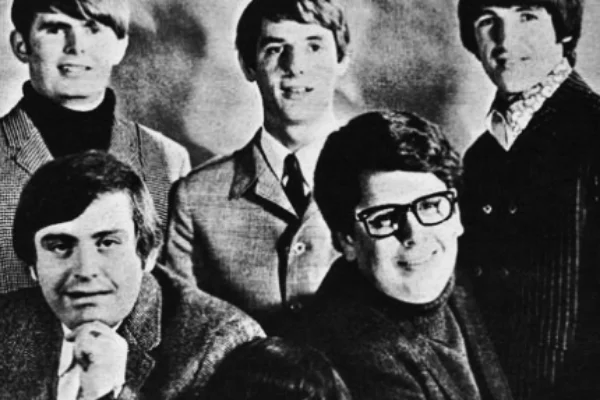
This cheerful love song exploded in 1967 and quickly became one of the decade’s most recognizable singalong hits. Its sunny optimism felt contagious, even for listeners who claimed not to like pop music. The melody stuck in your head after just one listen. It became a soundtrack staple for weddings, commercials, and feel good moments.
While The Turtles enjoyed other successes, this song tends to dominate their cultural memory. It represents a moment when pure pop joy ruled the airwaves without irony. The track often resurfaces in movies and advertising because it instantly signals happiness and nostalgia. You don’t just remember the song, you remember how it made you feel. That emotional shortcut is why it continues to endure.
12. “Yummy Yummy Yummy” – Ohio Express
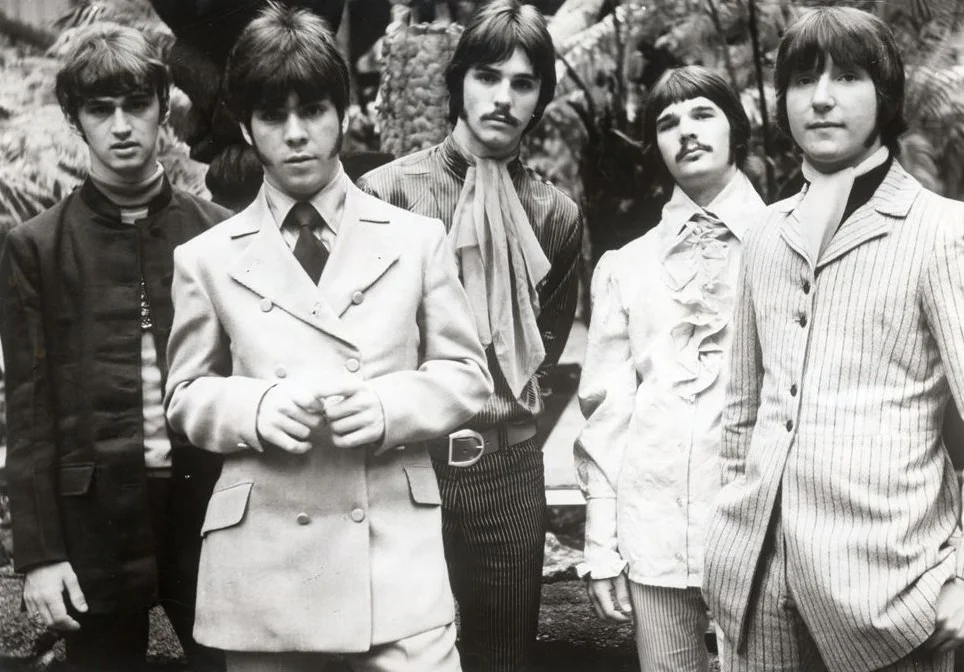
This candy coated hit from 1968 leaned fully into playful nonsense and irresistible hooks. It didn’t pretend to be deep or serious, and that was exactly the appeal. The chorus practically begged listeners to sing along, whether they wanted to or not. It embodied the carefree side of late ’60s pop radio.
Ohio Express never matched that massive burst of popularity again. The song became a novelty time capsule that still shows up in oldies playlists and commercials. It reminds listeners of a moment when pop embraced silly fun without apology. You hear it and instantly picture bright packaging, soda fountains, and spinning record players. Its charm lives entirely in its joyful simplicity.
13. “MacArthur Park” – Richard Harris
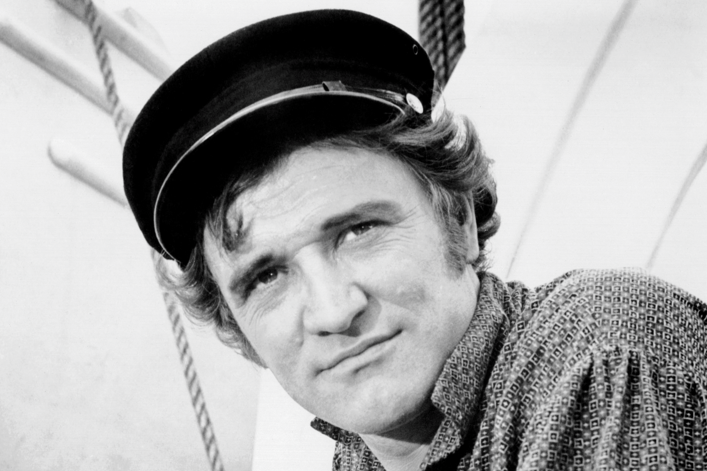
This dramatic, sweeping epic stunned listeners in 1968 with its theatrical ambition and famously puzzling lyrics. A song about a cake melting in the rain somehow became a major radio hit. Its orchestral arrangement felt more like a mini movie than a typical pop single. People either loved its emotional intensity or found it wonderfully bizarre.
Richard Harris had a long acting career, but this song became his most unexpected musical legacy. It’s frequently referenced as one of the most unusual mainstream hits of the era. The track represents a moment when pop radio briefly embraced grand, experimental storytelling. You can’t hear it without picturing dramatic strings and emotional excess. It remains a fascinating cultural artifact rather than part of a sustained music career.
14. “Time Has Come Today” – The Chambers Brothers
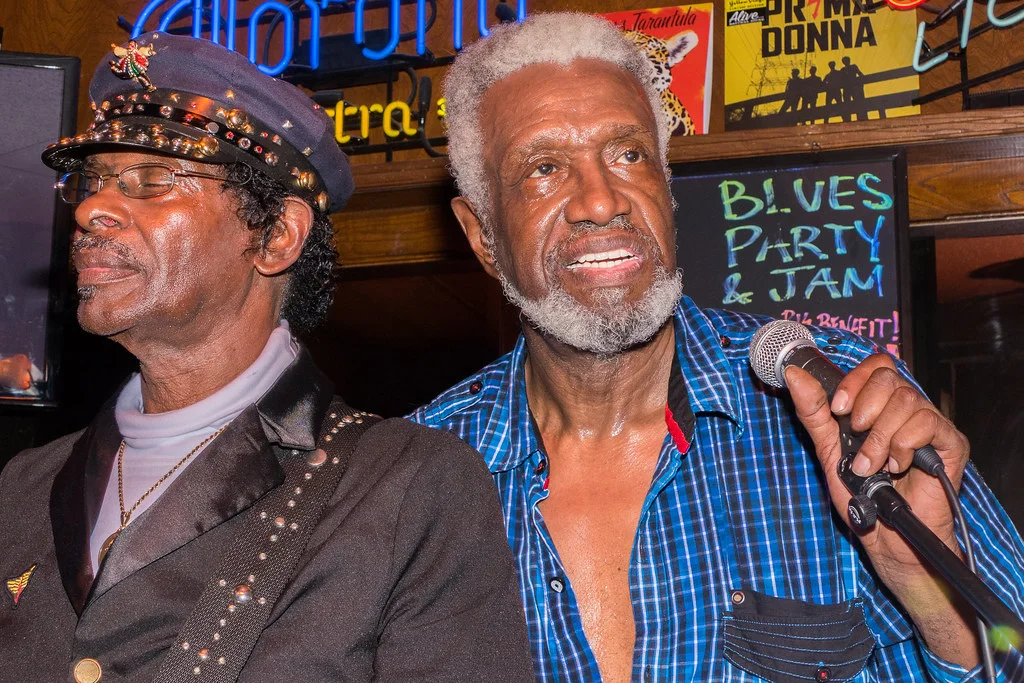
This hypnotic, extended jam gained traction in 1968 and felt perfectly aligned with the era’s sense of urgency and change. Its pulsing rhythm and repeated phrases created a trance like listening experience. The song felt bigger than a standard radio single, almost like a movement set to music. It became associated with protest energy and cultural awakening.
The Chambers Brothers never achieved another hit with the same lasting cultural impact. This track continues to appear in films and documentaries whenever the late ’60s atmosphere needs to be evoked quickly. It captures a moment when music and social consciousness felt tightly intertwined. The song functions more like a historical marker than a stepping stone in a long career. One listen still carries the weight of that charged era.