
1. “Stand by Me” by Ben E. King
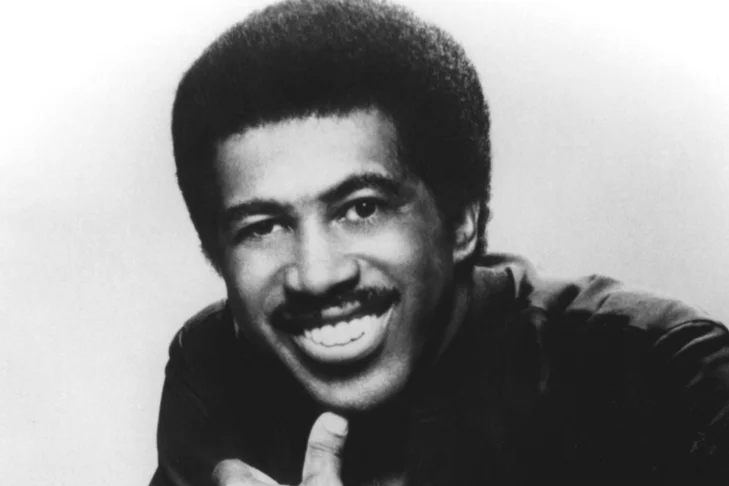
Few songs from the ’60s feel as timeless as “Stand by Me.” Released in 1961, it has a warmth that instantly transports people back to simpler moments. The steady bassline and King’s soulful voice create a feeling that’s both comforting and emotional. It’s the kind of song that seemed to play everywhere, from radios in diners to late-night jukebox selections.
Over the years it has become one of those tracks that generations keep rediscovering. Many people associate it with memories of friendships, first dances, or long car rides with the radio on. The song also experienced a huge revival in 1986 thanks to the film Stand by Me. That moment helped cement it as a permanent piece of American nostalgia.
2. “I Want to Hold Your Hand” by The Beatles
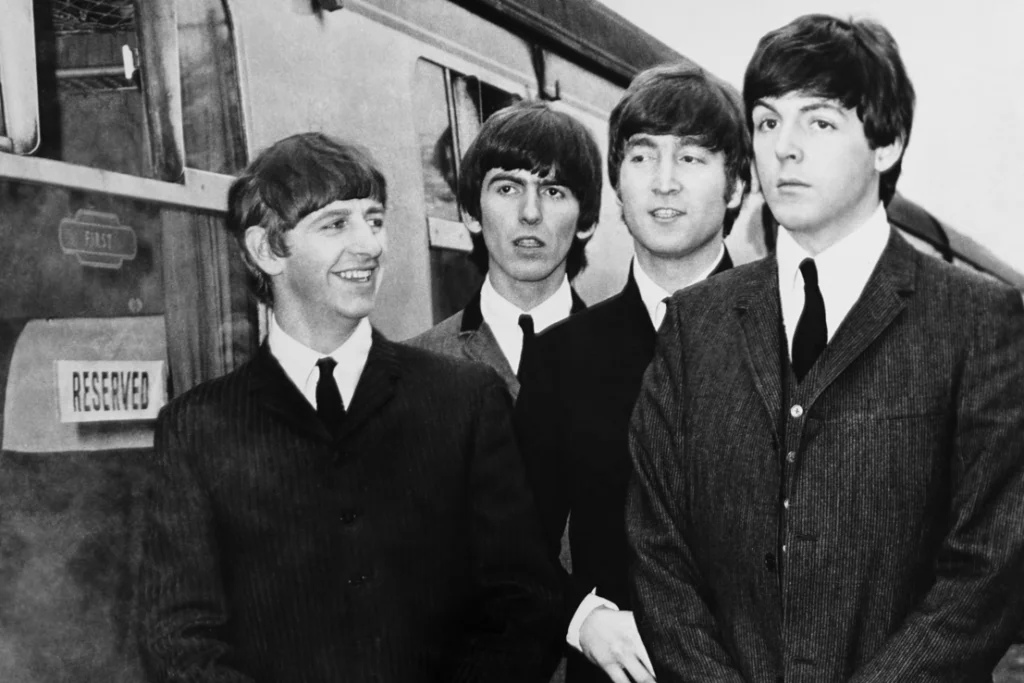
When “I Want to Hold Your Hand” arrived in 1963, it helped launch Beatlemania in the United States. The song was bright, energetic, and impossible not to sing along with. Teenagers across the country rushed to record stores and crowded around televisions just to catch a glimpse of the band. Suddenly the sound of the ’60s had a new heartbeat.
Even decades later, hearing those opening chords instantly evokes the early days of the British Invasion. It reminds people of screaming fans, black-and-white television appearances, and a moment when pop music suddenly felt brand new. The song captured youthful excitement in a way that still feels contagious today. For many listeners, it’s the sound of the ’60s bursting into life.
3. “California Dreamin’” by The Mamas & the Papas
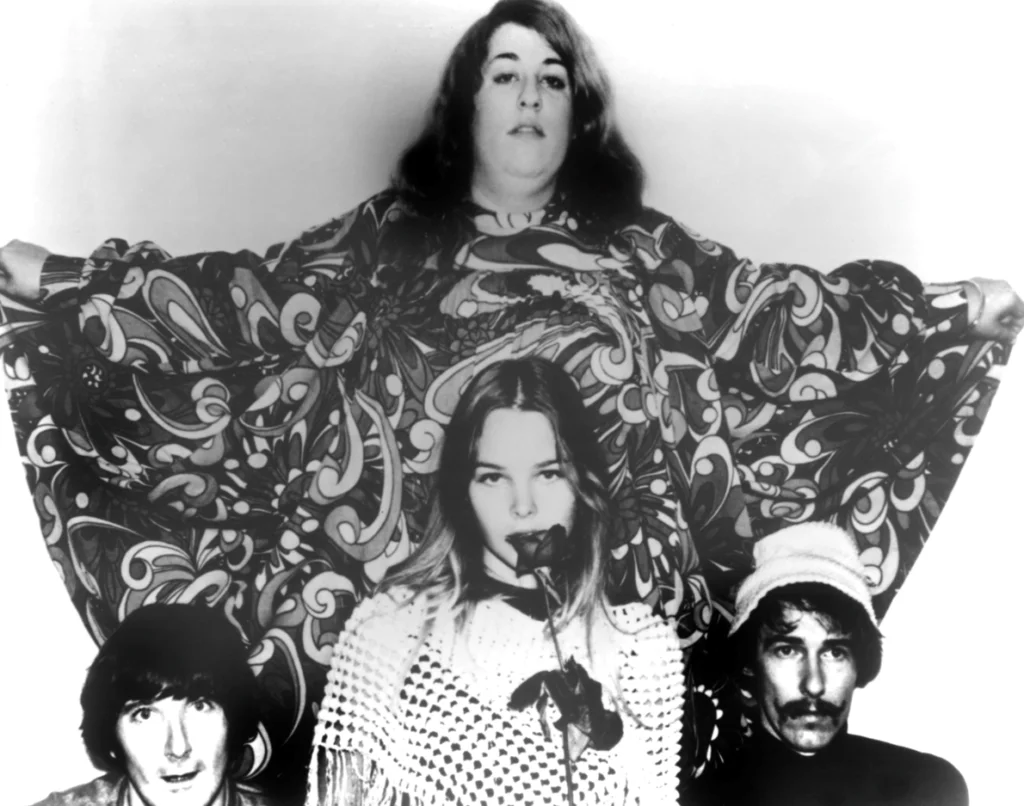
Released in 1965, “California Dreamin’” has a mood that instantly paints a picture. The haunting harmonies and reflective lyrics capture the feeling of longing for sunshine during a cold winter day. John Phillips wrote the song while living in New York, dreaming about returning to California. That bittersweet tone gave the track its emotional pull.
Over time it became one of the defining songs of the folk rock era. The flute solo and layered vocals give it a distinctive sound that stands out even today. Whenever the song plays, it often brings listeners back to memories of road trips, beaches, and the promise of the West Coast. It’s nostalgia wrapped in melody.
4. “My Girl” by The Temptations
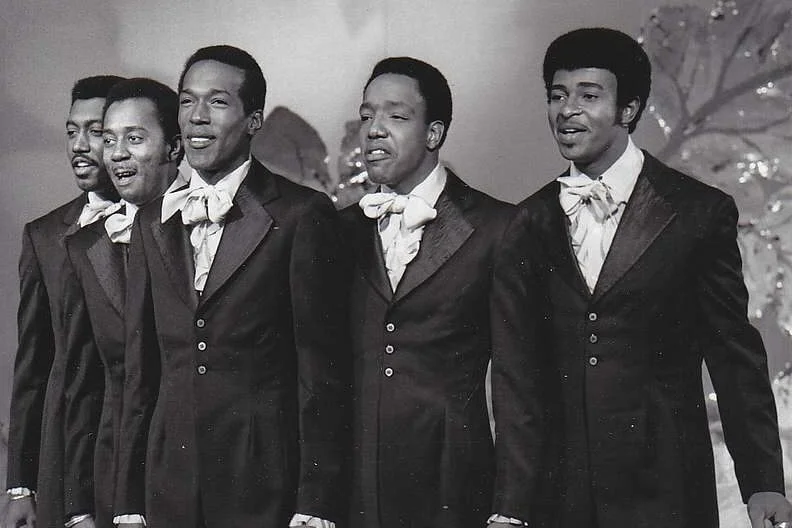
“My Girl,” released in 1964, is one of Motown’s most beloved recordings. The opening bassline and gentle guitar riff are instantly recognizable. David Ruffin’s lead vocal gives the song a smooth confidence that helped define the Motown sound. It feels effortless, warm, and joyful.
For many people, the song is tied to memories of family gatherings, weddings, or slow dances at school events. It became a staple on radio stations and oldies playlists for decades. Even younger listeners tend to recognize it almost immediately. That simple declaration of love has never really gone out of style.
5. “Good Vibrations” by The Beach Boys
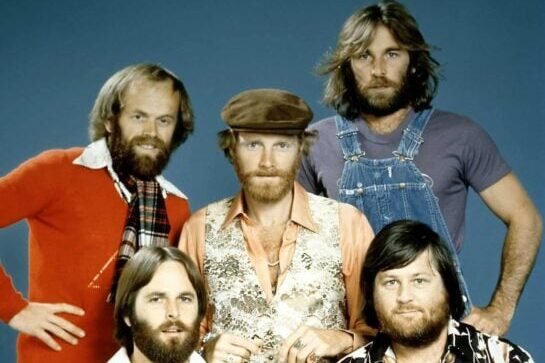
When The Beach Boys released “Good Vibrations” in 1966, it sounded unlike anything else on the radio. Brian Wilson spent months experimenting with different recording techniques to create its layered sound. The result was a song that felt futuristic yet unmistakably Californian. Its shifting structure and use of the theremin gave it a strange, dreamy quality.
For listeners who grew up during the decade, it often brings back memories of summer and endless sunshine. The track captured the optimism that defined much of mid-’60s pop culture. It also showed just how far studio technology could be pushed in popular music. Even now, those opening notes can make people smile in recognition.
6. “Respect” by Aretha Franklin
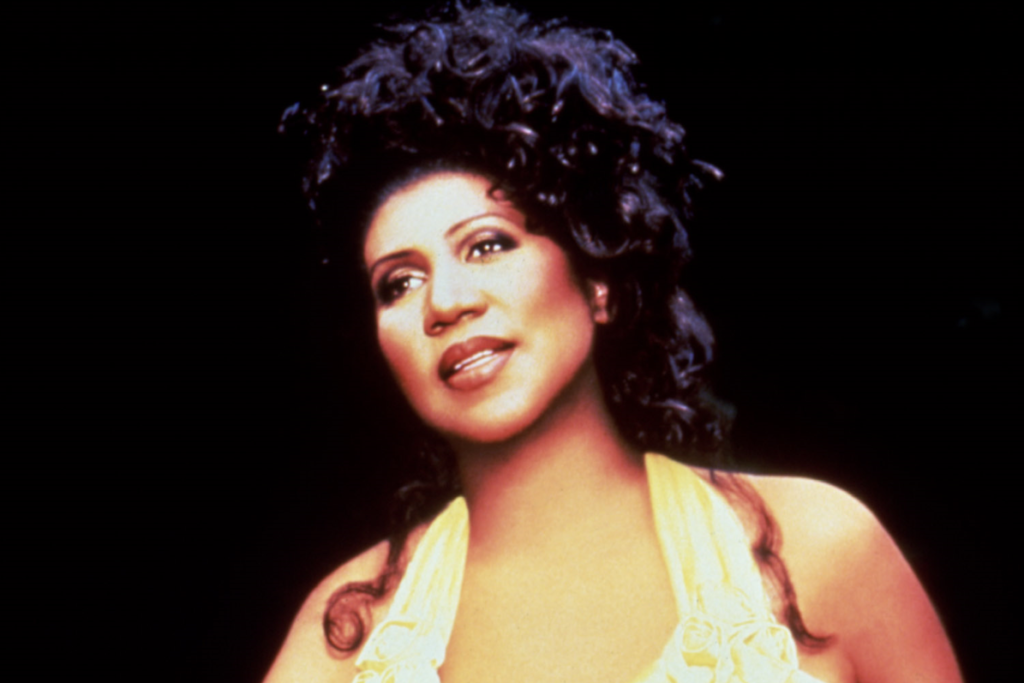
Aretha Franklin’s 1967 version of “Respect” transformed the Otis Redding song into something powerful and unforgettable. Her commanding voice turned the track into an anthem that resonated far beyond the charts. The spelling out of “R-E-S-P-E-C-T” became instantly iconic. It was bold, confident, and impossible to ignore.
For many listeners, the song carries memories of a time when music and social change were deeply connected. It also helped establish Franklin as the undisputed Queen of Soul. Decades later, it still sounds strong and defiant. When it comes on, it feels like a moment of history echoing through the speakers.
7. “Unchained Melody” by The Righteous Brothers
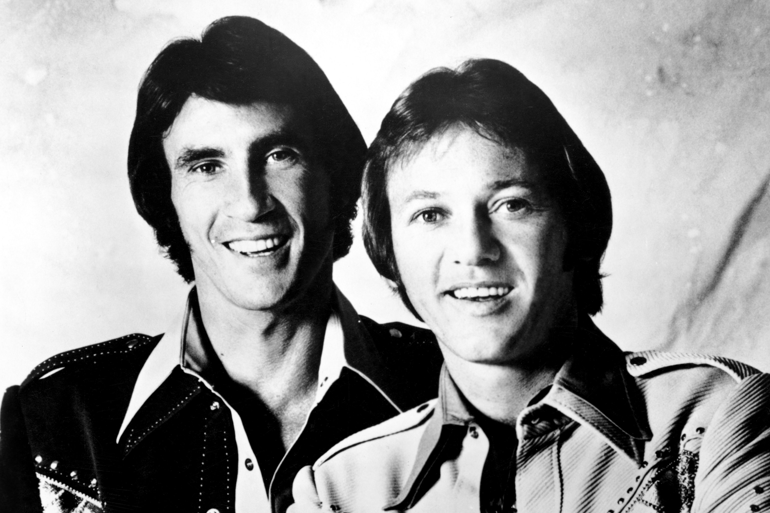
“Unchained Melody,” recorded by The Righteous Brothers in 1965, is one of the most emotional ballads of the decade. Bobby Hatfield’s soaring vocal performance gave the song its unforgettable intensity. The slow build and dramatic climax make it feel almost cinematic. It’s the kind of song people remember hearing during meaningful moments.
Although it had earlier versions, this recording became the one that defined the song for generations. Many listeners associate it with slow dances and late-night radio. Its revival in the 1990 film Ghost introduced it to an entirely new audience. Yet the emotional pull of the original recording remains unmatched.
8. “Mrs. Robinson” by Simon & Garfunkel
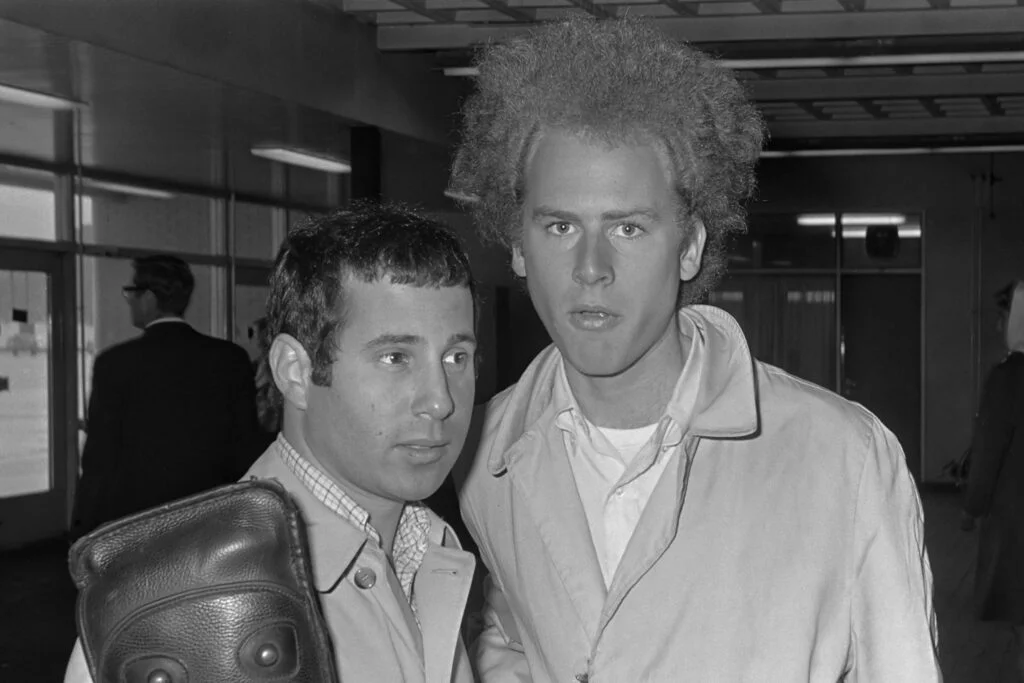
Released in 1968, “Mrs. Robinson” quickly became tied to the cultural moment surrounding The Graduate. Simon & Garfunkel’s blend of folk and pop storytelling gave the song a playful yet slightly mysterious tone. The lyrics felt clever and layered, inviting listeners to interpret them in different ways. It captured the shifting mood of the late ’60s.
For many people, the song instantly recalls college campuses, counterculture conversations, and the changing social landscape of the time. The famous line about “Jesus loves you more than you will know” became part of pop culture almost overnight. Its upbeat rhythm keeps it from feeling heavy. Instead, it carries a kind of knowing wink.
9. “The Sound of Silence” by Simon & Garfunkel
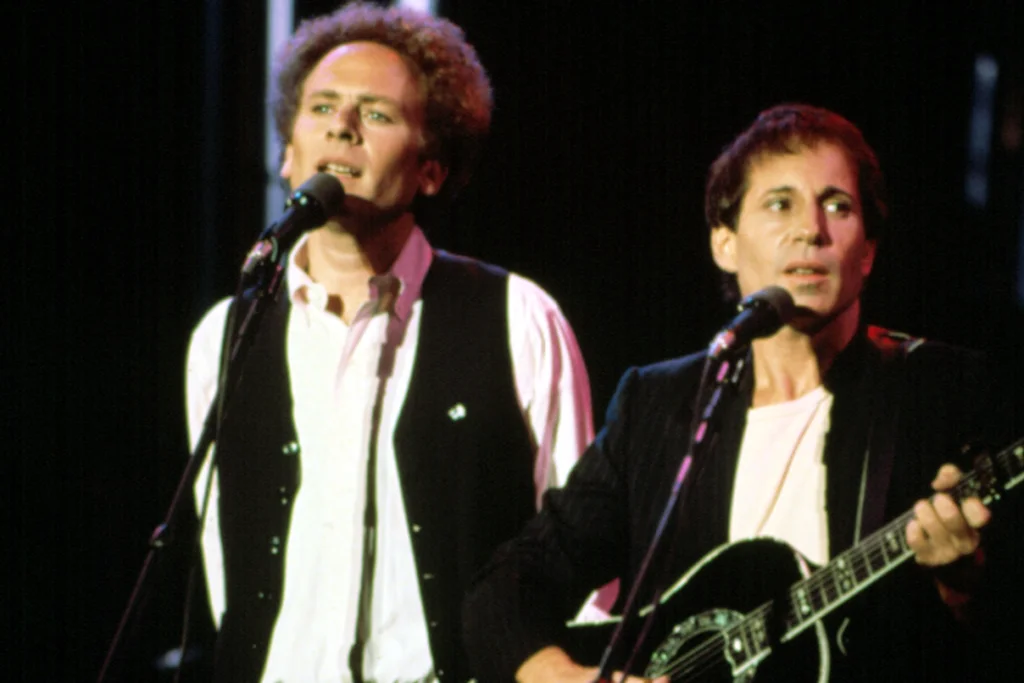
Few songs from the ’60s feel as haunting as “The Sound of Silence.” Originally recorded in 1964, it gained wide attention after an electric version was released in 1965. The quiet opening guitar and Paul Simon’s reflective lyrics create a mood that feels almost hypnotic. It’s thoughtful, a little mysterious, and deeply memorable.
For listeners who remember hearing it during the decade, the song often evokes late-night radio and introspective moments. It also captured a sense of uncertainty that many young people felt during the era. The haunting chorus has remained recognizable for generations. Even now, those opening notes can stop people in their tracks.
10. “Can’t Help Falling in Love” by Elvis Presley
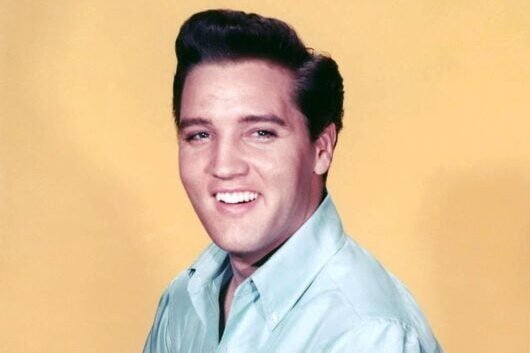
Elvis Presley recorded “Can’t Help Falling in Love” in 1961 for the film Blue Hawaii. The gentle melody and romantic lyrics made it an instant favorite. Presley’s relaxed vocal delivery gives the song a sincerity that still resonates. It quickly became one of the most requested songs at weddings and romantic occasions.
For many fans, it represents the softer side of Presley’s career. The melody is based on a 19th century French love song, which adds to its timeless feel. Hearing it often brings back memories of slow dances and old movie soundtracks. It’s one of those songs that feels woven into everyday life.
11. “Be My Baby” by The Ronettes
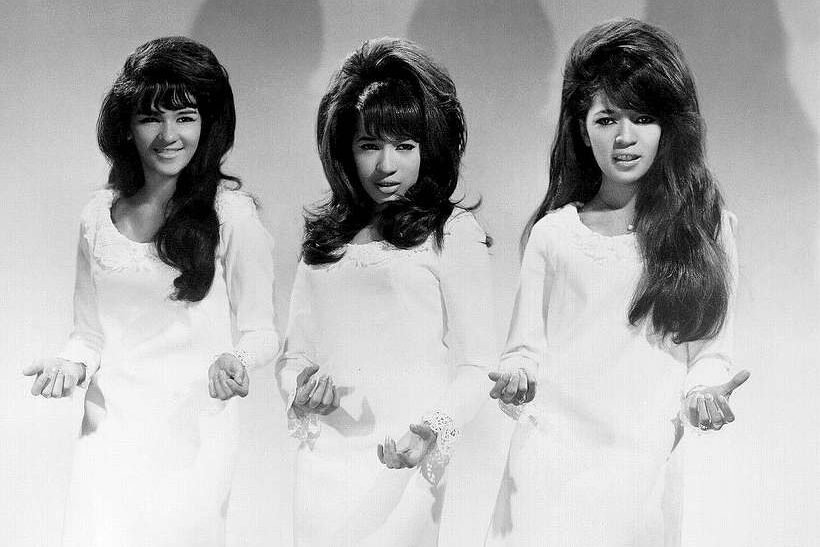
“Be My Baby,” released in 1963, is famous for its powerful opening drumbeat. Produced by Phil Spector, the song showcases his “Wall of Sound” style at its peak. Ronnie Spector’s voice adds a mix of innocence and intensity that gives the track its emotional punch. It became one of the defining girl group hits of the decade.
Listeners often remember hearing it blasting from transistor radios or playing at school dances. The lush production made it feel larger than life. Over time it has appeared in countless films and television shows, reinforcing its nostalgic power. That opening drum fill still sends many people straight back to the ’60s.
12. “A Whiter Shade of Pale” by Procol Harum
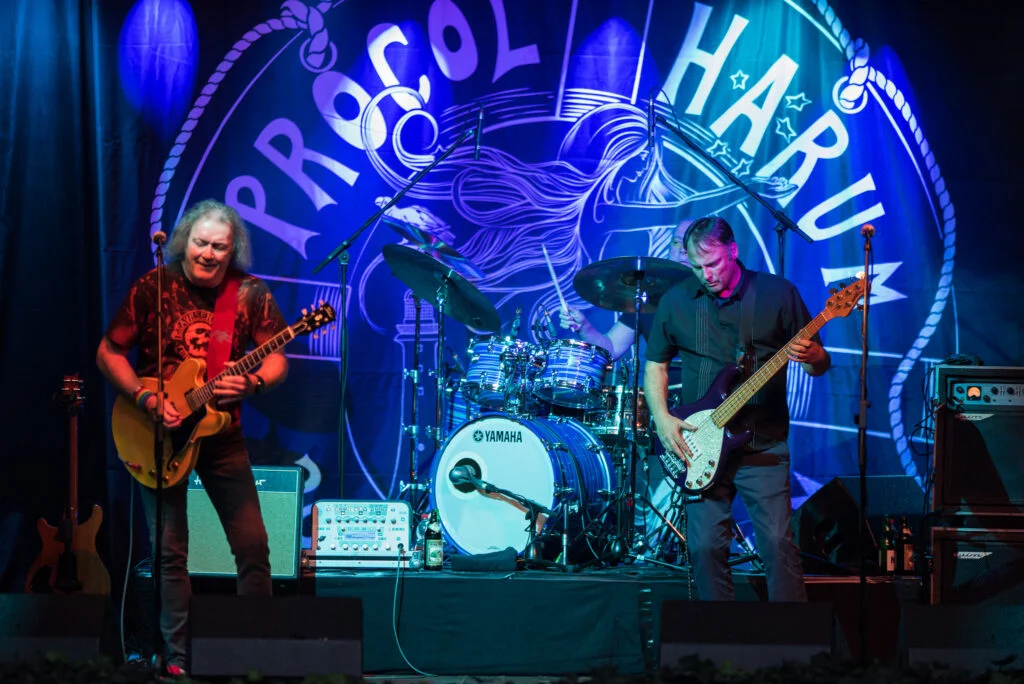
When Procol Harum released “A Whiter Shade of Pale” in 1967, it stood apart from typical pop songs. The organ melody, inspired partly by Bach, gave it an almost classical atmosphere. Its mysterious lyrics sparked endless interpretations among listeners. The track felt both elegant and slightly surreal.
For those who heard it during the Summer of Love, it became tied to the psychedelic mood of the era. The song’s drifting pace and haunting sound create a sense of reflection. Even decades later, it remains instantly recognizable. Hearing it can feel like stepping back into a very specific moment in time.
13. “Sweet Caroline” by Neil Diamond
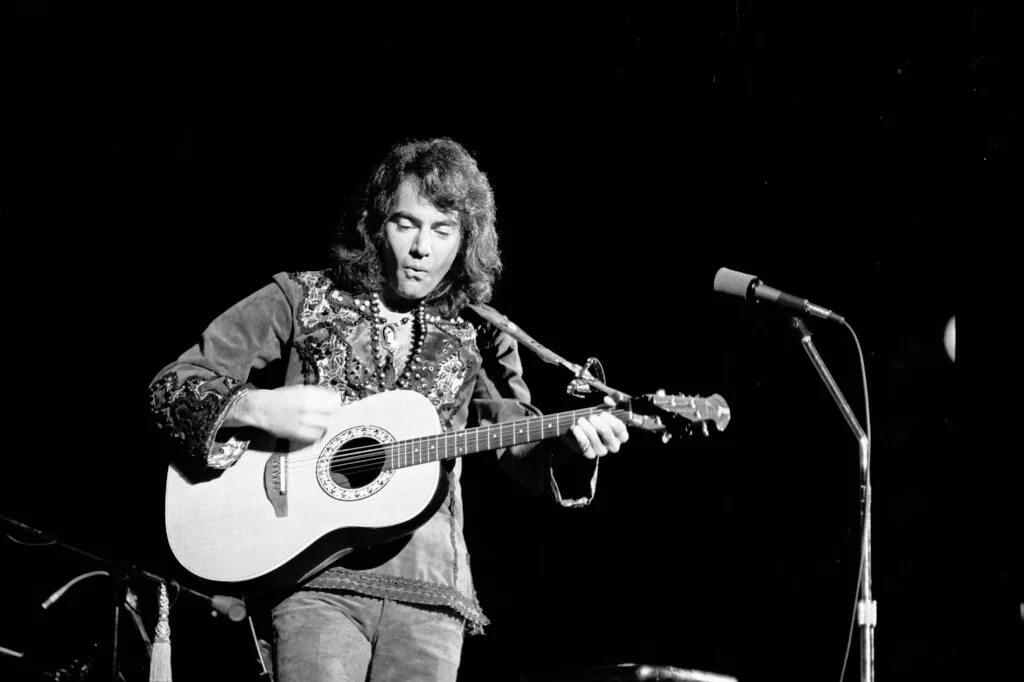
Neil Diamond released “Sweet Caroline” in 1969, and it quickly became a crowd favorite. The song’s big chorus invites everyone to sing along, whether they know the story behind it or not. Diamond reportedly wrote it partly inspired by Caroline Kennedy, though the lyrics themselves are open to interpretation. What mattered most was the feeling it created.
Over the years, it became a staple at sporting events and group gatherings. People instinctively shout along with the famous “so good, so good, so good” moment. For many listeners, it triggers memories of packed stadiums or lively parties. Few songs have the power to bring people together quite like this one.