
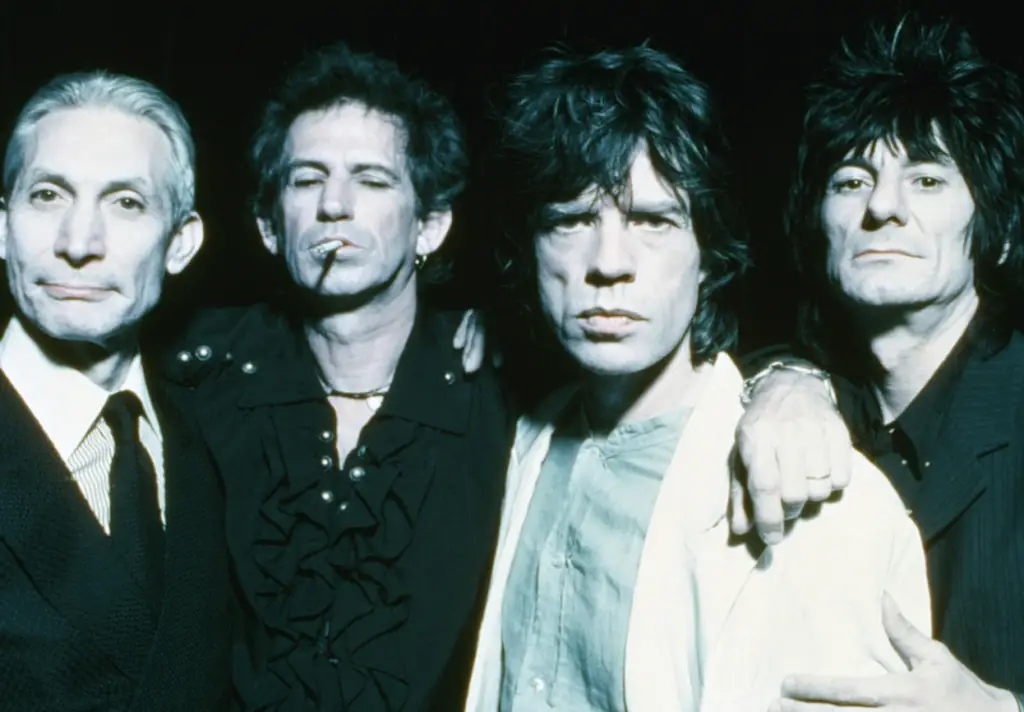
1. “(I Can’t Get No) Satisfaction” – The Rolling Stones
That jagged, fuzzy guitar riff is probably the most recognizable sound of the entire decade, and that is precisely why we’ve all stopped truly hearing it. Back in 1965, it was a rebellious middle finger to consumerism and sexual frustration, but decades of classic rock radio have buffed off the edges. It’s now the default “cool sixties vibe” for every car commercial or movie trailer trying to establish a time period. You’ve likely heard it while waiting for a root canal or browsing for power tools, which is a bit ironic given the song’s anti-commercial message.
Keith Richards famously dreamt the riff and recorded it on a Philips cassette player before falling back asleep, never imagining it would become a global anthem. Because the distortion was so revolutionary at the time, it cut through the airwaves like a knife, but today it’s just sonic wallpaper. We know every “hey, hey, hey” and every drum fill by heart, so our brains tend to skip over the actual music. It is the ultimate victim of its own success, a masterpiece that we’ve collectively loved into total transparency.
2. “Brown Eyed Girl” – Van Morrison

If there is a wedding, a backyard barbecue, or a karaoke night happening anywhere in the Western world, this song is playing. Van Morrison’s 1967 hit is the undisputed king of the feel-good playlist, featuring a bassline that practically forces people to tap their feet. It’s so ubiquitous that the opening acoustic strumming acts as a Pavlovian trigger for people to start looking for the nearest bar. We’ve all sung the “sha-la-la” chorus so many times that the words have lost any specific meaning.
Despite the song’s nostalgic warmth, it’s been played into a sort of cultural coma where we forget how well-crafted the storytelling actually is. Morrison’s soulful delivery gets lost behind the sheer frequency of its broadcast on adult contemporary stations. It’s become the safe choice for any public space because it’s impossible to hate, yet equally hard to focus on. When it comes on, you don’t really listen to it; you just acknowledge that the environment has reached its “pleasant” quota.
3. “Sweet Caroline” – Neil Diamond
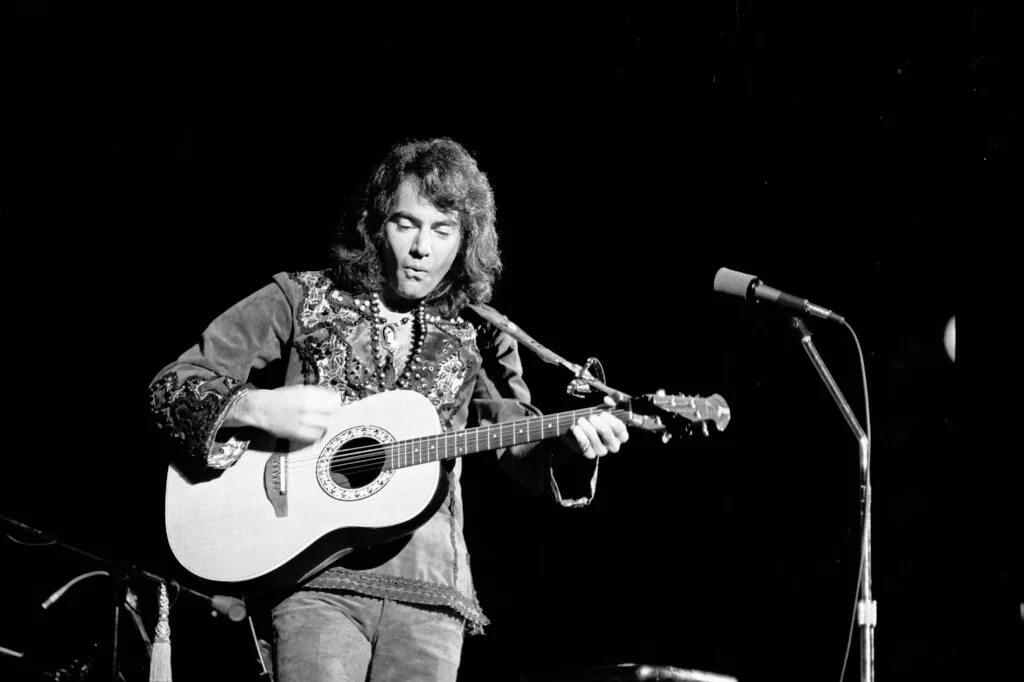
Technically released in 1969, this track has transitioned from a hit song into a massive, interactive sporting event ritual. Whether you are at Fenway Park or a pub in London, the “so good, so good, so good” response is essentially a reflex at this point. It has been played so frequently that it no longer feels like a piece of recorded music and more like a social contract. You can’t escape the brassy builds and Neil’s earnest delivery, no matter how hard you might try to resist the urge to join in.
Because it’s the ultimate singalong, the actual verses are often treated as mere filler until the big chorus hits. Most people couldn’t tell you what the lyrics are about beyond the title, simply because we’ve heard it in passing since we were in diapers. It’s a song that exists in the atmosphere like oxygen or nitrogen—just a fundamental part of the environment. It’s wonderful, sure, but it’s also the musical equivalent of a beige wall that everyone agrees looks nice.
4. “Fortunate Son” – Creedence Clearwater Revival
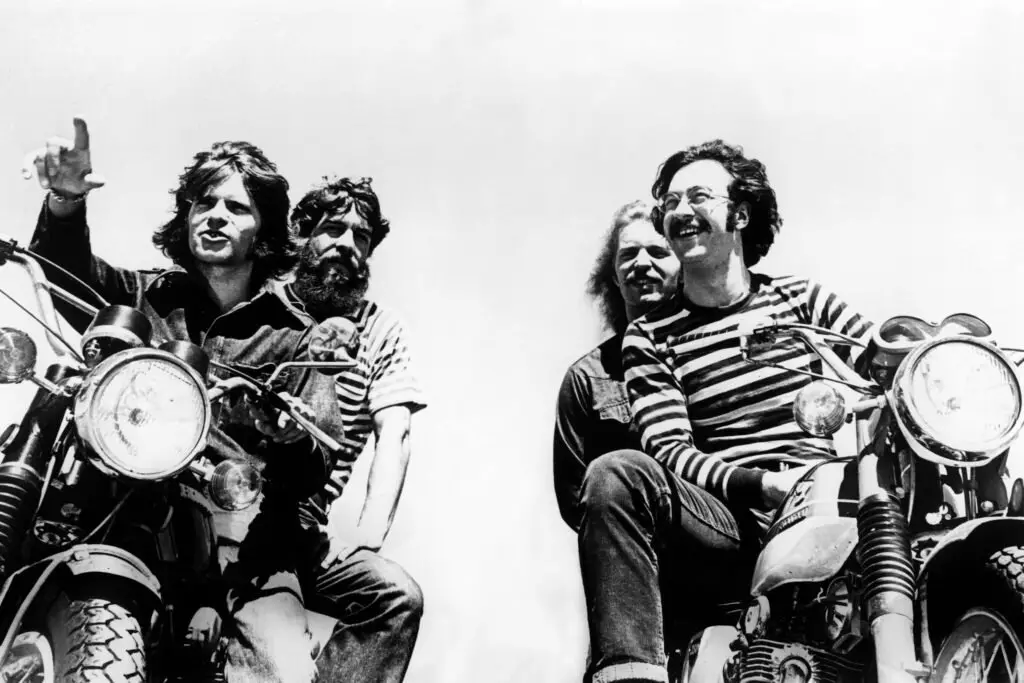
Every single time a director wants to show a helicopter flying over a jungle, this song is the mandatory soundtrack choice. It has become the universal shorthand for the Vietnam War era, which has unfortunately stripped it of its visceral political bite. John Fogerty’s shredded vocals are iconic, but they’ve been piped through so many speakers that the anger feels almost comfortable. It’s a high-octane rocker that now serves as the energetic backdrop for grocery store shoppers or truck advertisements.
The irony of a working-class protest song being used to sell high-end consumer goods isn’t lost on most, yet we still tune it out. We’ve reached a point of saturation where the opening drum roll and the immediate guitar stab just signal “1960s grit” without requiring any thought. It’s an incredible piece of rock and roll history that has been reduced to a stylistic trope. You hear it, you recognize it, and then your brain moves on to the next thought without registering a single lyric.
5. “My Girl” – The Temptations
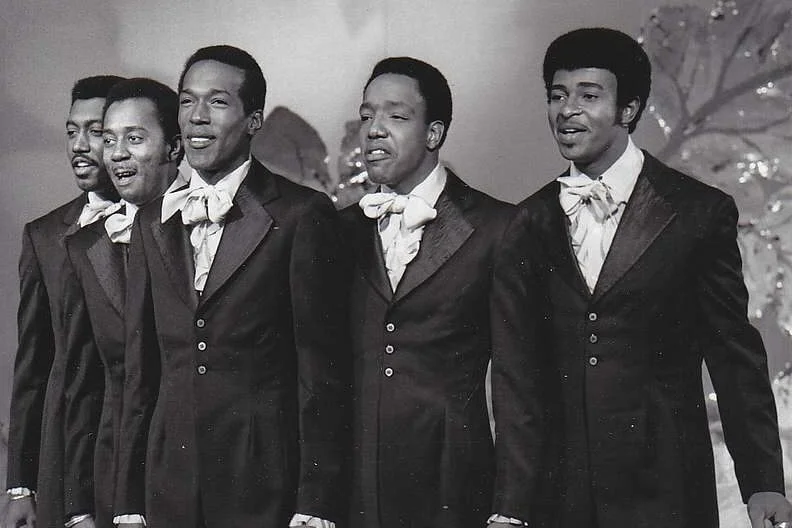
This is the gold standard of Motown, a song so perfect and sweet that it has been used to represent “love” in every conceivable medium. From the snapping fingers to the ascending bassline, it is a masterclass in production that we now treat as white noise. It’s the soundtrack to a thousand rom-com montages and wedding first dances, making it part of the collective human subconscious. You could be in a crowded airport or a quiet elevator, and if this comes on, nobody even flinches.
The Temptations’ harmonies are angelic, but the song is so overexposed that the beauty of the arrangement is often taken for granted. It’s the kind of track that plays in the background of your life while you’re making a sandwich or checking your email. We’ve heard it ten thousand times, yet we rarely sit down to actually listen to the precision of the Funk Brothers’ backing track. It’s a warm hug of a song that has become so familiar we barely feel the embrace anymore.
6. “Good Vibrations” – The Beach Boys
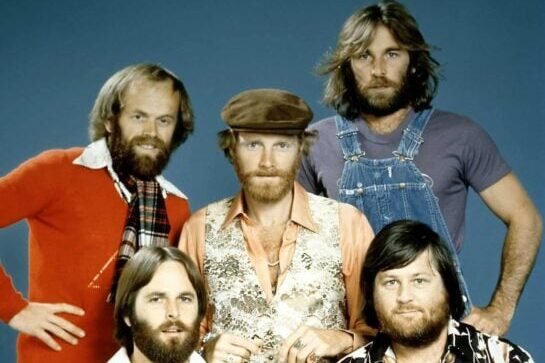
Brian Wilson spent months and thousands of dollars perfecting this “pocket symphony,” only for it to become the background music for orange juice commercials. Its complex structure and revolutionary use of the Theremin are legendary in music theory circles, but to the average person, it’s just a sunny jingle. It’s played constantly during the summer months at pools and beaches, blending in with the sound of splashing water. The sheer ambition of the track is masked by how effortlessly it fits into a carefree, casual environment.
Because it’s so harmonically dense, our ears eventually just stopped trying to pick apart the layers after the millionth listen. It’s a masterpiece of 1966 pop, but it’s also the song you hear while you’re on hold with your insurance company. We recognize the “bop-bop” vocals instantly, but the awe that it should inspire has been replaced by a mild, pleasant familiarity. It’s a victim of its own perfection, fitting so neatly into our lives that it becomes invisible.
7. “Respect” – Aretha Franklin
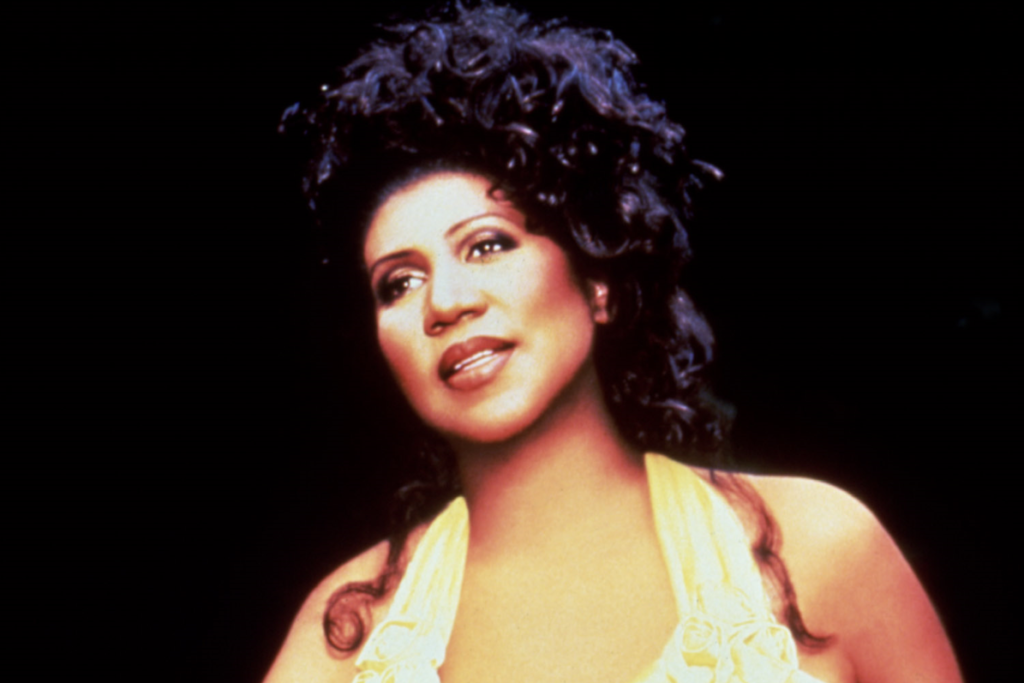
Aretha didn’t just sing this song; she claimed it and turned it into a timeless anthem for empowerment. However, because it is so powerful, it has been used in every “girl power” movie scene and advertisement for the last fifty years. The R-E-S-P-E-C-T hook is so ingrained in our minds that we can recite it in our sleep, which is exactly why we stopped paying attention. It’s the go-to track for showing a character getting a makeover or standing up to a boss, making it a cinematic cliché.
The raw soul and the incredible brass section are still there, but they’re buried under the weight of a billion airplays. When it comes on in a shopping mall, you don’t feel the revolutionary spirit; you just feel like it’s a standard Tuesday. It’s a shame because the performance is genuinely one of the greatest in recording history. But when a song becomes a literal definition of a concept, it stops being music and starts being a utility.
8. “House of the Rising Sun” – The Animals
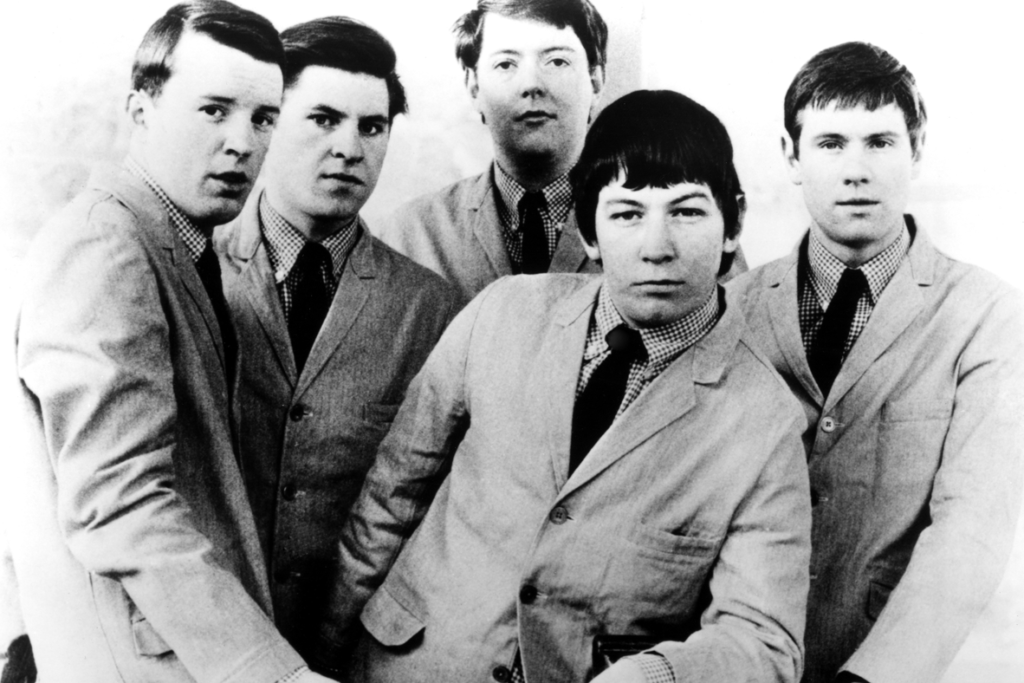
That haunting A-minor arpeggio on the electric guitar is the first thing every teenager learns when they pick up a guitar. Because of this, and its constant rotation on classic rock stations, the song has lost its dark, brooding mystery. Eric Burdon’s vocal performance is chilling and gritty, but it’s hard to feel the chill when you’re hearing it for the third time in a single afternoon. It’s the ultimate “mood setter” for any bar that wants to feel slightly edgy but still safe for the regulars.
The song’s folk origins are fascinating, but the 1964 version has become so ubiquitous that it’s almost like a default setting for the radio. It’s often used in crime dramas to signify that something bad is about to happen, which has made it a bit predictable. We know exactly when the organ is going to swell and when the drums will kick in, so there are no surprises left. It’s a classic that has been played into a state of permanent, dusty resonance in the back of our minds.
9. “All Day and All of the Night” – The Kinks
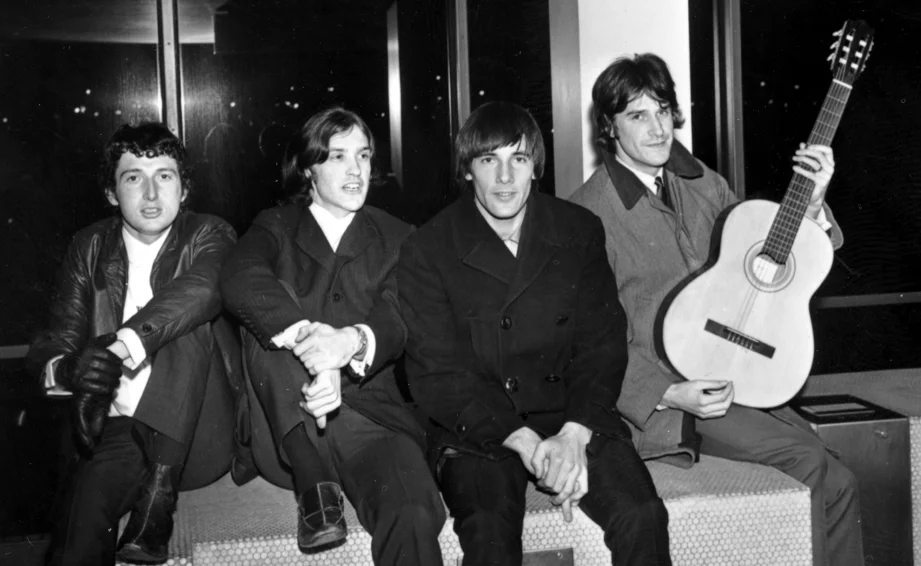
The Kinks pioneered the power chord with this track, laying the groundwork for punk and heavy metal. Unfortunately, that aggressive, repetitive riff has been used in so many commercials and sports highlights that it’s now just “generic high-energy music.” It’s the kind of song that plays in the background of a fast-paced montage where people are running or driving quickly. The primal energy of Dave Davies’ guitar work is still impressive, but it’s been tamed by decades of over-saturation.
Ray Davies’ vocals have a wonderful sneer to them, but that attitude gets lost when the song is piped through low-quality ceiling speakers at a stadium. It’s a short, punchy blast of 1964 rock that has been stretched thin by constant use. We’ve heard it so often that the “all day and all of the night” hook feels like a literal description of its radio airplay. It’s a great tune that has simply become part of the noisy texture of modern life.
10. “California Dreamin’” – The Mamas & The Papas
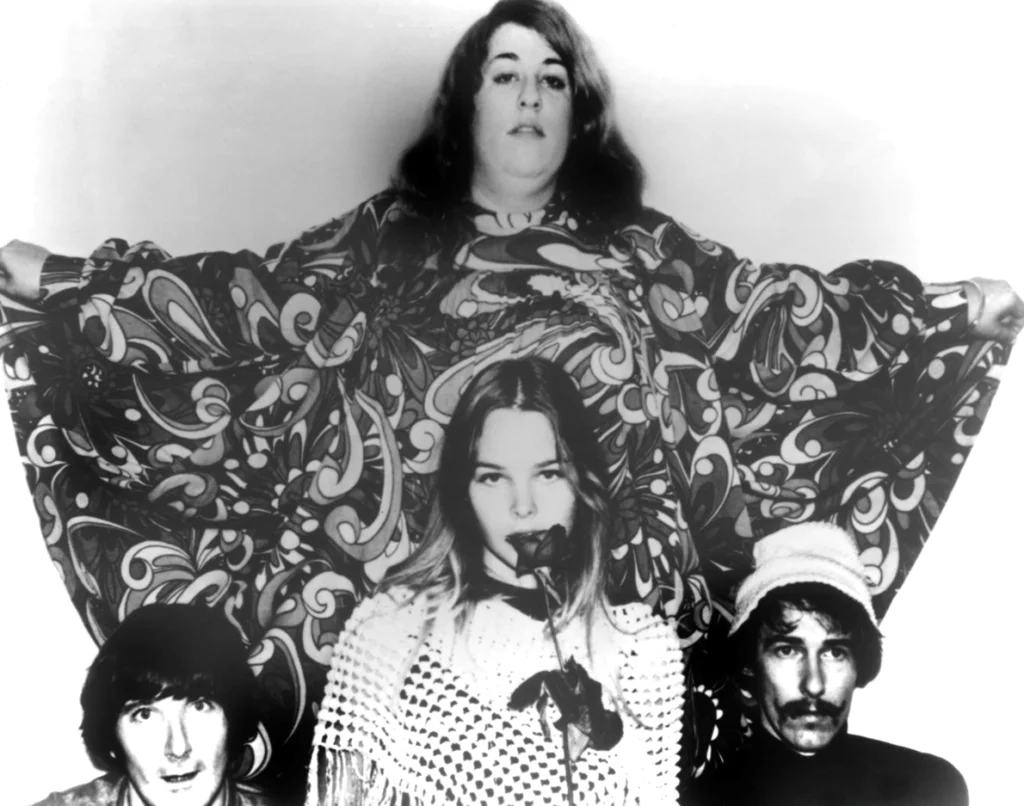
The lush harmonies and the melancholic flute solo of this 1965 classic are beautiful, but they’ve become the standard “autumnal” soundtrack. It’s the song played whenever a movie character looks out a rainy window or walks through falling leaves. Because it captures a specific mood so perfectly, it has been used as a stylistic crutch for decades. You hear those opening acoustic chords and you immediately know exactly what kind of vibe is being sold to you.
The Mamas & The Papas created a masterpiece of folk-pop, but the mystery of the lyrics has been solved and filed away long ago. It’s a song that exists in the background of coffee shops and vintage clothing stores, providing a “cool” atmosphere that nobody really notices. We hum along to the “California dreamin'” refrain without even realizing we’re doing it. It has become a sonic representation of a dream that we’ve all had so many times it’s no longer vivid.
11. “Unchained Melody” – The Righteous Brothers
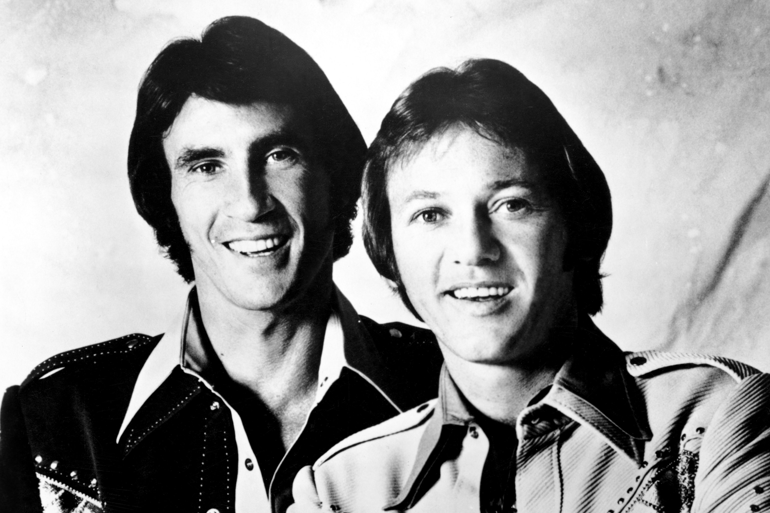
While originally from 1955, the Righteous Brothers’ 1965 version is the one that has been played into the ground. Most people can’t hear this song without thinking of a pottery wheel, thanks to its iconic use in the movie Ghost. It is the ultimate “slow dance” song, played at every anniversary party and wedding for the last sixty years. Bobby Hatfield’s incredible high note at the end is a vocal feat, but it’s one we’ve come to expect like a scheduled train.
Because it is so heavily associated with sentimental moments, it has become a bit of a musical shorthand for “insert emotion here.” This makes it very easy to tune out because it feels more like a cinematic cue than a song. It’s gorgeous and sweeping, but its presence is so constant that it rarely elicits a genuine emotional response anymore. It’s the ballad that everyone knows by heart and no one really hears with fresh ears.
12. “Oh, Pretty Woman” – Roy Orbison
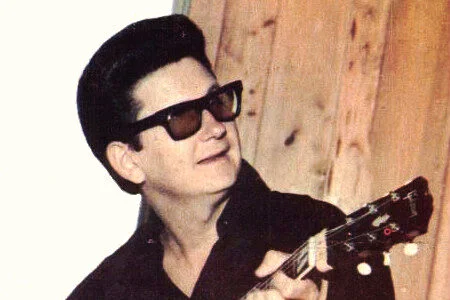
Roy Orbison’s growl and that iconic, walking guitar riff are staples of the 1964 pop landscape. It’s a song about walking down the street, and fittingly, it’s played in every retail environment designed for walking and looking. It’s catchy, upbeat, and completely harmless, which makes it perfect for background noise in a busy mall. We’ve heard the “mercy!” exclamation so many times it has lost its flirtatious charm and become a predictable beat.
The song is a marvel of songwriting, building in intensity with every verse, but that nuance is often lost in a noisy public space. It’s the kind of track that you don’t mind hearing, but you also wouldn’t go out of your way to put on. It just exists in the rotation of “safe” oldies that keep the atmosphere light. Roy Orbison’s voice is one of a kind, but even a diamond loses its sparkle if you stare at it every single day for decades.
13. “Stand By Me” – Ben E. King
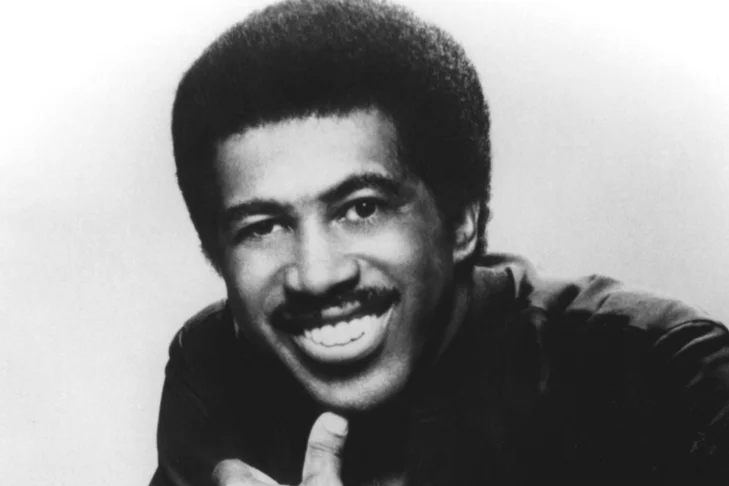
That bassline is perhaps the most covered and sampled four-bar phrase in music history. It’s a song about friendship and loyalty that has been used in countless charity drives, graduation ceremonies, and heartfelt commercials. It’s so inherently moving that it has been used as an emotional cheat code by producers for years. Consequently, the soulfulness of Ben E. King’s voice has become a familiar comfort that we often ignore.
It’s a song that everyone, regardless of age, knows the lyrics to, which makes it the perfect “safe” background track. Whether it’s playing at a grocery store or a political rally, it provides a sense of unity that is so common it’s almost invisible. We don’t stop to think about the lyrics because we already know them by rote. It is a beautiful, simple message that has been repeated so many times it has become a fundamental part of the acoustic environment.
14. “What a Wonderful World” – Louis Armstrong
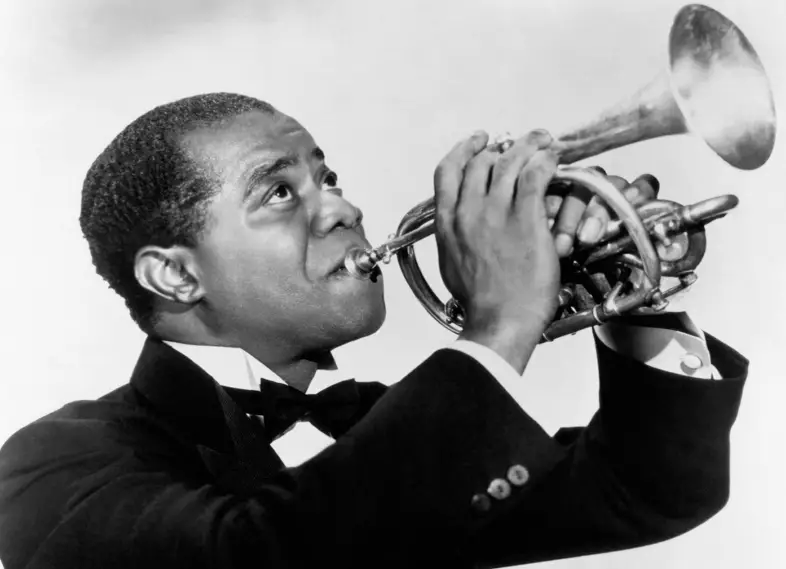
Released at the very end of the decade in 1967, this song has become the definitive ironic or sentimental movie ending. It’s been used to show both genuine beauty and horrifying destruction, which has diluted its original intent. Louis Armstrong’s gravelly, warm voice is iconic, but it’s also the sound of a thousand commercials for everything from banks to diapers. It’s the ultimate “peaceful” background noise, designed to make people feel calm and secure without requiring their full attention.
The song is incredibly short and sweet, which makes it very easy to loop and play in public spaces. We’ve heard about the “trees of green” and “red roses too” so often that the imagery has become a bit of a cliché. It’s a lovely sentiment, but it’s one that we’ve collectively decided to use as a generic filler for any moment needing a touch of class. It’s a masterpiece of simplicity that has been played until it’s as common as the air we breathe.