
1. “Hey Jude” by The Beatles
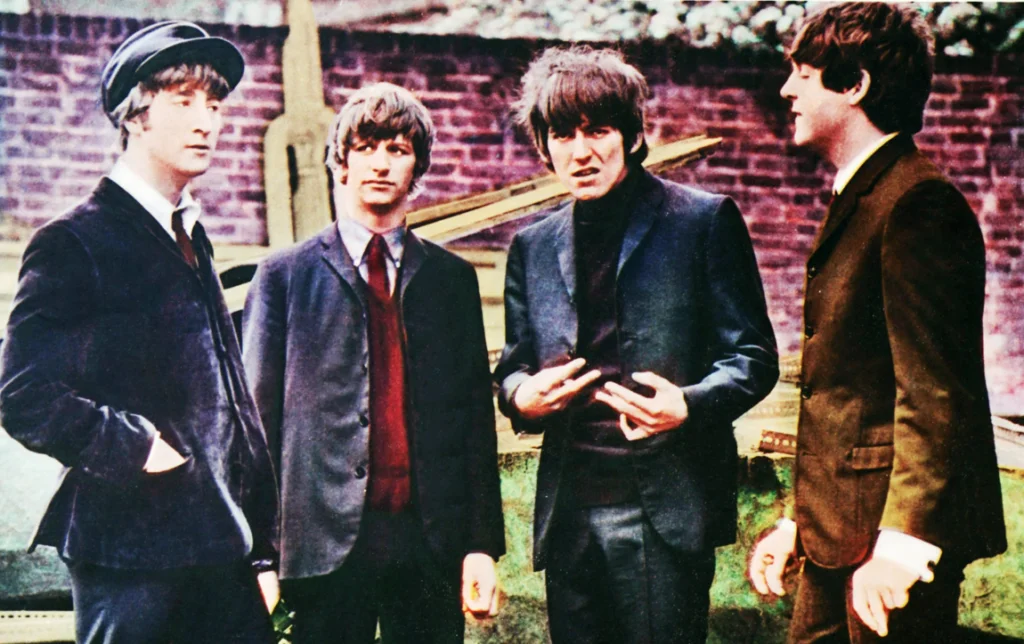
If you lived through the late ’60s, you probably heard “Hey Jude” whether you meant to or not. It felt like every AM station had it in constant rotation, especially after it was released in 1968. The song’s gentle opening and that now-legendary singalong outro seemed to stretch on forever, in the best way possible. Radio DJs loved to let it play all the way through, even though it ran over seven minutes. You could be in the car, at the grocery store or lying on your bedroom floor, and there it was again. It had a way of sneaking into the background of everyday life.
Before long, most people could sing the entire “na-na-na” section without missing a beat. It became less of a song and more of a shared experience. Even people who claimed they were tired of it still sang along. The radio made sure you never really had a break from it. Decades later, that opening piano note still feels instantly familiar.
2. “I Heard It Through the Grapevine” by Marvin Gaye

When “I Heard It Through the Grapevine” hit the airwaves in 1968, it seemed to take over overnight. Marvin Gaye’s smooth yet aching vocals made it impossible to ignore. Radio stations leaned into its popularity and played it relentlessly. You would hear it on your way to school, then again while your parents made dinner. The groove was hypnotic, and the chorus stuck fast. It felt like the soundtrack to an entire season.
Even if you preferred rock or pop, you still knew every word. The radio didn’t give you much choice. That bass line seemed to follow you from room to room. It became one of those songs that defined a moment in time. Years later, it still carries that sense of radio dominance.
3. “Sugar, Sugar” by The Archies
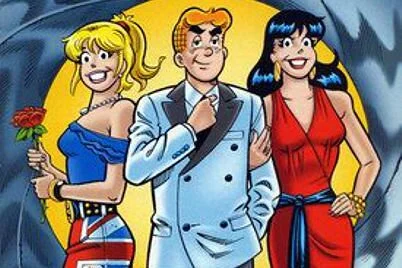
“Sugar, Sugar” was bubblegum pop at its peak in 1969, and radio could not get enough of it. The catchy chorus felt engineered to loop in your head all day. It did not matter that The Archies were a fictional band from a cartoon. Listeners embraced it wholeheartedly. Stations played it so often that it became almost inescapable. You could not flip through the dial without landing on it at least once.
Kids loved it, parents tolerated it and DJs leaned into its upbeat energy. It felt cheerful to the point of being unavoidable. By the end of the year, most people were either humming it or groaning when it came on again. Still, when that opening line plays now, it brings back a flood of memories. Radio repetition gave it a permanent place in pop culture.
4. “Respect” by Aretha Franklin
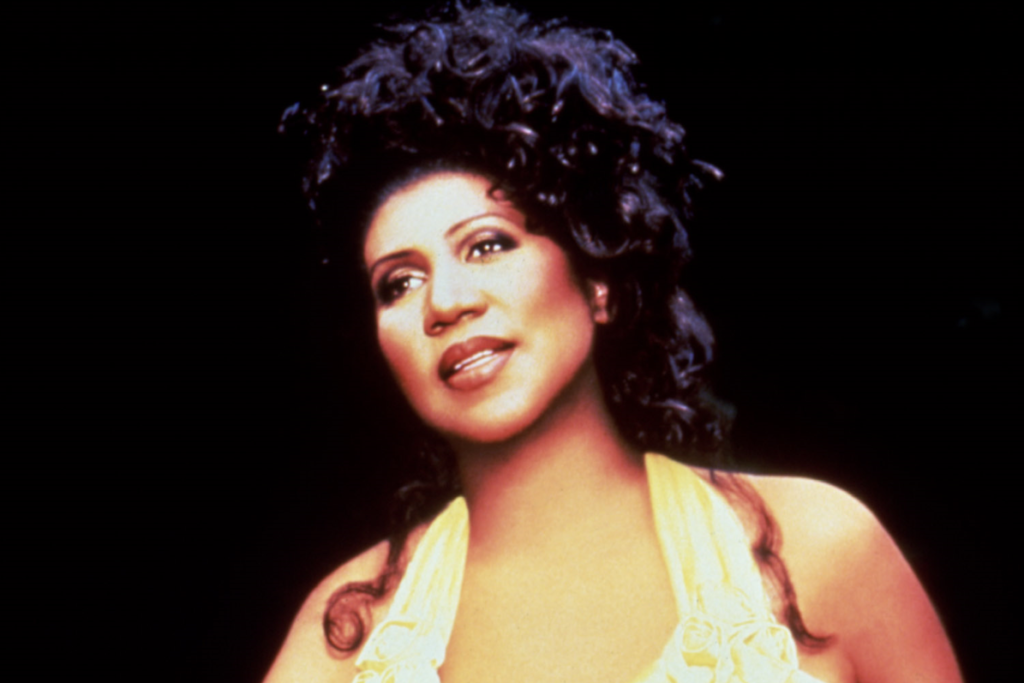
When Aretha Franklin released “Respect” in 1967, radio treated it like an anthem from day one. The song’s punchy horns and commanding vocals demanded attention. Stations across the country put it into heavy rotation. You would hear it blasting from car windows and kitchen radios alike. It carried a message that felt urgent and powerful. There was no mistaking that voice.
Even if you had just heard it an hour earlier, you did not mind hearing it again. The spelling out of R-E-S-P-E-C-T became second nature. It was bold, catchy and impossible to tune out. Radio helped turn it into a defining song of the decade. Its presence felt constant and deserved.
5. “The Twist” by Chubby Checker
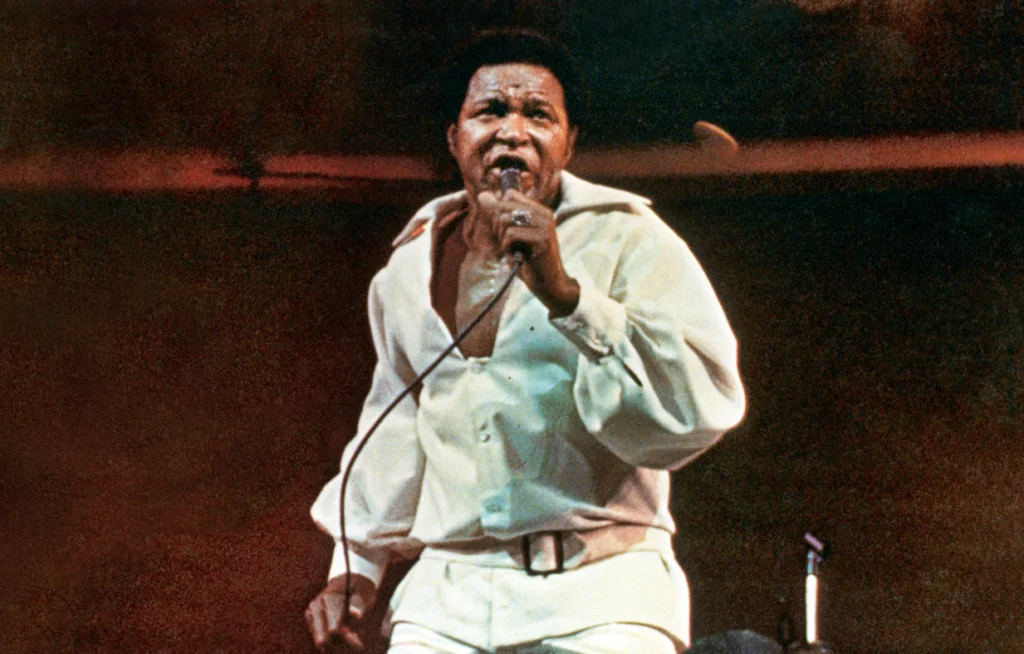
Although it first emerged at the tail end of the ’50s, “The Twist” dominated early ’60s radio like few songs before it. Chubby Checker’s version sparked a dance craze that stations eagerly fueled. DJs would introduce it with enthusiasm, encouraging listeners to get up and move. You could hear it at school dances, sock hops and backyard parties. The rhythm was simple, but that was part of its appeal. It felt like an invitation every time it played.
Radio kept it alive long after the initial craze. It returned to the charts and found new audiences. Even people who claimed they were tired of twisting still recognized the opening beat instantly. The song became synonymous with the early ’60s. Airplay made sure it never really faded.
6. “My Girl” by The Temptations
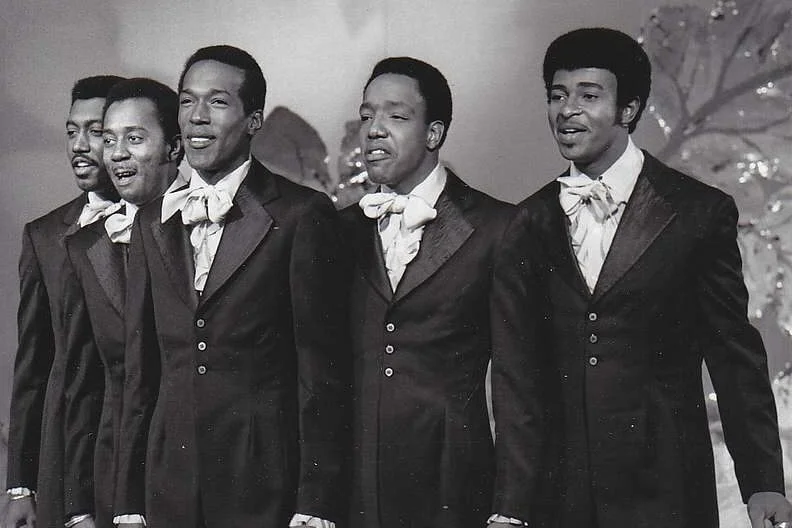
“My Girl” arrived in 1964 and quickly became a radio staple. The bright guitar riff was instantly recognizable. You would hear it drifting through open windows on warm afternoons. Stations relied on it as a feel-good favorite. It seemed to fit any time of day. Its smooth harmonies made it easy to replay over and over.
Listeners rarely complained, even after multiple spins. The song carried a warmth that felt timeless. Radio repetition only strengthened its status. By the end of the decade, it felt woven into everyday life. One note of that intro still transports you back.
7. “California Dreamin’” by The Mamas & the Papas
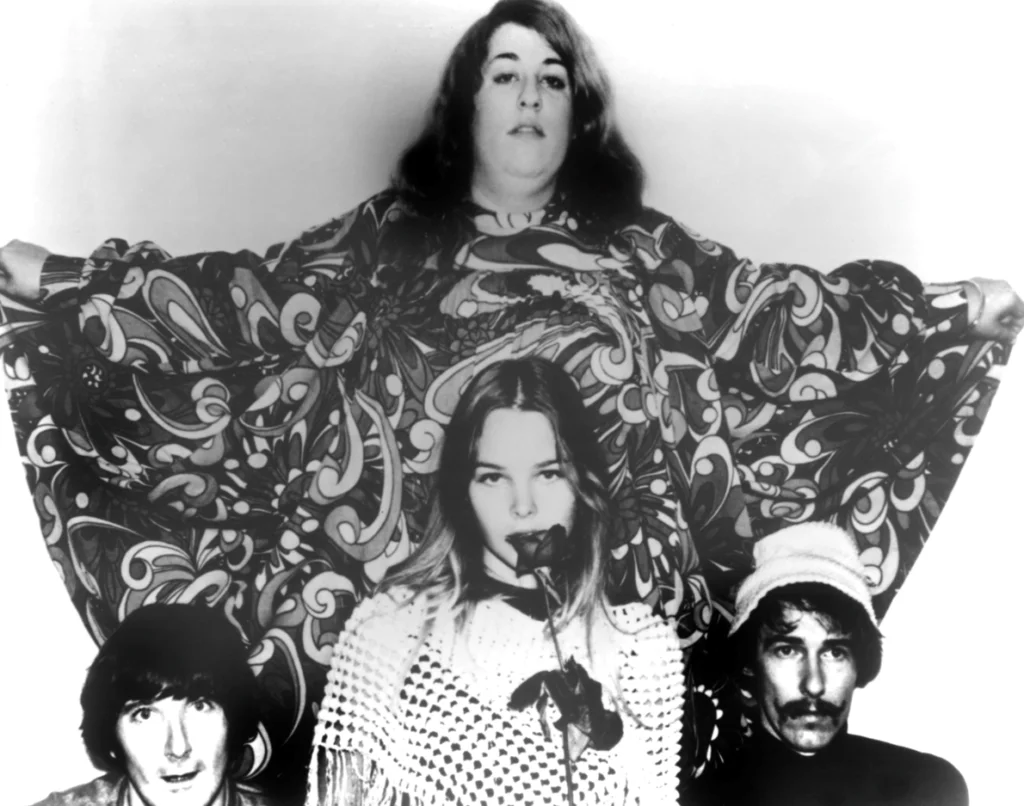
“California Dreamin’” seemed to float through the airwaves in 1965 and never quite leave. Its moody harmonies and wistful lyrics struck a chord with listeners across the country. Radio stations leaned heavily on its atmospheric sound. You could hear it during late-night drives or lazy Sunday mornings. It felt both reflective and radio-friendly. The flute solo alone made it memorable.
Before long, the song became shorthand for a certain kind of longing. Even if you had never set foot in California, you felt it. The radio ensured it played often enough to sink deep into memory. It was the kind of track that lingered after the dial moved on. Its constant presence helped define mid-’60s pop.
8. “Good Vibrations” by The Beach Boys
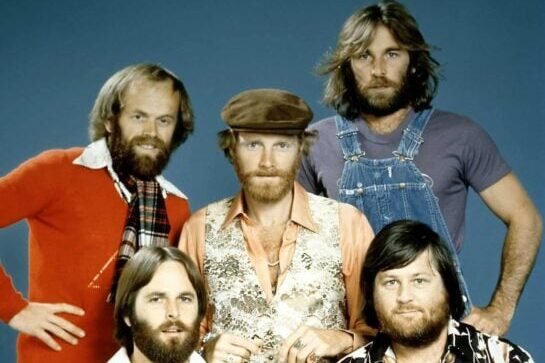
When “Good Vibrations” debuted in 1966, it sounded unlike anything else on the radio. Its layered production and shifting sections felt ambitious and fresh. Stations played it heavily because listeners could not get enough. You might hear it twice in one afternoon without even trying. The theremin gave it a distinctive edge. It felt futuristic at the time.
Radio repetition only heightened its mystique. Each spin revealed something new in the arrangement. It became one of those songs you expected to hear daily. Even people who preferred simpler tunes found themselves drawn in. Its constant airplay cemented its legendary status.
9. “Mrs. Robinson” by Simon & Garfunkel
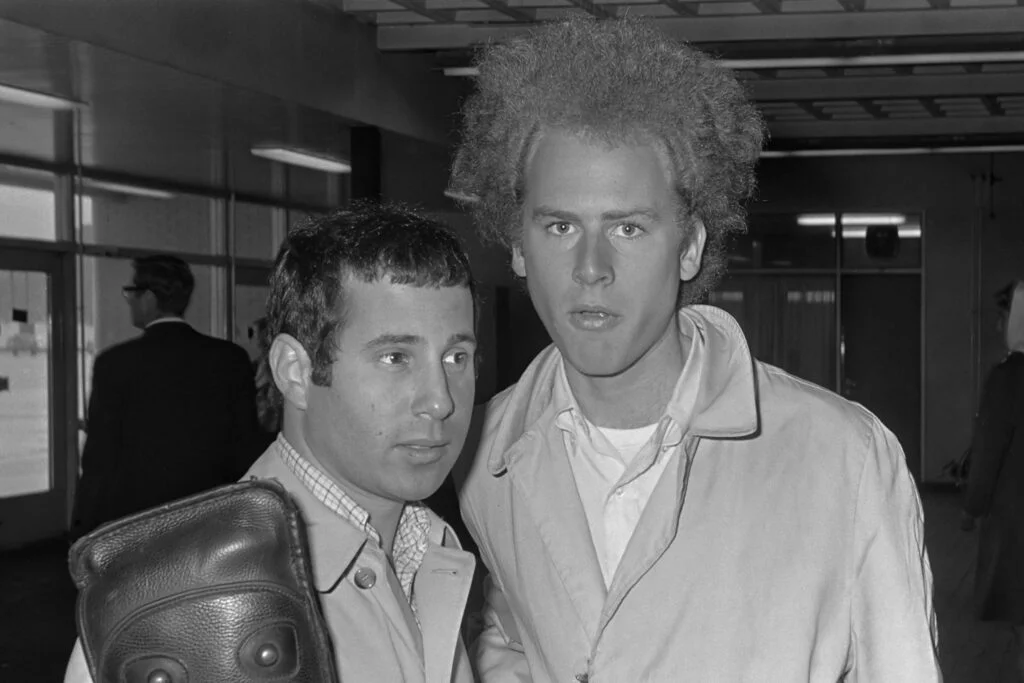
After its release in 1968, “Mrs. Robinson” seemed to dominate the airwaves. Tied to the success of The Graduate, it had built-in cultural momentum. Radio stations capitalized on that popularity. The jaunty guitar and singalong chorus made it a reliable favorite. You would hear it in cars, diners and department stores. It felt clever and catchy all at once.
Before long, the “coo-coo-ca-choo” refrain was everywhere. Even people who had not seen the film recognized the tune instantly. Radio kept it circulating until it felt inseparable from the era. It became one of those songs you could not quite escape. Its familiarity was part of its charm.
10. “Light My Fire” by The Doors
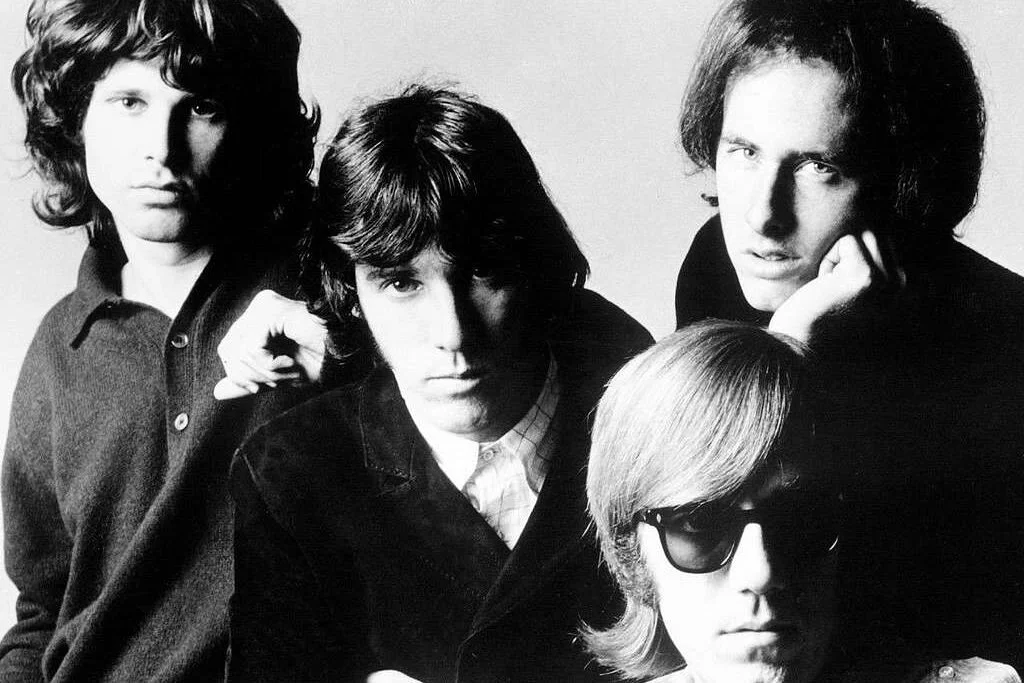
“Light My Fire” burst onto the scene in 1967 and radio embraced it quickly. Though the album version was long, stations often played a shorter single edit. Jim Morrison’s voice gave it an edge that stood out. You could hear it cutting through the usual pop fare. It felt slightly rebellious and entirely compelling. DJs treated it like an event.
Even listeners who preferred lighter music found themselves hooked. The organ riff alone was unforgettable. Radio ensured it returned again and again throughout the day. It felt like the sound of a cultural shift. Its heavy rotation made it impossible to ignore.
11. “Stand by Me” by Ben E. King
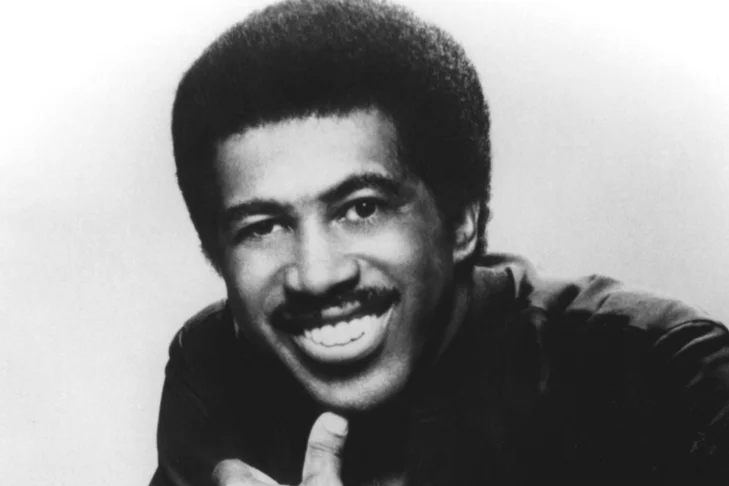
“Stand by Me” became a radio constant after its 1961 release. Its steady rhythm and heartfelt vocals made it widely appealing. Stations leaned on it as a dependable slow-burn hit. You might hear it at weddings, school dances or just drifting from a transistor radio. It carried a sense of reassurance. That bass line was unmistakable.
The more it played, the more it embedded itself into memory. Even casual listeners could sing along by the second chorus. Radio gave it staying power far beyond its initial chart run. It became one of those songs that always seemed to be on somewhere. Its quiet strength made it endure.
12. “I Want to Hold Your Hand” by The Beatles
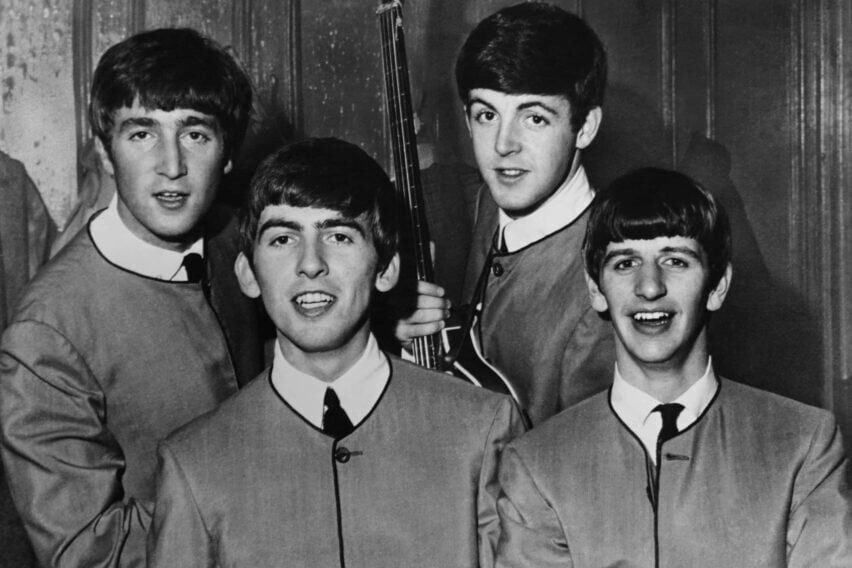
When “I Want to Hold Your Hand” hit American radio in 1963, it sparked a frenzy. Stations played it constantly as Beatlemania took hold. You could hear screaming fans layered over the music on news reports and broadcasts. The upbeat tempo made it perfect for repeat spins. It felt fresh and electric. There was no escaping it.
Even people who resisted the hype knew every lyric. The radio amplified the excitement until it felt nationwide. It became the sound of a new musical wave crashing in. Each play only intensified the buzz. Its relentless airplay helped launch a cultural phenomenon.
13. “These Boots Are Made for Walkin’” by Nancy Sinatra
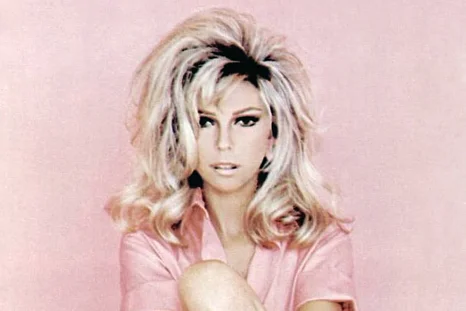
Nancy Sinatra’s “These Boots Are Made for Walkin’” stomped onto radio in 1966 and refused to leave. Its confident rhythm and catchy hook made it irresistible. Stations played it across formats, from pop to adult contemporary. You could hear it echoing from car radios and living rooms alike. The bass-driven intro grabbed attention immediately. It felt bold and modern.
Listeners quickly memorized every line. Even those who claimed it was overplayed still tapped their feet. Radio gave it an almost omnipresent quality. It became a defining sound of mid-’60s cool. One listen now still carries that sense of saturation.
14. “A Whiter Shade of Pale” by Procol Harum
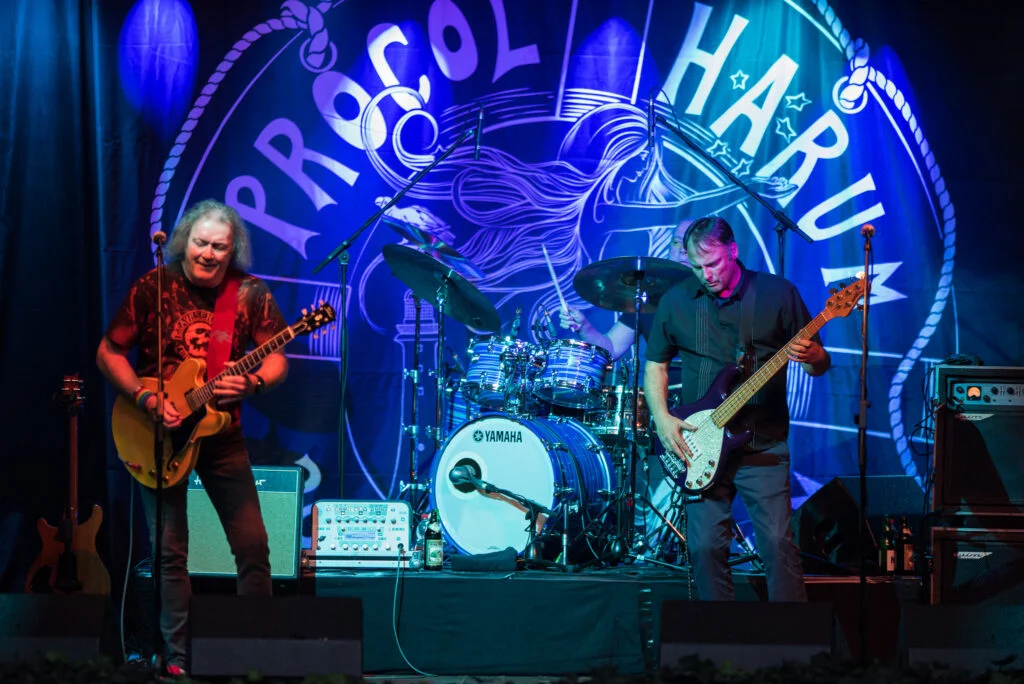
When “A Whiter Shade of Pale” arrived in 1967, it felt haunting and different. Radio embraced its organ-driven melody despite its cryptic lyrics. Stations spun it frequently, drawn to its atmospheric tone. You might hear it late at night when everything felt quieter. It had a way of commanding attention without shouting. The melody lingered long after it ended.
Over time, it became one of those songs you expected to encounter on any classic hits station. Even if you did not fully understand the words, you knew the feeling. Radio repetition turned it into a staple of the era. It seemed to drift in and out of the day with ease. Its presence on the dial felt constant and unmistakable.