
1. “Hey Jude” by The Beatles
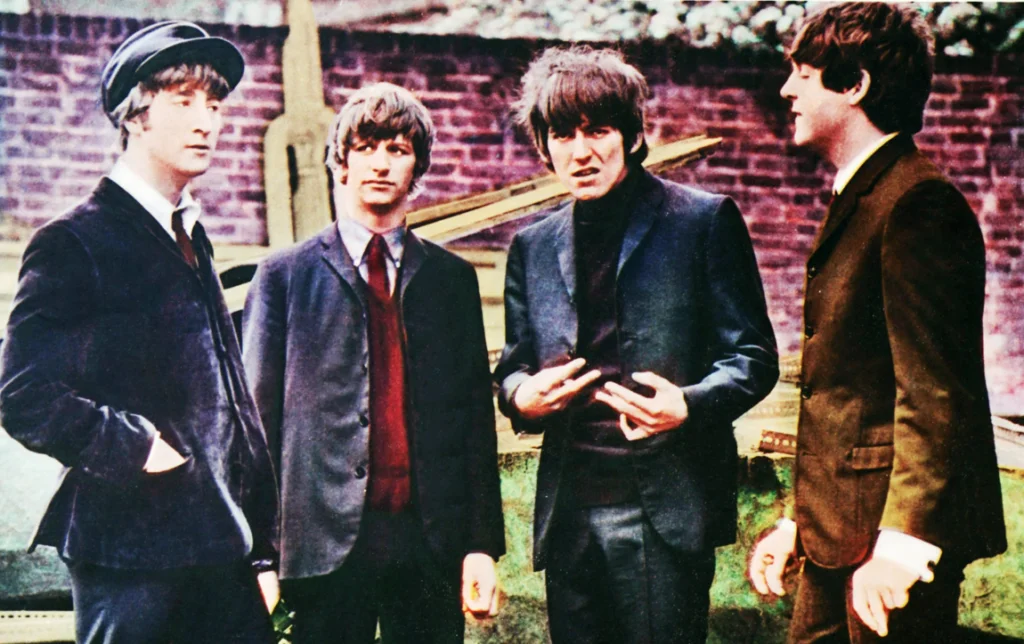
When this song hit the airwaves in 1968, it felt like radio stations barely took a breath between spins. At over seven minutes long, it broke every supposed rule, yet DJs played it anyway. Listeners stayed in their cars just to hear the final chorus stretch on and on. The singalong ending made it feel communal, like everyone was part of the same moment.
Radio loved how the song built slowly and rewarded patience, something pop rarely did at the time. It sounded emotional without being heavy, which kept it accessible. Requests poured in, pushing stations to play it even more. By the end of the decade, it felt less like a song and more like a shared cultural ritual.
2. “I Heard It Through the Grapevine” by Marvin Gaye

This song had a moody, simmering sound that stood out immediately on AM radio. DJs leaned into that tension and kept it in rotation because listeners could not get enough. It sounded different from the brighter Motown hits that surrounded it. That difference made it impossible to ignore.
Every play seemed to reveal another layer, from the bass line to Gaye’s restrained vocals. Radio programmers noticed that people stopped flipping stations when it came on. It worked late at night and during the day, which was rare. Once it took hold, stations treated it like a guaranteed win.
3. “Respect” by Aretha Franklin
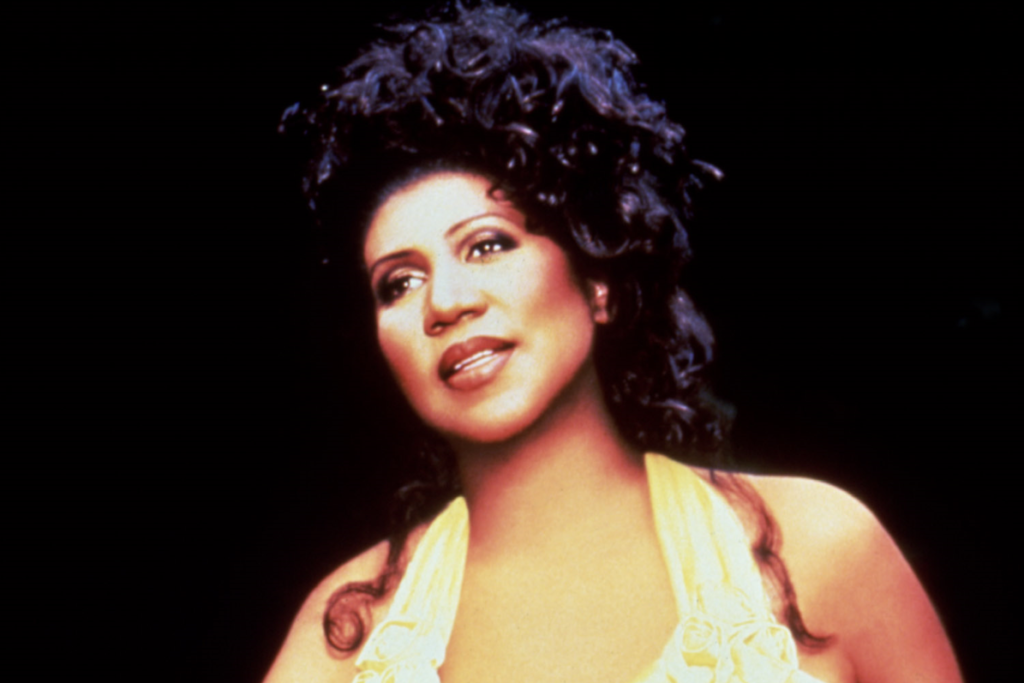
Radio latched onto this song because it felt urgent and undeniable from the first note. Franklin’s voice cut through everything else on the dial. It was catchy, powerful, and easy to recognize within seconds. That combination made it perfect for constant airplay.
Listeners responded immediately, calling in and asking to hear it again. The song felt personal but also universal, which gave it staying power. DJs knew it energized their playlists. It became one of those tracks that defined what the radio sounded like in the late ’60s.
4. “Good Vibrations” by The Beach Boys
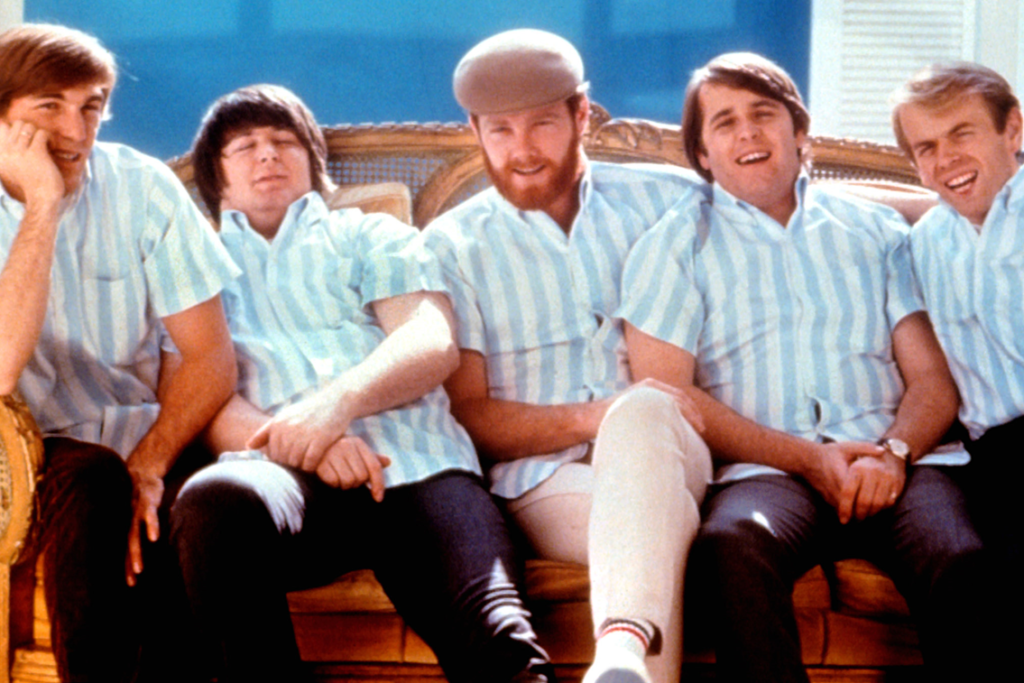
This song sounded unlike anything else on the radio when it debuted. Its shifting sections and unusual instruments kept listeners hooked. DJs loved how it made their stations feel modern and adventurous. Playing it signaled that you were keeping up with the times.
Because it was so distinctive, audiences recognized it instantly. That familiarity bred comfort, even with its experimental structure. Stations found that it never seemed to wear out its welcome. The more it played, the more essential it felt.
5. “Light My Fire” by The Doors
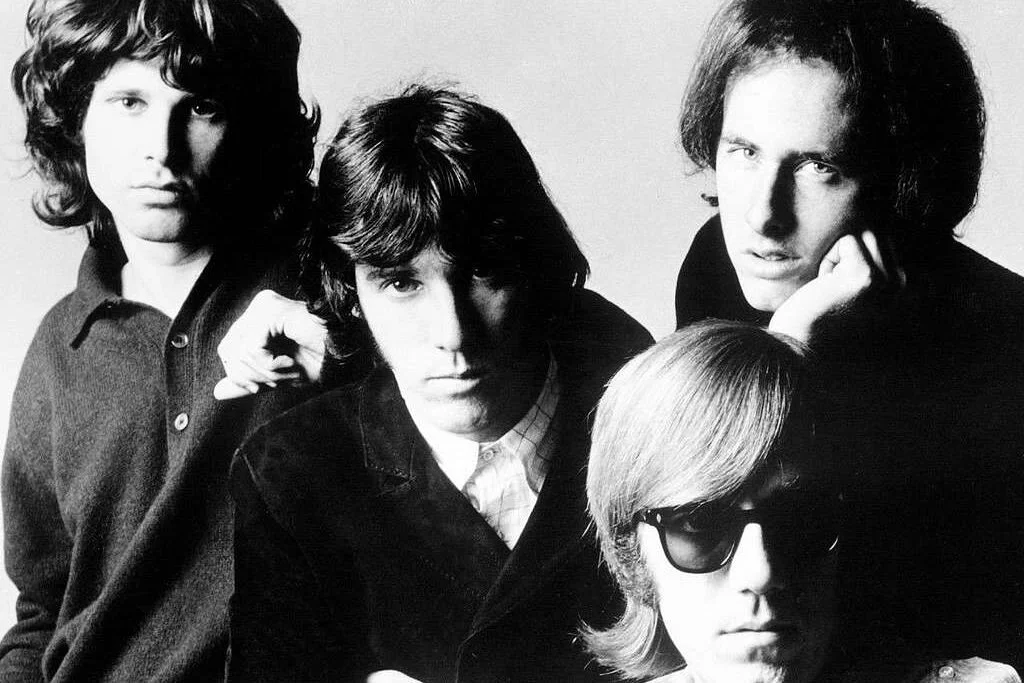
Radio stations embraced this song despite its length and hypnotic feel. The edited versions still captured its mood and intensity. It sounded edgy enough to feel rebellious but smooth enough to stay mainstream. That balance made it a programmer’s favorite.
Listeners were drawn to its slow burn and memorable keyboard line. It worked equally well in the afternoon or late at night. Requests stayed steady for months. Eventually, it became a staple that stations relied on to anchor their playlists.
6. “My Girl” by The Temptations
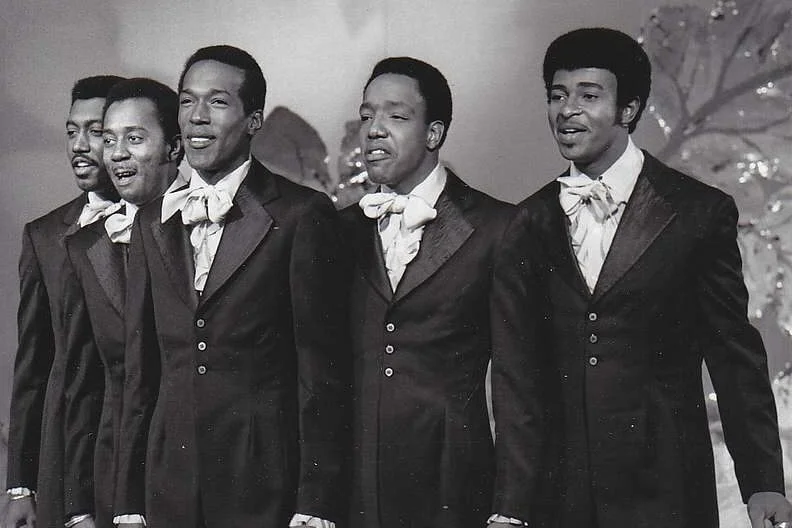
This song slipped easily into heavy rotation because it felt timeless right away. The opening bass line was instantly recognizable. DJs liked how it fit into almost any set without disrupting the flow. It made stations sound warm and inviting.
Listeners associated it with comfort and familiarity. That emotional connection kept demand high. Radio stations noticed people lingered when it came on. Over time, it became one of those songs that felt inseparable from the era itself.
7. “Satisfaction” by The Rolling Stones
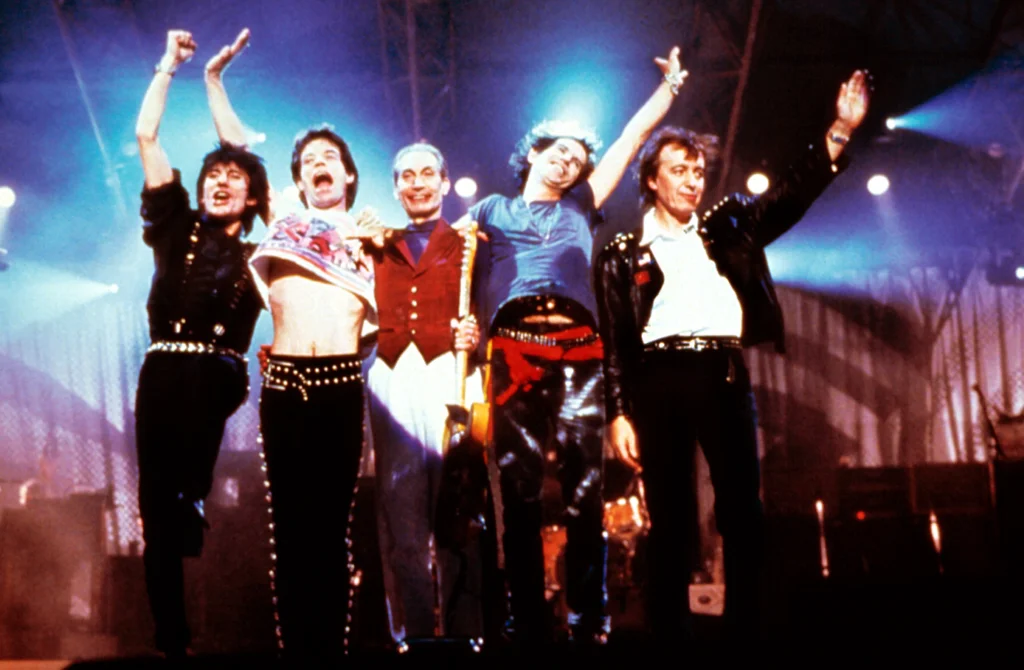
This track hit radio with an attitude that felt raw and new. The riff alone was enough to keep listeners from changing the station. It sounded like rebellion packaged into three minutes. DJs knew it grabbed attention immediately.
Even controversial lyrics did not slow its momentum. Stations played it because audiences demanded it. Each spin reinforced its status as a defining sound of the decade. It became a reliable way to inject energy into any playlist.
8. “Mrs. Robinson” by Simon & Garfunkel
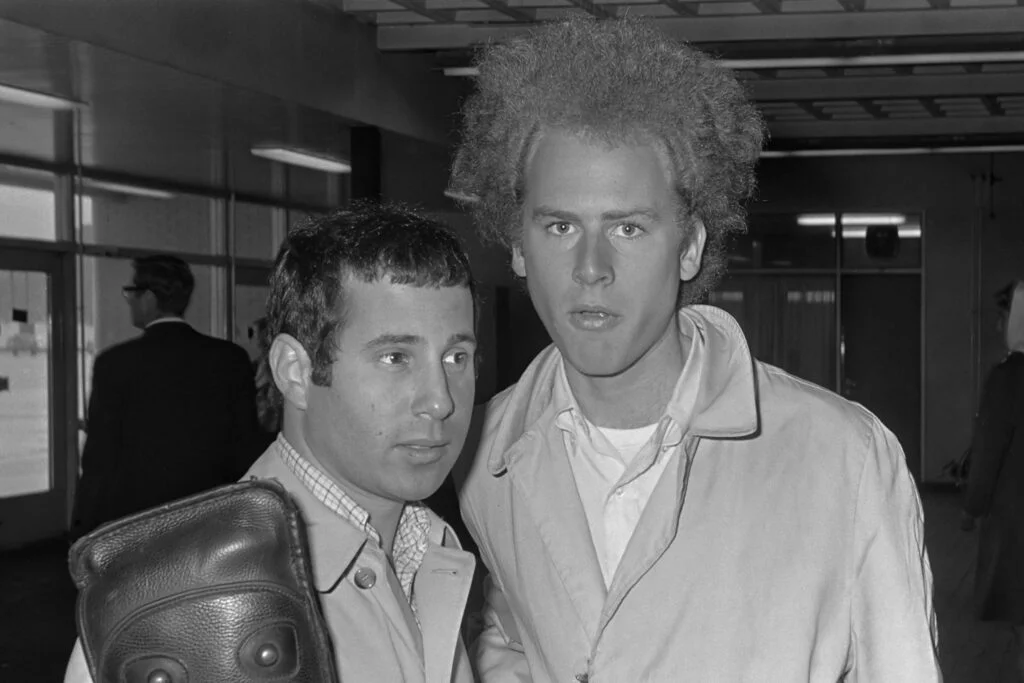
Radio stations embraced this song because it felt familiar and fresh at the same time. Its connection to popular culture gave it an extra boost. Listeners recognized it quickly and stayed tuned in. That recognition translated into repeat plays.
The melody was gentle but memorable, which helped it blend smoothly into radio programming. DJs trusted it to hold audience attention. Requests kept it circulating long after its initial release. It became one of those songs that radio never seemed to retire.
9. “A Whiter Shade of Pale” by Procol Harum
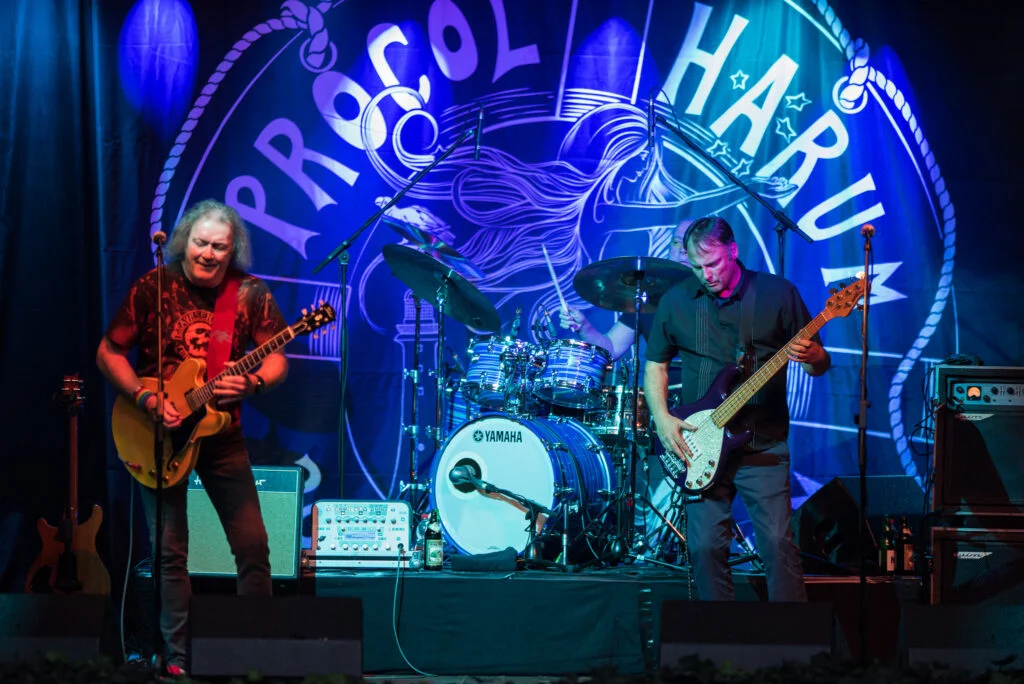
This song stood out with its haunting organ line and mysterious lyrics. Radio programmers liked how it slowed things down without losing listeners. It created a mood that felt sophisticated and slightly surreal. That atmosphere made it distinctive on the dial.
Listeners found themselves drawn into it, even if they could not fully explain why. Stations noticed it worked across different formats. The song’s endurance surprised everyone. Once it entered rotation, it rarely left.
10. “You Can’t Hurry Love” by The Supremes
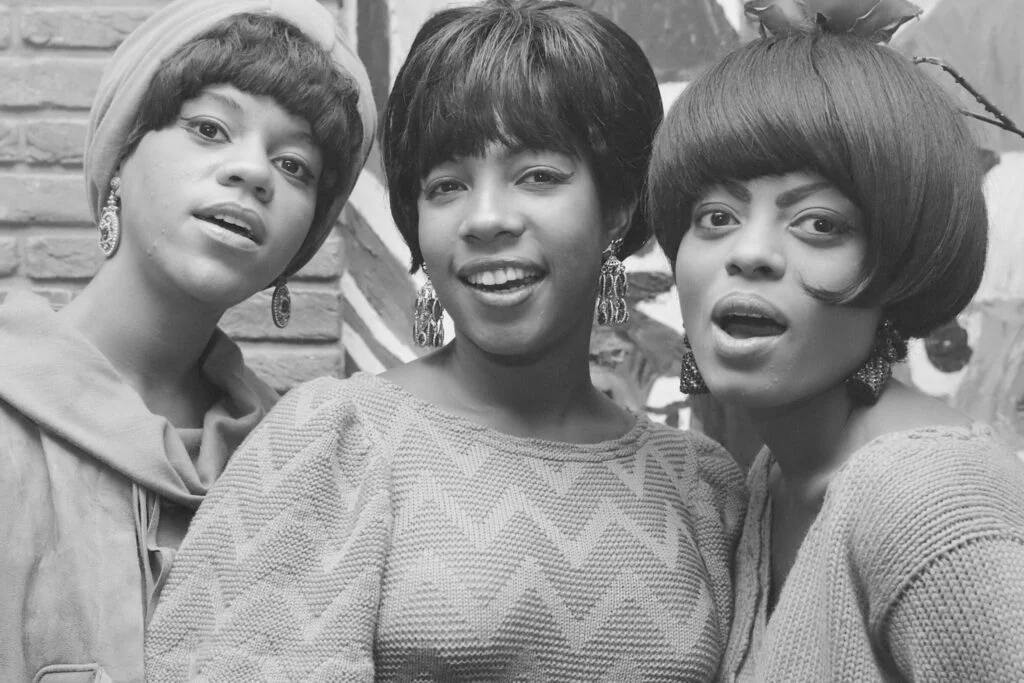
Radio loved this song for its upbeat tempo and relatable message. It sounded joyful and reassuring, which made it perfect for frequent airplay. DJs used it to lift the mood of their programming. It never felt out of place.
Listeners responded with enthusiasm and familiarity. The chorus was easy to remember and easy to love. Stations kept it in heavy rotation because it delivered consistent results. Over time, it became one of Motown’s most reliable radio staples.
11. “These Boots Are Made for Walkin’” by Nancy Sinatra
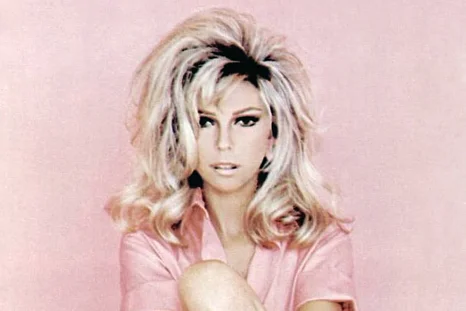
This song arrived with a confident tone that radio immediately embraced. Its marching rhythm made it stand out. DJs liked how it sounded bold without being aggressive. That made it accessible to a wide audience.
Listeners recognized it within seconds and leaned in. The attitude felt playful but assertive. Stations found it held attention every time it aired. As a result, it stayed in rotation far longer than expected.
12. “California Dreamin’” by The Mamas & the Papas
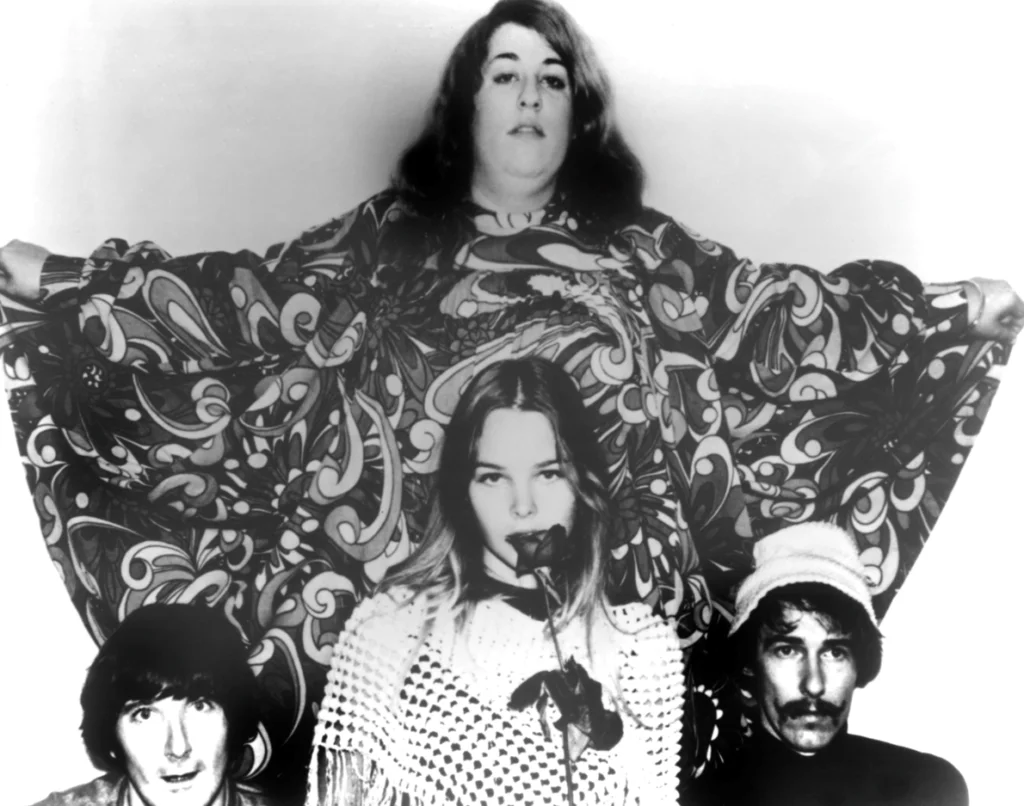
Radio stations leaned heavily on this song because it created an instant atmosphere. The harmonies felt soothing and nostalgic even when it was new. DJs used it to smooth transitions between tracks. It had a calming effect on listeners.
Requests stayed strong as audiences connected with its mood. It worked across seasons and times of day. That versatility kept it spinning constantly. It became one of those songs that defined the sound of late ’60s radio.
13. “Sugar, Sugar” by The Archies

This song was pure pop and radio knew exactly what to do with it. Its catchy hook made it irresistible. DJs played it frequently because listeners reacted immediately. It was impossible to miss on the dial.
The song felt light and fun, which gave stations a reliable crowd pleaser. It appealed to younger listeners and adults alike. That broad reach fueled constant airplay. Before long, it felt like it was everywhere at once.
14. “I Want to Hold Your Hand” by The Beatles
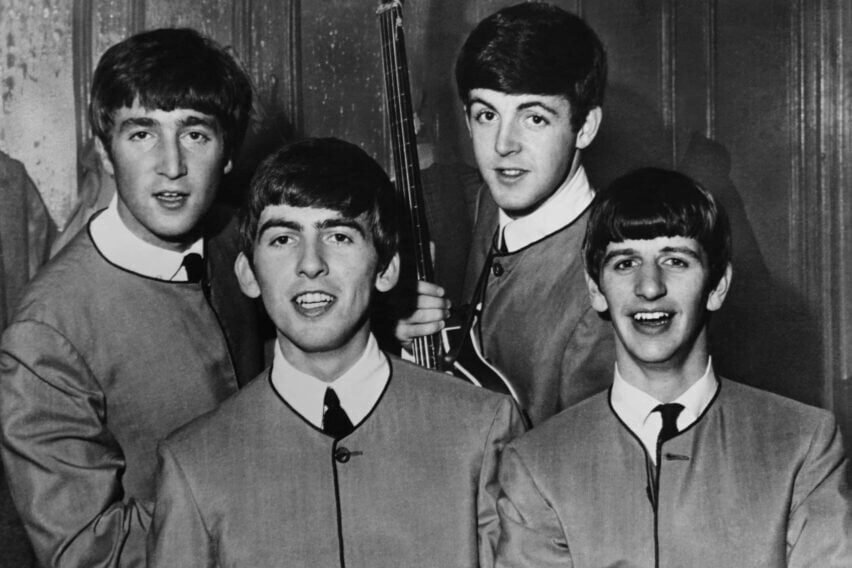
When this song hit American radio, stations played it relentlessly. It sounded fresh, upbeat, and completely different from what came before. DJs recognized its impact instantly. Playing it felt like being part of a cultural shift.
Listeners responded with excitement and loyalty. The melody stayed with you long after the song ended. Stations kept it in rotation because demand never slowed. It helped set the template for how radio would treat major hits for the rest of the decade.
15. “The Sound of Silence” by Simon & Garfunkel
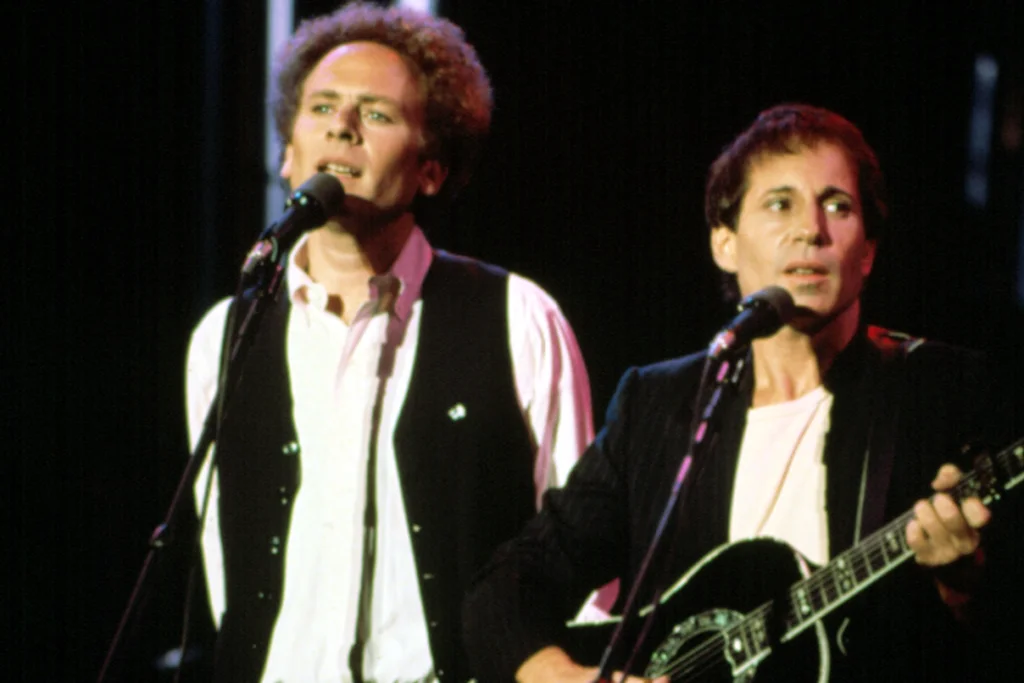
This song became a radio fixture almost by accident, once the electrified version started gaining traction. Stations quickly realized listeners stayed tuned in when it played. Its quiet intensity stood out against louder, flashier hits. That contrast made it feel serious and important.
Radio programmers leaned into its moodiness because it slowed things down without losing attention. The lyrics invited reflection, which was unusual for heavy rotation. Requests kept coming, reinforcing its place on playlists. Over time, it became one of those songs that defined what thoughtful pop could sound like.
16. “Brown Eyed Girl” by Van Morrison

From the moment it hit the airwaves, this song felt like an instant radio staple. Its upbeat rhythm and conversational delivery made it easy to love. DJs favored it because it sounded familiar almost immediately. Listeners rarely changed the station when it came on.
Radio embraced its loose, joyful feel. It worked just as well in the morning as it did in the evening. Requests stayed steady year after year. Eventually, it became one of those songs that radio seemed physically incapable of letting go.
17. “Build Me Up Buttercup” by The Foundations
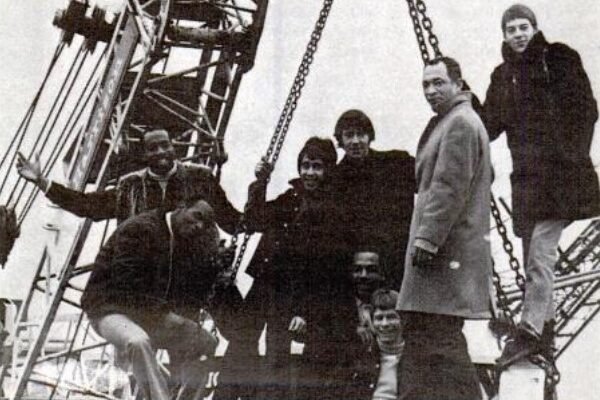
This song thrived on radio because it was impossible not to sing along to. The chorus hit hard and stayed stuck in your head. DJs used it to perk up slower stretches of programming. It reliably lifted the energy of any playlist.
Listeners responded immediately, often turning the volume up rather than down. The song’s playful frustration felt relatable and fun. Radio stations noticed its universal appeal. As a result, it stayed in heavy rotation far longer than anyone expected.
18. “Turn! Turn! Turn!” by The Byrds
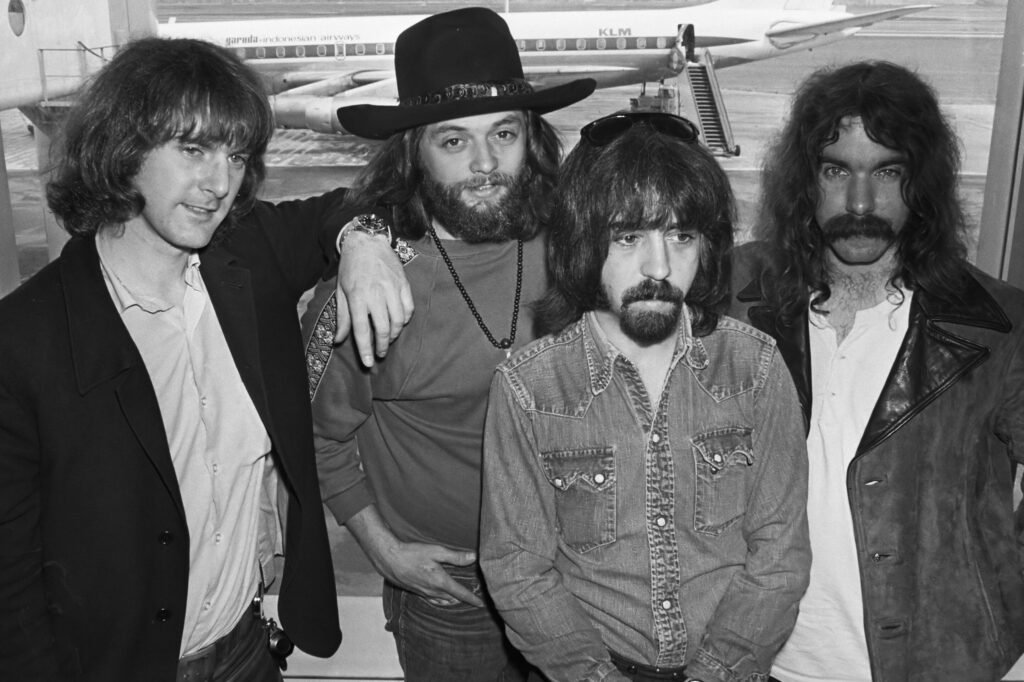
Radio stations gravitated toward this song because it sounded meaningful and melodic at the same time. Its folk roots blended smoothly with a pop-friendly structure. DJs liked how it felt reflective without being heavy. That balance made it an easy repeat.
Listeners found comfort in its familiar message and gentle delivery. The song worked across different formats, broadening its reach. Stations kept it spinning because it fit almost any mood. Over time, it became one of those tracks that felt permanently woven into ’60s radio.