
1. “Respect” by Aretha Franklin
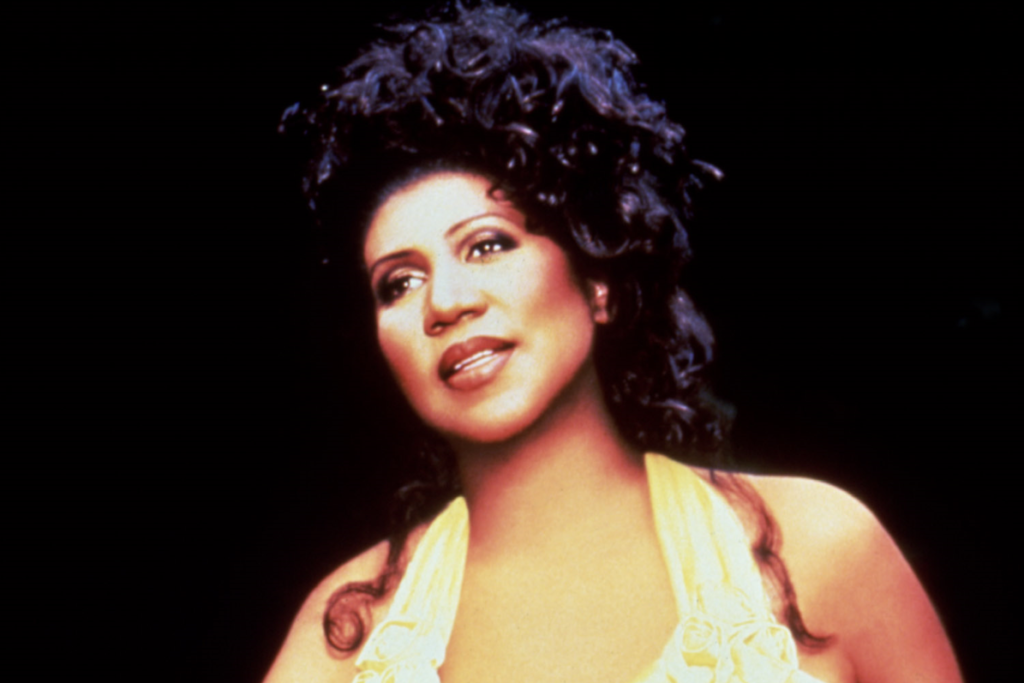
This song was everywhere the moment it hit the radio in 1967. Aretha Franklin took an Otis Redding tune and turned it into something bold, brassy, and unforgettable. You could hear it blasting from car windows, jukeboxes, and living room stereos. The spelling out of the title became part of everyday conversation.
Even people who rarely bought records seemed to know every word. The song crossed over to pop, soul, and R&B charts at the same time. For years, any talent show or cover band set list felt incomplete without it. Long after the decade ended, “Respect” remained impossible to avoid.
2. “I Heard It Through the Grapevine” by Marvin Gaye

Few songs captured late ’60s radio quite like this moody classic. Marvin Gaye’s version felt dramatic, smooth, and just a little mysterious. Once it climbed the charts in 1968, it stayed in heavy rotation for what felt like forever. It played at school dances, house parties, and grocery stores alike.
The chorus was so catchy that people hummed it without even realizing it. Other artists recorded it too, which only made it more inescapable. Television shows and commercials kept reviving it year after year. By the time the ’70s rolled around, everyone still knew it by heart.
3. “Hey Jude” by The Beatles
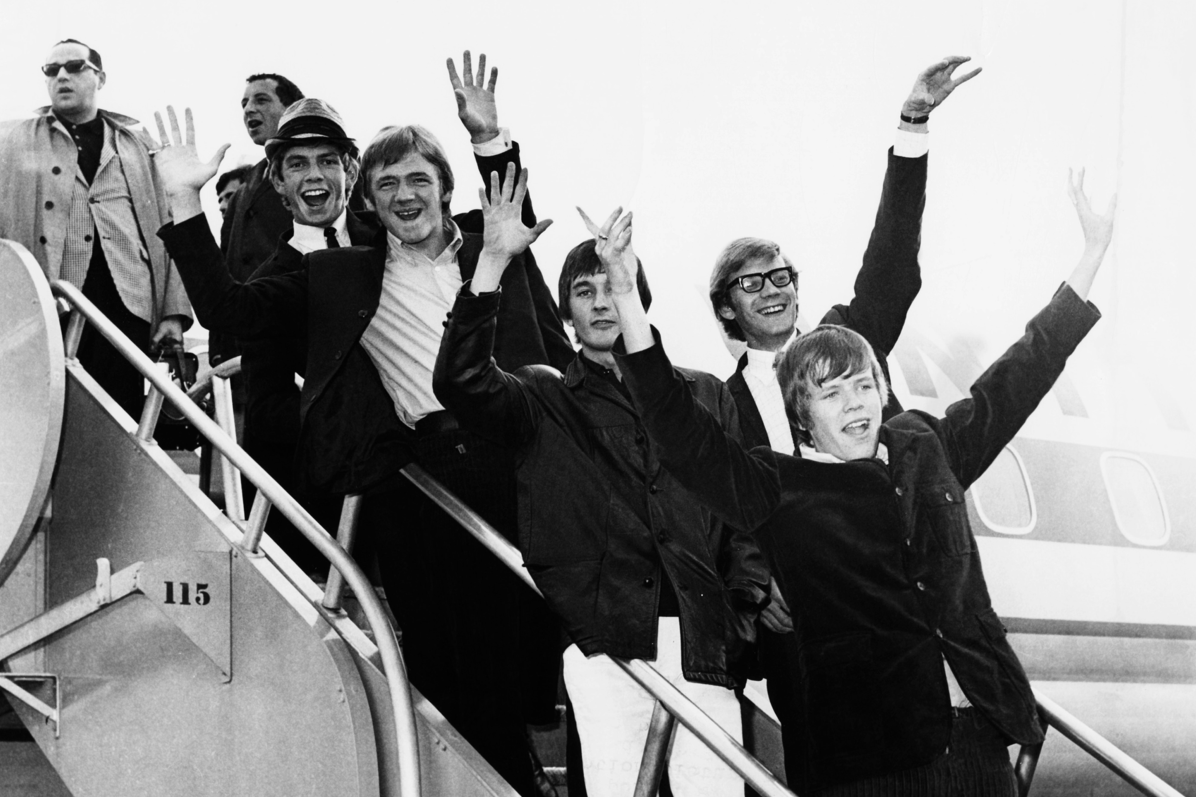
When this Beatles anthem arrived in 1968, it quickly became a cultural event. The song was unusually long for radio, but stations played it constantly anyway. That singalong ending seemed to go on forever in the best possible way. Crowds at concerts and parties would shout along at the top of their lungs.
Even people who claimed not to follow rock music knew every note. It was played at weddings, graduations, and just about any big gathering. The melody had a comforting, familiar feel that made it stick around for years. Escaping “Hey Jude” was practically impossible.
4. “Good Vibrations” by The Beach Boys
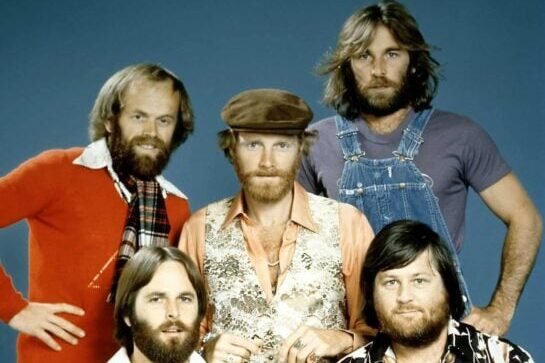
This track sounded like nothing else on the airwaves in 1966. The layered harmonies and unusual instruments made it instantly recognizable. Radio stations loved it, and they proved it by playing it all day long. Kids and parents alike found themselves singing along.
The phrase good vibrations slipped into everyday slang almost overnight. You could hear the song at drive-ins, pool parties, and school events. Even years later, oldies stations kept it in constant rotation. It became one of those tunes people just expected to hear.
5. “Mrs. Robinson” by Simon and Garfunkel
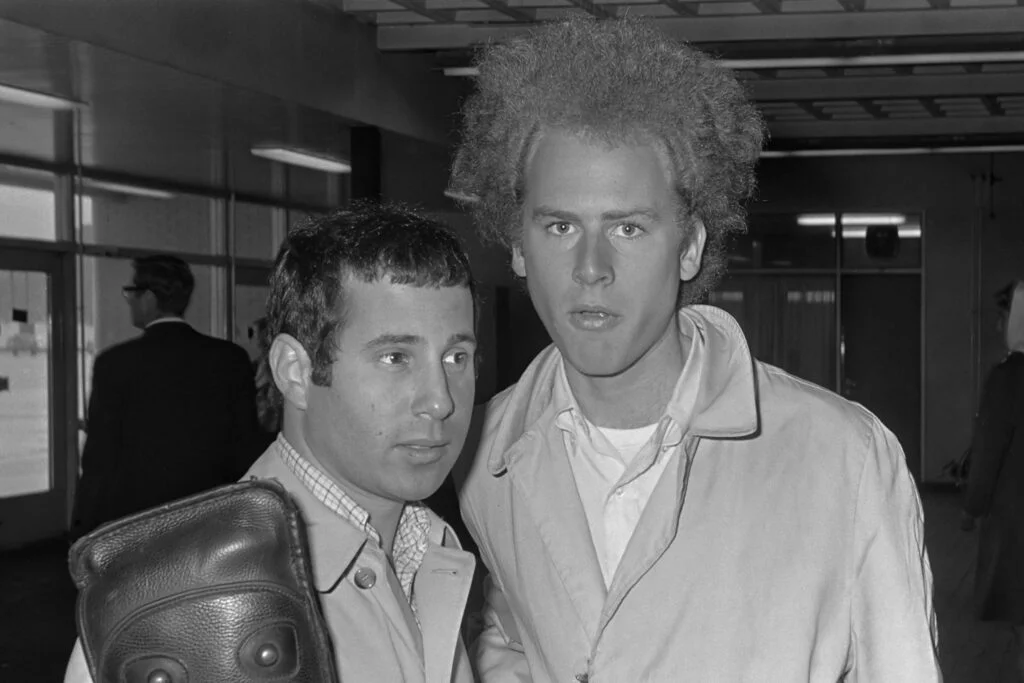
Thanks to the movie The Graduate, this song seemed to be everywhere at once. When it hit the charts in 1968, it felt sophisticated and a little rebellious. The melody was simple, but it stuck in your head for hours. Radio DJs treated it like required programming.
College students played it in dorm rooms on repeat. Adults recognized it from the film and embraced it too. The catchy chorus made it perfect for group singalongs. Long after its release, “Mrs. Robinson” still popped up constantly.
6. “Sugar, Sugar” by The Archies
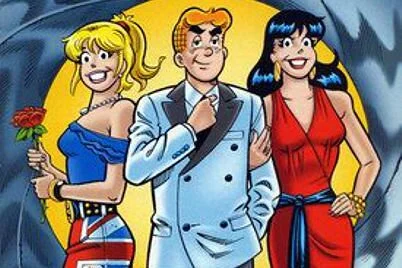
Bubblegum pop reached its peak with this cheerful 1969 hit. Even though it came from a cartoon band, real radio stations could not get enough of it. The chorus was so sweet and simple that little kids memorized it instantly. It felt like it was playing on every transistor radio in America.
The song topped the charts and refused to budge for weeks. Shopping malls and skating rinks used it as background music. People who claimed to hate it still found themselves tapping their feet. For several years, there was no hiding from “Sugar, Sugar.”
7. “California Dreamin’” by The Mamas and the Papas
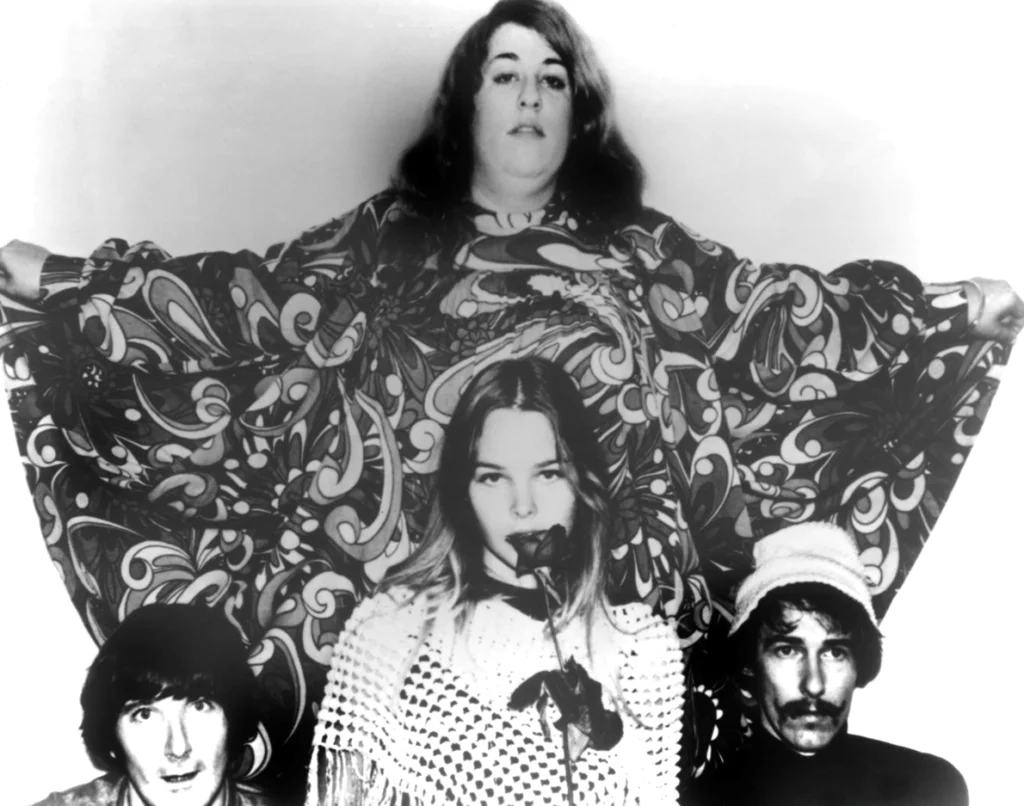
This dreamy tune captured the spirit of the decade in just a few minutes. Released in 1965, it became an anthem for anyone longing for the West Coast. The harmonies were so rich that radio stations played it endlessly. It fit perfectly with the growing youth culture of the time.
Even in cold climates, listeners felt transported to sunny Los Angeles. The song turned up in movies, commercials, and television shows. Cover versions kept appearing and kept it fresh in people’s minds. Decades later, it still feels instantly familiar.
8. “These Boots Are Made for Walkin’” by Nancy Sinatra
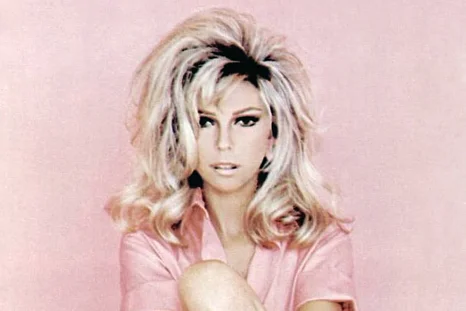
Nancy Sinatra delivered attitude with this bold 1966 hit. The stomping beat and confident lyrics made it stand out on the charts. DJs loved the attitude and played it constantly. Before long, everyone was quoting the title line.
The song became a favorite at dance parties and school gyms. Fashion trends even seemed to follow its lead. Every time a new generation discovered it, the track came roaring back. For years, there was simply no escaping those boots.
9. “Light My Fire” by The Doors
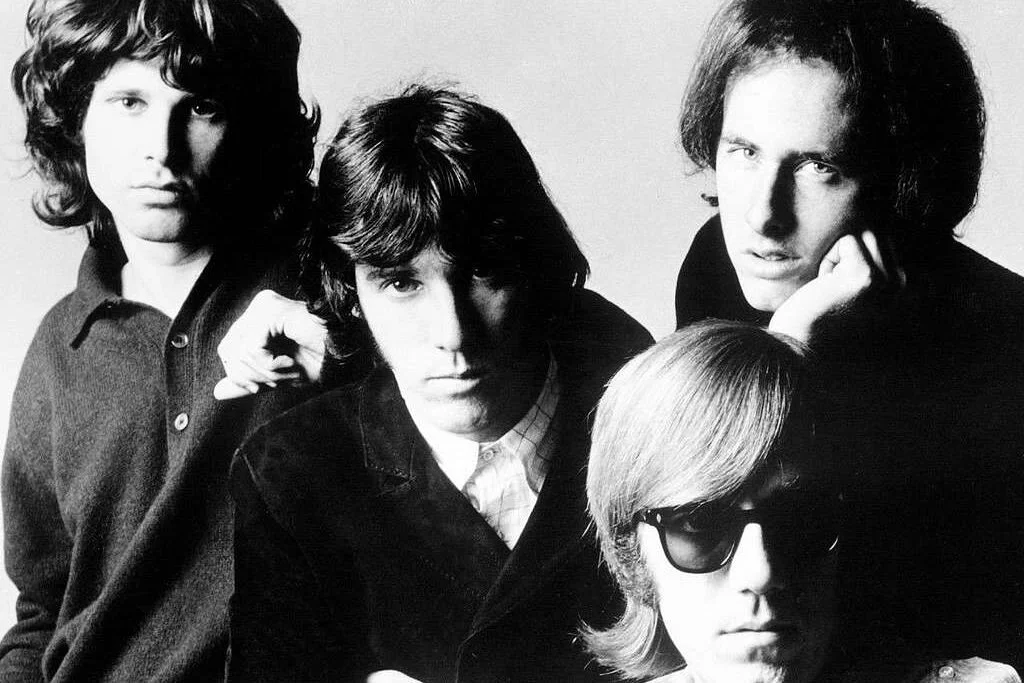
This psychedelic rock classic dominated radio in the summer of 1967. Its long instrumental sections made it feel daring and a little dangerous. Stations played both the short and long versions over and over. Jim Morrison’s voice drifted out of speakers everywhere.
Teenagers considered it essential listening for cruising around town. Adults who did not quite understand it still heard it constantly. The organ intro became one of the most recognizable sounds of the decade. It remained a fixture on playlists long after the charts changed.
10. “My Girl” by The Temptations
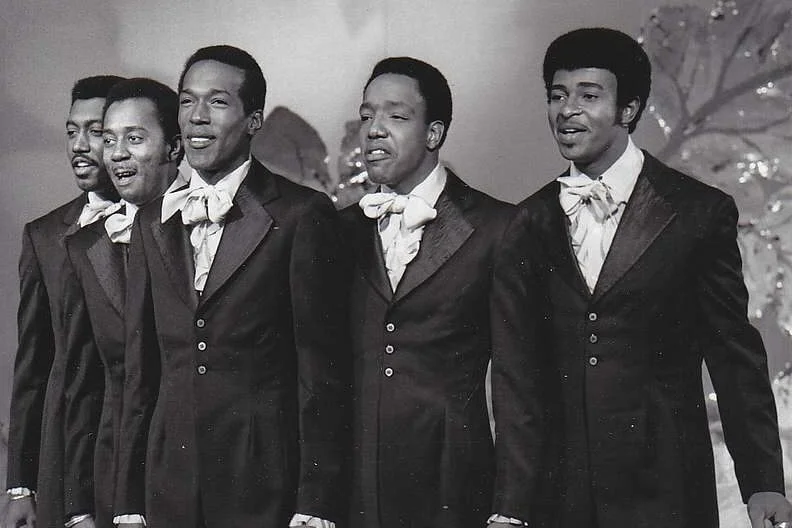
Although it was released in 1965, this Motown favorite never seemed to fade away. The opening bass line alone was enough to make people smile. It played at weddings, proms, and family reunions for years. Radio stations treated it like a permanent member of the lineup.
The lyrics were sweet and simple, which made them easy to remember. Even people born long after the ’60s knew every word. Movies and commercials kept bringing it back into the spotlight. For a long time, “My Girl” felt truly inescapable.
11. “Aquarius/Let the Sunshine In” by The 5th Dimension
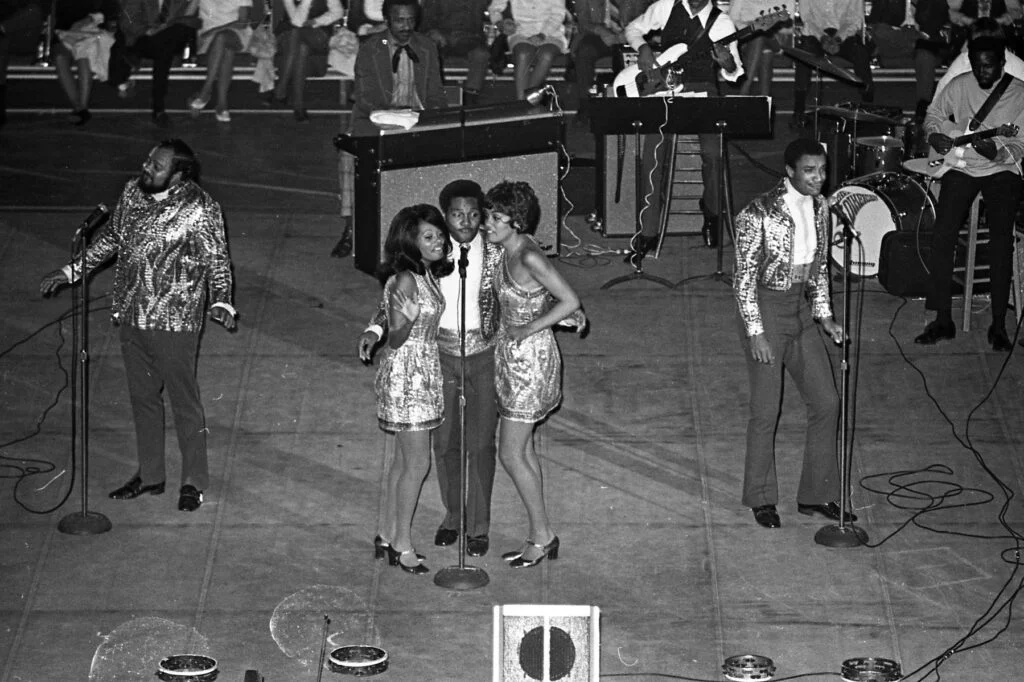
This medley from the musical Hair became a massive hit in 1969. It perfectly captured the hopeful, upbeat mood of the era. The combination of two songs into one made it feel extra memorable. Radio listeners heard it so often they could practically set their watches by it.
Choirs and school groups loved performing it at assemblies. The optimistic message fit neatly into the culture of the time. Even people who never saw the musical recognized the tune instantly. The Age of Aquarius followed everyone around for years.
12. “Proud Mary” by Creedence Clearwater Revival
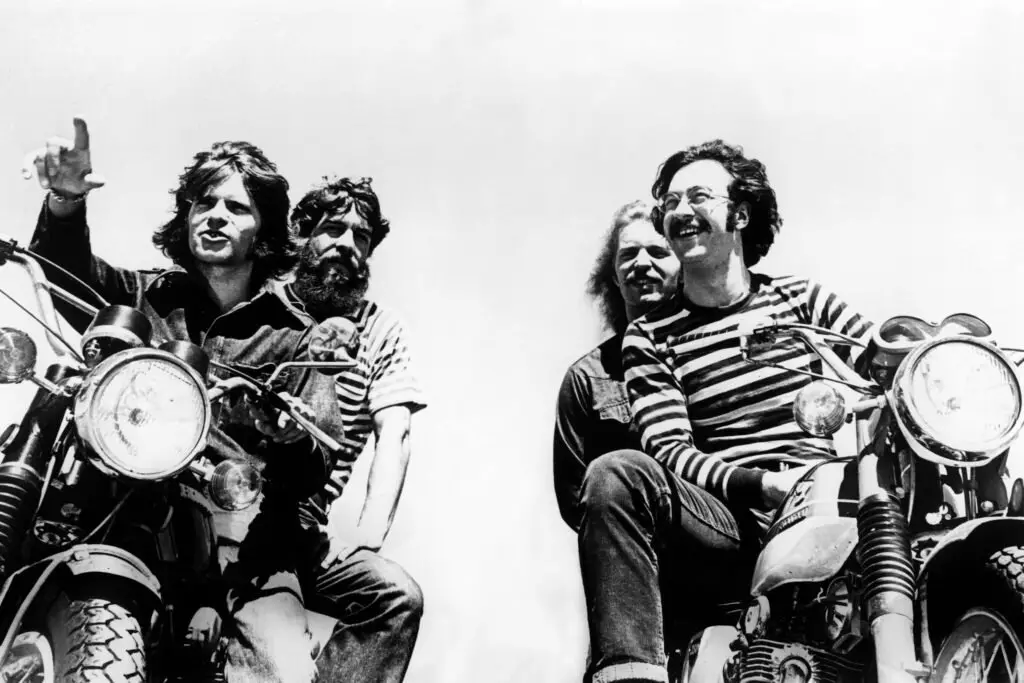
Creedence Clearwater Revival turned this 1969 song into a runaway favorite. The steady rhythm and catchy chorus made it perfect for radio play. It seemed to be on every station at once. Soon bands across the country were covering it in local clubs.
The song appealed to rock fans, pop fans, and just about everyone in between. Road trips in the late ’60s often had it playing on repeat. Later versions kept it alive well into the next decade. For a long stretch of time, you heard “Proud Mary” everywhere.
13. “Stand by Me” by Ben E. King
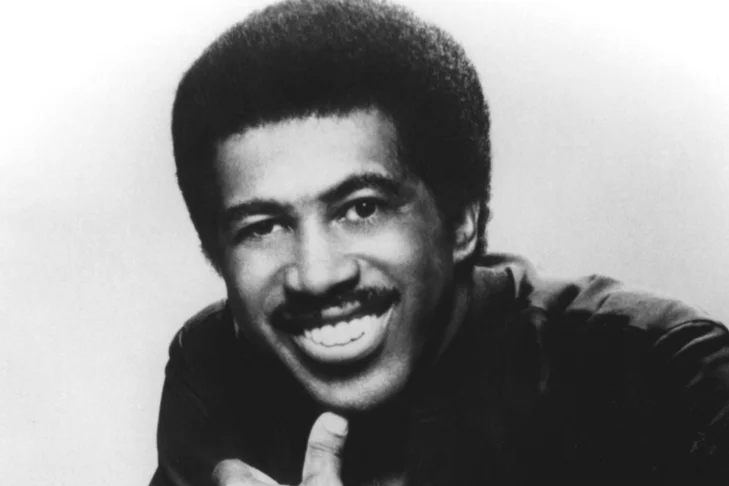
This early ’60s classic never really left the airwaves once it arrived. The gentle rhythm and heartfelt lyrics gave it universal appeal. Radio stations treated it like an old friend they loved to invite back. Slow dances at school would not have felt right without it.
Every new generation seemed to rediscover the song all over again. Television and film appearances kept renewing its popularity. People sang it at talent shows, weddings, and family gatherings. Avoiding “Stand by Me” was nearly impossible.
14. “A Whiter Shade of Pale” by Procol Harum
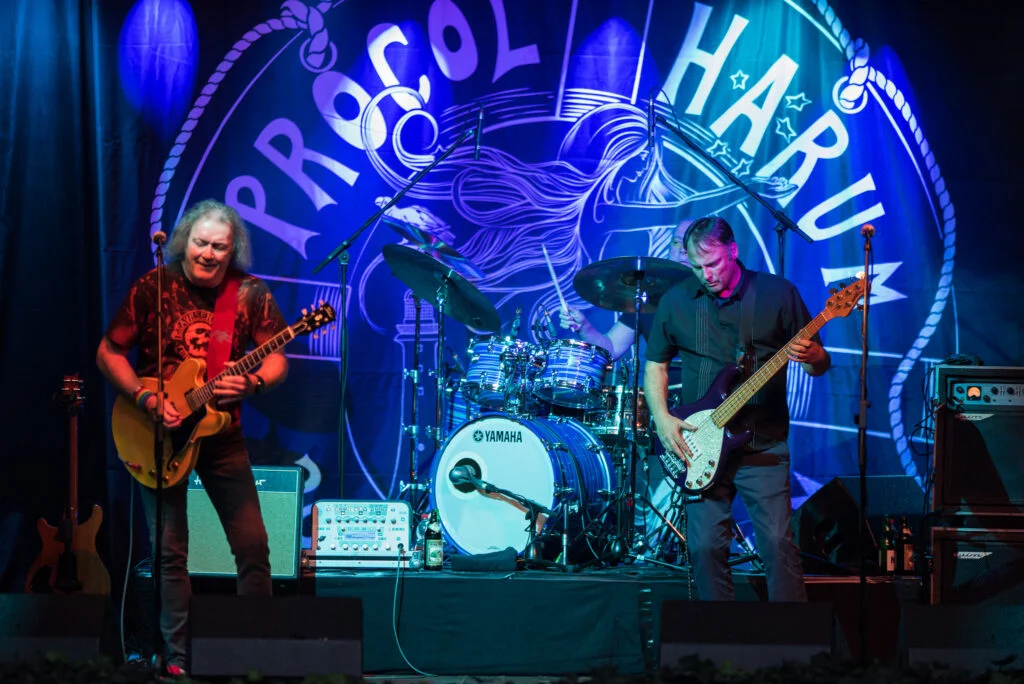
This haunting 1967 track sounded mysterious and sophisticated from the first note. Its unusual organ melody made it stand out from typical pop songs. Once it became a hit, it stayed glued to playlists for years. Late night radio especially seemed to adore it.
Listeners might not have understood all the lyrics, but they remembered the feeling. The song played at countless parties and coffeehouses. Even as musical styles changed, it kept finding new audiences. For a long time, it followed people wherever they went.