
1. Elvis Presley
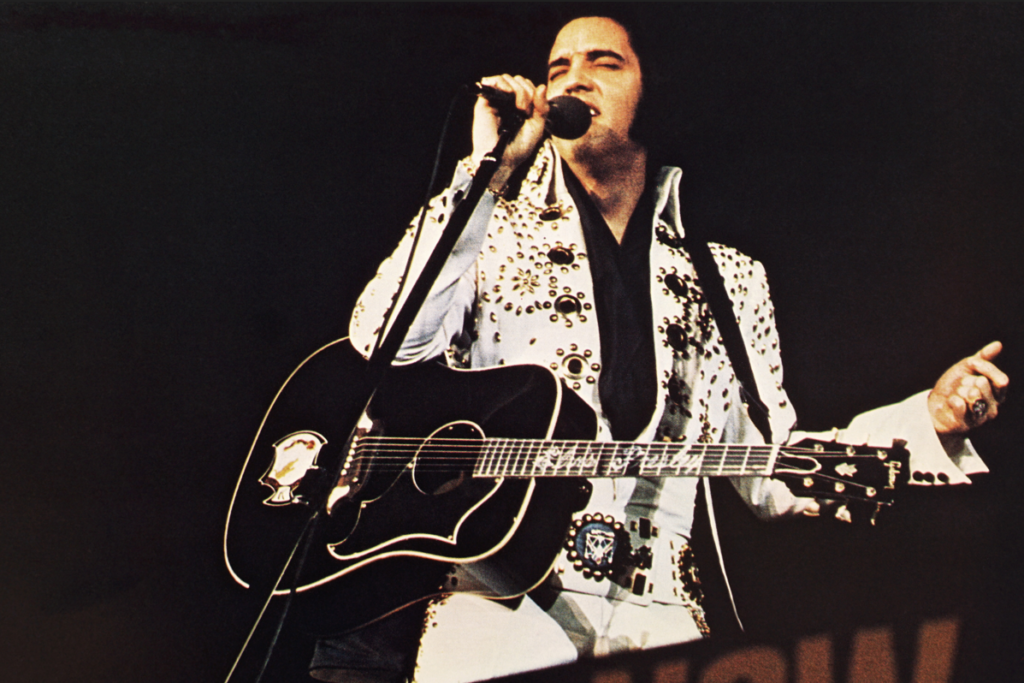
Elvis Presley walked into the 1960s already famous, but the decade turned him into something even bigger. He was not just a singer or an actor, he was a full cultural event. When Presley appeared on television or released a new movie, the entire country paid attention at the same time. Fans treated him less like a performer and more like royalty with a guitar.
In those days, fame meant mystery and distance, and Presley had both. People did not know his every thought or see his daily life the way they do with stars now. He seemed larger than ordinary life, almost unreal in his charisma. Even today, the image of Elvis still represents what old-fashioned stardom used to look like.
2. Elizabeth Taylor
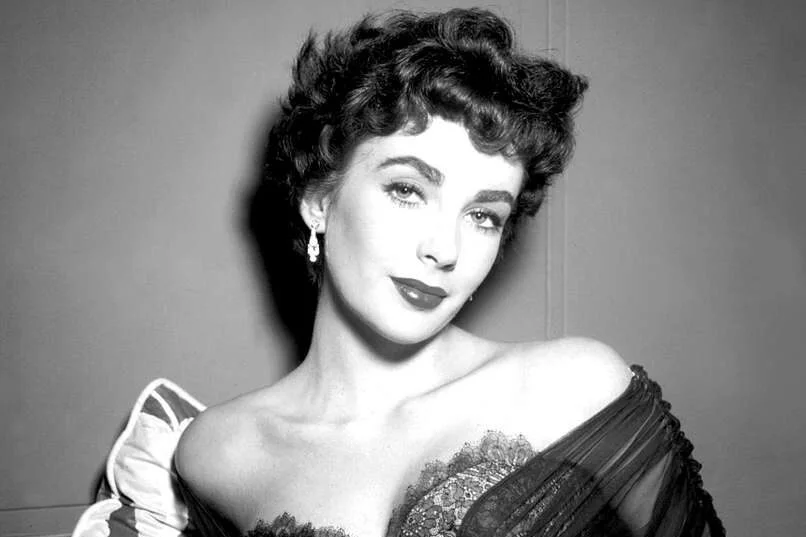
Elizabeth Taylor defined glamour long before the word influencer existed. With her violet eyes and headline-making romances, she was the kind of star magazines were invented to cover. Taylor’s movie roles in the 1960s, especially Cleopatra, turned her into one of the most talked-about women on the planet. People followed her marriages and divorces the way they now follow entire reality shows.
What made Taylor different was the sense that she lived in a world far removed from everyone else. She traveled in private planes and wore diamonds most people only saw behind glass. Yet she also had real talent that backed up all the attention. In the 1960s, to be famous like Taylor meant being both admired and slightly untouchable.
3. John Lennon
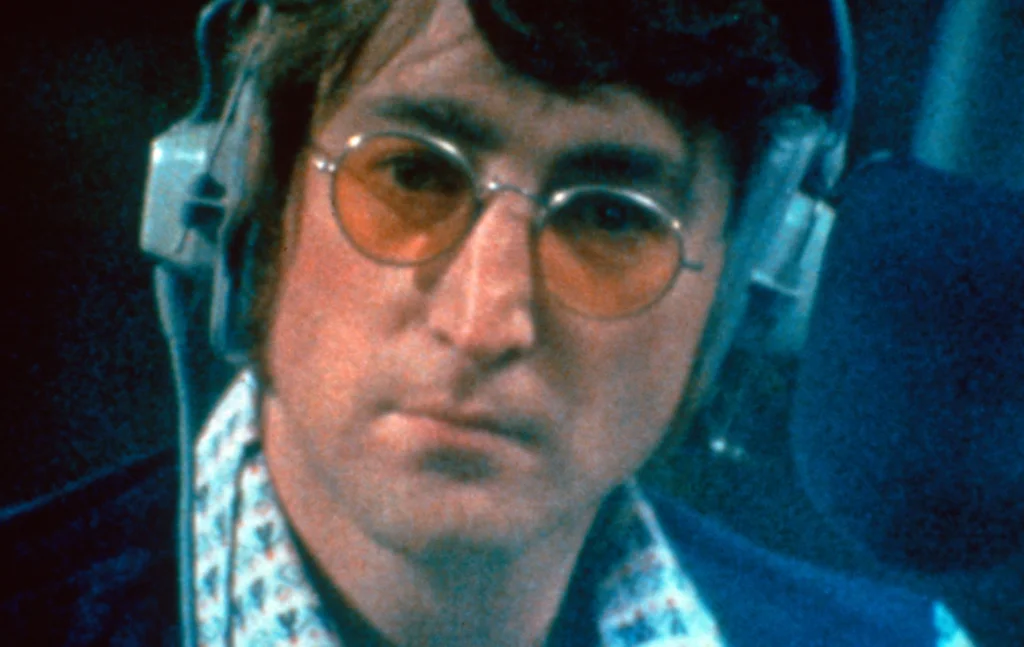
John Lennon helped change music, but he also changed what it meant to be a celebrity. As a member of The Beatles, he experienced a level of screaming, fainting fame that had never existed before. Lennon’s face was instantly recognizable in every corner of the world. Reporters followed his words as if they carried deep philosophical meaning.
Even outside the band, Lennon stayed endlessly fascinating to the public. He spoke his mind, grew his hair long, and turned personal choices into cultural statements. Fans saw him as a voice of a generation rather than just a pop singer. That mixture of talent and mystique made Lennon a perfect example of classic 1960s fame.
4. Audrey Hepburn
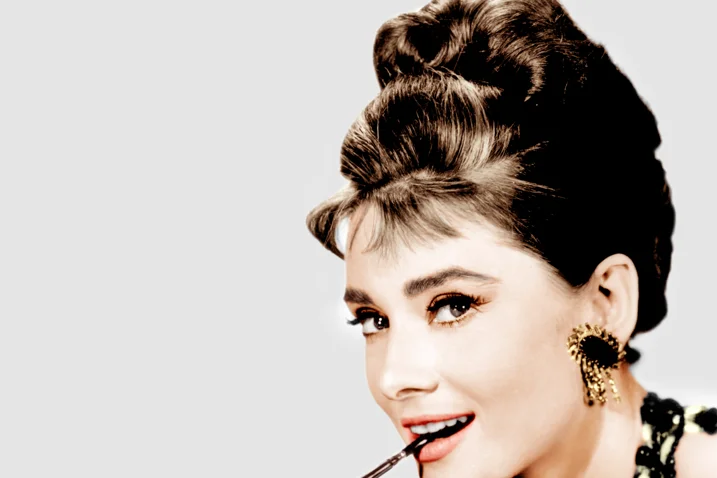
Audrey Hepburn was elegance turned into a human being. By the time the 1960s arrived, she had already become a symbol of grace and style. Movies like Breakfast at Tiffany’s made Hepburn feel less like an actress and more like a dream the audience could visit. Women copied her clothes, her haircut, and even her posture.
Hepburn did not chase attention or create scandals, which made her even more beloved. She carried herself with a quiet dignity that felt rare even then. Fame in her era did not require constant noise, only undeniable presence. Hepburn proved that true star power could be gentle and still unforgettable.
5. Steve McQueen

Steve McQueen earned the nickname the King of Cool, and nobody ever argued with it. In the 1960s he became the ultimate tough guy on screen, starring in films like The Great Escape and Bullitt. McQueen did not need flashy interviews or clever publicity stunts to stay famous. He simply showed up, looked confident, and let the camera do the rest.
Audiences believed everything about him was real, from his motorcycle riding to his laid-back attitude. He represented a new kind of masculine movie star who seemed effortless and authentic. McQueen kept his private life mostly private, which only added to the legend. That sense of mystery is something modern fame rarely allows.
6. Diana Ross
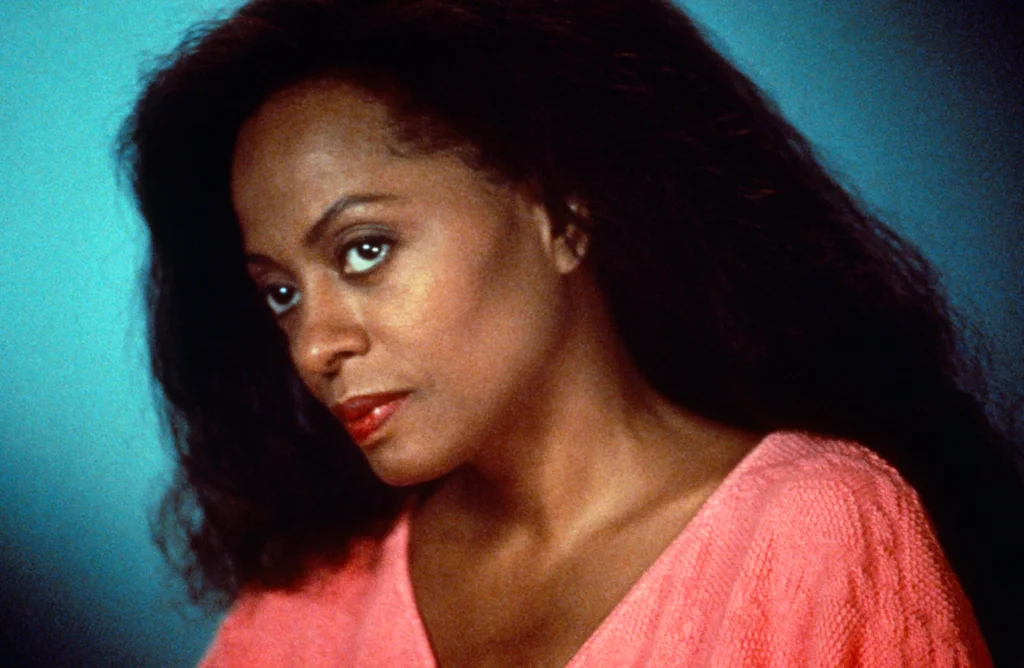
Diana Ross began the decade as part of The Supremes and ended it as a household name. Her voice and style helped define the sound of Motown and the spirit of the 1960s. Ross had a way of commanding a stage that made audiences feel they were watching someone truly special. When she sang, people paid attention in a way reserved for real stars.
By the late 1960s, Ross was more than just a singer in a group. She had become a fashion icon and a symbol of sophistication. Fans copied her gowns, her makeup, and her famous big hair. Ross showed that fame could be glamorous, powerful, and groundbreaking all at once. She remains a perfect picture of classic stardom.
7. Muhammad Ali
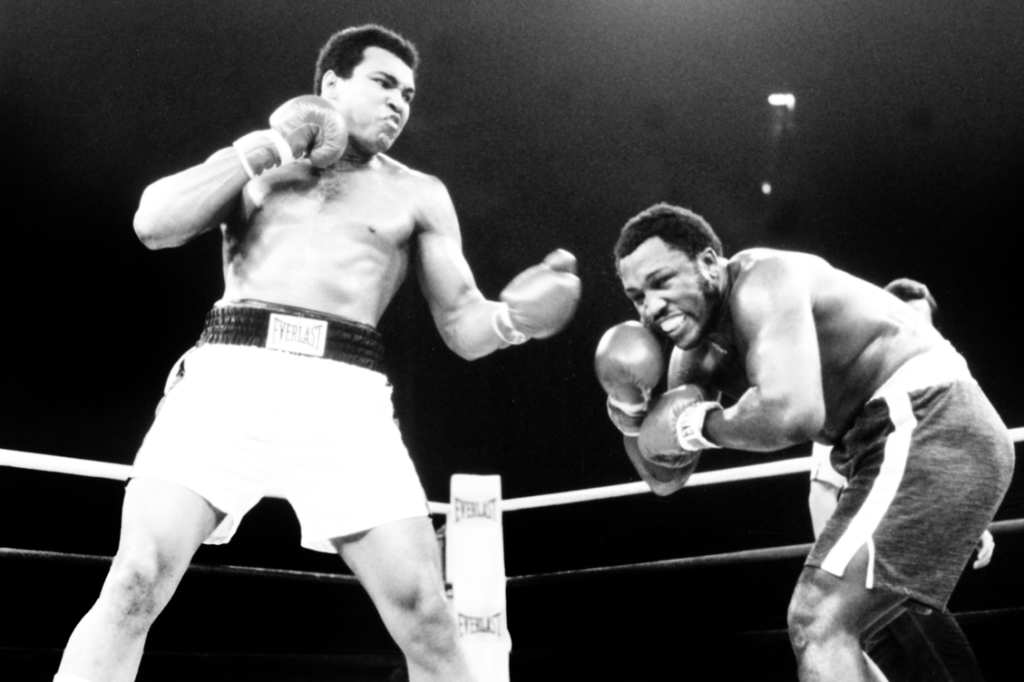
Muhammad Ali was proof that fame was not limited to Hollywood. In the 1960s he became the most famous athlete in the world, and possibly the most famous person, period. Ali had charisma, confidence, and a talent for unforgettable quotes. He understood that being a champion also meant being a showman.
Television cameras loved him, and so did millions of fans. Ali’s matches felt like global events that stopped normal life for a few hours. He spoke out on big issues and made people listen, which was unusual for an athlete at the time. Ali turned sports fame into something larger than sports itself.
8. Barbra Streisand
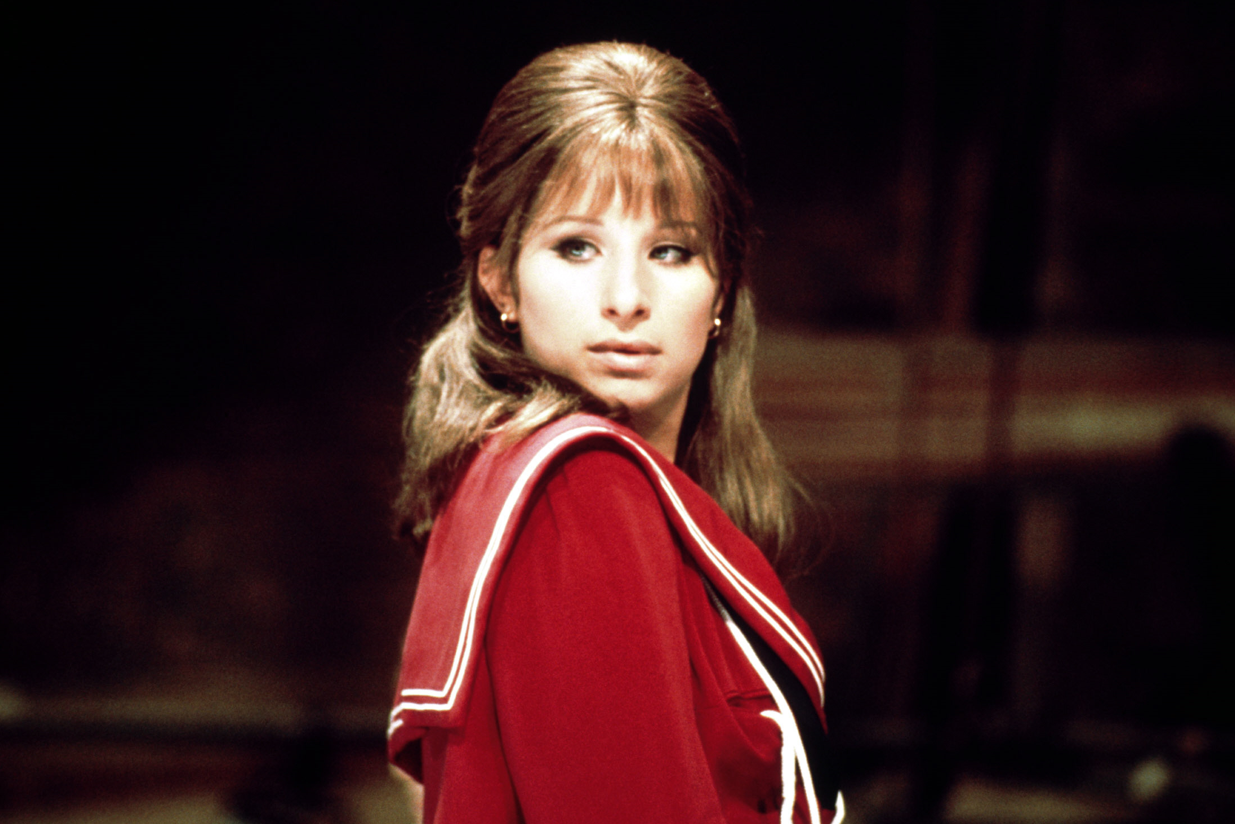
Barbra Streisand entered the 1960s with a voice so powerful it could not be ignored. From Broadway to records to movies, she succeeded at everything she tried. Streisand did not fit the usual movie star mold, which made her rise even more remarkable. Audiences responded to her honesty and enormous talent.
By the end of the decade, Streisand was one of the biggest stars in entertainment. She could release an album, open a film, or appear on television and instantly draw huge attention. Fame for her was built on ability rather than image alone. Streisand showed that in the 1960s, real talent still ruled the day.
9. Bob Dylan
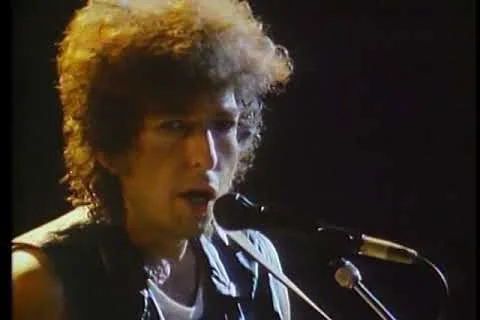
Bob Dylan became famous almost without trying to be. His songs captured the mood of the decade so perfectly that people treated him like a spokesman for the times. Dylan did not look or act like a traditional star, but that was part of the appeal. Fans believed he was saying things nobody else dared to say.
The more mysterious he acted, the more fascinated the public became. Interviews with Dylan felt like puzzles people tried to solve. He proved that fame could come from ideas and words instead of polished image. In the 1960s, that kind of influence felt almost magical.
10. Julie Andrews
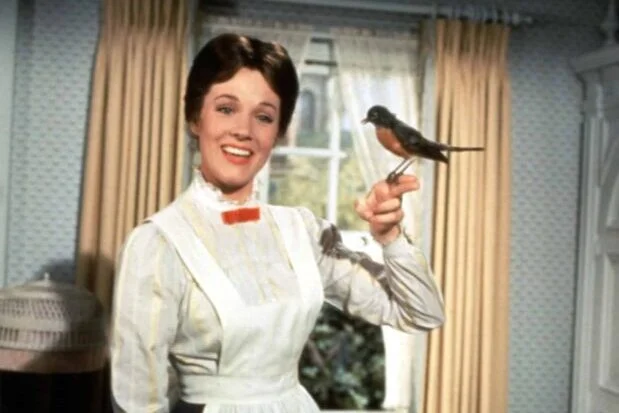
Julie Andrews was the wholesome heart of 1960s entertainment. With Mary Poppins and The Sound of Music, she became the face of feel-good family movies. Andrews seemed to represent kindness, talent, and perfect poise all at once. Parents trusted her and children adored her.
Her fame was built on a sense of warmth that filled entire theaters. Andrews never needed scandals or shock value to stay in the spotlight. Simply appearing on screen was enough to make a film feel important. She reminded audiences that stardom could still be sweet and sincere.
11. Clint Eastwood

Clint Eastwood turned squinting into an art form during the 1960s. His westerns made him an international symbol of quiet strength. Eastwood did not talk much on screen, but he did not need to. One look from him told audiences everything they needed to know.
That strong, silent image followed him off screen as well. Fans admired his cool confidence and rugged independence. Eastwood’s version of fame was built on toughness and reliability rather than chatter. He became a model for the modern action hero while still keeping an old-school sense of distance.
12. Raquel Welch
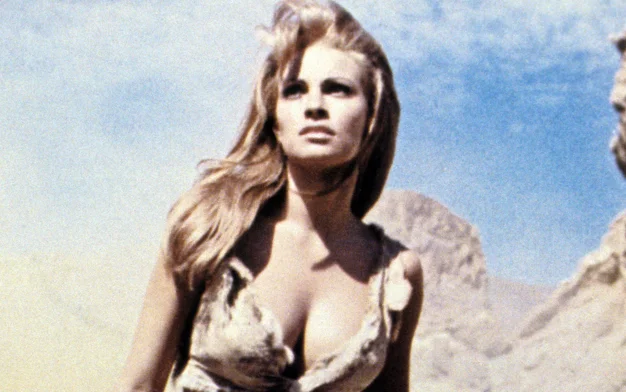
Raquel Welch became famous almost overnight thanks to a single movie poster and a fur bikini. In the 1960s she represented a bold new kind of screen beauty. Welch did not just appear in films, she dominated magazine covers and talk shows. Her image seemed to be everywhere at once.
Yet she also worked hard to prove she was more than a photograph. Welch took acting seriously and fought to be respected in Hollywood. Fans lined up to see her movies simply because she was in them. That kind of instant recognition was a hallmark of classic 1960s fame.
13. Frank Sinatra
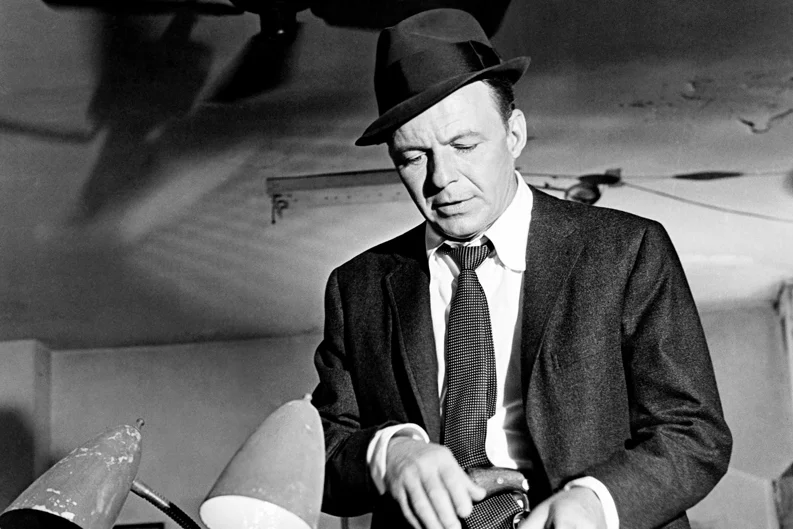
Frank Sinatra was already a legend when the 1960s began, but the decade gave him a stylish second act. As the leader of the Rat Pack, he turned nightlife and show business into one glamorous party. Sinatra’s concerts and films still felt like major events. He carried himself with the confidence of someone who understood fame completely.
Television specials, hit songs, and famous friends kept him constantly in the public eye. People saw Sinatra as the very definition of a star who lived life on his own terms. He belonged to a time when celebrities felt bigger than everyday life. That old-fashioned aura is exactly what made him timeless.