
1. Paul Newman
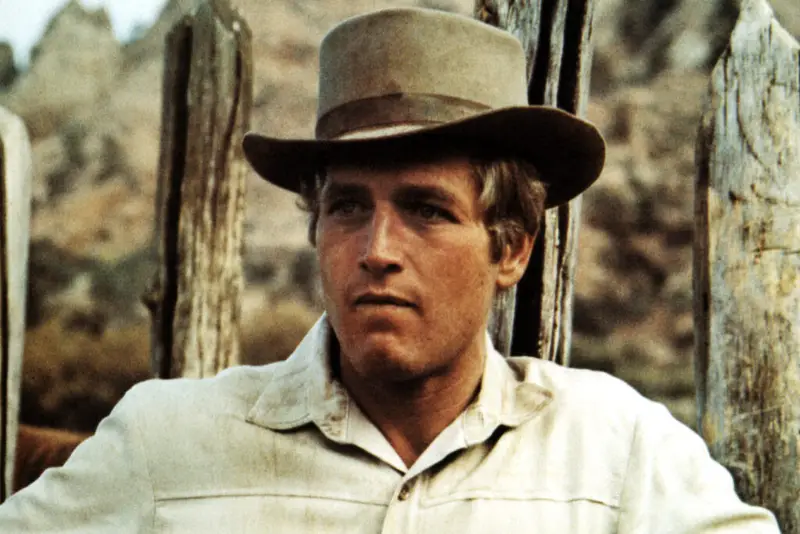
Paul Newman was not just a movie star in the ’60s, he was the standard by which movie stardom was measured. His blue eyes, relaxed confidence, and refusal to play the Hollywood game made him feel different from his peers. Films like Cool Hand Luke and Butch Cassidy and the Sundance Kid turned him into a symbol of quiet rebellion. Newman projected masculinity without bravado, which felt modern at the time. He seemed approachable but untouchable at the same time. Fame followed him everywhere, yet he always looked slightly uncomfortable with it.
What made Newman’s fame distinctive was how little he chased it. He often downplayed his looks and focused attention on the work instead. By the late ’60s, he represented a new kind of leading man who didn’t need flash or hype. His face alone could sell a movie, but audiences also trusted his integrity. That balance helped redefine what serious fame looked like. He made stardom seem almost incidental, which only made it stronger.
2. Elizabeth Taylor
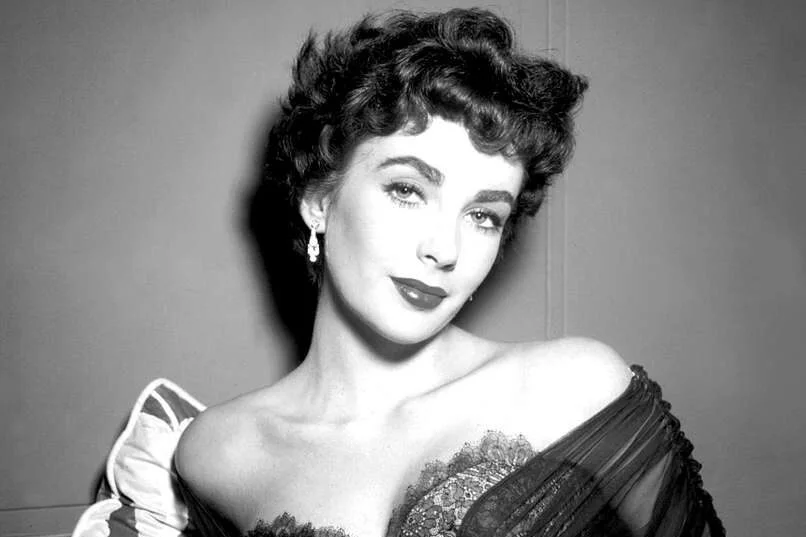
Elizabeth Taylor entered the ’60s already famous, but that decade transformed her into a cultural phenomenon. Her beauty was treated as headline news, discussed with the same intensity as her films. Roles like Cleopatra made her larger than life, both on screen and off. The studio system leaned heavily into her image, knowing audiences couldn’t look away. Taylor’s fame was inseparable from glamour, excess, and spectacle. She embodied a kind of stardom that felt royal.
Off screen, Taylor’s personal life fueled constant media attention. Her marriages, health struggles, and public appearances were followed obsessively. She showed that fame could be overwhelming and unavoidable. At the same time, she maintained control by being unapologetically herself. The public didn’t just watch her movies, they watched her life. That level of visibility defined what celebrity looked like in the ’60s.
3. Steve McQueen

Steve McQueen’s fame came from attitude as much as talent. In the ’60s, he became the face of cool without trying to explain it. Films like Bullitt and The Great Escape cemented his image as the ultimate anti hero. He rarely smiled, spoke sparingly, and let physical presence do the work. Audiences believed him instantly. He made understatement fashionable.
McQueen’s off screen persona reinforced his appeal. He resisted publicity and avoided Hollywood’s social scene. That resistance only made him more fascinating. Fame followed him despite his efforts to keep it at arm’s length. He showed that not playing the game could become part of the game. In the ’60s, that kind of defiant coolness redefined male stardom.
4. Marilyn Monroe
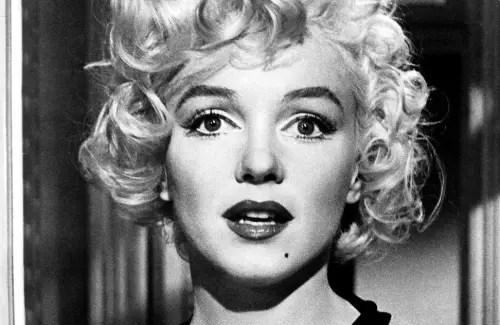
Although Marilyn Monroe’s career began earlier, her influence dominated the early ’60s. She represented a version of fame built on vulnerability as much as allure. The public saw her as both a fantasy and a deeply human figure. Her image was everywhere, yet she often seemed alone. Monroe’s fame felt intense and fragile at the same time. That contradiction captivated audiences.
By the time of her death in 1962, she had become a symbol rather than just a star. The way people mourned her showed how deeply she had entered the public imagination. She redefined fame as something emotionally consuming. Being famous no longer meant being protected. Monroe’s life exposed the cost of constant visibility. That lesson lingered long after the decade ended.
5. Sidney Poitier
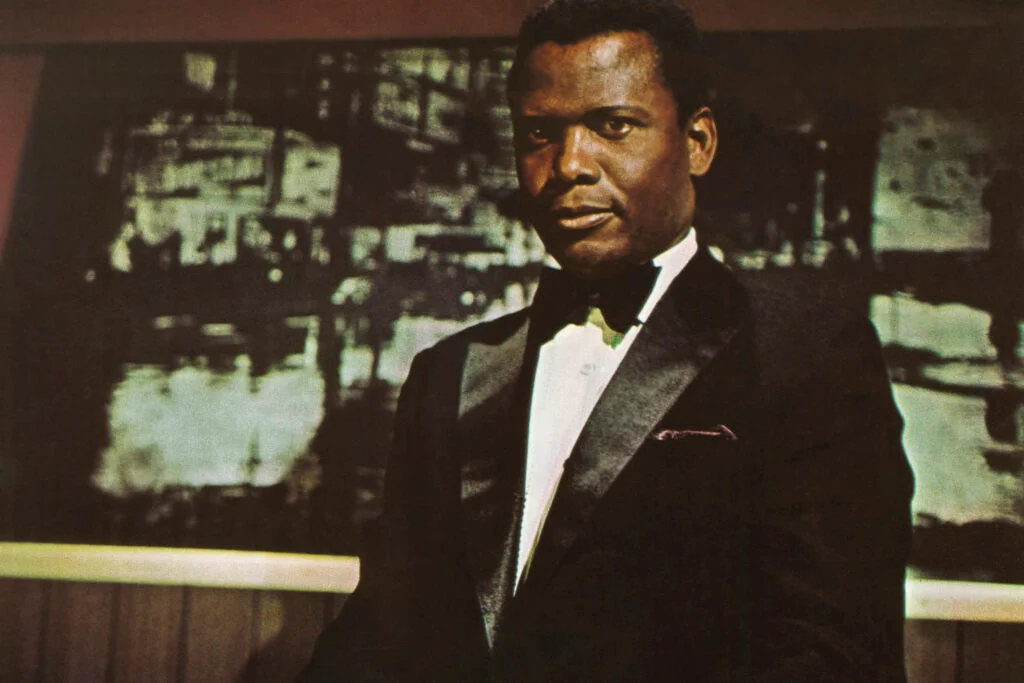
Sidney Poitier’s rise in the ’60s changed what fame could represent. He became one of the most recognizable actors in the world during a time of social upheaval. Films like Guess Who’s Coming to Dinner and In the Heat of the Night placed him at the center of national conversations. His fame carried weight beyond entertainment. Audiences looked to him for dignity and authority. That expectation was unprecedented.
Poitier’s public image was carefully maintained, partly by necessity. He knew every role carried symbolic meaning. Fame, for him, meant responsibility as well as opportunity. He showed that stardom could influence culture and politics. In the ’60s, that kind of influence reshaped the idea of what a movie star could be.
6. Brigitte Bardot
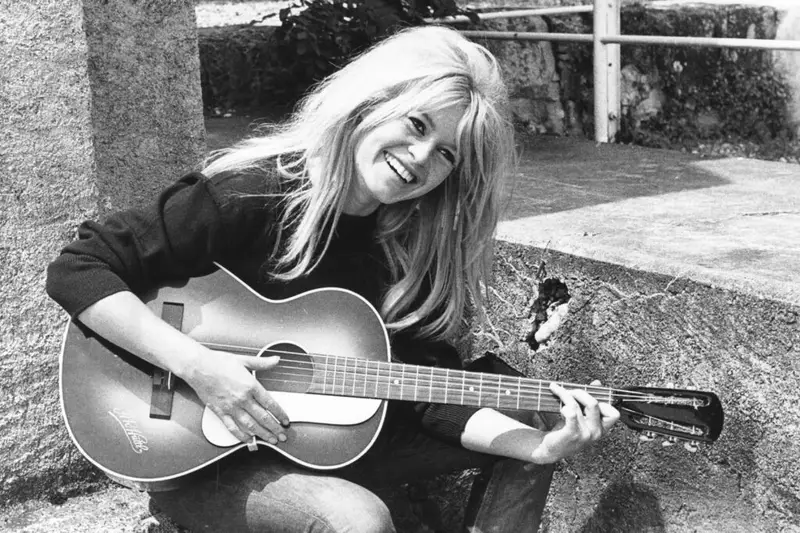
Brigitte Bardot defined international fame in the ’60s. She became a global symbol of freedom, sexuality, and rebellion. Her look alone set trends across continents. Bardot’s appeal was less about acting range and more about presence. She represented a break from traditional Hollywood polish. Fame followed her beyond national borders.
What made Bardot’s stardom unique was how quickly it overwhelmed her. She openly expressed discomfort with constant attention. The media fixation became intrusive and exhausting. Her eventual withdrawal from acting highlighted the darker side of fame. Bardot showed that being endlessly visible could feel like a trap. That tension became part of her legacy.
7. John Lennon
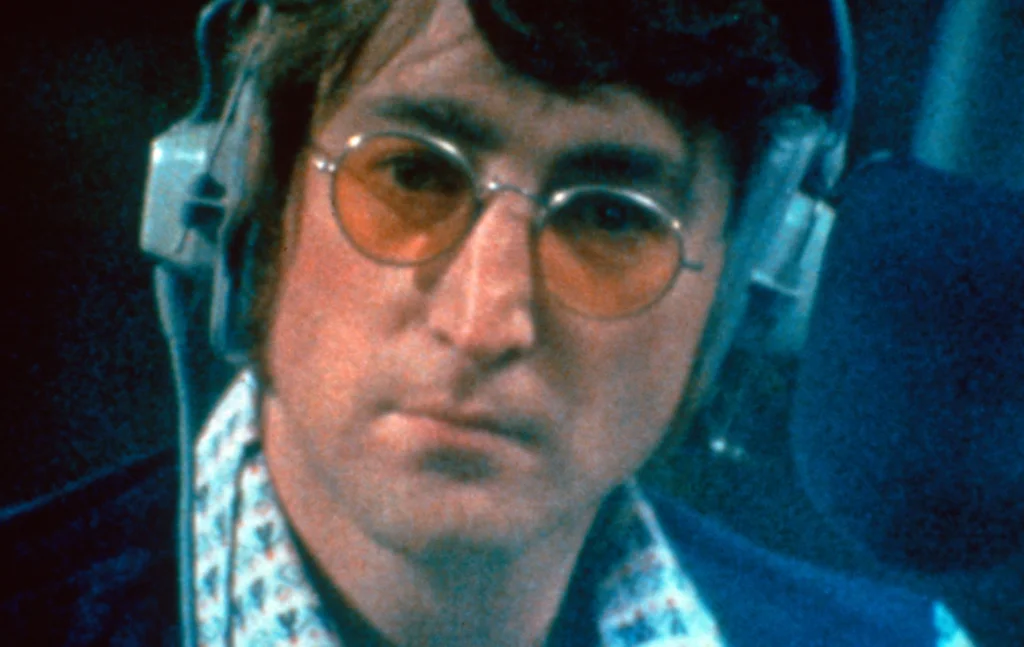
John Lennon helped redefine fame through sheer cultural impact. As a member of The Beatles, he experienced visibility on an unprecedented scale. Beatlemania turned musicians into global icons almost overnight. Lennon’s wit, opinions, and evolving image kept him in the spotlight. He was not just famous, he was constantly examined. Fame became interactive and relentless.
As the decade progressed, Lennon leaned into controversy and self expression. He used his platform to speak about peace, politics, and identity. That openness blurred the line between artist and public figure. Fame no longer meant distance. Lennon showed how celebrity could be used as a megaphone. The ’60s changed because figures like him existed.
8. Audrey Hepburn
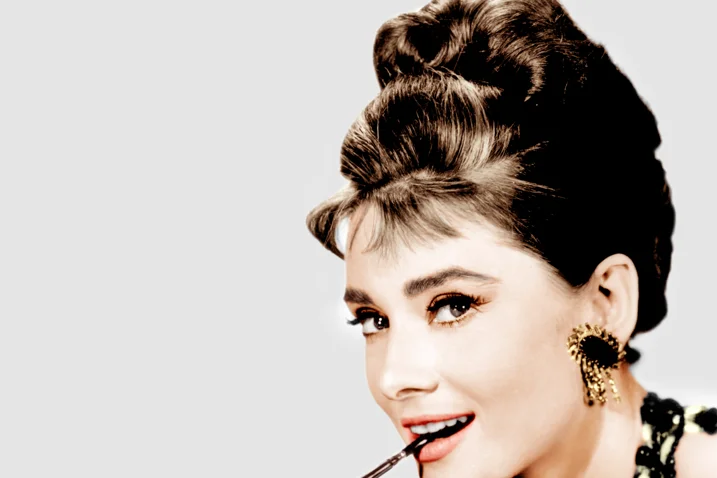
Audrey Hepburn’s fame in the ’60s was rooted in elegance and restraint. She offered an alternative to louder, flashier celebrity images. Films like Breakfast at Tiffany’s made her instantly recognizable. Her style influenced fashion around the world. Hepburn’s fame felt refined and aspirational. She represented grace under pressure.
Off screen, Hepburn maintained a sense of privacy that audiences respected. She avoided scandal and excess. That restraint became part of her appeal. Fame did not consume her identity. Instead, it complemented it. In the ’60s, she showed that quiet confidence could be just as powerful as spectacle.
9. Frank Sinatra
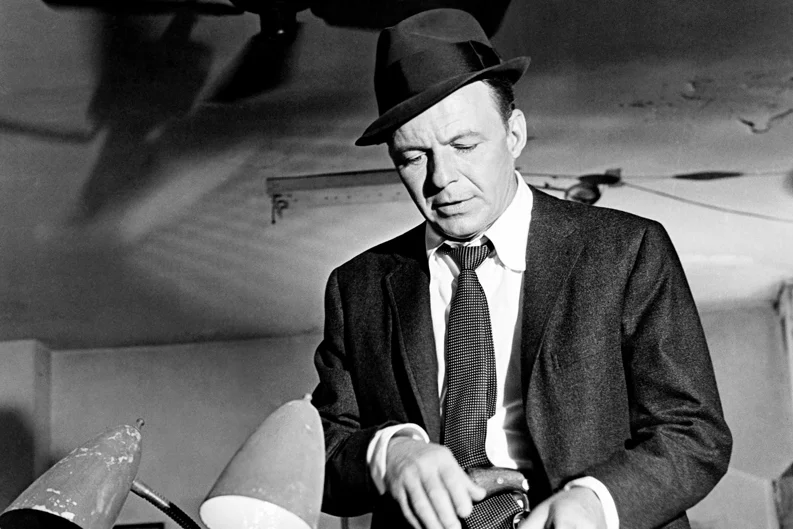
Frank Sinatra entered the ’60s as an established legend and left it even bigger. He reinvented himself for a new era with films and music that felt mature and commanding. Sinatra’s fame carried authority. He wasn’t chasing relevance, he was shaping it. His presence suggested control and confidence. Audiences saw him as untouchable.
Sinatra’s personal life added to his mystique. His friendships, feuds, and rumored influence were widely discussed. Fame followed him into politics, nightlife, and pop culture. He represented an older form of celebrity that adapted rather than faded. In the ’60s, Sinatra proved longevity could coexist with dominance.
10. Jane Birkin

Jane Birkin became famous in the late ’60s through a mix of music, film, and style. Her image felt spontaneous and modern. She didn’t look like traditional stars before her. Birkin’s fame was casual and unpolished. That informality resonated with younger audiences. She felt of the moment.
Her partnership with Serge Gainsbourg amplified her visibility. Together, they challenged social norms and expectations. Birkin’s fame became associated with artistic freedom. She didn’t chase perfection. Instead, she embraced individuality. That approach helped redefine what it meant to be famous at the end of the decade.
11. Clint Eastwood

Clint Eastwood’s rise in the ’60s came through television and film. Rawhide made him familiar, but spaghetti westerns made him iconic. His screen persona was stoic and controlled. He didn’t need many words to command attention. Fame followed his silhouette and stare. Audiences trusted his authority.
Eastwood’s image suggested self reliance and strength. He represented a shift toward grittier heroes. That shift reflected broader cultural changes. Fame became less polished and more confrontational. Eastwood embodied that transition. By the end of the ’60s, he was redefining leading man expectations.
12. Sophia Loren
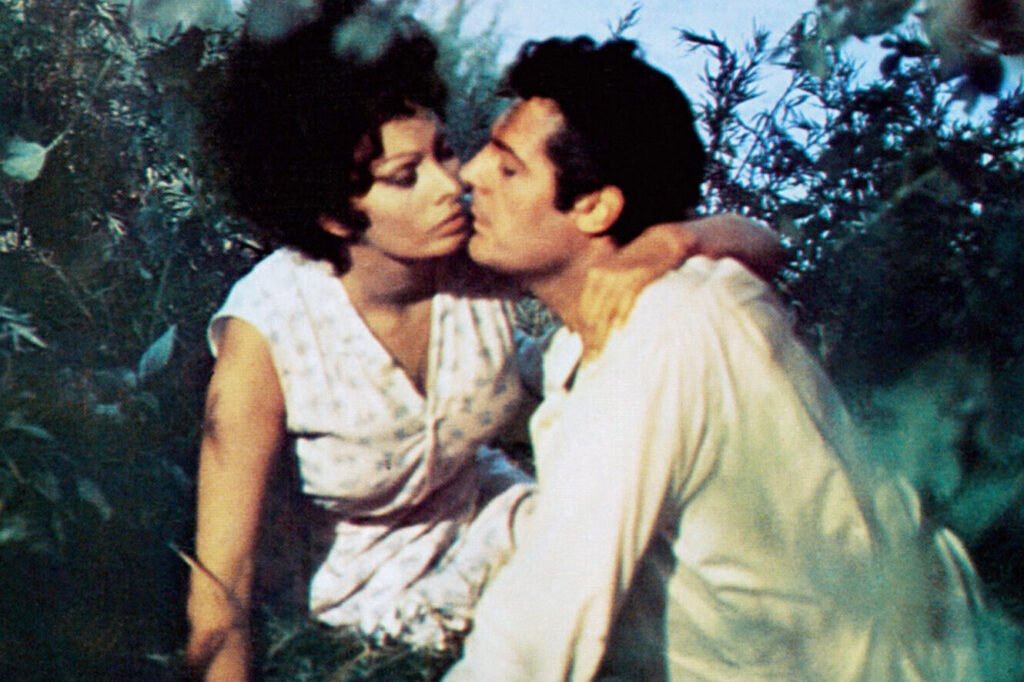
Sophia Loren brought European glamour into mainstream fame. In the ’60s, she was recognized worldwide for her beauty and talent. Loren balanced sensuality with emotional depth. Her roles showcased strength rather than fragility. Audiences respected her as much as they admired her. Fame followed naturally.
Loren’s public image was grounded and confident. She didn’t play coy with the media. That authenticity resonated internationally. She showed that fame didn’t require mystery alone. It could also come from openness. Loren helped broaden the definition of global stardom.
13. Mick Jagger
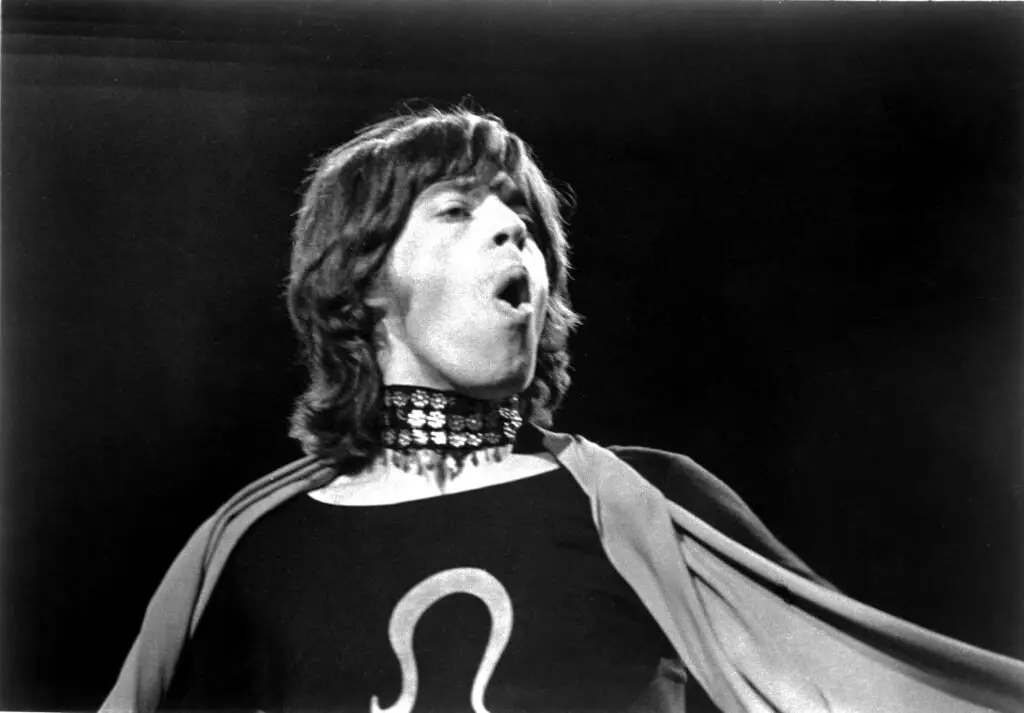
Mick Jagger transformed fame through performance and personality. As the frontman of The Rolling Stones, he challenged norms of behavior and appearance. His movements, voice, and confidence demanded attention. Fame became provocative rather than polite. Jagger thrived on controversy. Audiences couldn’t ignore him.
By the late ’60s, Jagger represented a new kind of celebrity. He blurred lines between music, fashion, and rebellion. His fame felt dangerous and exciting. That edge defined the era. Jagger showed that stardom could unsettle as much as entertain.