
1. Paul Newman
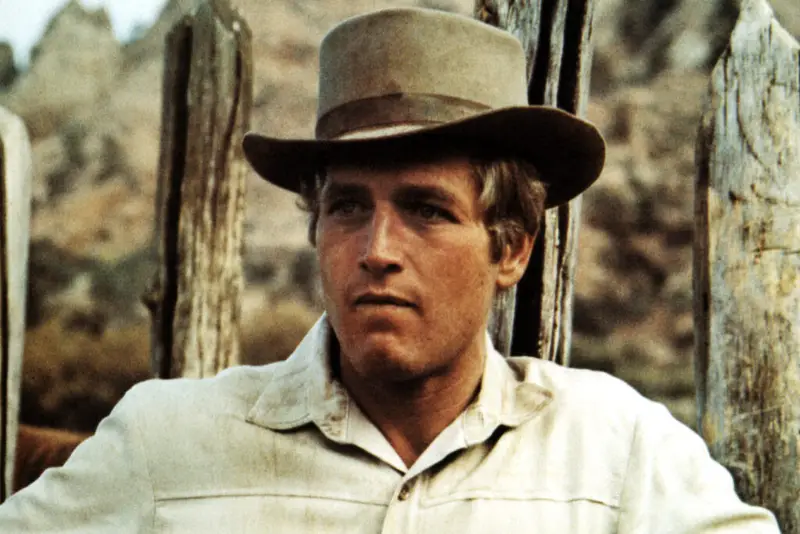
In the ’60s, Paul Newman represented a very specific kind of fame that felt both glamorous and grounded. He was undeniably handsome, but what really pulled people in was the sense that he did not take his own image too seriously. Films like Cool Hand Luke and Butch Cassidy and the Sundance Kid made him a box office force, yet he still came across as approachable. Moviegoers felt like they knew him, even when they really did not. His fame was tied to charisma, not constant self-promotion. You could be wildly famous then without explaining yourself in interviews every week.
At the same time, Newman carried himself like someone who might rather be anywhere else. That quiet confidence only deepened his appeal. He was famous without feeling flashy, which made audiences trust him more. People admired him for his talent, but also for his restraint. In a decade full of bold personalities, his calm presence stood out. That balance defined what celebrity could look like in the ’60s.
2. Elizabeth Taylor
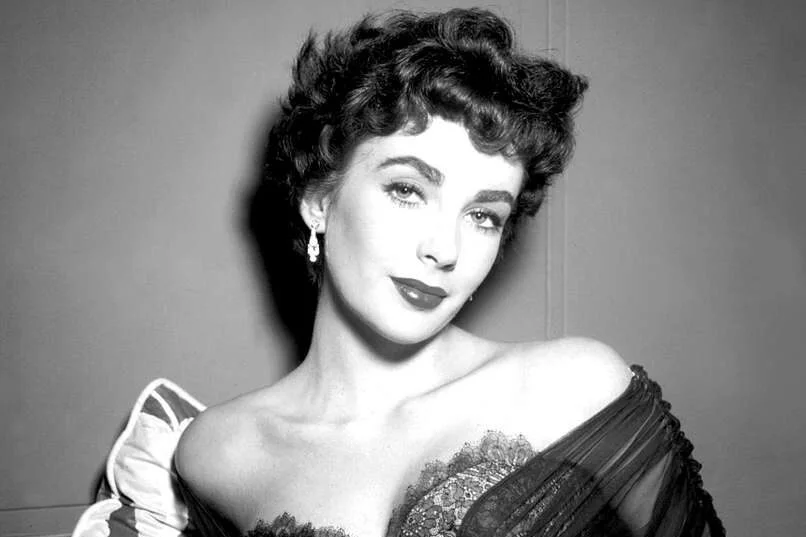
Elizabeth Taylor’s fame in the ’60s was impossible to ignore and impossible to separate from her personal life. She was already a major star, but the decade turned her into a cultural obsession. Her marriages, her illnesses, and her friendships were treated like national events. At the same time, she continued delivering major performances that reminded people she was more than gossip. Fame for Taylor meant being watched constantly, whether she was on screen or not.
What made her so compelling was how openly she lived under that spotlight. She did not retreat from public attention, even when it was unkind. Instead, she seemed to meet it head-on, daring people to keep looking. That level of visibility was new and overwhelming for its time. She became a symbol of excess, beauty, and vulnerability all at once. Her version of fame felt dramatic, intimate, and inescapable.
3. Sidney Poitier
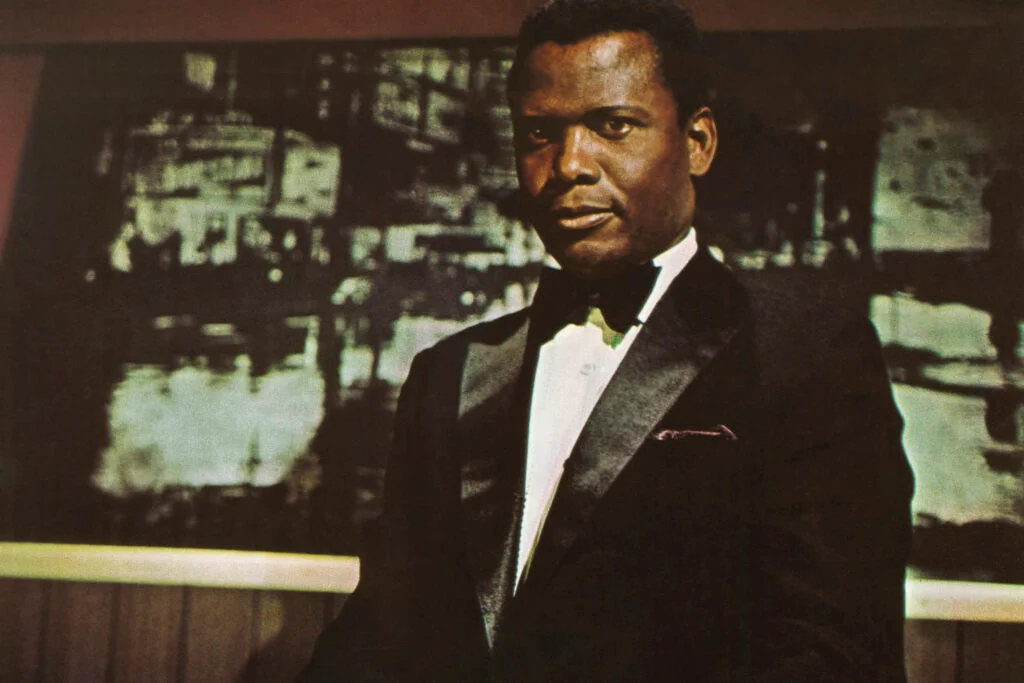
Sidney Poitier’s fame in the ’60s carried enormous cultural weight. He was not just a popular actor, he was a figure of progress during a period of profound social change. His performances were discussed far beyond movie reviews, often in terms of what they meant for the country. Fame, in his case, came with expectation and responsibility. Audiences looked to him as a representative as much as a performer.
Despite that pressure, Poitier maintained a quiet dignity that defined his public image. He rarely courted controversy, even when the roles themselves sparked conversation. That restraint helped solidify his standing with a wide range of viewers. He showed that fame could be earned through consistency and principle. In the ’60s, that kind of respect carried enormous power. His presence redefined what stardom could signify.
4. Marilyn Monroe
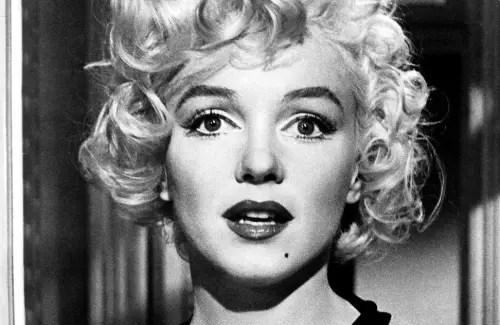
Even after her death, Marilyn Monroe’s fame defined the early ’60s. She was no longer just a movie star, she had become an idea people could not let go of. Her image appeared everywhere, from magazines to advertisements, long after she was gone. Fame turned her into a symbol of beauty, vulnerability, and loss. People felt a personal connection to her, even if they had never seen all her films.
What made her legacy so enduring was how much mystery remained. The public felt they knew her, yet sensed there was more beneath the surface. That tension kept her in constant conversation. Monroe’s fame did not fade with time, it intensified. In the ’60s, being famous meant being remembered this deeply. Few figures embodied that more completely.
5. John Wayne
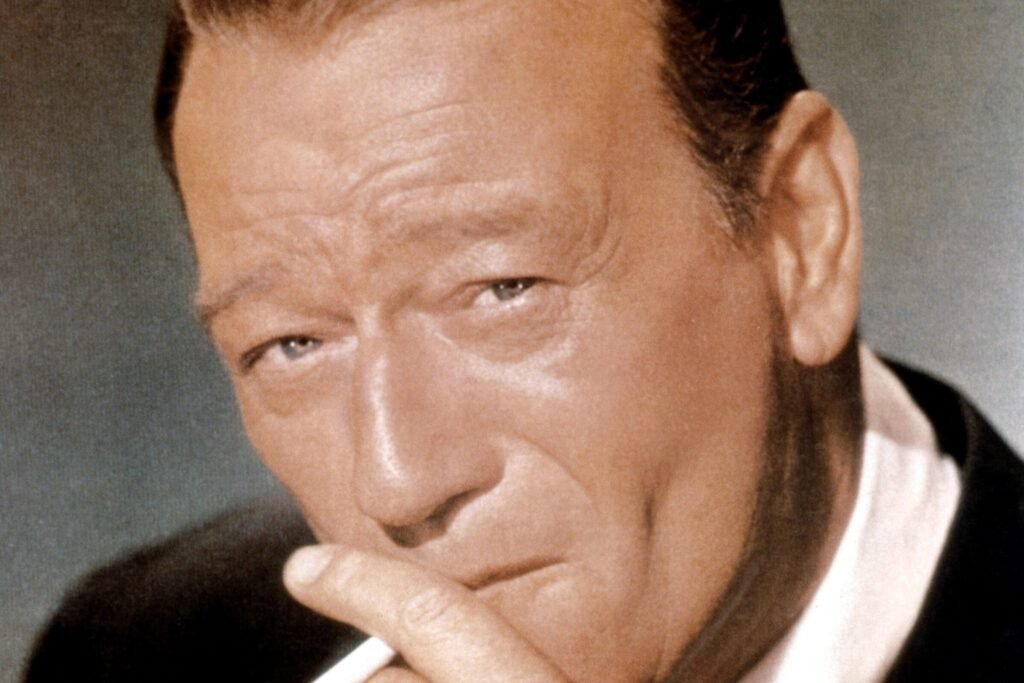
By the ’60s, John Wayne had become less of a man and more of a symbol. His fame was rooted in repetition, decades of familiar roles that reinforced a specific American image. Audiences knew what to expect when he appeared on screen, and that predictability was part of the appeal. Fame for Wayne meant representing stability in a changing world. He stood for values people felt were slipping away.
At the same time, his public persona extended far beyond movies. His opinions and beliefs were widely known and openly debated. That visibility made him both admired and criticized, often in equal measure. Still, his name alone carried weight. Being famous in his era meant being instantly recognizable and deeply associated with an idea. Wayne fit that definition completely.
6. Audrey Hepburn
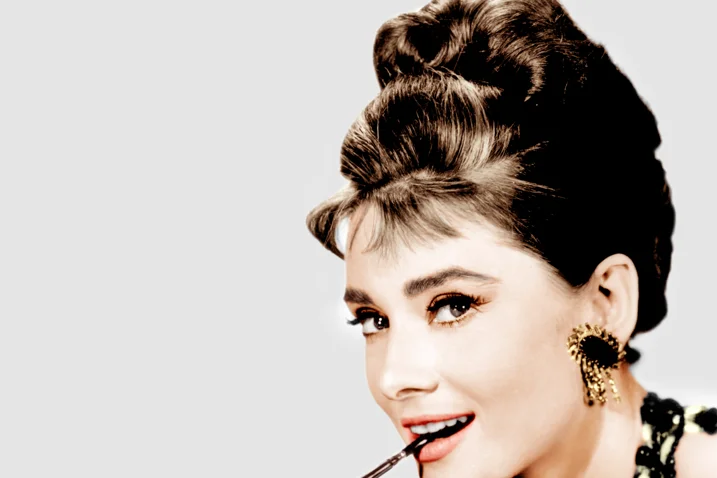
Audrey Hepburn’s fame in the ’60s felt refined and effortless. She represented a quieter kind of celebrity, built on elegance rather than excess. Her style influenced fashion, but her personality shaped how people talked about grace. Fame did not overwhelm her image, it softened it. She seemed untouched by the chaos often associated with stardom.
What made Hepburn so admired was her sense of restraint. She did not flood the public with appearances or headlines. Instead, each role felt intentional and carefully chosen. That scarcity made her presence feel special. People paid attention because she never demanded it. In the ’60s, that approach felt refreshing and rare.
7. Steve McQueen
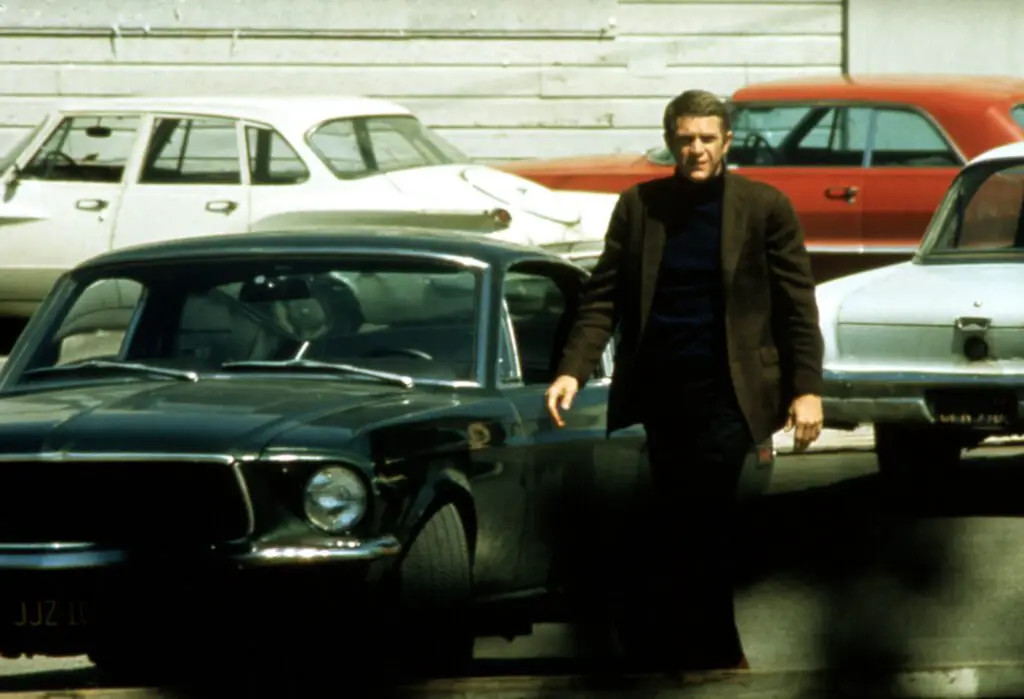
Steve McQueen’s fame in the ’60s was built on attitude as much as talent. He projected independence in a way that resonated with audiences who were growing tired of polished stars. His characters felt restless, controlled, and cool without trying. Fame followed him because he seemed uninterested in chasing it. That resistance only made people more intrigued.
Off-screen, McQueen cultivated an image that blurred reality and performance. He was known for his love of speed, motorcycles, and risk. Those details became part of his legend. Fame for him meant being talked about even when he was not promoting anything. He embodied a new, more rebellious version of celebrity. The ’60s made room for that kind of star.
8. Barbra Streisand
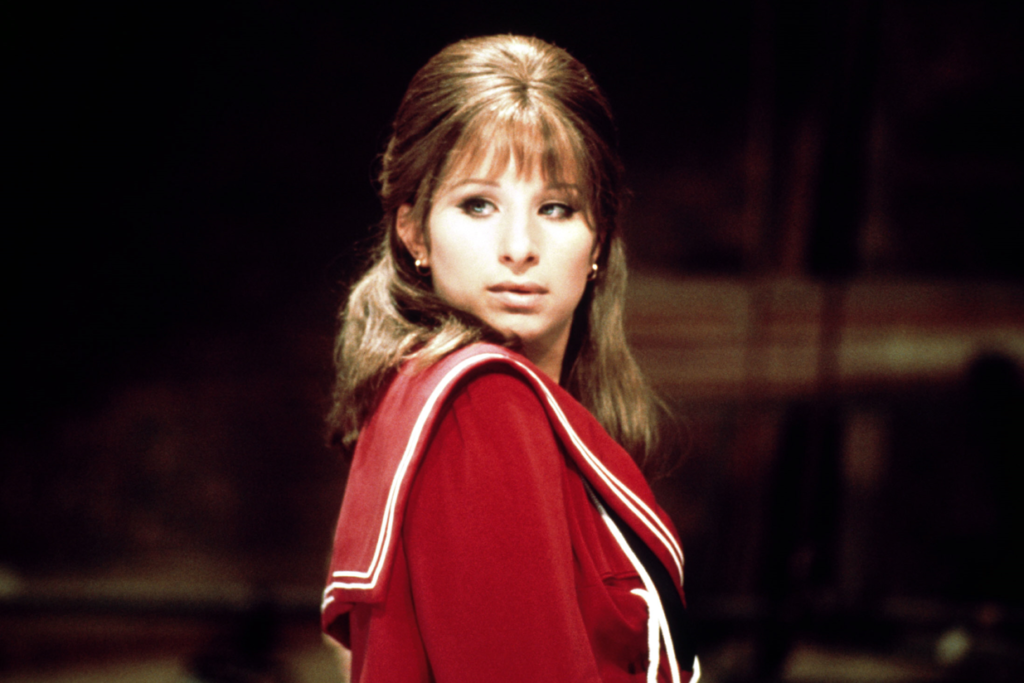
Barbra Streisand’s rise in the ’60s redefined what fame could look like. She did not fit traditional standards of beauty, and she never tried to. Her talent was so undeniable that it forced audiences to adjust their expectations. Fame came to her because of her voice and presence, not because she blended in. That distinction mattered.
As her popularity grew, so did her control over her image. She was outspoken about her work and unafraid to challenge industry norms. That confidence made her stand out in a crowded field. People recognized her instantly, even without seeing her face. In the ’60s, that level of individuality was powerful. Streisand showed that fame could be shaped, not just inherited.
9. Elvis Presley
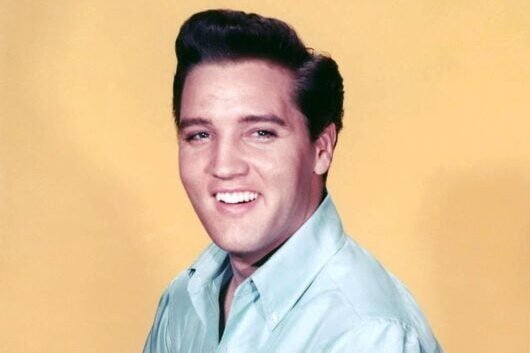
Elvis Presley entered the ’60s already famous, but the decade tested what that fame meant. His image shifted from rebellious rock figure to polished movie star almost overnight. Fans followed every change, even when they were unsure how to feel about it. Fame for Elvis meant constant reinvention under intense scrutiny. The public never stopped watching.
Despite criticism, his popularity never truly disappeared. His films and music kept him visible, even when trends moved on. People still argued about him, which kept him relevant. That persistence defined his celebrity. In the ’60s, being famous meant staying in the conversation. Elvis never left it.
10. Jane Fonda
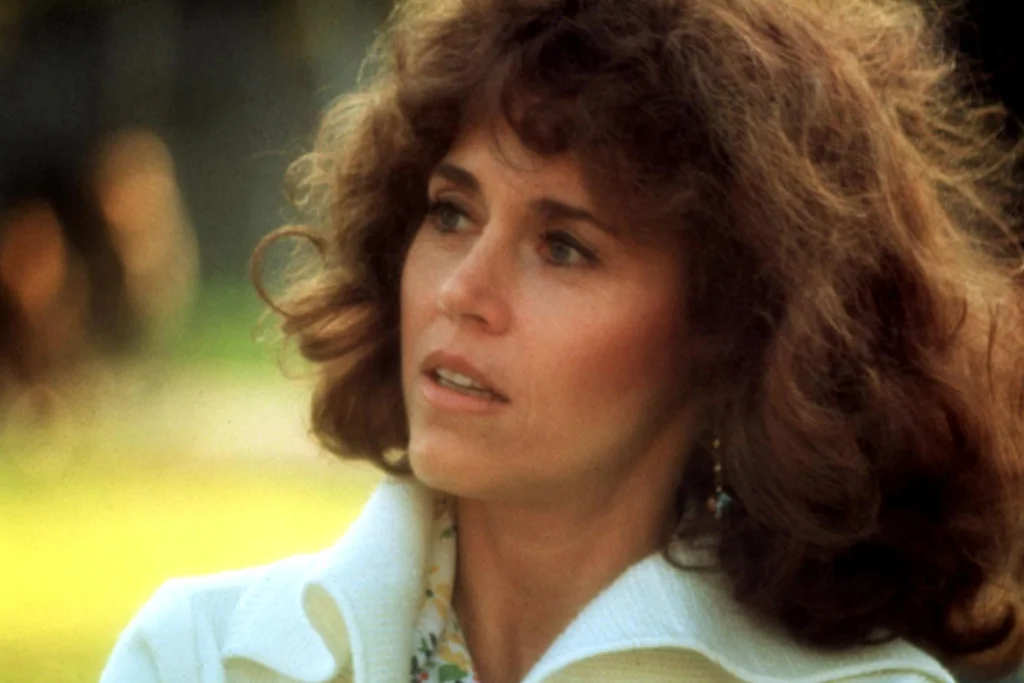
Jane Fonda’s fame in the ’60s evolved rapidly and publicly. She began the decade known largely for her looks and family name. By the end of it, she had become a figure associated with politics and protest. Fame expanded beyond entertainment into ideology. People paid attention because she was impossible to categorize.
That transformation unsettled audiences, which only heightened her visibility. She refused to remain neutral or silent. Fame for Fonda meant being willing to alienate as well as attract. Her choices sparked debate, not just admiration. In the ’60s, that kind of engagement was new for a movie star. She helped redefine how public figures could use their platform.
11. Sean Connery
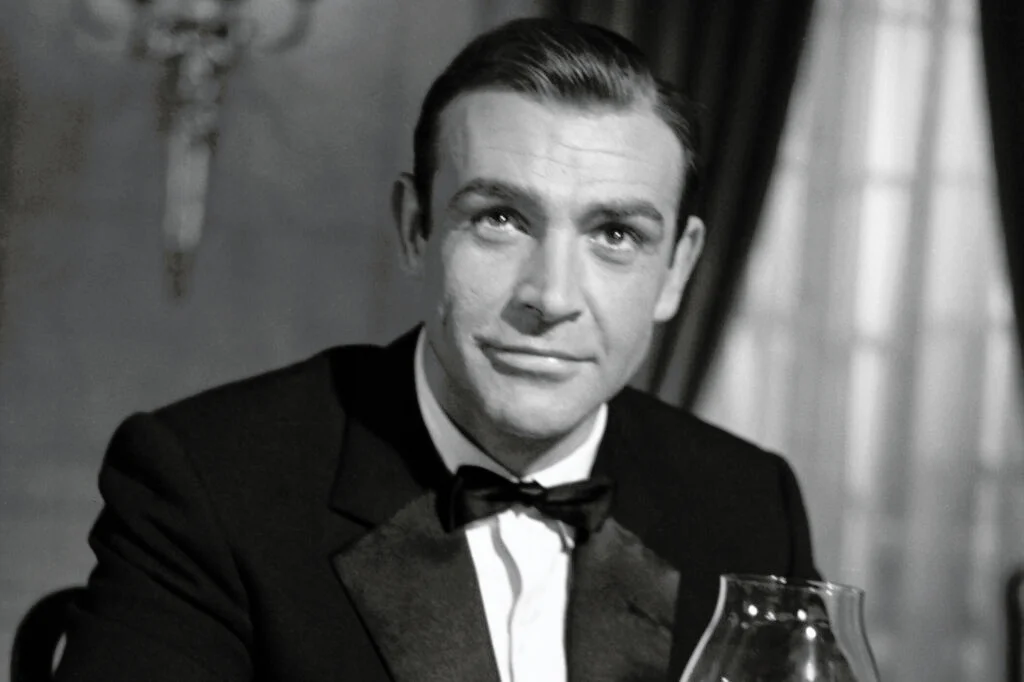
Sean Connery’s fame in the ’60s was inseparable from one role. As James Bond, he became an international symbol almost overnight. The character’s success made Connery instantly recognizable across borders. Fame expanded far beyond Hollywood. He was known even by people who rarely went to the movies.
What made this level of fame unique was how quickly it arrived. One role reshaped his entire career and public identity. Audiences expected a certain image whenever his name appeared. That pressure followed him throughout the decade. Being famous meant being forever linked to a character. Connery lived with that reality in real time.
12. Doris Day
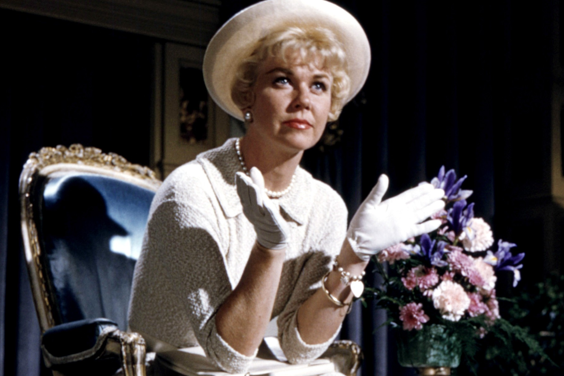
Doris Day’s fame in the ’60s was built on trust. Audiences believed in her persona and returned to it again and again. She represented wholesomeness at a time when culture was shifting rapidly. Fame for Day meant consistency rather than surprise. People knew what she stood for.
That reliability made her enormously successful. Even as tastes changed, her popularity held steady. She did not chase trends or controversy. Instead, she became a reassuring presence. In the ’60s, that kind of fame felt comforting. Day embodied stability in an era of transformation.
13. Mick Jagger
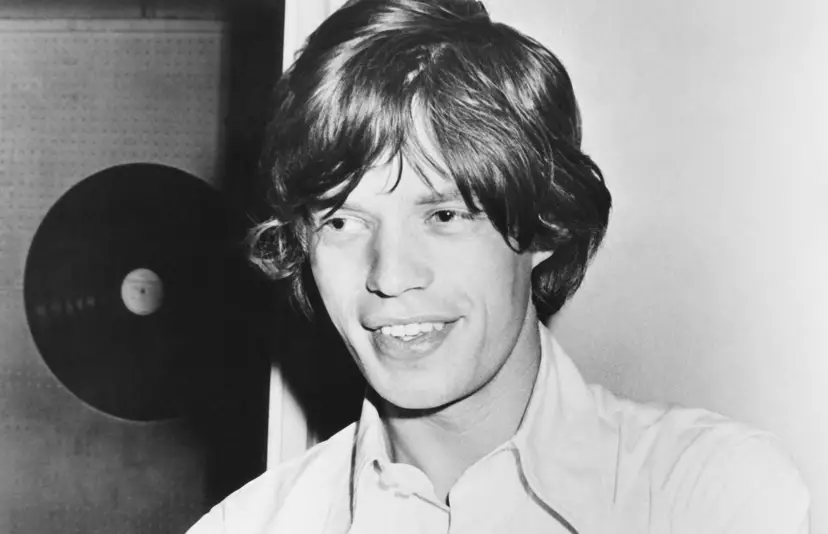
Mick Jagger’s fame in the ’60s felt disruptive and electric. He did not simply perform music, he challenged expectations about behavior and style. His stage presence sparked strong reactions, both admiration and outrage. Fame followed him because he refused to play it safe. The attention felt inevitable.
What made Jagger stand out was how openly he embraced controversy. He seemed to understand that visibility itself was power. Fame became something he actively shaped rather than endured. People talked about him constantly, whether they liked him or not. In the ’60s, that level of cultural impact defined true stardom. Jagger understood the moment and leaned into it fully.