1. Bobby Sherman
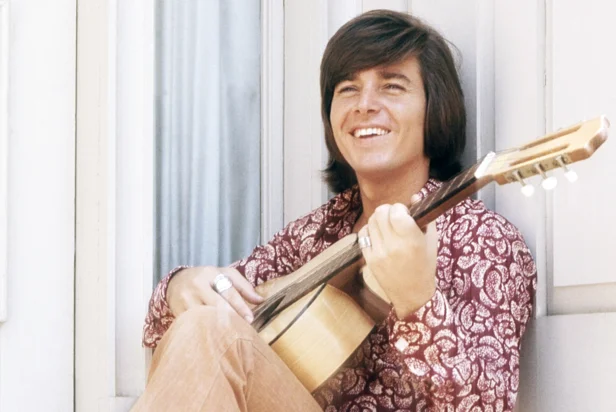
At the height of the late ’60s teen idol era, Bobby Sherman was everywhere, from hit singles to magazine covers to television appearances. He had the kind of fame that seemed designed to last forever. But as the spotlight began to cool, Sherman did not fight to stay in it. Instead, he quietly shifted his priorities and stepped away from show business without fanfare.
What many fans later learned is that Sherman retrained as an emergency medical technician and served as a police technical reserve officer. He often spoke about how meaningful that work felt compared to the pressures of fame. Music never completely disappeared from his life, but it stopped defining it. His exit was calm, intentional, and rooted in a desire to help others.
2. Mary Badham
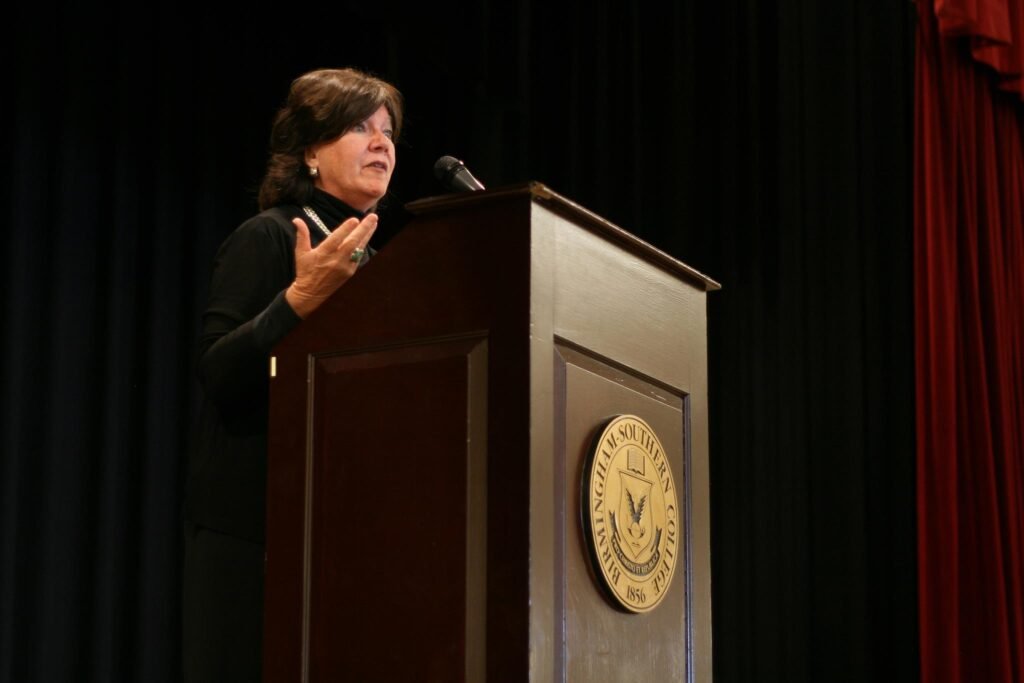
Mary Badham became a household name after her unforgettable childhood role in To Kill a Mockingbird. As one of the most recognizable child actors of the early ’60s, she appeared poised for a long Hollywood career. Instead, she gradually stepped away as she grew older. There was no dramatic break, just a natural retreat from acting.
Badham chose a creative life far removed from celebrity, working as an art conservator and preservation specialist. She focused on restoring paintings and historic works, finding fulfillment outside the public eye. Acting became something she revisited occasionally rather than pursued full time. Her departure from fame felt thoughtful rather than reactive.
3. Dean Stockwell
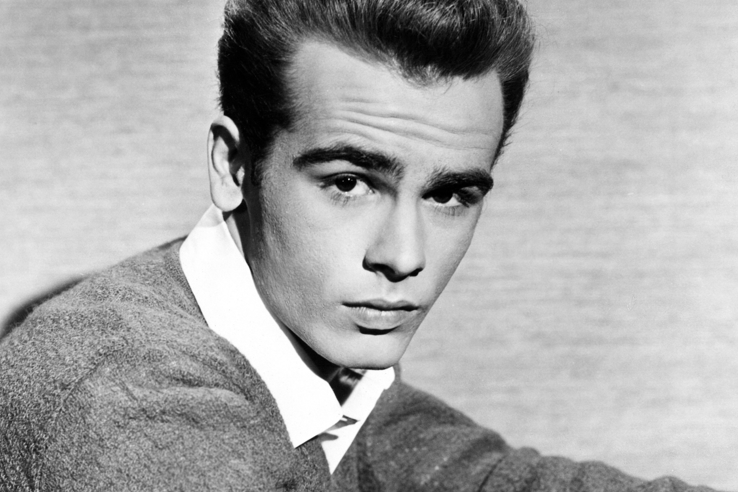
By the time the ’60s arrived, Dean Stockwell was already a seasoned actor with decades of experience. He continued working through the decade but became increasingly selective. As the years went on, he stepped back from nonstop acting without making any announcements. His absence was quiet enough that many simply stopped noticing.
Stockwell turned his attention to art, personal interests, and introspection. When he later returned to acting, it was because he wanted to, not because he needed to. Fame became something he engaged with only on his own terms. His career showed that stepping away does not always mean leaving for good.
4. Tina Cole
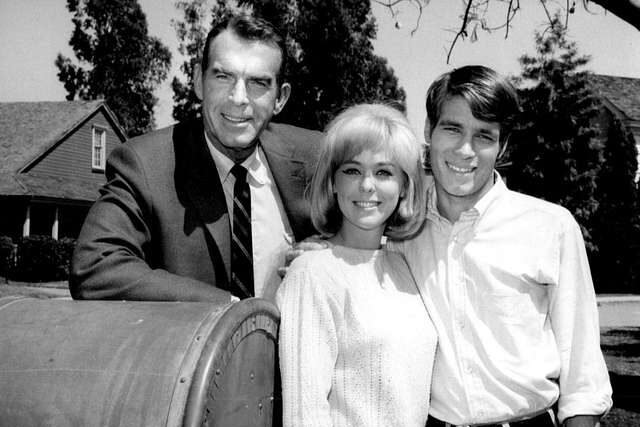
Tina Cole enjoyed steady television success in the late ’60s, particularly on family friendly sitcoms. She had a recognizable face and a dependable career path. But as the television landscape shifted, Cole chose not to aggressively chase new roles. Instead, she slowly stepped out of the spotlight.
She focused more on family life and personal fulfillment than on maintaining visibility. Cole never framed her decision as walking away from acting, but her choices made it clear where her priorities lay. Fame became secondary rather than essential. Her exit felt organic and unforced.
5. Peter Duel
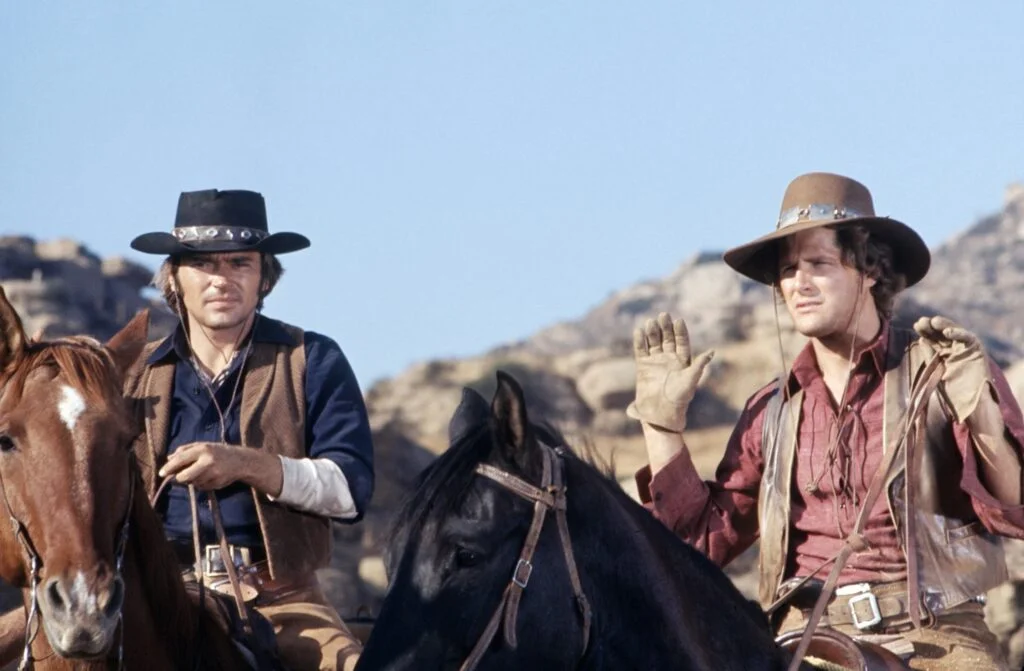
Peter Duel gained attention in the late ’60s as television westerns remained popular. His career appeared to be on an upward trajectory, with fans expecting bigger roles ahead. Behind the scenes, however, Duel struggled with the pressures of fame. He withdrew more and more from the industry.
Rather than publicly addressing his struggles, Duel retreated quietly from the spotlight. His story remains one of talent complicated by personal challenges. The way he faded from public view was subtle and deeply private. It was not a planned farewell, but it was a withdrawal nonetheless.
6. Tuesday Weld
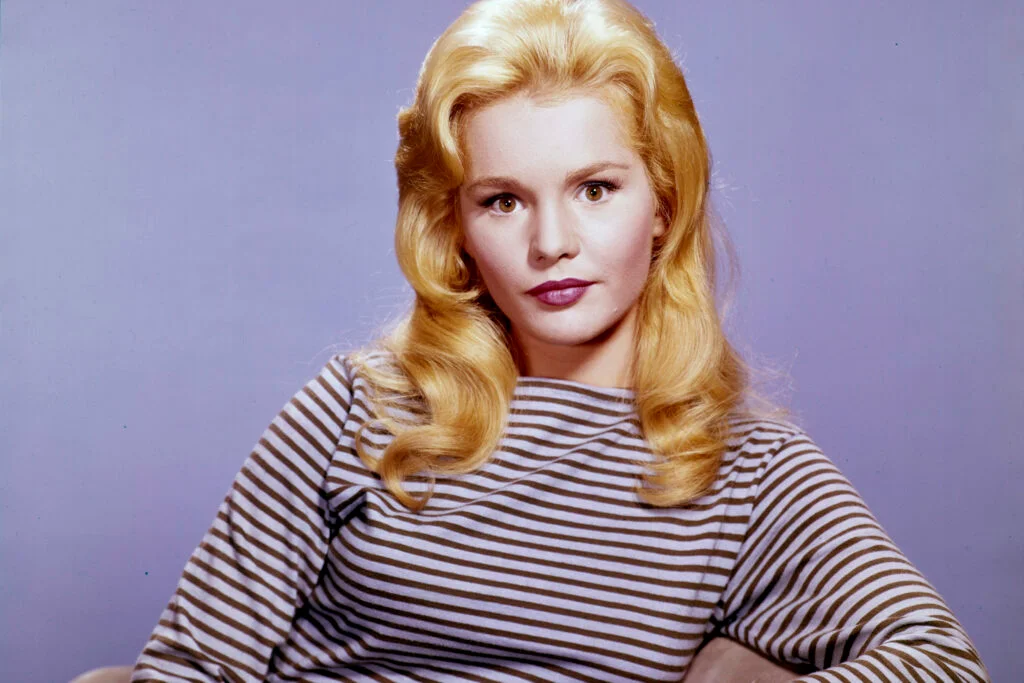
Tuesday Weld was one of the most striking young stars of the ’60s, known for her beauty and emotional performances. Despite her success, she never seemed fully comfortable with Hollywood expectations. Over time, she began turning down roles and appearing less frequently. Her retreat was gradual rather than abrupt.
Weld chose a quieter life, valuing privacy and personal peace over constant visibility. She still worked occasionally, but fame no longer defined her identity. Her step back felt like an act of self preservation. It was a reminder that success does not always equal satisfaction.
7. Brandon deWilde
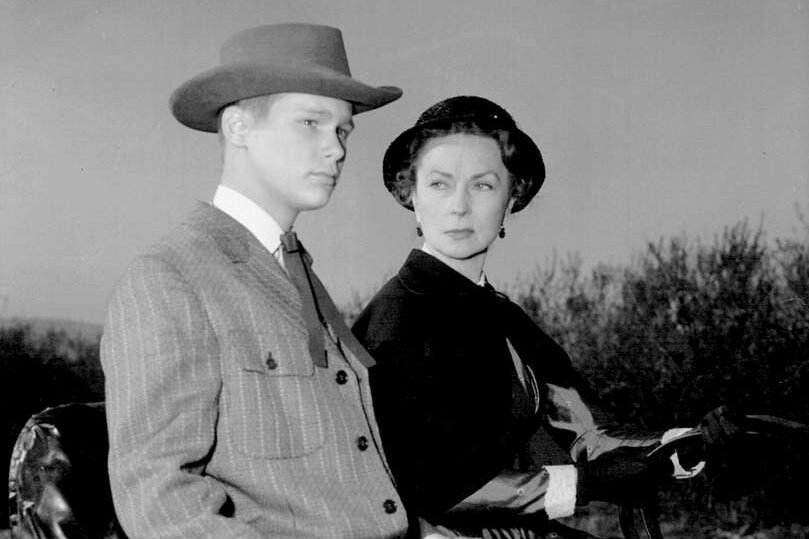
Brandon deWilde transitioned from child actor to young adult roles during the early ’60s. He was well regarded and respected within the industry. Yet as he matured, his appearances became less frequent. He did not chase stardom with the urgency others did.
DeWilde seemed more interested in living than performing, stepping back without explanation. His exit lacked headlines or controversy. It was simply a quiet disappearance from Hollywood life. His career stands as an example of stepping away before fame could harden into obligation.
8. Paula Prentiss

Paula Prentiss was a distinctive presence in ’60s films, known for her height, voice, and offbeat charm. She enjoyed real success during the decade, appearing in popular comedies and dramas. But as the years went on, she slowed her pace significantly. Her withdrawal was subtle and deliberate.
Prentiss prioritized her family and personal life, choosing stability over constant roles. She never fully disappeared, but she no longer pursued fame aggressively. Acting became something she did occasionally rather than continually. Her quiet shift reflected a desire for balance.
9. Angela Cartwright
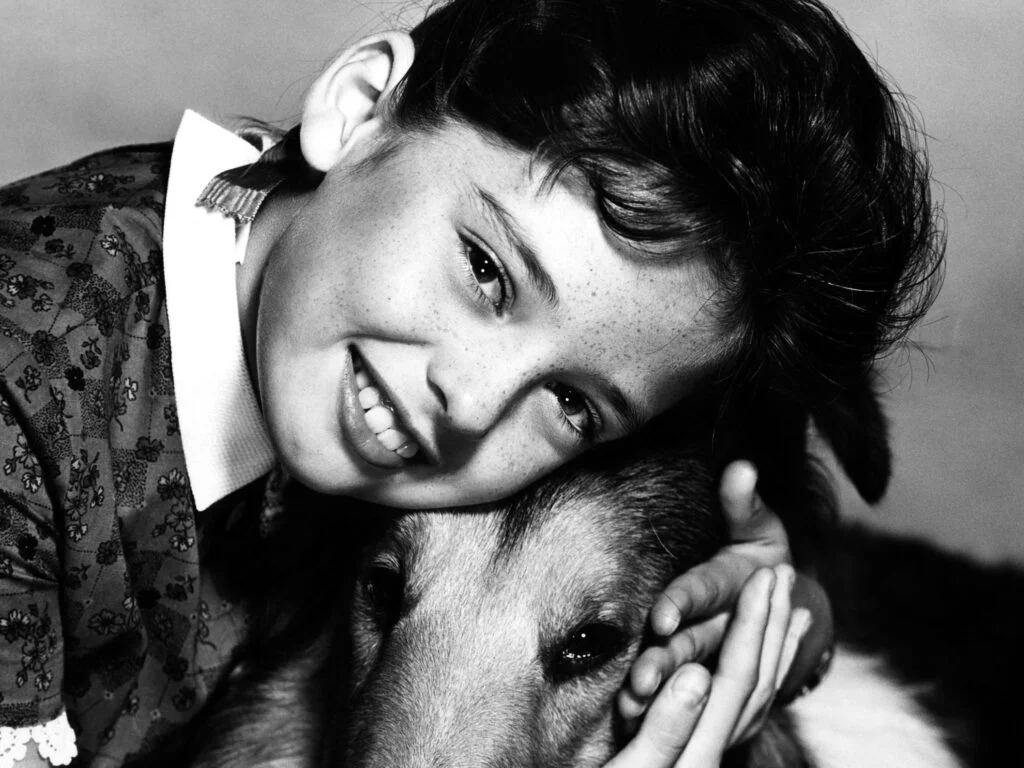
Angela Cartwright was a familiar face to television audiences throughout the ’60s. After years of steady work, she made a conscious choice not to chase adulthood stardom. Instead of pushing for leading roles, she explored other creative interests. Her transition happened without public announcements.
Cartwright became a photographer and artist, finding fulfillment outside acting. She embraced a creative life that did not revolve around fame. Her step back felt peaceful and intentional. It was a natural evolution rather than a rejection of her past.
10. Barry Livingston
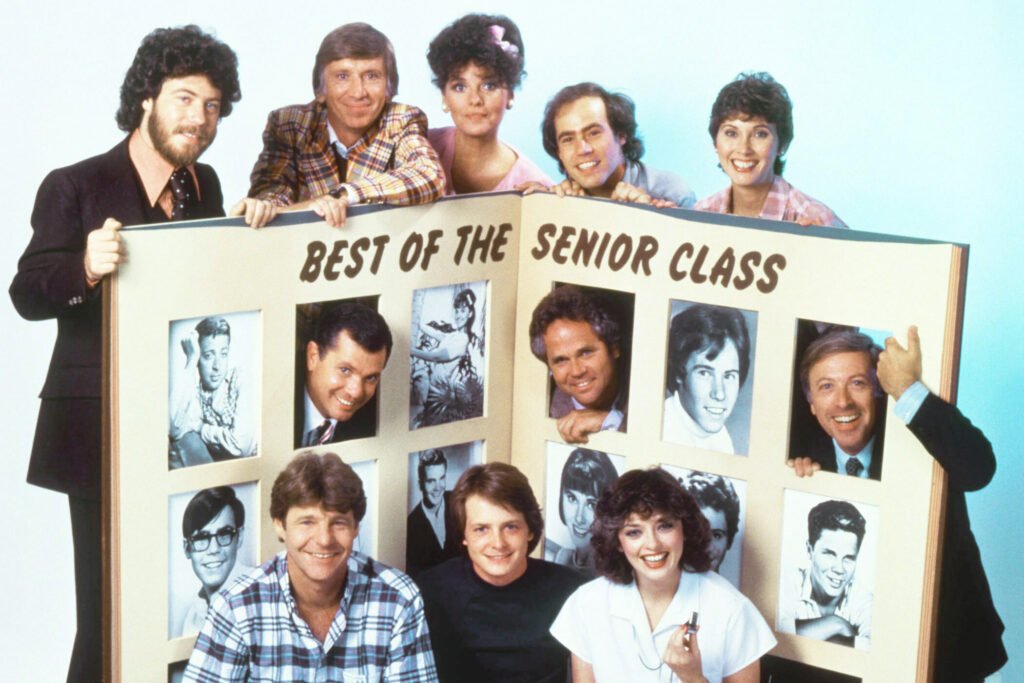
Barry Livingston grew up on television during the ’60s, becoming part of a beloved family sitcom. As he aged out of child roles, he chose not to pursue leading adult stardom. His appearances became sporadic rather than constant. He quietly blended into a more normal life.
Livingston continued working behind the scenes and took on occasional roles. Fame no longer drove his decisions. He seemed content letting his early work speak for itself. His departure was understated and steady.
11. Susan Strasberg
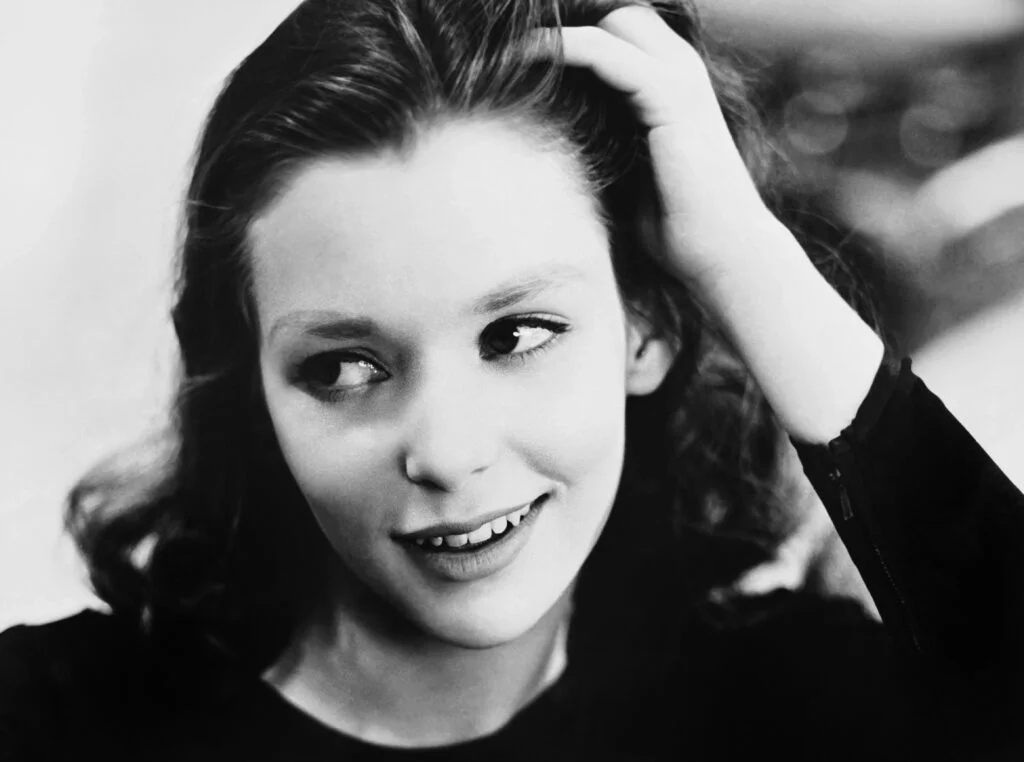
Susan Strasberg came from acting royalty and found success in film and television during the early ’60s. Expectations around her career were high, perhaps even overwhelming. Over time, she appeared less frequently on screen. Her withdrawal was gradual and understated.
Strasberg focused more on personal pursuits and teaching rather than maintaining visibility. Fame became something she experienced early and then stepped away from. Her story reflects how expectations can shape, and sometimes limit, a career. She chose a quieter path forward.
12. Patty Duke
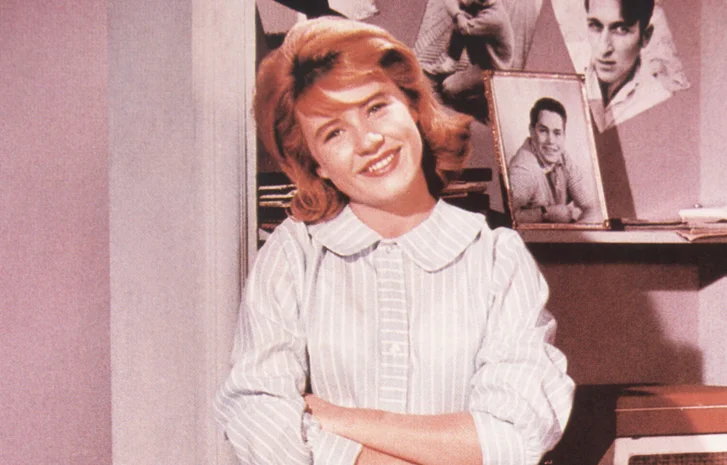
Patty Duke was one of the most prominent young stars of the early ’60s. Her fame came quickly and intensely, often at great personal cost. As she grew older, she stepped back from constant visibility. Her absence felt intentional rather than accidental.
Duke focused on health, advocacy, and selective work rather than nonstop fame. She spoke openly later about the toll early stardom took on her. Walking away allowed her to rebuild on her own terms. Her retreat was an act of self care.
13. Connie Stevens
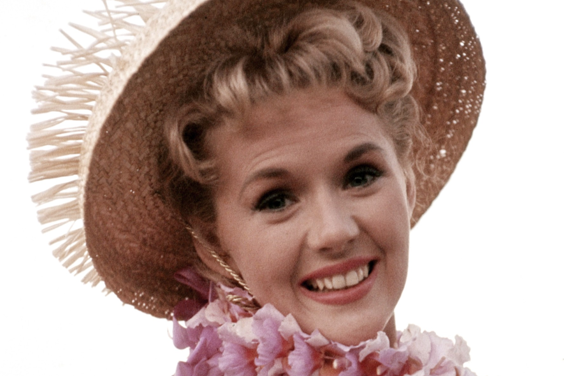
Connie Stevens enjoyed enormous popularity in the ’60s, balancing music, film, and television. She had the kind of multifaceted career that many stars chase. Yet as the decade ended, she slowly reduced her public presence. Her choices suggested a desire for control rather than decline.
Stevens shifted her focus to business ventures, family, and philanthropy. Fame became something she managed rather than pursued. She remained admired without remaining omnipresent. Her quiet exit showed that stepping back can be just as powerful as rising up.