1. Don Knotts
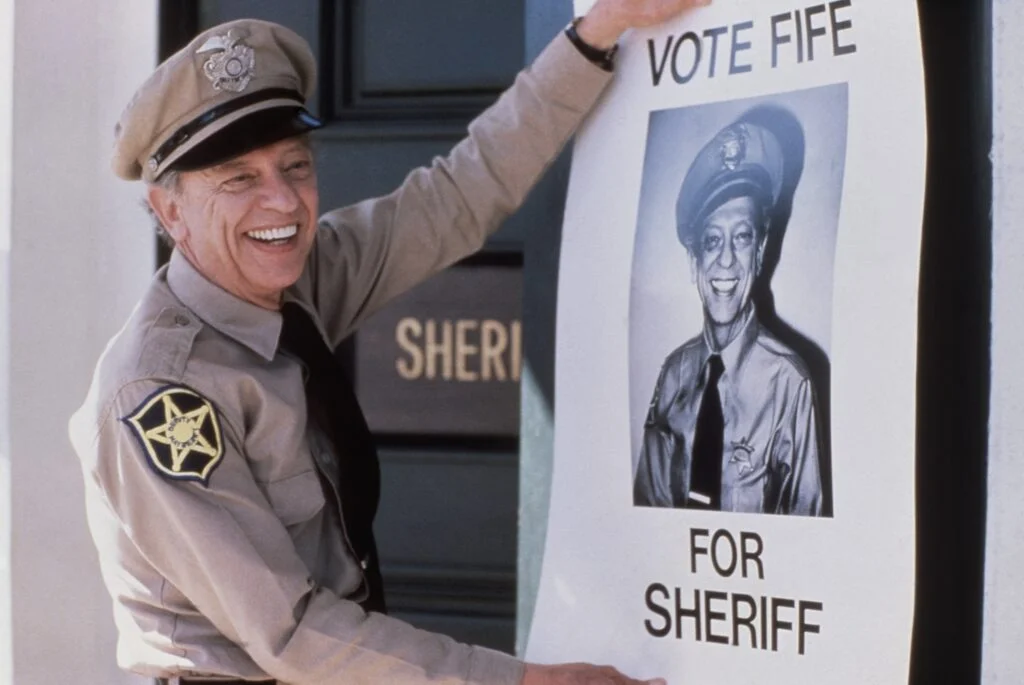
Even if the name doesn’t immediately click, that wide-eyed, trembling stare is impossible to forget. He was the high-strung, nervous energy behind Barney Fife on The Andy Griffith Show, a role that defined the “bumbling deputy” trope forever. With his thin frame and voice that frequently cracked under pressure, he looked like a man who was perpetually one loud noise away from a heart attack. He managed to win five Emmys for that role, proving that being “shaky” was a serious craft.
Beyond Mayberry, he was a staple of the 1960s big screen and guest spots, often playing the same “meek man in over his head” character. You might recognize him as the man who could make even a simple conversation feel like a high-stakes interrogation. His facial expressions were practically made of rubber, shifting from false bravado to sheer terror in a split second. He was the king of the “slow burn” and the “double take.” While his name is legendary to some, to others, he’s simply that twitchy guy with the single bullet in his pocket.
2. Elizabeth Montgomery
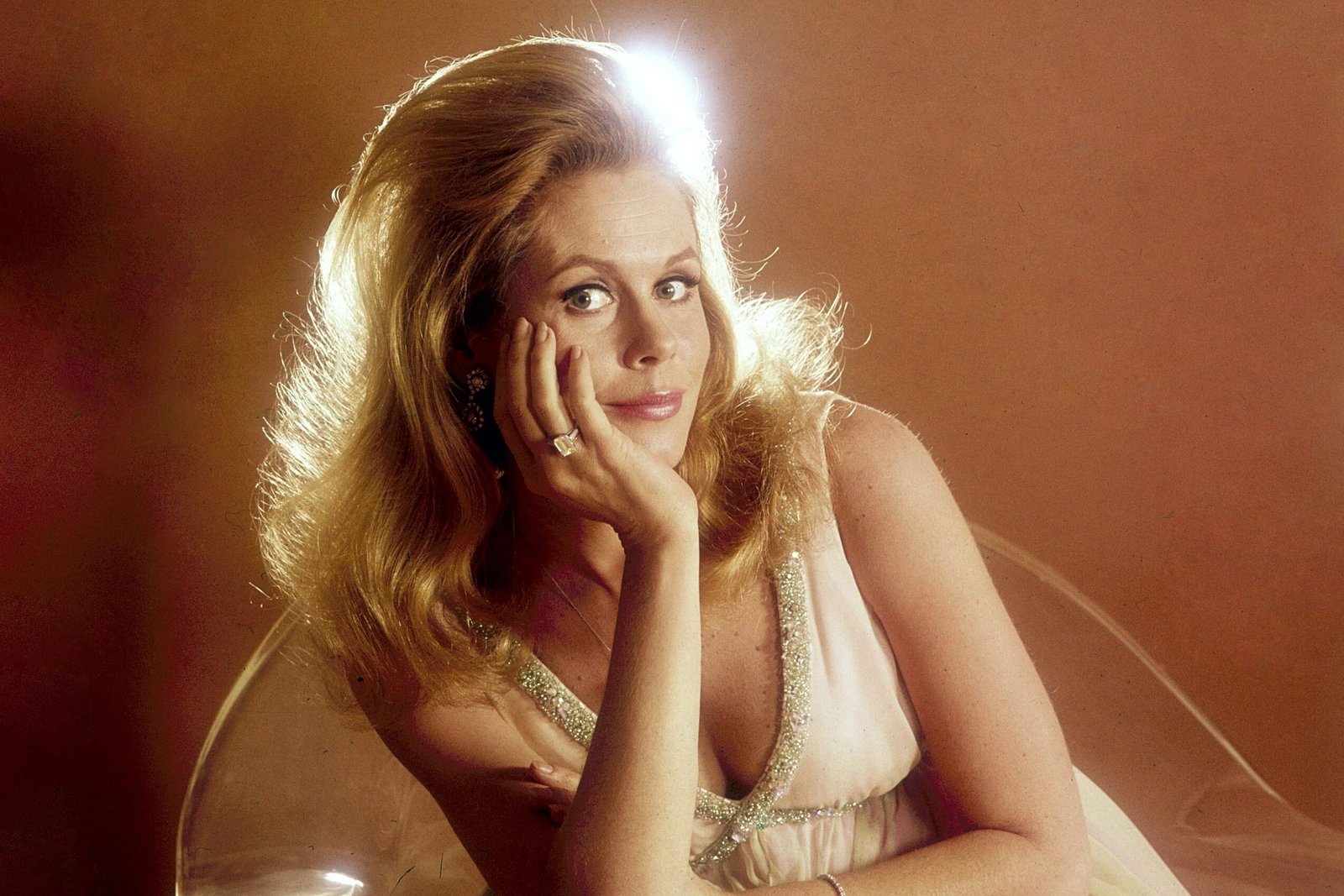
You know the nose twitch, the elegant blonde flip, and the mischievous sparkle in her eyes. Elizabeth Montgomery was the face of the 1960s suburban fantasy as Samantha Stephens on Bewitched. She had a way of looking perfectly poised in a shirtwaist dress while secretly using magic to fix her husband’s mistakes. Her charm was so effortless that she made the impossible seem like a charming household chore. She wasn’t just a sitcom lead; she was the era’s ultimate “cool girl.”
While Samantha was her most iconic role, Montgomery was a versatile dramatic actress who appeared in numerous anthology series like The Twilight Zone. She had a sophisticated, classic Hollywood beauty that allowed her to play both a literal goddess and a relatable housewife. Even if you can’t recall her name during a trivia night, you can certainly mimic the sound effect of her casting a spell. She represented a shift in TV toward independent, powerful female leads. Her face remains a symbol of 1960s magic and domestic style.
3. Bob Denver
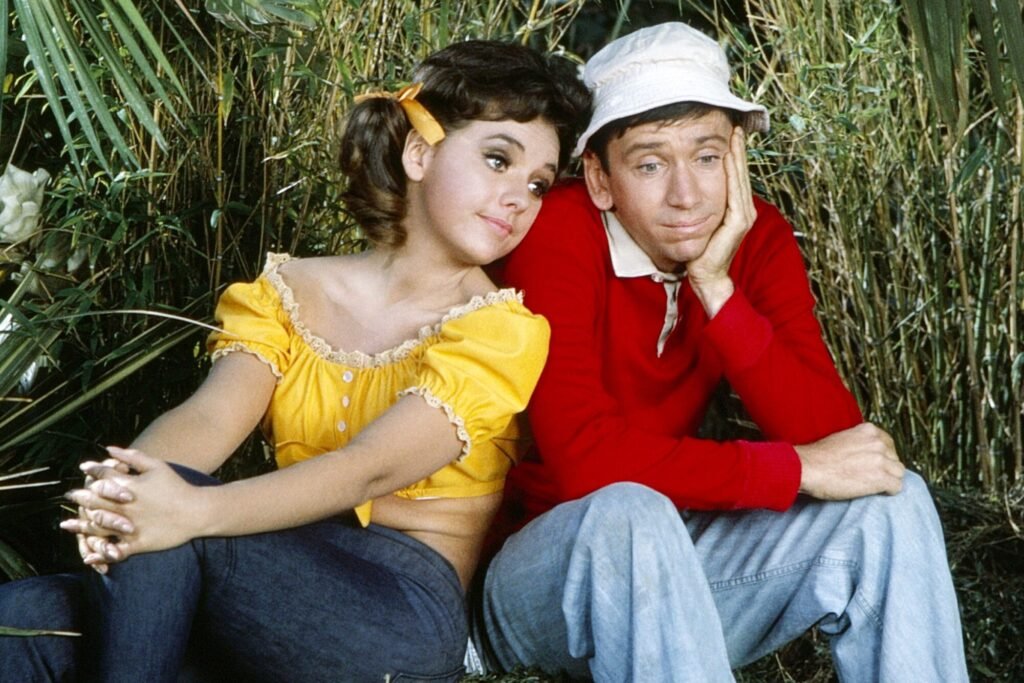
If you see a floppy bucket hat and a striped long-sleeve shirt, you are looking at the face of 1960s slapstick. Bob Denver became an icon of the decade as the title character on Gilligan’s Island, the well-meaning but disaster-prone first mate. He had a youthful, innocent quality and a lanky physicality that made his constant pratfalls look easy. He was the man who single-handedly kept seven castaways stranded for years through sheer accidental incompetence.
Before he was a castaway, he was the face of the “Beatnik” movement as Maynard G. Krebs on The Many Loves of Dobie Gillis. With his goatee and his “Work?!” catchphrase, he captured a very specific slice of 60s counter-culture. Denver had a unique ability to play “dumb” without ever losing the audience’s sympathy. He was the ultimate underdog that everyone rooted for, even as he ruined the Professor’s latest escape plan. His face is synonymous with the era of high-concept, zany sitcoms.
4. Barbara Eden
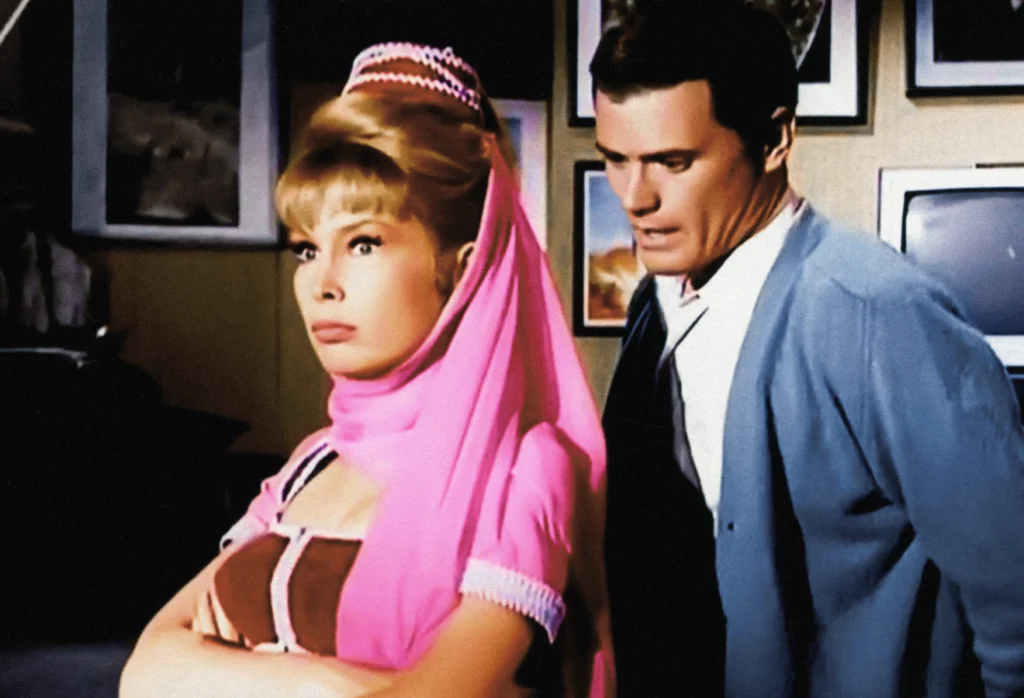
With a ponytail that defied gravity and a signature pink harem outfit, she was the magical focal point of the late 60s. Barbara Eden played Jeannie on I Dream of Jeannie, bringing a bubbly, naive, and often chaotic energy to NASA’s world. Her face was defined by a dazzling smile and wide, curious eyes that took in the modern world with delightful confusion. She managed to be both a pin-up icon and a genuinely funny physical comedian.
Eden’s career involved much more than living in a bottle, as she was a frequent guest on variety shows and dramas throughout the decade. She had a bright, infectious personality that made her a favorite of talk show hosts and audiences alike. Even without the costume, her classic features and blonde hair are a total “giveaway” for any 60s TV fan. She possessed a timeless quality that allowed her to transition through decades of work. However, she will always be most recognized for that iconic “blink” and a nod.
5. Alan Hale Jr.
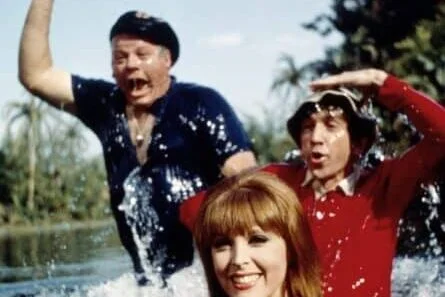
He was the big, boisterous man with the captain’s hat who everyone affectionately called “The Skipper.” Alan Hale Jr. was the physical powerhouse of Gilligan’s Island, known for his booming laugh and his habit of swatting Gilligan with his hat. He had a round, friendly face and a gregarious nature that made him feel like everyone’s favorite uncle. He was the perfect “straight man” to the chaos around him, even when he was the one losing his temper.
Hale was actually a veteran of Westerns and war movies before he took to the high seas, often playing the tough-guy sidekick. He carried a certain old-school Hollywood gravitas, but he was never afraid to look silly in a grass hut. His face is one of the most comforting sights in syndication, representing a time of simple, slapstick humor. Even if people forget “Hale,” they never forget the Skipper’s frustrated “Little Buddy!” shout. He remained a beloved figure in the TV landscape until his final days.
6. Yvonne De Carlo
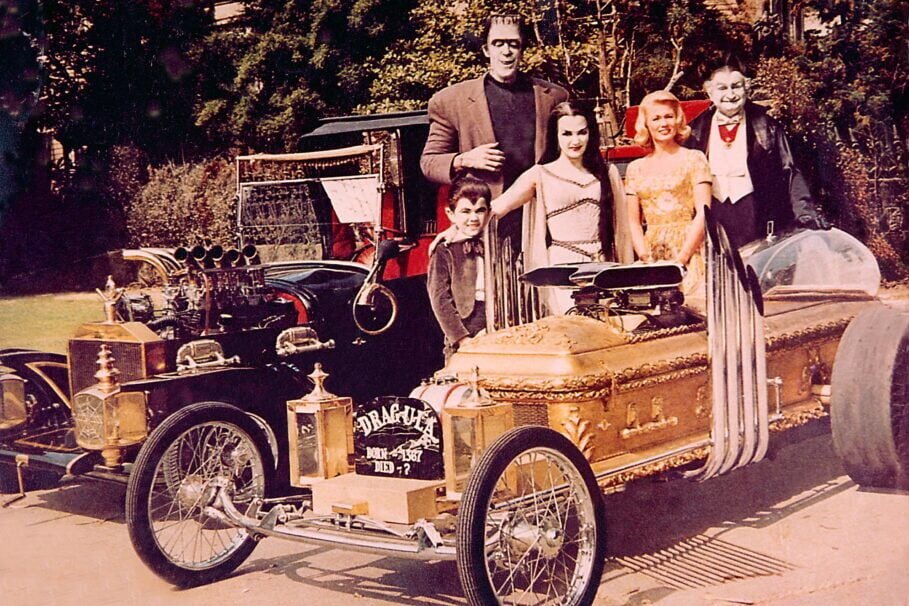
You might know her better in shades of grayscale with heavy eyeliner and a streak of white in her hair. Yvonne De Carlo was the stunning Lily Munster on The Munsters, bringing a touch of “ghoul-next-door” glamour to the 1960s. She played the matriarch of the monster family with a deadpan grace that made her the perfect foil to Herman’s loud antics. Her face was striking, with high cheekbones and a regal air that suggested she belonged in a castle.
Long before she moved to Mockingbird Lane, she was a major movie star and a “Technicolor Queen” in big-budget films like The Ten Commandments. She brought that cinematic presence to television, proving that a movie star could successfully transition to the small screen. She made being a vampire look sophisticated and maternal all at once. Even under the heavy makeup, her beauty and talent were unmistakable to viewers. She remains the definitive face of the “spooky” sitcom era.
7. Fred Gwynne
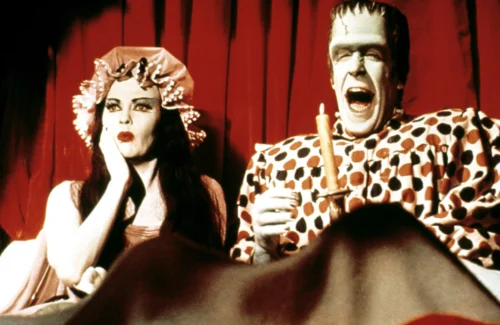
He was a giant of a man with a distinctive, deep voice and a face that could be either terrifying or heartbreakingly sweet. Fred Gwynne is most famous for playing Herman Munster, the Frankenstein-esque father who just wanted to fit in with the neighbors. His performance was a masterclass in physical acting, as he had to move through heavy prosthetics and massive platform boots. He had a laugh that sounded like a foghorn and a heart of gold to match.
Before his monster days, he was one of the stars of Car 54, Where Are You?, playing a much more human—but equally funny—police officer. Gwynne was an incredibly talented man off-screen as well, working as a painter and a children’s book author. His expressive eyes were his greatest tool, often peering out from under Herman’s flat head with a look of pure confusion. He was a tall drink of water with a face that seemed built for the camera’s lens. Most people remember the monster, but they often struggle to name the man behind the bolts.
8. Barbara Bain
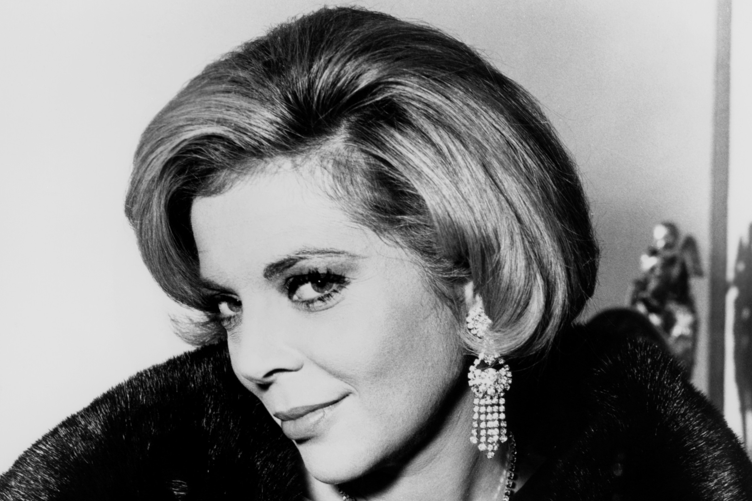
If you watched 60s spy thrillers, you definitely recognize the cool, icy blonde who could go undercover as almost anyone. Barbara Bain was the female lead of Mission: Impossible, playing Cinnamon Carter with a sophisticated, fashion-forward edge. She had a face that felt modern and chic, perfectly capturing the “Mod” aesthetic of the late 1960s. Her sharp features and intense gaze made her the perfect secret agent for the Cold War era.
Bain won three consecutive Emmys for her role, a feat that cemented her status as one of the best actresses on television at the time. She wasn’t just a “Bond Girl” equivalent; she was a core member of the team who used her intellect and acting skills to take down dictators. Her chemistry with the rest of the cast was palpable, making the show a massive hit. Even when she wasn’t wearing 60s couture, her presence was commanding and elegant. She remains the face of the “spy-fi” genre’s golden age.
9. Adam West
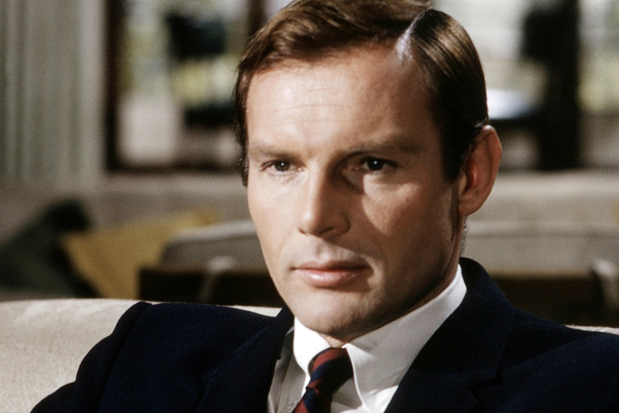
Long before the dark and gritty versions of the character, he was the bright, colorful, and slightly campy face of justice. Adam West became a cultural phenomenon as the lead in Batman, delivering every ridiculous line with a completely straight face. He had a square jaw and a heroic profile that looked like it was ripped straight from the comic book pages of the time. He leaned into the absurdity of the role, making the show a hit for both kids and adults.
West had a very specific, stilted way of speaking that became his trademark, making him instantly recognizable in any voice-over or guest spot. While he struggled to find serious roles after the cape and cowl, he eventually embraced his status as a pop culture icon. He appeared in countless 60s dramas as a handsome leading man before the Batsuit changed his life forever. His face is a piece of Americana, representing a time when heroes were colorful and “BAM!” and “POW!” were part of the vocabulary. He was the definitive Caped Crusader for a generation.
10. Bill Bixby
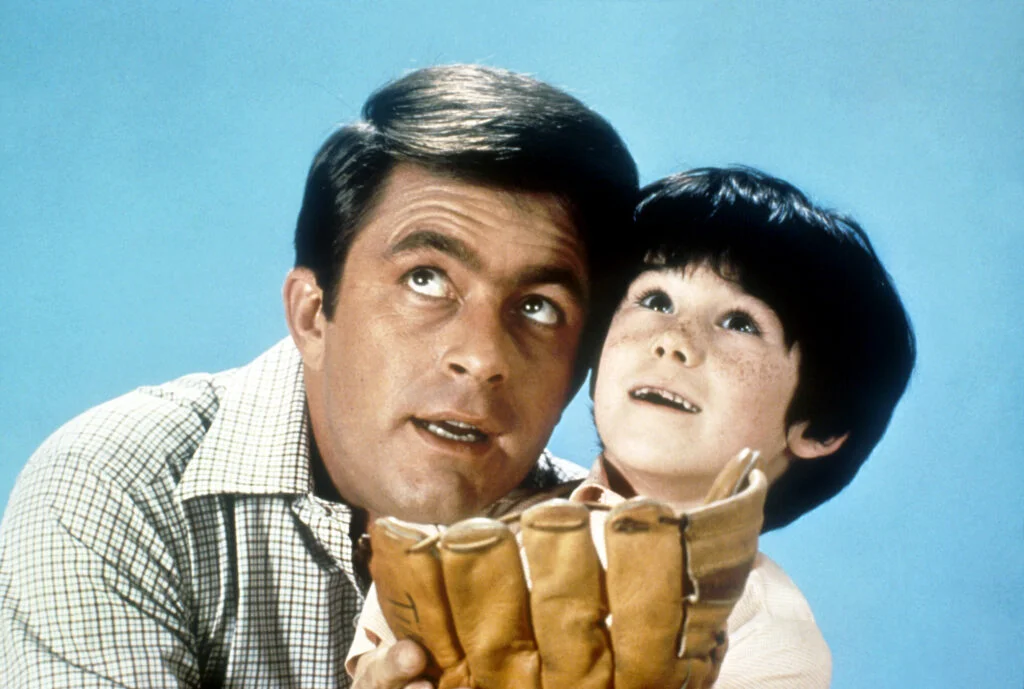
He had a friendly, approachable face and an easygoing charm that made him a favorite of 1960s producers. Bill Bixby first became a household name on My Favorite Martian, playing the young reporter who discovers an alien has crashed on Earth. He had a way of looking exasperated that was incredibly endearing to the audience. He felt like the guy next door who just happened to be caught up in extraordinary circumstances.
Bixby was a workhorse of the decade, appearing in everything from The Andy Griffith Show to The Twilight Zone. He possessed a natural, grounded acting style that allowed him to ground even the silliest sci-fi plots in reality. Later, he would become even more famous as the man who turned into the Hulk, but his 60s work established his persona as a relatable everyman. His face is one of those that brings an immediate sense of nostalgia for classic, wholesome television. He was a steady, reliable presence in a decade of rapid cultural change.
11. Donna Reed
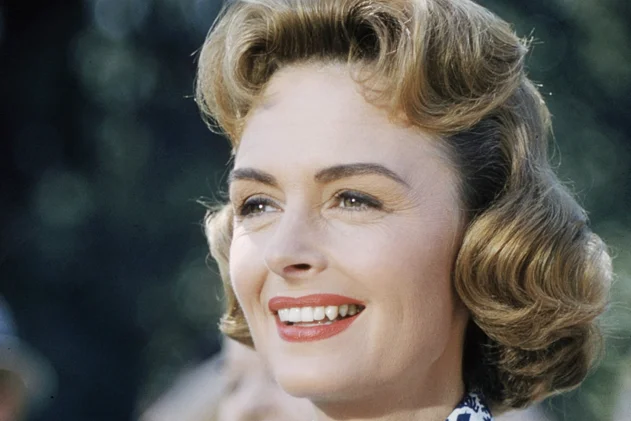
She was the quintessential “TV mom” of the early-to-mid 1960s, always dressed in pearls and a perfect apron. Donna Reed starred in her own self-titled show, playing a woman who balanced family life and community service with grace. She had a classic, wholesome beauty and a warm smile that made her the moral center of every episode. She represented the idealized American housewife of the post-war era.
Reed was an Oscar winner before she ever stepped onto a TV set, and that level of talent was evident in her nuanced performances. She fought for her show to have substance, often tackling social issues within the framework of a family sitcom. Her face became a symbol of stability and kindness during a decade that was becoming increasingly chaotic. Even if younger viewers don’t know her name, they recognize her as the archetype for every sitcom mother that followed. She was a powerhouse producer in a time when women rarely held that title.
12. Vic Morrow
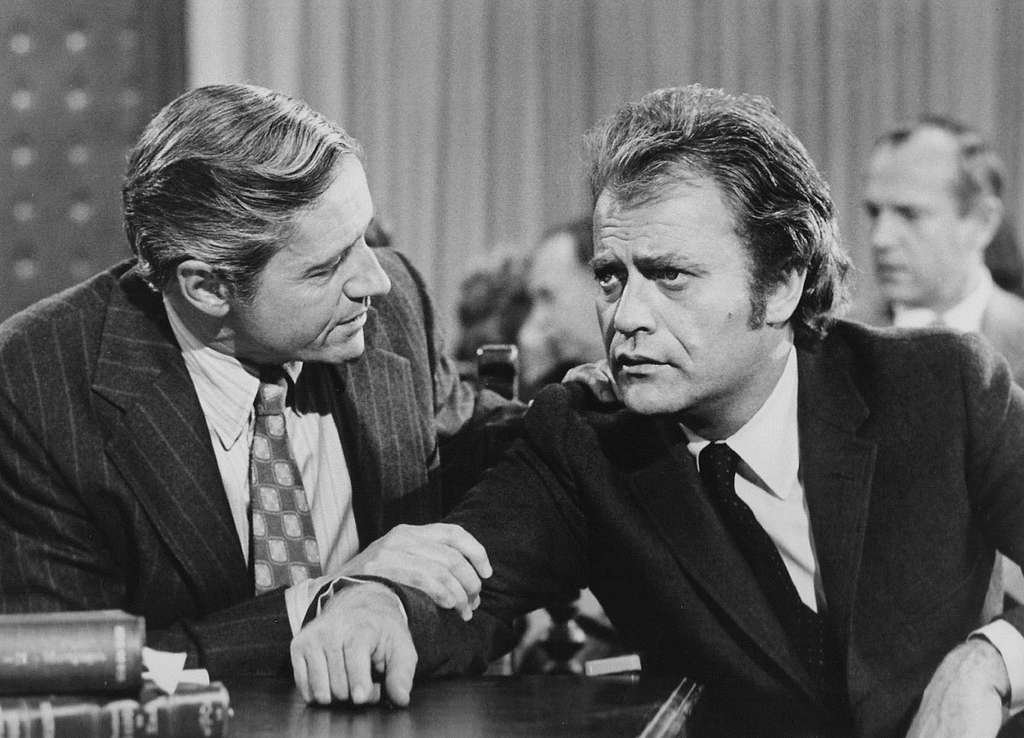
If you grew up watching gritty war dramas, his was the face of the battle-hardened soldier. Vic Morrow starred as Sergeant Chip Saunders on Combat!, the longest-running WWII drama in television history. He had a rugged, intense look and a gravelly voice that made him look like he’d actually spent years in the trenches. He didn’t play a superhero; he played a tired, duty-bound man trying to keep his squad alive.
Morrow was a “method” actor who brought a raw, cinematic intensity to the small screen, which was rare for the 1960s. He had a piercing gaze that could convey a thousand-yard stare without saying a word. His performance helped set the standard for how the military was portrayed on television for years to come. Even in guest spots on Westerns like Bonanza, he carried that same sense of dangerous gravity. He was the “tough guy” of the 60s, a man whose face told the story of the decade’s darker, more serious side.
13. Marlo Thomas
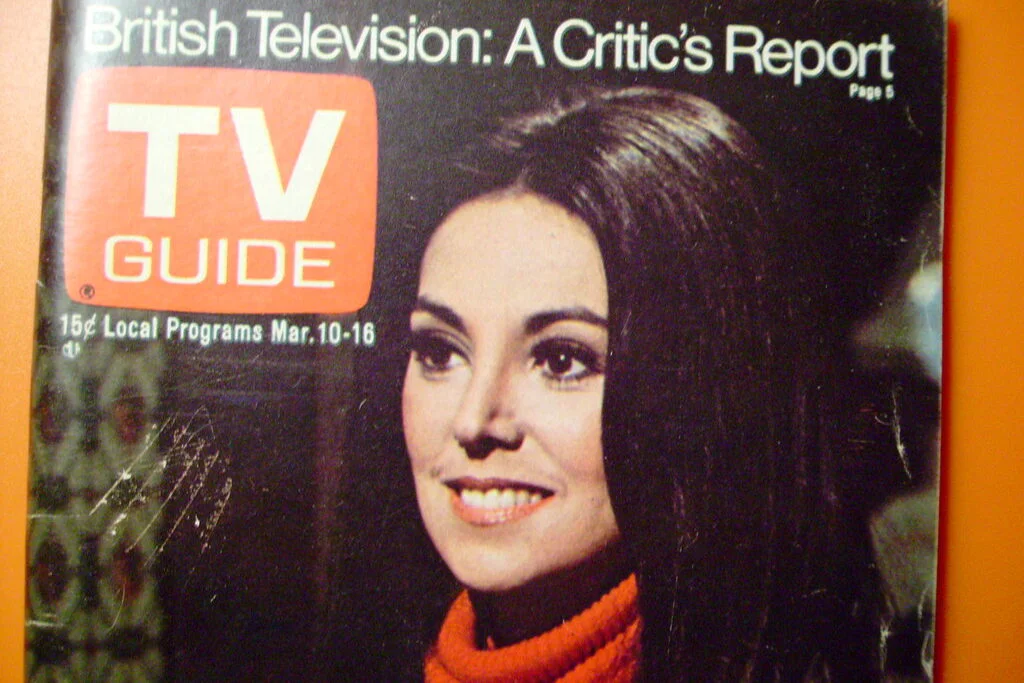
With her iconic “flipped” haircut and wide, optimistic eyes, she was the face of the “single girl” revolution. Marlo Thomas starred in That Girl, playing Ann Marie, a young woman trying to make it as an actress in New York City. She was a breath of fresh air, representing a new generation of women who were more interested in careers than marriage. Her face was youthful, expressive, and full of the “can-do” spirit of the mid-to-late 60s.
Thomas was more than just a pretty face; she was a trailblazer who produced her own show and insisted on its independent spirit. She had a comedic timing that was both charming and slightly klutzy, making her relatable to millions of young women. Her style became a major fashion influence, with her hats and mod dresses defining the look of 1966. While she went on to do incredible philanthropic work, her 60s TV face remains her most recognizable legacy. She was the girl every young woman wanted to be and every young man wanted to date.