
1. Mary Tyler Moore
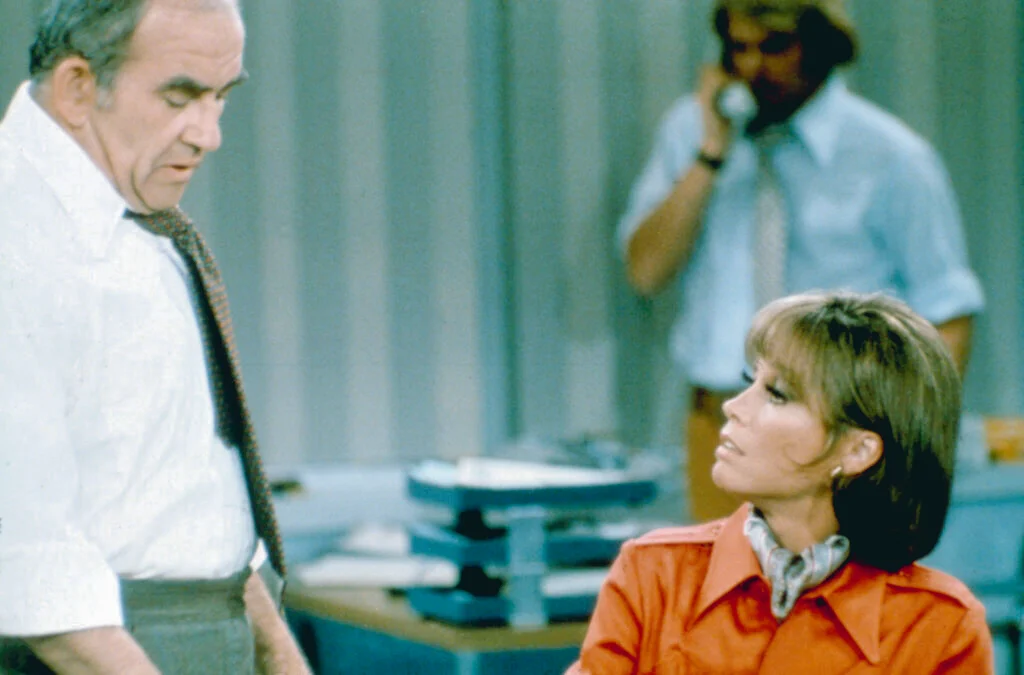
Mary Tyler Moore had one of those faces that instantly felt familiar, even if you could not quite place where you first saw her. In the early ’60s, she became a household presence as Laura Petrie on The Dick Van Dyke Show. Her warm smile, expressive eyes, and relaxed charm made her stand out in a decade full of polished TV performers. She managed to look both glamorous and approachable at the same time, which was a rare balance. Viewers felt like they knew her, not just recognized her. That sense of ease helped cement her image in the cultural memory.
By the end of the decade, Moore had already become more than just a sitcom wife. She represented a shift toward smarter, more emotionally grounded female characters on television. Even in black-and-white reruns, her face still pops off the screen. It is the kind of recognition that does not fade with time. One glance is usually all it takes.
2. Lucille Ball
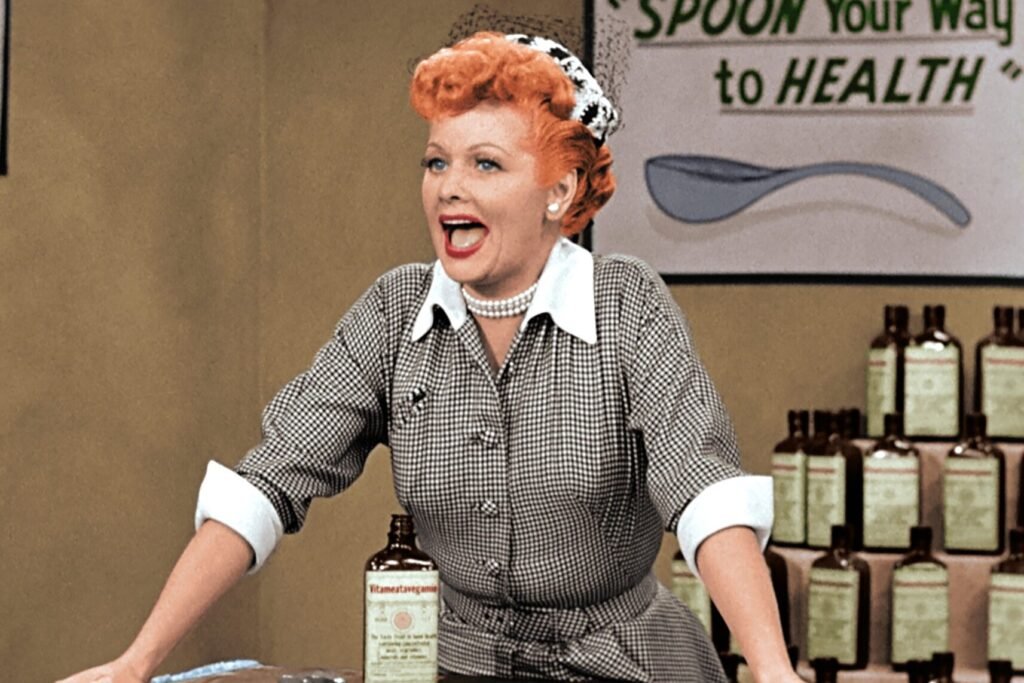
Lucille Ball’s face was already iconic before the ’60s even began. Her expressive features, bright eyes, and unmistakable presence made her instantly recognizable on any screen. By the time color television arrived, her look was even more distinctive. Audiences could spot her immediately, whether she was scheming, panicking, or breaking into physical comedy. She had a face built for reaction shots. That visual expressiveness became her signature.
In the ’60s, Ball remained a dominant force on television through projects like The Lucy Show. Even as trends changed, her face stayed timeless. It carried decades of comedic history in a single glance. Few performers have ever been so visually identifiable. Seeing her on screen still triggers instant recognition today.
3. Dick Van Dyke
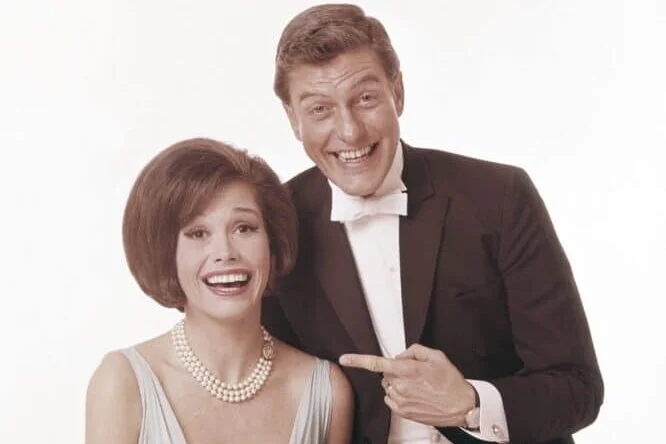
Dick Van Dyke had a tall, lanky presence, but it was his face that viewers remembered first. His wide grin and elastic expressions made him perfectly suited for television comedy. On The Dick Van Dyke Show, his face often did half the work before a line was even delivered. He could convey confusion, excitement, or panic in seconds. That clarity made him incredibly readable on screen.
During the ’60s, Van Dyke became one of TV’s most familiar leading men. His face was friendly without being bland, distinctive without being exaggerated. Even now, still images from the show are instantly identifiable. His expressions feel frozen in time in the best way. Recognition comes almost automatically.
4. Elizabeth Montgomery
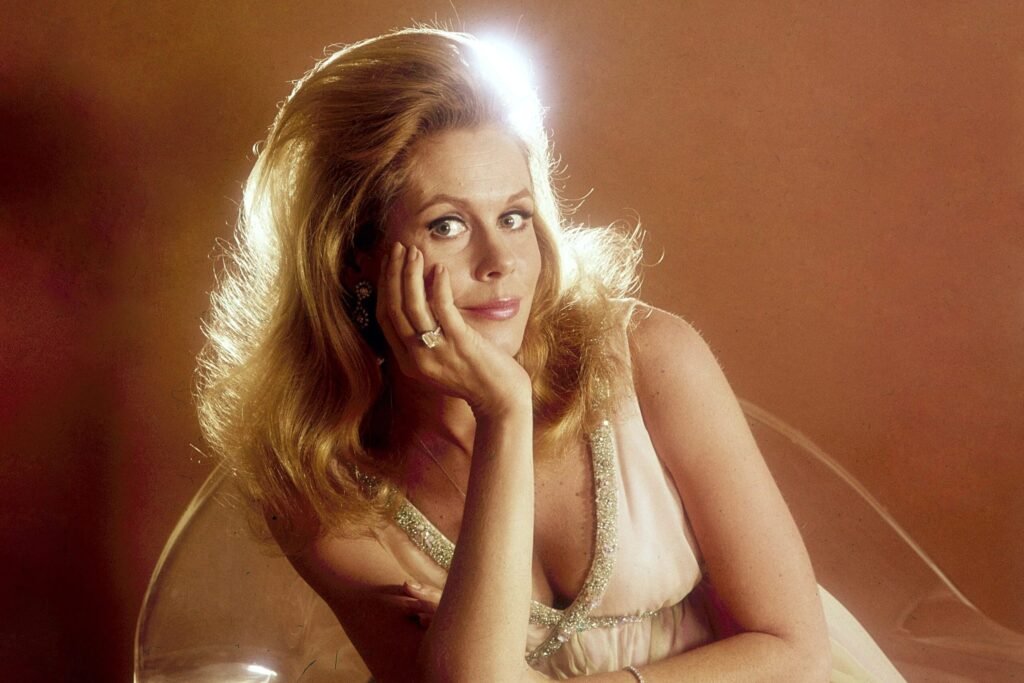
Elizabeth Montgomery’s face carried a mix of sweetness and mischief that was impossible to miss. As Samantha Stephens on Bewitched, she became one of the most recognizable women on television. Her expressive eyes and subtle smile made even the smallest reactions memorable. She could look innocent and sly within the same moment. That duality was a big part of her appeal.
Montgomery’s face was also closely tied to the era’s visual style. From her hairstyle to her facial expressions, she embodied ’60s television glamour. Even a single still image is usually enough to identify her instantly. She did not need dialogue to be recognizable. Her face alone told the story.
5. James Garner
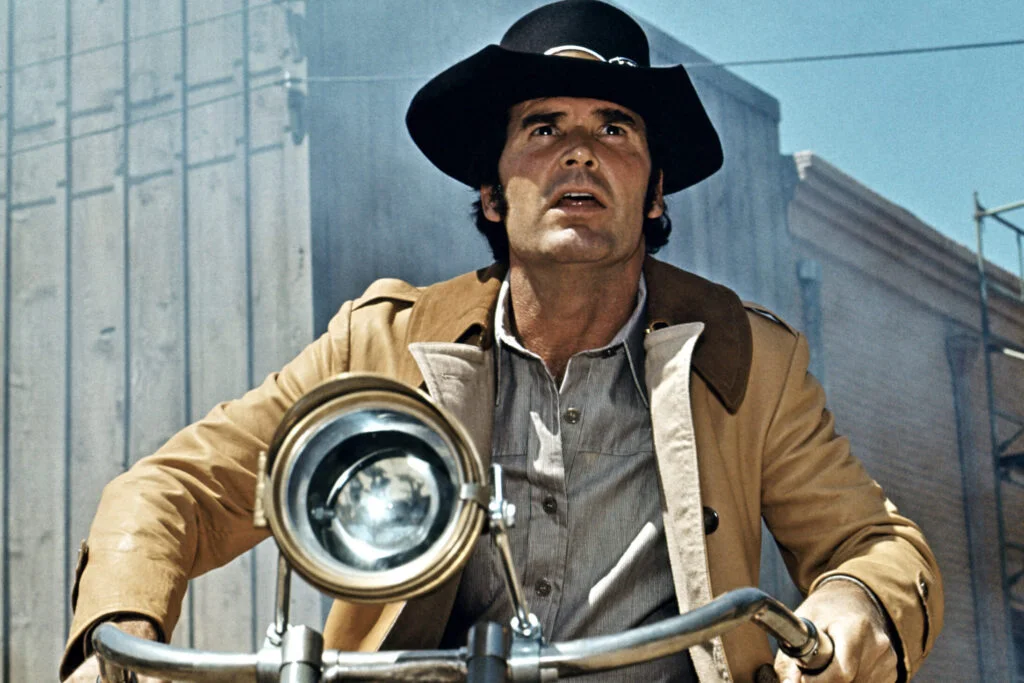
James Garner had a face that radiated quiet confidence. He did not rely on exaggerated expressions, which made his look even more distinctive. On Maverick, his relaxed charm and knowing smile set him apart from typical TV leads. His expressions felt natural and lived-in. That authenticity made him memorable.
Throughout the ’60s, Garner’s face became synonymous with cool intelligence. Viewers trusted him almost immediately. Even when he was standing still, his face conveyed personality. It is a kind of recognition built on subtlety rather than flash. One look still brings his roles to mind.
6. Barbara Eden
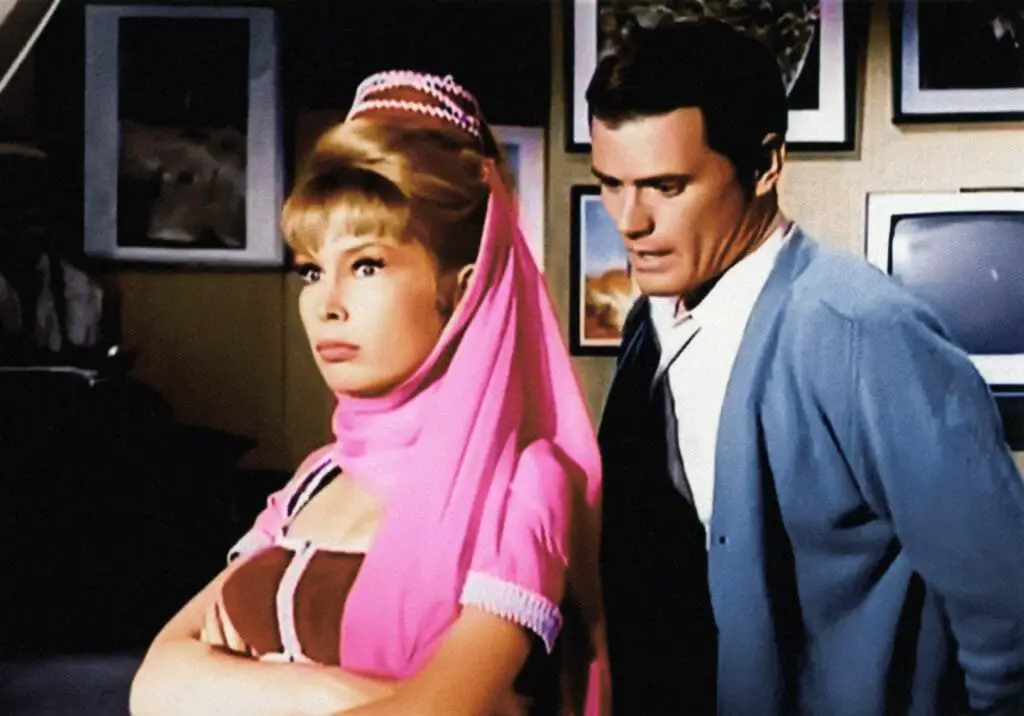
Barbara Eden’s face was pure television magic in the ’60s. As Jeannie on I Dream of Jeannie, her wide smile and bright eyes made her instantly identifiable. She had a warmth that translated perfectly through the screen. Even viewers who never watched the show could usually recognize her. That kind of visual imprint is rare.
Eden’s look became closely tied to fantasy television of the era. Her face was playful, glamorous, and unmistakably ’60s. It remains one of the most recognizable images of the decade. A single frame is enough to spark recognition. Her presence still feels vivid decades later.
7. Andy Griffith
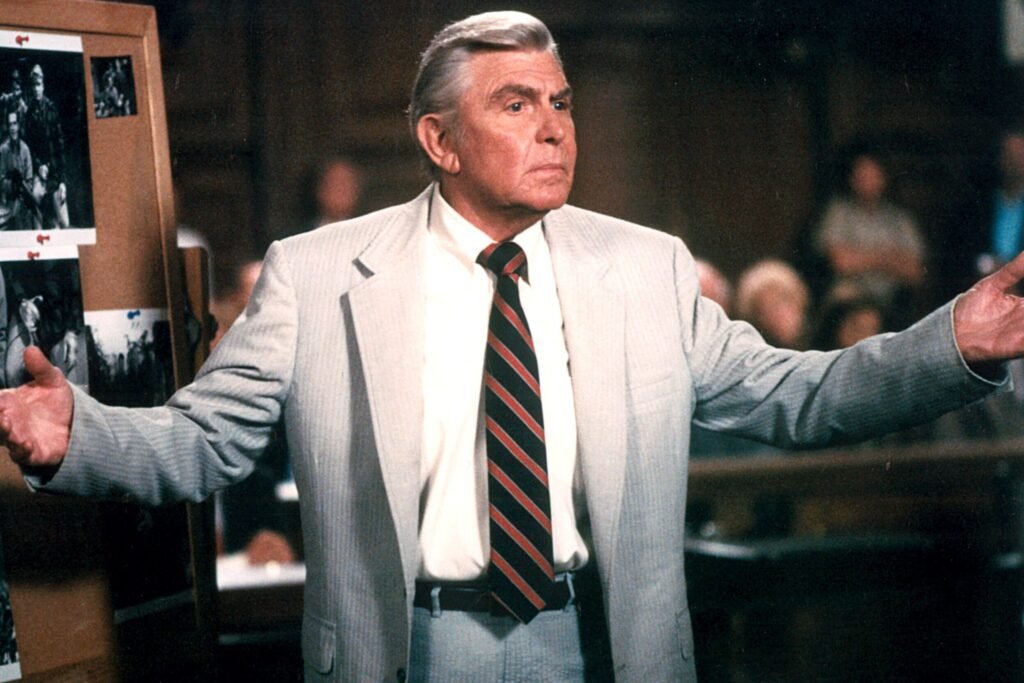
Andy Griffith had a face that felt deeply familiar to American audiences. His calm expression and gentle smile made him instantly recognizable on The Andy Griffith Show. He looked like someone you trusted without question. That sense of comfort came through even in silent moments. His face alone set the tone for the show.
During the ’60s, Griffith’s image became synonymous with warmth and stability. He did not need dramatic expressions to stand out. His steady presence made him visually distinct. Even now, his face immediately evokes a specific time and place. Recognition happens almost reflexively.
8. Don Knotts
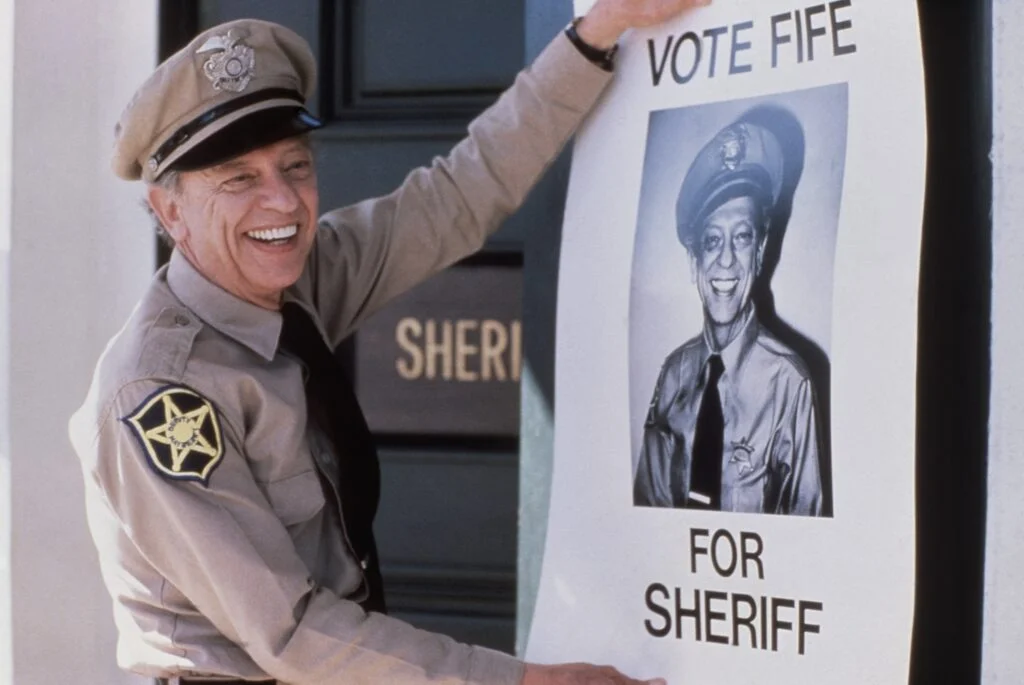
Don Knotts had one of the most instantly recognizable faces in television history. His wide eyes, nervous expressions, and exaggerated reactions were impossible to forget. On The Andy Griffith Show, his face often delivered the punchline before he spoke. He could communicate panic, pride, or confusion in a heartbeat. That visual clarity made him unforgettable.
Knotts’s face became a shorthand for anxious comedy. Even a still photo can capture his entire persona. He did not need context to be recognized. His expressions are burned into pop culture memory. Few faces from the ’60s are as instantly identifiable.
9. Elizabeth Taylor
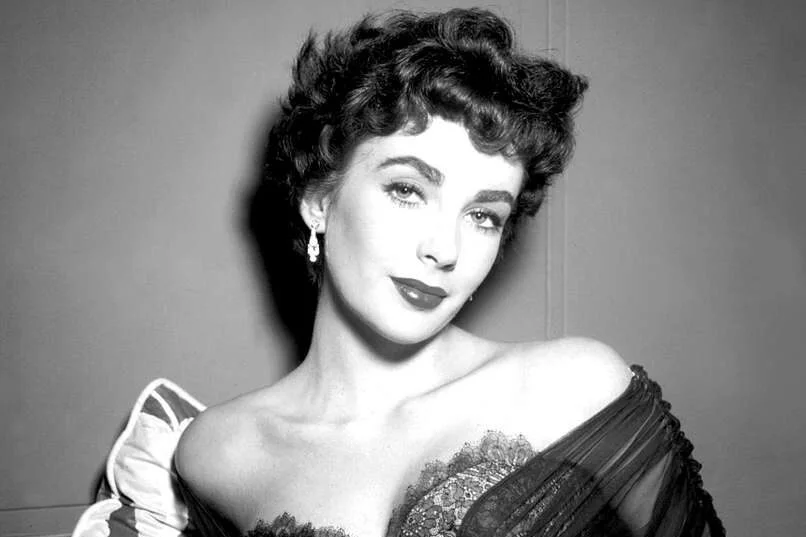
Elizabeth Taylor did not appear regularly on ’60s television, but her televised appearances were unforgettable. Her face was already legendary, and TV only amplified that recognition. Those striking eyes made her immediately identifiable in any medium. Even brief appearances commanded attention. Her image transcended format.
When Taylor appeared on television, viewers recognized her instantly. Her face carried the weight of classic Hollywood glamour. That recognition required no explanation. Even decades later, her image remains unmistakable. One glance still says everything.
10. William Shatner
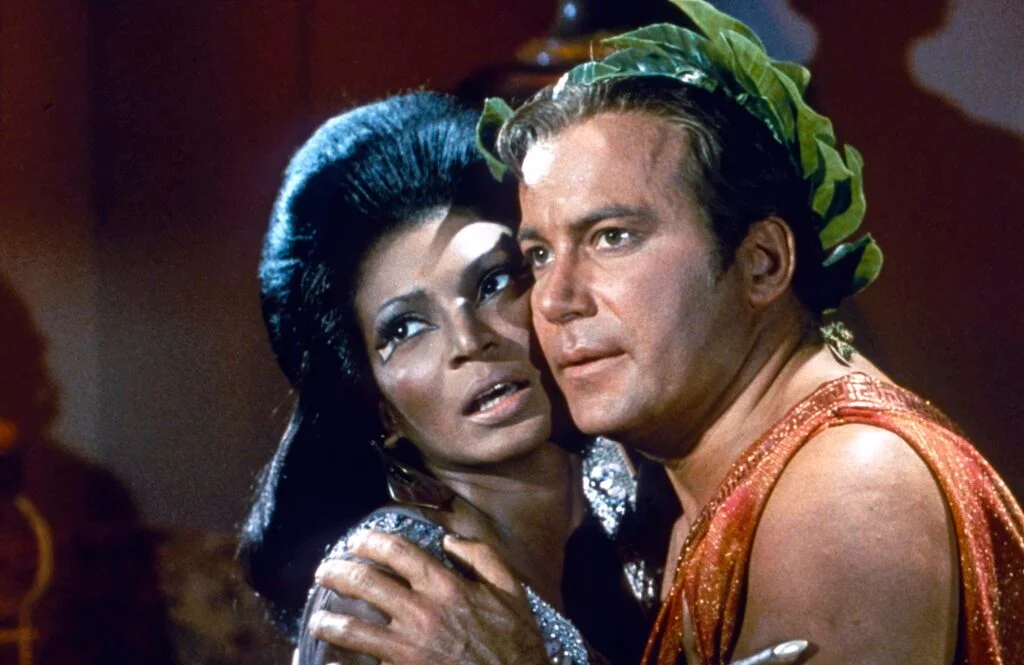
William Shatner’s face became iconic during the ’60s thanks to Star Trek. His expressive delivery was matched by a highly recognizable look. His eyes and facial intensity made him stand out in every scene. Even without the uniform, his face is instantly identifiable. That combination of drama and presence left a lasting impression.
Shatner’s image became tied to science fiction television itself. His expressions were bold and theatrical, which made them memorable. Even casual viewers tend to recognize him immediately. His face carries decades of cultural association. It still registers instantly.
11. Julie Newmar
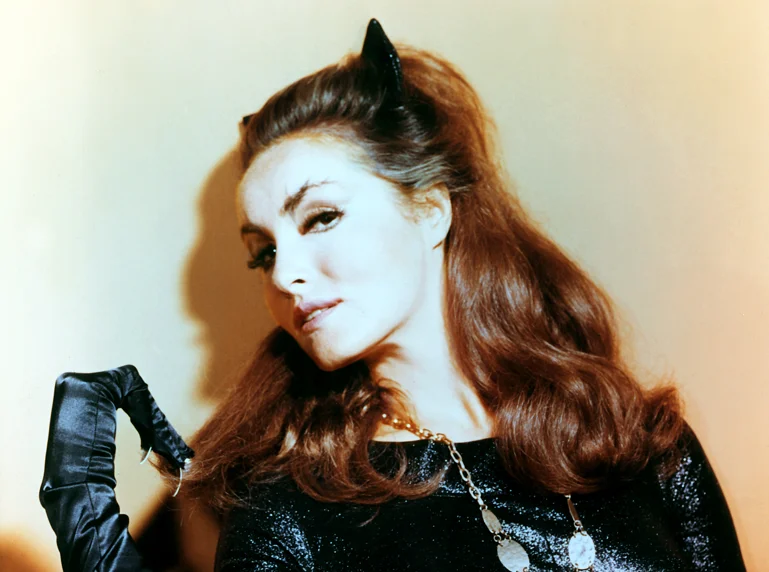
Julie Newmar’s face was striking, elegant, and impossible to ignore. As Catwoman on Batman, she became one of the most visually memorable performers of the decade. Her sharp features and controlled expressions made her instantly recognizable. She projected confidence without saying a word. That visual authority set her apart.
Newmar’s image became closely linked to the show’s pop-art aesthetic. Even a quick glance is enough to identify her. Her face remains one of the defining images of ’60s television. Recognition happens almost automatically. It is a look that never quite faded.
12. Adam West
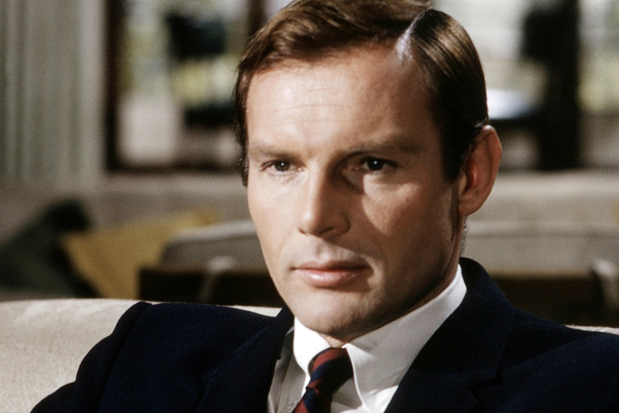
Adam West had a square-jawed, unmistakable face that defined superhero television in the ’60s. On Batman, his calm, straight-faced delivery was matched by a highly recognizable look. His expressions were controlled and deliberate. That contrast with the show’s wild visuals made him stand out even more. His face became inseparable from the role.
West’s image remains instantly identifiable decades later. Even without the costume, viewers often recognize him right away. His face carries a specific tone and era with it. That level of recognition is rare. One glance usually does the job.
13. Agnes Moorehead
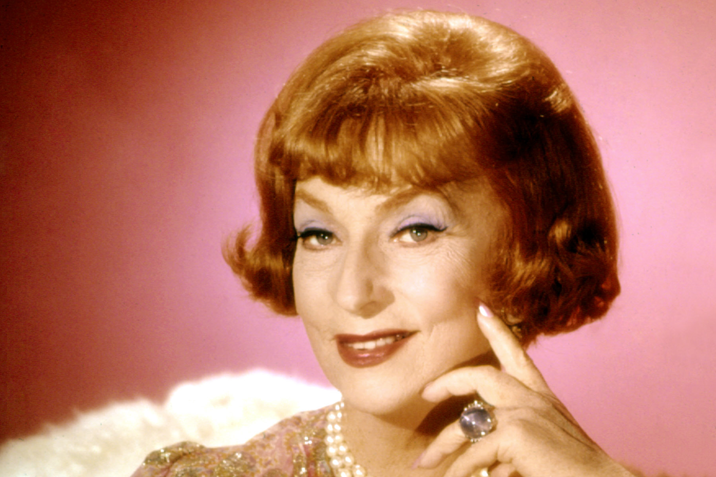
Agnes Moorehead had a face that commanded attention. On Bewitched, her sharp expressions and intense presence made her instantly recognizable as Endora. She could convey judgment, amusement, or irritation with a single look. Her face was expressive without being cartoonish. That balance made her unforgettable.
Moorehead’s image stood out in a cast full of memorable performers. Even today, viewers often recognize her immediately. Her facial expressions are deeply tied to her characters. Recognition comes fast and without effort. She remains one of the most distinctive faces of ’60s television.