1. Pat Priest
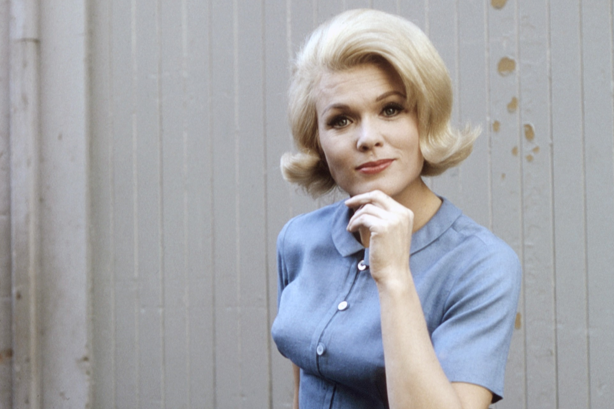
Pat Priest became a familiar face in living rooms as Marilyn Munster on The Munsters, stepping into the role after the show’s first season. She had the kind of wholesome, approachable screen presence that made her instantly likable, even among a cast of outrageous monsters. When the series ended in 1966, Priest continued acting for a few years with guest roles on shows like Bewitched and Mary Tyler Moore. By the early ’70s, though, she began easing away from television rather than chasing another long-running role. She eventually shifted her focus toward personal interests and community involvement instead of Hollywood momentum.
Fans would still spot her at nostalgia conventions and classic TV events, where she was warmly received for her Munsters legacy. Priest never framed her quieter career as a disappointment, more as a natural transition into a different chapter of life. Her performance as Marilyn remains one of the most recognizable images of mid-’60s television. For many viewers, she’s a reminder of a time when sitcoms leaned into playful absurdity and charm. Even if her later years stayed largely out of the spotlight, her impact never really faded for devoted fans.
2. Tina Cole
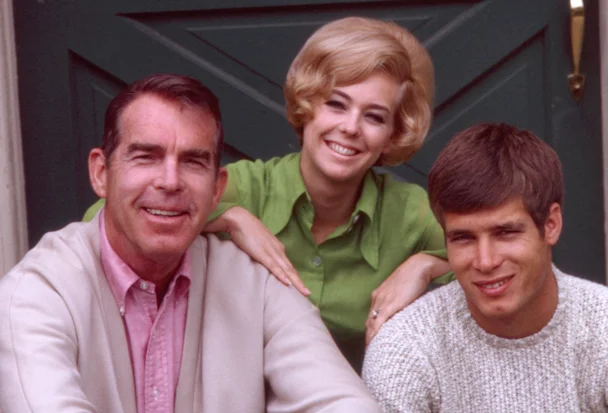
Tina Cole grew up in show business and became especially recognizable during the ’60s for her work on My Three Sons. She brought warmth and sincerity to her roles, often playing grounded, emotionally steady characters. After the series ended in the early ’70s, Cole continued acting sporadically, including some television movies and guest appearances. Over time, however, she made a deliberate move away from regular acting work. Her interests gradually shifted toward faith-based activities and personal pursuits rather than Hollywood projects.
Cole has remained connected to fans through occasional reunions and interviews, but she never sought a full-scale comeback. That quiet retreat gave her a certain mystique, especially for viewers who grew up watching her weekly. Her performances still hold up as examples of steady, character-driven television acting from the era. While she may not dominate pop culture conversations today, her contributions remain meaningful to longtime TV audiences. In many ways, her gentle exit mirrors the calm, grounded characters she often portrayed.
3. Dawn Wells
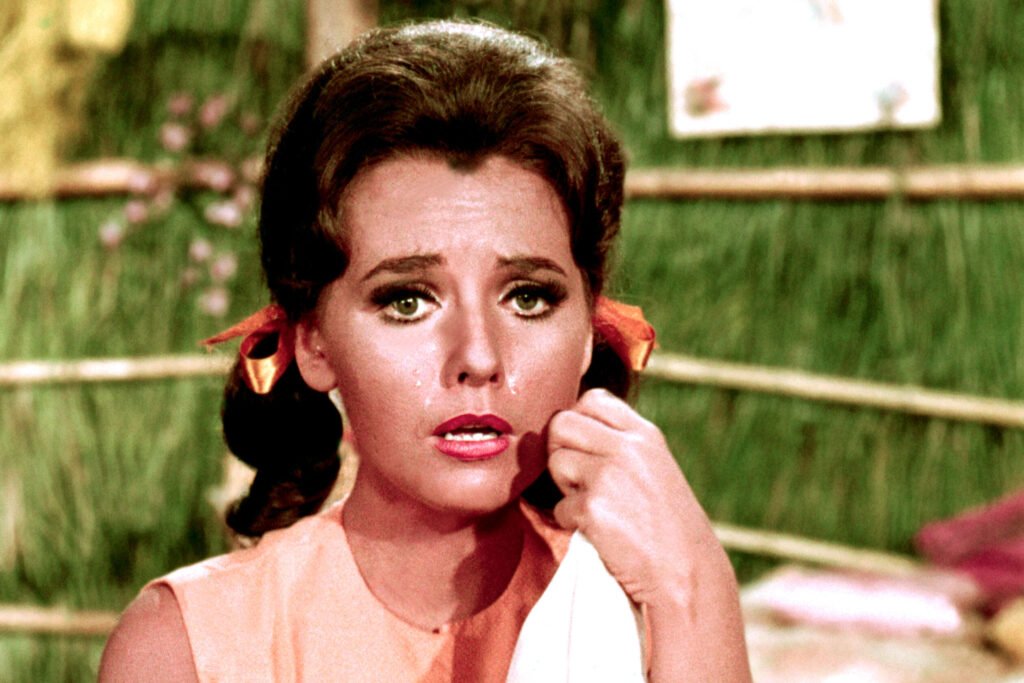
Dawn Wells became an enduring pop culture figure as Mary Ann on Gilligan’s Island, a role that followed her long after the series ended. During the ’60s, she was everywhere in reruns, magazine features, and fan events connected to the show. Although she continued acting in theater and occasional television projects, she gradually stepped away from mainstream Hollywood roles. Much of her later work focused on appearances, charity involvement, and educational projects. She embraced the affection fans had for Mary Ann without trying to reinvent herself as something else.
Wells maintained a visible presence within classic TV communities rather than chasing new fame. Her career arc reflects how some performers find fulfillment in legacy rather than constant reinvention. Audiences often associate her with warmth, optimism, and a kind of unpretentious charm that defined many sitcoms of the era. Even as her on-screen work slowed, her connection with viewers never disappeared. Her story shows how slipping away from the spotlight does not necessarily mean fading from public affection.
4. Barbara Feldon
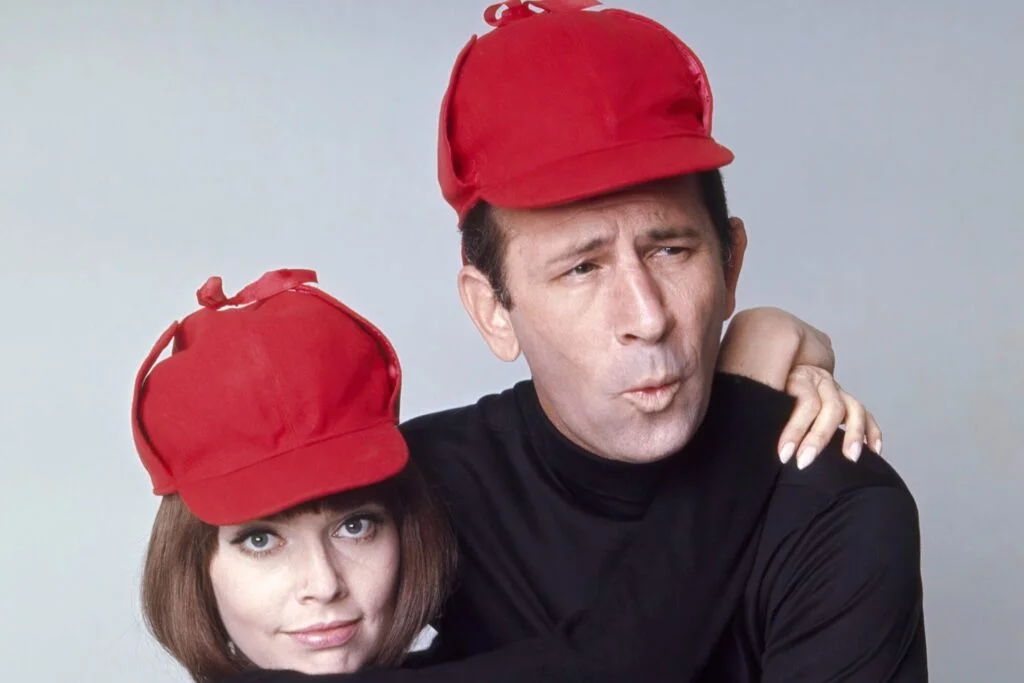
Barbara Feldon rose to fame in the mid-’60s as the glamorous and clever Agent 99 on Get Smart. The role made her a cultural icon, blending intelligence with humor in a way that felt refreshing at the time. After the series ended, Feldon continued acting in television films, stage work, and guest roles, but she never pursued the same level of visibility again. She gradually pivoted toward writing, personal projects, and theater rather than ongoing television stardom. That quieter path suited her reflective, thoughtful personality.
Feldon has spoken openly about enjoying a life that is less tied to constant public attention. Fans still celebrate her work through reruns and retrospectives, keeping Agent 99 firmly embedded in TV history. Her reduced screen presence feels more like a conscious choice than a disappearance. Feldon’s legacy remains strong because her most famous role left such a lasting impression. She represents a generation of performers who found satisfaction outside the relentless pace of Hollywood.
5. Donna Douglas
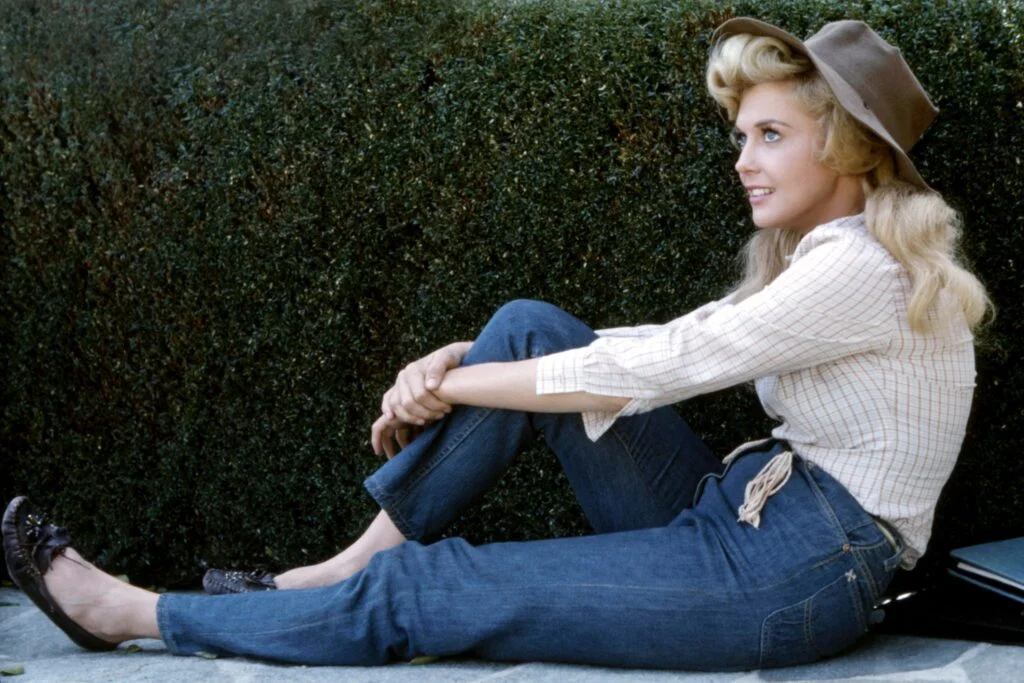
Donna Douglas became instantly recognizable as Elly May Clampett on The Beverly Hillbillies, one of the most popular shows of the ’60s. Her athletic, outdoorsy character made her a standout and earned her enormous visibility during the show’s run. When the series ended, Douglas appeared in occasional projects but increasingly stepped away from acting. She devoted much of her later life to writing, public speaking, and faith-based work. That transition shifted her away from entertainment headlines.
Douglas remained beloved by fans who associated her with one of television’s most enduring sitcoms. Her quieter later years reflected a purposeful change in priorities rather than a career stall. She continued connecting with audiences through conventions and appearances tied to the show’s legacy. Elly May remains a cultural touchstone for classic television fans. Douglas’s career illustrates how massive fame can evolve into a more personal, grounded life.
6. Arlene Martel
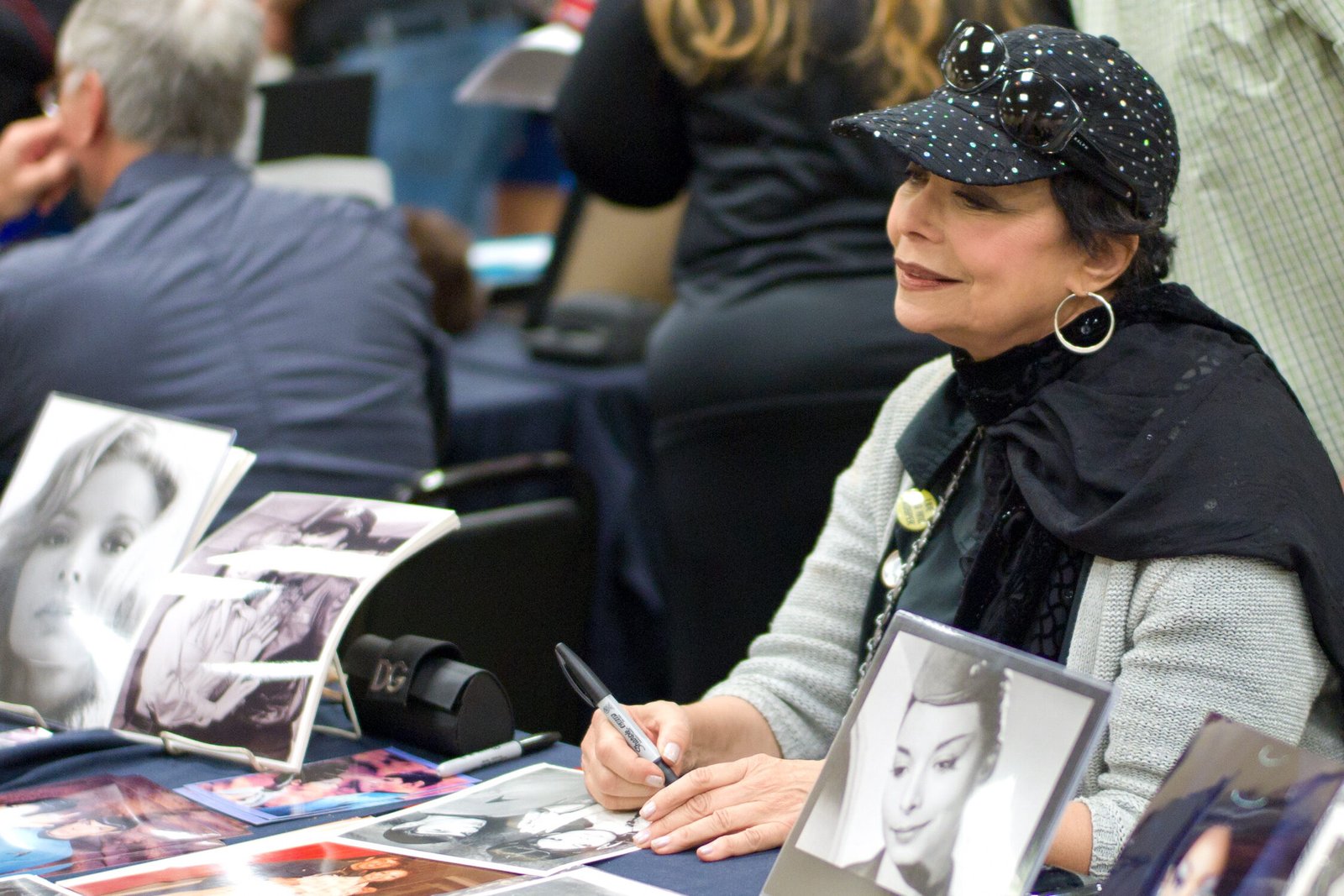
Arlene Martel built a steady career as a character actress throughout the ’60s, appearing on numerous popular television series. She is perhaps best remembered for guest roles on science fiction and adventure shows, where her distinctive presence stood out. Like many working actors of the era, she moved fluidly between different series rather than anchoring one long-term role. As television trends shifted in the ’70s and beyond, her on-screen appearances gradually became less frequent. She continued working intermittently, but without the same visibility she once had.
Martel’s career reflects the reality of many talented supporting performers whose contributions quietly shape television history. Fans who revisit classic episodes often rediscover her and recognize her familiar face. Her performances remain part of the fabric of syndicated television even if her name is not always front-and-center. She represents the unsung reliability of ’60s television ensembles. Slipping from mainstream recognition did not erase the breadth of her work.
7. Pat Harrington Jr.
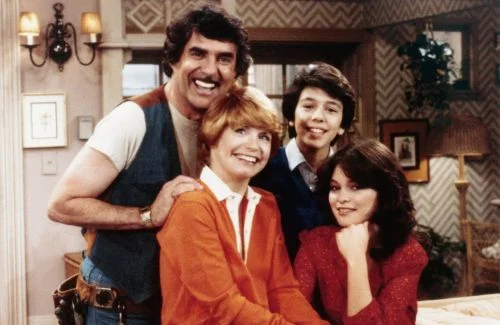
Pat Harrington Jr. was already active before the late ’60s but became increasingly visible during that period through television comedy and variety appearances. His dry delivery and character work made him a dependable presence on the small screen. Although he later found renewed fame in the ’70s, his earlier television identity gradually faded from public memory as tastes changed. Over time, his roles became more selective and less frequent. The constant churn of new programming naturally pushed earlier work into the background.
Harrington’s earlier contributions remain embedded in classic TV lineups and reruns. Viewers revisiting ’60s programming often rediscover his subtle comedic timing. His career shows how even recognizable performers can quietly recede between major peaks. The shift was more evolutionary than abrupt. His body of work still reflects the craftsmanship of mid-century television comedy.
8. Joyce Bulifant
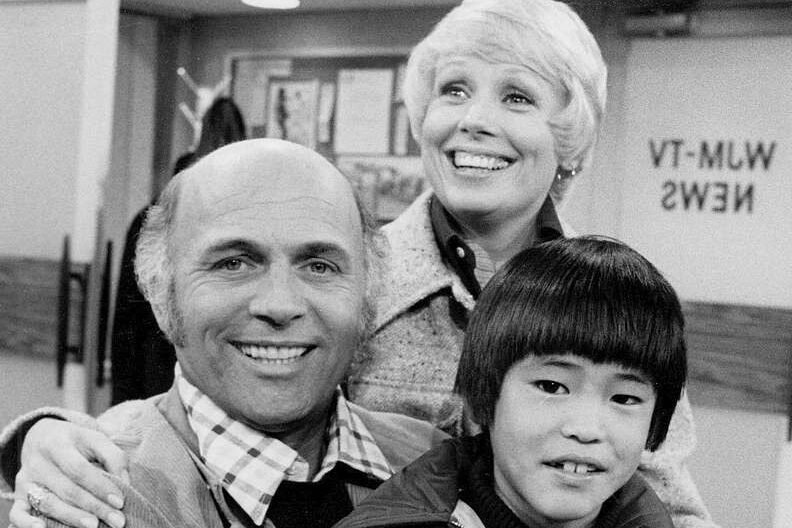
Joyce Bulifant appeared across a wide range of ’60s television series, often in supporting or guest roles that showcased her versatility. She moved comfortably between comedy and drama, making her a familiar face to regular viewers of the era. As the television landscape evolved, her appearances gradually became less frequent. She continued working into later decades, but not with the same volume or visibility. Her career quietly settled into a steadier, lower-profile rhythm.
Bulifant’s performances remain easy to spot in syndicated reruns, where her expressive style still resonates. Many fans recognize her instantly even if they cannot always place her name. Her gradual step back reflects the natural ebb and flow of working television careers. She contributed to dozens of productions that collectively shaped the texture of ’60s programming. That kind of steady presence often goes underappreciated until audiences revisit the era.
9. Edd Byrnes
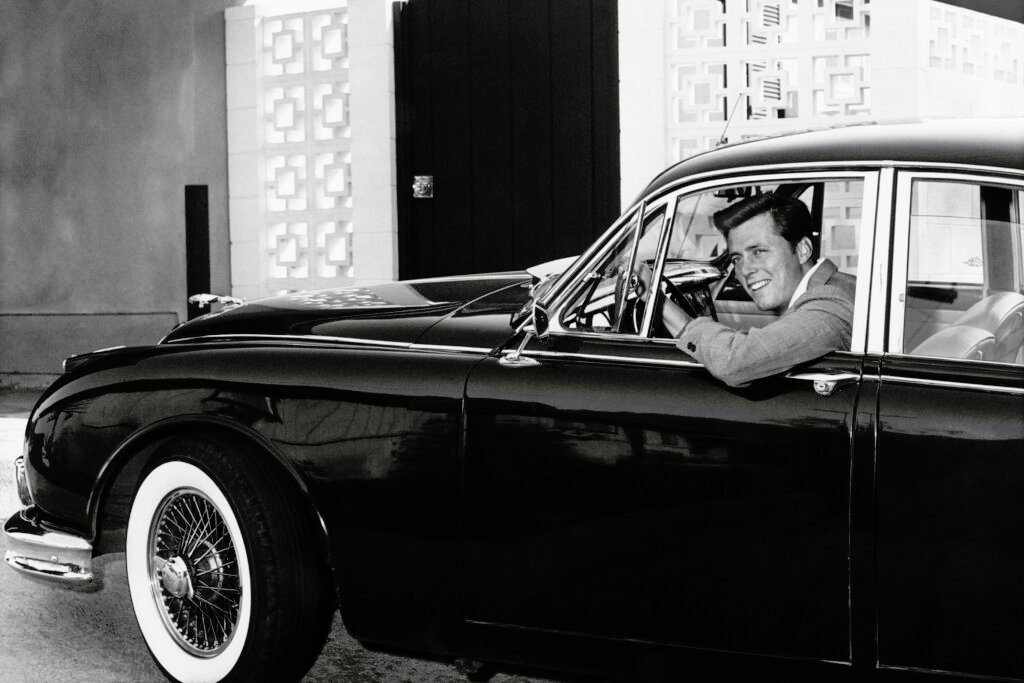
Edd Byrnes became a television sensation in the late ’50s and early ’60s with his breakout role on 77 Sunset Strip. He quickly turned into a teen idol and pop culture fixture. As trends shifted and newer stars emerged, his mainstream visibility gradually cooled. Byrnes continued acting and making appearances, but the intense spotlight of his early fame softened over time. The transition from heartthrob status to character work can be challenging in any era.
Fans who remember his peak years often associate him with a specific moment in television history. Byrnes maintained a professional presence without chasing constant reinvention. His later years reflected a quieter relationship with fame rather than total withdrawal. The arc of his career mirrors many early television idols whose popularity was deeply tied to a specific cultural moment. His legacy still lives through classic TV nostalgia.
10. Peggy Lipton
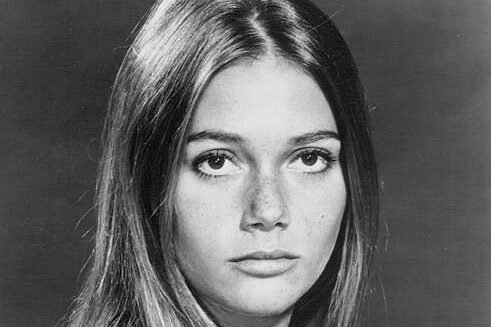
Peggy Lipton rose to prominence in the late ’60s with The Mod Squad, becoming a style icon and youth culture figure. Her relaxed, modern presence made her emblematic of the changing tone of television at the time. After the show ended, Lipton intentionally stepped away from acting for a number of years to focus on family life. That decision effectively removed her from the spotlight during a period when her fame could have continued growing. She later returned to acting, but her career followed a different rhythm than many of her peers.
Lipton’s temporary withdrawal made her feel like a quiet absence rather than a constant celebrity presence. Fans who revisited her work often rediscovered how influential she had been during her peak. Her choices highlight how personal priorities can reshape public visibility. The pause in her career created a sense of mystery and distance that lingered for years. Even with later success, her early step back remains a defining part of her story.
11. Sebastian Cabot
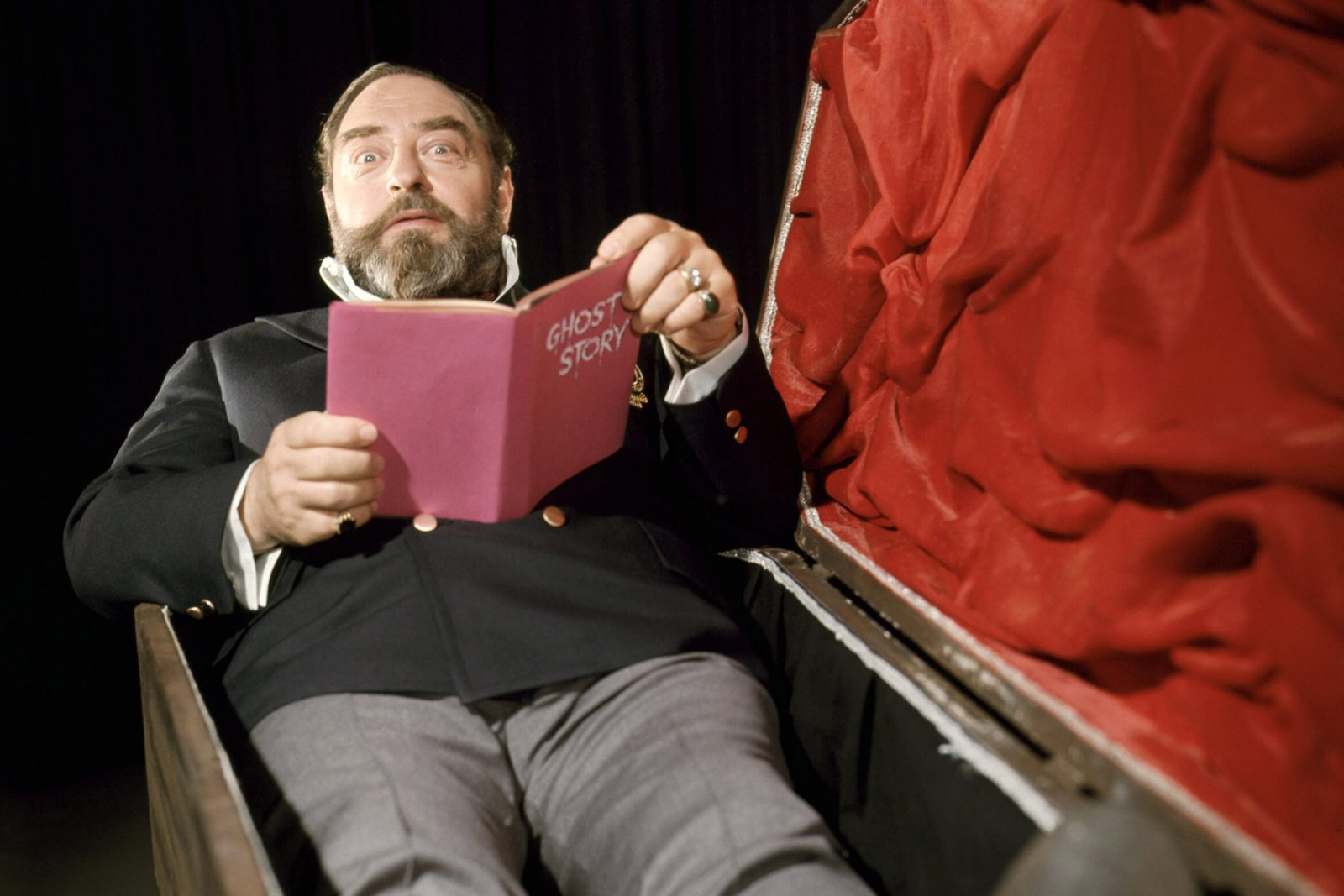
Sebastian Cabot became widely known in the ’60s as Giles French on Family Affair, bringing warmth and gentle authority to the role. His distinctive voice and refined presence made him instantly recognizable. After the series ended, he continued working, including voice roles and occasional television appearances. Over time, however, his on-screen presence became less prominent. The industry’s shift toward younger casts and changing formats naturally reduced opportunities for his archetype.
Cabot remained respected for his professionalism and consistency. Viewers who revisit classic episodes often note the calm steadiness he brought to family television. His quieter later years reflect the broader evolution of programming rather than any sudden career change. He left behind a body of work that still feels comforting and familiar. His gradual fade from visibility mirrors the gentle tone of the characters he portrayed.
12. Richard Long
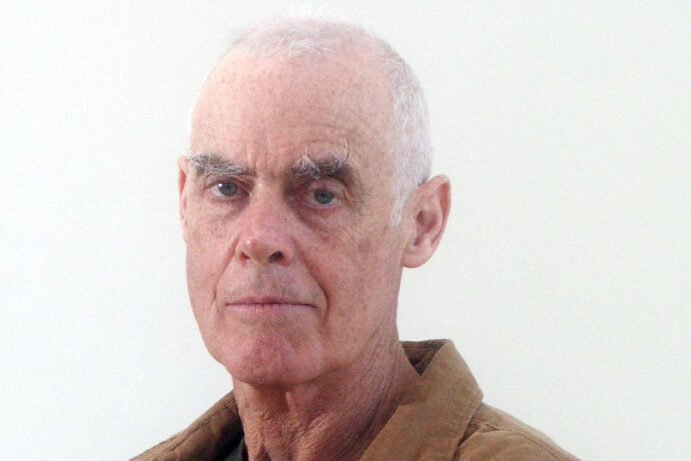
Richard Long became a recognizable leading man in several television series during the late ’50s and ’60s, including westerns and crime dramas. His steady, charismatic screen presence made him a dependable star of the era. As television trends evolved, his roles became less frequent and less central. Health challenges also limited his later career momentum. The combination of industry change and personal circumstances gradually moved him away from the spotlight.
Long’s earlier performances continue to circulate through reruns and classic TV programming. Fans of vintage dramas often rediscover his work and appreciate his understated style. His career arc reflects how quickly television fame can shift as formats and audience tastes evolve. The quieter end of his career contrasts with the prominence he once enjoyed. His legacy remains embedded in the golden age of network television.
13. Nancy Kulp
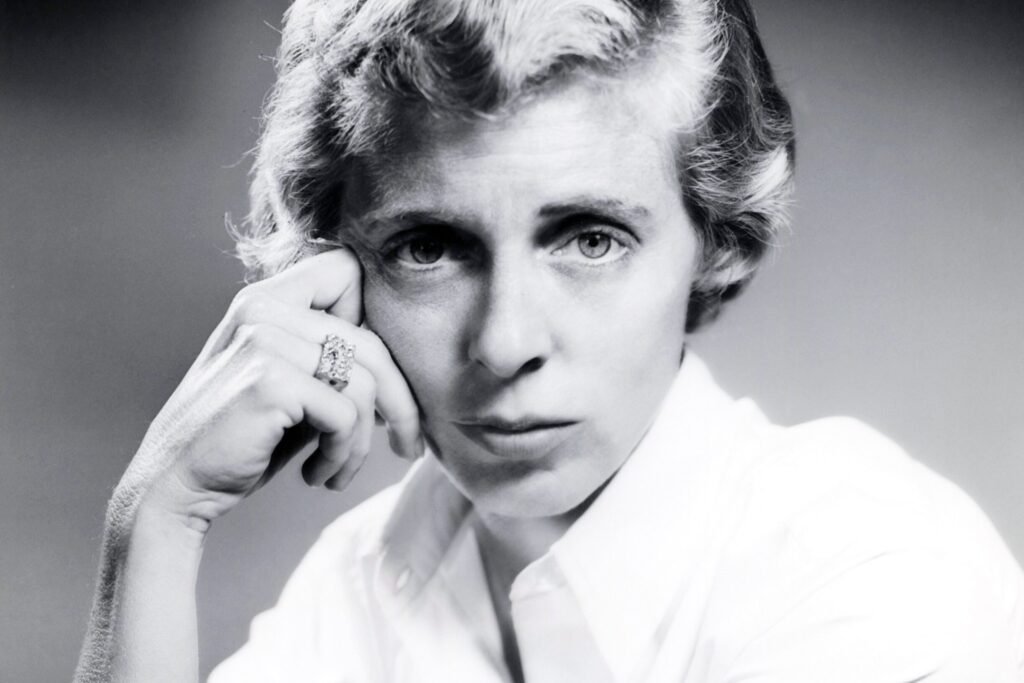
Nancy Kulp became a household name in the ’60s as the delightfully scatterbrained Miss Jane Hathaway on The Beverly Hillbillies. Her comedic timing and expressive reactions made her one of the show’s most memorable supporting players. Although the series kept her highly visible for much of the decade, Kulp did not pursue another long-running television role afterward. She appeared in occasional guest spots and made-for-TV projects, but her acting career gradually slowed. Over time, she shifted her energy toward advocacy work and public service rather than entertainment. That change quietly moved her away from the spotlight that had once been constant.
Fans who revisit the series are often reminded of how sharp and funny her performance really was. Kulp’s absence from later mainstream television can feel surprising given how recognizable she once was. Her career reflects how supporting stars sometimes become deeply associated with a single iconic role. She never attempted to recreate that success elsewhere, which gave her legacy a certain contained completeness. The warmth audiences still feel for Miss Hathaway keeps her presence alive in reruns and nostalgia programming. Even as her public visibility faded, her contribution to one of the era’s biggest sitcoms remains firmly intact.
14. Robert Reed
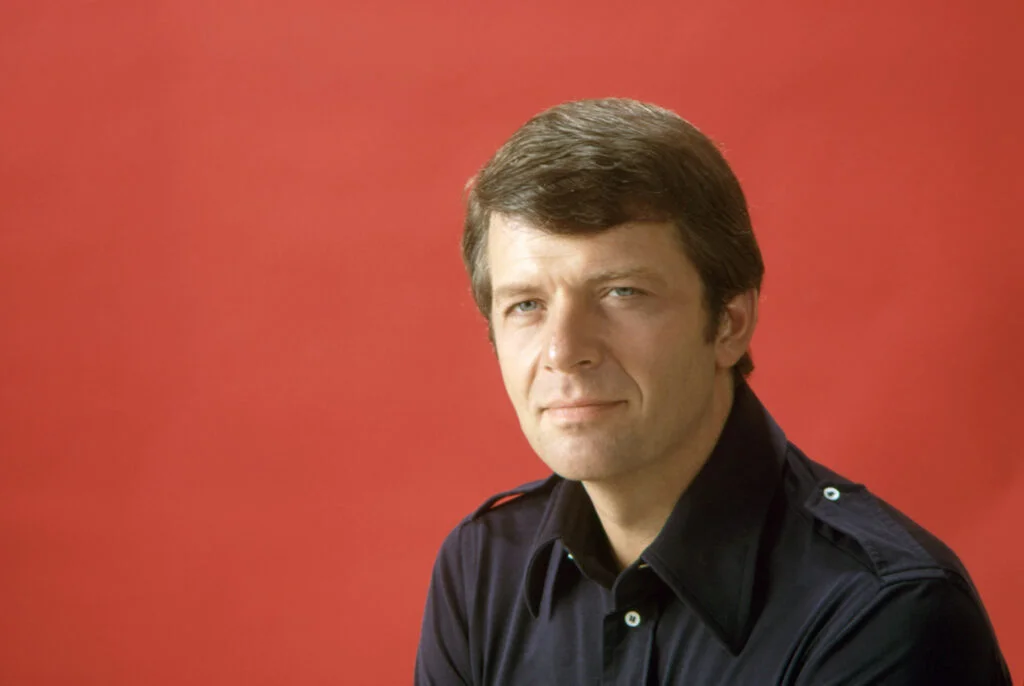
Robert Reed became a familiar television presence during the ’60s through a range of dramatic and family-oriented roles. His thoughtful, disciplined acting style earned him consistent work during that period. As the industry evolved and his personal priorities shifted, his visibility changed and became more selective. Although he remained active in later years, the constant exposure of his earlier television period gradually diminished. The change felt gradual rather than sudden.
Reed’s performances continue to resonate with viewers who appreciate classic television craftsmanship. His quieter later presence underscores how even respected actors can drift from mainstream attention as decades pass. Fans revisiting his work often gain a renewed appreciation for his depth and professionalism. His career reflects the natural lifecycle of television stardom. Slipping away from constant visibility did not diminish the quality or importance of his contributions.