
1. Star Trek
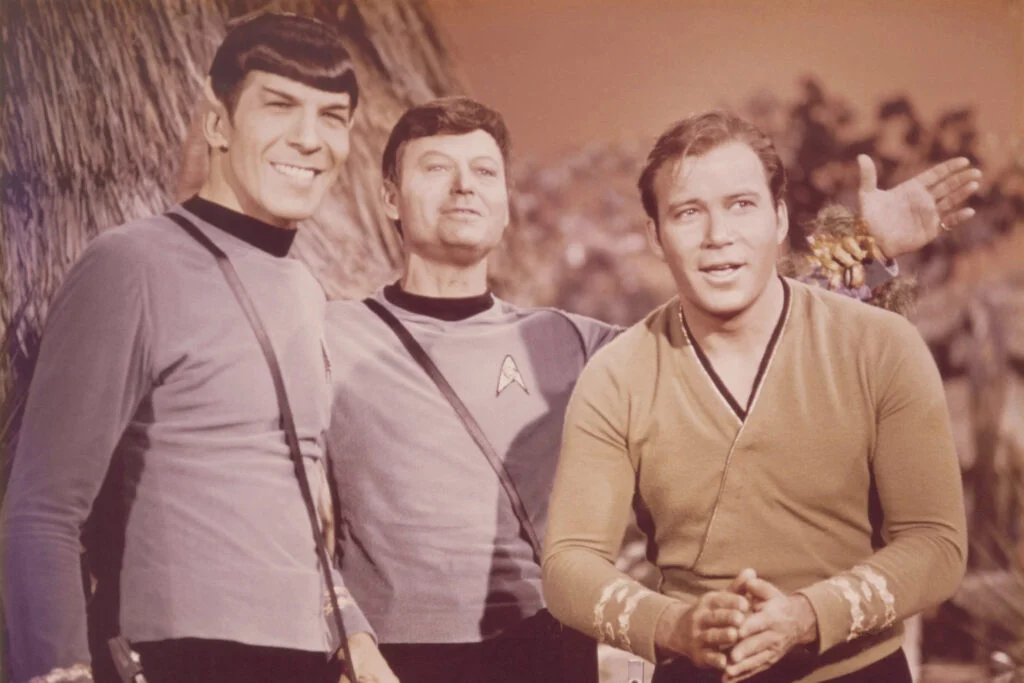
When Star Trek premiered in 1966, it didn’t look or sound like anything else on television. It treated science fiction seriously, using space travel as a way to explore race, politics, war, and ethics at a time when most TV played it safe. The famously diverse bridge crew felt radical in the middle of the Civil Rights era. Even the show’s optimistic vision of humanity working together felt quietly rebellious.
What still feels bold today is how directly the series tackled uncomfortable questions without talking down to viewers. Episodes challenged authority, questioned blind obedience, and pushed viewers to imagine a more inclusive future. Many of its themes remain painfully relevant. It’s rare for a show from the ’60s to feel this intellectually alive decades later.
2. The Twilight Zone
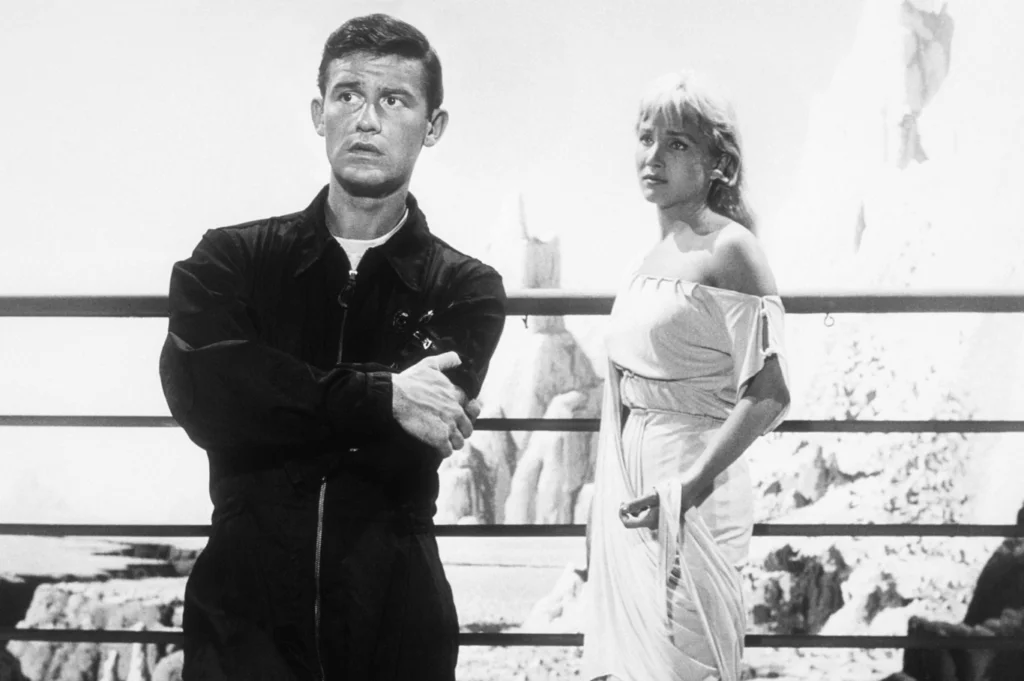
The Twilight Zone used fantasy and suspense to sneak sharp social commentary into American living rooms. Rod Serling tackled racism, paranoia, nuclear anxiety, and conformity at a time when those topics were often avoided on network TV. The stories trusted viewers to think, interpret, and sometimes feel unsettled. That kind of storytelling took courage in an era dominated by lighter entertainment.
The show still feels bold because it refuses easy answers. Many episodes end on haunting or ambiguous notes rather than tidy conclusions. Its moral questions continue to spark discussion and reinterpretation. Few anthology series have matched its lasting cultural impact.
3. The Smothers Brothers Comedy Hour
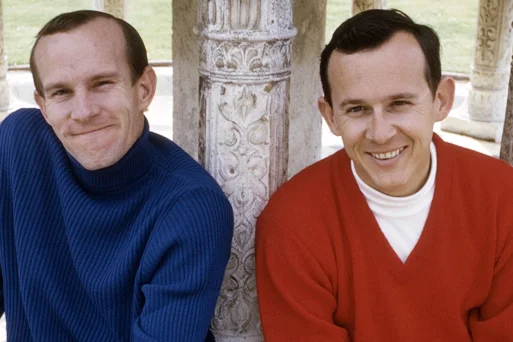
This variety show pushed political satire onto mainstream television during the height of the Vietnam War. The brothers openly mocked government policies and censorship in ways that unsettled network executives. Guest performers often delivered pointed social commentary disguised as comedy. The tension between the show and CBS became part of its legend.
What makes it still feel daring is how openly it challenged authority on a mass platform. The humor wasn’t just playful, it was confrontational and fearless. Several episodes were censored or pulled entirely, proving how controversial the material truly was. Its legacy paved the way for political comedy on television.
4. Mission: Impossible
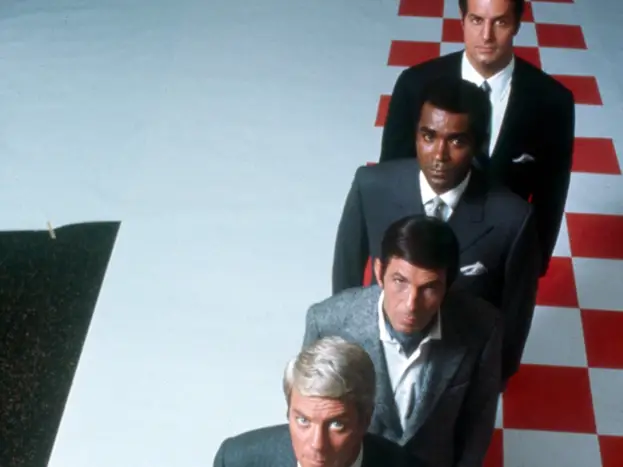
Mission: Impossible treated its audience like intelligent problem solvers. The complex plots, elaborate disguises, and moral gray areas felt sophisticated for a primetime drama in the ’60s. Characters relied on teamwork and strategy rather than simple heroics. It trusted viewers to keep up with layered storytelling.
Even now, the show’s structure feels modern. The emphasis on surveillance, espionage ethics, and technology resonates in today’s world. The lack of heavy-handed exposition keeps the tension sharp. It remains a blueprint for intelligent action television.
5. The Prisoner
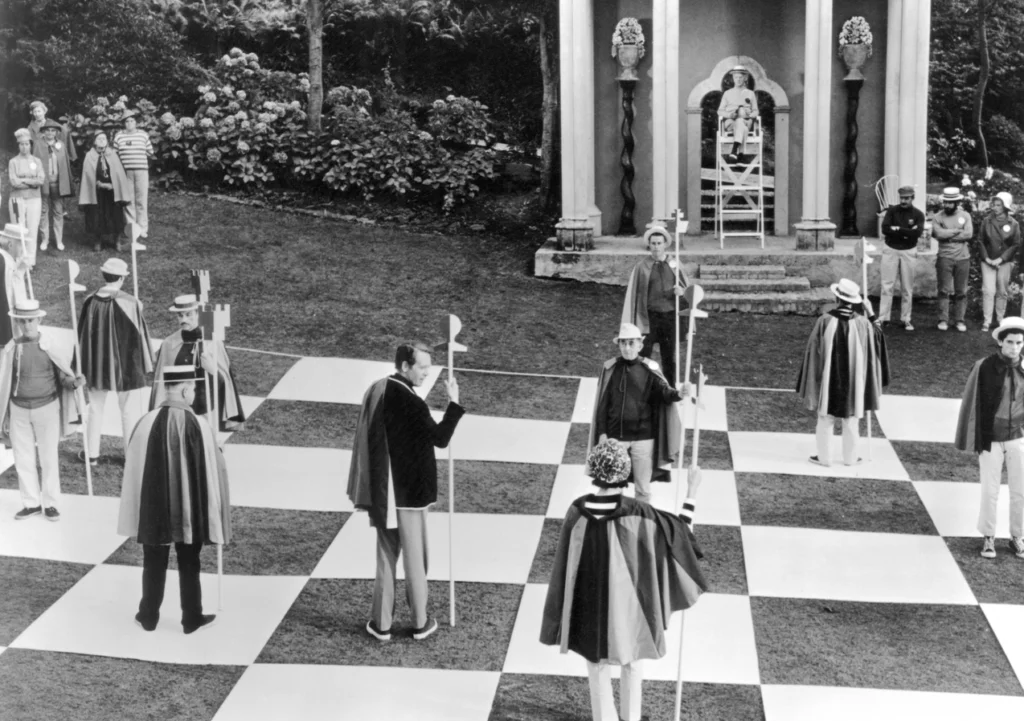
This surreal British series challenged viewers with symbolism, psychological tension, and political allegory. It refused to explain everything, which frustrated and fascinated audiences in equal measure. Themes of personal freedom, identity, and government control ran through every episode. The show deliberately blurred reality and illusion.
What keeps it bold today is its refusal to spoon-feed meaning. Viewers still debate what the story truly represents. Its visual style and narrative risks feel far ahead of their time. Few shows even now would dare to be this strange and uncompromising.
6. Rowan & Martin’s Laugh-In
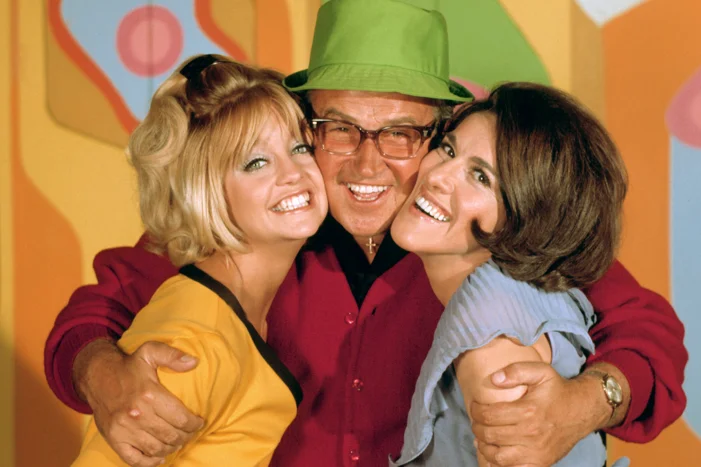
Laugh-In broke traditional sketch comedy rules with rapid-fire editing, visual gags, and topical humor. The pace felt chaotic compared to the polished variety shows audiences were used to. Political jokes landed fast and unapologetically. It captured the counterculture energy of the late ’60s in a way few shows attempted.
The show still feels bold because of its fearless absurdity and sharp satire. Many jokes were risky, even controversial, for network television. Its influence can be seen in modern sketch and late-night comedy. The willingness to experiment made it unforgettable.
7. I Spy
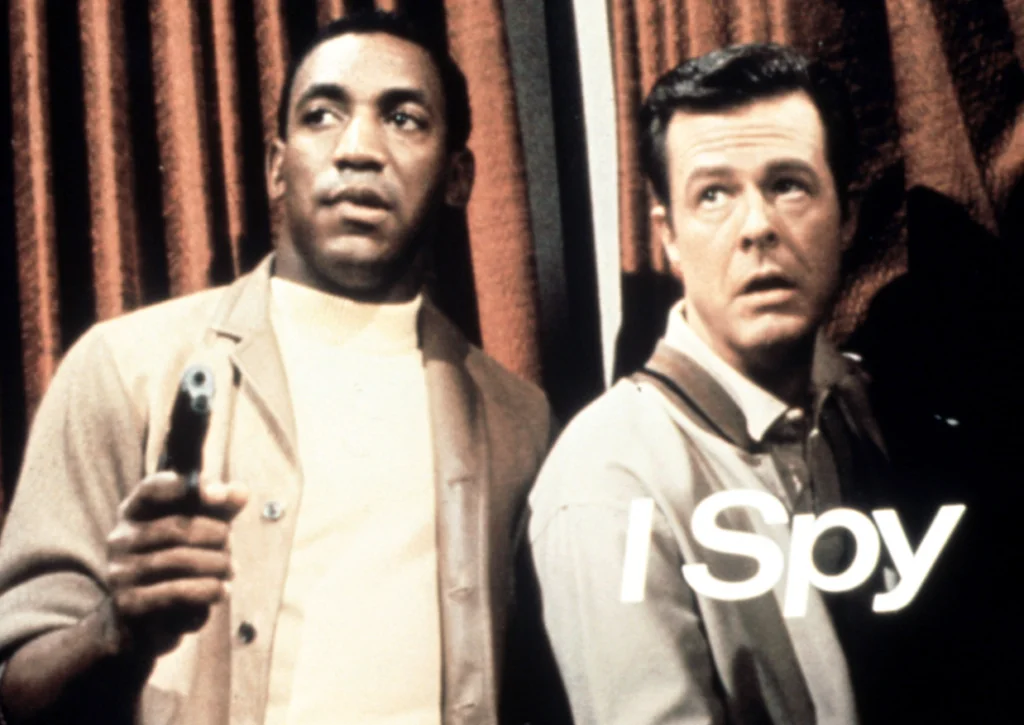
I Spy made history with one of the first interracial leading duos in a dramatic series. Bill Cosby and Robert Culp played equals, not stereotypes, which challenged norms of the time. The show traveled internationally and embraced a cosmopolitan tone. It quietly normalized diversity in a powerful way.
What remains bold is how casually it treated representation as normal rather than sensational. The characters were smart, witty, and complex. The series helped open doors for more inclusive casting on television. Its impact extends far beyond its spy plots.
8. Julia
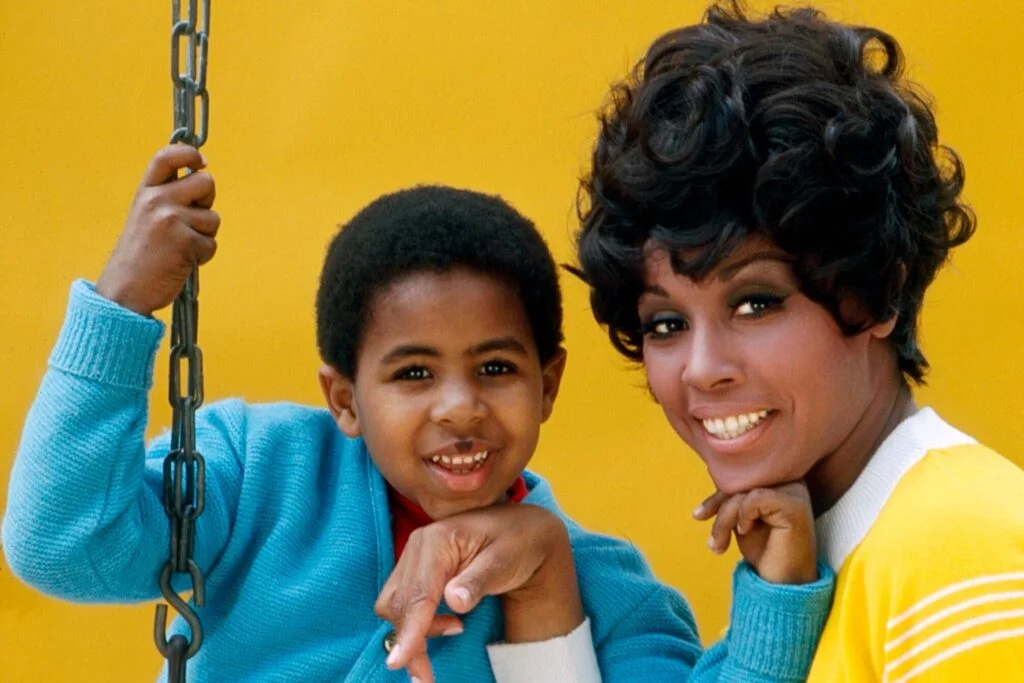
Julia starred Diahann Carroll as a professional Black widow raising her son, a groundbreaking portrayal in 1968. The character was educated, stylish, and independent, defying many harmful stereotypes still common on TV. The show presented a positive image of Black middle-class life. That visibility mattered deeply during a turbulent cultural moment.
The series still feels bold because of what it represented rather than flashy storytelling. It normalized dignity and ambition in ways that reshaped audience expectations. While later critics debated its tone, its cultural significance remains undeniable. It helped move television forward.
9. The Mod Squad
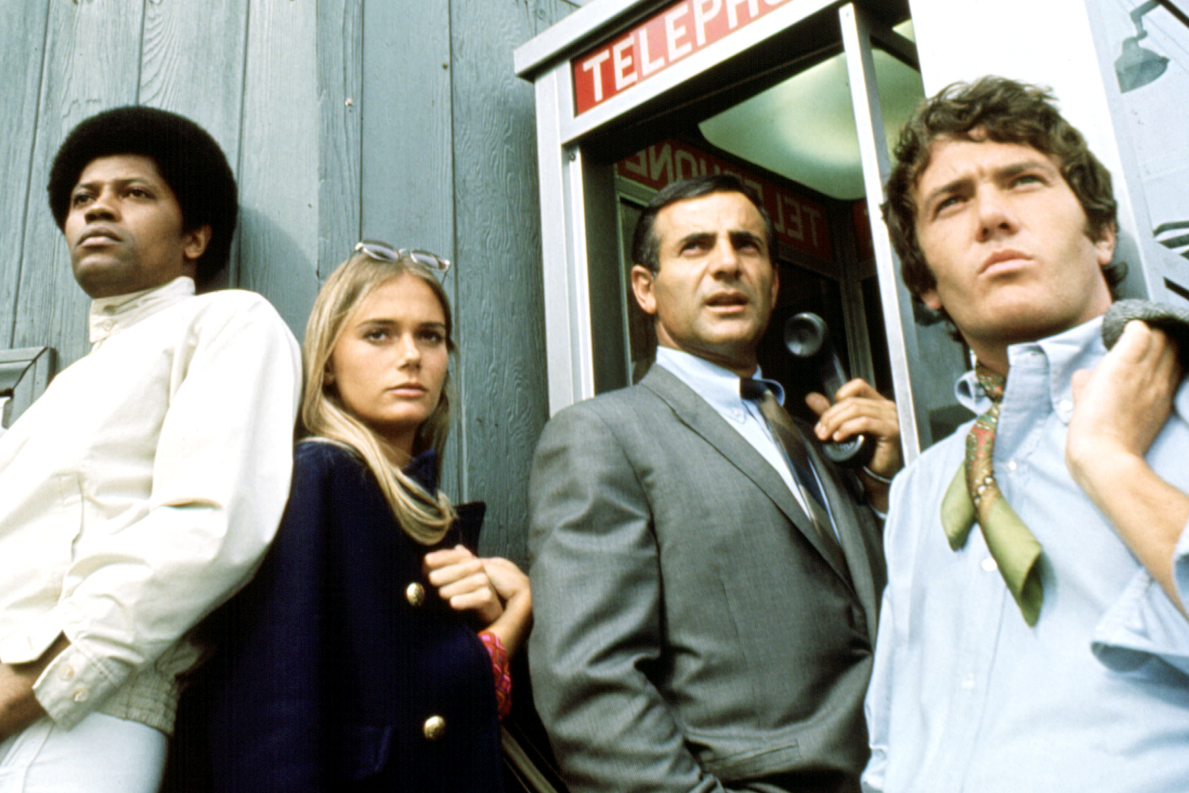
This series centered on young undercover cops who came from troubled backgrounds, including counterculture influences. It addressed youth rebellion, generational conflict, and social justice themes. The characters looked and spoke differently than typical TV cops of the era. The tone felt edgy and contemporary.
Today, the show still feels bold for bringing marginalized perspectives into mainstream drama. It tackled racism, drugs, and political unrest head-on. The youthful energy gave it a raw authenticity. It bridged the gap between establishment TV and changing cultural values.
10. Dark Shadows
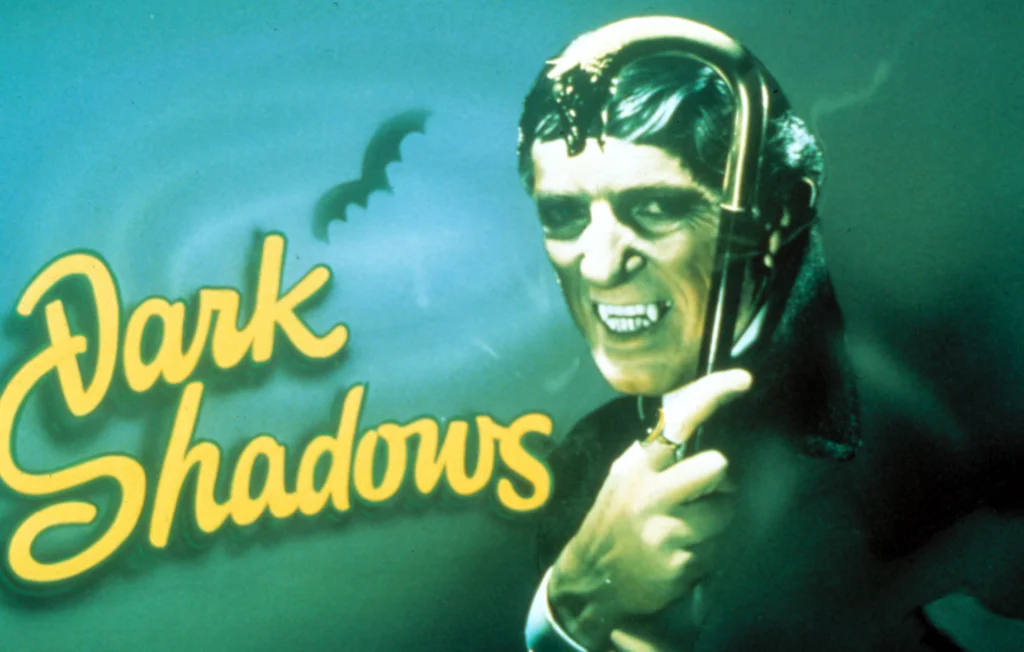
Dark Shadows introduced gothic horror and supernatural storytelling into daytime television. Vampires, time travel, and curses were unheard of in soap operas at the time. The show developed a passionate fanbase drawn to its strange atmosphere. It wasn’t afraid to be melodramatic, eerie, and unconventional.
What keeps it bold is its willingness to embrace genre blending. The serialized storytelling encouraged devoted viewing long before binge culture existed. Its campy intensity only adds to its charm. The show proved daytime TV could take creative risks.
11. Get Smart
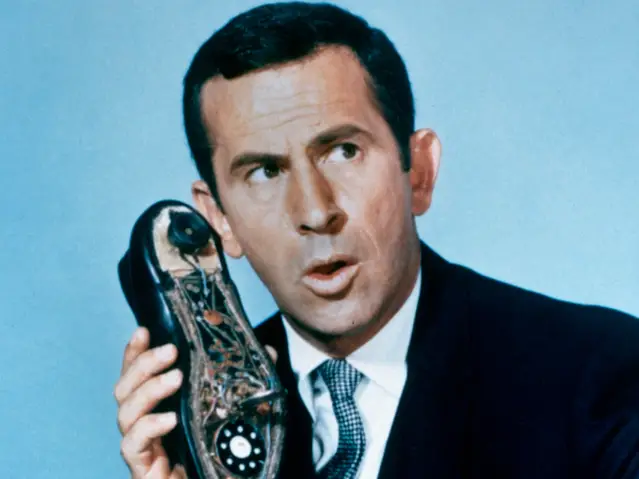
Get Smart parodied Cold War paranoia and spy culture at the height of espionage mania. It mocked authority figures and bureaucratic incompetence with gleeful absurdity. The humor often walked the line between silly and subversive. Audiences loved how it poked fun at serious global fears.
The show still feels bold because satire remains one of the hardest tones to balance. Many jokes still land thanks to sharp writing and committed performances. It wasn’t afraid to make heroes look foolish. That irreverence keeps it fresh.
12. Batman
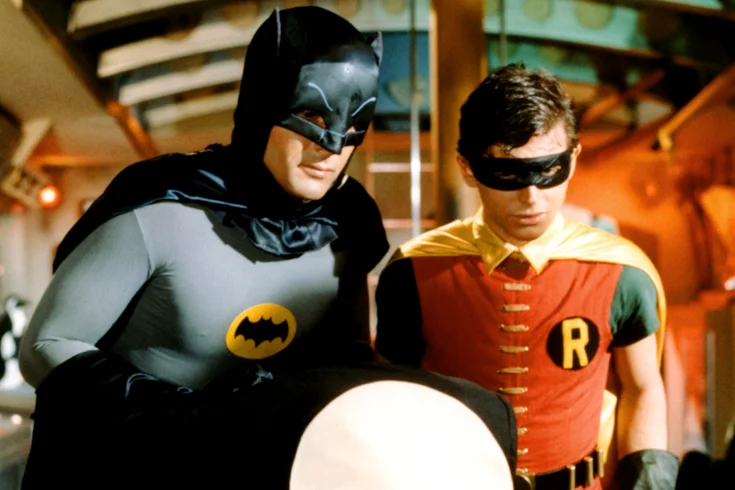
The campy Batman series embraced pop art aesthetics, exaggerated performances, and playful self-awareness. It turned comic book storytelling into a colorful spectacle long before superhero media dominated screens. The show never pretended to be realistic or serious. That bold stylistic choice made it instantly iconic.
Even today, its exaggerated tone feels daring rather than dated. The commitment to stylization gives it lasting charm. It proved that television could lean into fun without apology. Its influence still echoes in comic adaptations.
13. Peyton Place
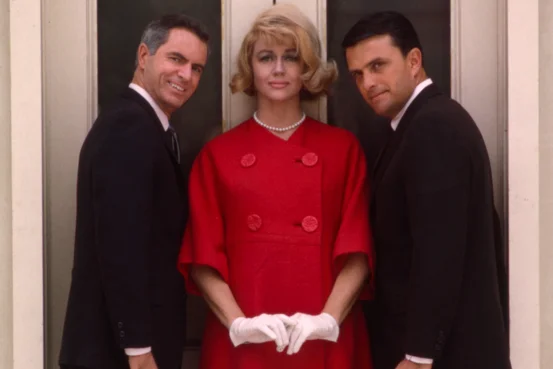
Peyton Place brought serialized drama and mature themes into primetime. It explored infidelity, addiction, family conflict, and moral ambiguity in ways that shocked audiences. The ongoing storyline structure encouraged viewers to tune in regularly. It helped redefine what television drama could tackle.
The show still feels bold because it opened the door for modern serialized storytelling. It proved audiences wanted deeper emotional investment. Its willingness to confront uncomfortable topics changed programming standards. Many contemporary dramas owe it a quiet debt.
14. The Avengers
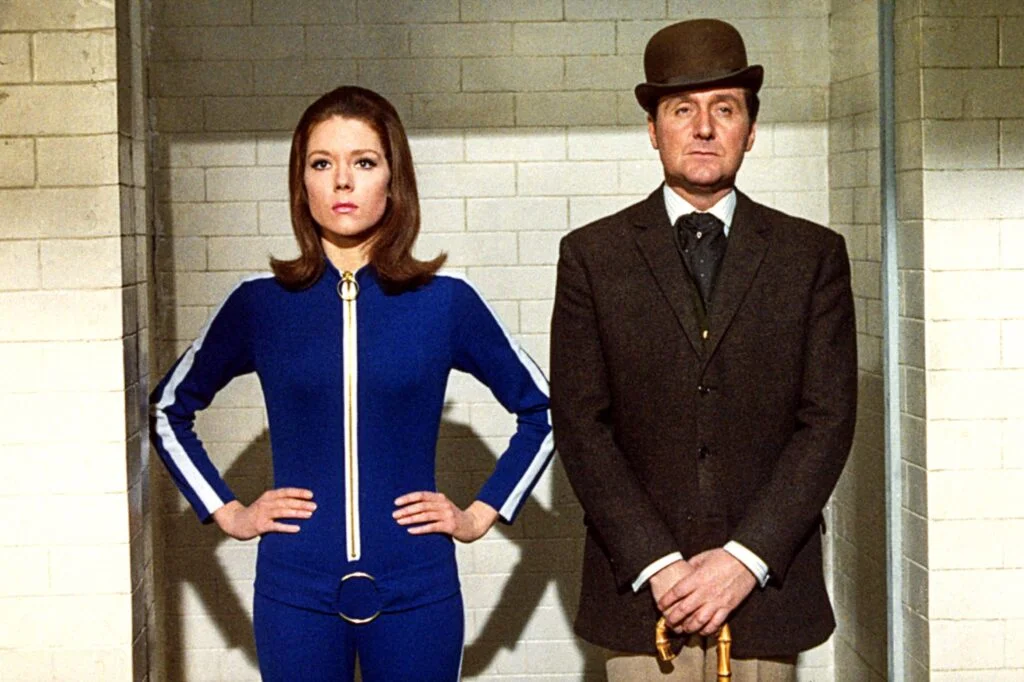
This British spy series blended action, humor, and stylish surrealism. Strong female characters like Emma Peel broke traditional gender expectations with intelligence and physical confidence. The playful tone balanced danger with wit and visual flair. It stood apart from typical procedural formats.
What keeps it bold is how effortlessly it mixed genres and challenged stereotypes. The characters felt modern long before modern TV existed. Its influence can still be seen in stylish action series today. The show remains remarkably fresh for its era.


