
1. The Andy Griffith Show
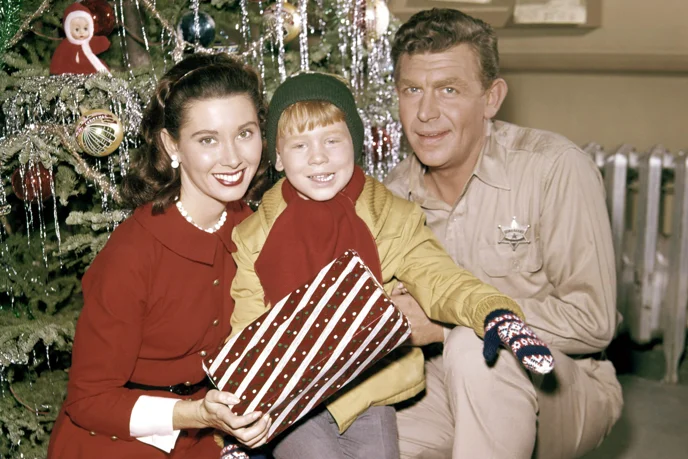
For a lot of viewers, Mayberry didn’t just feel like a setting, it felt like a place you actually knew. Andy Taylor’s calm wisdom, Barney Fife’s lovable chaos, and Opie’s wide-eyed innocence created a kind of emotional comfort that kept families tuning in week after week. The show made everyday problems feel manageable, whether it was a neighborly misunderstanding or a lesson about honesty and kindness. Even the slower pace felt soothing, like sitting on a front porch at the end of a long day. You didn’t just watch these characters, you settled in with them. Over time, the town itself became part of the emotional bond. It’s hard not to feel nostalgic the moment the whistled theme song starts. For many viewers, Mayberry still represents a simpler, gentler version of home.
What made the attachment stick was how sincere the relationships felt. Andy’s steady guidance of Opie mirrored what many people hoped parenting could look like. Barney’s insecurity and loyalty made him frustrating and endearing at the same time, which felt deeply human. Aunt Bee brought warmth and quiet stability that anchored the whole household. Even guest characters felt like familiar neighbors rather than one-off visitors. The show trusted small moments instead of big drama, which gave it emotional weight without heaviness. People didn’t just remember episodes, they remembered how the show made them feel. That emotional imprint has lasted for generations.
2. Bewitched
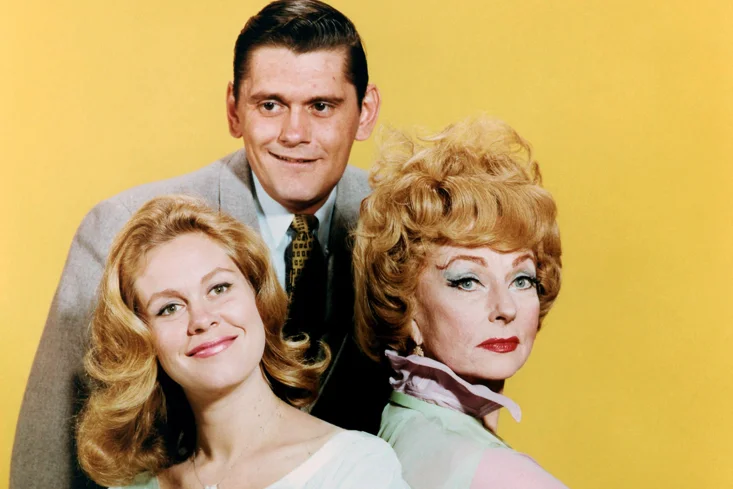
Samantha Stephens felt like the friend everyone wanted, someone magical who still wanted a normal life. Watching her juggle her powers with suburban expectations created a charming tension that viewers quickly invested in. The love story between Samantha and Darrin gave the show real emotional grounding beneath the fantasy. Their disagreements felt playful but relatable, like any young couple learning how to coexist. Endora’s constant meddling added chaos, but also a strange kind of family dynamic people recognized. The idea of hiding who you really are resonated more than the witchcraft itself. Over time, viewers rooted for Samantha not just to succeed, but to be accepted. The emotional pull came from wanting her happiness as much as her happy endings.
What made the attachment deeper was how consistently the characters felt like a real household. Samantha’s warmth and patience made her easy to love. Darrin’s stubborn pride and vulnerability made him imperfect in a believable way. Even the magical mishaps often reflected everyday frustrations about marriage, work, and fitting in. Viewers could imagine living next door to the Stephens family. The humor never overshadowed the heart of the show. People tuned in because it felt comforting and familiar. That sense of emotional familiarity kept audiences loyal for years.
3. I Love Lucy
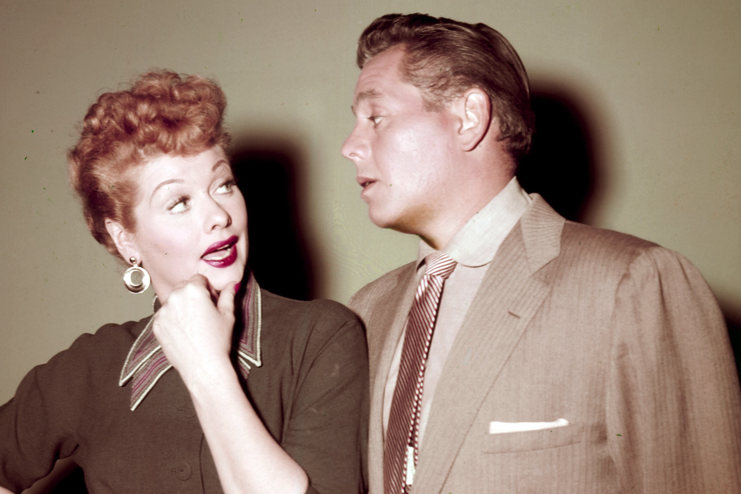
Lucy Ricardo’s endless schemes made audiences laugh, but her emotional pull came from how deeply human she felt. Her big dreams, insecurities, and impulsive mistakes mirrored what many people recognized in themselves. The dynamic between Lucy and Ricky blended comedy with genuine affection and frustration. You could feel that they loved each other even when chaos erupted. Ethel and Fred added a second layer of friendship that made the group feel like a real social circle. Viewers didn’t just laugh at Lucy, they rooted for her to finally succeed. Every new episode felt like catching up with old friends. That sense of familiarity built strong emotional loyalty.
What really kept viewers attached was the chemistry among the cast. Lucy’s expressive energy felt spontaneous and alive in every scene. Ricky’s grounded reactions balanced the madness without dulling it. Ethel’s loyalty and mischief gave Lucy a partner in crime that viewers adored. Even when plots reset each week, the emotional bonds stayed consistent. The show created a world where chaos always resolved with warmth. Audiences felt invited into that world. It’s why people still feel connected decades later.
4. The Dick Van Dyke Show
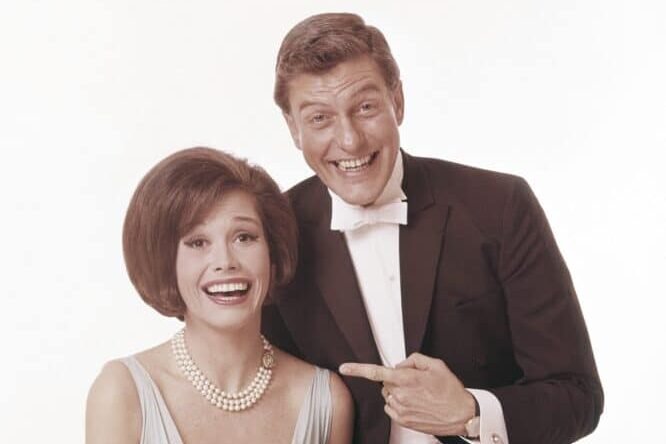
Rob and Laura Petrie felt like a modern couple viewers could actually relate to. Their marriage showed affection, humor, and the occasional misunderstanding without drifting into melodrama. The workplace scenes added another layer of camaraderie that felt authentic and lively. Buddy and Sally weren’t just coworkers, they felt like friends you enjoyed spending time with. The balance between home life and career life mirrored what many families were experiencing in the ’60s. That relatability created emotional investment almost immediately. Viewers didn’t just enjoy the jokes, they cared about the characters’ daily lives. It felt like watching a happy, slightly chaotic household grow over time.
What strengthened the emotional bond was the show’s warmth beneath the comedy. Laura’s intelligence and grace made her more than just a sitcom wife. Rob’s playful clumsiness felt endearing rather than silly. Their conversations felt natural, like something you might overhear in a real living room. The supporting cast added texture and humor without overshadowing the central relationship. The show trusted character chemistry to carry the humor. That made the attachment feel genuine rather than manufactured. Audiences kept coming back because it felt like home.
5. Star Trek
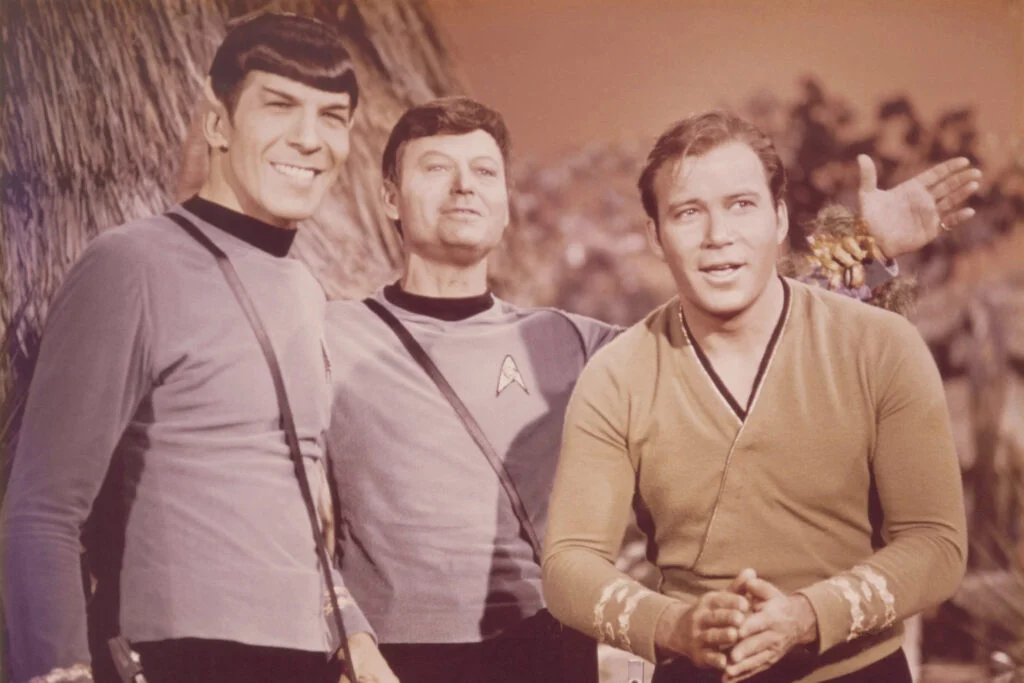
For many viewers, the crew of the Enterprise became a chosen family. Captain Kirk’s leadership, Spock’s logic, and McCoy’s emotional honesty created a trio people deeply connected with. The show offered adventure, but it also explored friendship, loyalty, and moral responsibility. Each episode felt like a shared journey rather than just a story. Fans began to identify with different crew members and their values. The emotional connection grew as viewers watched the characters face danger together. Even the supporting crew felt important and recognizable. That sense of belonging fueled long-lasting attachment.
What made the emotional bond especially strong was how hopeful the show felt. It imagined a future where cooperation mattered and differences were respected. Spock’s struggle between logic and emotion resonated with viewers who felt torn between intellect and feeling. McCoy’s compassion grounded the science fiction in humanity. Kirk’s confidence carried responsibility rather than arrogance. The relationships felt layered and sincere. Fans didn’t just admire the characters, they felt connected to them. That connection continues to drive devotion decades later.
6. Bonanza

The Cartwright family created a powerful emotional anchor for viewers. Watching Ben and his sons navigate loyalty, justice, and family bonds made the show feel deeply personal. Each brother brought a distinct personality that viewers could relate to in different ways. The Ponderosa ranch became a familiar setting that felt like a second home. Stories often focused on moral dilemmas that encouraged empathy and reflection. Audiences grew attached to the family’s integrity and resilience. You didn’t just watch the Cartwrights, you rooted for them. That sense of emotional investment carried from week to week.
What strengthened the attachment was the consistency of the family dynamic. Ben’s steady guidance gave the show emotional grounding. The brothers’ disagreements felt honest without breaking the bond between them. Their loyalty to each other reinforced the idea of family as a safe harbor. Even guest characters were often changed by the Cartwrights’ influence. The show balanced action with emotional storytelling. Viewers felt connected to the values it represented. That connection kept the series beloved long after it ended.
7. The Brady Bunch
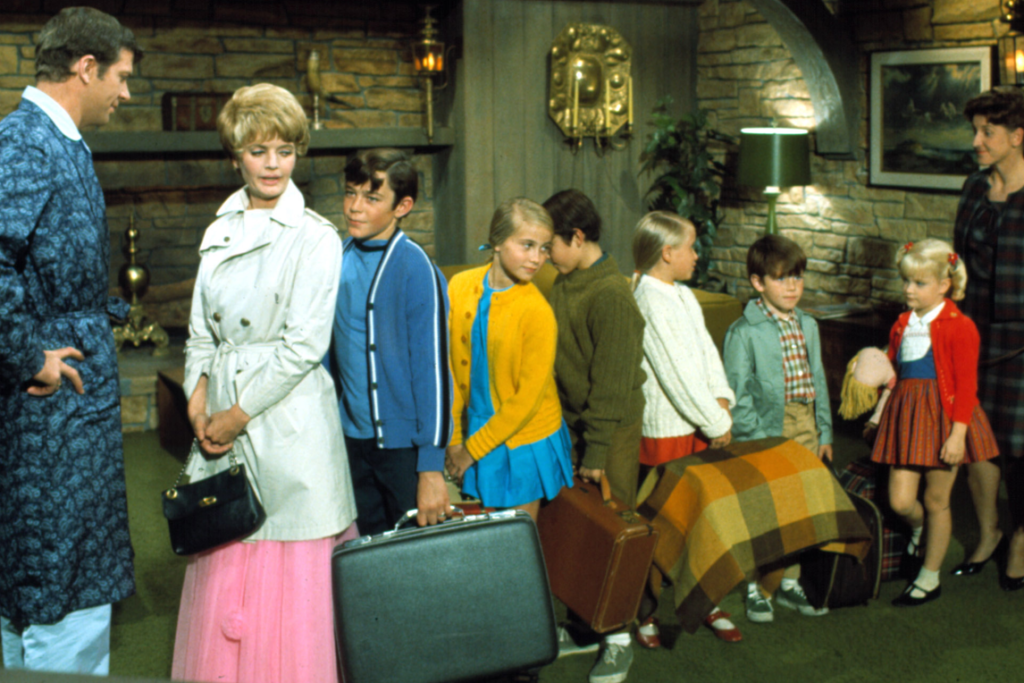
The Brady household felt like the idealized family many viewers wanted to belong to. Watching two families blend into one created stories about adjustment, compromise, and growing together. Each child had a distinct personality that viewers could identify with or recognize in their own siblings. The parents’ calm guidance offered reassurance during conflicts. The house itself became instantly recognizable and comforting. Episodes often reflected everyday childhood challenges that felt relatable. Over time, viewers felt emotionally invested in the kids growing up. It felt like checking in on a familiar family every week.
The emotional attachment came from the show’s warmth and optimism. Conflicts were resolved with communication rather than bitterness. The siblings supported each other even when they argued. Viewers saw pieces of their own childhood reflected in small moments and mishaps. The predictability created comfort rather than boredom. The characters felt dependable and safe. That emotional consistency built loyalty across generations. Even today, the Brady family feels strangely familiar.
8. Gunsmoke
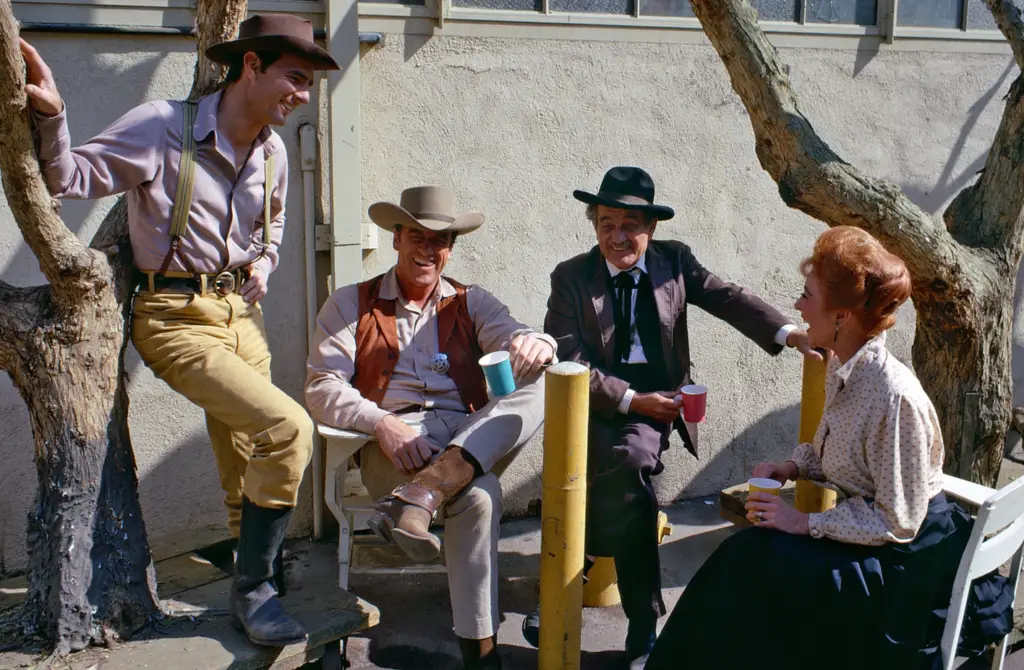
Dodge City became a world viewers returned to regularly, guided by Marshal Matt Dillon’s steady presence. His sense of justice and quiet compassion made him easy to trust. Kitty Russell’s warmth added emotional depth to the town’s rough edges. Doc Adams brought humor and wisdom that balanced the seriousness of frontier life. The show often explored moral complexity rather than simple good versus evil. Viewers became invested in how conflicts would resolve emotionally, not just physically. The town felt alive with recurring faces and shared history. That continuity created emotional attachment.
What made the connection stronger was the humanity behind the Western setting. Characters faced loneliness, redemption, and moral struggle in ways viewers recognized. Matt’s restraint and empathy made him more than a typical lawman. Kitty’s loyalty added emotional grounding to the stories. Even one-episode characters often left a lasting impression. The pacing allowed space for reflection rather than constant action. Viewers felt connected to the rhythm of life in Dodge City. That steady emotional presence kept audiences loyal.
9. The Twilight Zone
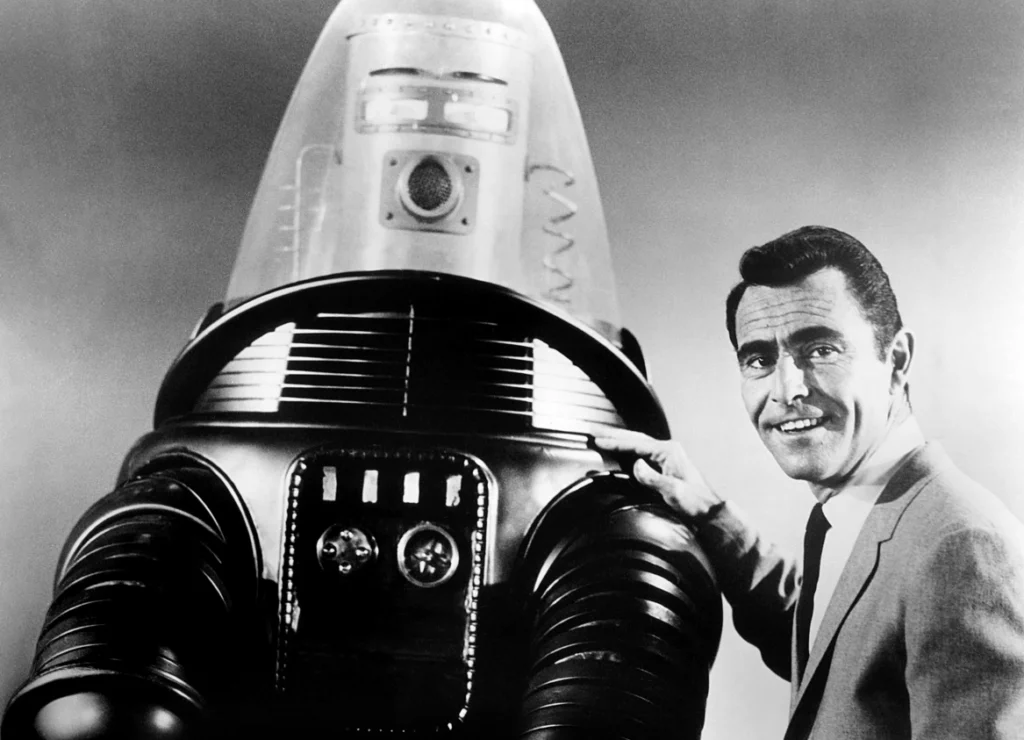
Even though the stories changed each week, the emotional attachment came from the show’s shared sense of wonder and reflection. Viewers trusted the series to challenge their perspective on humanity. Rod Serling’s introductions felt like an invitation into thoughtful storytelling. Many episodes explored fear, hope, regret, and moral consequence. Audiences became emotionally invested in the lessons as much as the twists. Certain episodes lingered long after the credits rolled. The show created a collective emotional memory for viewers. That anticipation built attachment over time.
The emotional pull came from how personal the stories often felt. Characters faced decisions that mirrored real ethical dilemmas. Viewers saw parts of themselves in those struggles. The unexpected endings encouraged reflection rather than simple shock. The tone balanced mystery with empathy. Even the unsettling moments felt meaningful rather than gratuitous. That emotional resonance kept people coming back. The show earned trust through its consistent depth.
10. The Beverly Hillbillies
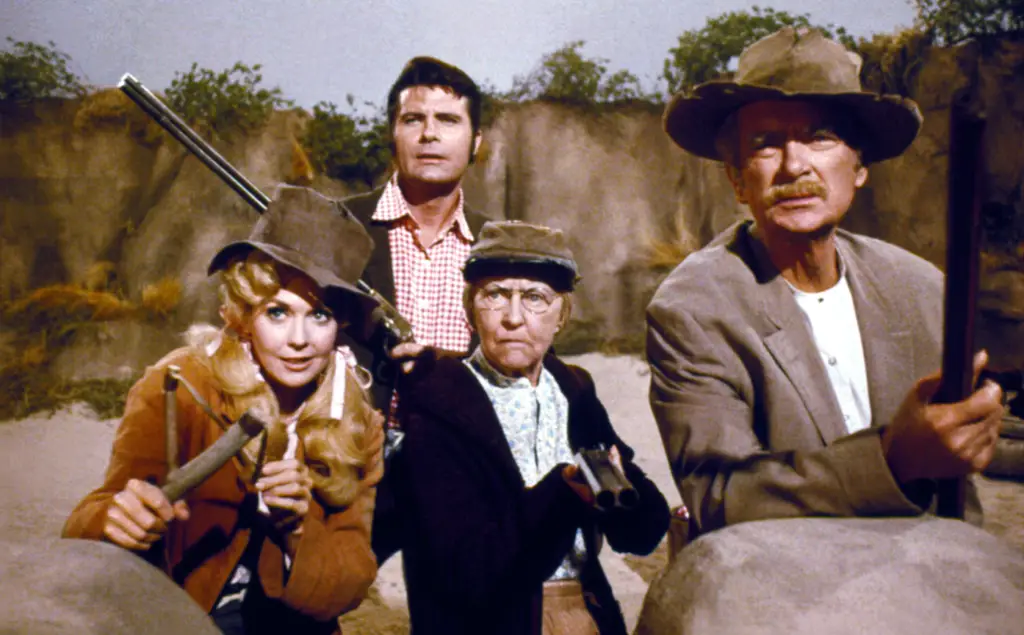
The Clampett family’s innocence and kindness made them easy to love. Watching them navigate wealth without losing their values created emotional warmth beneath the humor. Jed’s steady moral compass grounded the absurd situations. Granny’s fierce loyalty added humor and heart at the same time. The family dynamic felt genuine despite the exaggerated premise. Viewers enjoyed watching the Clampetts stick together. Their fish-out-of-water experiences felt charming rather than mocking. That kindness built emotional attachment.
What strengthened the bond was the family’s unwavering loyalty to each other. They faced misunderstanding with patience and humor. Their simple outlook often highlighted the absurdity of high society. Audiences rooted for them to remain true to themselves. The recurring characters created a familiar social world. The humor never felt cruel. Viewers felt protective of the Clampetts. That emotional connection endured.
11. Gilligan’s Island
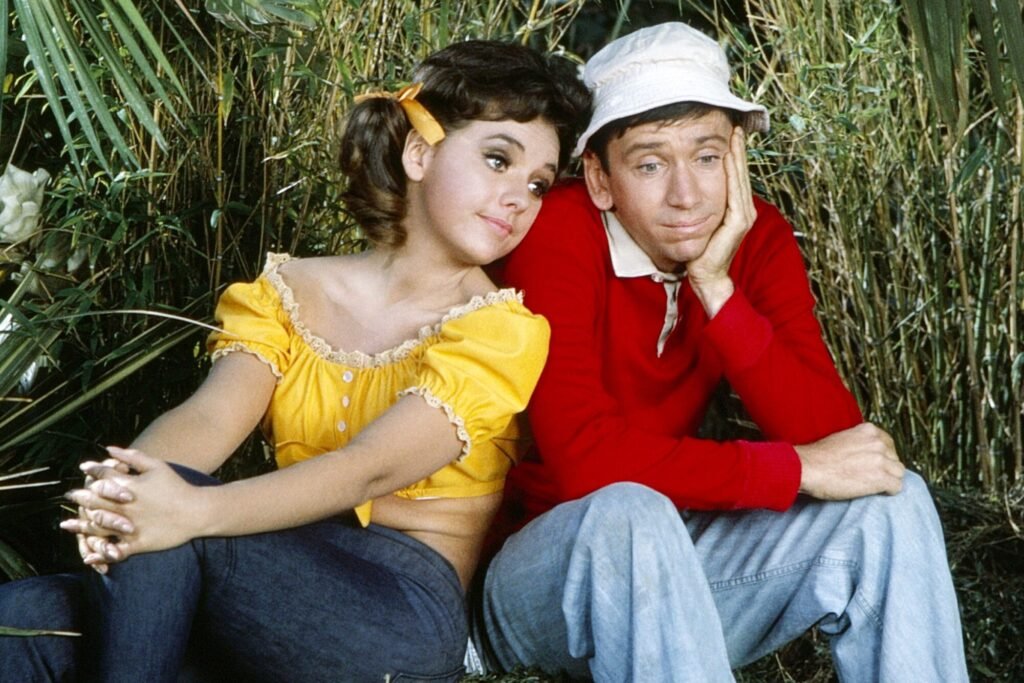
The castaways felt like a quirky extended family stranded together. Each character brought a unique personality that viewers quickly bonded with. The Professor’s ingenuity, Mary Ann’s warmth, and Gilligan’s innocence created emotional balance. The Skipper’s frustration and loyalty added humor and heart. The shared struggle of being marooned built a sense of unity. Viewers rooted for cooperation as much as rescue. The island became a strangely comforting setting. That familiarity created emotional attachment.
What deepened the connection was how the characters supported one another. Conflicts resolved through teamwork and empathy. Even disagreements felt playful rather than harsh. The show emphasized community under pressure. Viewers felt affection for the group dynamic. The predictability added comfort rather than monotony. Each episode reinforced the sense of togetherness. That emotional consistency kept audiences engaged.
12. The Addams Family
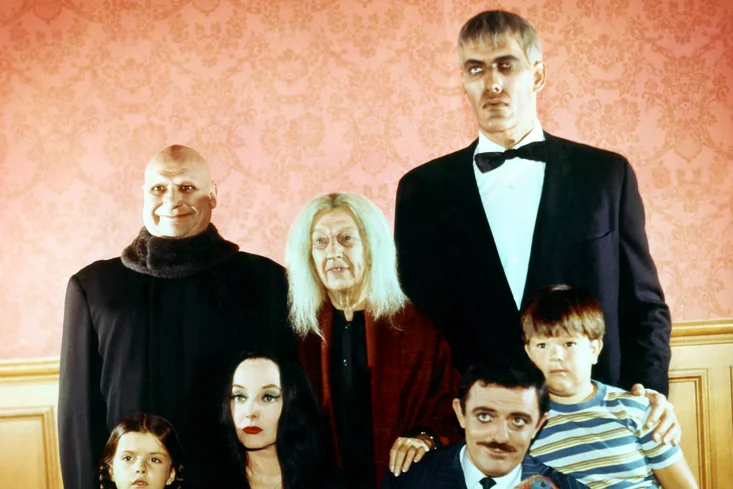
The Addams household celebrated being different in a way viewers found oddly comforting. Their unconditional love for each other created emotional warmth beneath the dark humor. Gomez and Morticia’s affection stood out as sincere and supportive. Wednesday and Pugsley’s curiosity felt playful rather than sinister. The family’s unity made their eccentricity feel safe. Viewers appreciated how acceptance was central to the show’s charm. It encouraged embracing individuality. That message created emotional resonance.
What strengthened attachment was how consistently loving the family remained. Conflicts rarely undermined their bond. The humor highlighted their closeness rather than mocking it. Viewers found reassurance in their unwavering support for one another. The characters felt distinct yet interconnected. The house itself became iconic and familiar. Audiences returned for the sense of belonging. That emotional loyalty persists.
13. My Three Sons
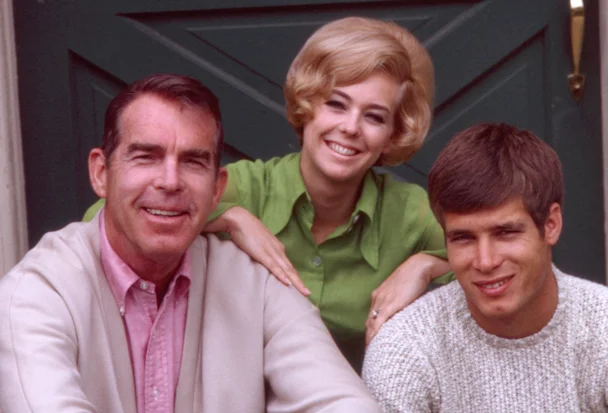
The Douglas household felt like a warm portrait of evolving family life. Watching a widowed father raise his sons created genuine emotional stakes. The boys’ growth and changing personalities kept viewers invested. Uncle Charley’s humor added levity without disrupting the emotional core. Everyday challenges felt relatable and sincere. The family’s affection made conflicts feel meaningful rather than trivial. Viewers grew attached as the boys matured. It felt like watching a real family over time.
What made the connection stronger was the show’s focus on communication and support. Mistakes were treated as learning opportunities. The father-son bond felt patient and respectful. The household felt stable and welcoming. Viewers could imagine themselves in that living room. The warmth carried through every episode. That consistency created emotional comfort. Audiences stayed loyal because it felt familiar and sincere.
14. Mission: Impossible
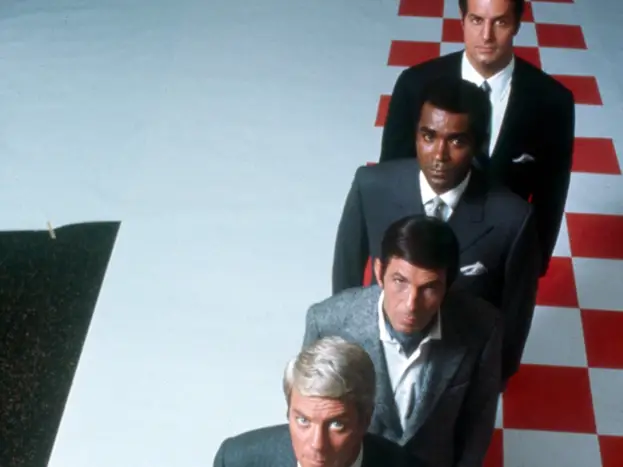
The team dynamic created a different kind of emotional attachment rooted in trust and precision. Watching the agents rely on each other under pressure built respect and investment. Each member brought specialized skills that felt essential to the group’s success. The missions carried high stakes that encouraged suspense and emotional engagement. Viewers admired the discipline and intelligence behind the teamwork. The sense of professionalism created credibility. The recurring format still allowed character consistency. That reliability fostered loyalty.
What strengthened the emotional bond was the quiet confidence of the team. They communicated efficiently and trusted each other completely. Viewers respected the competence and composure displayed. The structure created anticipation without sacrificing character integrity. The tension never felt reckless or chaotic. Audiences appreciated the methodical problem solving. That steady competence built long-term attachment. The team became symbols of trust and reliability.