
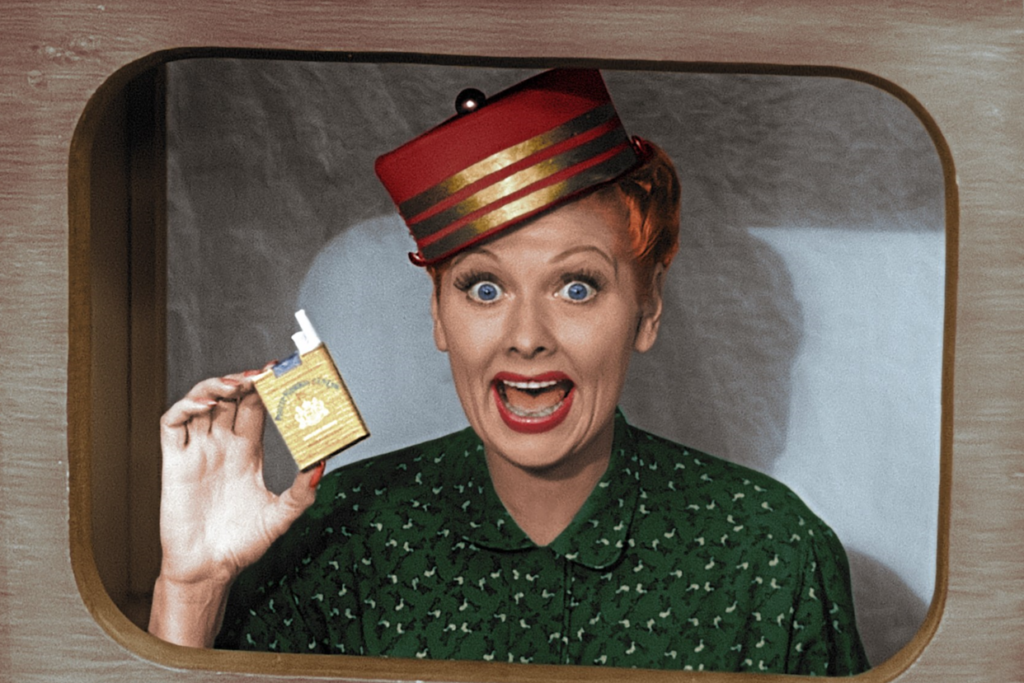
1. Lucille Ball
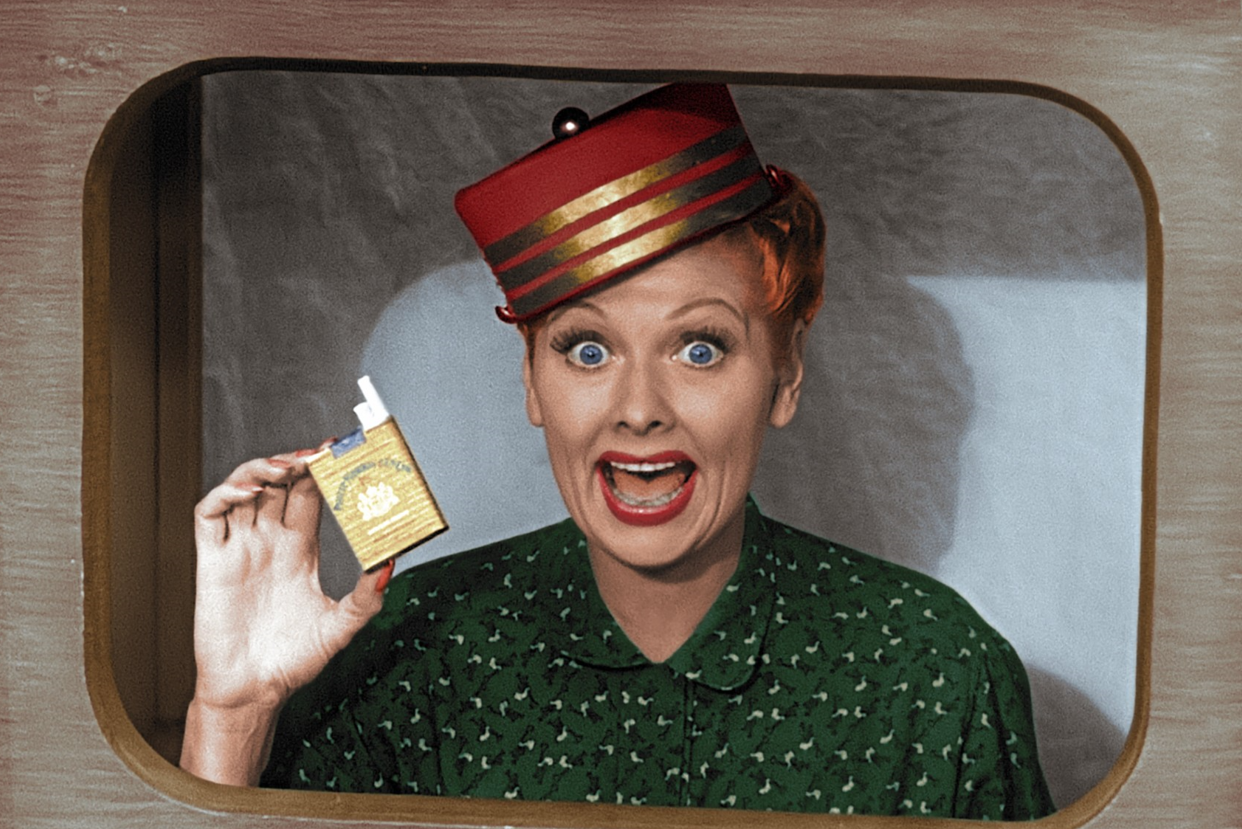
By the time the ’60s arrived, Lucille Ball already felt like television royalty. She had conquered the ’50s with I Love Lucy, and audiences were not ready to let her go. Her follow-up series The Lucy Show proved she still had perfect comic timing and endless charm. Week after week, she remained one of the most watched faces on television.
Viewers trusted Ball to make them laugh no matter what situation her character stumbled into. Networks knew her name alone could carry an entire lineup. She was a rare performer who appealed to kids, parents, and grandparents all at once. In that decade, it seemed impossible to imagine TV without her big, expressive grin.
2. Andy Griffith
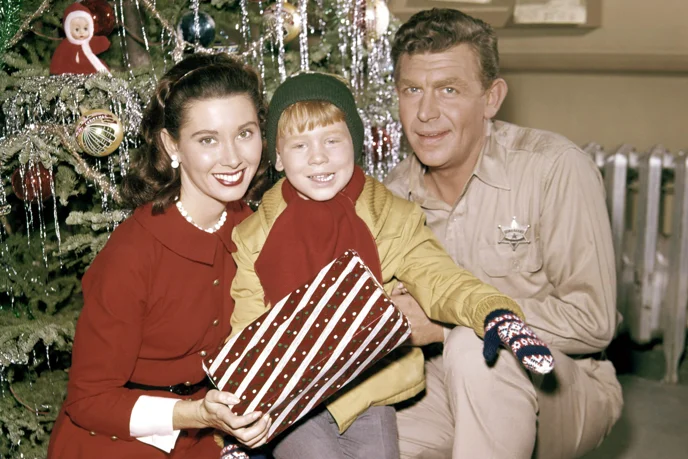
Andy Griffith felt like America’s favorite neighbor throughout the 1960s. As the steady, warmhearted sheriff on The Andy Griffith Show, he became a symbol of small-town kindness. Families gathered around their sets just to spend a little time in Mayberry. His calm humor and gentle wisdom made him instantly lovable.
Griffith never needed flashy gimmicks to keep viewers interested. His performance was natural and comforting in a way few actors could match. The show dominated ratings for years and ended while still wildly popular. At the time, it looked like Griffith could do no wrong on television.
3. Mary Tyler Moore
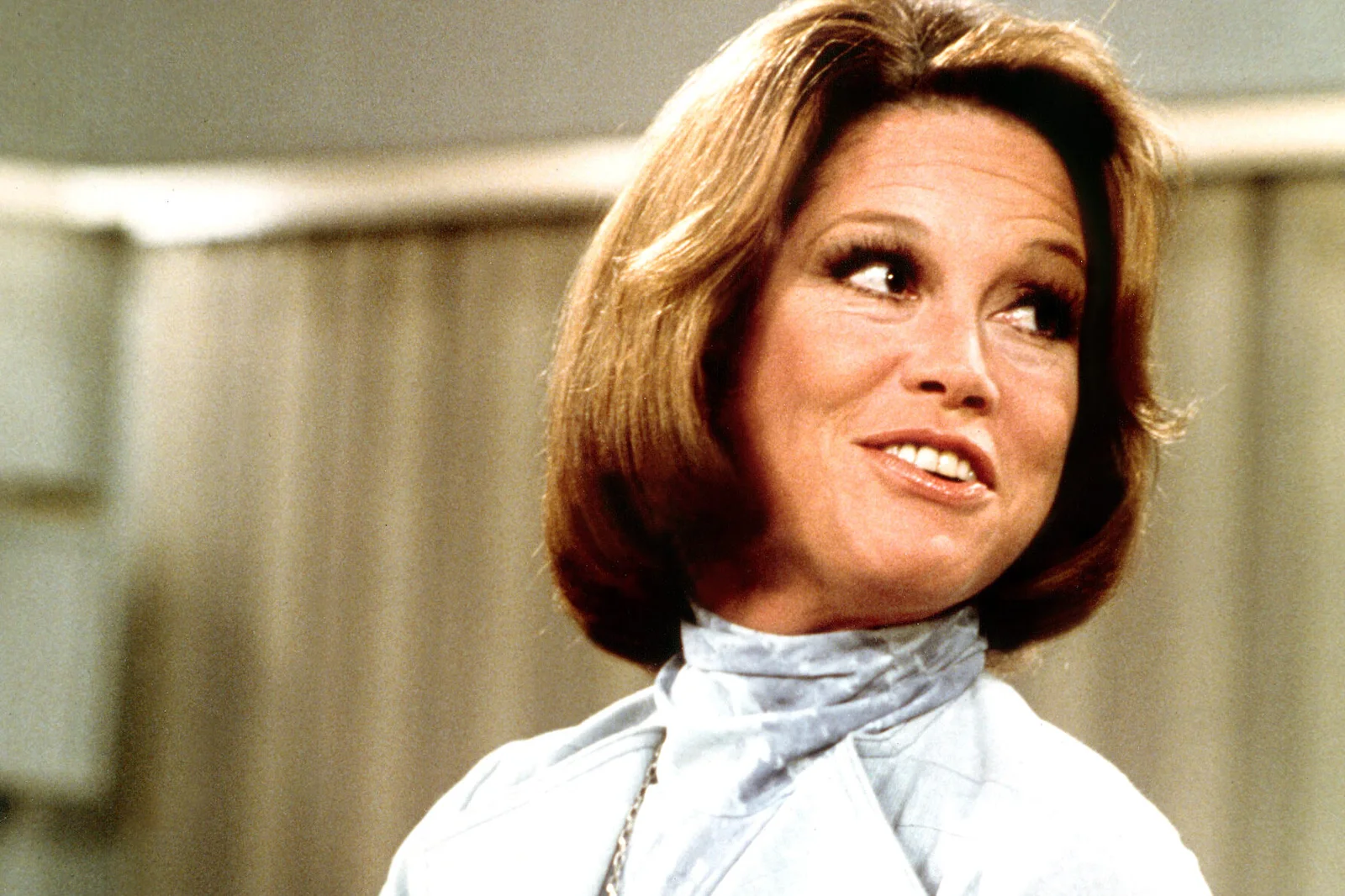
Mary Tyler Moore stepped onto the screen in the early ’60s and immediately felt modern and fresh. On The Dick Van Dyke Show, she played Laura Petrie with humor, grace, and a touch of glamour. Women wanted her wardrobe and her confidence, and men adored her quick wit. She quickly became the kind of star magazines loved to feature.
Moore represented a new kind of TV woman who was funny without being silly. Her popularity only grew as the decade rolled on. By the end of the ’60s, she was already being called one of television’s brightest talents. It was clear she was on a fast track to even bigger things.
4. Elizabeth Montgomery
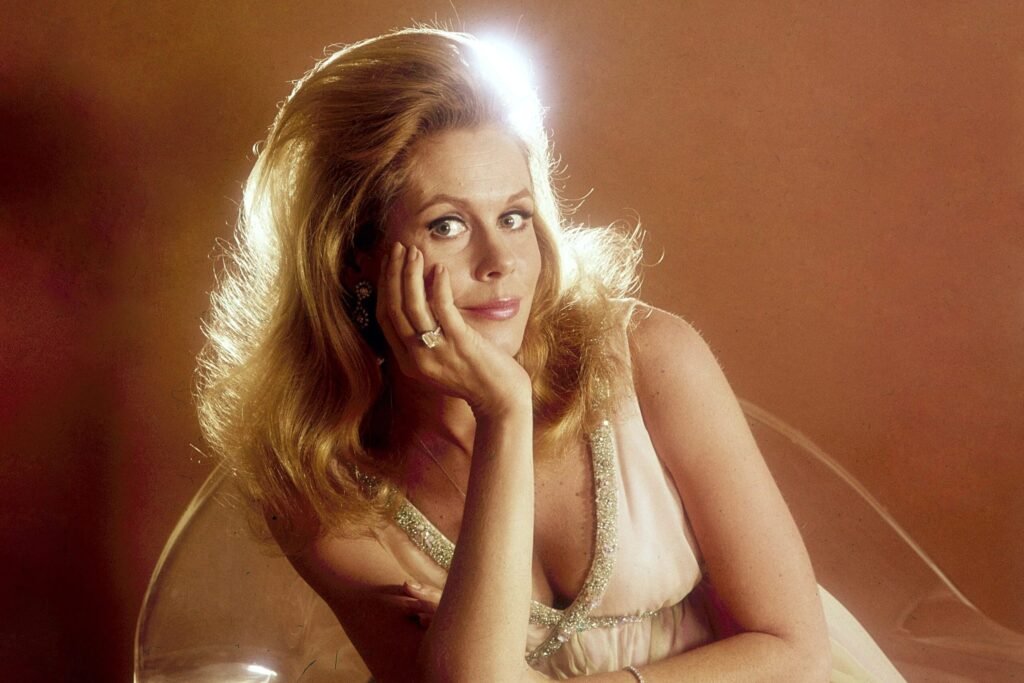
Elizabeth Montgomery charmed the entire country as Samantha Stephens on Bewitched. With a simple nose twitch, she became one of the most recognizable women on television. The show turned her into a household name almost overnight. Viewers tuned in faithfully to watch her juggle magic and married life.
Montgomery had a sparkle that made the fantasy series feel warm and believable. She balanced comedy and sweetness in a way that kept audiences hooked for years. Merchandise, magazine covers, and fan clubs followed her everywhere. In the ’60s, she truly looked like a star who would shine forever.
5. Dick Van Dyke
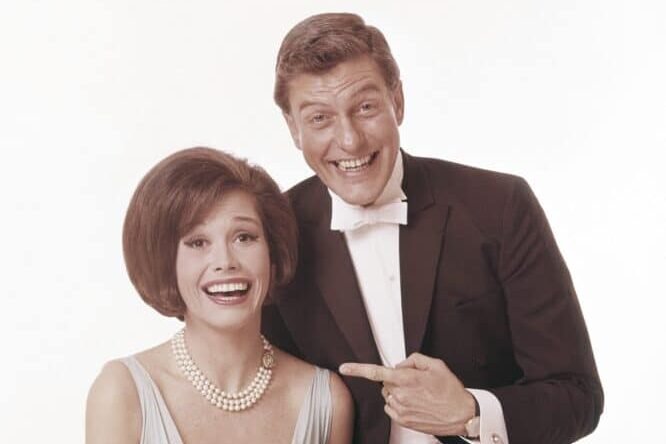
Dick Van Dyke seemed to bounce onto television screens with endless energy. As Rob Petrie on The Dick Van Dyke Show, he mixed physical comedy with genuine heart. His pratfalls and goofy grins made viewers feel like they were watching an old friend. The series quickly became one of the decade’s most beloved programs.
Van Dyke could sing, dance, and deliver punchlines with effortless charm. He made performing look easy, even when it clearly was not. Hollywood embraced him as both a television and movie star. For much of the ’60s, it felt like there was nothing he could not do.
6. Barbara Eden
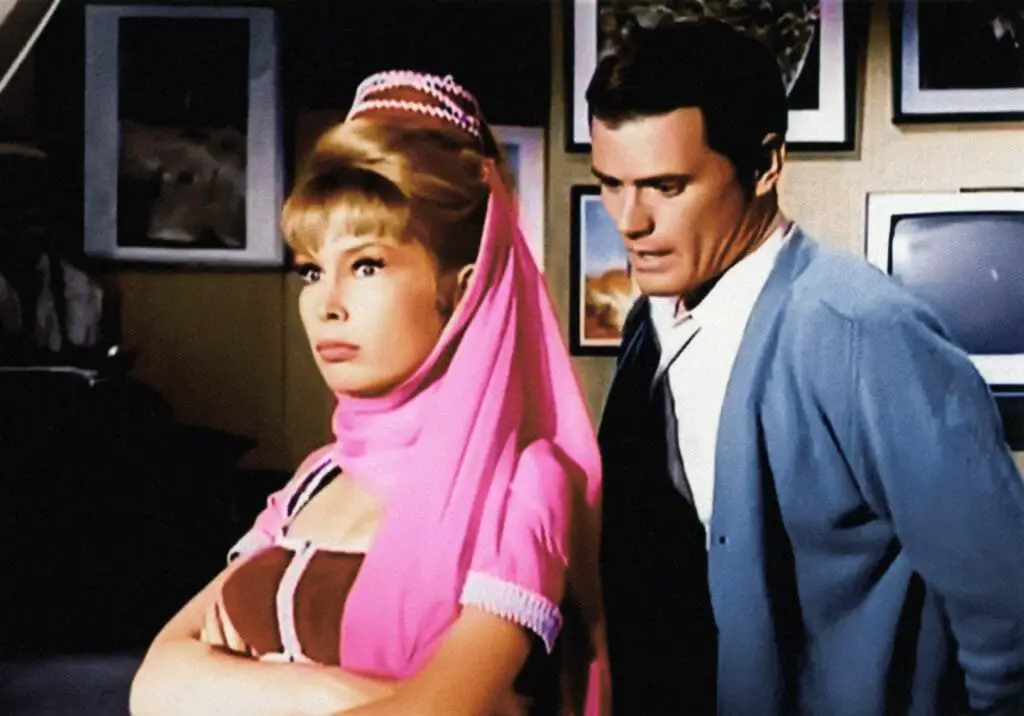
Barbara Eden became pure television magic the moment she appeared in I Dream of Jeannie. Dressed in that iconic costume and flashing a playful smile, she captured imaginations everywhere. Kids adored her, and adults could not resist her bubbly charm. The series turned her into one of the era’s most famous faces.
Eden had a warmth that made the outrageous premise feel believable. Her chemistry with co-star Larry Hagman kept audiences laughing for seasons. She was suddenly in magazines, on lunchboxes, and in living rooms across America. During the ’60s, she looked like an unstoppable pop culture sensation.
7. Adam West
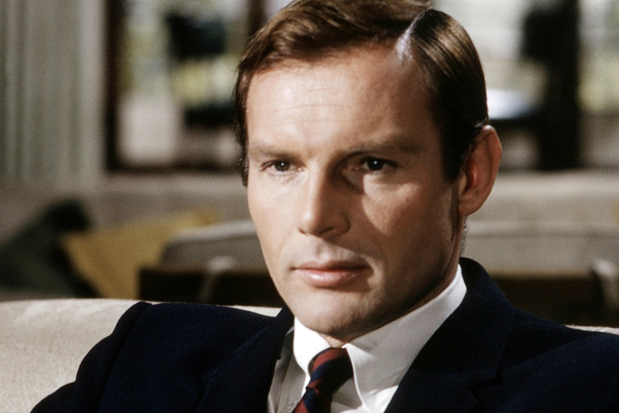
Adam West exploded onto the scene as the title character in Batman. The colorful, campy series became an instant phenomenon in 1966. West delivered every line with perfect seriousness, which somehow made the show even funnier. Children and adults alike were completely hooked.
For a few wild years, West was absolutely everywhere. He appeared at events, on merchandise, and in endless newspaper stories. The role defined him so completely that he felt larger than life. At the height of the craze, it seemed his popularity would never fade.
8. Lorne Greene
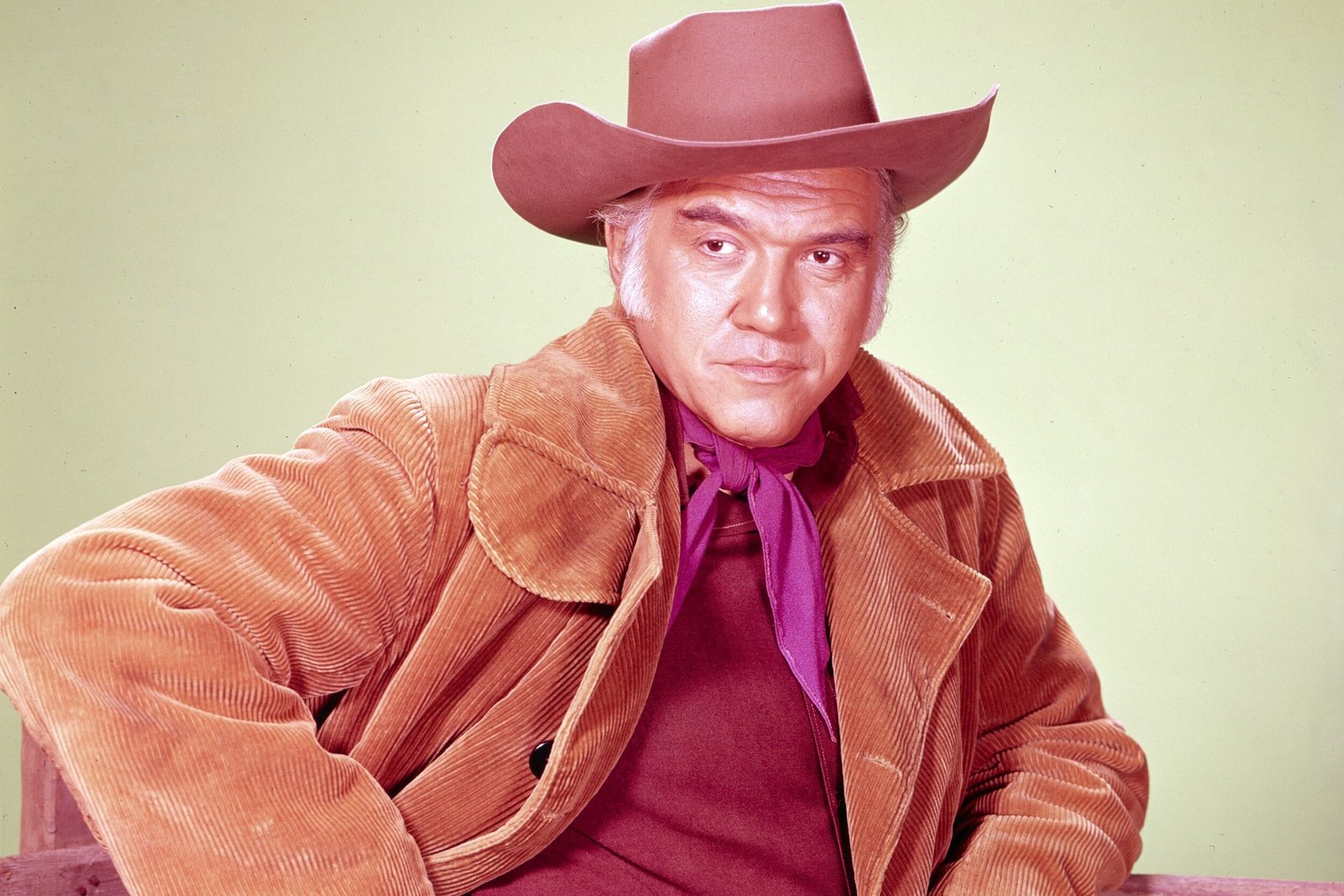
Lorne Greene ruled prime time as the strong patriarch Ben Cartwright on Bonanza. The western series was one of the most dominant shows of the entire decade. Greene’s deep voice and steady presence made him feel like the ultimate television father figure. Viewers trusted him completely.
Week after week, families welcomed him into their homes. The show stayed near the top of the ratings for years without slowing down. Greene became so associated with quality television that he seemed unbeatable. In the ’60s, he looked like a permanent fixture on the small screen.
9. Sally Field
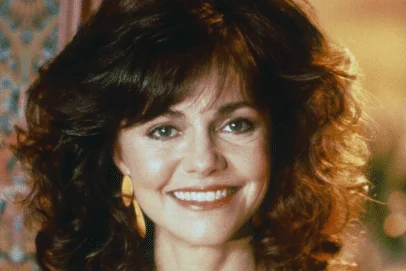
Sally Field burst onto television as a fresh-faced teenager on Gidget. She quickly followed that success with The Flying Nun, proving she could carry a series on pure charm alone. Audiences loved her bubbly personality and relatable sweetness. She felt like the girl next door who just happened to be famous.
Producers saw Field as a dependable young star with endless potential. Her shows earned loyal followings and kept her constantly in the spotlight. By the end of the decade, she was one of the most recognizable young actresses in America. It seemed obvious she was headed for a lifetime of stardom.
10. Patty Duke
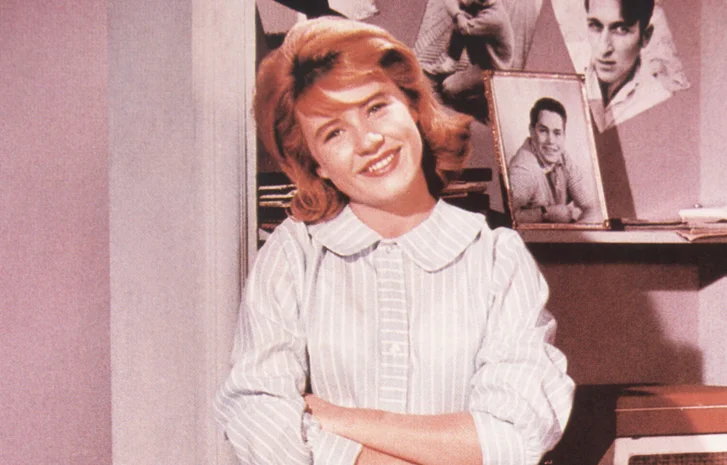
Patty Duke was already an Oscar winner when she conquered television in the 1960s. The Patty Duke Show let her play two characters at once, showing off her impressive range. Teen viewers in particular connected with her humor and energy. She became a role model for young fans everywhere.
Duke made the tricky dual role look completely effortless. Her face was on magazine covers, record albums, and endless bits of merchandise. She represented the new generation of talented young TV performers. During that era, it felt like her career had no limits at all.
11. Don Adams
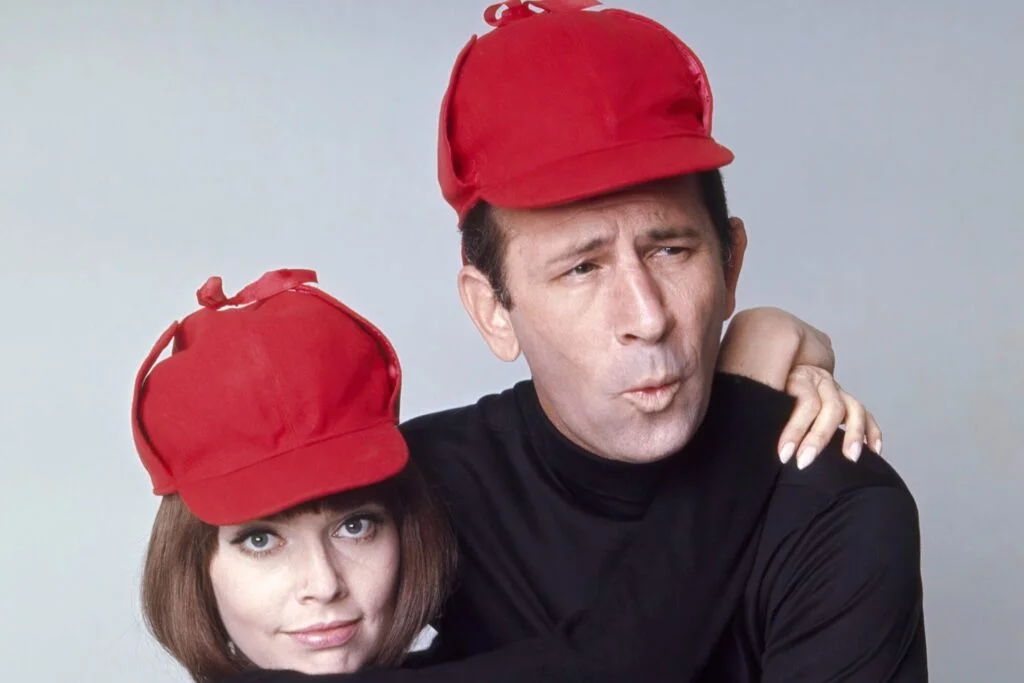
Don Adams became a comedy superstar thanks to Get Smart. As the bumbling secret agent Maxwell Smart, he delivered catchphrases that quickly entered everyday conversation. His dry voice and perfect timing made the spy spoof irresistible. The show turned into a massive hit almost immediately.
Adams won awards and praise for a performance that looked deceptively simple. Viewers never seemed to tire of his silly gadgets and clueless confidence. For several seasons, he was one of the most talked about comedians on television. In the late ’60s, he appeared to be at the very top of his game.
12. William Shatner
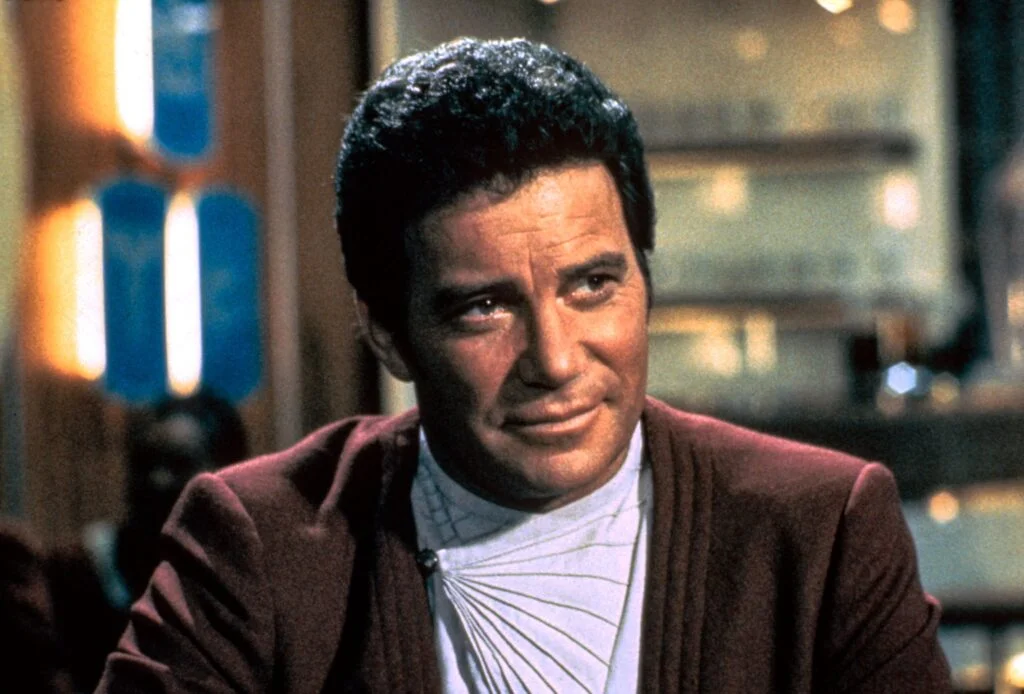
William Shatner boldly went where few TV actors had gone before on Star Trek. As Captain James T. Kirk, he became the face of an entire science fiction universe. Fans admired his dramatic speeches and fearless leadership. The role turned him into an instant pop culture icon.
Although the series had a short original run, Shatner’s fame only grew during the decade. He was constantly in interviews, fan events, and entertainment headlines. Science fiction lovers treated him like a true hero. At the time, he looked destined to command television screens forever.
13. Bob Denver
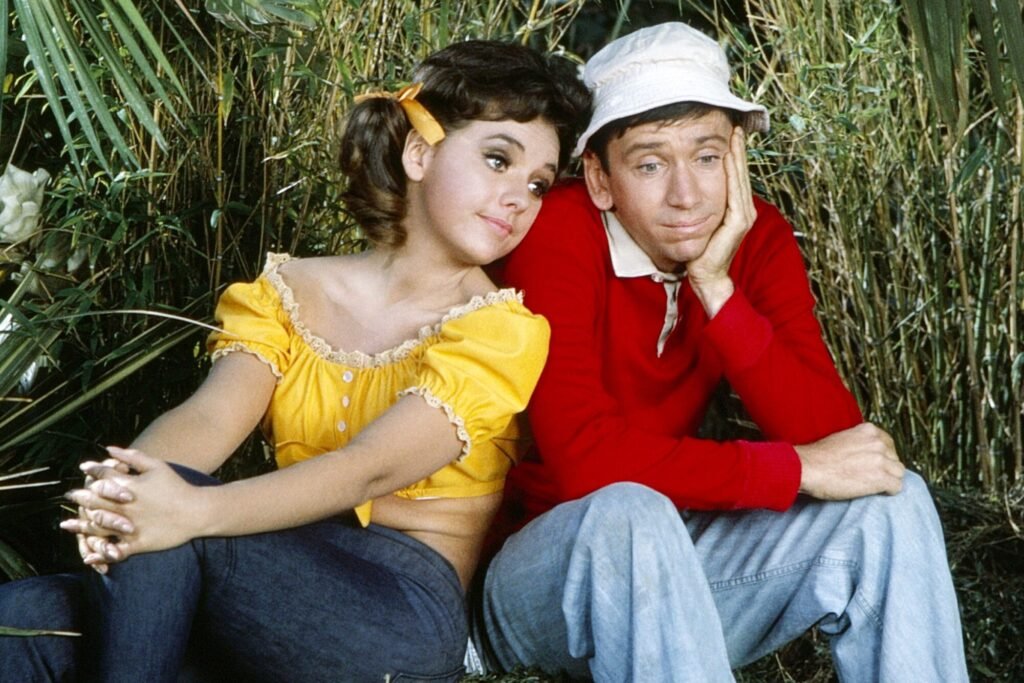
Bob Denver sailed straight into television history as Gilligan on Gilligan’s Island. His wide-eyed, lovable goofiness made him the heart of the silly sitcom. Children especially adored his clumsy, well-meaning character. The show quickly became a favorite of viewers looking for simple fun.
Denver had a natural talent for playing sweet, clueless characters without ever becoming annoying. Even when the series ended, reruns kept him famous for years. In the 1960s, he seemed like one of the most dependable comic actors around. For a time, it truly felt like his popularity would never wash ashore.