
1. Andy Griffith
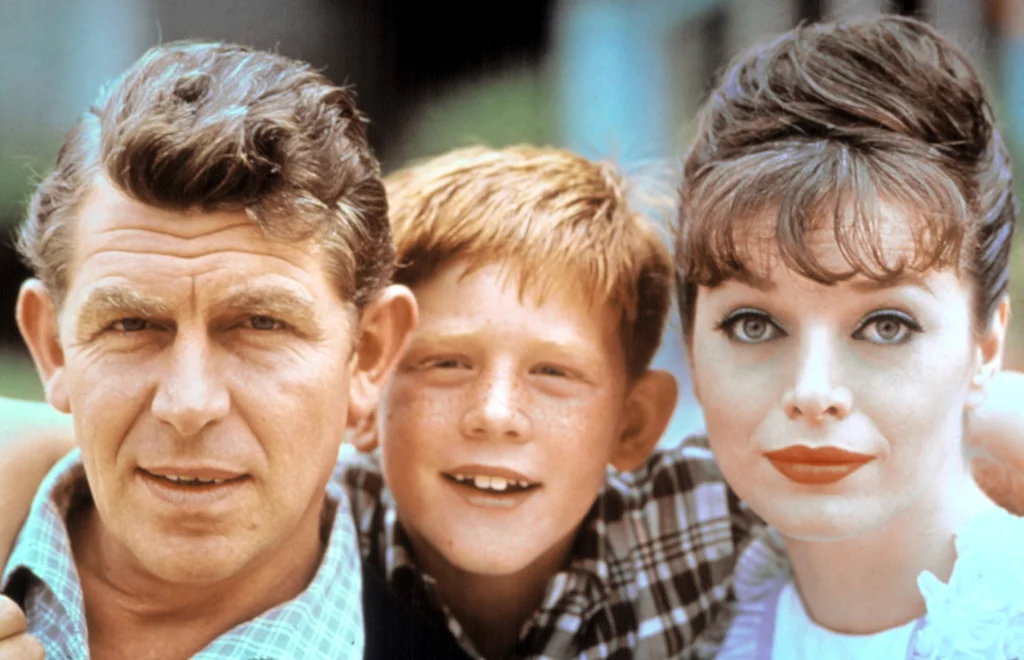
For millions of viewers, Andy Griffith felt less like an actor and more like a friendly neighbor who happened to live inside the television. As Sheriff Andy Taylor on The Andy Griffith Show, he represented calm, steady small town wisdom. The series ran through most of the ’60s and never seemed to lose its warmth or popularity. Because of that, it was easy to imagine Griffith would simply stay on TV in that role forever.
Even after the show ended, he moved smoothly into other projects and later found success with Matlock. Audiences trusted him and believed him in any part he played. His folksy charm made it feel like he would always be there to solve problems and offer gentle advice. Few stars ever felt as permanent or as comforting as Andy Griffith did during his peak years.
2. Lucille Ball
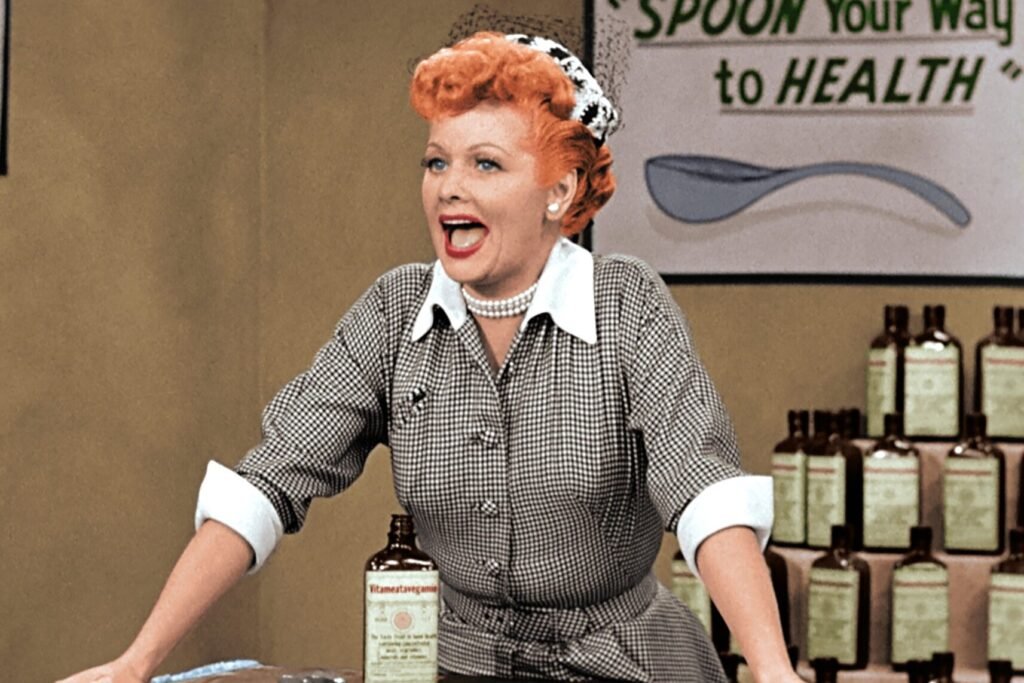
Lucille Ball was already a television legend by the time the 1960s rolled around, but she only became more powerful as the decade went on. After the massive success of I Love Lucy, she launched The Lucy Show and proved she could reinvent herself without missing a beat. Week after week, she delivered big laughs and fearless physical comedy. Viewers assumed she would dominate television as long as television existed.
Ball also became one of the most important executives in Hollywood, running Desilu Productions. That behind the scenes influence made her feel even more untouchable. She seemed less like a star and more like the queen of the entire medium. To many fans, the idea of TV without Lucy Ball was simply impossible to imagine.
3. Elizabeth Montgomery
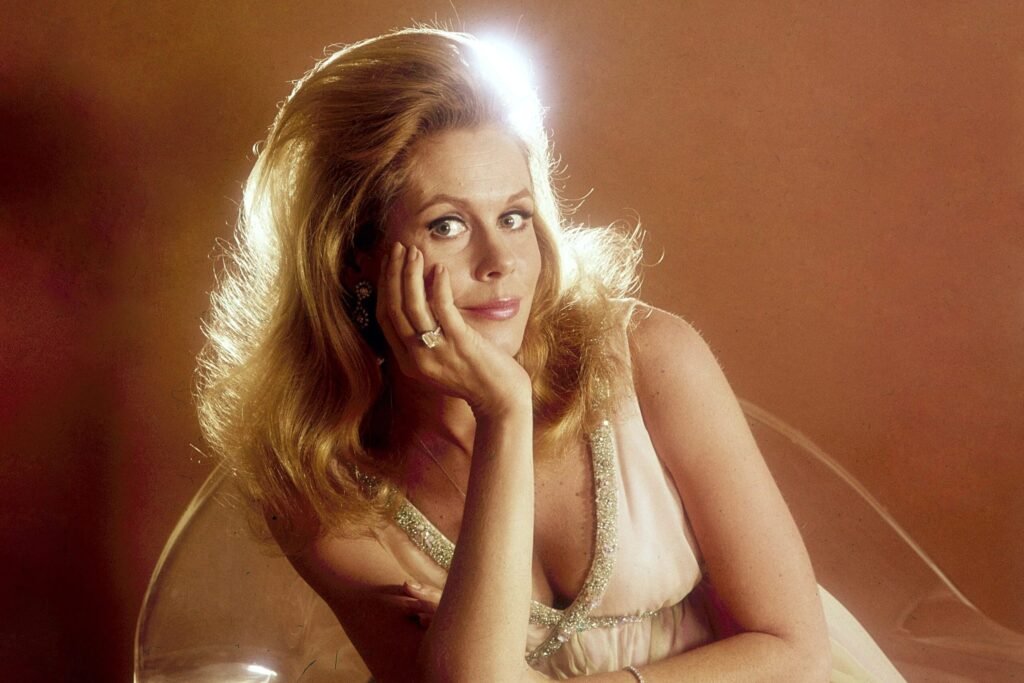
Elizabeth Montgomery charmed an entire generation as Samantha Stephens on Bewitched. The show mixed magic and suburban life in a way that felt fresh and playful every single week. Montgomery made witchcraft look stylish, funny, and completely normal. Her bright smile and effortless humor convinced audiences she would always have a place on television.
For much of the decade, Bewitched was one of the most dependable hits on the air. Montgomery became a household name and a fashion icon at the same time. It was easy to picture her twinkling her nose on TV screens for decades to come. Fans truly believed she and Samantha would never disappear from pop culture.
4. Bill Bixby
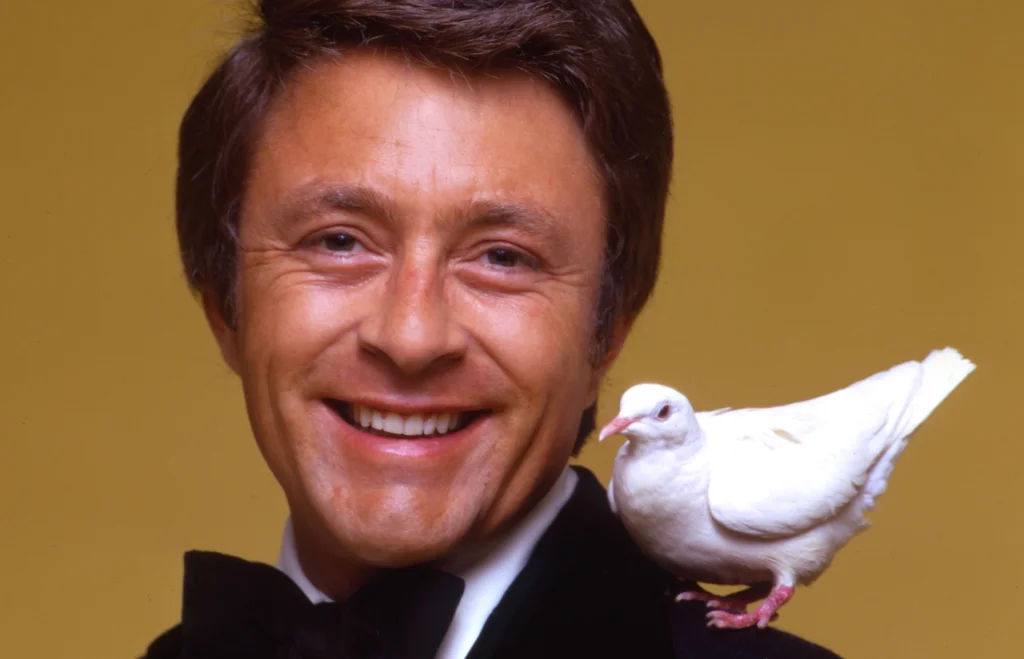
Bill Bixby seemed to be everywhere on 1960s television, starting with the gentle sitcom My Favorite Martian. His easygoing personality made him instantly likable, and networks clearly trusted him to carry a show. Later he moved into The Courtship of Eddie’s Father, proving he could handle comedy and heart with equal skill. With that kind of range, he looked like a star built to last forever.
Bixby had the rare ability to feel both relatable and quietly glamorous at the same time. Parents liked him, kids liked him, and critics respected him. That combination usually guarantees a very long career. During his peak years, it felt as if there would never be a television season without Bill Bixby in it somewhere.
5. Bob Denver
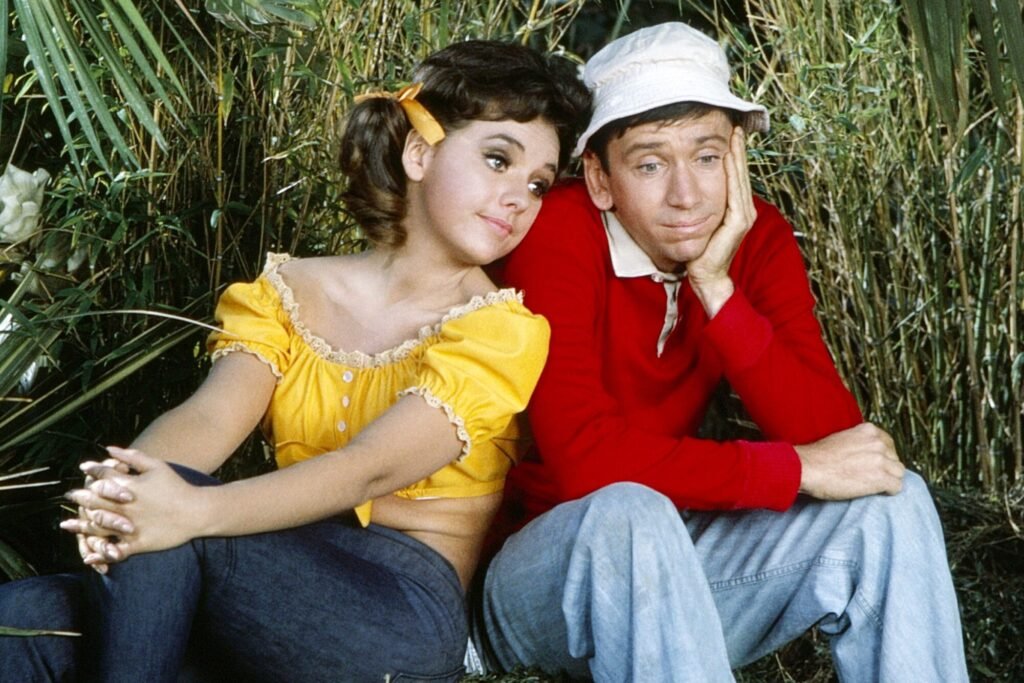
As the lovable and goofy Gilligan on Gilligan’s Island, Bob Denver created one of the most recognizable characters of the decade. The show was not a critical favorite, but audiences adored it and watched loyally. Denver’s wide eyed innocence turned Gilligan into a cultural icon almost overnight. Because reruns played constantly, he never really seemed to leave the airwaves.
Even after the original series ended, Denver remained closely connected to the role. He appeared in reunion movies, cartoons, and endless interviews about the stranded castaways. For many fans, he and Gilligan felt like the same person. That kind of lasting identification made it seem as if Bob Denver would always be a permanent part of television life.
6. Don Adams
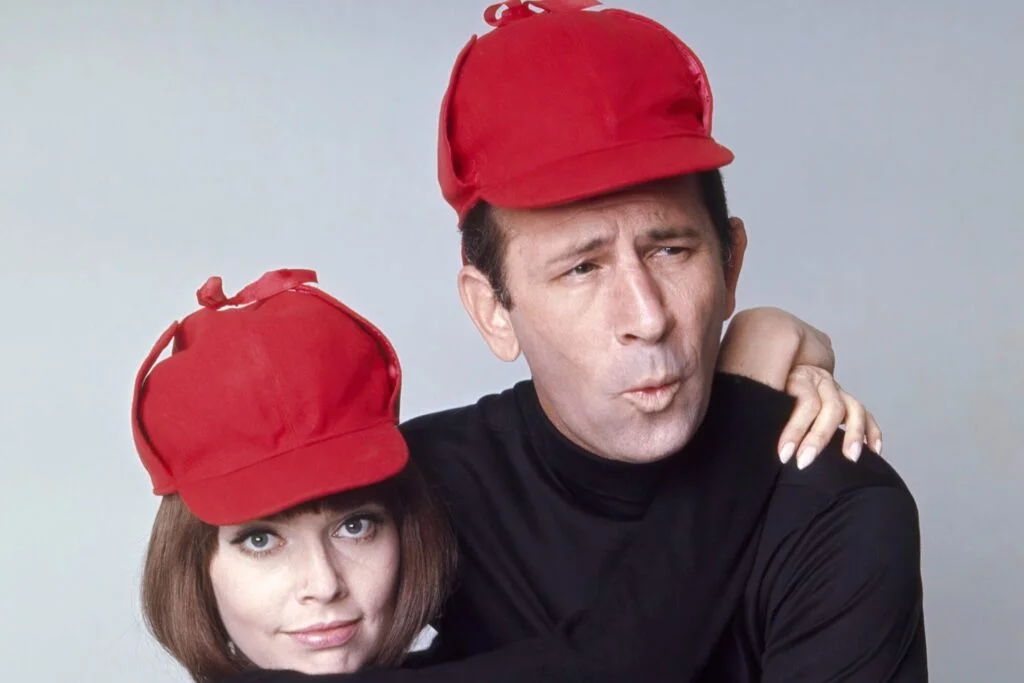
Don Adams brought a very specific brand of deadpan silliness to the spy spoof Get Smart. As bumbling secret agent Maxwell Smart, he delivered catchphrases that people still quote today. The show was clever, fast paced, and perfectly suited to the Cold War era. Adams became so identified with the role that viewers assumed he would headline comedies for the rest of his life.
His voice and comic timing were instantly recognizable no matter where he appeared. Even years later, hearing him speak immediately reminded audiences of Maxwell Smart. That kind of strong connection usually keeps a performer in the spotlight for decades. During the ’60s, Adams looked like a man destined to stay on television forever.
7. Barbara Eden
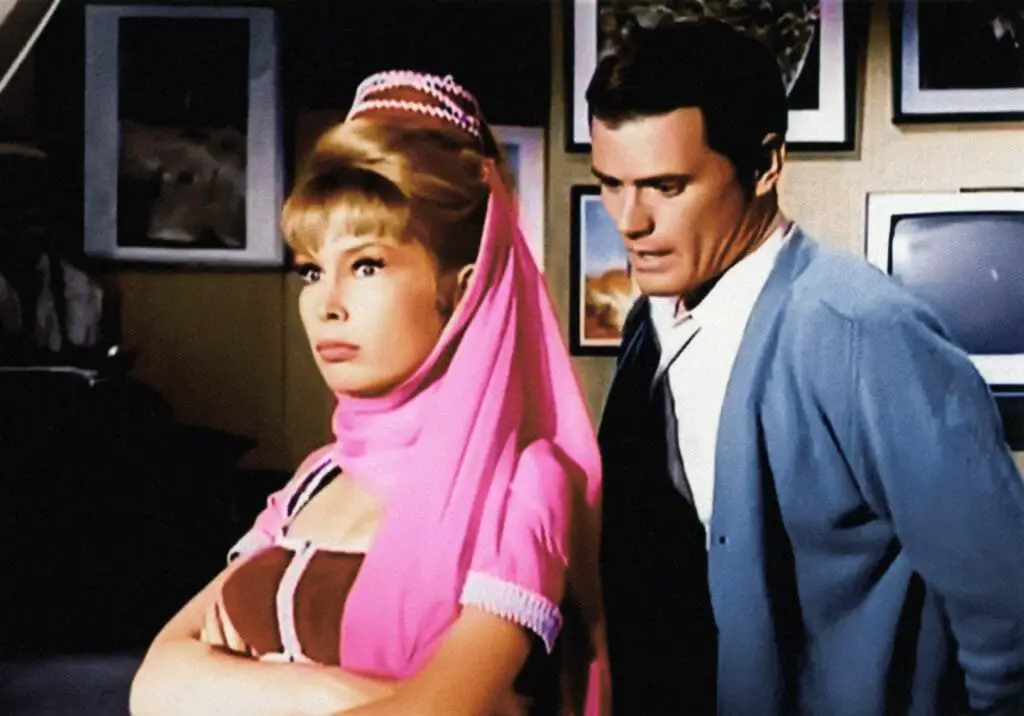
Barbara Eden floated across television screens in a cloud of pink smoke on I Dream of Jeannie. Playing a magical genie with a mischievous grin, she became one of the most beloved stars of the era. The fantasy sitcom was colorful, lighthearted, and perfect escapism for the time. Eden’s charm made it feel as if she could keep granting TV wishes endlessly.
She combined sweetness with a playful sense of humor that appealed to viewers of all ages. The role fit her so well that it was hard to imagine anyone else ever taking her place. Even after the series ended, reruns kept her image alive and thriving. For many fans, Barbara Eden simply felt eternal.
8. Adam West
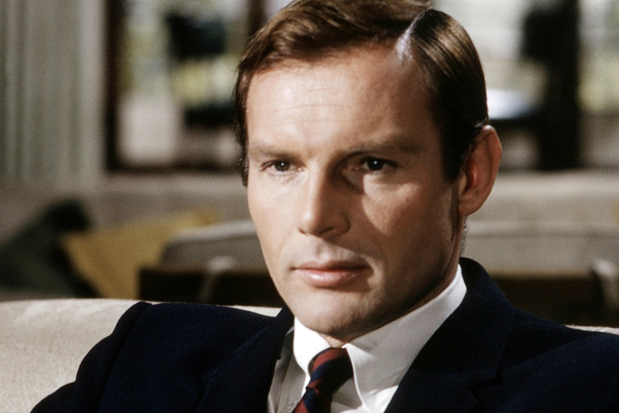
When Adam West suited up as Batman in 1966, television changed overnight. His version of the Caped Crusader was campy, confident, and impossible to ignore. The bright colors and exaggerated style turned West into an instant superstar. At the height of the show’s popularity, it seemed as if he would be playing heroes on TV forever.
Kids idolized him and adults laughed right along with the jokes. West embraced the silliness of the role and made it feel important at the same time. The series was so huge that it was hard to imagine him ever fading from public view. For a few wild years, Adam West looked like the most permanent star on television.
9. Dick Van Dyke
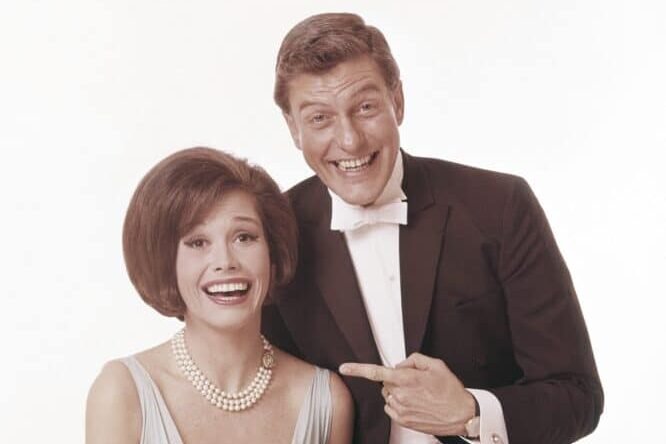
Dick Van Dyke had already become a Broadway sensation before conquering television with The Dick Van Dyke Show. His rubbery physical comedy and warm personality made the sitcom a classic almost immediately. Week after week, he looked like the happiest man on television. Audiences assumed he would headline hit shows well into old age.
Van Dyke made performing look effortless and joyful. Viewers trusted him to make them laugh and feel good no matter what story was being told. That kind of universal appeal usually leads to decades of steady stardom. During the early ’60s, it felt as if Dick Van Dyke would always be bouncing around a TV living room somewhere.
10. Raymond Burr
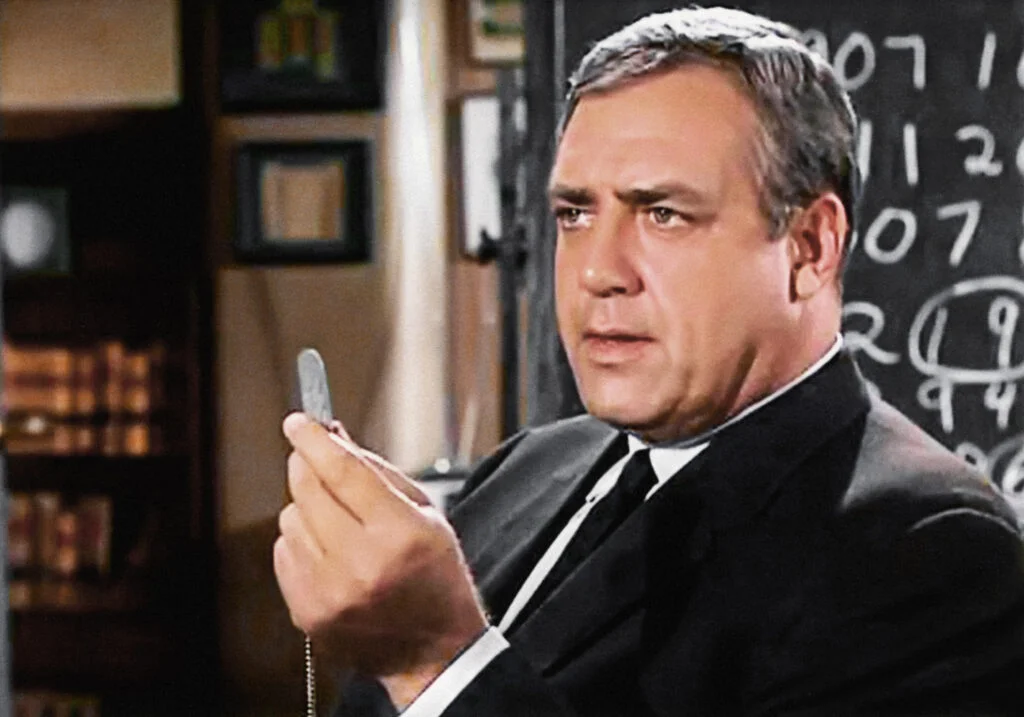
Raymond Burr dominated the early part of the decade as the stern but brilliant lawyer on Perry Mason. His commanding presence made him one of the most respected actors on television. When that series ended, he immediately moved into another long running hit with Ironside. That smooth transition convinced viewers he was practically unbeatable.
Burr had a serious, dependable style that audiences found comforting. He never seemed to chase trends or worry about changing tastes. Instead, he simply kept showing up and delivering strong performances. With that kind of consistency, it felt like Raymond Burr would be on prime time TV forever.
11. Marlo Thomas
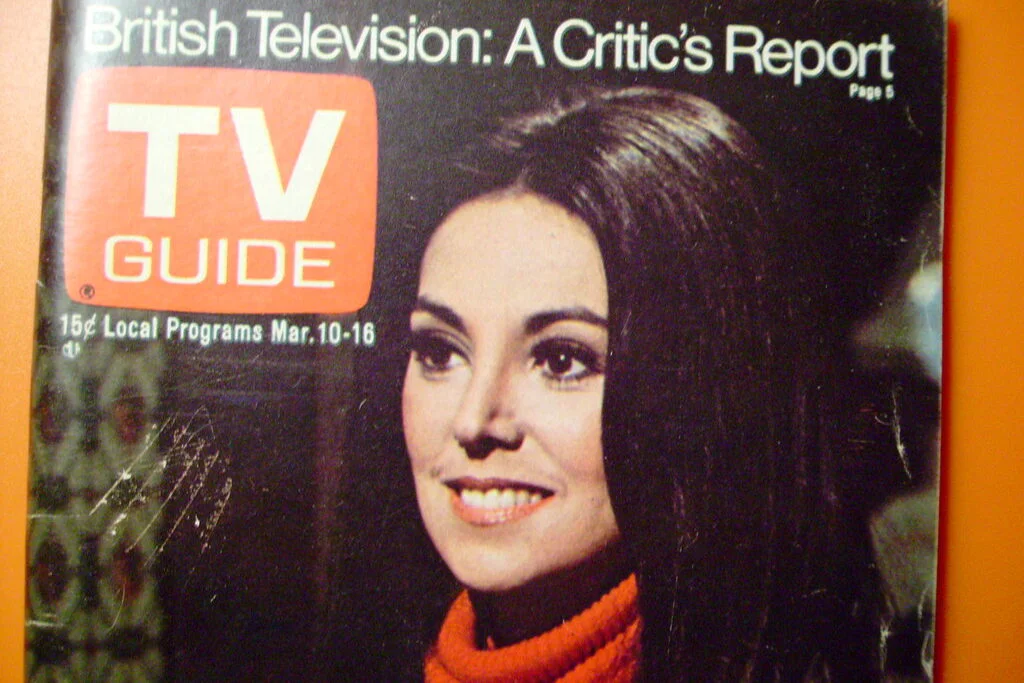
Marlo Thomas burst onto the scene as the independent heroine of That Girl. The show felt modern and forward thinking, and Thomas quickly became a role model for young women. Her character was funny, ambitious, and determined to live life on her own terms. Because the series felt so important, Thomas seemed destined for endless television success.
She had a bright, confident energy that fit perfectly with the changing times. Viewers related to her struggles and rooted for her victories every week. Thomas looked like the face of a whole new era of TV storytelling. Many assumed she would remain a leading lady on television for decades to come.
12. Ron Howard
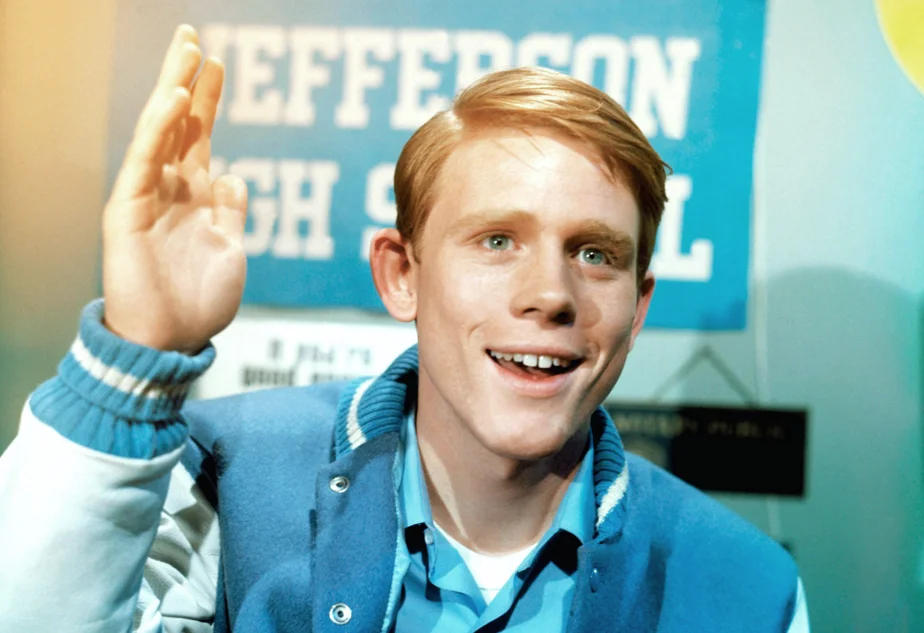
Long before he became an Oscar winning director, Ron Howard was simply little Opie Taylor on The Andy Griffith Show. Growing up on screen made him feel like a member of the family to millions of viewers. Week after week, audiences watched him mature right in front of their eyes. Because he was such a fixture, it seemed impossible to imagine television without him.
Howard represented wholesome childhood in its purest form. His natural performances never felt forced or artificial. Fans assumed he would move straight from child star to adult star without ever slowing down. In the 1960s, Ron Howard looked like someone who would be part of TV culture forever.
13. Leonard Nimoy
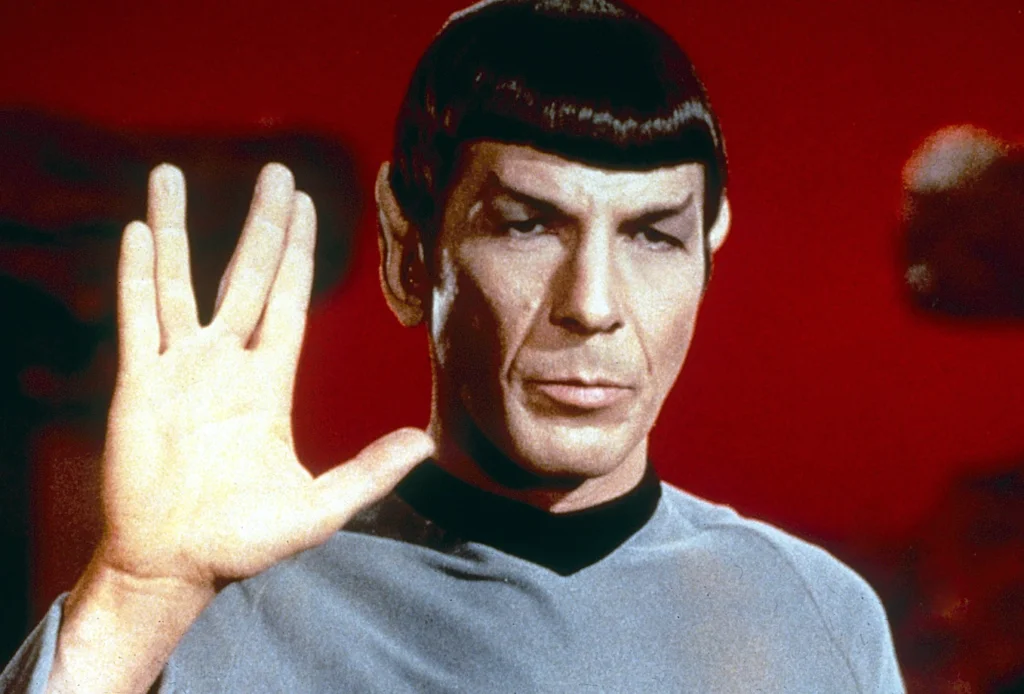
As the logical and mysterious Mr. Spock on Star Trek, Leonard Nimoy created one of the most unforgettable characters of the decade. The series was not an immediate smash hit, but his performance quickly became iconic. Fans responded to Spock’s calm intelligence and quiet strength. Because of that devotion, Nimoy felt destined to be a permanent television figure.
The character was so popular that it followed him everywhere he went. Nimoy became a symbol of science fiction itself, not just a single actor on a single show. Even when the series struggled in the ratings, his fame only seemed to grow. To loyal viewers, Leonard Nimoy looked like a star who would live long and prosper on television forever.