
1. Rumours – Fleetwood Mac
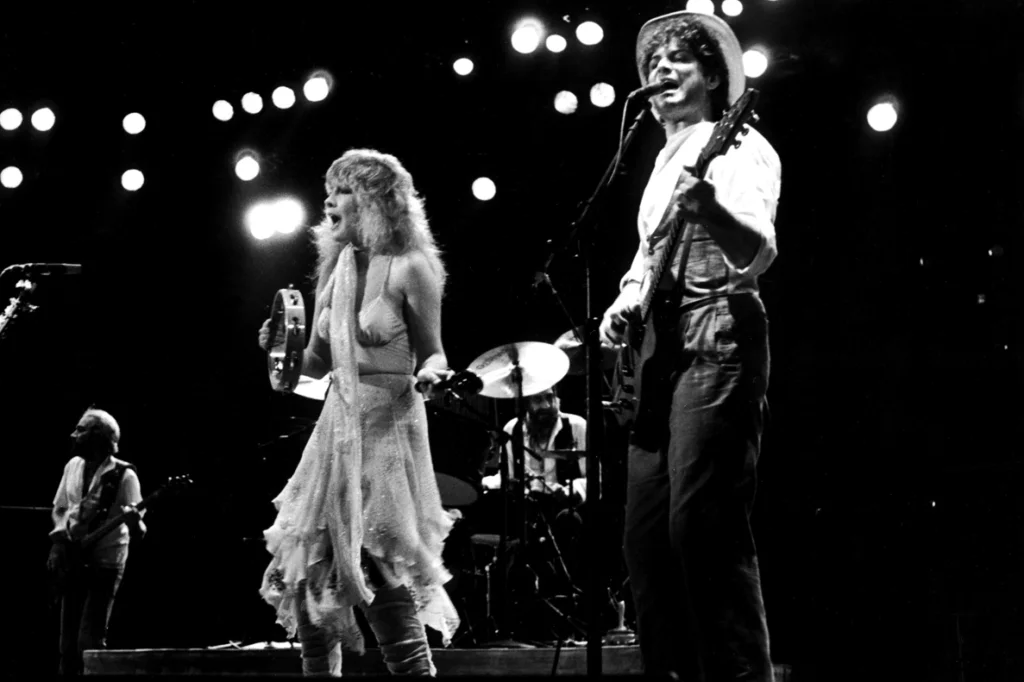
There’s a reason Rumours still feels like it’s playing in the background of so many people’s lives. Released in 1977, it captured heartbreak, jealousy, forgiveness, and stubborn hope in a way that felt painfully honest without ever feeling heavy. Songs like “Dreams” and “Go Your Own Way” didn’t just dominate radio, they became emotional landmarks for people navigating their own messy relationships. You could hear pieces of real-life tension between the band members in every harmony and lyric. That authenticity made listeners feel less alone in their own complicated feelings. It was the kind of album you played on long drives, late nights, and quiet mornings after a tough conversation. For a lot of people, it became a soundtrack for learning how to survive love and loss.
Decades later, the songs still land with the same emotional punch. Younger generations keep discovering it and realizing the stories feel timeless. It’s rare for an album to feel both deeply personal and universally relatable at the same time. Rumours managed to do exactly that, which is why it never really left the cultural conversation. People don’t just remember where they first heard it, they remember what was happening in their lives when those songs mattered most. That kind of emotional imprint is hard to replicate.
2. Hotel California – Eagles
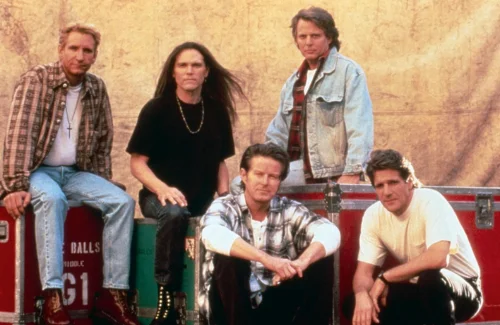
Hotel California arrived in 1976 and immediately felt cinematic, like a late-night desert drive wrapped in music. The title track alone sparked endless interpretations, giving listeners something mysterious to chew on while still being undeniably catchy. Songs like “New Kid in Town” and “Life in the Fast Lane” captured ambition, burnout, and the strange cost of success. It reflected a decade when dreams felt big but consequences were starting to show. For many listeners, it became the album they played while figuring out adulthood, careers, and independence. The smooth harmonies made the heavier themes feel approachable rather than overwhelming.
Even now, the album carries a sense of atmosphere that’s hard to replicate. You don’t just hear these songs, you step into them. It became a go-to record for road trips, late-night thinking, and moments when people wanted to feel reflective without getting gloomy. That emotional balance made it stick with an entire generation. It’s one of those albums people associate with specific memories, places, and phases of life. Once it becomes part of your personal timeline, it never really leaves.
3. Saturday Night Fever – Bee Gees
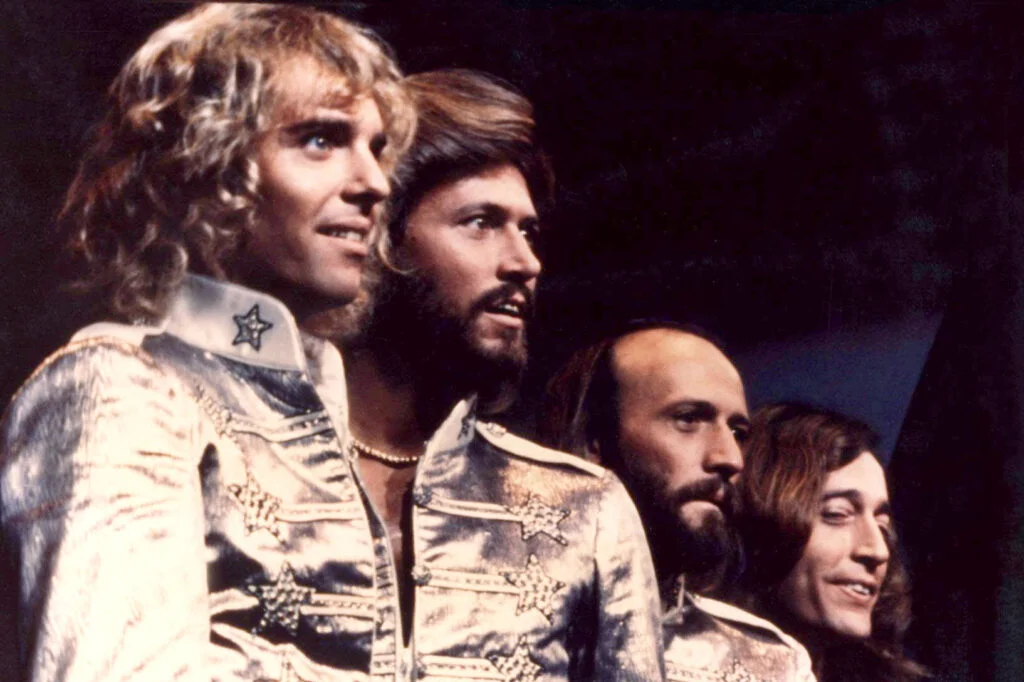
When Saturday Night Fever hit in 1977, it didn’t just dominate charts, it reshaped pop culture overnight. The Bee Gees suddenly became the sound of dance floors, roller rinks, and weekend escapes. Tracks like “Stayin’ Alive” and “Night Fever” made people feel confident, energized, and a little glamorous even if their real lives felt ordinary. For many listeners, this album was tied directly to social life, first crushes, and learning how to move through the world with a little swagger. It wasn’t just music you listened to alone, it was music you experienced with other people. The pulse of the songs matched the excitement of being young and restless.
The soundtrack also captured a moment when disco felt unstoppable. It represented freedom, self-expression, and late-night possibility. Even people who weren’t die-hard disco fans remember exactly where they heard these songs. It became inseparable from memories of crowded dance floors and booming speakers at parties. That collective experience gave the album emotional weight beyond the music itself. It’s hard to separate the songs from the feelings they created.
4. Born to Run – Bruce Springsteen
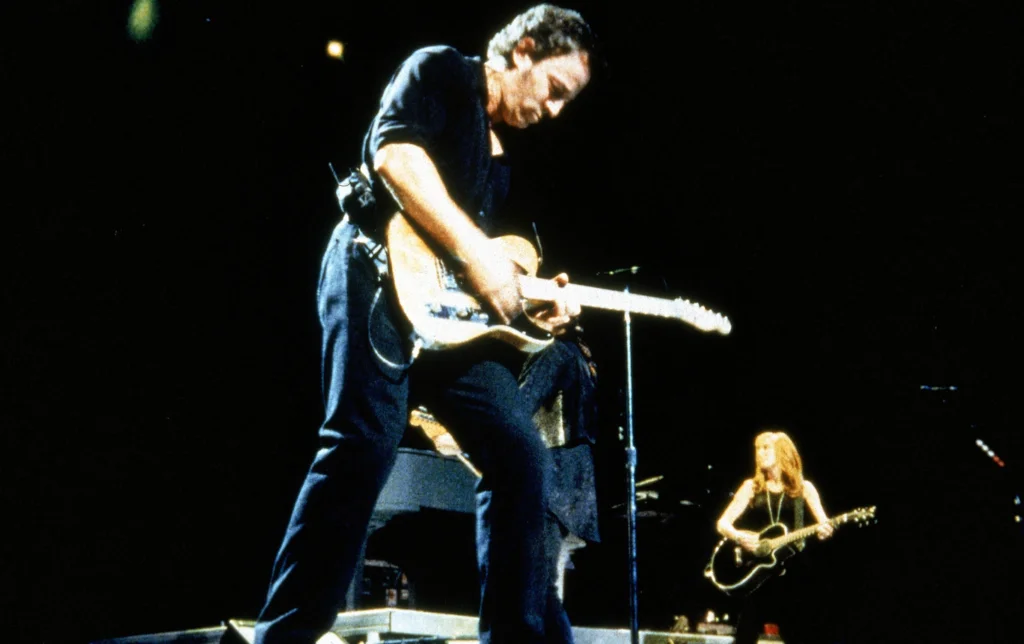
Born to Run in 1975 felt like a declaration of hope wrapped in gritty reality. Bruce Springsteen’s storytelling painted vivid pictures of small towns, restless youth, and the hunger to break free. Songs like “Thunder Road” and the title track sounded like open highways and late-night dreams. A lot of listeners saw their own ambitions and frustrations reflected in the lyrics. It became a companion album for people trying to figure out who they wanted to become. There was optimism in the music, but also an acknowledgment that life wasn’t always easy or fair.
That emotional mix made it feel deeply personal. Fans often talk about how the album gave them courage during transitional moments in their lives. It was the kind of record you turned up loud when you needed motivation or clarity. Springsteen’s sincerity made the stories feel real rather than romanticized. Decades later, those songs still feel like conversations rather than performances. That’s why the album continues to resonate so strongly across generations.
5. Dark Side of the Moon – Pink Floyd
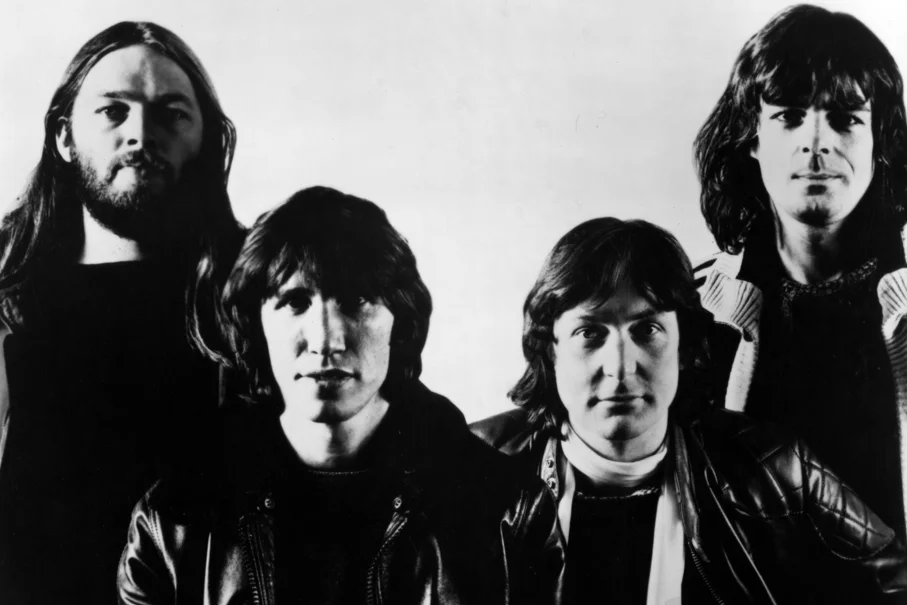
Released in 1973, Dark Side of the Moon wasn’t just an album, it was an experience. Its seamless flow made listeners feel like they were on a journey rather than listening to individual tracks. Themes of time, pressure, money, and mortality hit hard for people growing into adulthood. Songs like “Time” and “Money” sparked reflection in ways pop music rarely did at the time. Many listeners remember lying on the floor with headphones on, letting the album wash over them. It became a personal ritual for thinking deeply about life and purpose.
The album’s longevity is almost unmatched. It stayed on the charts for years, becoming a shared cultural touchstone. Yet it also felt intensely personal to each listener. Everyone took something slightly different from its themes and atmosphere. That balance between universal ideas and individual interpretation made it deeply meaningful. It’s one of those records people associate with late-night introspection and formative years.
6. Tapestry – Carole King
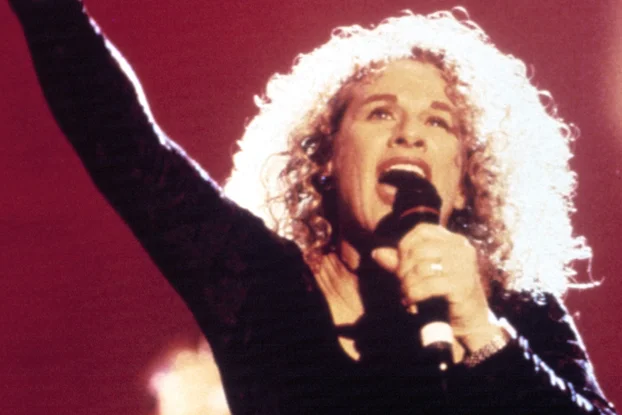
When Tapestry arrived in 1971, it felt warm, honest, and refreshingly intimate. Carole King’s songwriting made everyday emotions feel worthy of center stage. Songs like “It’s Too Late” and “You’ve Got a Friend” spoke directly to relationships, growth, and quiet resilience. Listeners connected to the sincerity rather than flashy production. It felt like someone sitting across the room telling you their story. Many people played it during personal moments, breakups, new beginnings, and reflective evenings.
That emotional closeness made the album incredibly comforting. It became a musical friend for listeners navigating change. The simplicity allowed the lyrics and melodies to take center stage. Even decades later, it still feels timeless rather than dated. It’s the kind of album people return to when they want familiarity and reassurance. That lasting emotional connection is why it became a generational soundtrack.
7. Goodbye Yellow Brick Road – Elton John
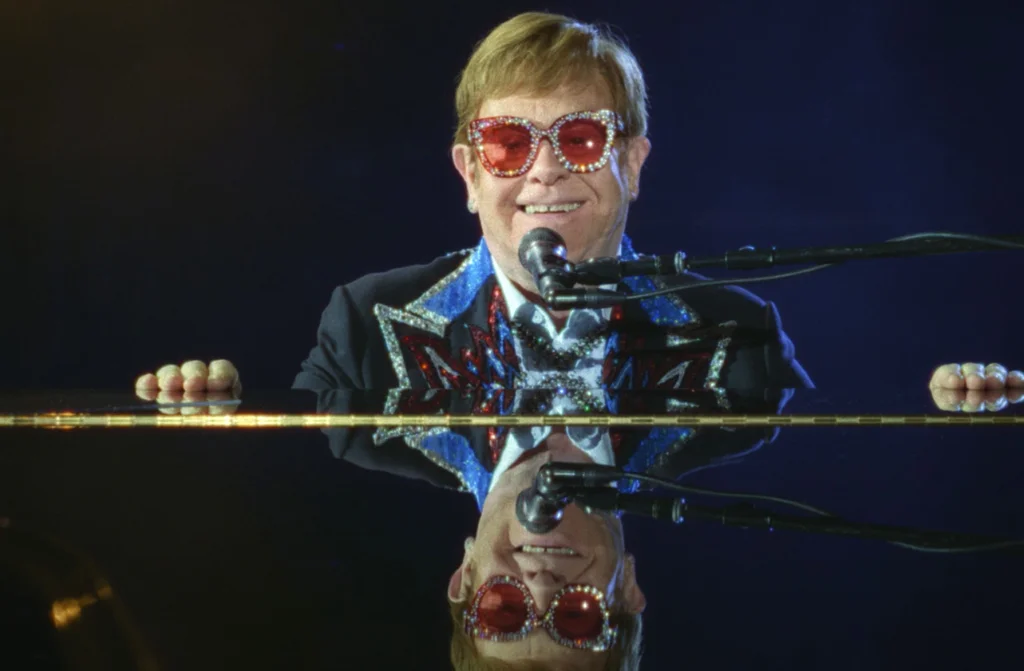
Released in 1973, Goodbye Yellow Brick Road showcased Elton John at the height of his creative range. The album balanced grand theatrical moments with deeply personal songs. Tracks like “Bennie and the Jets,” “Candle in the Wind,” and “Saturday Night’s Alright for Fighting” gave listeners a wide emotional spectrum to connect with. It felt playful, dramatic, heartfelt, and rebellious all at once. Many fans grew up with this album playing constantly in their homes and cars. It became woven into everyday life.
The variety made it endlessly replayable. There was always a song that matched your mood. That flexibility allowed listeners to form different emotional attachments over time. As people aged, certain tracks took on new meanings. The album matured alongside its audience. That kind of evolving connection is what turns music into a lifelong companion.
8. Bridge Over Troubled Water – Simon & Garfunkel
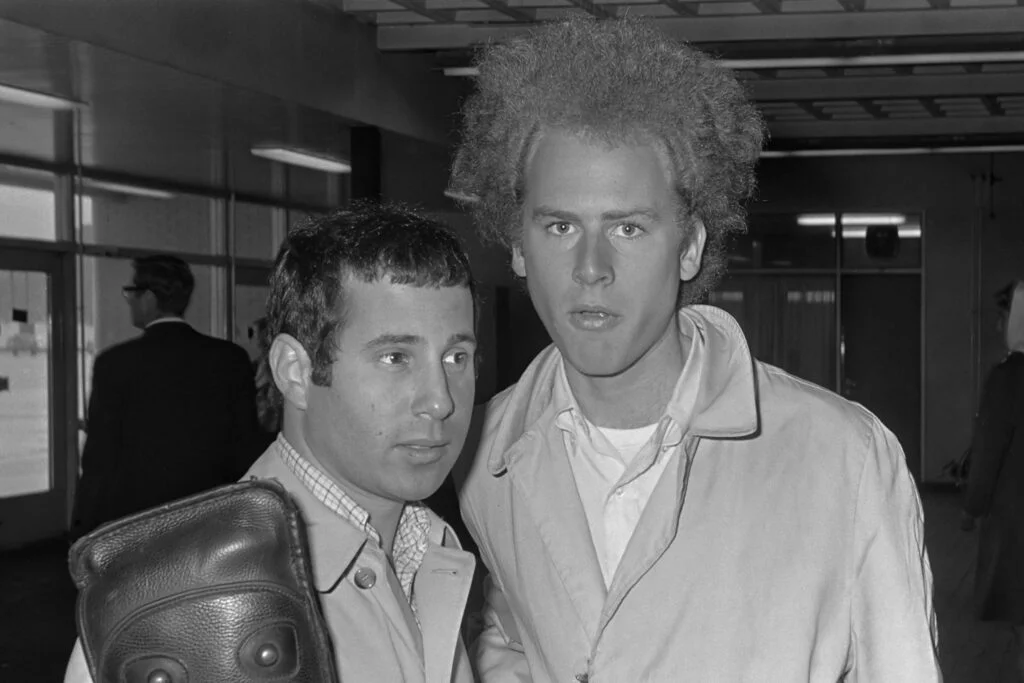
When Bridge Over Troubled Water arrived in 1970, it felt like a gentle emotional anchor for a changing world. The title song offered comfort during uncertain times, while tracks like “The Boxer” and “Cecilia” brought storytelling and rhythm together beautifully. The album captured vulnerability, friendship, and perseverance. Listeners often turned to it during difficult moments for reassurance. The harmonies felt soothing without being sentimental. It had a calm strength that resonated deeply.
For many, it became a symbol of emotional stability during personal transitions. The songs encouraged reflection without feeling heavy-handed. It’s the kind of album people associate with quiet moments and meaningful conversations. Its emotional honesty continues to connect with new listeners. That enduring sense of comfort helped cement its place as a generational favorite.
9. Led Zeppelin IV – Led Zeppelin
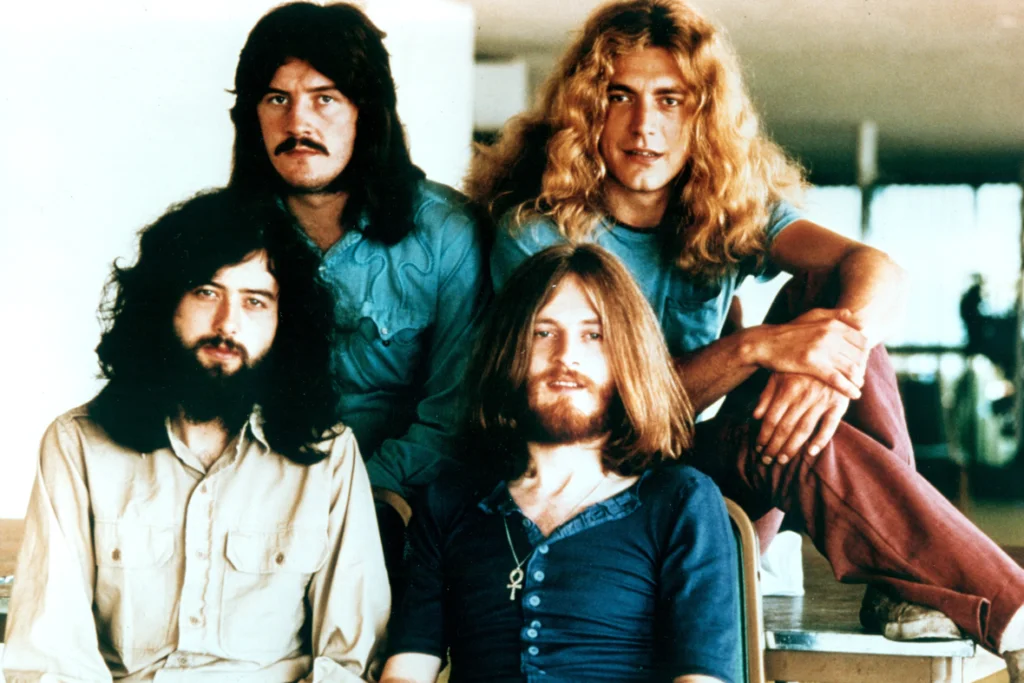
Released in 1971, Led Zeppelin IV blended raw power with unexpected sensitivity. Songs like “Stairway to Heaven,” “Black Dog,” and “Rock and Roll” became milestones in rock history. The album felt rebellious yet thoughtful, appealing to listeners who wanted both energy and depth. It often became the soundtrack for teenage discovery and early independence. Many fans remember blasting it in bedrooms, garages, and cars with friends. It symbolized freedom and exploration.
The album’s diversity kept it engaging across different moods. It wasn’t just about loud guitars, it also carried moments of introspection. That balance made it emotionally flexible for listeners. People attached memories to different tracks depending on what they were experiencing. Over time, it became more than a rock album, it became part of personal identity. That kind of imprint lasts.
10. The Wall – Pink Floyd
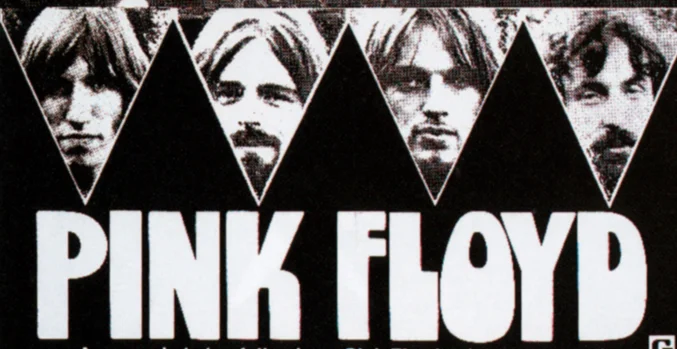
Released in 1979, The Wall explored isolation, trauma, and emotional barriers in a deeply immersive way. It wasn’t casual listening, it demanded attention and emotional engagement. Songs like “Another Brick in the Wall” and “Comfortably Numb” resonated with listeners who felt misunderstood or disconnected. Many people discovered it during formative years when identity and belonging were major concerns. The album became a safe space for processing complicated emotions. It felt like someone articulating feelings that were hard to express.
That emotional honesty made it powerful and unforgettable. Fans often revisit it during reflective phases of life. Its themes remain relevant across generations. The storytelling format allowed listeners to project their own experiences onto the narrative. It’s one of those albums people associate with personal growth and self-examination. That depth keeps it emotionally alive.
11. Harvest – Neil Young
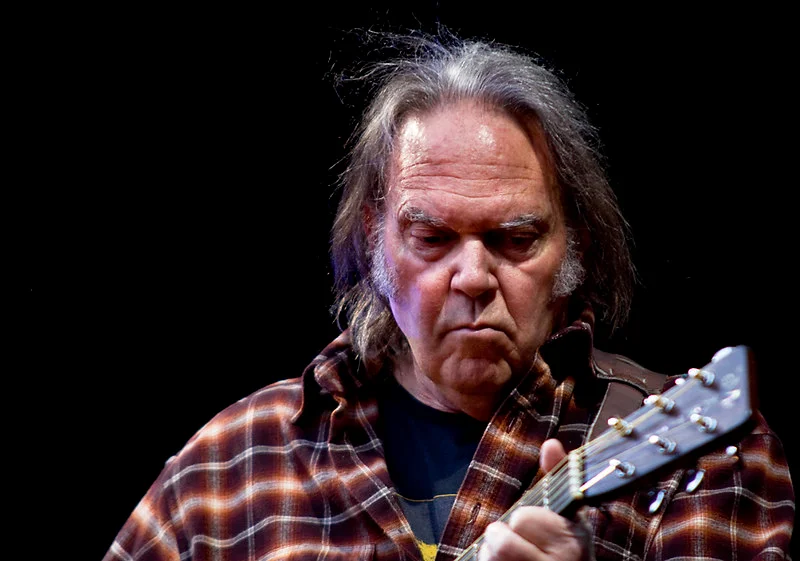
When Harvest came out in 1972, it felt grounded, reflective, and emotionally open. Songs like “Heart of Gold” captured vulnerability without feeling fragile. The album resonated with listeners who appreciated honesty over polish. It often became background music for quiet mornings and thoughtful evenings. Many people associated it with slowing down and tuning inward. The simplicity allowed the emotions to breathe.
The album aged gracefully alongside its audience. As listeners matured, the lyrics often gained new meaning. It became a steady companion through changing life stages. That consistency created a deep emotional bond. It’s the kind of record people keep returning to for comfort and clarity. Its understated power made it timeless.
12. Fleetwood Mac – Fleetwood Mac
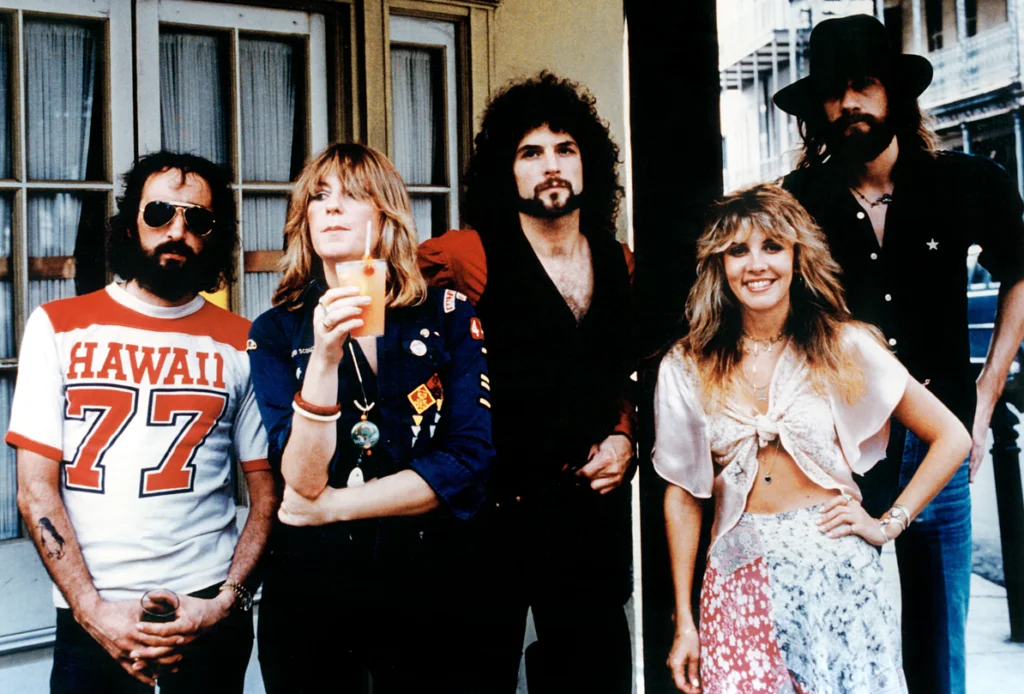
Released in 1975, this self-titled album marked a new era for the band with Stevie Nicks and Lindsey Buckingham joining the lineup. Songs like “Rhiannon” and “Landslide” immediately connected with listeners on an emotional level. The blend of vulnerability and confidence felt relatable and fresh. Many fans discovered parts of themselves in the lyrics. It became the soundtrack for personal growth and emotional awareness. The melodies lingered long after the record stopped spinning.
The album helped define a sound that would dominate the rest of the decade. It created emotional familiarity that made listeners feel understood. People often associate it with specific chapters of their lives. That personal attachment deepened over time. It laid the foundation for lifelong fandom and emotional connection. Its influence continues to ripple forward.
13. Boston – Boston
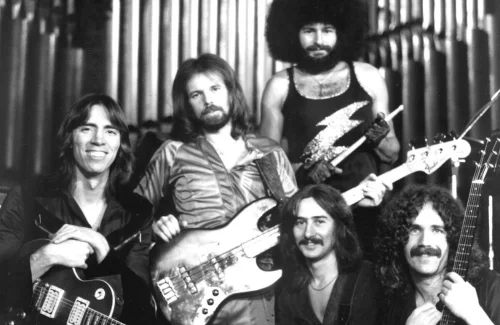
When Boston debuted in 1976, it delivered polished rock that felt both powerful and approachable. Songs like “More Than a Feeling” and “Peace of Mind” became instant classics. The album captured youthful optimism mixed with longing for something more. Many listeners tied it to moments of freedom, driving, and discovering independence. It felt uplifting without being shallow. The melodies invited repeat listens.
That accessibility made it widely loved across different age groups. It became a shared musical language among friends and families. People often remember where they first heard these songs. The emotional connection grew stronger with time. It’s the kind of album that brings back specific memories with just a few opening notes. That nostalgia keeps it alive.
14. Aja – Steely Dan
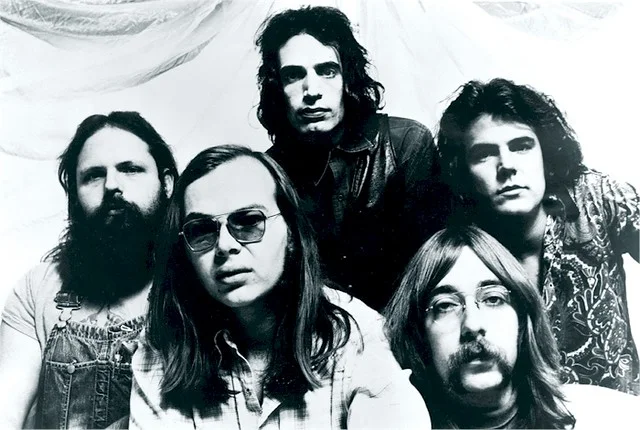
Released in 1977, Aja blended sophistication with emotional nuance. Its polished production and complex arrangements appealed to listeners who appreciated detail and depth. Songs like “Peg” and “Deacon Blues” carried both groove and introspection. The album often became a favorite for late-night listening and quiet focus. It felt refined without being distant. Many listeners connected with its subtle emotional layers.
Over time, it gained a reputation for being endlessly rewarding. Each listen revealed new musical textures. That depth kept listeners engaged long-term. It became associated with maturity and evolving taste. People often return to it during reflective moments. Its emotional subtlety created lasting attachment.
15. The Stranger – Billy Joel
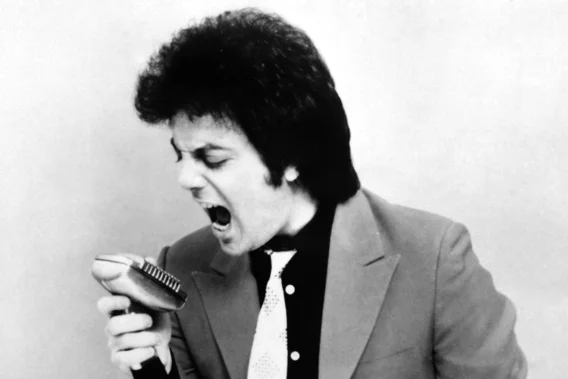
When The Stranger arrived in 1977, it captured everyday emotions in a way that felt instantly relatable. Songs like “Just the Way You Are,” “Only the Good Die Young,” and “Scenes from an Italian Restaurant” felt like snapshots of real life. Billy Joel’s storytelling made ordinary moments feel meaningful. Many listeners connected to the humor, heartbreak, and nostalgia woven throughout the album. It became a staple in homes, cars, and social gatherings. The melodies were easy to love while the lyrics offered depth.
That balance made the album emotionally versatile. It could match almost any mood or memory. Fans often associate specific songs with personal milestones. The album aged gracefully alongside its listeners. It continues to resonate because the emotions never go out of style. That timeless relatability made it a generational favorite.