
1. Year of the Cat by Al Stewart

For a while in the mid-’70s, it felt like Al Stewart was everywhere, especially once “Year of the Cat” and “Time Passages” started dominating radio. The album had a soft, literary quality that made it perfect for long drives, late-night listening, and college dorm stereos. Stewart’s storytelling style felt smarter and moodier than a lot of mainstream pop at the time, which helped the record build a devoted audience. Even people who didn’t own the album usually recognized its silky saxophone hooks within seconds.
Over time, though, Stewart’s broader catalog faded from regular rotation, and even this album slowly slipped out of everyday conversation. Many listeners today remember the title track but forget how strong the full record actually is from start to finish. It still holds up as a beautifully produced snapshot of mid-’70s soft rock ambition. When rediscovered, it often surprises people with how elegant and immersive it still feels.
2. The Dream Weaver by Gary Wright
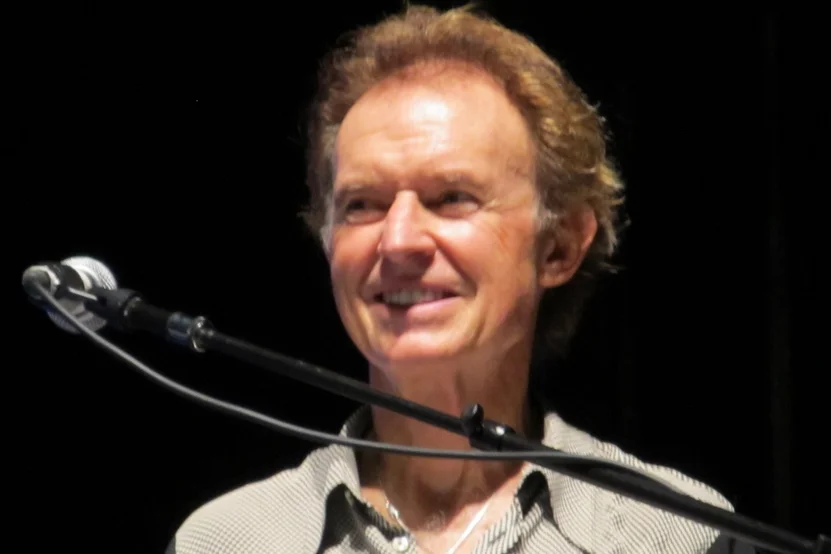
In 1975, Gary Wright’s The Dream Weaver practically floated through American living rooms thanks to the dreamy pull of “Dream Weaver” and “Love Is Alive.” Synth-heavy textures gave the album a futuristic glow that felt fresh and slightly mysterious at the time. It became the soundtrack for late-night radio shows and mellow house parties, where people leaned into its hazy atmosphere. Wright’s gentle vocals and layered keyboards made the album feel almost hypnotic.
As musical trends shifted, the album’s spacey softness drifted out of the spotlight, leaving mostly the hit singles behind. Many younger listeners recognize the song but not the artist or the album itself. The full record reveals a surprisingly cohesive mood that still works well for quiet listening sessions. It remains one of those albums that rewards rediscovery when someone finally plays it straight through again.
3. Silk Degrees by Boz Scaggs

In 1976, Silk Degrees quietly became one of those albums that seemed to live everywhere, even if people didn’t always realize who was singing. Songs like “Lowdown,” “Lido Shuffle,” and “We’re All Alone” floated constantly across car radios, office speakers, and late-night playlists. The album blended smooth soul, polished pop, and a hint of jazz that felt effortlessly cool at the time. Scaggs’ laid-back vocal style gave the whole record an easy confidence that fit perfectly into the mellow side of the mid-’70s sound. It was the kind of album people played during long drives or while unwinding after work without overthinking it.
As musical tastes shifted and newer soft rock voices took over, Scaggs’ mainstream visibility faded a bit, even though the songs never truly disappeared. Many listeners today recognize the hooks instantly but can’t always name the album or even the artist. Playing the full record again reveals how tight and sophisticated the production really was. It still feels smooth, stylish, and surprisingly modern for something that once defined a very specific radio era.
4. Guitar Man by Bread
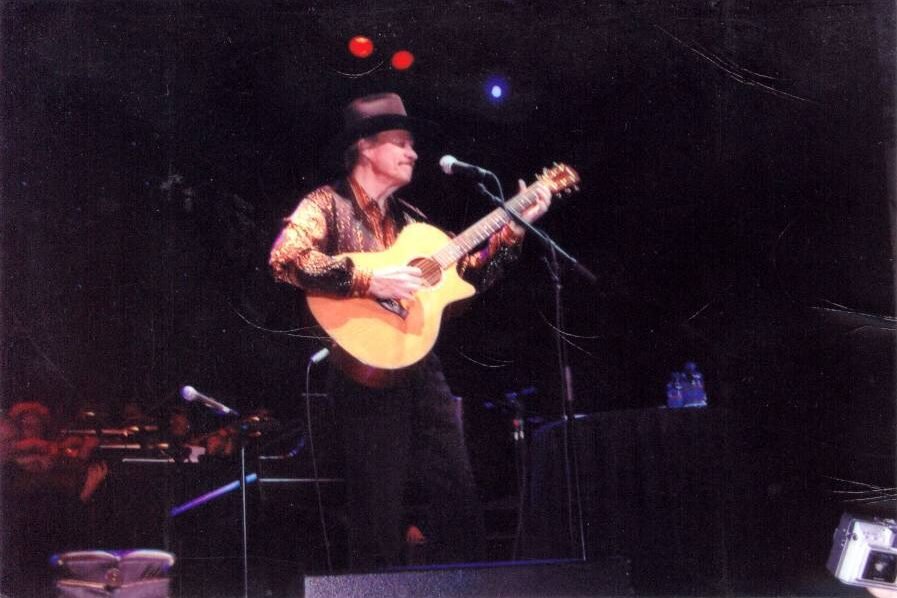
Bread built their reputation on heartfelt ballads, and Guitar Man continued that soft-rock streak in 1972. Tracks like “The Guitar Man” and “Aubrey” were emotional staples for listeners who loved romantic, introspective pop. The album felt intimate and sincere, offering a calm counterbalance to louder rock trends of the era. Many fans tied personal memories, breakups, and first loves to these songs.
Over time, Bread’s gentle sound became less fashionable, and the album gradually faded from everyday playlists. While the hits remain familiar, the deeper tracks are often forgotten. Revisiting the album shows how carefully crafted the songwriting and harmonies truly were. It still delivers a quietly powerful emotional punch for listeners willing to slow down and listen.
5. Homecoming by America
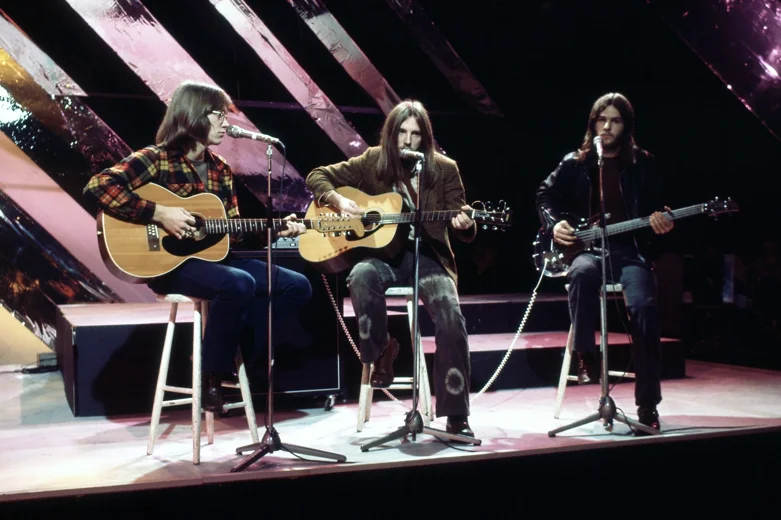
America’s Homecoming rode the massive success of “Ventura Highway,” a song that instantly evokes open roads and sunlit afternoons. The album leaned into breezy folk-rock textures that felt perfectly suited to the early ’70s West Coast sound. It became a companion record for road trips, backyard gatherings, and mellow weekend mornings. The easygoing melodies made it accessible to almost every age group.
As musical tastes evolved, America’s softer catalog became less prominent on classic rock playlists. Many people remember the single but not the album that housed it. When played today, the record still carries a relaxed charm that feels timeless in its own quiet way. It reminds listeners how deeply soft folk-rock once shaped everyday listening habits.
6. Love Will Keep Us Together by Captain & Tennille

Captain & Tennille dominated mid-’70s pop with their cheerful, piano-driven sound, and this album cemented their mainstream appeal. The title track “Love Will Keep Us Together” became unavoidable on radio, TV, and in grocery stores alike. The album leaned heavily into upbeat romance and polished pop production, making it easy to enjoy casually. For many couples, these songs became tied to weddings, anniversaries, and shared memories.
As pop trends moved toward edgier sounds, the duo’s clean-cut image faded from the spotlight. Today the hit single is remembered more than the album itself. A full listen reveals a consistent, tightly produced pop record that captures its era beautifully. It serves as a snapshot of a time when sunny optimism ruled the charts.
7. Cyan by Three Dog Night
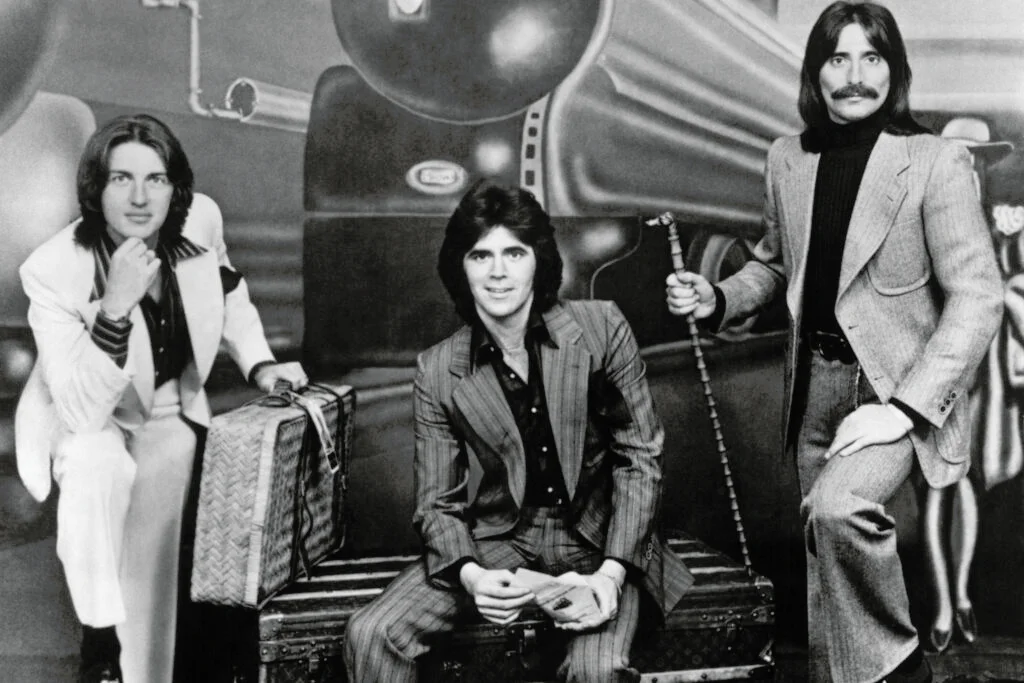
By the early ’70s, Three Dog Night had already scored multiple hits, and Cyan continued that momentum with tracks like “Shambala.” The band’s powerful vocal harmonies and radio-friendly rock made the album a frequent presence on FM stations. It appealed to listeners who wanted energetic sing-alongs without heavy experimentation. The record fit neatly into the mainstream rock comfort zone of the time.
As musical tastes shifted toward harder rock and later disco and punk influences, this phase of Three Dog Night’s catalog became less visible. Many fans remember the songs but not necessarily the album as a whole. Revisiting it shows how tight and confident the band sounded at their commercial peak. It still delivers that classic early-’70s radio energy.
8. Horizon by Carpenters
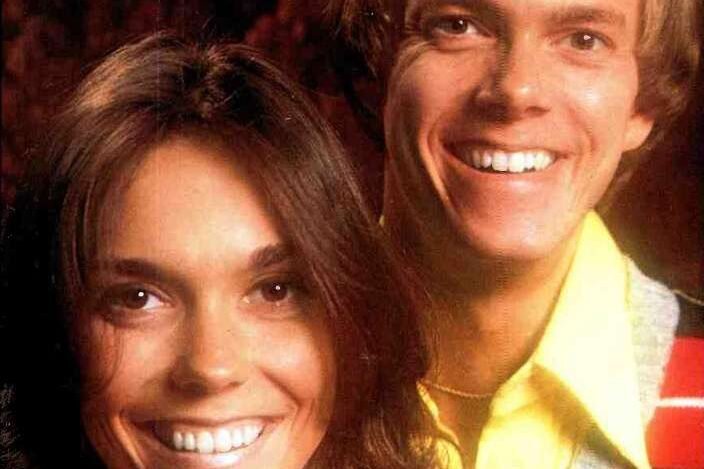
Carpenters were synonymous with smooth, emotional pop, and Horizon delivered some of their most polished material. Songs like “Only Yesterday” and “Please Mr. Postman” kept the duo firmly planted on the charts. Karen Carpenter’s warm, expressive voice anchored the album and made it endlessly comforting. The record became a fixture in households that favored softer, melodic music.
Over time, only a handful of Carpenters tracks remained in heavy rotation, while entire albums like this one faded from casual listening. Many people recognize the voice instantly but forget how strong the full albums were. Listening today highlights the craftsmanship and emotional clarity behind the arrangements. It remains a quietly impressive pop record from the heart of the decade.
9. I’m in You by Peter Frampton

Following the massive success of Frampton Comes Alive!, Peter Frampton’s I’m in You arrived with enormous expectations. The title track and “Signed, Sealed, Delivered I’m Yours” kept him firmly on the radio in 1977. The album leaned more toward polished pop-rock than extended guitar jams, which broadened his audience at the time. It became a soundtrack for summer radio and record store listening stations.
As Frampton’s cultural moment cooled, this album slipped out of mainstream attention. Many listeners associate him primarily with his live breakthrough rather than his studio follow-ups. Revisiting I’m in You reveals a confident, melodic pop-rock record that still sounds clean and accessible. It offers a different side of Frampton that often gets overlooked.
10. Natural High by Commodores
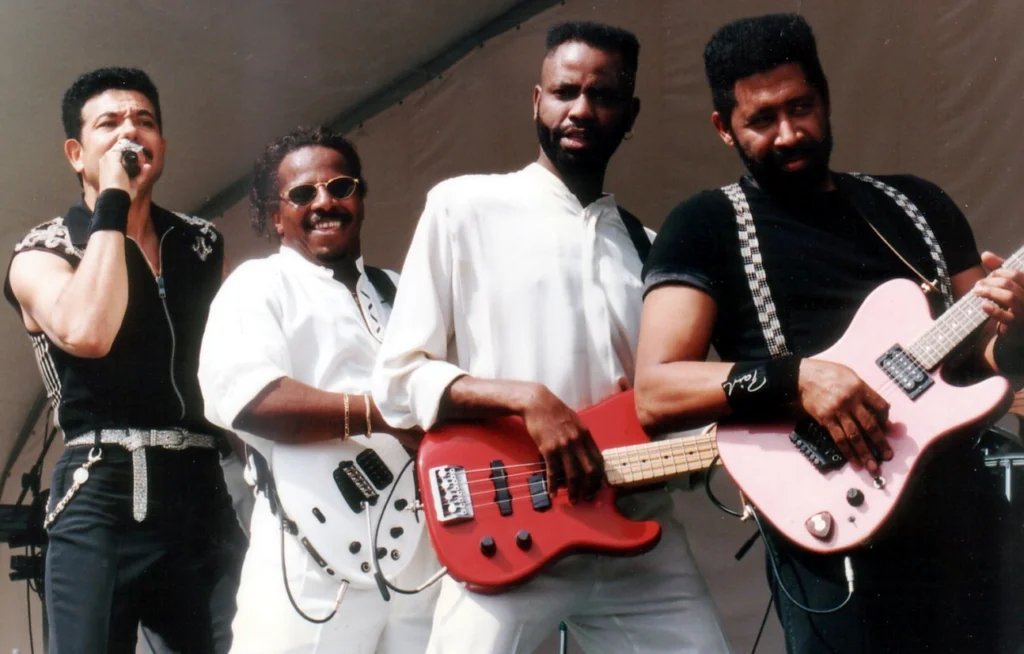
Before Lionel Richie became a solo superstar, the Commodores were delivering smooth funk and soul hits, and Natural High showcased their softer side. The title track became a slow-dance favorite and a staple on late-night radio. The album blended romantic ballads with subtle groove-driven tracks that appealed to a wide audience. It felt tailor-made for dimly lit living rooms and quiet evenings.
As the group’s later hits and Richie’s solo career took center stage, this album faded from common rotation. Many people know the song but not the full record. A fresh listen reveals a well-balanced mix of tenderness and musicianship. It stands as an important chapter in the band’s evolution.
11. Chicago VII by Chicago
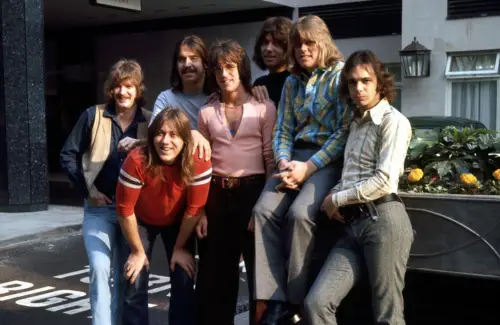
Chicago experimented heavily on Chicago VII, blending jazz influences with their established rock-pop sound. While the album produced hits like “(I’ve Been) Searchin’ So Long,” it also pushed listeners slightly outside their comfort zone. Fans who followed the band closely appreciated the ambition and musicianship. The double-album format made it feel like a major artistic statement at the time.
As radio narrowed its focus to more concise hits, this ambitious release slowly slipped into the background. Casual listeners often overlook it compared to the band’s earlier chart-toppers. Revisiting it shows how adventurous and skilled the band truly was during this era. It rewards listeners who enjoy deeper album cuts and instrumental exploration.
12. Baby Come Back by Player
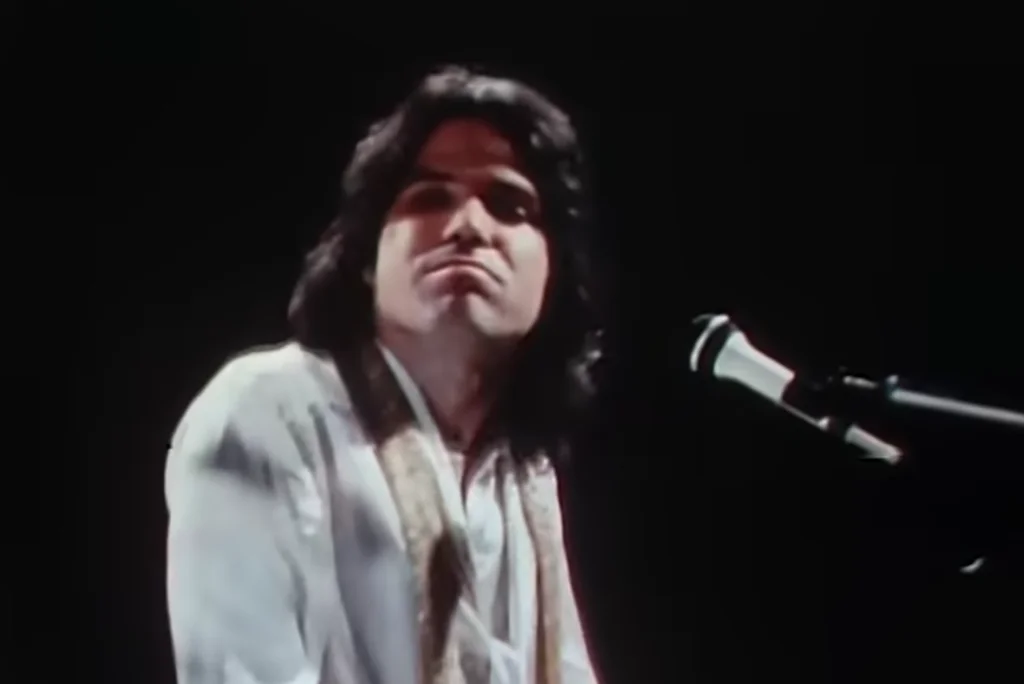
Player briefly ruled the airwaves with the massive hit “Baby Come Back,” which anchored their self-titled debut album. The song’s emotional pull and polished production made it instantly memorable in 1977. The album fit neatly into the yacht rock and soft rock wave that dominated the late ’70s. It became a familiar presence on car radios and workplace playlists.
Once the single’s popularity faded, the album quietly drifted out of public memory. Many listeners recognize the chorus but struggle to name the band or album. Playing the record now reveals a consistently smooth and well-produced collection of songs. It captures a very specific moment in late-’70s pop radio culture.