
1. Exile on Main St. (The Rolling Stones, 1972)
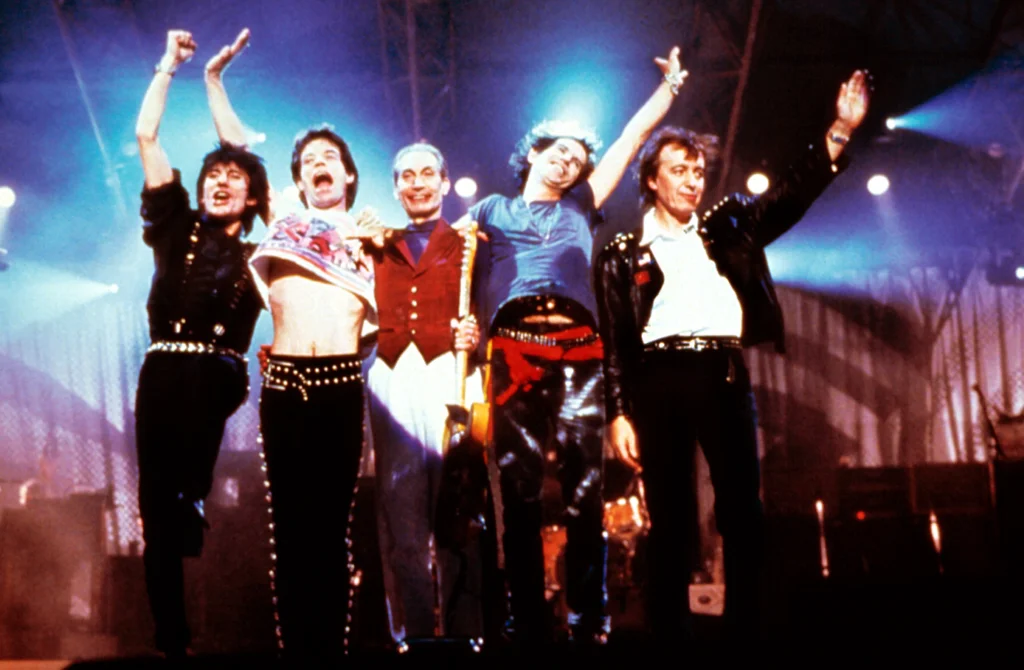
When Exile on Main St. was first released, many critics found it messy, unfocused, and far too sprawling for its own good. Reviews at the time complained about muddy production and a lack of obvious hit singles. It was not the sleek, radio friendly Stones album people expected in the early ’70s. Some critics even suggested the band had finally lost its creative grip.
Fans, however, heard something entirely different. Over time, listeners embraced its loose, sweaty blend of blues, gospel, country, and rock. The album began to feel less like a mess and more like a document of a band at full, unfiltered power. It slowly grew into one of the Stones’ most beloved records. Today, it is often cited as their masterpiece, largely because fans refused to let it fade.
2. Ram (Paul McCartney, 1971)
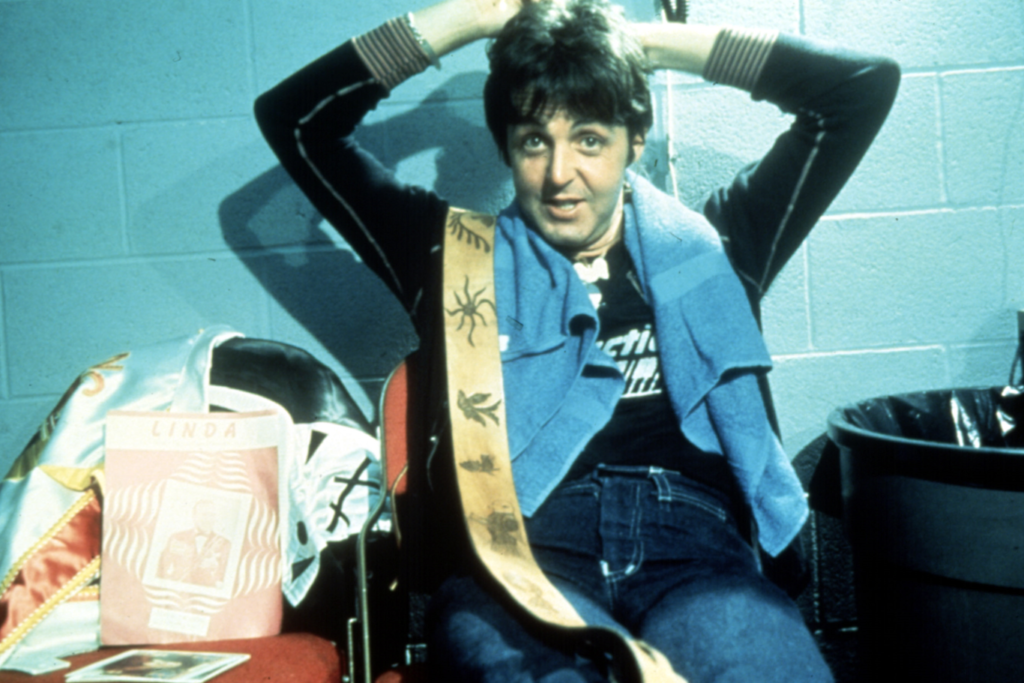
Upon release, Ram was greeted with surprisingly harsh reviews, especially when compared to Paul McCartney’s Beatles legacy. Critics dismissed it as lightweight, indulgent, and even petty in its subtle jabs at John Lennon. Many felt McCartney was incapable of producing serious work on his own. At the time, it was considered a step down from what fans expected of a former Beatle.
Listeners eventually reevaluated the album on its own terms. Fans connected with its melodic charm, playful arrangements, and deeply personal tone. Songs like “Uncle Albert” and “Too Many People” aged far better than early reviews suggested. Over the years, Ram became a cult favorite and is now frequently ranked among McCartney’s strongest solo efforts.
3. Berlin (Lou Reed, 1973)

Berlin shocked critics with its bleak themes and unrelenting darkness. Reviews labeled it depressing, self-indulgent, and almost punishing to listen to. Many felt Lou Reed had pushed misery too far, even for his standards. It was widely considered a commercial and critical failure at the time.
Fans who stuck with it found a haunting, emotionally raw concept album unlike anything else. Its brutal honesty and cinematic storytelling resonated with listeners who appreciated its refusal to soften the blow. Over time, Berlin earned recognition as one of Reed’s boldest artistic statements. Its cult following grew steadily, proving that fans understood its power long before critics did.
4. Led Zeppelin III (Led Zeppelin, 1970)
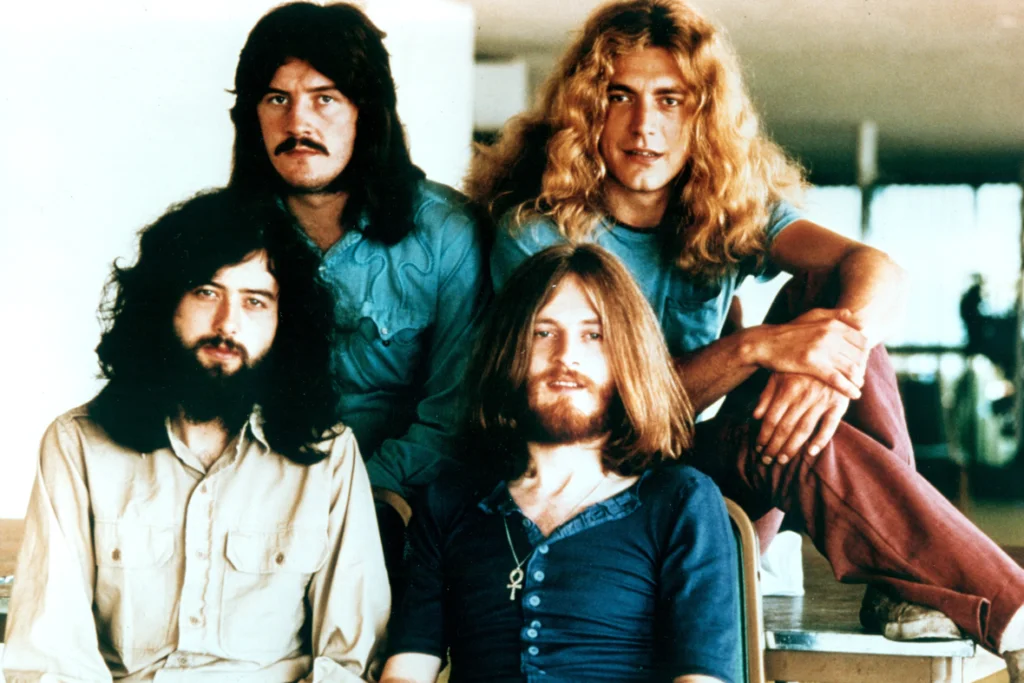
When Led Zeppelin III arrived, critics were confused by its acoustic leanings and folk influences. Many accused the band of losing the heavy edge that made them famous. Reviews suggested the group was unsure of its direction. For a band expected to deliver thunderous rock, the quieter moments baffled early reviewers.
Fans embraced the album’s range and depth. Listeners appreciated the contrast between delicate songs and hard rock bursts. Tracks like “Immigrant Song” and “Gallows Pole” showcased Zeppelin’s versatility. Over time, Led Zeppelin III gained respect as a turning point that expanded the band’s sound.
5. Raw Power (Iggy and the Stooges, 1973)

Raw Power was initially criticized for its chaotic sound and abrasive energy. Some reviewers found it sloppy and poorly produced, especially compared to polished rock albums of the era. It was not considered commercially viable or radio friendly. Many critics simply did not know what to make of it.
Fans heard something revolutionary. The album’s ferocity and stripped-down aggression influenced generations of punk and alternative musicians. Its rough edges became its greatest strength. Raw Power survived because fans recognized its importance long before the industry caught up.
6. Time Fades Away (Neil Young, 1973)

Critics were puzzled by Time Fades Away, particularly its raw live recordings and uneasy tone. It lacked the polish of Neil Young’s earlier work, which turned off reviewers. Some felt it sounded unfinished or emotionally uncomfortable. It was quickly overshadowed by his more accessible albums.
Fans connected with its vulnerability and honesty. The album captured exhaustion, disillusionment, and tension in a way studio albums could not. Over time, it became a favorite among listeners who valued emotional authenticity. Its survival owes everything to fans who understood its mood.
7. Muswell Hillbillies (The Kinks, 1971)

Upon release, Muswell Hillbillies received mixed to negative reviews for its distinctly British themes and rootsy sound. Critics felt it lacked commercial appeal, especially in the American market. Some found its nostalgia off-putting and overly specific. It was not seen as a major moment in the band’s catalog.
Fans embraced its storytelling and warmth. The album’s songs painted vivid pictures of everyday life and cultural change. Over time, listeners came to appreciate its charm and sincerity. It remains a fan favorite that critics initially underestimated.
8. Black Sabbath Vol. 4 (Black Sabbath, 1972)

Critics were not kind to Black Sabbath Vol. 4, often calling it bloated or unfocused. The album’s experimental touches confused reviewers expecting straightforward heavy metal. Some dismissed it as excessive and undisciplined. It did not receive the respect later Sabbath albums earned.
Fans gravitated toward its ambition and darker textures. Songs like “Snowblind” became staples among dedicated listeners. The album’s flaws became part of its character. Fans kept it alive until its influence became undeniable.
9. Goats Head Soup (The Rolling Stones, 1973)
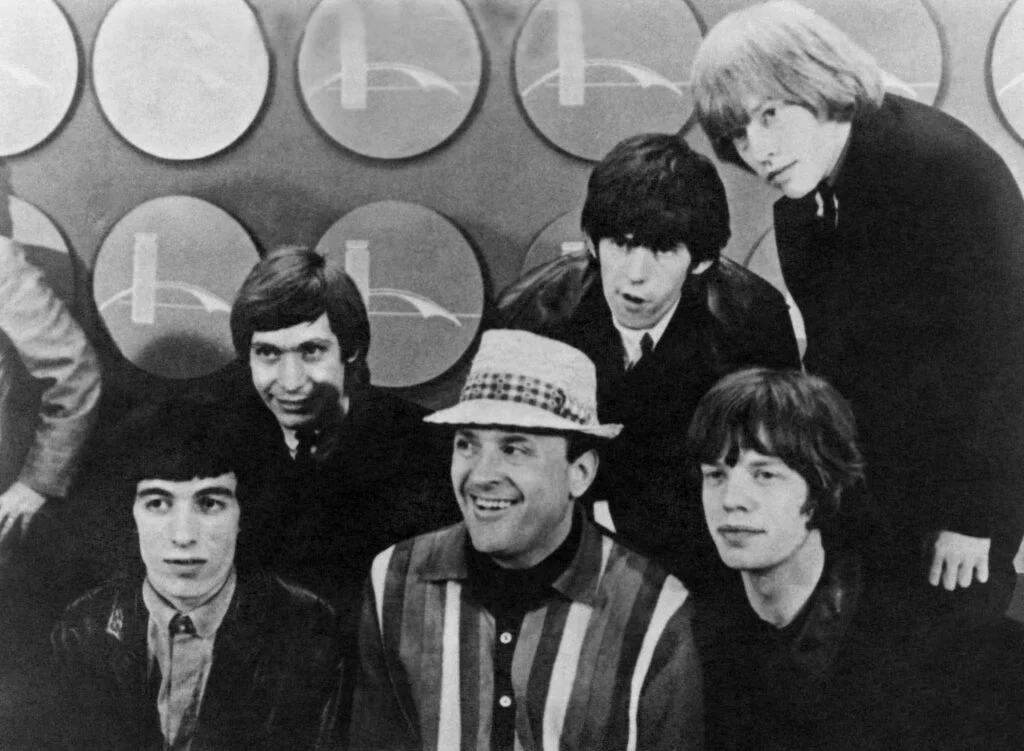
Goats Head Soup was met with lukewarm reviews that accused it of lacking energy. Critics felt the Stones were coasting rather than pushing boundaries. It was seen as a minor work following stronger albums. Expectations were high, and reviewers were disappointed.
Fans found plenty to love. The album’s moodier tone and introspective songs resonated over time. Tracks like “Angie” helped anchor its legacy. Fans ensured it remained part of the Stones conversation long after critics moved on.
10. Tusk (Fleetwood Mac, 1979)
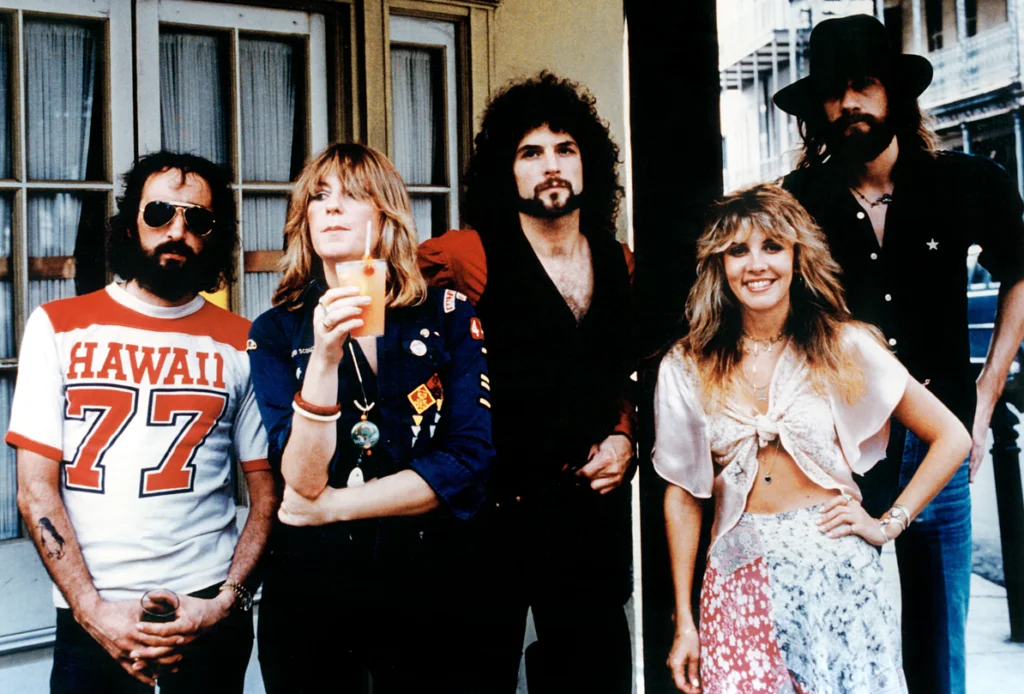
Critics were divided on Tusk, unsure how to react to its experimental direction and massive scope. Many compared it unfavorably to Rumours, calling it self-indulgent. Its commercial expectations made the backlash even louder. It was seen as an odd and costly gamble.
Fans grew to admire its ambition and emotional range. The album revealed different sides of the band, particularly Lindsey Buckingham’s creative risks. Over time, listeners appreciated its willingness to challenge expectations. Tusk endured because fans refused to measure it against anything else.
11. Love You (The Beach Boys, 1977)
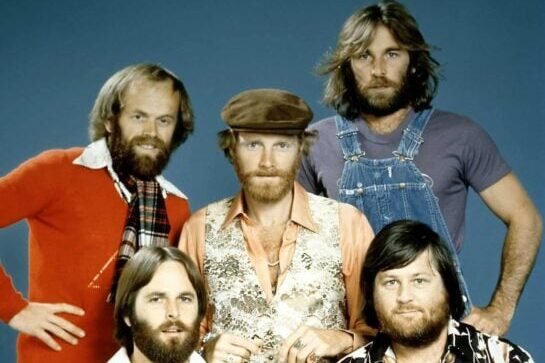
Upon release, Love You was criticized for its strange synthesizer sounds and childlike lyrics. Reviewers found it awkward and out of step with the band’s legacy. Many did not understand Brian Wilson’s creative choices. It was largely dismissed as a failed comeback.
Fans discovered something deeply personal beneath the surface. The album’s vulnerability and sincerity resonated with listeners who valued honesty over polish. Its quirks became endearing rather than embarrassing. Today, it holds a special place among devoted Beach Boys fans.
12. Jazz (Queen, 1978)

Jazz received mixed reviews that accused Queen of excess and inconsistency. Critics felt the band leaned too heavily into spectacle. The album’s variety confused those expecting cohesion. It was often labeled uneven.
Fans embraced its boldness and theatrical flair. Songs like “Fat Bottomed Girls” became crowd favorites. The album’s diversity reflected Queen’s refusal to be boxed in. Fans ensured it remained a key part of the band’s legacy.
13. Blue Moves (Elton John, 1976)
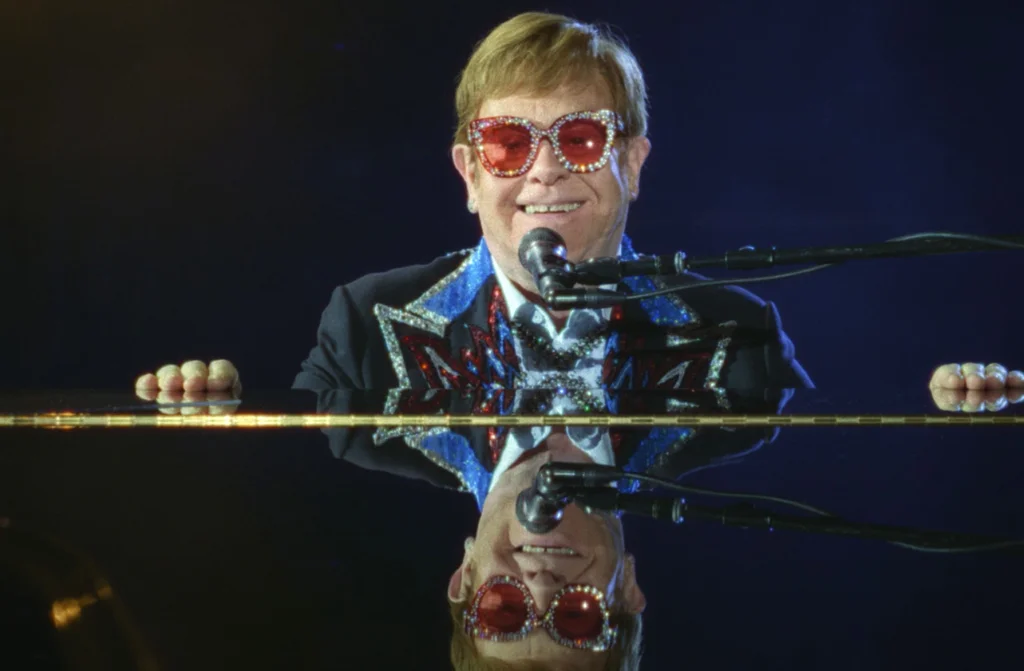
Critics found Blue Moves overly long and emotionally heavy. Reviews suggested Elton John was stretched too thin creatively. Its somber tone surprised listeners expecting pop brilliance. It was seen as a misstep during a prolific period.
Fans connected with its honesty and depth. The album captured a moment of reflection and exhaustion that felt relatable. Over time, listeners grew more appreciative of its quieter strengths. Its endurance is owed entirely to fans who never let it be forgotten.