
1. Coca-Cola “Hilltop” (1971)

If you grew up in the early ’70s, chances are you can still hum the tune from Coca-Cola’s famous “I’d Like to Buy the World a Coke” commercial. It showed young people from different countries standing on a hilltop, smiling and singing about harmony, peace, and shared moments. At the time, it felt like a hopeful antidote to a world dealing with the Vietnam War, political protests, and cultural upheaval. The ad captured a genuine longing for connection, even if it wrapped that message in a soda bottle.
What’s fascinating now is how idealized that vision feels compared to what everyday America actually looked like. The commercial presented a clean, unified global youth culture that most people only experienced through television. It accidentally documented how powerful advertising had become as a kind of cultural storyteller. Even today, it’s often cited as one of the most influential commercials ever made. Watching it now feels like stepping into a moment when optimism was being carefully manufactured for mass consumption.
2. McDonald’s “You Deserve a Break Today” (1971)
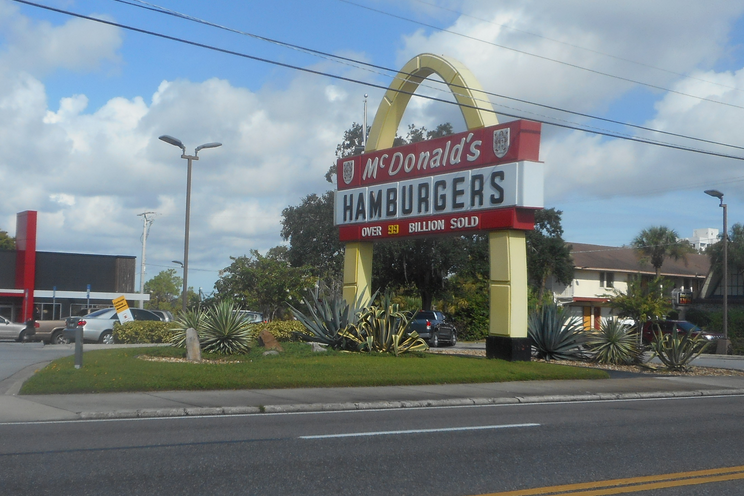
This McDonald’s campaign leaned hard into the idea that fast food was a reward for busy, hardworking Americans. The jingle promised comfort, consistency, and a small escape from the stress of daily life. Families, office workers, and travelers were all shown finding quick happiness under the golden arches. It reflected a growing culture of convenience and speed that was reshaping how people ate.
Looking back, the commercial quietly captured the early normalization of fast food as a daily habit rather than a rare treat. It also hinted at the changing rhythm of American life, with less time for home cooking and more time spent on the go. The smiling efficiency in those ads feels almost quaint compared to today’s drive-thru culture. It’s a snapshot of when fast food was still being sold as a novelty rather than a necessity.
3. Life Cereal “Mikey Likes It” (1972)

The “Mikey Likes It” commercial became an instant cultural shorthand for picky kids and honest reactions. Three brothers nervously watch the youngest, supposedly finicky Mikey, try a bowl of Life cereal. When he actually likes it, the older kids are stunned, and the line entered everyday conversation. The ad leaned into relatable family dynamics that felt authentic to many households.
What it accidentally preserved is a very specific version of childhood and parenting from the era. Kids roamed freely in the kitchen, siblings negotiated among themselves, and parents stayed mostly off-screen. It reflects a looser, more hands-off parenting style that was common at the time. Today, the simplicity of that moment feels like a small window into how differently families functioned.
4. Tootsie Pop “How Many Licks?” (1970)

The animated Tootsie Pop commercial with the wise owl became one of the most replayed ads of the decade. A curious child asks various cartoon characters how many licks it takes to reach the center of a Tootsie Pop, only to have the owl crunch it in three bites. The playful tone and simple animation made it unforgettable. It felt whimsical, innocent, and endlessly repeatable.
Beyond the candy, the ad reflects how children’s advertising once leaned heavily on imagination rather than overstimulation. There were no rapid cuts, flashy graphics, or loud sound effects. It also shows how long-running ad campaigns could embed themselves deeply into pop culture. The commercial unintentionally documents a slower, gentler style of marketing aimed at kids.
5. Enjoli “I Can Bring Home the Bacon” (1978)

Enjoli’s perfume commercial famously featured a confident woman singing about juggling work, romance, and independence. The message celebrated the idea that women could “have it all,” reflecting the growing impact of second-wave feminism. It was bold, catchy, and unapologetically modern for its time. Many viewers saw it as empowering, while others found it controversial.
What it captures now is a transitional moment in gender expectations. The ad still framed success through beauty, romance, and domestic balance, even as it embraced professional ambition. It shows how advertising tried to adapt to social change while staying safely marketable. Watching it today reveals how progress often came packaged with lingering stereotypes.
6. Coca-Cola “Mean Joe Greene” (1979)
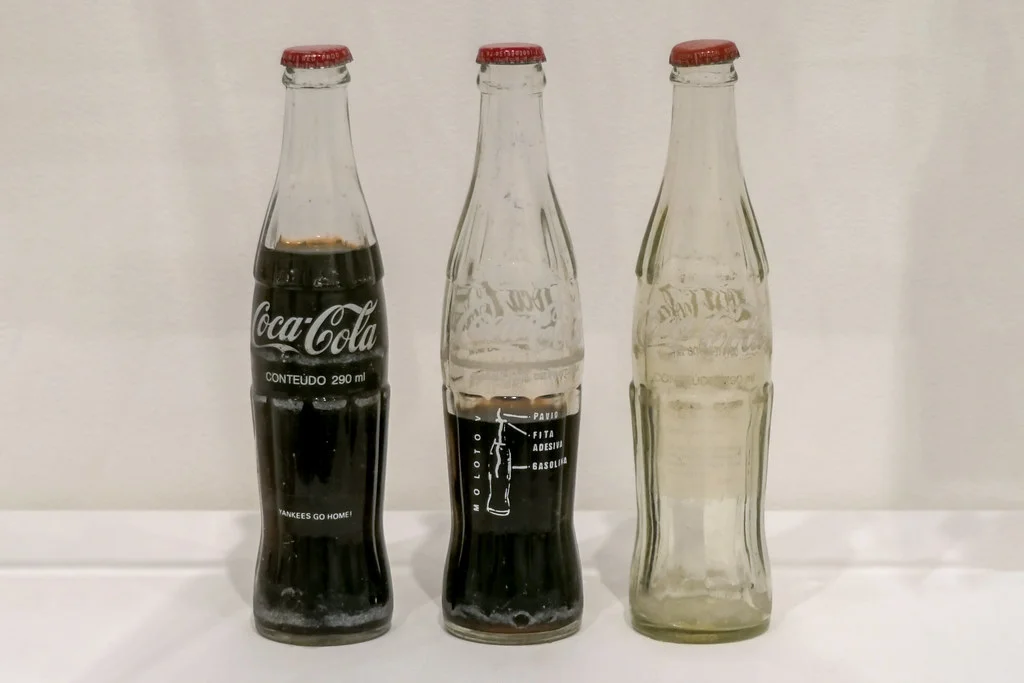
This iconic commercial showed football star Mean Joe Greene receiving a Coke from a young fan after a tough game. In return, Greene tosses the kid his jersey, signaling a warm, human side beneath his tough reputation. The moment felt genuine and emotionally resonant. It blended sports hero worship with simple kindness.
The ad unintentionally captured how deeply athletes were becoming embedded in American advertising culture. It also reflects a time when celebrity endorsements still felt personal rather than heavily commercialized. The setting, the uniforms, and even the stadium atmosphere preserve the look and feel of late ’70s sports culture. It’s a small but telling snapshot of how fame and marketing intersected.
7. Shake ’n Bake “And I Helped!” (Early ’70s)
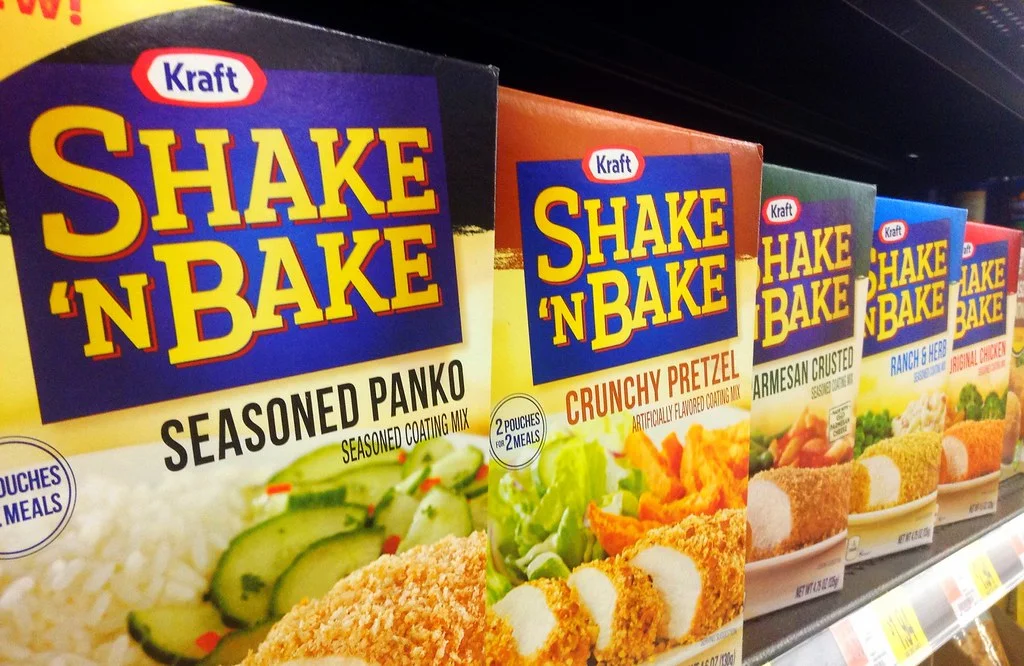
Shake ’n Bake commercials often featured cheerful families preparing dinner together, with a child proudly announcing, “And I helped!” The message centered on convenience and participation without real labor. It made cooking seem effortless and fun, even on busy weeknights. The kitchen became a stage for togetherness rather than work.
These ads quietly reflected shifting expectations around home cooking and family roles. Convenience foods were becoming mainstream, and advertisers framed them as a way to preserve family time. The spotless kitchens and upbeat tone reveal how idealized domestic life was portrayed. It’s an accidental record of how packaged food reshaped everyday routines.
8. Folgers “Mrs. Olson” Campaign (1970s)
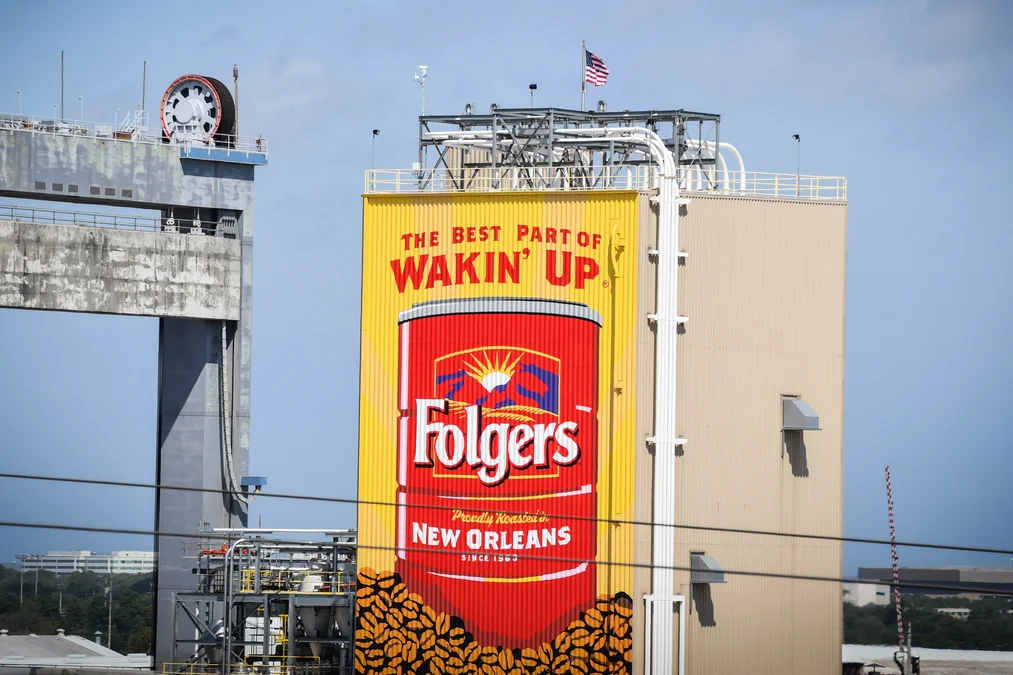
Folgers’ long-running ads featured the warm, wise Mrs. Olson helping families improve their coffee and their relationships. She embodied neighborly trust and old-fashioned reliability. The commercials leaned into comfort, routine, and quiet domestic authority. Viewers came to recognize her as a familiar presence.
Looking back, these ads capture how strongly advertising relied on archetypes of homemaking and social roles. Mrs. Olson represented stability at a time when society itself felt increasingly unsettled. The cozy kitchens and polite conversations reflect a carefully curated version of middle-class life. It’s a nostalgic portrait of how advertisers imagined the American household.
9. Burger King “Have It Your Way” (Mid-1970s)
Burger King’s “Have It Your Way” campaign emphasized customization and individual choice. Customers were encouraged to personalize their orders, which felt novel at the time. The ads tapped into growing cultural ideas about self-expression and personal freedom. It made fast food feel empowering rather than standardized.
The campaign unintentionally mirrored a broader shift toward consumer individuality. America was moving away from rigid conformity and toward customization in everything from fashion to music. Seeing those early ads now highlights how deeply choice-based marketing has become embedded in everyday life. What felt innovative then is now completely expected.
10. Calgon “Take Me Away” (Late ’70s)
Calgon’s bath product commercials showed stressed women escaping their daily chaos into a luxurious bath fantasy. The phrase “Calgon, take me away” became part of everyday language. The ads promised relaxation, privacy, and personal indulgence. They framed self-care as a small act of rebellion against responsibility.
What they accidentally documented is how burnout and emotional overload were already becoming mainstream concerns. Even in the ’70s, people were craving escape from busy routines and constant demands. The fantasy imagery reveals how advertising sold emotional relief alongside physical products. It’s an early glimpse into modern wellness marketing.
11. Charmin “Mr. Whipple” (1970s)
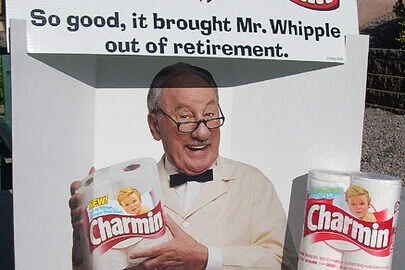
Mr. Whipple famously scolded shoppers for squeezing the Charmin toilet paper in grocery stores. The ads leaned into humor and gentle authority, turning an everyday product into a recognizable character campaign. Shoppers related to the exaggerated temptation to test softness. The commercials ran for years and became cultural shorthand.
These ads quietly captured the rise of supermarket culture and consumer abundance. People had choices, brands competed fiercely, and even toilet paper needed personality. The grocery store setting preserves a very specific retail look and feel of the era. It’s an accidental time capsule of everyday shopping behavior.
12. Virginia Slims “You’ve Come a Long Way, Baby” (1970s)

Virginia Slims targeted women with sleek, fashion-forward cigarette ads that linked smoking to independence and liberation. The campaign leaned heavily on changing gender roles and social visibility. It positioned the product as a symbol of modern womanhood. At the time, it felt edgy and progressive.
Today, the campaign stands as a stark reminder of how differently health and advertising were regulated. It unintentionally documents how normalized smoking once was, even in aspirational marketing. The imagery reflects shifting fashion, body language, and cultural messaging about freedom. It’s a revealing snapshot of values that no longer align with current public health awareness.