
1. Folgers Coffee Morning Ads
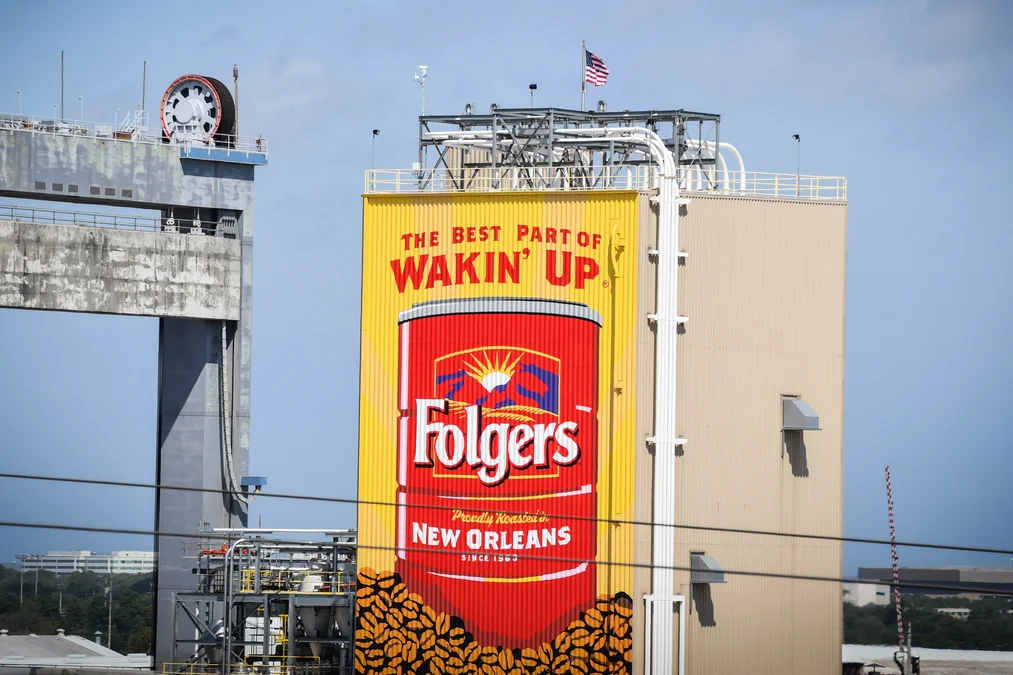
Those early ’70s Folgers commercials didn’t try to be flashy, they just dropped viewers right into sleepy kitchens and half-awake households. You saw parents in robes, kids dragging themselves to the table, and the quiet ritual of coffee before the day really started. Nothing about it felt staged or polished. The lighting was soft, the conversations were minimal, and the pacing felt unhurried. It looked like real mornings, not TV mornings. Even the silences felt familiar. The ads accidentally documented how central coffee was to starting the day. It felt less like selling and more like observing.
The beauty of those spots was how ordinary everything looked. The kitchens were cluttered, the mugs didn’t match, and no one was smiling like they were in a magazine. You could almost hear the hum of appliances in the background. The commercials captured a time when mornings weren’t rushed by phones or screens. They showed families existing in the in-between moments. That realism is what still makes them resonate today.
2. McDonald’s Family Dinner Commercials
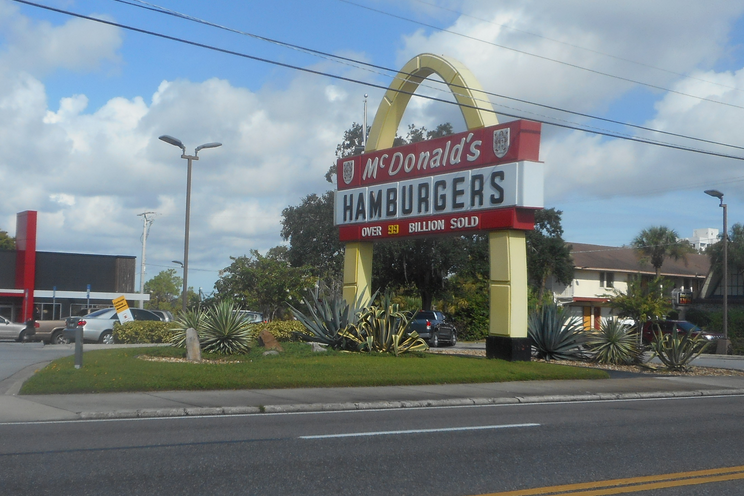
’70s McDonald’s commercials often focused on families piling into booths after a long day. The food wasn’t styled to perfection, and the restaurants looked loud, busy, and slightly chaotic. Kids were squirming, parents were tired, and nobody seemed particularly glamorous. It felt like a reward stop after errands or sports practice. The ads showed fast food as a shared family moment rather than a guilty indulgence. That framing reflected how families actually used places like McDonald’s.
What stands out now is how casual everyone seemed. Nobody was glued to a device or rushing to leave. The booths were packed, the trays were crowded, and the meals felt communal. These commercials unintentionally documented how fast food fit into everyday routines. They weren’t aspirational, they were practical. That honesty made them relatable without trying.
3. Crest Toothpaste Bathroom Ads

Crest commercials in the ’70s often took place in cramped, lived-in bathrooms. The sinks were crowded with products, towels were slightly rumpled, and mirrors weren’t spotless. Parents hovered while kids brushed their teeth, offering reminders rather than lectures. It felt like a real nightly routine instead of a polished demonstration. The ads captured the small negotiations of family life. They showed how health habits were actually enforced at home.
What makes them interesting now is how unfiltered they feel. The bathrooms looked like bathrooms people actually used. The kids weren’t perfectly behaved, and the parents weren’t overly cheerful. These commercials documented the everyday rhythms of family life without meaning to. They preserved a snapshot of domestic spaces that rarely make it into nostalgic memory.
4. Campbell’s Soup Weeknight Spots

Campbell’s soup commercials frequently showed tired parents throwing together dinner after work. The kitchens weren’t fancy, and the meals weren’t elaborate. You saw coats being taken off, homework spread across tables, and soup heating on the stove. The message was convenience, but the setting was real life. It reflected how many families actually managed dinner during the week.
Those ads unintentionally captured the emotional tone of weekday evenings. There was a sense of relief rather than celebration. Dinner wasn’t a production, it was a pause. The commercials showed food as comfort and practicality rolled into one. They preserved a realistic picture of how families got through busy nights.
5. Levi’s Everyday Denim Ads

Levi’s commercials in the ’70s often showed people wearing jeans while doing normal, slightly messy things. They sat on sidewalks, leaned against cars, and moved through ordinary neighborhoods. The settings weren’t glamorous, and the people didn’t look styled. It felt like watching candid moments rather than a fashion shoot. The jeans blended into daily life instead of standing out.
Looking back, those ads accidentally documented how denim became everyday wear. Jeans weren’t treated as statements, they were treated as defaults. The commercials showed people living in them, not posing. That casual realism explains why they still feel authentic. They captured a moment when fashion was practical before it was performative.
6. Life Cereal Family Table Commercials

Life cereal commercials in the ’70s often revolved around family breakfasts with mild skepticism and gentle humor. Kids pushed cereal around, parents watched quietly, and conversations felt unscripted. The tables were cluttered, and mornings felt slow. The ads reflected the reality of convincing kids to try something new. It was less about excitement and more about routine.
What feels real now is the pacing. No one rushed, no one overreacted. The commercials captured the ordinary drama of breakfast tables everywhere. They documented how small decisions played out in family settings. That understated realism is why they still feel familiar.
7. Kodak Everyday Photography Ads

Kodak commercials focused on ordinary people taking photos at birthdays, picnics, and family gatherings. The moments weren’t staged for perfection, they were messy and spontaneous. Kids moved out of frame, adults laughed mid-shot, and nothing looked choreographed. The ads showed photography as part of daily life. They weren’t about artistry, they were about memory.
These commercials unintentionally preserved how people interacted before digital cameras. You saw hesitation before clicking the shutter and genuine surprise afterward. The ads documented a slower, more intentional relationship with photos. They captured how everyday moments were valued simply because they could be saved. That perspective feels especially poignant now.
8. Coca-Cola Neighborhood Commercials

’70s Coca-Cola ads often placed people in parks, stoops, and neighborhood hangouts. Friends passed bottles around casually, and no one seemed overly posed. The settings felt local and familiar. The commercials suggested connection without forcing it. They showed soda as part of everyday social life.
What’s striking now is how grounded those ads feel. The neighborhoods look lived-in, not curated. People interacted face-to-face without distraction. The commercials accidentally recorded how communities gathered in simple ways. That realism gives them lasting emotional weight.
9. Alka-Seltzer Home Remedy Ads

Alka-Seltzer commercials often depicted people dealing with everyday discomforts at home. Kitchens and living rooms looked ordinary, not stylized. The tone was sympathetic rather than exaggerated. The ads acknowledged how common minor ailments were. They reflected how people actually talked about feeling unwell.
These commercials captured the domestic reality of caring for yourself at home. There was no urgency or panic, just routine problem-solving. The settings felt familiar and reassuring. They documented a time when remedies were simple and shared knowledge. That authenticity makes them memorable.
10. Jell-O Family Dessert Commercials
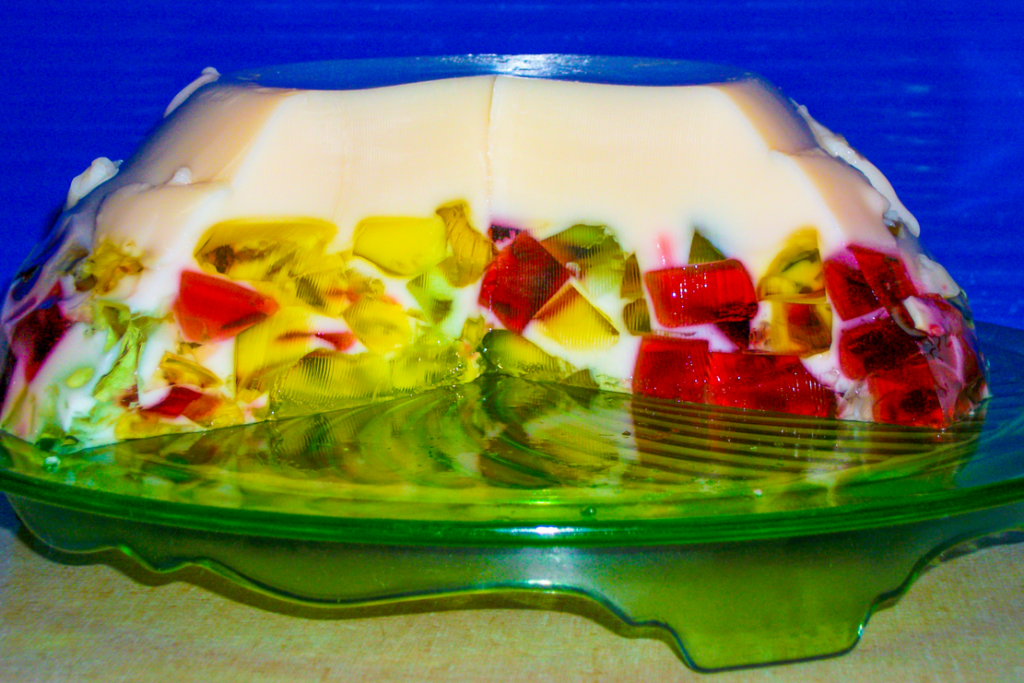
Jell-O ads in the ’70s showed families casually gathering around desserts after dinner. The desserts weren’t fancy, and the reactions weren’t over-the-top. Kids joked, parents smiled, and everything felt relaxed. The commercials framed dessert as a small daily pleasure. It mirrored how families actually treated sweets.
What stands out is how informal these moments were. Dessert wasn’t a reward or spectacle, just part of the routine. The ads captured how food marked transitions in the day. They preserved a slice of domestic life that feels familiar even decades later. That quiet realism is what makes them endure.
11. AT&T Home Phone Commercials

AT&T commercials often showed people talking on corded phones in kitchens or living rooms. The conversations felt casual and unscripted. You saw pacing, leaning, and multitasking during calls. The ads reflected how phone calls fit into daily life. They weren’t events, they were interruptions.
Looking back, these commercials documented a slower pace of communication. Calls were shorter, more intentional, and tied to physical spaces. The ads preserved how homes were organized around shared phones. That detail now feels historical. They captured everyday behavior that has almost completely disappeared.
12. Cheerios Quiet Morning Ads

Cheerios commercials in the ’70s often focused on calm, early-morning family scenes. The tone was gentle, and the pacing was slow. Parents and kids shared quiet moments before the day began. The settings felt authentic rather than idealized. It was about presence, not excitement.
These ads accidentally captured how mornings used to feel. There was time to sit, talk, and ease into the day. The commercials documented a rhythm that many people recognize but rarely see represented. That understated honesty is why they still resonate. They feel like memory rather than marketing.