
1. The High-Stakes “Long Distance” Call

Back then, calling someone two towns over was treated like a major financial decision. Commercials for Ma Bell often featured people frantically feeding quarters into a payphone while a timer ticked down. It’s a wild reminder that before unlimited talk plans, hearing a loved one’s voice was a metered luxury, not a constant background noise.
The anxiety in these ads was palpable, often showing families huddled around a single kitchen wall-phone as if it were a sacred altar. You didn’t just “check in” to say hi; you planned the call, kept it brief, and watched the clock, highlighting a world where distance was a physical and financial barrier.
2. The Unrestricted “Station Wagon” Freedom

Old car ads often showed kids bouncing around the back of a wood-paneled station wagon like loose marbles. There wasn’t a seatbelt or a car seat in sight. Watching a family cruise down the highway with a toddler standing on the upholstery reveals just how much our modern obsession with “safety first” has evolved from the “vibes first” era.
It wasn’t just about the lack of belts; the ads often promoted “the rear-facing seat” as a fun way for kids to make faces at the drivers behind them. This era of “wild west” parenting shows a society that was much more comfortable with risk, long before the days of five-point harnesses and side-impact ratings.
3. Smoking in the Great Outdoors

Cigarette commercials were still a staple of the early ’70s TV landscape, often framing smoking as the ultimate way to enjoy fresh mountain air. Seeing a rugged hiker light up at the summit of a mountain feels completely surreal today. It highlights a time when the health risks were sidelined for the sake of looking “cool” and “natural” in the wild.
The imagery was almost hypnotic, linking the crispness of a menthol filter to the purity of a rushing stream. It’s a jarring look back at a time when smoking was so socially integrated that it was marketed as a companion to physical fitness and “getting back to nature.”
4. The Magic of “The Sears Catalog”
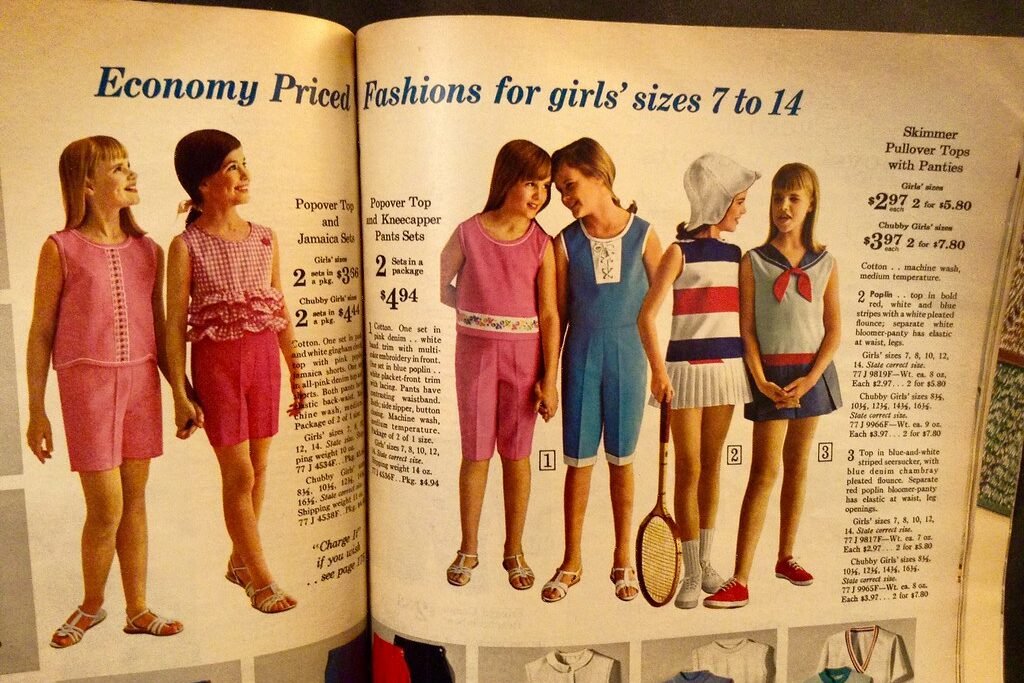
Before “Add to Cart” existed, there was the arrival of the massive Sears Wish Book. Commercials treated the delivery of a paper catalog like a national holiday. It shows a world where shopping was a slow, tactile experience involving rotary phones and mail-order forms rather than instant gratification and two-hour delivery windows.
The excitement of flipping through hundreds of thin, glossy pages was a shared cultural event. These commercials captured a sense of anticipation that has largely vanished in our era of digital scrolling, reminding us that “browsing” used to mean physical paper and a six-week wait for shipping.
5. TV Dinners as High Cuisine
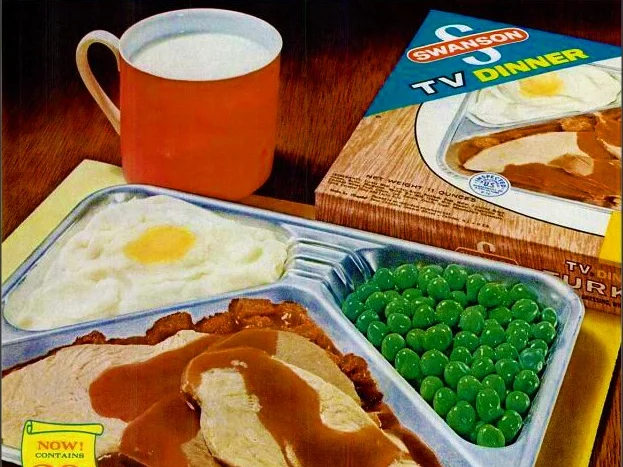
In the ’70s, Swanson commercials pitched frozen Salisbury steak in a tin tray as a glamorous, futuristic way to eat. The idea that “not cooking” was a luxury—rather than a sign of a busy schedule—is a funny flip on our current culture, where we pay a premium for “farm-to-table” and “organic” home-cooked meals.
There was something almost space-age about peeling back the foil to reveal perfectly square compartments of peas and cobbler. These ads sold the “freedom from the kitchen” as the ultimate status symbol for the modern housewife, reflecting a society obsessed with industrial convenience.
6. The 24/7 Professional “Office Cloud”

Office equipment ads from the ’70s frequently showed executives dictating memos into recorders while surrounded by a thick haze of tobacco smoke. It wasn’t just allowed; it was the aesthetic of productivity. Today, the idea of a shared workspace doubling as a smoking lounge feels like a transmission from a different planet.
The ads showcased massive, beige typewriters and bulky xerox machines as the height of “high tech.” Seeing a secretary hand an ash-covered document to her boss reminds us how much our standards for workplace health and professional etiquette have been completely overhauled.
7. Lead-Based “Color Brightness”

Paint commercials used to brag about the “vibrancy” and “durability” of their pigments without mentioning the lead content. Seeing a toddler crawling near freshly painted walls in a vintage ad is a bit of a jump scare for modern viewers. It reminds us how many everyday household products were actually chemical minefields before regulations caught up.
The marketing focused entirely on the “one-coat coverage” and the bold, psychedelic colors of the decade. It’s a fascinating, if slightly terrifying, glimpse into a time when consumers trusted that if a product was on the shelf, it was inherently safe for the family.
8. The “TV Guide” Ritual
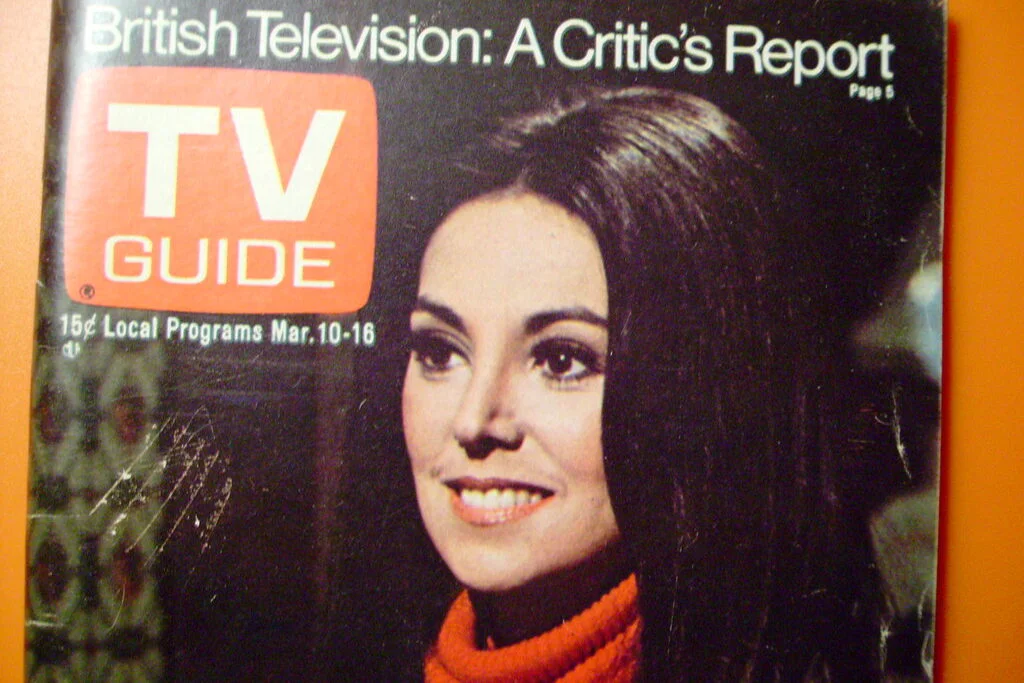
There were entire commercials dedicated just to the weekly TV Guide magazine. Because you couldn’t just “scroll” to see what was on, life revolved around this little paper booklet. If you lost it, you were essentially flying blind for the week, which is a level of information scarcity that’s hard to fathom in the age of the smartphone.
The ads often featured “exclusive” interviews or crossword puzzles to sweeten the deal. They reveal a world where media consumption was highly structured and synchronized; if you missed the commercial break telling you what was on at 8:00 PM, you simply missed the show.
9. Instant Cameras as “Witchcraft”
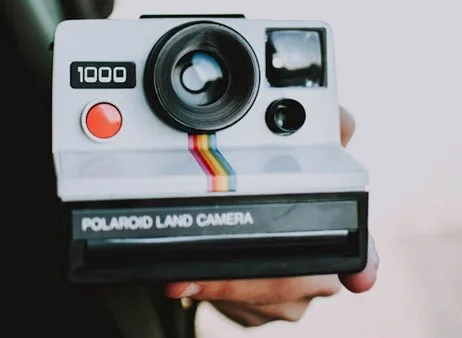
Polaroid commercials featured celebrities like James Garner acting genuinely shocked that a photo could develop in sixty seconds. In an era where you usually had to wait a week for the drugstore to develop your film, this was the height of technology. It highlights just how patient people used to be with their memories.
The ads treated the chemical “whoosh” of the photo emerging as a borderline miracle. In a world where we now take 40 photos of a single brunch plate, seeing the genuine awe on people’s faces for one blurry, instant polaroid shows how much we’ve devalued the “captured moment.”
10. The Casual Sexism of Coffee Ads
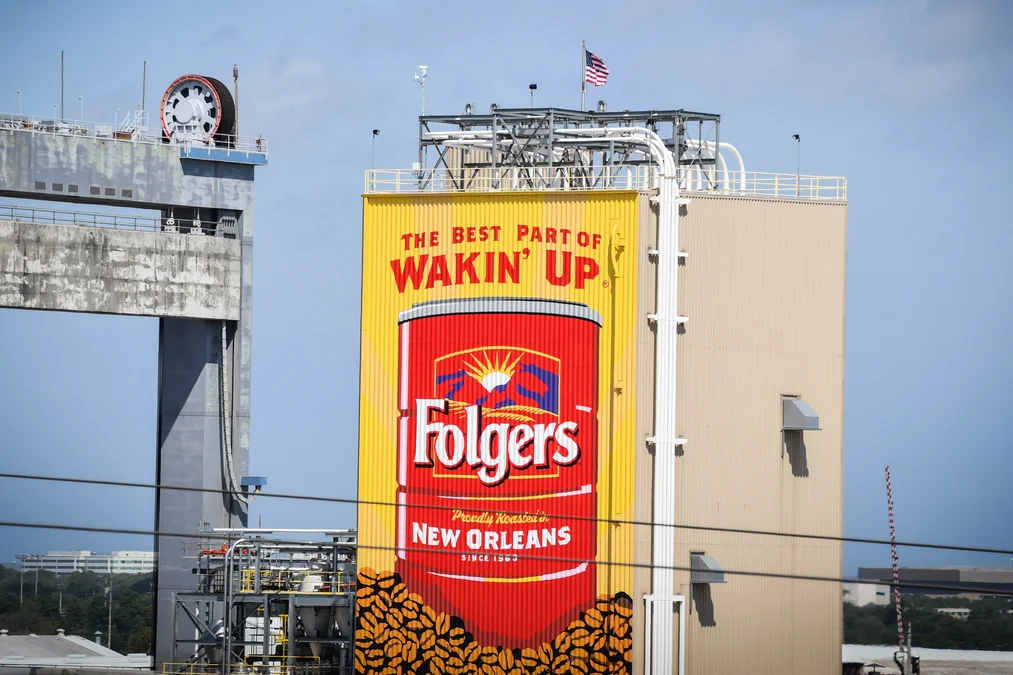
The “Folgers” or “Maxwell House” ads often centered on a wife’s anxiety that her husband would be disappointed by a “bad” cup of coffee. The high-stakes drama over a bitter brew reveals the rigid, often stifling gender roles of the decade, where a woman’s worth was frequently tied to her performance of domestic duties.
The resolution usually involved a neighbor whispering the secret of a better brand to save the marriage. These commercials are a window into the domestic pressures of the ’70s, where the quality of a breakfast beverage was portrayed as a legitimate “make or break” moment for a household.
11. Tab: The “Guilt-Free” Pink Can
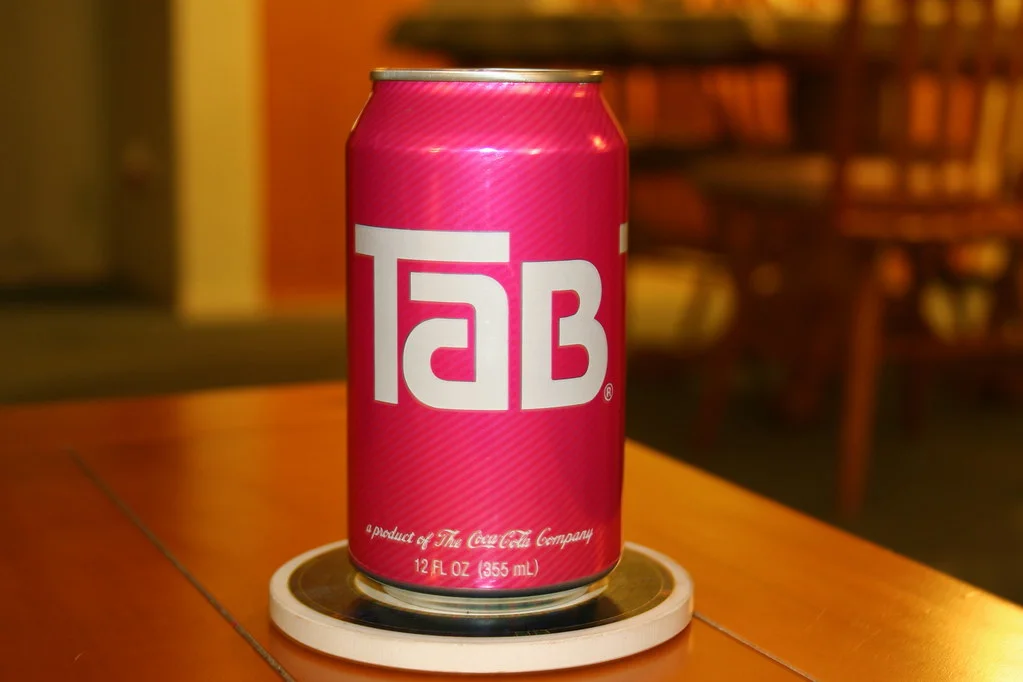
Diet soda ads in the ’70s, specifically for Tab, were aggressively marketed as a way for women to “keep their shapes.” The marketing wasn’t subtle; it was a direct appeal to the era’s narrow beauty standards. Seeing these ads now underscores how much the conversation around body image and “wellness” has (thankfully) shifted.
The commercials often featured sirens and “beautiful people” in tight clothing, explicitly linking a saccharine-heavy soda to social success. It’s a stark reminder of a time when diet culture wasn’t just a subculture; it was the primary way products were sold to women.
12. The “After-Hours” Sign-Off
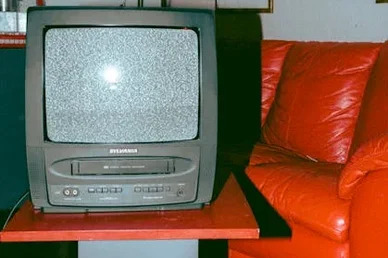
You used to see commercials for the “Station Sign-Off,” where the channel would play the National Anthem and then go to static for the night. There was no 24-hour news cycle or late-night streaming. When the TV went to bed, the world went to bed—a forced digital detox that happened every single night at 1:00 AM.
The finality of that test pattern—the colorful bars and the high-pitched beep—is something younger generations will never experience. It signaled a collective “end of the day” that reminded everyone it was time to sleep, showing a much healthier boundary between technology and rest.